Officially, Camp Dix was established on July 18, 1917, and named to honor John Adams Dix. At age 15 Dix left school in New Hampshire and join the army to participate in the War of 1812. He left the service as a hero. He also served as President Lincoln’s Secretary of the Treasury and as an active Major General in the Union Army during the Civil War. It was he who arrested the pro-Southern Maryland General Assembly, preventing that divided border state from seceding from the Union. Later in life he was a United States senator from New York, the United States minister to France, and a governor of New York state.
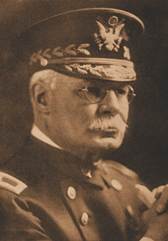
For more than a century, the camp served as a training facility for the Army’s 78th Division and had a capacity of nearly 43,000 soldiers. The original Camp Dix unit was commanded by Major General Hugh L. Scott
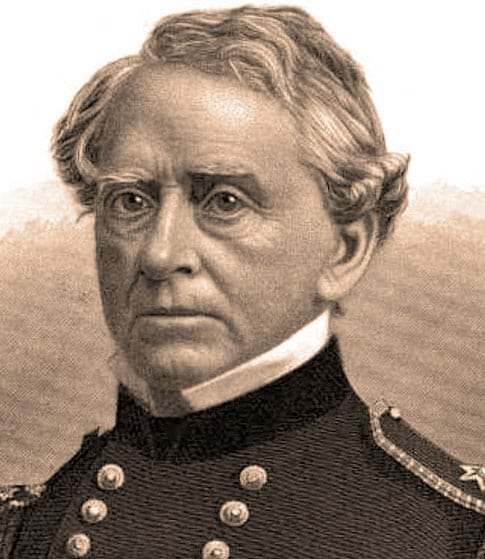
Camp Dix became Fort Dix on March 8, 1939, and continued as a training ground and staging site during World War II and a demobilization and discharge center after the war. In 1947, Fort Dix became the home of the 9th Infantry Division, which had distinguished itself in World War II and would later serve in Vietnam.
We all know about army units, there are Corps, Divisions, Brigades, Battalions, Companies, Platoons and Squads, and in many cases, as with the 9th Infantry there is the band. The 9th Infantry Band was part of the division’s support structure, tasked with performing at military ceremonies, parades, and morale-boosting events.
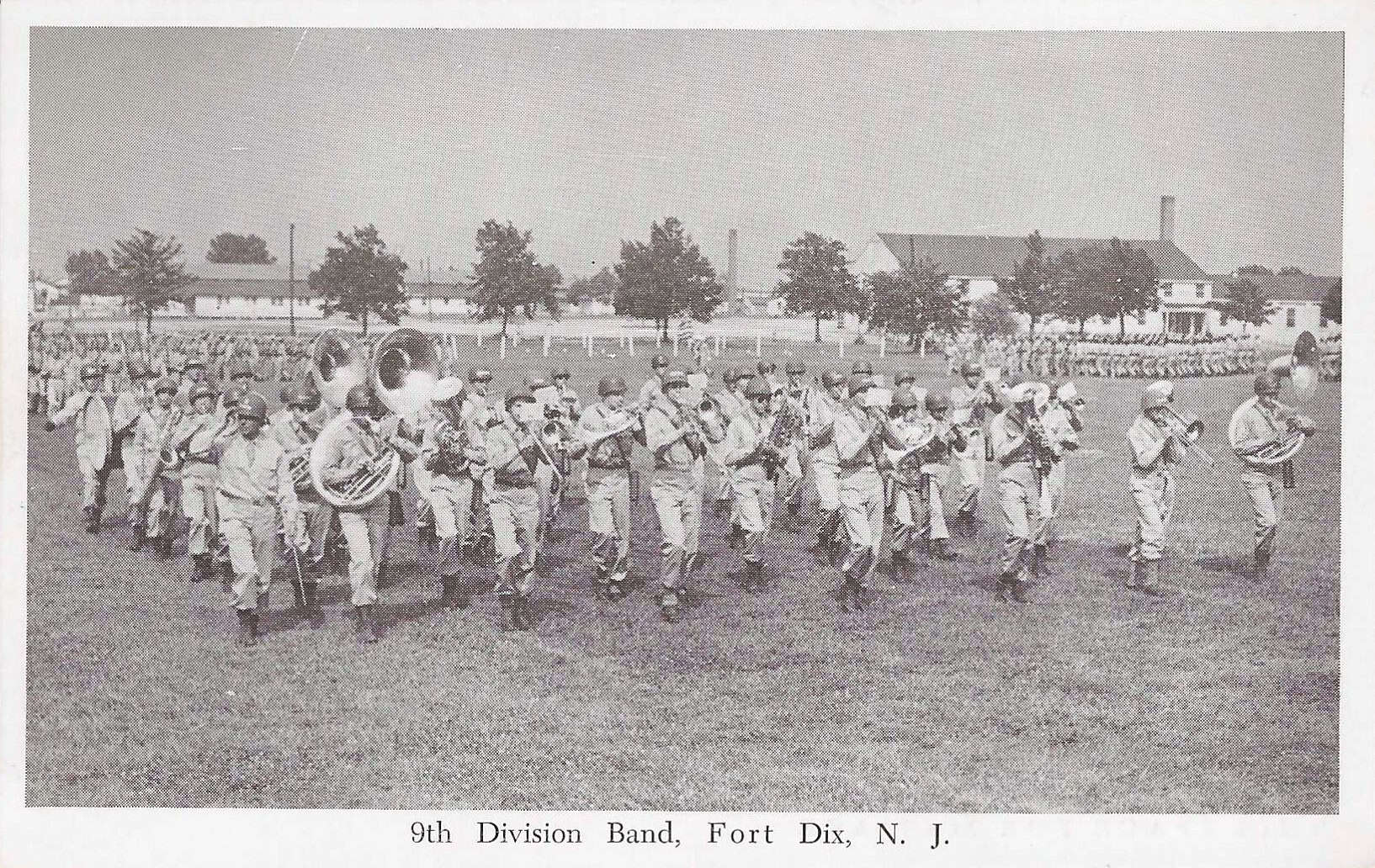
Through its active years, the 9th Infantry Division Band played a vital role in the unit’s history, not only as a musical ensemble but as a symbol of tradition and unity. From its early days through the mid-20th century, the band served as a cultural ambassador for the military, blending discipline with artistry. For example, one of the most notable appearances of the band was a 1948 concert at Tilton General Hospital, located on the Fort Dix base. This performance was part of the band’s outreach to wounded soldiers and medical staff, offering comfort through music during the post-war recovery period. The band performed a wide repertoire, including patriotic marches, classical pieces, and popular tunes of the era, showcasing the versatility and professionalism of army musicians.
Additionally, military bands have often accompanied troops during deployments and were present at key events, including change-of-command ceremonies, graduations, and community outreach programs.
Though the 9th Infantry Division was inactivated in 1991, its band left behind a legacy of service that extended beyond the battlefield. In communities across the nation, army bands have made many cultural contributions.
* * *
At dozens or perhaps hundreds of concerts many selections on the program would have been novelty songs and sometimes “sing-alongs.” Since sheet music is an obvious problem from marching bands, it was postcards that solved the problems for musicians not completely familiar with the scheduled presentations.
One publishing company that helped was the Exhibit Supply Company of Chicago. In 1942, E. S. C. published a twelve-card set of “old favorites” as postcards. The stock used for the set was a 210# card with starch added to the paper-emulsion to enhance stiffening.
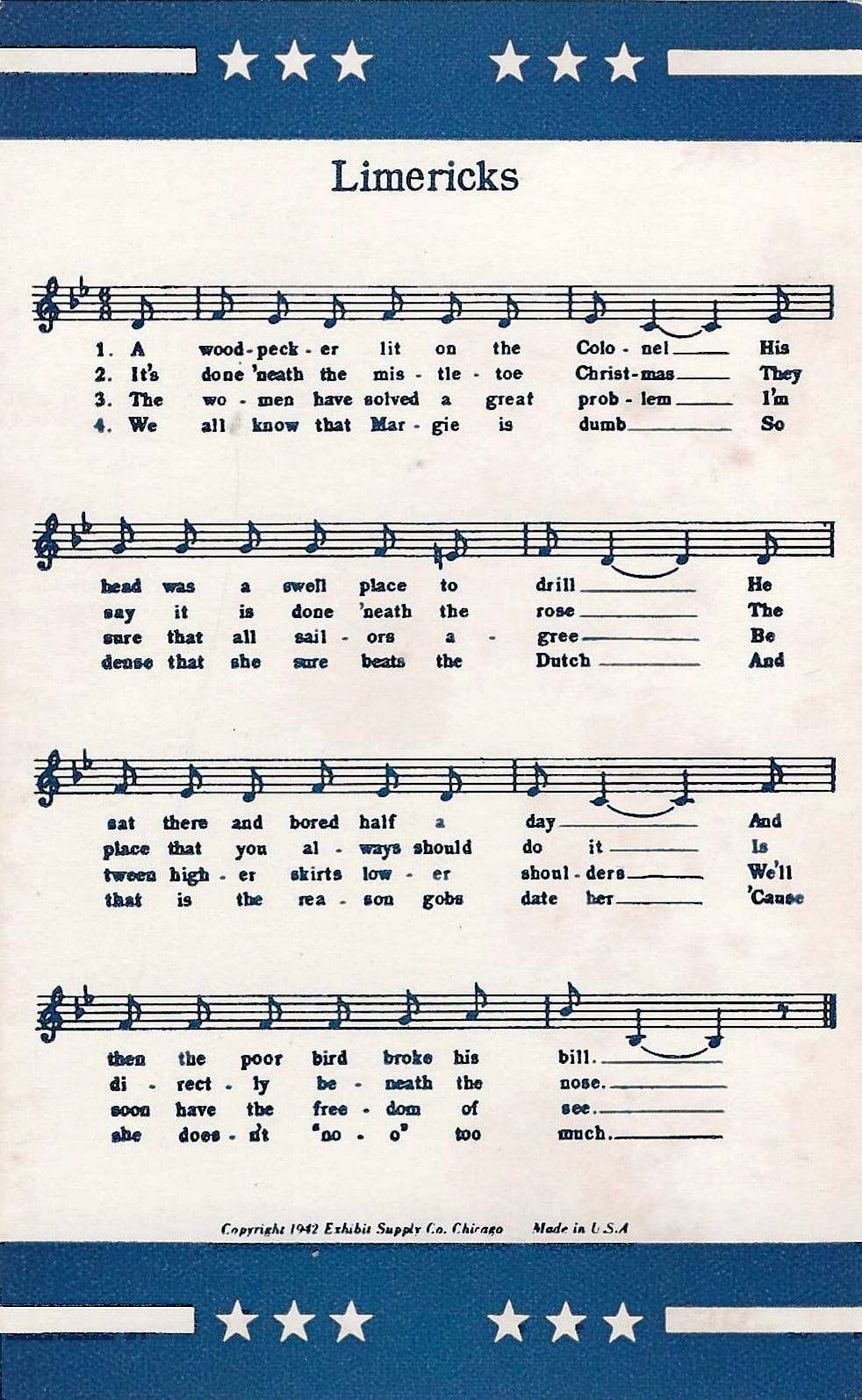
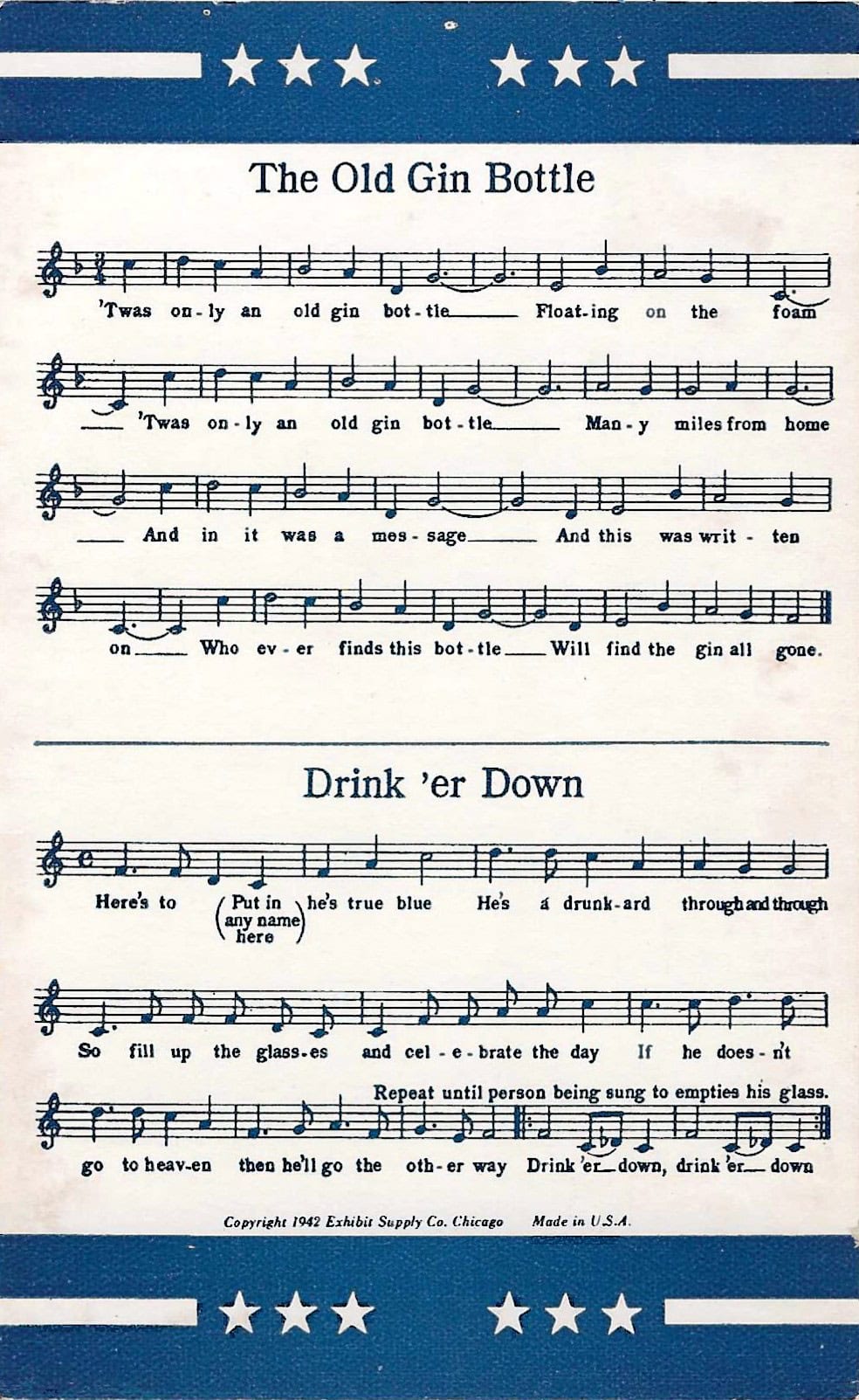
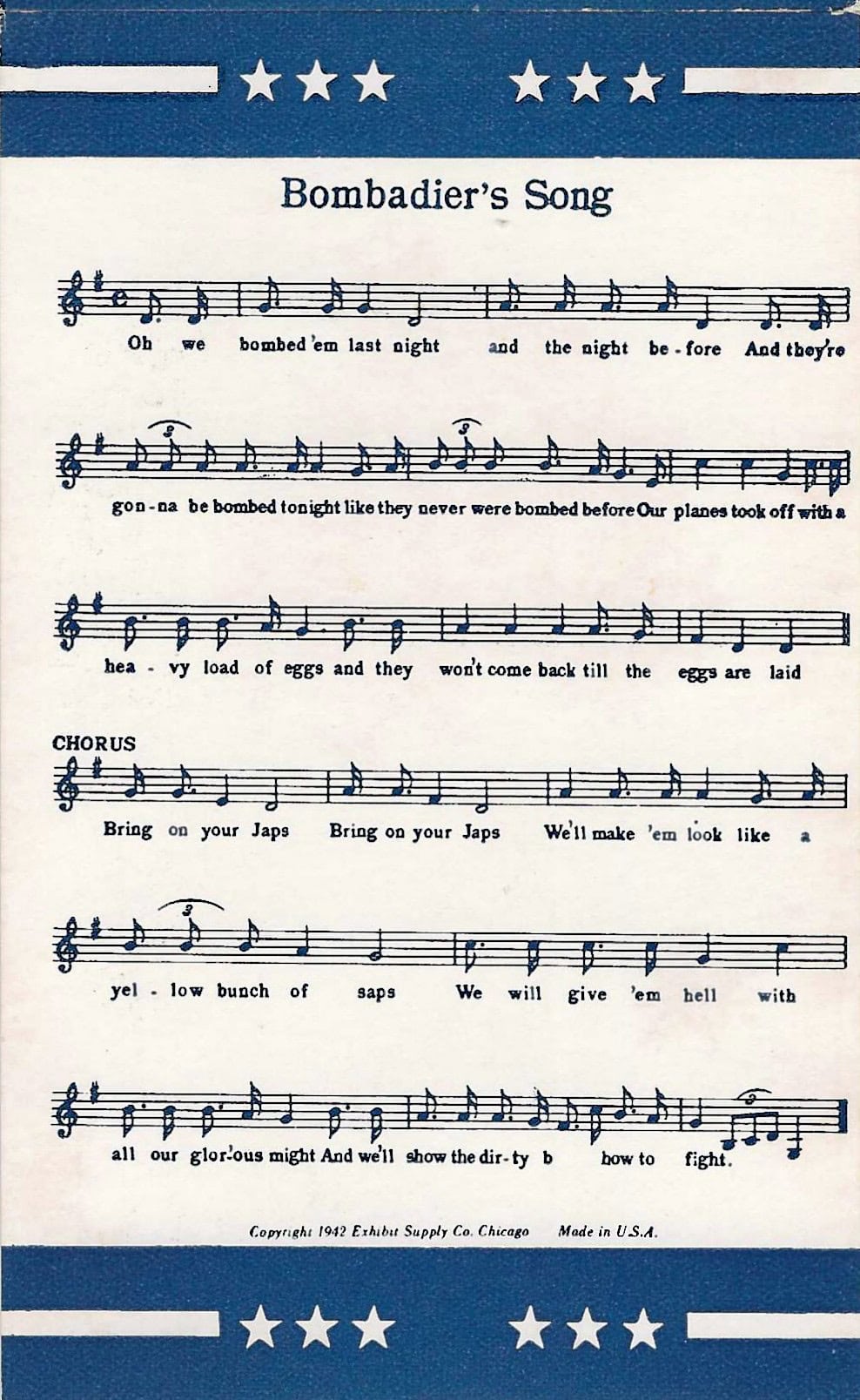
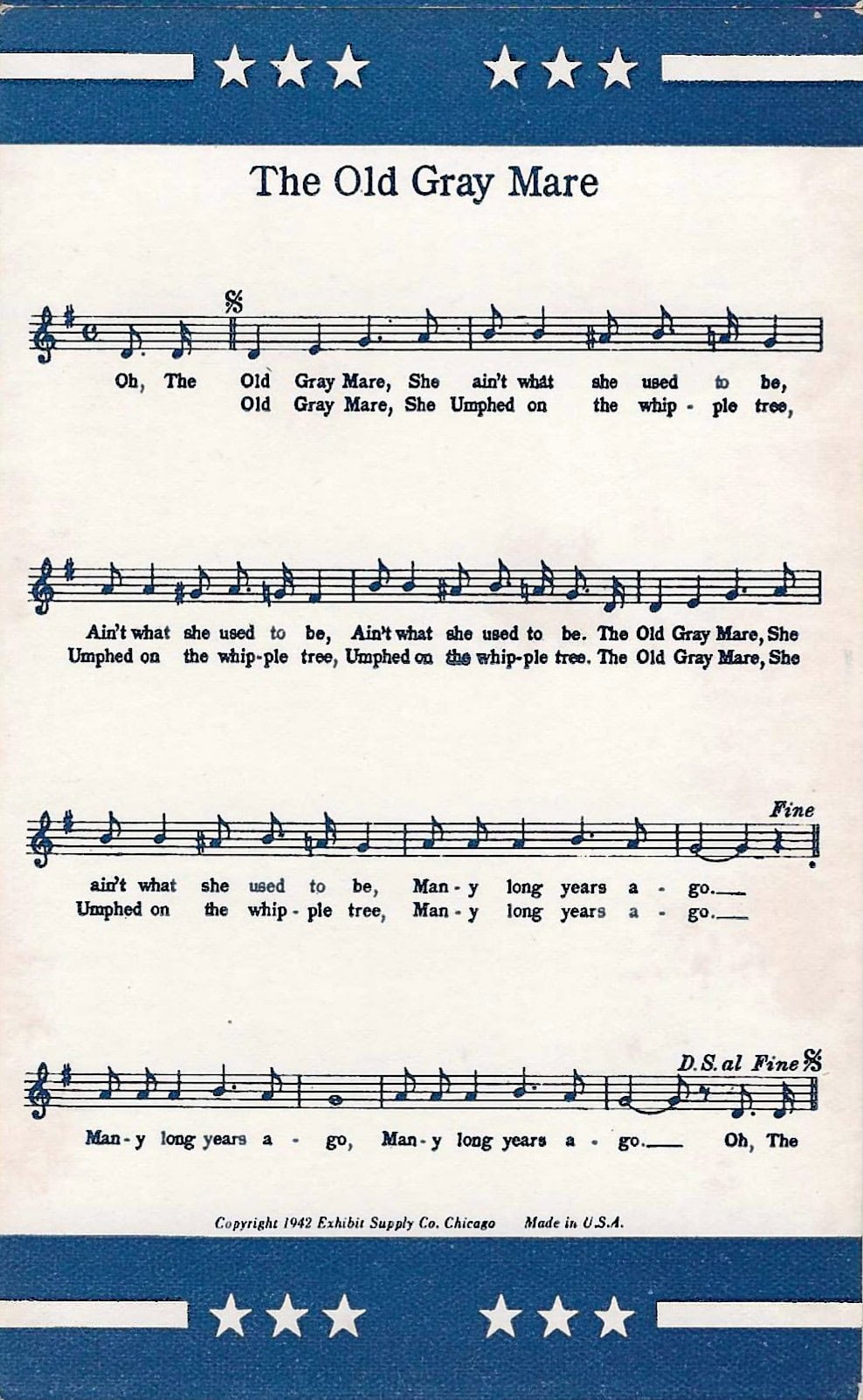
Other cards in the series were The Army Bean, Oh, When I Die, The Souse Family, One Drink For One of Us, The Gasoline Song & How to Spell Chicken, For He’s a Jolly Good Fellow, Old MacDonald Had a Farm, and I’ve Been Working on the Railroad.