For an accomplished collector, the occasions are rare, and it is difficult to describe the joy one feels when he finds a dealer who has a new and often unusual category in their inventory. Last month it happened to me. I was thrilled, because in nearly forty years of collecting, never had I found a “Pretzel” postcard. Admittedly, I never looked for a pretzel postcard before but it was still a fun discovery.
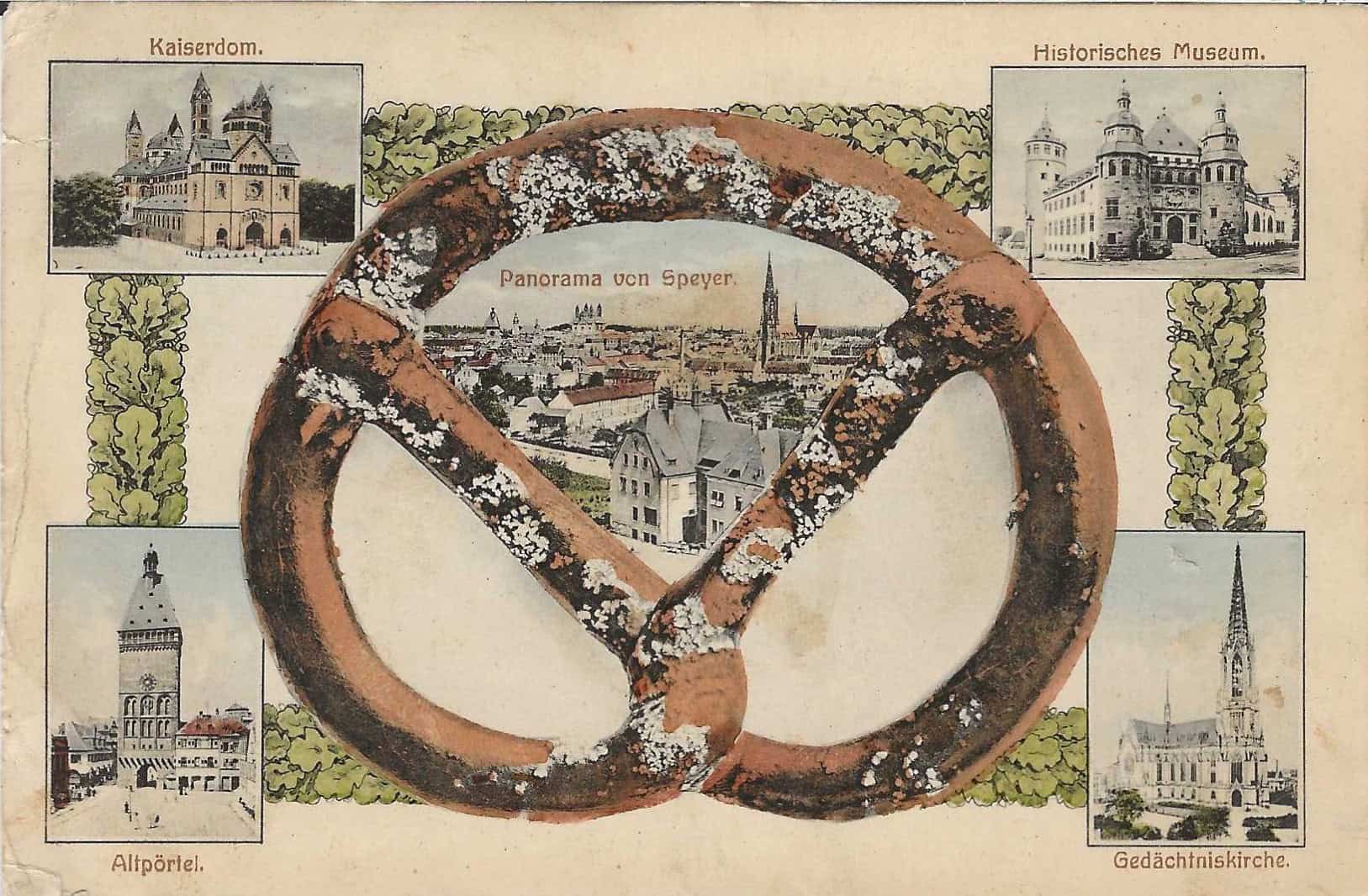
The History of Pretzels
The “Pretzel” is possibly the most recognized and beloved baked good in the world. Known for their distinctive twisted shape, chewy texture, and often salty flavor, their history is linked to religion, culture, and the culinary traditions of nearly every country where the citizens speak a Romance Language. Pretzels span centuries and continents.
The precise origin of pretzels is still a mystery, but many food historians agree that pretzels can be traced to early medieval Europe, particularly to Christian communities in what is now Germany. The earliest known pretzel-like treats appeared around the sixth century (the mid-500s).
There is one legend that attributes the pretzel’s invention to Christian monks in the early Middle Ages. According to this tale, monks created the treats as rewards for children who memorized scripture, shaping the dough into knots resembling crossed arms in prayer. (Yeah, I know, the crossed hands thing requires a high degree of imagination.) Nevertheless, the traditional shape, with its loops and twists, is thought to symbolize good fortune and prosperity.
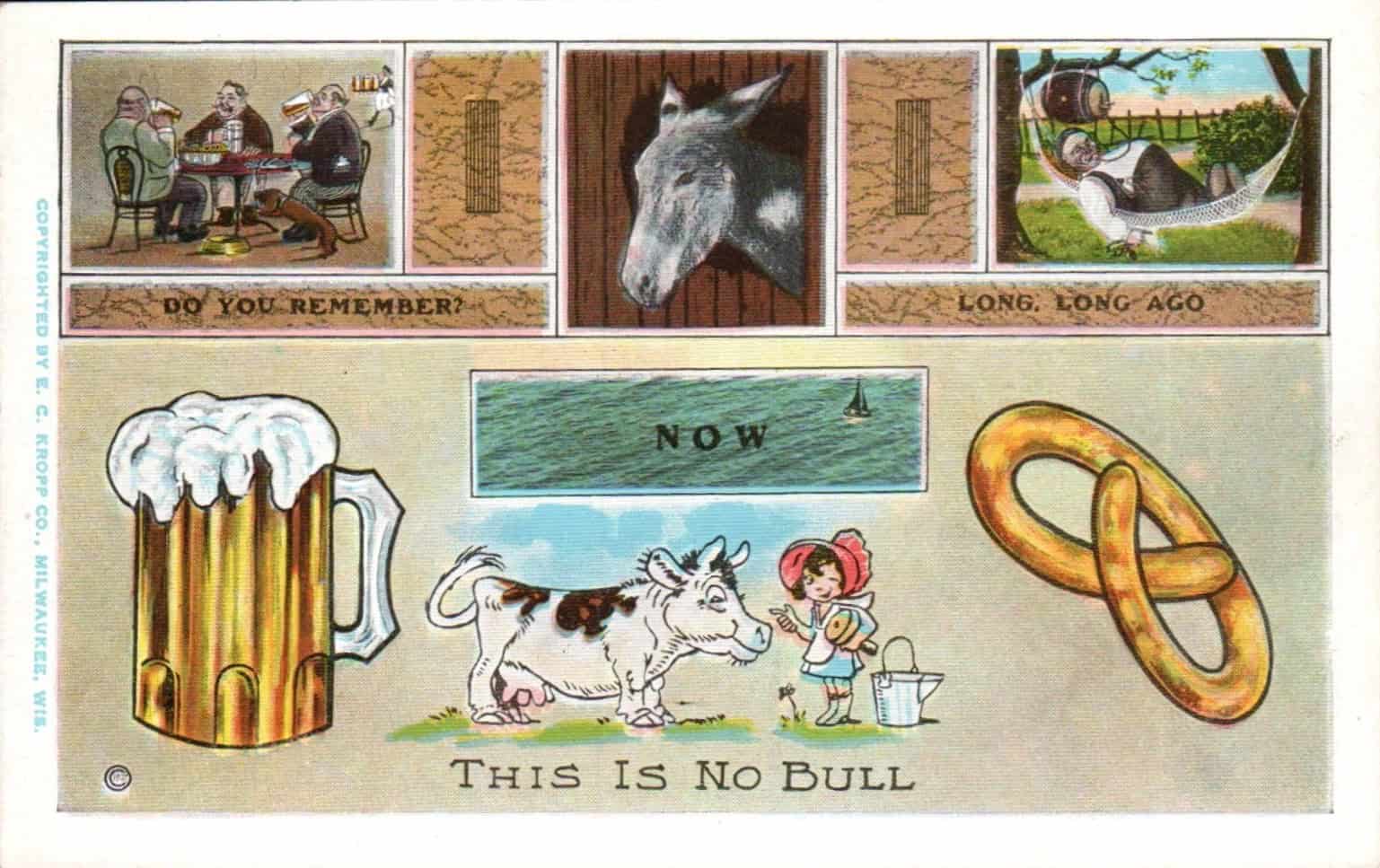
The word “pretzel” is believed to derive from the Latin word “bracellus,” meaning “little arms.” In Germany, a pretzel is called a “brezn” or “brezel,” words which are rooted in local dialects and serve as a name for a twisted bread such as “hula bread” that is likely a mispronunciation of challah bread, a traditional Jewish baked good.
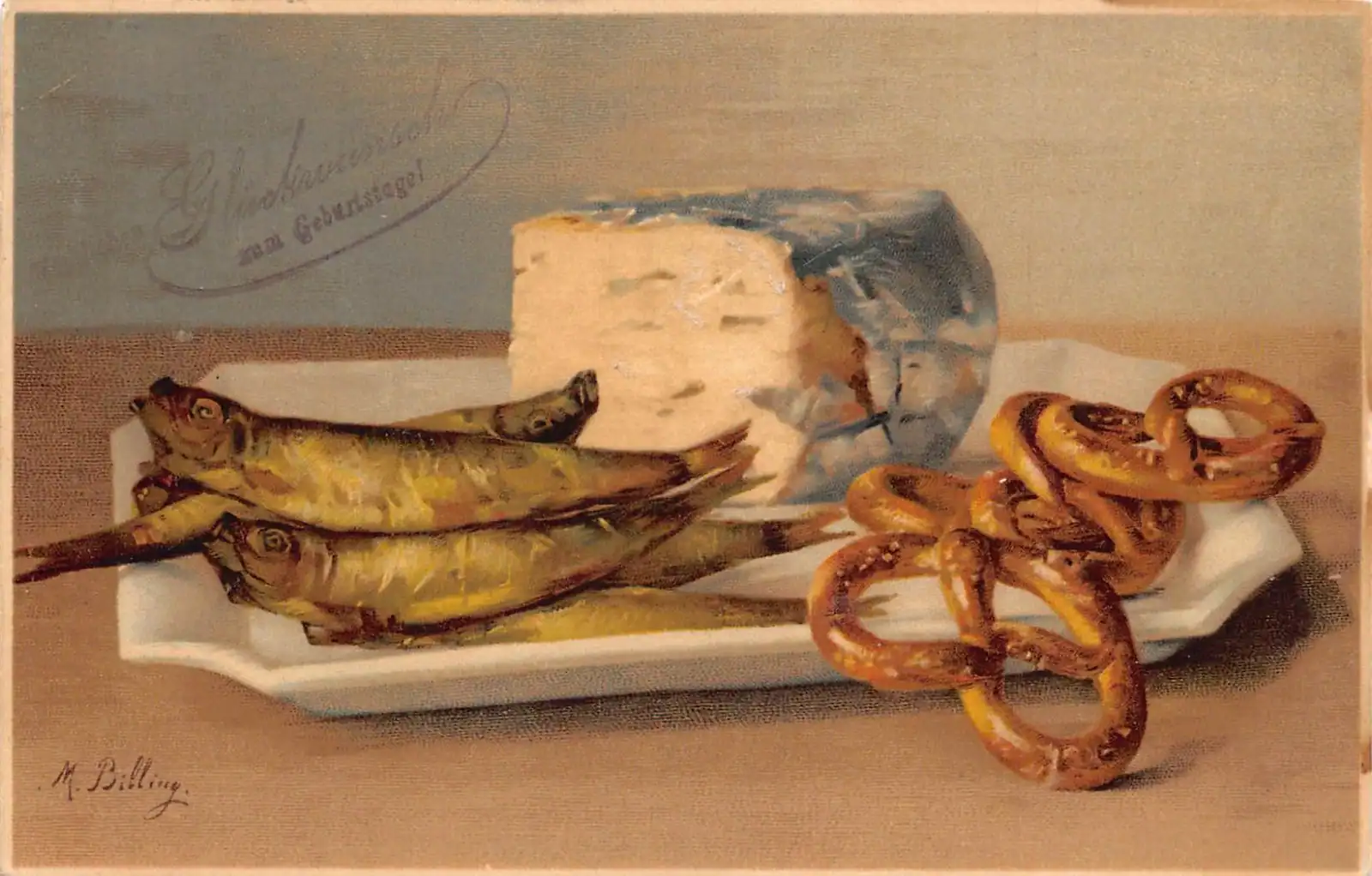
Pretzels played a notable role in Christian religious practices of Lent, their simple ingredients, flour, water, and salt, qualified the pretzel as suitable for fasting. And since the pretzel’s shape reminded people of prayer and devotion, they were also thought to be a protection against evil spirits.
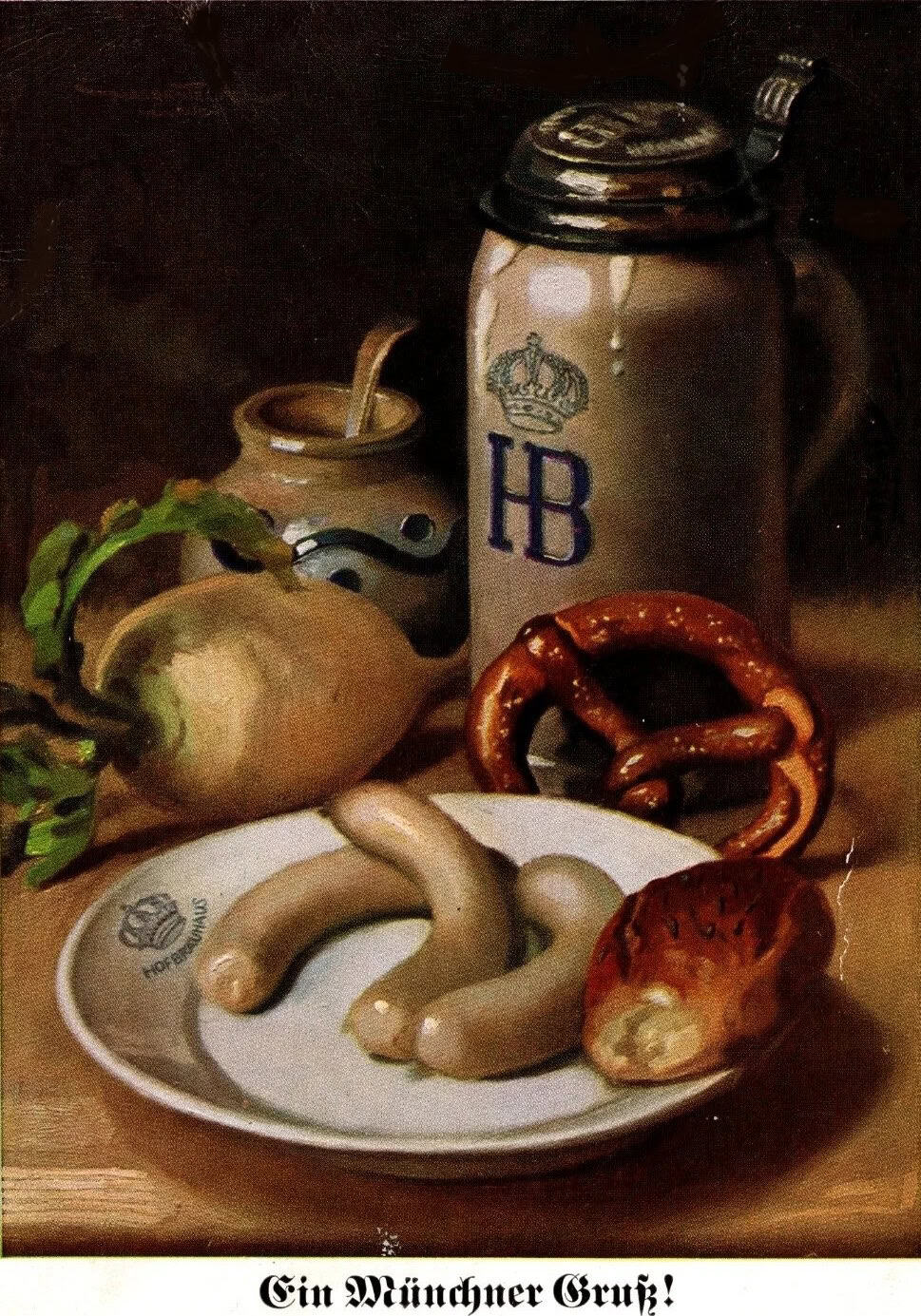
In some faiths, pretzels were used as charitable donations to the poor. Over time, they became a staple in many European communities. They were often sold by street vendors and in bakeries, and various regional variations emerged. In some areas, pretzels were large and soft, while others made smaller, crispier versions.
The craft of pretzel making was often passed down through generations of bakers. The use of baking soda in the early nineteenth century and “lye baths” in the early twentieth century gave pretzels their characteristic shiny, brown crust, which was a welcome development in their history.
Pretzels in America
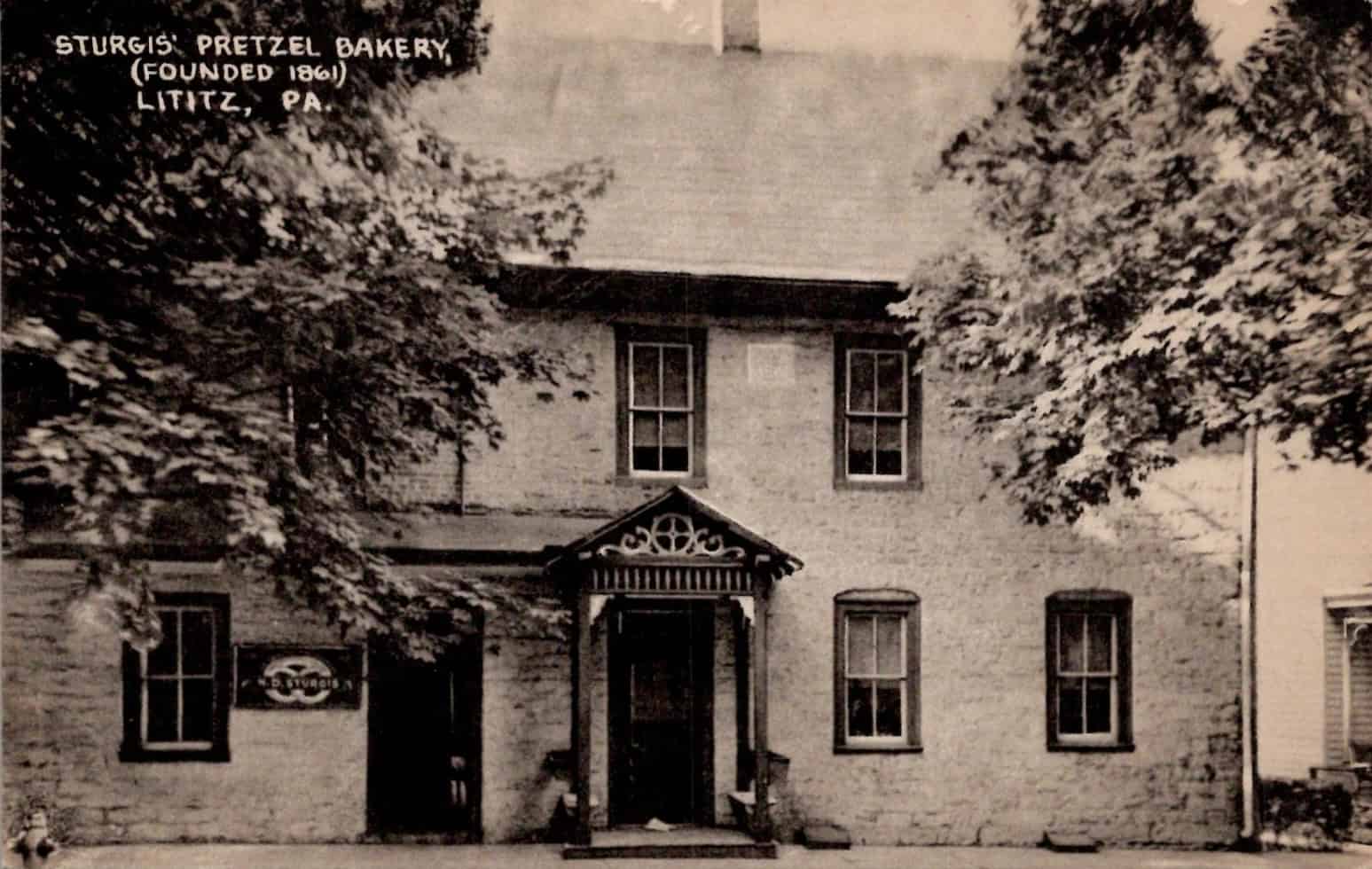
German immigrants brought pretzels to North America in the eighteenth and nineteenth centuries. They quickly gained popularity, especially in Pennsylvania, which became known as the “Pennsylvania Dutch” region. These communities maintained their culinary traditions, and pretzels became a common snack at fairs and festivals.
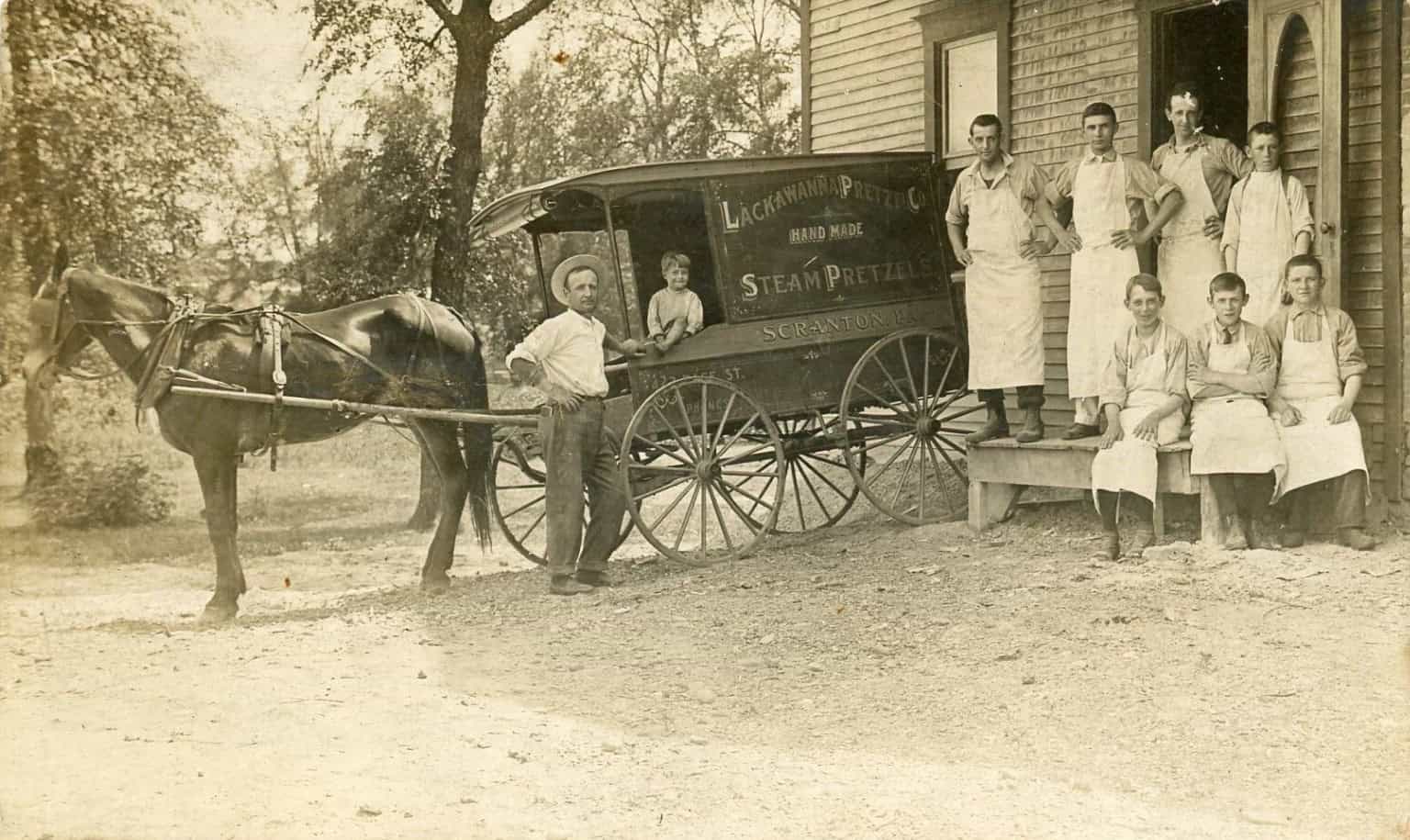
In the United States, pretzel making evolved further with the rise of commercial bakeries and the introduction of mass production techniques. The soft pretzel, often large and chewy, became a staple at sports events and at street carts, especially in cities like Philadelphia, which is still renowned for its pretzels. In some parts of the city, pretzels shops are located on every-other street corner.
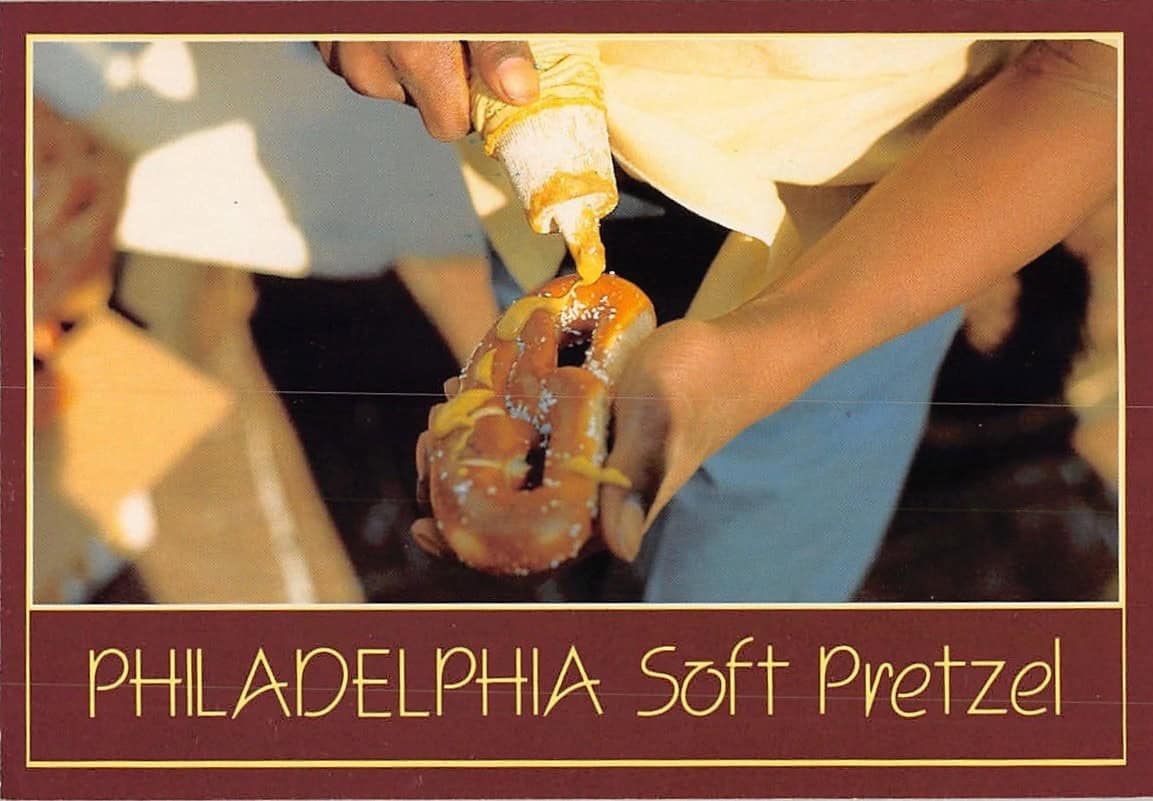
In recent decades, pretzel varieties have expanded to include pretzels flavored with cheese, cinnamon, or many different savory oils and spices. Today, pretzels are enjoyed worldwide in various forms, be they soft or hard, traditional or flavored, and there are likely many variations yet to be invented.
From a humble beginning in an early Christian community to its status as a global snack, the pretzel has a history worthy of being found on postcards and its distinctive shape delights people around the world.
Pretzels! Could they be the world’s oldest comfort food?
Great article. Never knew all this about pretzels. Ray’s articles are always educational and very interesting.
Nice….but sadly nary a mention of Reading, PA….”Pretzel City,” where they still celebrate the delicacy in bakeries and baseball.
I was turned into a knot after reading the fascinating Pretzel – Postcard History of Ray’s article.
(Ray keep up the good work), Our Oktoberfest tradition here in Kitchener Waterloo includes many traditional German / Bavarian foods including hot pretzels, sausage, schnitzel and cold beer !
Please come for a visit Oct. 10th to 18th 2025. http://www.oktoberfest.ca Gemutlicheit !!!
Ray,
You always write interesting articles. Thanks for bringing the Soft Pretzel home to Philadelphia.