For unknown reasons, the story that follows came to mind when I awoke several nights ago from a dream I can’t remember. It is a tale of three college friends who had nothing in common except on a September morning in 1962, we found ourselves as non-dorm students sitting next to one another in a Freshman English class.
Frank and Bob were from suburban cities in Camden County, New Jersey. I lived in a small town in Cumberland County. Frank and Bob took high delight in teasing me about living in the woods.
I have no memory of when we learned what I’m about to write, but I know that when it happened, we stared at each other in bewildered amazement. Although as I look back, it should never have surprised us. We had much more in common than we thought.
For example, we were the first in our family to attend college, our fathers were hard working men who were veterans of World War II, our mothers were stay-at-home housewives. We each had ten-year old cars, worked part-time jobs for pocket and gas money, and attended class wearing dress pants, starched shirts, and a necktie.
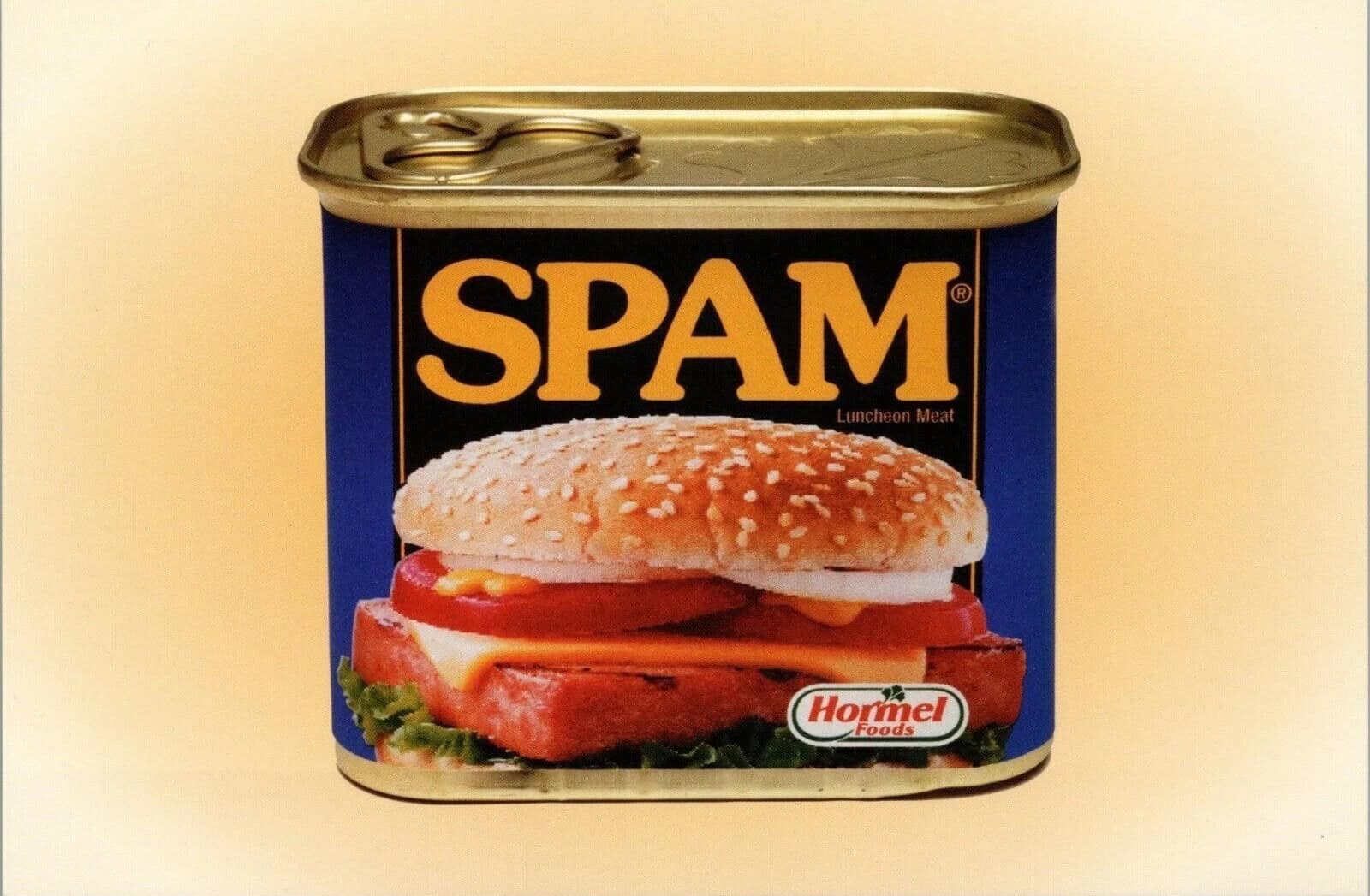
But … the one common trait that was the biggest surprise was that we all liked SPAM. Spam was a staple in each of our homes. On the rare occasion that we would meet for breakfast, Spam was the chosen substitute for bacon, ham, or sausage that accompanied scrambled eggs at Angelo’s Diner.
Spam was introduced by the Hormel Foods Corporation in 1937, during a time when convenience foods were beginning to gain popularity. Created to utilize excess pork shoulder and ham, Spam was initially marketed as an affordable and long-lasting protein source, worthy of a family meal when some groceries were unavailable or scarce.
The product gained widespread recognition during World War II and the Korean Conflict, when its durability and ease of transport made it a staple for soldiers and civilians alike. The U.S. military featured Spam in their rations, and it became a symbol of wartime ingenuity. This association helped popularize Spam around the world.
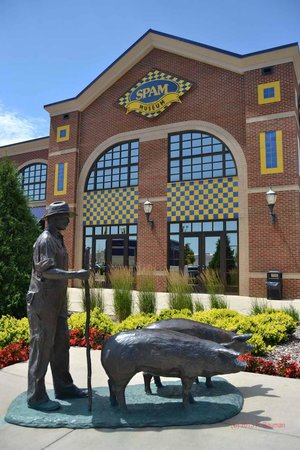
Throughout the post-war years, Spam maintained its popularity in the United States and abroad, especially in countries with limited refrigeration. The brand expanded its product line to accommodate changing consumer tastes by adding various flavors and reacting to debates about its nutritional value. Spam has remained culturally significant and often celebrated in pop culture.
Today, Spam is recognized both as a nostalgic comfort food and a versatile ingredient used in a variety of dishes. [Who remembers the M*A*S*H episode when Klinger creates his own culinary wonder that he named SPAM-ala-king?]
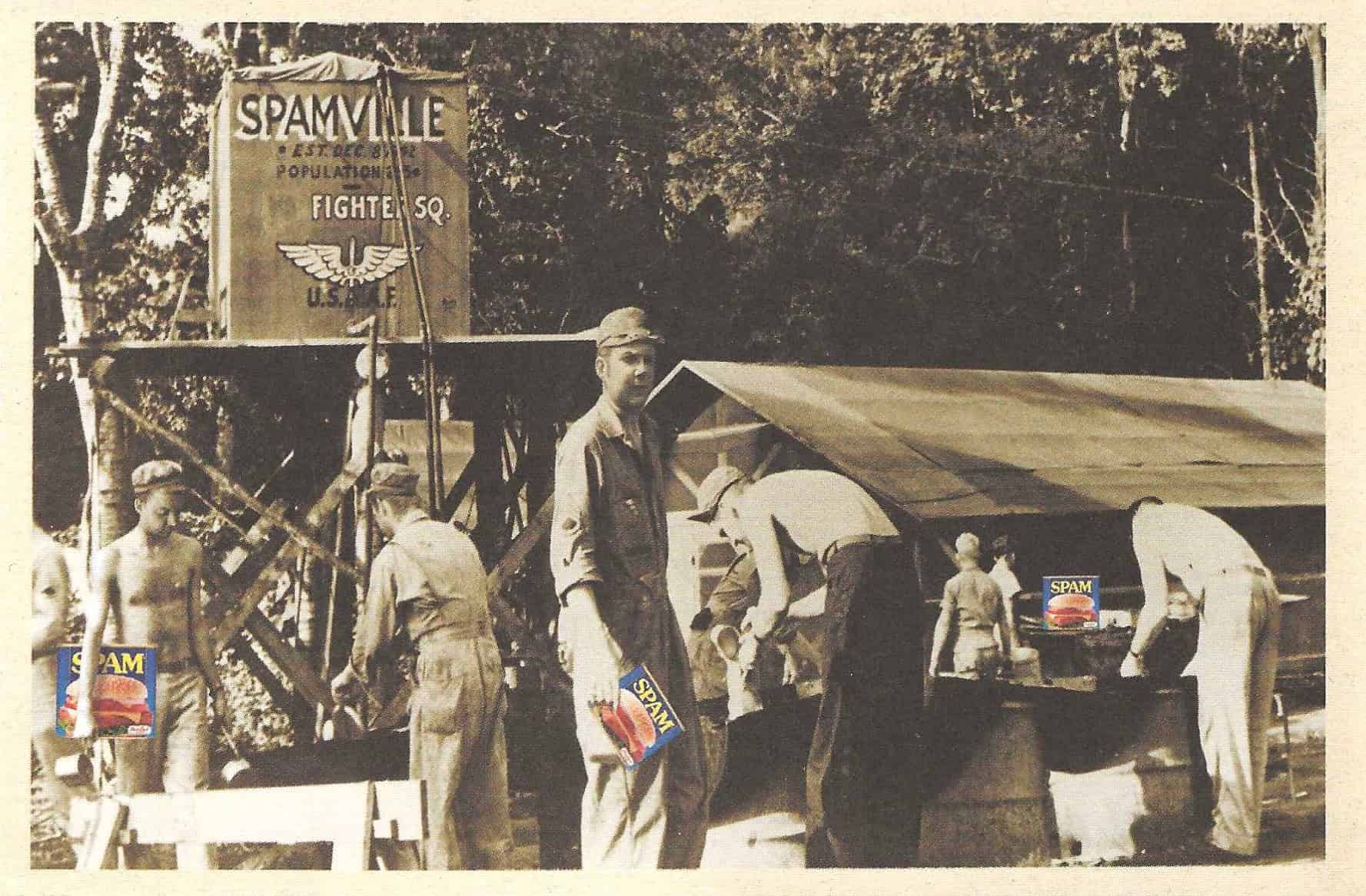
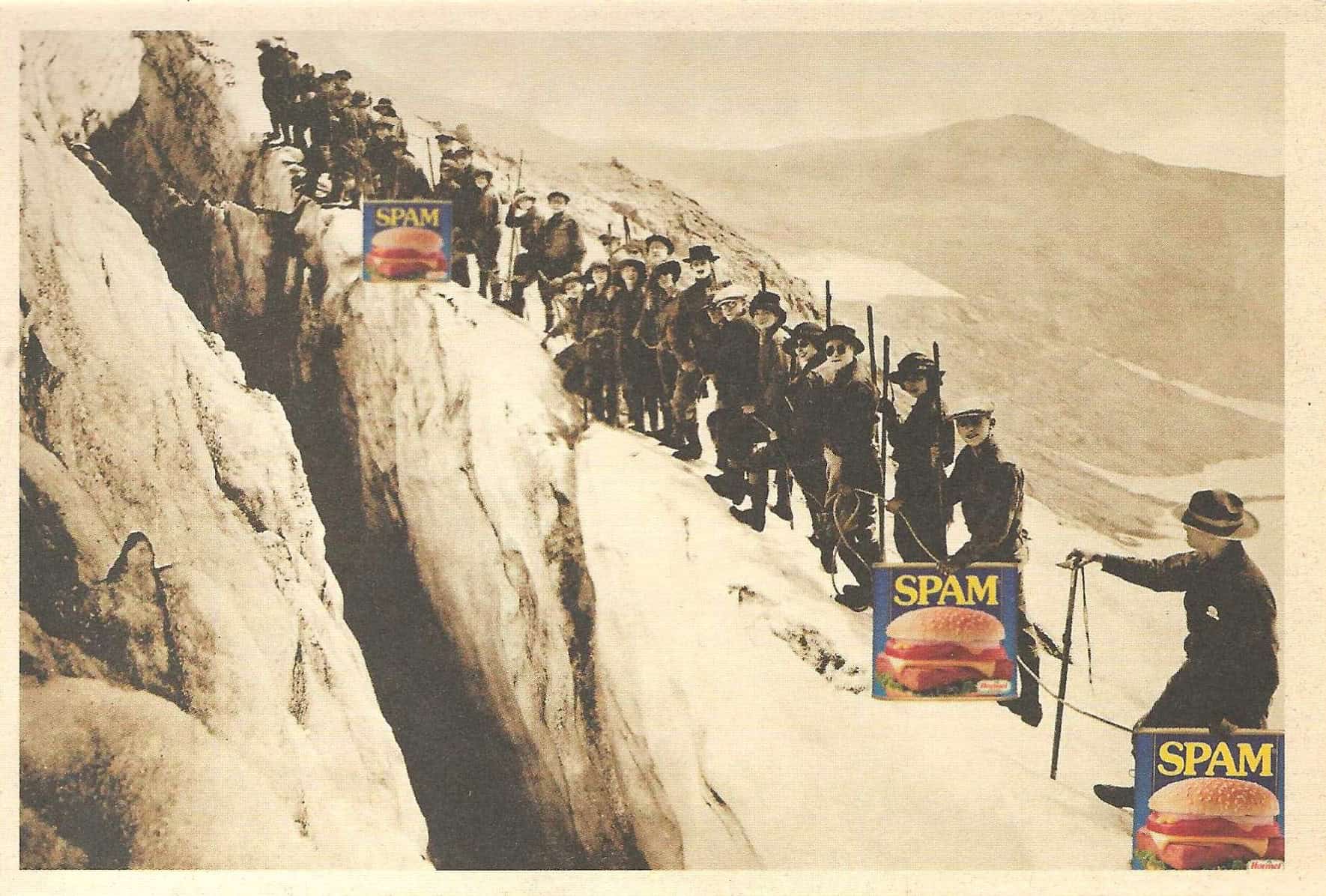
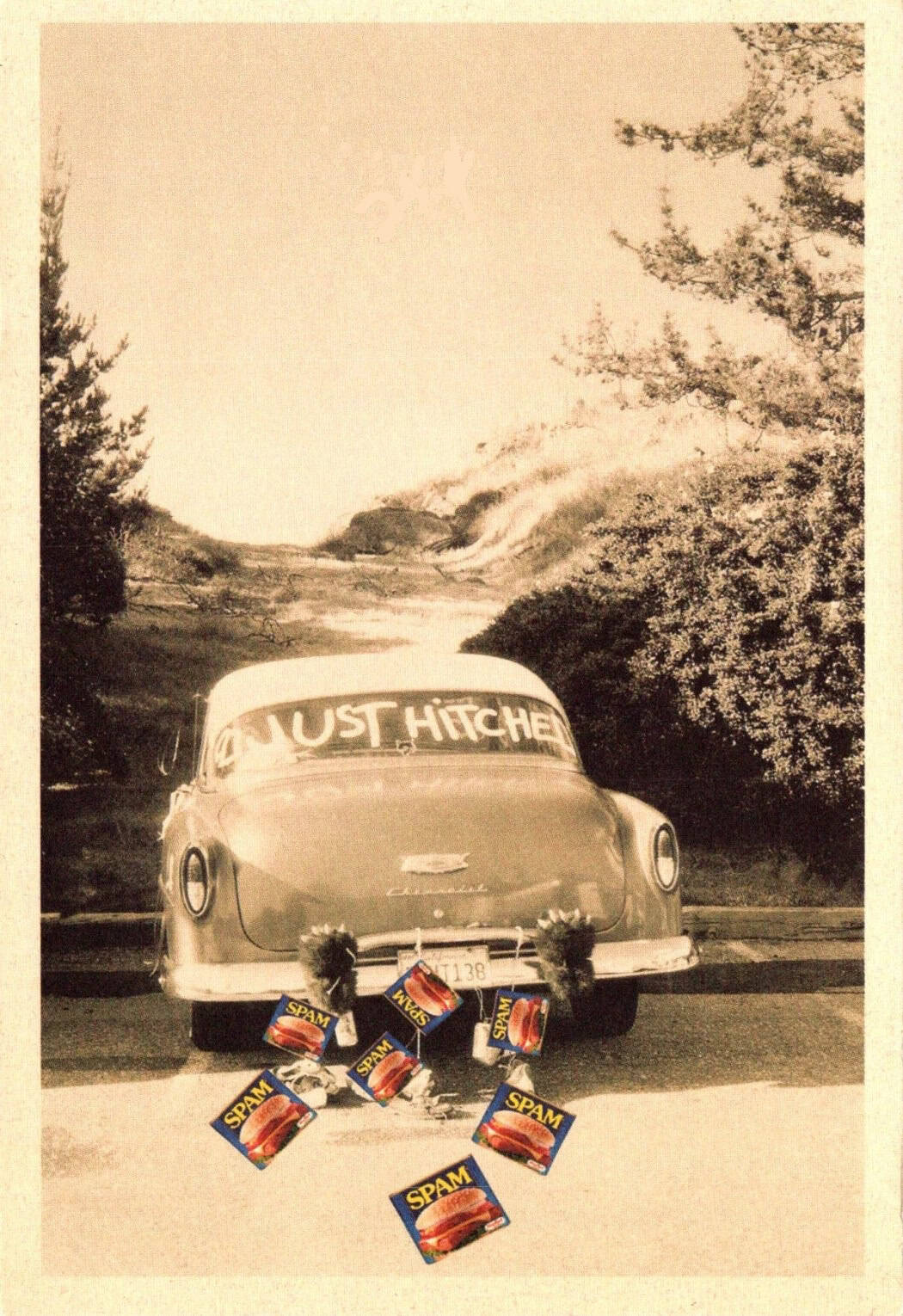
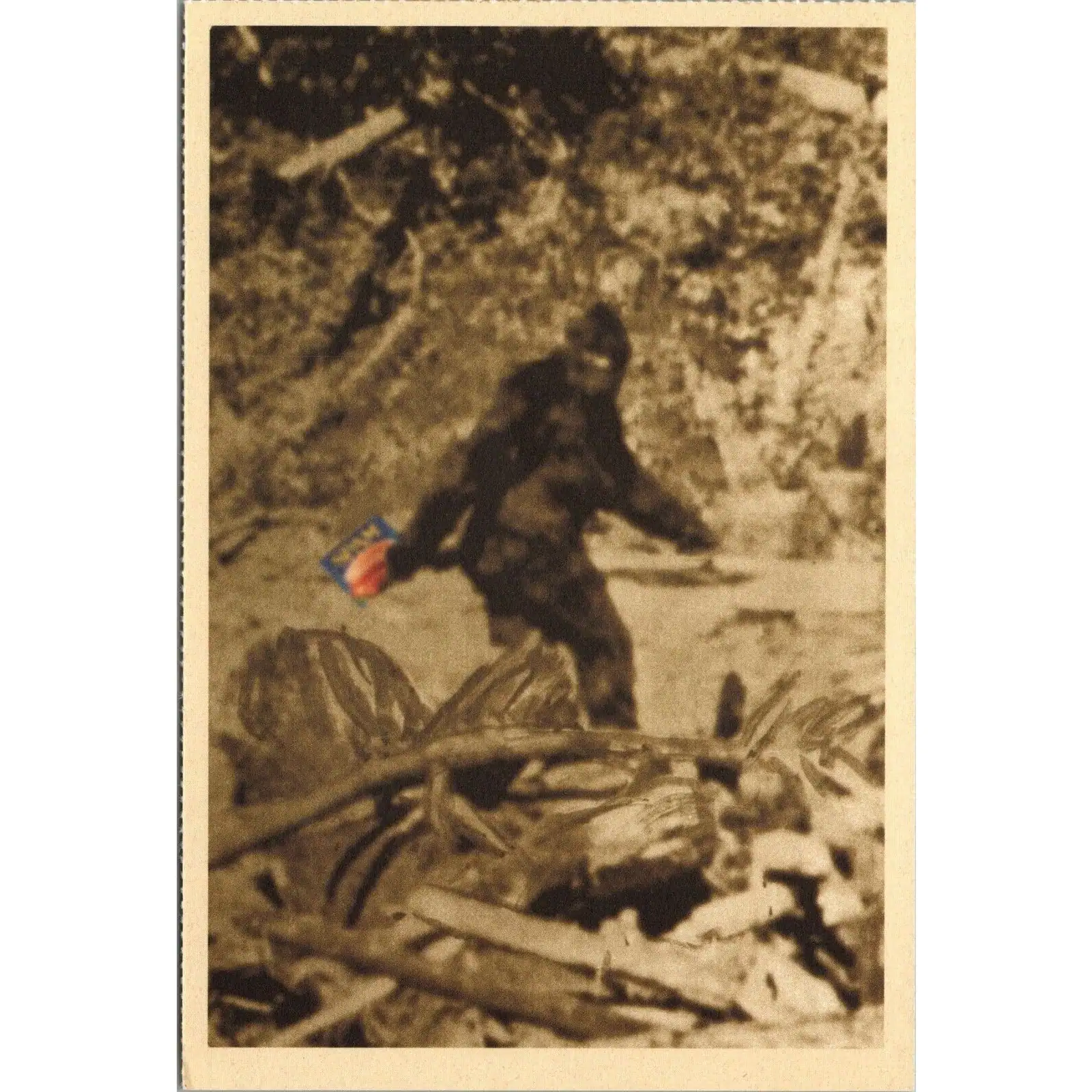
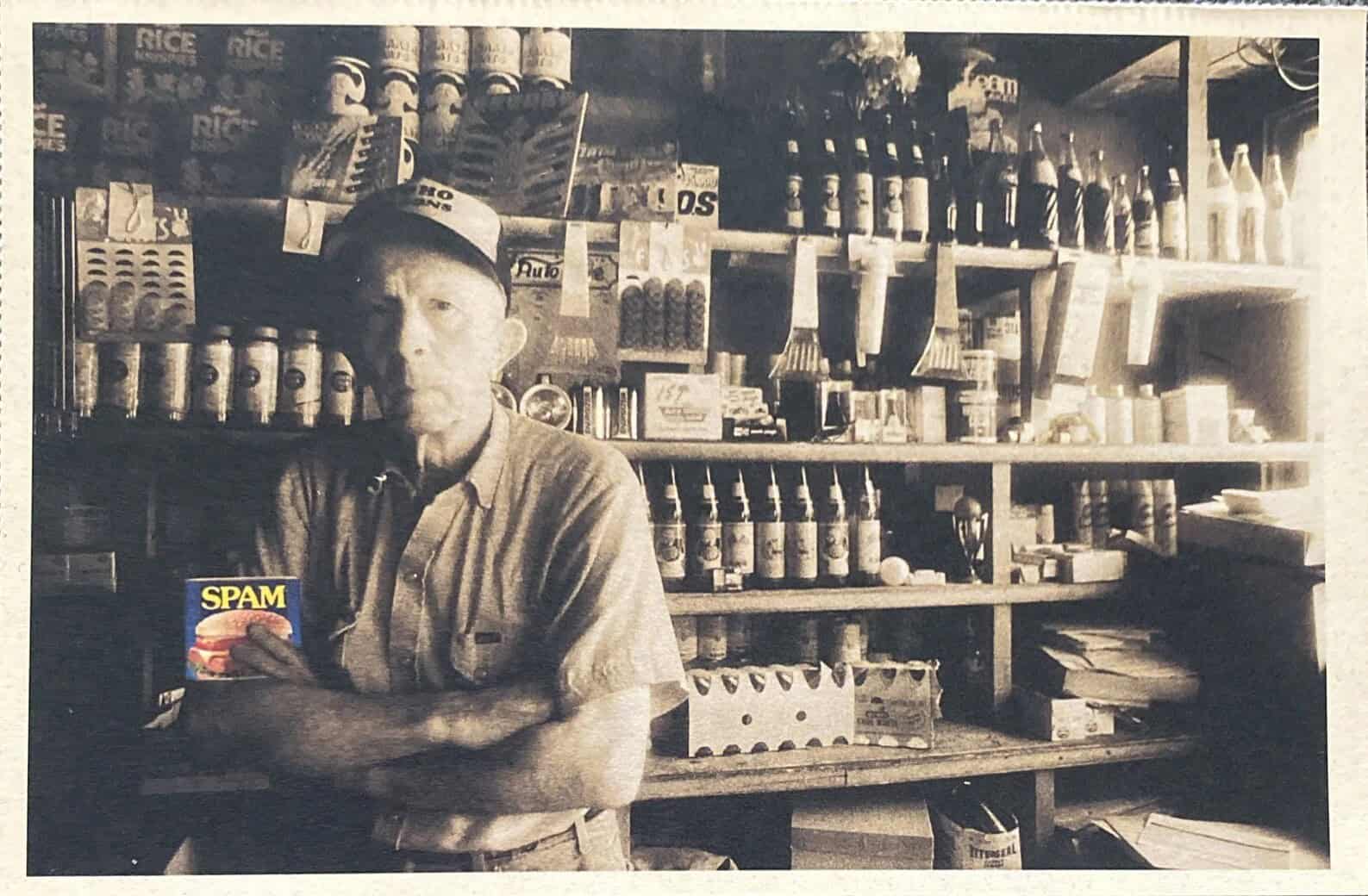
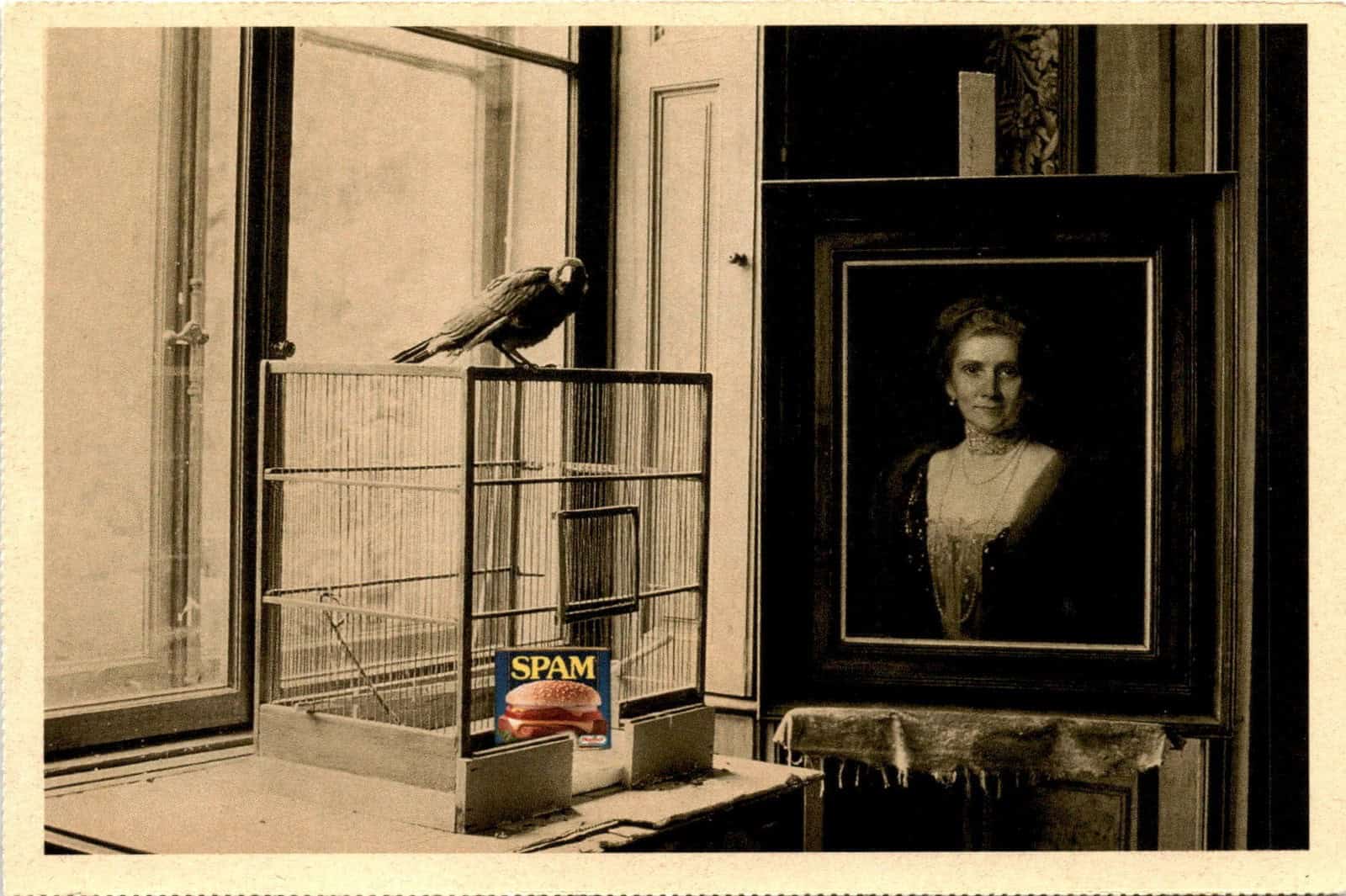
Do you know there is a Spam Museum in Austin, Minnesota? And they once produced a delightful six-card set of postcards featuring Spam in some rather interesting settings such as at “Spamville” and on “Mount Everest.” Spam was also featured at the marriage of two Bostonians, in the woods with Bigfoot, or as a weapon used to prevent a grocery store robbery, and as Aunt Sadie’s pet parrot Polly’s favorite side dish.
Now, for the dark side of Spam. Is there any other food product that has suffered a constant barrage of distain and downplay? Probably not!
Well, maybe we could mention some products like diet soda, fast-food meals, energy drinks, single-use items like plastic bags despite their convenience and utility, and lately some vaccines.
Nevertheless, it has always seemed to me that the critics of Spam have been relentless. Even corporate America has down-played Spam when they identify unwanted phone calls as “Potential Spam.”
Its history makes it much more than just canned meat. It’s a cultural icon.
Actually, I’m waiting for my caller-ID to tell me that Facebook is calling – Be Aware!
Very interesting article. A note…Chuck Hudson from Va Beach, VA is a huge Spam fan and has been recognized by the museum as such.
Through the Lend-Lease Act, Spam was soon feeding Great Britain and the USSR during and after World War II. Margaret Thatcher called Spam a “war time delicacy,” and Nikita Khrushchev said that without Spam, the Soviet Union would have been unable to feed its army.
A great article.
I had no idea that spam had such an interesting history. Thank you.
What a heart (and stomach) warning tale!
My father, a soldier in WWII, was so culinary wounded by this product that it wasn’t allowed in the family household. Have yet to indulge.
Very interesting article. We ate Spam when I was growing up. I have to say I was never a fan!🤣
Well, I ate SPAM when I was growing up and I have to say I am a fan, but sadly, my wife is not. Interesting article, thanks.