A rediscovered cigar box in the bottom drawer of an armoire has remained untouched since we moved here eighteen years ago. We have no memory of where it came from since no one in our family ever smoked cigars. It’s a neat box (about 8½” x 5½”) with a black, high-gloss finish. The wood seems to be Blonde Mahogany cut into veneers laminated to form a crude kind of plywood.
Inside I found a mechanical pencil, three books of matches that advertised the firm where my father worked for 36 years, a laser-pointer I used back in the 1960s when I was teaching math, a badge and a white belt that nearly everyone will recognize. Under these items I found this postcard.
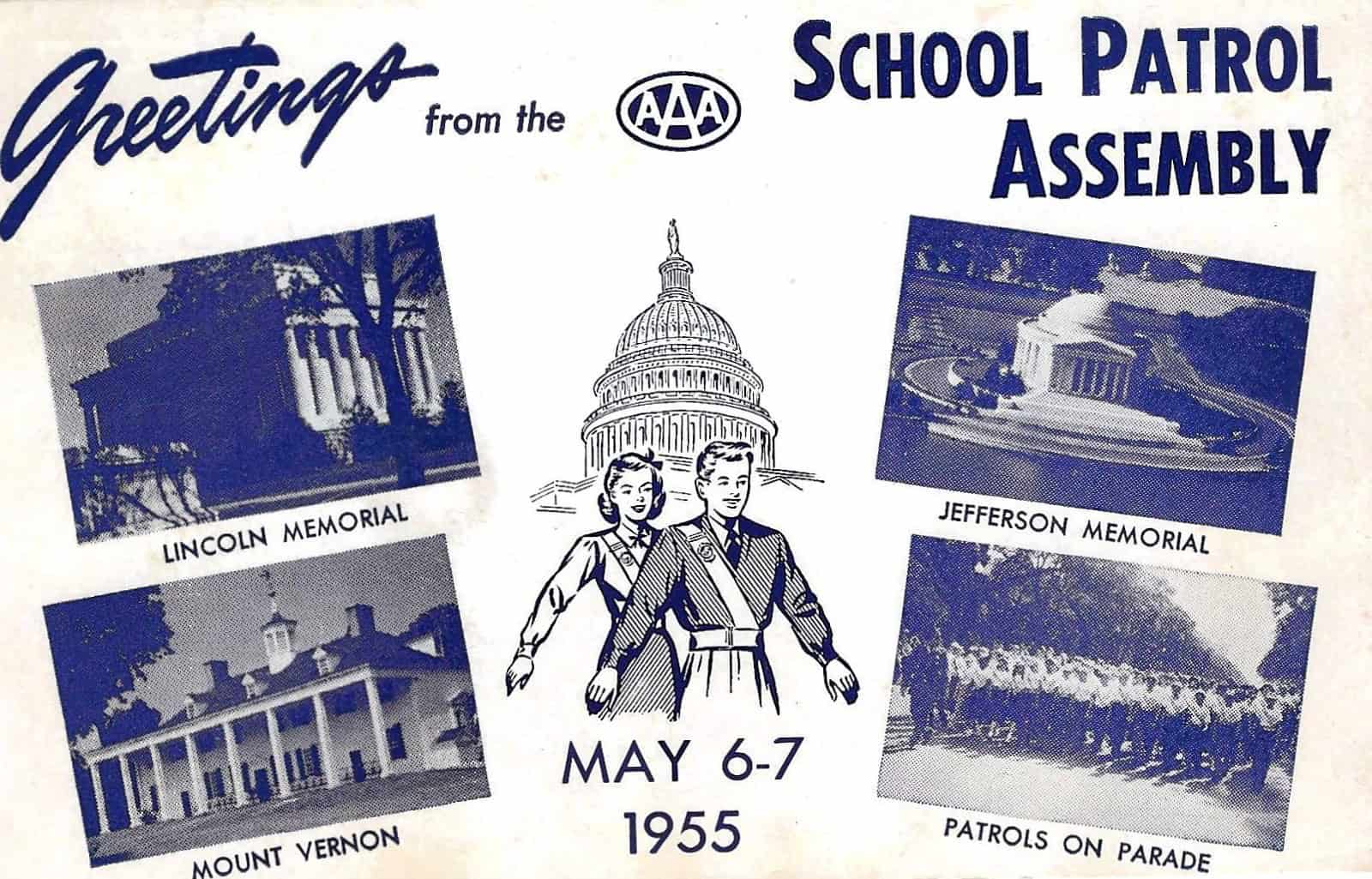
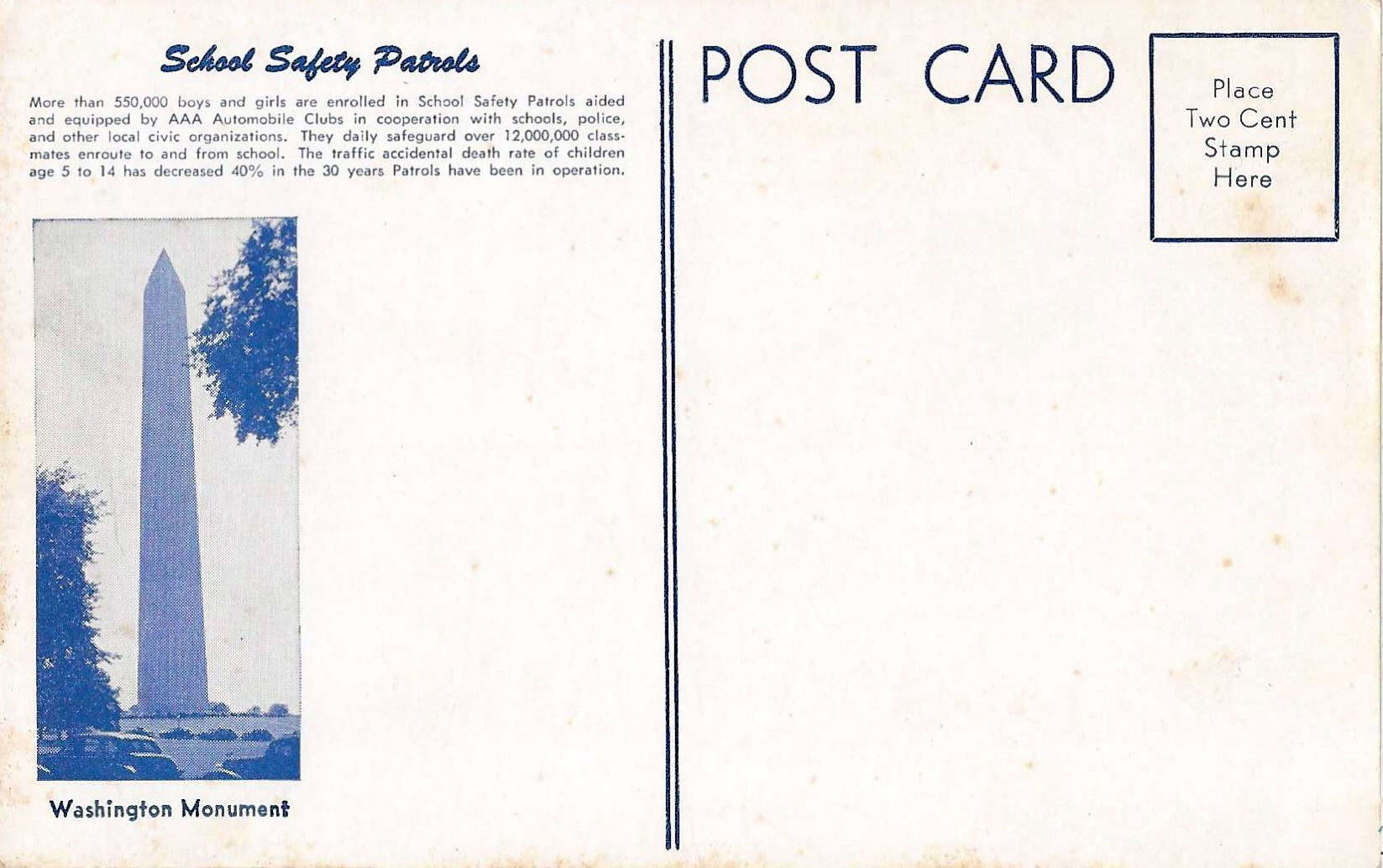
Were you a member of the “Safety” Patrol? I was, and it may have had some life-long influences.
***
The History of the AAA
The American Automobile Association is a well-known federation of motor clubs founded to provide roadside assistance, travel services, insurance, and discounts to millions of members across North America. AAA is committed to promoting safe driving, road safety, and travel convenience, making it a trusted resource for motorists and travelers alike. The AAA was founded on March 4, 1902, in Chicago, Illinois.
The History Behind America’s School Safety Patrol
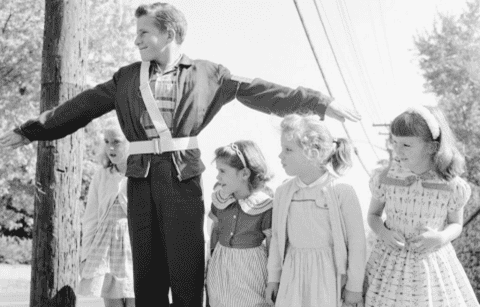
The Lifestyle section of the Vintage News Website ran a thorough account of AAA’s School Safety Patrol program in February 2022. The author, Clare Fitzgerald, used the photo below as an example of how the program worked on street-corners across the nation.
Millions of men and women today remember how they stood on corners around their elementary school just like the tall, handsome sixth grade boy in the photo who is protecting the four girls from “on-coming” traffic.
[The following are edited excerpts from the Vintage News website.]
The School Safety Patrol is a popular student program that ensures the safety of children heading to and from school. Its history stretches back to the 1920s, when the United States realized it needed to protect child pedestrians against the ever-growing number of cars on the nation’s roads.
What is the School Safety Patrol?
The School Safety Patrol is a nationwide program that gets school-aged children involved in the safety of their fellow classmates. It assigns member students to monitor crosswalks and let pedestrians know when it is safe to cross. They do not direct the flow of traffic.
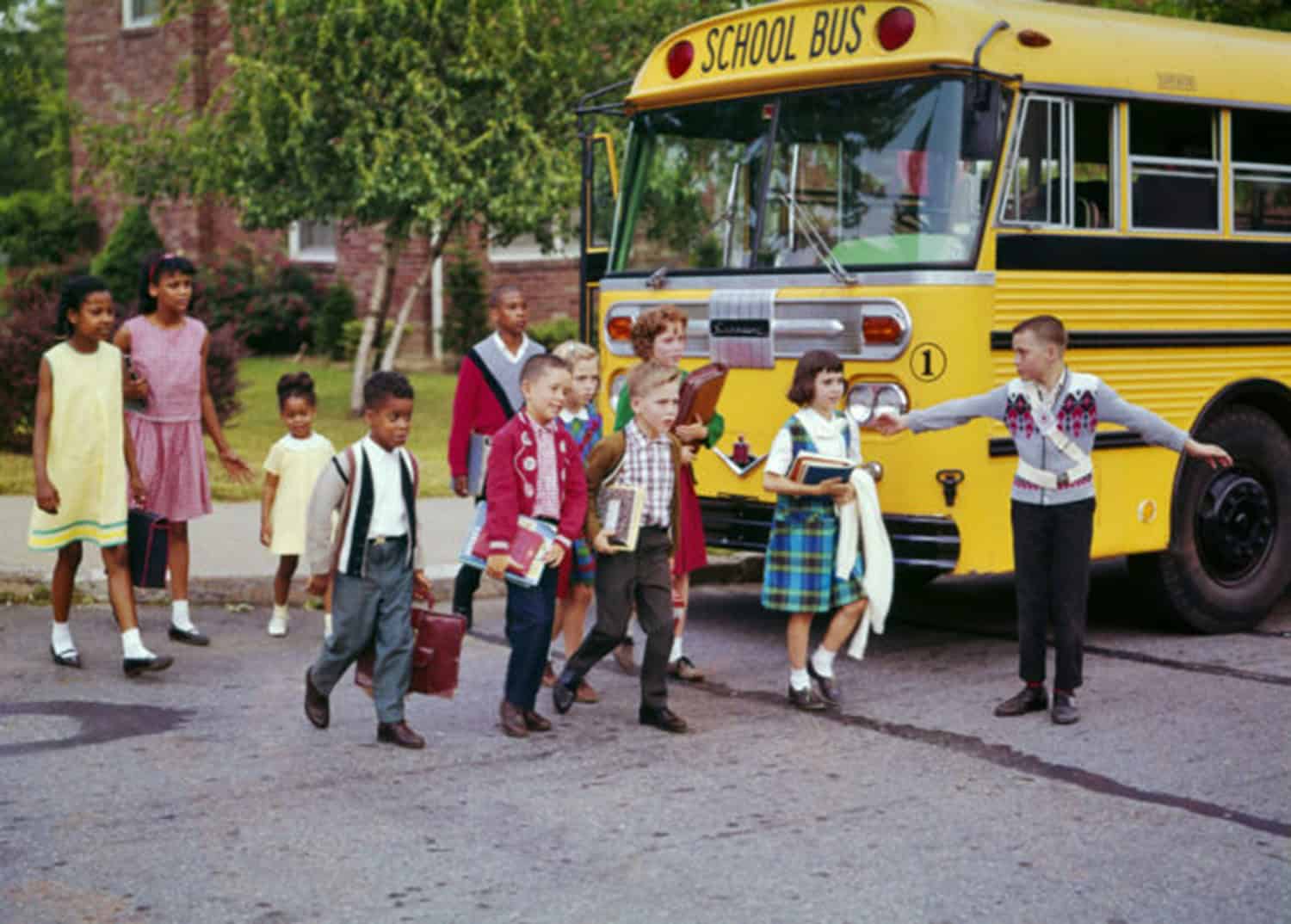
It’s estimated over 650,000 students from approximately 34,000 elementary and middle schools participate in the School Safety Patrol. Throughout the course of their time with the program, they can rise through the ranks, which include becoming sergeants charged with managing equipment inventories; lieutenants, who assist their captain and fill in for absent patrol members; and captains, who assign posts to patrol members and monitor their progress.
Beginning of the School Safety Patrol
The earliest instance of the School Safety Patrol dates to the 1920s, when vehicles were becoming more common. The lack of safety measures led school districts to implement their own practices. The first schools to create a version of the School Safety Patrol were in St. Paul, Minnesota.
AAA takes the program nationwide
At the same time St. Paul’s schools were establishing their safety programs, so too was the American Automobile Association (AAA). The move was spearheaded by Chicago president Charles M. Hayes, after he witnessed a fatal traffic accident involving children.
Hayes’ program caught the attention of the National Congress of Parents and Teachers (PTA), and by the 1930s, it was a nationwide program. To raise awareness for the patrols, AAA held rallies and an annual parade in Washington, DC.
Boys were initially the only ones allowed to serve as patrol members. However, this changed in the 1940s. Along with handheld stop signs, members were given Sam Browne belts, diagonal shoulder straps named after the famed nineteenth-century British general. (Sir Samuel James Browne was known for using a shoulder strap to steady his sword’s sheath after he lost his arm during combat.) The shoulder straps are still worn today but are now designed with neon colors for better visibility.
***
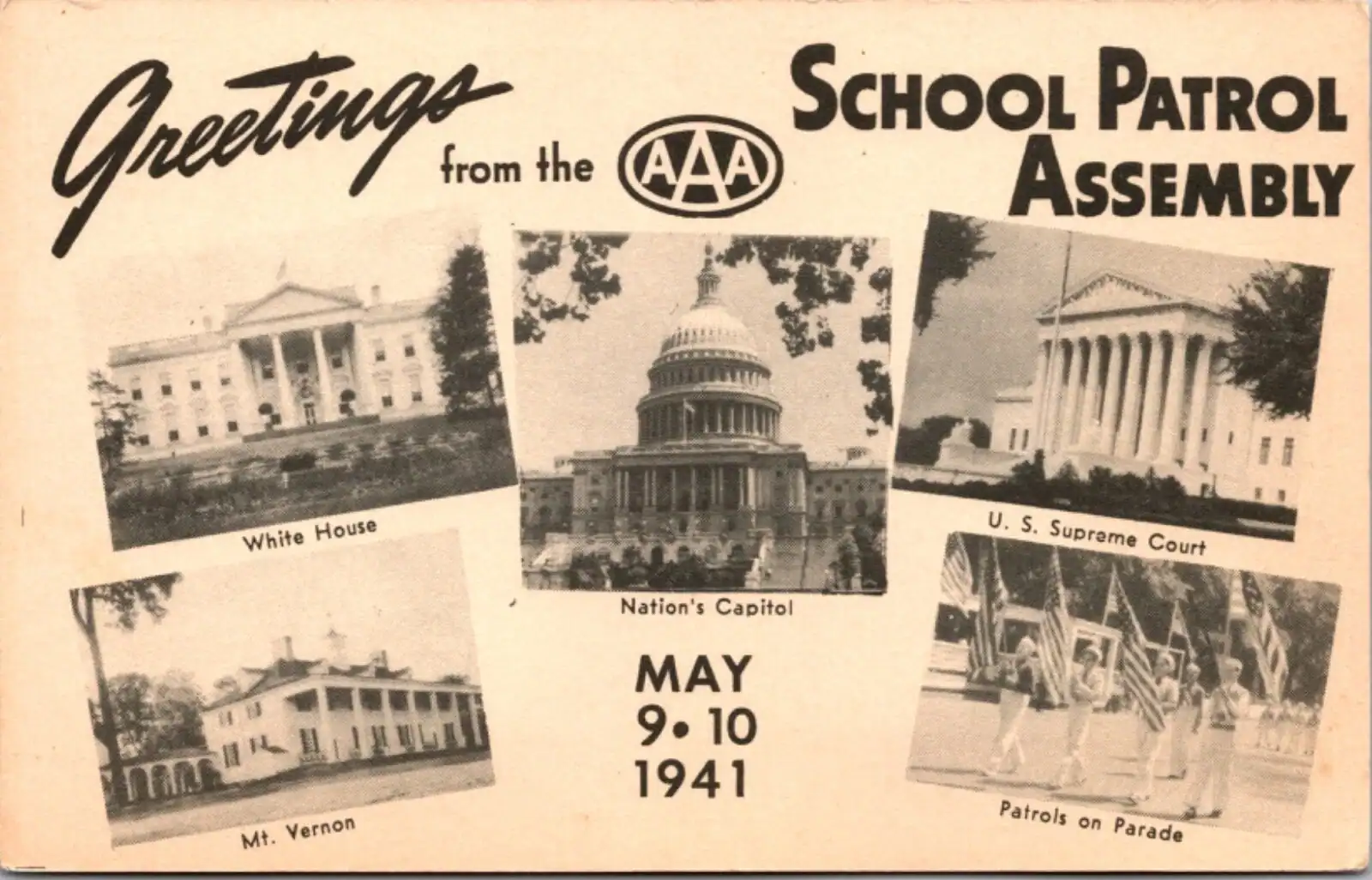
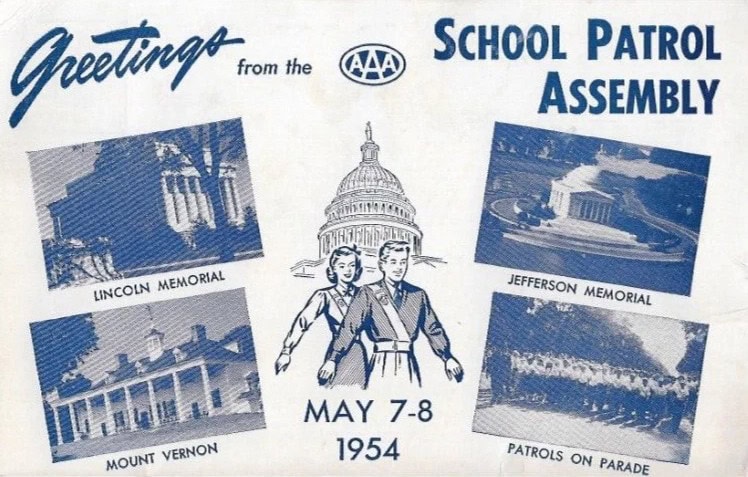
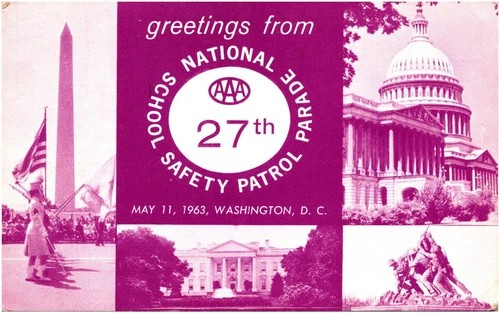
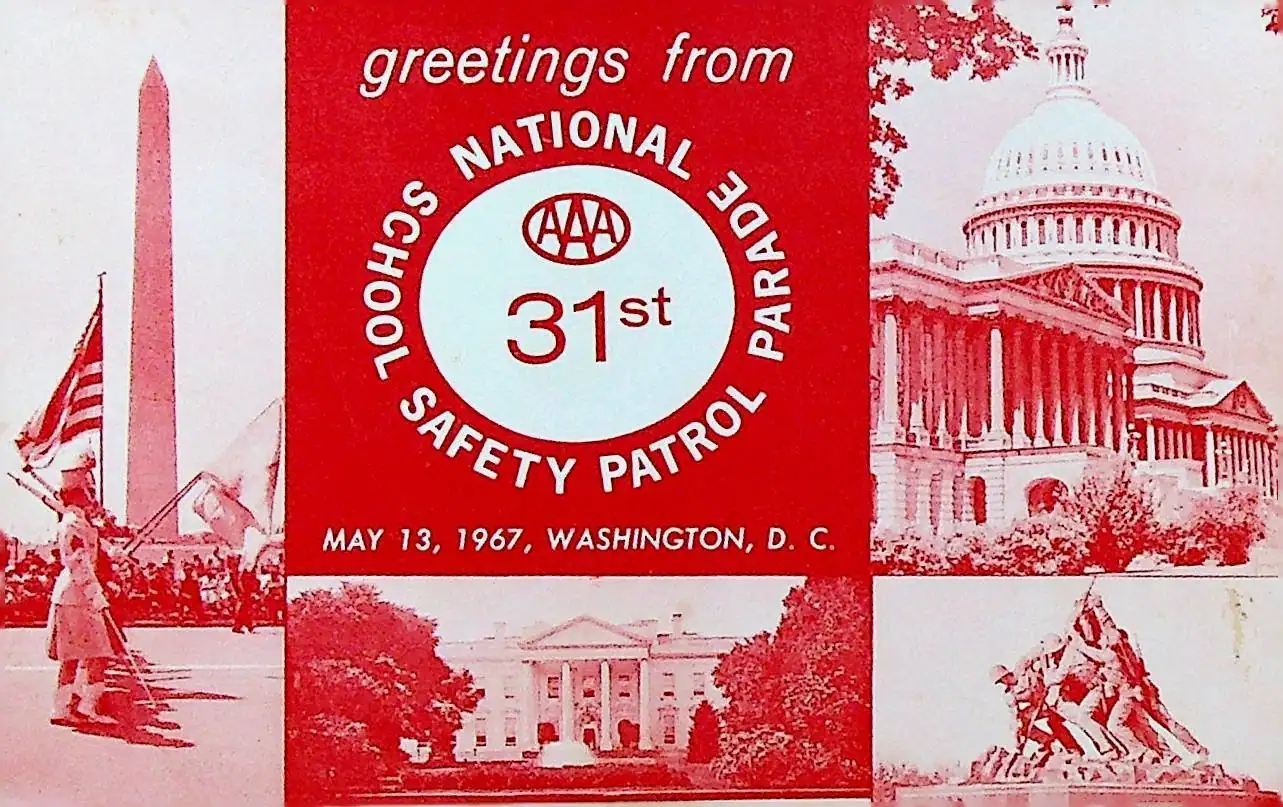
During World War II, the program experienced some decline due to financial constraints, but it recovered in the post-war years as early-morning traffic increased as a result of suburban expansion. The 1950s and 1960s marked a period of significant growth for the AAA School Safety Patrol, with more schools nationwide adopting the program.
The 1970s and 1980s saw the incorporation of new safety technologies, such as traffic lights and signage, but the emphasis on student leadership remained central, with many schools establishing formal patrol officer roles and recognition programs.
In recent years, the AAA School Safety Patrol has adapted to modern challenges by integrating digital communication systems (some use of dedicated cellphones) to enhance speedy reactions to emergencies.
Today, the AAA School Safety Patrol continues to serve as a cornerstone of school safety initiatives across our nation.
Thank you, Ray. I forgot that I did this job in the 6th grade, while attending Luther Burbank Elementary School, in Santa Rosa, Ca. I remember the pride I felt in working to keep fellow students safe.
This is so cool! It really takes me back to Sam Hughes Elementary School in Tucson, when I was Captain of the Street Patrol. I’d forgotten all about that, but you really brought back memories! Thanks!
In Tamaqua, Pennsylvania 1954, my Catholic school’s Safety Patrol was sponsored by the Keystone Auto Club. It was similar to AAA. When I was a child;we had the Keystone club which was similar to the AAA. I was the Captain; we seventh grade boys had this job. Eight graders were too busy studying for high school.
I still have my postcard from the 27th year. It’s the purple one you have pictured. I was going to school in Virginia Beach and we took a bus to Washington DC to march in the parade. We also visited several of the monuments there. It’s a great memory for me. Thank you for posting.
Neat story especially with the family history tie in! Thanks!