TV
in Boston, October 2, 2025
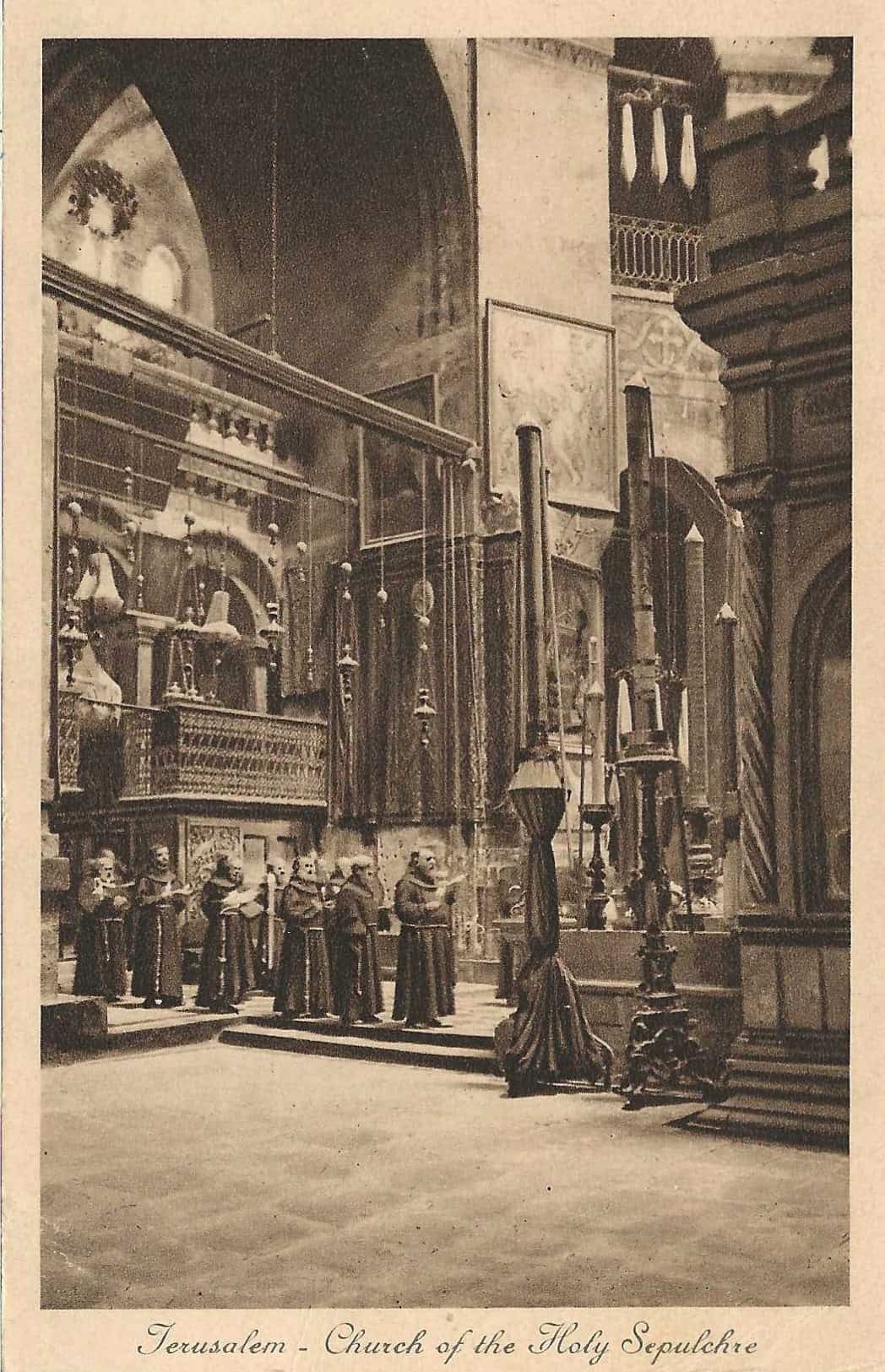
The numbers are staggering! It has been 90 years, 3 months, 26 days since Lydia Robinson mailed this postcard in Jerusalem, Palestine, to her Aunt Josephine Ranagan in Millville, New Jersey on June 6, 1935.
Many noteworthy events occurred in June 1935. Franklin Roosevelt was serving his first term as President, and America was emerging from the Great Depression. Babe Ruth quit the Boston Braves, the Normandie captured the Blue Riband, and the thoroughbred “Bahram” won the Derby.
On the same day (the 6th) that Miss Lydia mailed this postcard, Alfred Hitchcock premiered his movie The 39 Steps. Later in June, Sam Parks won the U.S. Open golf tournament and Benito Mussolini had some very harsh words for the British, telling them to stay out of African politics. On the 15th, T. S. Eliot’s stage drama Murder in the Cathedral premiered in Canterbury, England.
“Frequency Modulation” (FM) radio was introduced at the end of the month, and President Roosevelt ordered the construction of a federal gold vault at Fort Knox, Kentucky.
***
In 1935, Jerusalem was a city of profound historic, religious, and cultural significance, witnessed by a diverse population. During this period, the city was part of the British Mandate of Palestine, which followed the end of Ottoman rule after World War I. The Mandate period saw increasing tensions between Jewish and Arab communities, which we know has escalated into broader conflicts.
Jerusalem was a city of contrasts. Its Old City, (today a UNESCO World Heritage Site), was the center of religious activity, hosting important sites in Judaism, Christianity, and Islam. The Wall of Lamentations (The Western Wall), the Church of the Holy Sepulchre, and The Mosque of Omar (Al-Aqsa Mosque) drew visitors from around the world. The narrow, winding streets within the Old City charmed everyone. Each street, lane, and alleyway reflected centuries of history through its markets that were bustling with life.
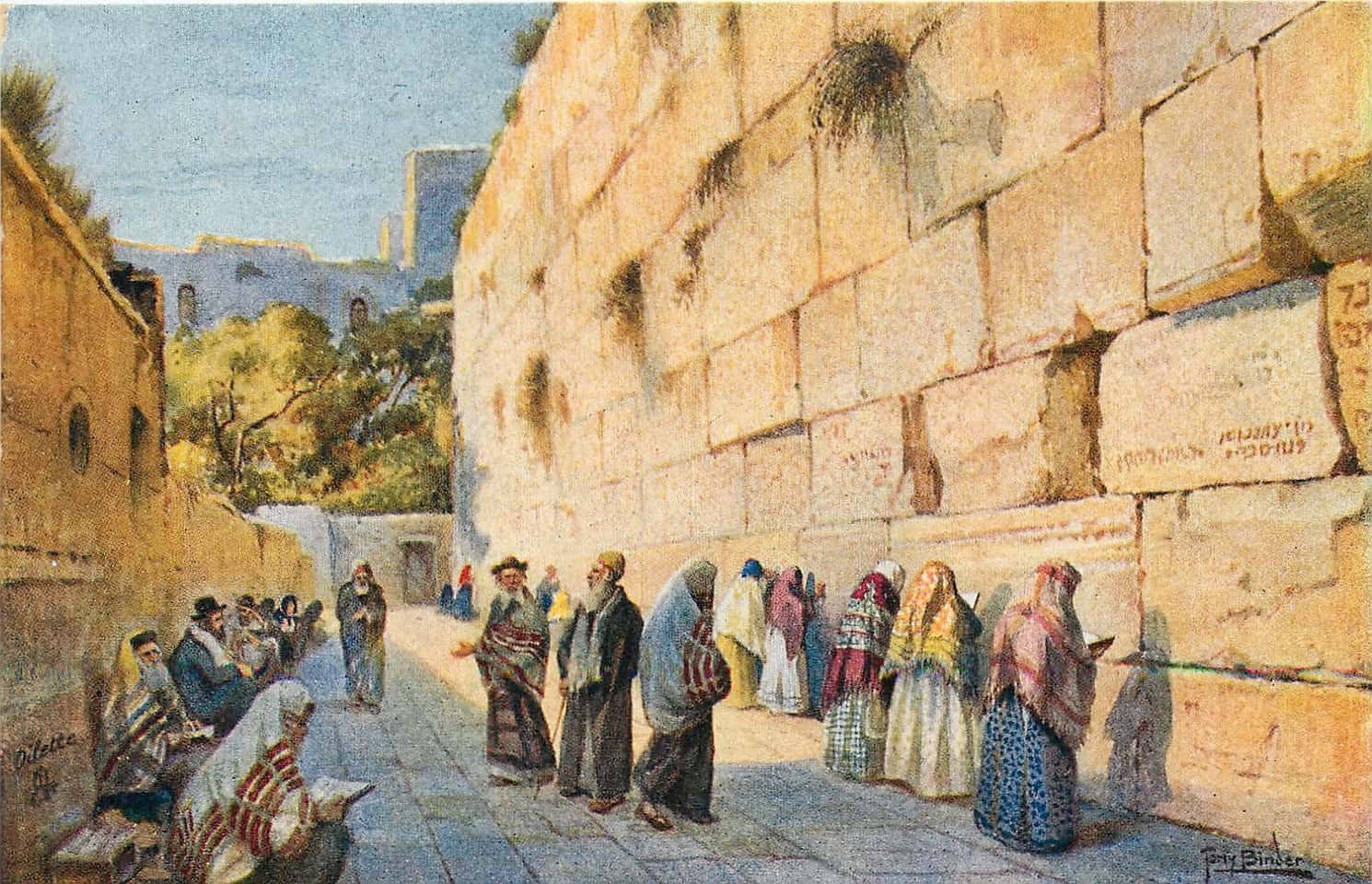
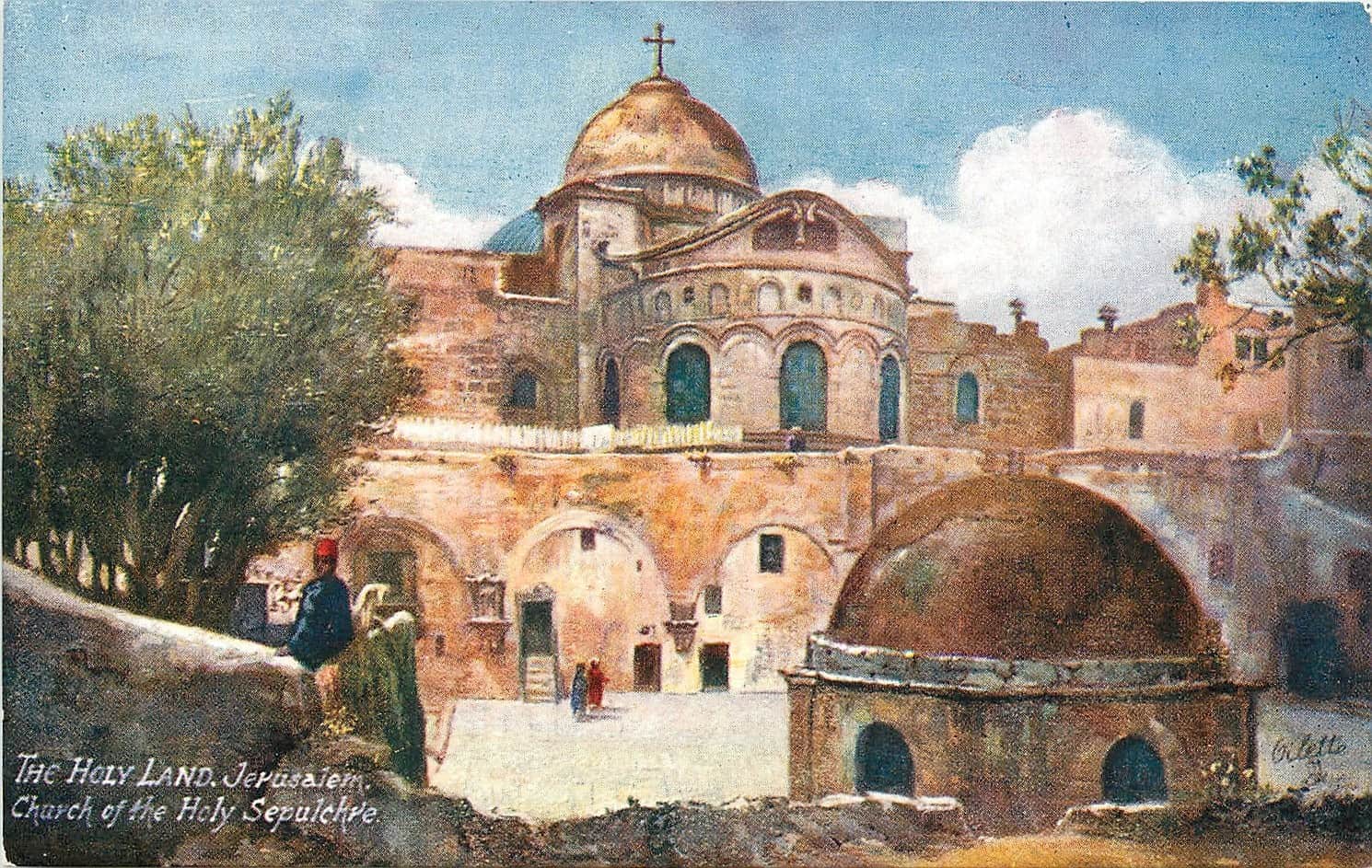

The city’s population at the time was nearly 60,000 residents. The Arabs, many of whom were involved in local trades and commerce, had deep historic roots in the city. Meanwhile, Jewish immigrants, many fleeing European antisemitism, were arriving in increasing numbers, contributing to the demographic shifts.
Politically, 1935 was a tense year. The Arab population organized protests and strikes against British policies and Jewish immigration. The Arab Higher Committee, a leadership body representing Arab interests, was actively resisting what they saw as encroachment on their land. The British authorities faced the challenge of maintaining order amidst frequent disturbances.
Despite the tensions, Jerusalem remained a city of profound spiritual significance. Religious festivals and ceremonies were enjoyed by the residents and the tourists.
Economically, Jerusalem was relatively modest compared to other major cities in the region. Its economy relied heavily on religious tourism and local trade. The city’s infrastructure was developing, but many areas still lacked modern amenities. The efforts of the British administration included urban planning and development, aiming to modernize parts of the city but the indelicate balance among its diverse communities often interfered.
***
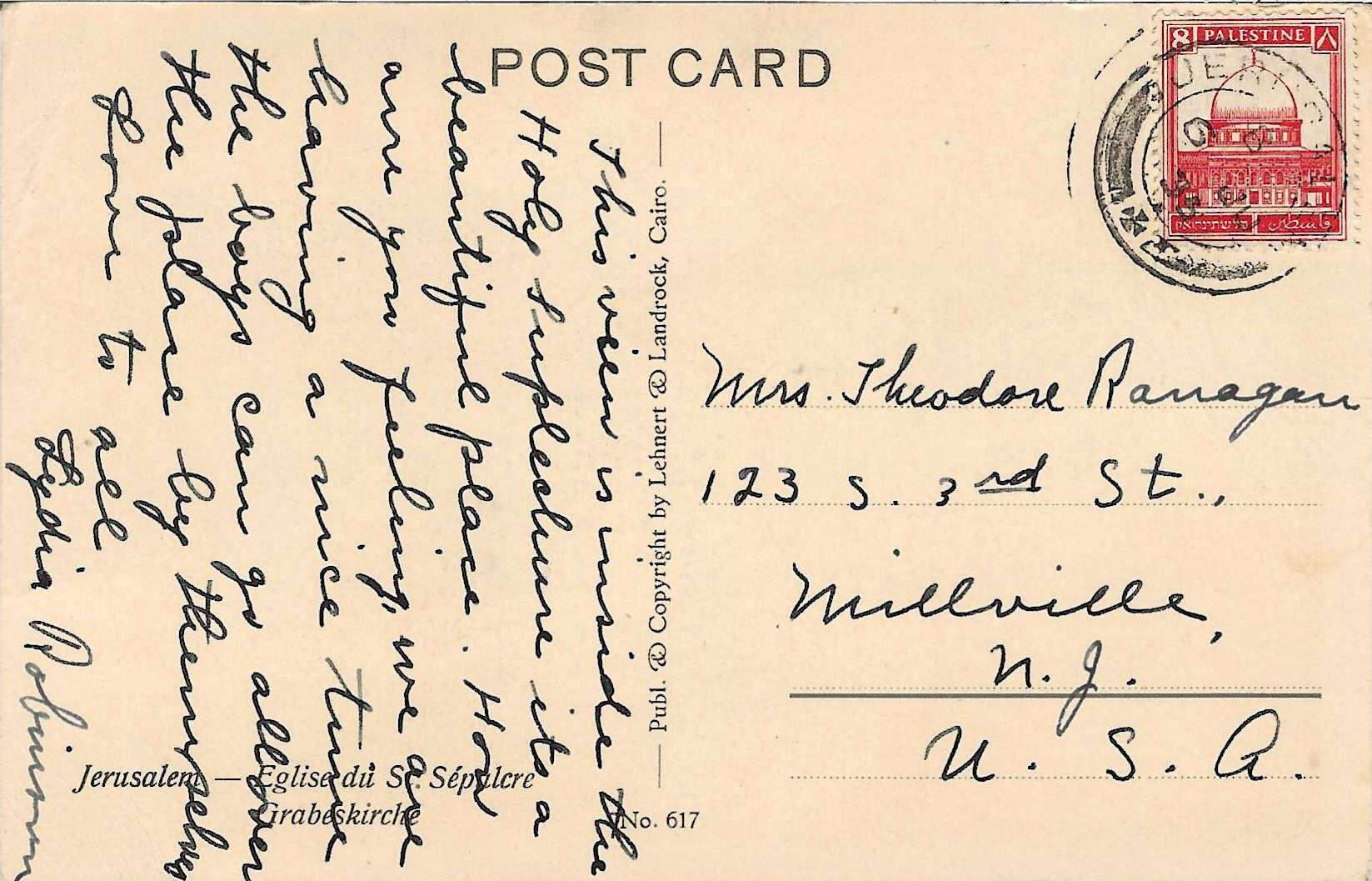
This postcard, a product of Lehnert & Landrock, Cairo, likely the most well-known postcard publisher in Egypt, travelled nearly 6,600 miles, to reach its destination through the mailing process without a bend, tear, or broken corner. The caption is in French and German. The message, however, is clear – “… the Holy Sepulchre is a beautiful place.”
Some postcards still surprise me! This is one such postcard.
“…. and the boys can go all over the place by themselves” = btw, how long did the card take to arrive? = nice story
Jerusalem and Isreal has had a Jewish population for thousands and of years. I agree it’s population increased as a result of refugees from Europe and middle Eastern countries. After Israel became prosperous in the late 1940s to 1960s the was mass economic migration from Arab countries many identified themselves as Palestinian.