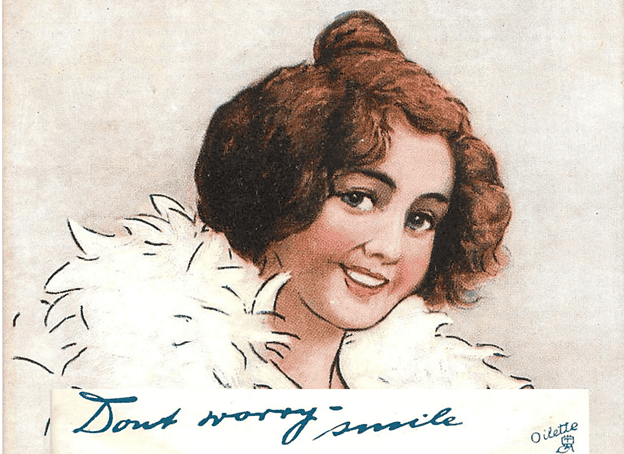
[A note from Ray, your editor.] The following was never meant to be a Postcard History post. Allow me to explain … as you read, you who know me may picture me with a sheepish grin and red face, from total embarrassment.
If you have been reading Postcard History for the last five-plus years, you have seen the names of our contributors appear above the title of nearly every published article. Most of the names are people I know and have known for many years. Grandy Landsdell, Burt Martin, and Nancy Harris come to mind. A few, like Alan Upton are former students. A few others are postcard friends or people I have met at postcard shows (or postcard fairs in the United Kingdom), and a few more are complete strangers, like Graham Palmer, Sally J. Saddleton, and St. John Chowder who have emailed me their postcard stories via the link on our website’s home page that reads, “Tell your postcard story in Postcard History.” And, two are related to me, my daughter and my only cousin’s only son.
Some friends will contradict this statement, but I am involved in things other than postcards. (I know – hard to believe.) While wearing one of my “other hats” I emailed one of the last two contributors mentioned in the paragraph above and asked them to draft a 500-word essay on smiles. The only caveat that accompanied my request was … “it can be written in a sassy, humorous, or even irreverent tone.”
The response follows, apparently my instruction was misunderstood since it is illustrated with Tuck postcards. I hope you enjoy it as much as I did.
***
The Smile: A Love Letter to Humanity’s Most Persuasive Curve
By an Unnamed, but Creative Writer
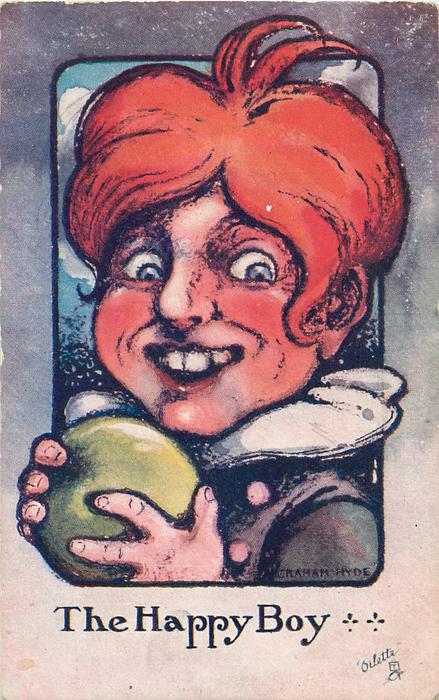
Ah, the smile. That charming, sometimes mischievous, often contagious upward turn of the lips that can turn a bad day into a good story—or at least distract from it long enough to clear the dust from your brain. The smile is humanity’s Swiss Army knife: a greeting, a weapon, a secret code, and occasionally, a desperate plea for mercy when you realize you just accidentally clicked the send button instead of hitting the delete key on an embarrassing email.
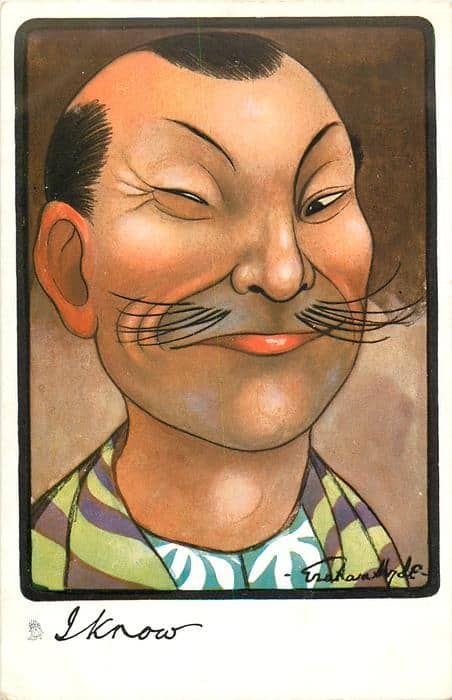
Let’s examine the basics. A smile is nature’s way of saying, “Hey, I’m friendly… or at least I want you to think so.” It’s a universal sign for peace, happiness, and, let’s be honest, mildly awkward social interaction. It’s what you do when you see someone you don’t know but want to appear non-threatening. Smile when you’re trying to get out of a boring meeting. Smile when you’re in a restaurant and the waiter brings you someone else’s dinner.
The beauty of the smile is its versatility. It can be innocent, like a toddler’s toothless grin when they discover a new toy; flirtatious, like a Hollywood star batting their lashes; or downright diabolical, like the villain in a soap opera scheming their next move. There’s even a “cautious bitch face version” that’s basically a smirk that says, “Don’t even think about messing with me!” The smile can be a diplomatic tool, a social shield, or a way to say, “I’m smiling on the outside, but inside I’m plotting your downfall.” This one is especially effective in faculty, sales, and reorganization meetings.
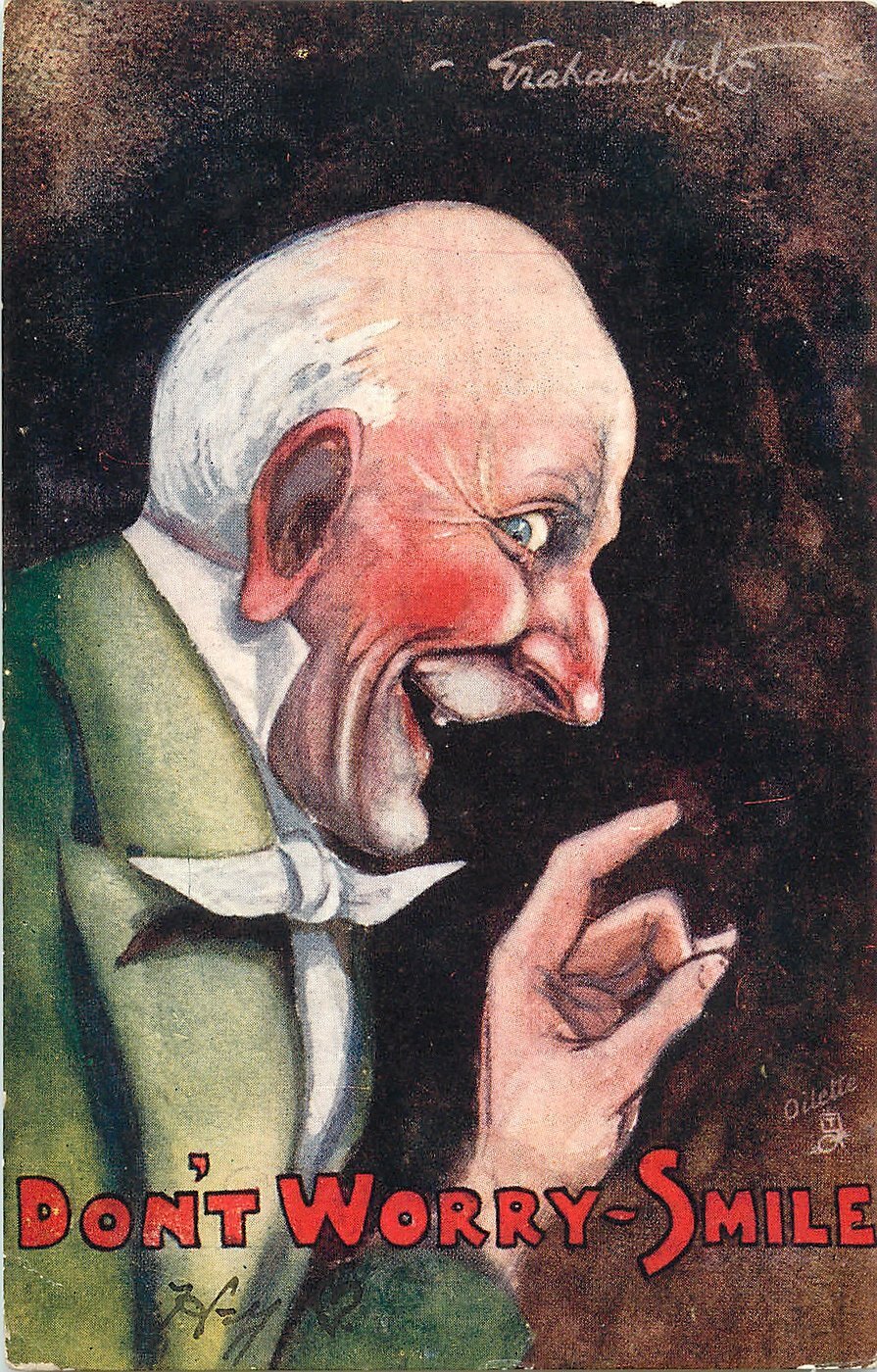
But here’s the thing: not all smiles are created equal. Some are genuine, warm, and heartfelt like a grandma’s smile that makes you feel like you’re wrapped in a fuzzy blanket of unconditional love. Others are complete fakes, as real as a politician’s campaign promise, which are plastered on with the finesse of a used car salesman at closing time. The “fake smile” is a masterpiece of deception, a facial expression that screams, “I’m dying inside, but I’ll smile to keep the peace,” all while secretly planning to escape to the nearest bathroom where I will picture your face at the bottom of the urinal.
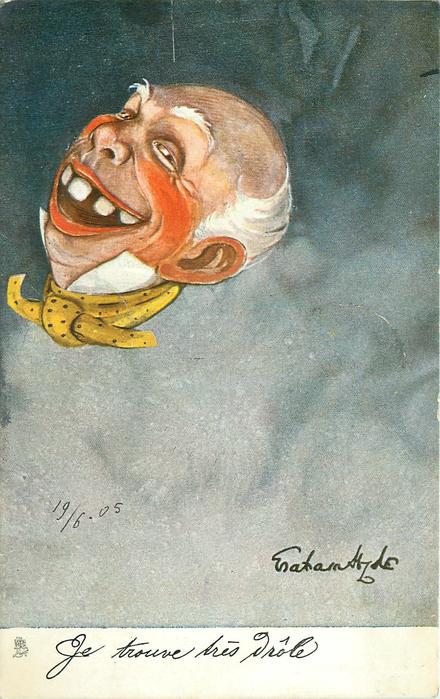
The psychological effects of smiling are surprisingly profound. Smiling can boost your mood, reduce stress, and even make you more attractive (yes, even if you’re having a bad hair day). Scientists say that the simple act of smiling can trick your brain into releasing feel-good chemicals, making you feel happier—even if you’re just grinning because you remembered that hilarious joke you heard yesterday. It’s basically the original “fake it till you make it” move, but with your facial muscles instead of a middle finger.
Assimilating these thoughts into your daily routine makes the smile a secret weapon, a social lubricant, and occasionally a weapon of mass distraction. Whether you’re using it to charm, disarm, or hide your true feelings, one thing’s for sure: a well-timed smile can save the day or wreck one. It can make you seem more approachable or at least confuse your enemies.
So next time life throws you a lemon, a bothersome coworker, or a pain-in-the-neck client, just smile. Because, let’s face it, nothing says “I ain’t putting up with you much longer” quite like a confident, sassy, “kiss-my-#@*&” smile.
***
Have a nice day, and don’t worry, Smile!
I love the expressions Graham Hyde captures, on all of his characters. They make a worthy collection.
Many years ago I heard the expression, “yellow smile” when referring to a fake smile. That term is stuck with me ever since and this posting reminded me of it. Thanks
This story complete with postcards makes me smile! Loved it!😀