Today’s theme is Phrases We Know, but May Not Understand
Katie, Bar the Door!
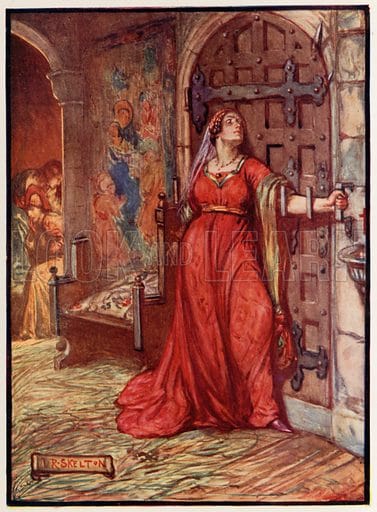
A suggestion that may explain the phrase, Katy Bar the Door, originates with the story of Catherine Douglas and her attempt to save the Scottish King James I when he was attacked by discontented subjects in Perth (Scotland) in 1437. The room James was in had a door without a locking bar.
The story has been often repeated that Catherine Douglas tried to save the king by barring the door with her arm. When the dissidents managed to break through, her arm was broken and the mob murdered the King.
The lass that barred the door – Catherine Douglas, was henceforth known as Catherine Barlass.
The story is quite well documented from contemporary records and the descendants of Catherine Douglas still use the Barlass name.
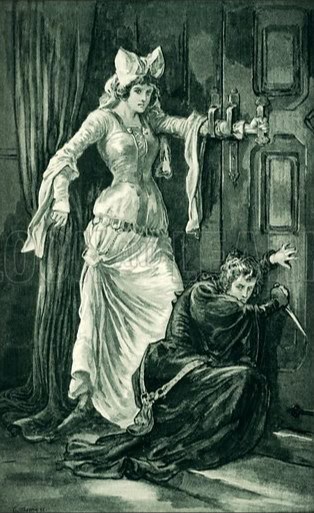
The event was commemorated in Dante Gabriel Rossetti’s poem The King’s Tragedy, 1881. The full poem is 173 stanzas, but this selection shows the possible links with Katy bar the door:
Then the Queen cried, “Catherine, keep the door,
And I to this will suffice!”
At her word I rose all dazed to my feet,
And my heart was fire and ice.
…
Like iron felt my arm, as through
The staple I made it pass:-
Alack! it was flesh and bone – no more!
‘Twas Catherine Douglas sprang to the door,
But I fell back Kate Barlass.
Which, if either, of the above explanations is correct is uncertain. The Kate Barlass story appears to have the stronger claim.
***
It Cost an Arm and a Leg
For many of today’s Generation “Z,” dating is a very expensive experience. Gen “Z” for those unfamiliar with the term are those individuals born between 1997 and 2012, or those currently between 14 and 28 years old. They are also known as the first truly digital generation. They have been highly influenced by technology, social media, and global events like the Covid-19 pandemic. They make up nearly 30% of the global workforce and they are the most diverse generation because of their modified attitudes toward money, work, and social and tech habits. Most are pragmatic, digitally savvy, and focused on financial stability but unable to afford it.
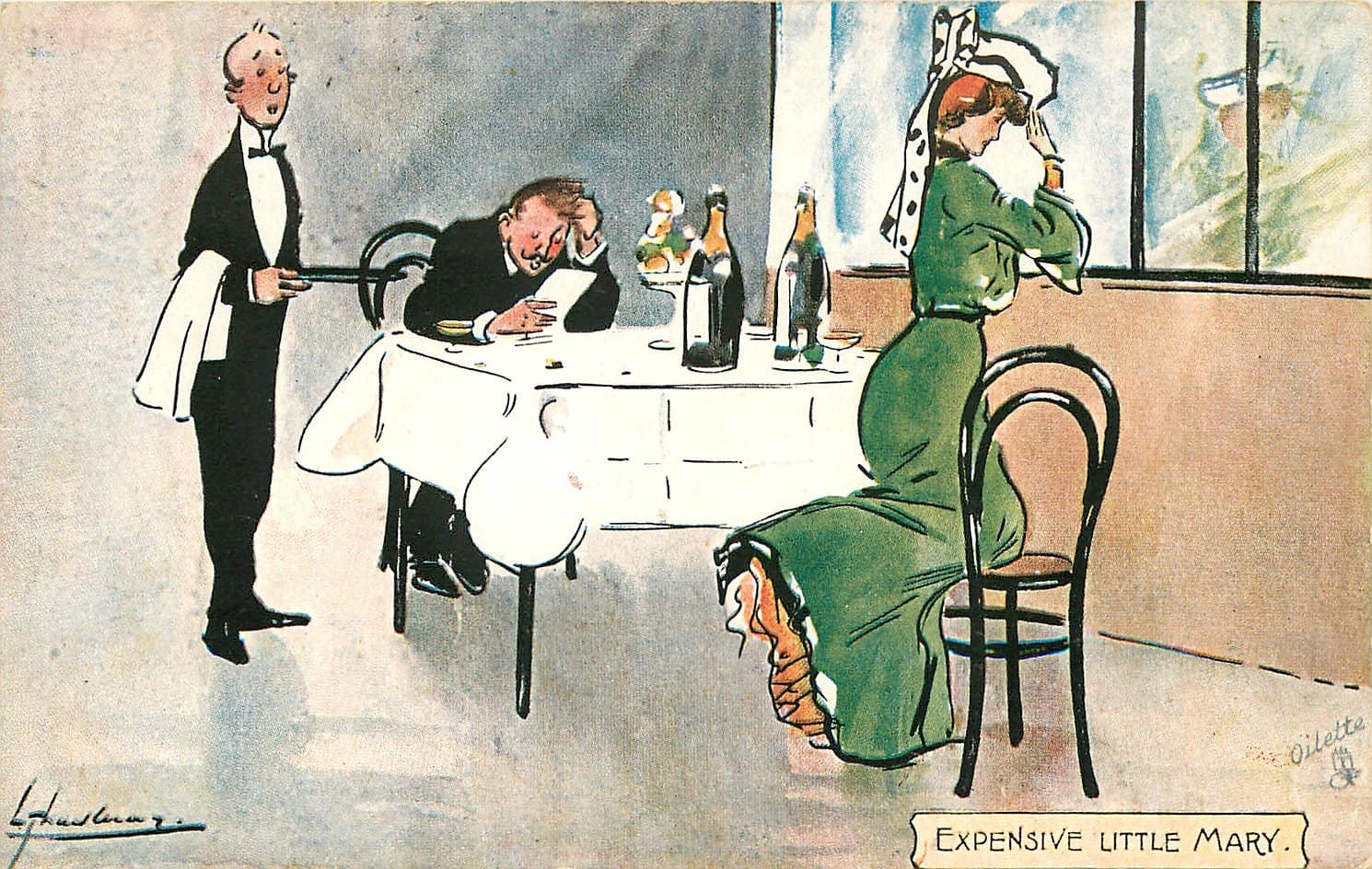
With their birth, upbringing, and education far from their own control, they experience the same dilemmas that many have faced for more than a century. This Lance Thackery postcard shows a young man attempting to understand a restaurant tab that may have cost him “an arm and a leg.”
“Arms” and “legs” are seldom things we think about when something is ridiculously expensive, but sometime soon you will agree that something might have cost you “an arm and a leg.”
As it turns out, there are three well developed origins of this phrase. One theory goes back to seventeenth century Ireland, when the English King Charles II commissioned Sir Thomas Armstrong and Colonel George Legge to produce halfpenny coins. The results of their work were called “Arm and Leg” coins, and they even made their way to the American colonies as legal tender used by the Irish immigrants to buy any item that costs an “Arm and a Leg” or a “halfpenny.”
One other theory that is somewhat more romantic is that when someone had a portrait painted, one showing a “headshot” was cheaper than one featuring “arms and “legs!”
***
The Whole Nine Yards
One etymologist had dubbed The Whole Nine Yards as a linguistic black hole, and after two hours of research this writer agrees – wholeheartedly!
To begin, suffice it to say there are at least a dozen reliable explanations referencing the origin of the “nine yards” expression. One refers to an excessively large shirt made for an Indiana judge about 1907, another to the length of line needed to fish in Kentucky rivers, and one more concerning the manufacturing of many kinds of fabric that would be shipped and sold in 9-yard bolts.
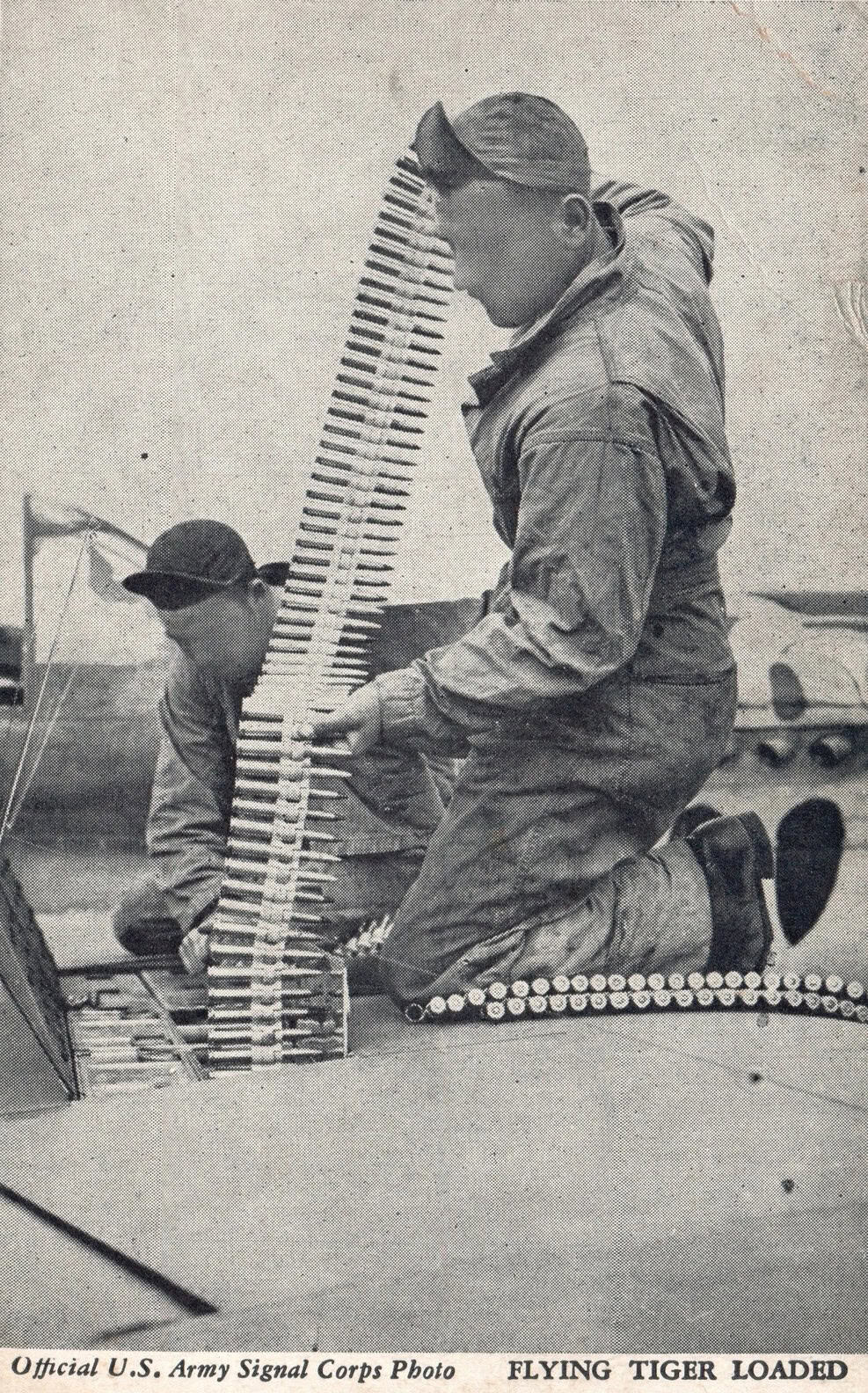
However, since the Postcard History card chosen to accompany this article is obviously military the one explanation we offer is that during World War II, aircraft machine gun belts were nine yards long.
There are versions of this explanation with variations regarding type of plane, nationality of gunner and geographic area. Also, there are various calculations as to how long it would take to fire the “whole nine yards” of a World War II ammo belt – at approximately 30 rounds per belt – 32.5 seconds.
Is it safe to say, the “whole nine yards” is thirty-two and one-half seconds?
***
A BONUS

This one’s easy. From the Indian rebellion against the British in 1857 and the American Civil War (1861-1865), wounded soldiers were given a bullet (usually just the casing) to bite on to help them endure the pain of surgery without anesthesia.
I always thought “nine yards” was the capacity of a cement truck. Glad to know of other explanations.
Take your pick! Thanks, Ray.
Fun read. Thanks