When your daily routine is interrupted by the discontinuance of a favorite product it can be disappointing. It may be the same when a favorite service provider goes out of business. Such events are devastating to the same degree as a fire, flood, or other natural disaster. The sense of loss is magnified if the product had sentimental value or made your life easier. People are easily affected by frustration or sadness, just knowing that they can no longer access something that brings them comfort. That frustration also sparks a sense of uncertainty about finding alternatives; many times, there simply is none and we simply must do without.
This was yesterday. The way it once was. Who knows what it is like today? Is there such a thing as product loyalty anymore? I know that I was devastated when General Motors discontinued the Pontiac, but I soon learned that Buicks were nearly the same or slightly better.
***
Finding advertising postcards that promote products you have never heard of or don’t know is easy. Each card is like a window into the daily lives of our ancestors. There are many questions that will never be answered, i.e., did your great-grandfather ever drink a glass of Blatz beer? Did your grandmother use Calumet Baking Soda? Did your mother cook using Silver Seal Margerine?
Some of the advertising cards in my collection that have raised questions but have no answers are from years before our times. Let’s just say, “We’ll never know!” And that is the only statement a genealogist dislikes making.
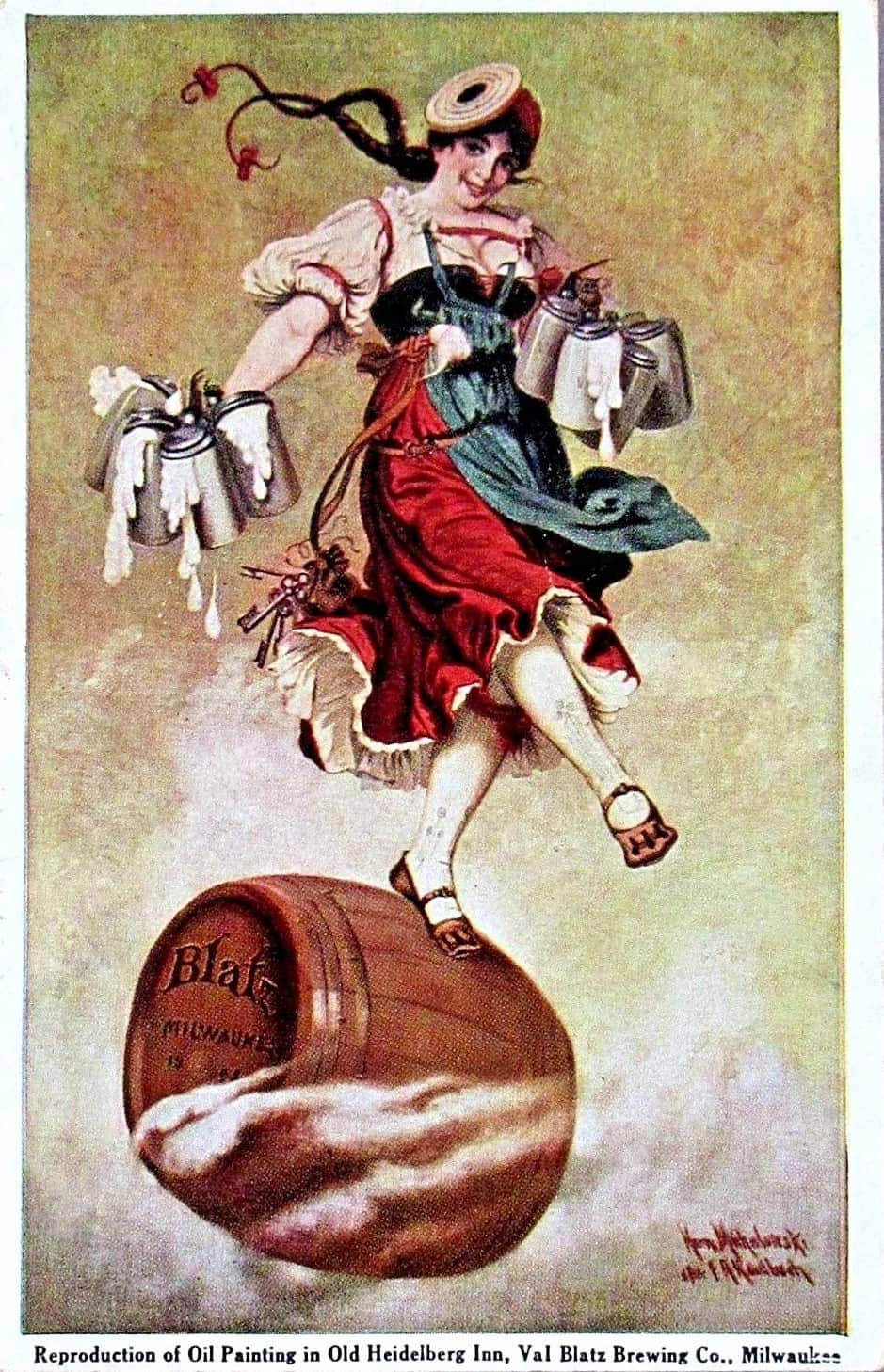
Beer.
The Valentin Blatz Brewing Company, an American brewery based in Wisconsin, produced Blatz Beer from 1851 until 1959, when the label was sold. It all started in 1846, when Johann Braun opened the City Brewery in Milwaukee. A few years later (1850) Valentin Blatz established a brewery next door, and in 1852 Blatz merged both breweries upon Braun’s death.
In that year, Valentin’s little brewery produced 350 barrels of lager. That beer was for local consumption only, due to short shelf-life. Technology soon improved and by 1868 Blatz’s brewery produced 16,000 barrels annually.
After a fire destroyed much of the original brewery in 1872, Blatz was able to enlarge and update his facilities with new brewing methods. In 1875, Blatz was the first Milwaukee brewery to have a bottling department to package beer and ship nationally. It incorporated as the Valentin Blatz Brewing Company in 1889. Operations continued through Prohibition from 1920 to 1933, a brewery workers strike in 1953 and until 1958 when Pabst Brewing Company, then the nation’s tenth largest brewer, acquired Blatz, but immediately found itself in legal difficulties because the acquisition violated Section 7 of the Clayton Act.
Today, Blatz is brewed by Miller.
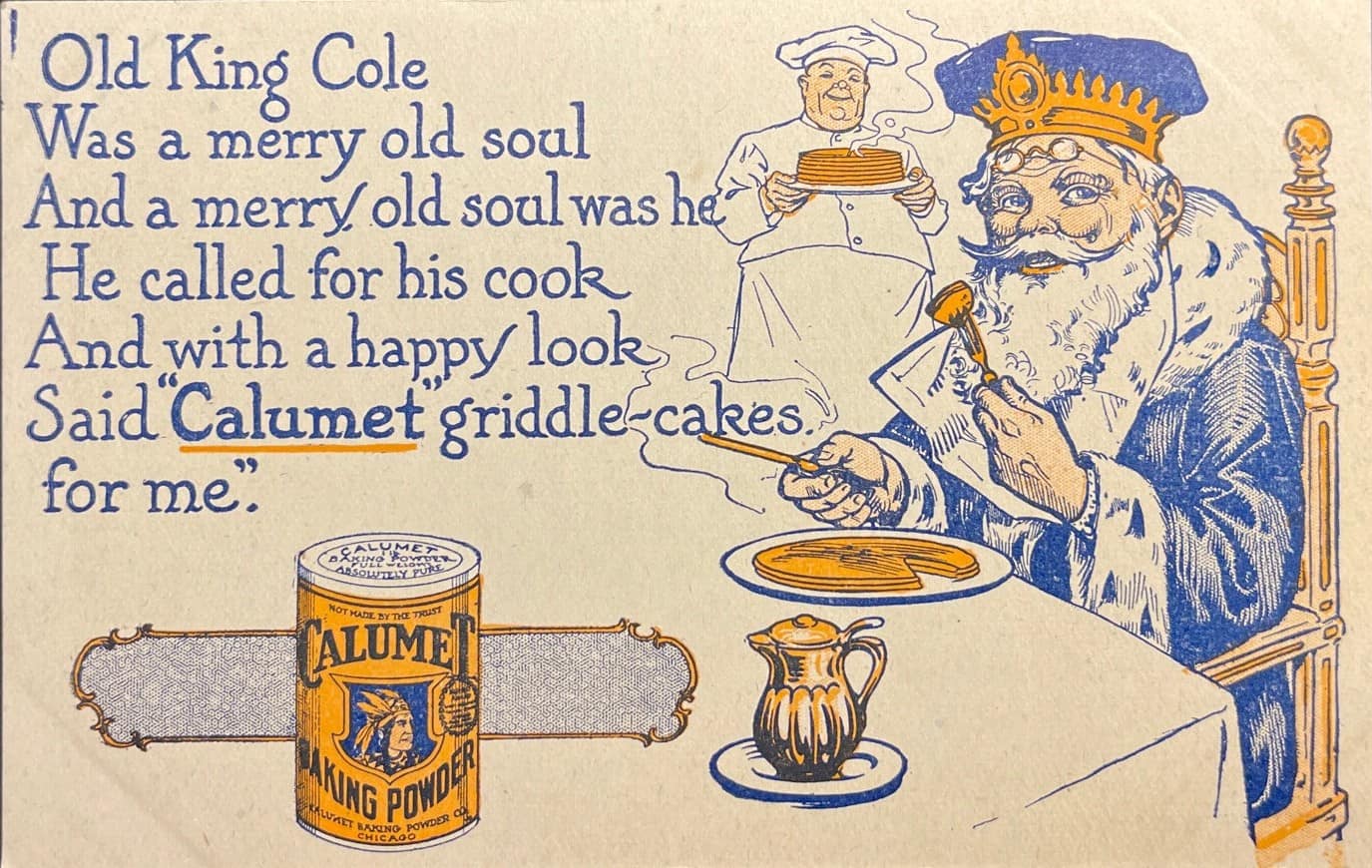
Baking Powder
Baking powder is a leavening agent. It is used to increase the volume and lighten the texture of baked goods. It works by releasing carbon dioxide gas into a batter or dough through a chemical reaction that creates bubbles.
The use of baking powder began around 1843 when an Englishman named Alfred Bird created it for his wife who was allergic to yeast. His invention included tartaric acid, a substance that did not cause the very common reaction to yeast. The first patented, modern baking powder was developed by an American chemist around 1856.
Baking powder became a common ingredient in “from scratch” baked good but faded from popular use when “packaged” cake mixes and similar products came to market.
The Calumet Baking Powder Company was established in 1889 in Chicago, Illinois, by William Monroe Wright. The firm operated until 1929 when it was acquired by General Foods.
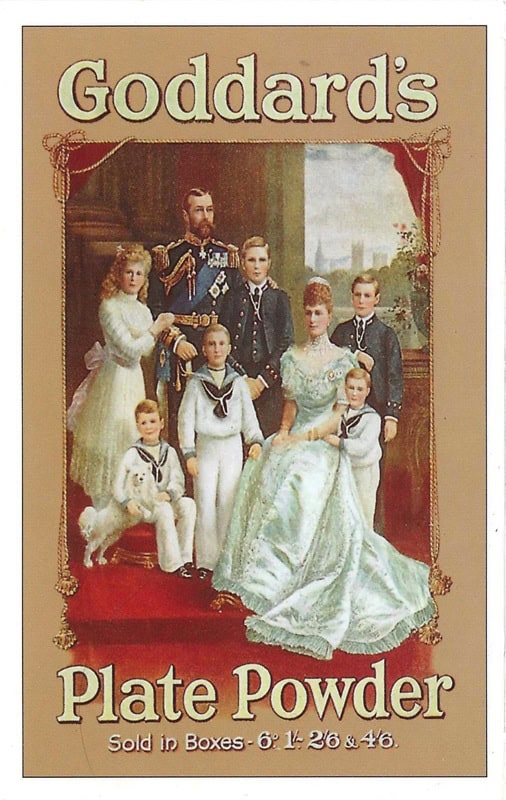
Plate Powder
The Goddard Company has never stopped making Plate Powder, but the formula has changed many times since 1839 when Joseph Goddard first perfected his silver polish after many attempts to develop a concoction that would safely remove tarnish from even the thinnest plated silver.
Goddard always held a deep appreciation for beautiful silver and as a chemist and county analyst, he was frequently called upon to assay fine silver owned by England’s wealthy families.
Silver-plating made it affordable for the average English home to have silverware, but the joy soon turned to disappointment because the commonly used mercurial silver polish ate away the thin layered silverplate. Afterall, silver tarnish is an oxidation much like rust is on steel.
After Goddard’s Plate Powder was introduced, the fame spread and the product was so much in demand that it was soon marketed through other retailers.
Joseph Goddard died in 1877 and his son, also called Joseph, joined the business, followed, in turn, by his grandson. All of them expanded the business but they stopped using royal personalities advertising like the one here after the Romanov family was murdered by the Bolsheviks in Ekaterinburg, Russia in 1917.
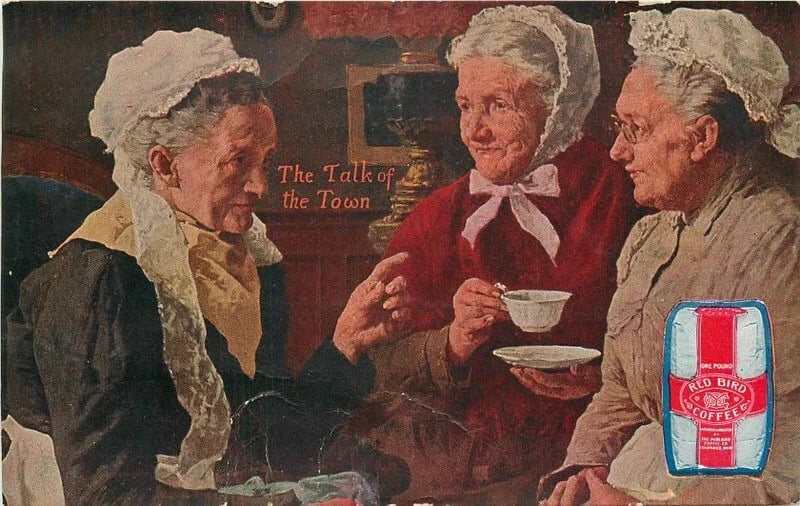
Coffee
Many coffee drinkers have no idea (and may not care) about the history of coffee, but those who do, think it was invented around the ninth century in Ethiopia in eastern Africa.
That may be true, but the earliest use of coffee as a beverage began in Yemen during the fifteenth century among the Sufi Muslims to aid concentration during their daily prayers.
Since the year 1700, when a company in Munich, Germany, began manufacturing coffee for sale in marketplaces to the year 2017 in Rogers, Arkansas, more than one-thousand business enterprises have made coffee in no less than 600 varieties. Today there are about 510 companies making coffee in more than 30 countries.
Red Bird Coffee is not on the list, but a product with an identical name is manufactured in British Columbia promising that Red Bird Roasting was hatched from the desire to bring out the best in every bean.
Cars
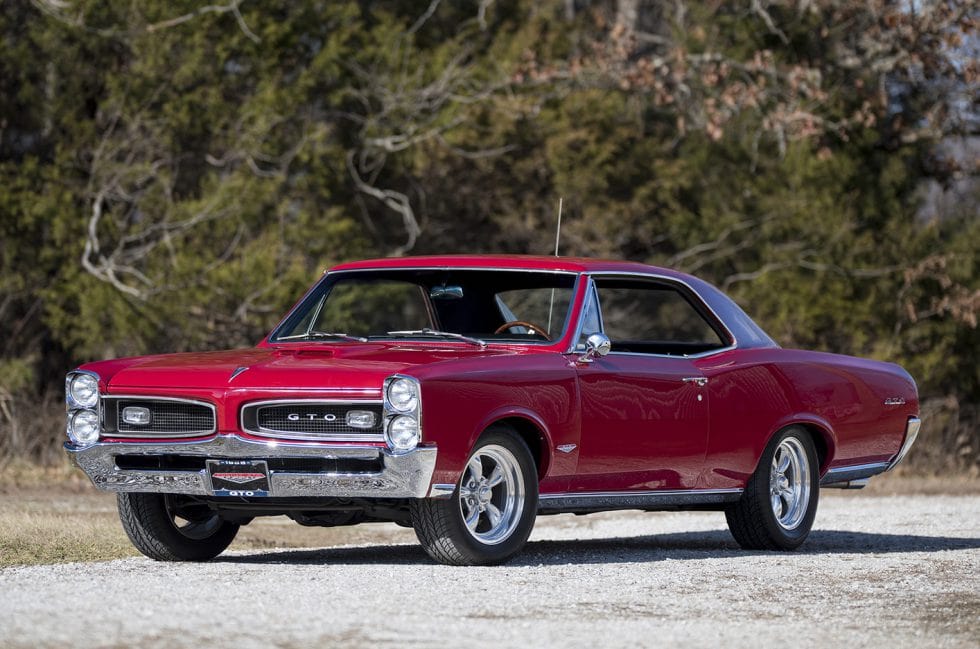
The 1966 Pontiac GTO is thought of as a pioneer in the muscle car era. First introduced by Pontiac in 1964, the GTO was among the first mass market cars designed to combine performance with affordability. By 1966, the GTO had already established itself as a symbol of American muscle, thanks to its powerful V8 engine and aggressive styling.
The 1966 GTO featured a refined design compared to its two earlier versions, with a wider stance and new grille accents that emphasized its sporty character. Under the hood, it was equipped with a 389-cubic inch V8 engine, setup to deliver 360 horsepower. This engine provided exceptional acceleration and performance, making the GTO a favorite.
Throughout its production run, the GTO was praised for its combination of speed, style, and affordability. (I paid $3,334 for mine.) Its success helped popularize American automotive culture.
***
End of Part 1.
To be continued.
Be sure to return to Postcard History for Part 2 – Tuesday.
With a maiden name of Baltzley, you bet my dad drank Blatz beer.
I didnt even know Calumet was gone but I remember it well.
As for a fine GTO, what girl didnt want a ride in her boyfriends awesome eye-catching GTO?
I didnt have much interest in coffee years ago, but I can’t imagine Ethiopian coffee would be my choice. I suspect it would be like some Czech coffee I had, that tasted like rotten tree bark water.
Fun write-up.