Mermaids – those half human, half-fish mythical creatures – seem to be singular beings and they stay, for the most part, out of sight until a search begins. The blended figures are alluring across cultures as symbols of beauty, danger, and the unknown. The legends centering on mermaids originated in the earliest years of recorded history.
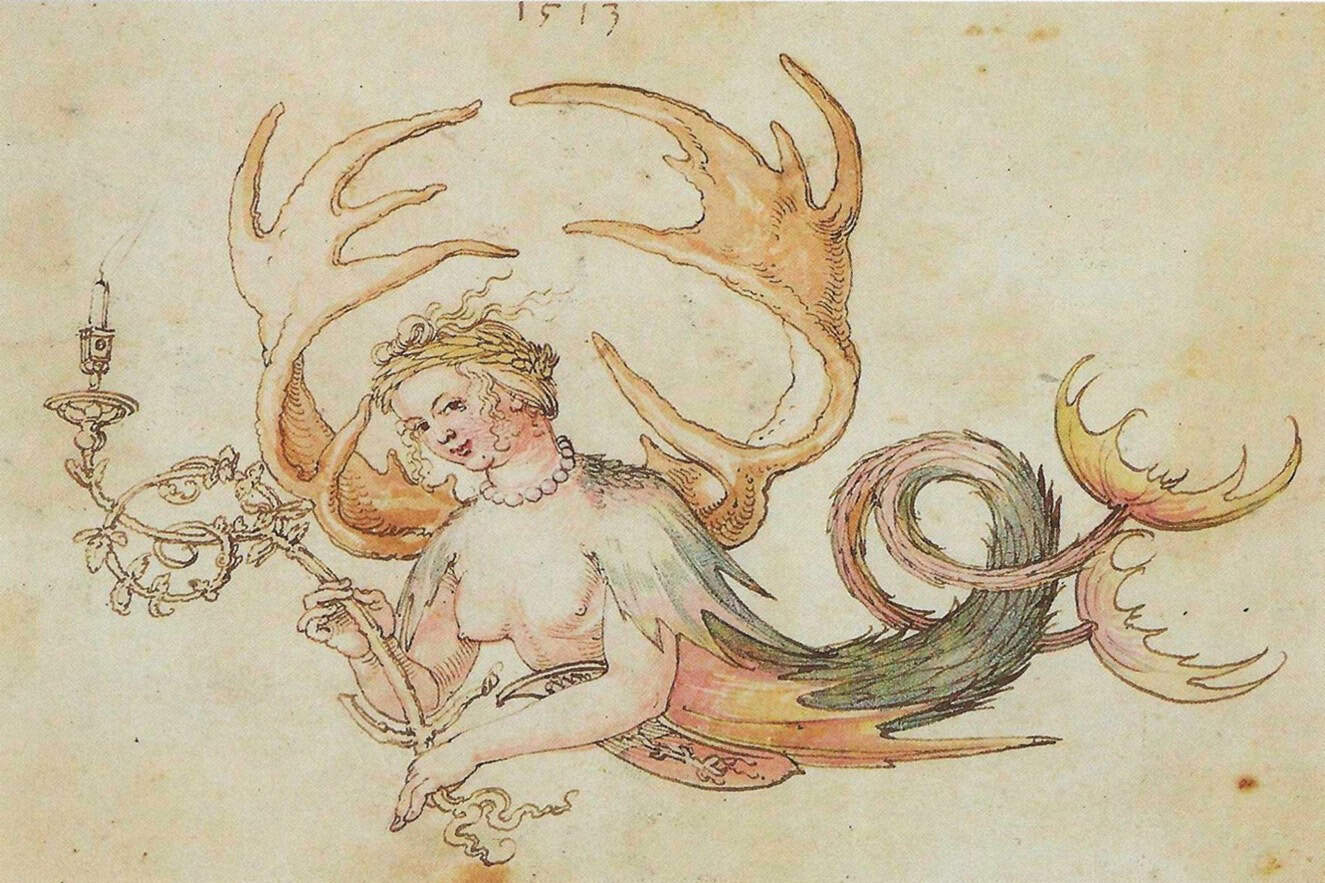
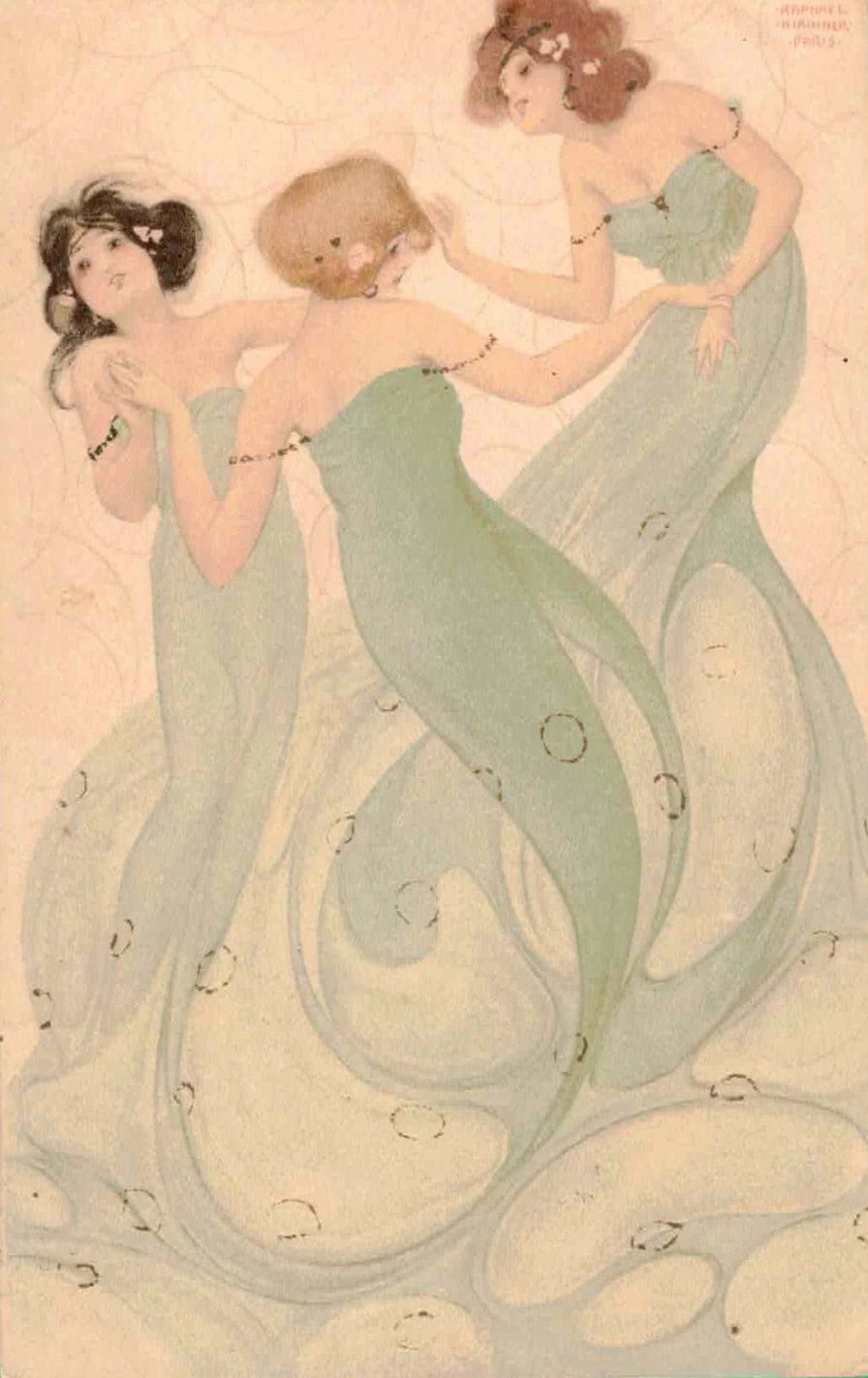
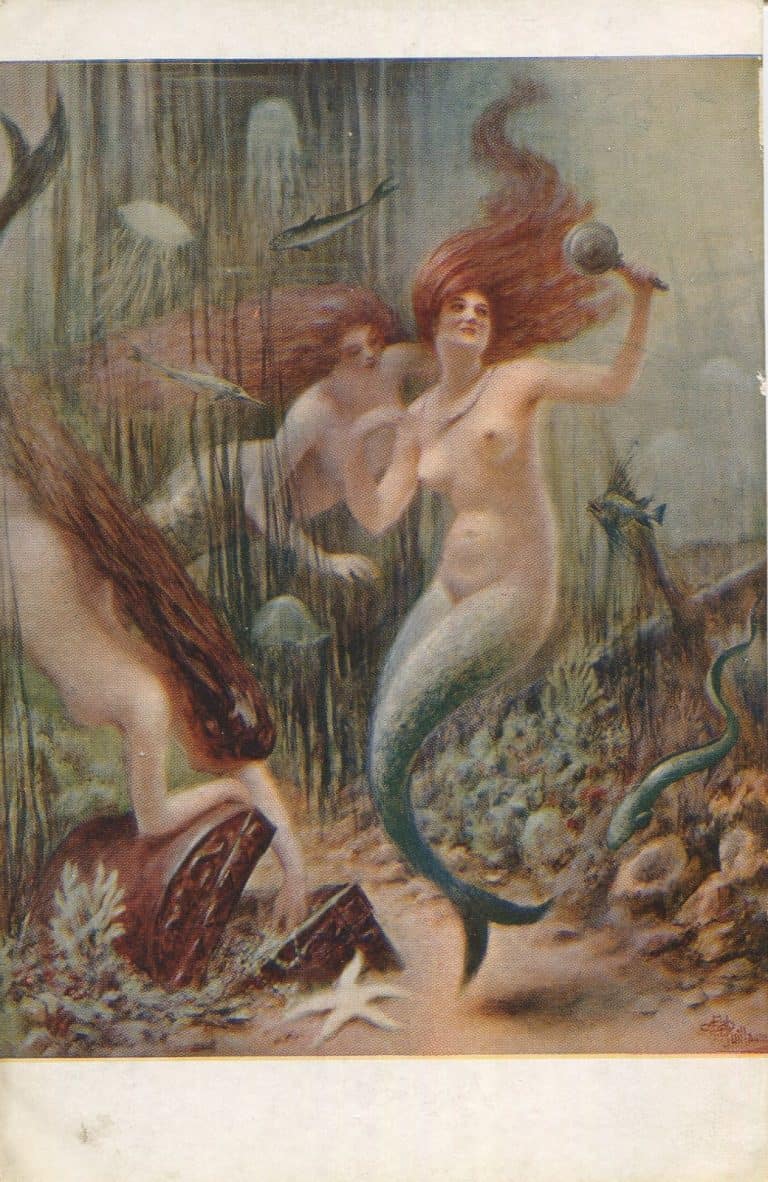
In Europe, mermaids were first depicted as beautiful women with fish tails, possessing magical or visionary powers. The tales describing mermaids and how they tempted sailors with songs that led to wrecked ships are numerous. Much of the same is true in Africa where water spirits like Mami Wata embodied wealth and fertility. In Japan, the ningyo was said to bring misfortune if captured by a waterman or hunter. There are many romance stories that include marriages between mermaids and humans, where the mermaid may assume human form if her magical items, like a comb, belt, or bracelet are stolen.
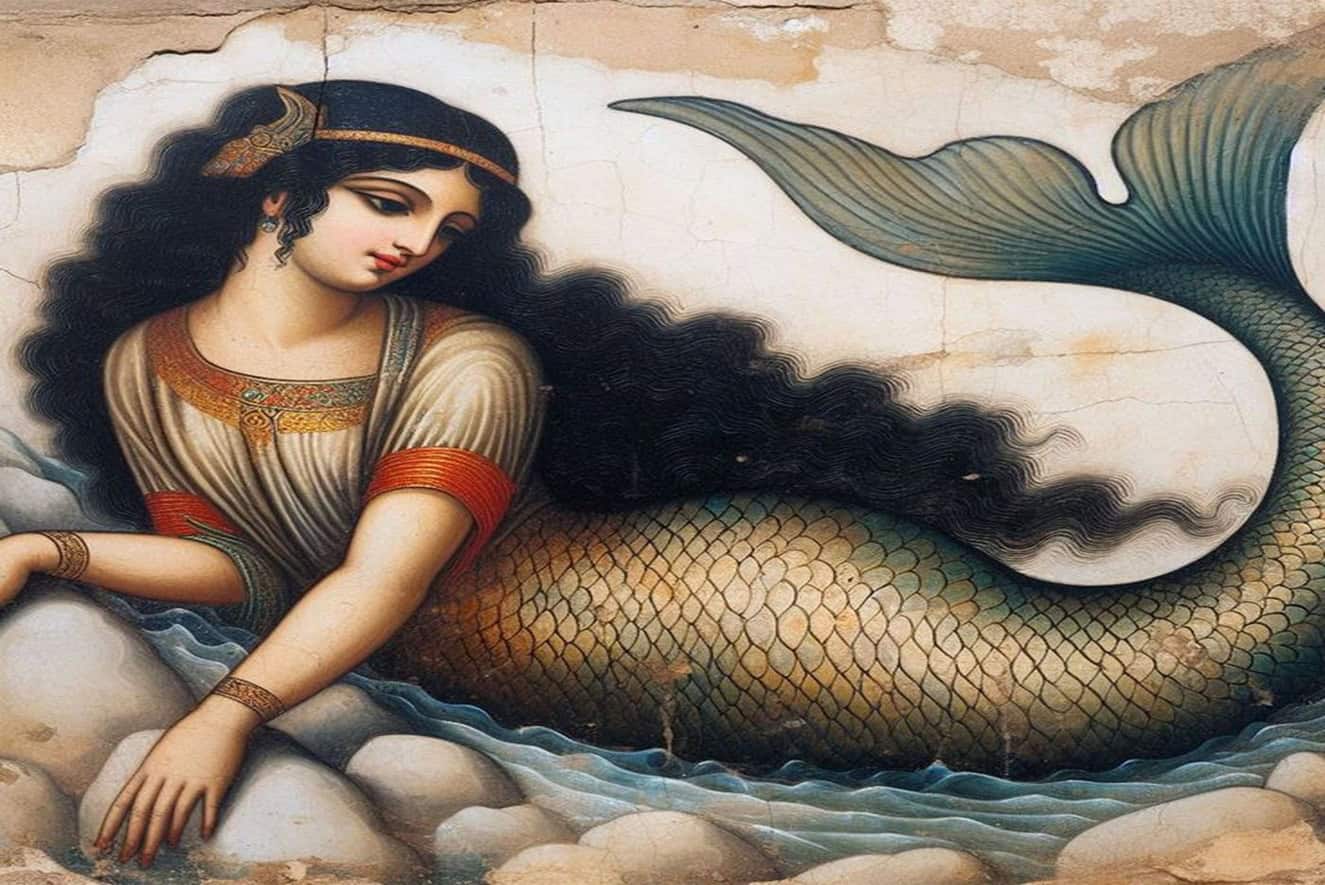
In Ancient Mesopotamia, the earliest mermaid-like figure was the goddess Atargatis, who transformed into a fish but retained her human beauty. In Greece, mermaids were sometimes paired with sirens. In medieval Europe, accounts by sailors inspired by sightings of manatees often described mermaids as creatures that inhabited the oceans.
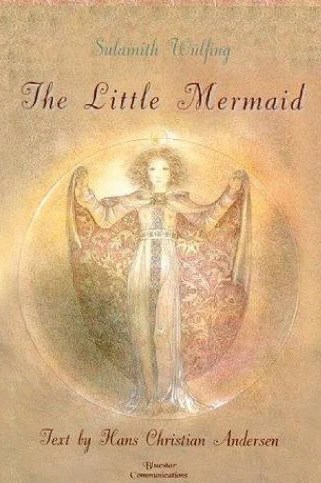
In the nineteenth century, Europeans like Hans Christian Andersen entertained his audiences with tales like The Little Mermaid (1837) that reshaped the myth into romance.
By the twentieth century, mermaids had assumed a confirmed presence in many “ologies,” including astrology.
Long before sailors carved maps of the world, before ships cut across the horizon, there were whispers of beings who lived where the waves kissed the sky. Mermaids are not just fanciful sea creatures; they are cultural mirrors of humanity’s relationship with the ocean.
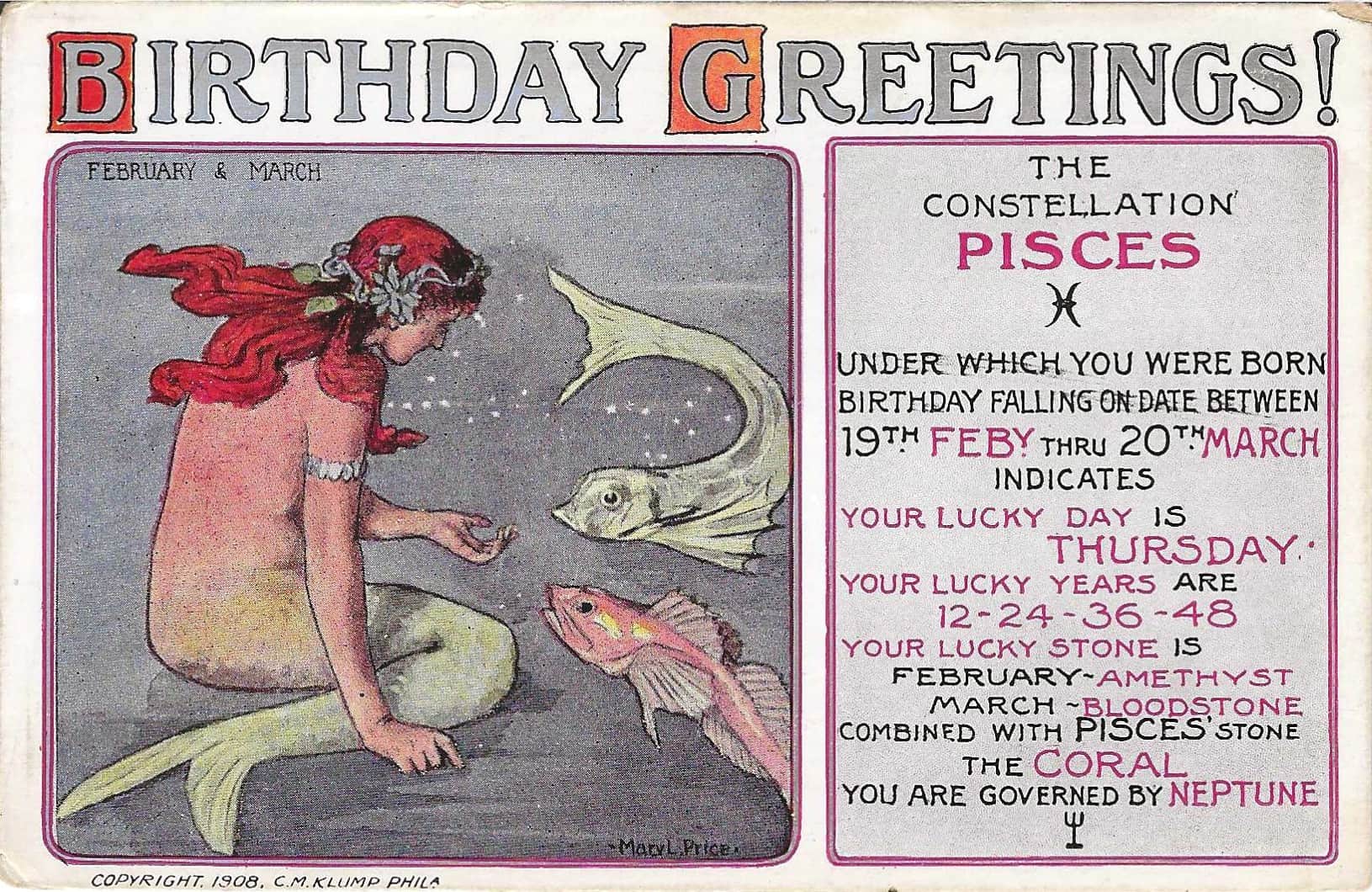
Mermaids endure because they embody timeless themes that resonate across generations. The sea itself remains vast and largely unexplored, and mermaids personify its mysteries, giving human form to the unknown. They are both beautiful and perilous, reflecting humanity’s ambivalence toward desire and risk. Their stories often involve love across boundaries—human and non-human or land and sea.
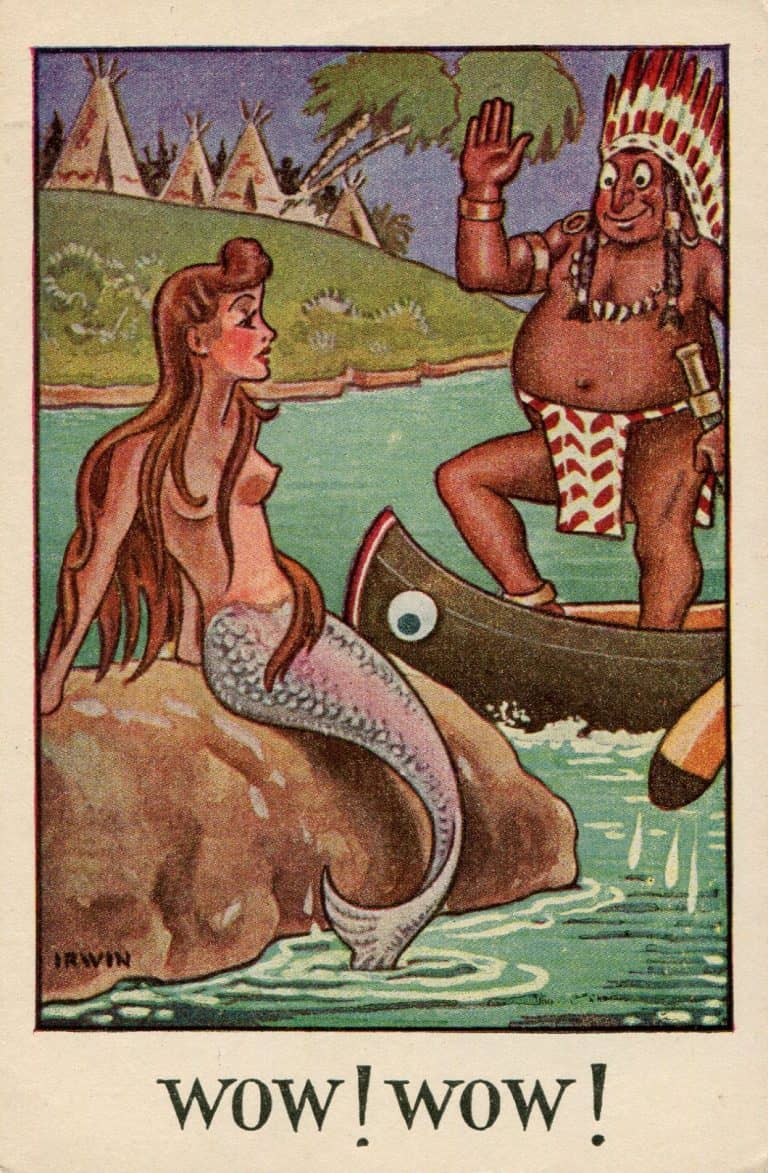
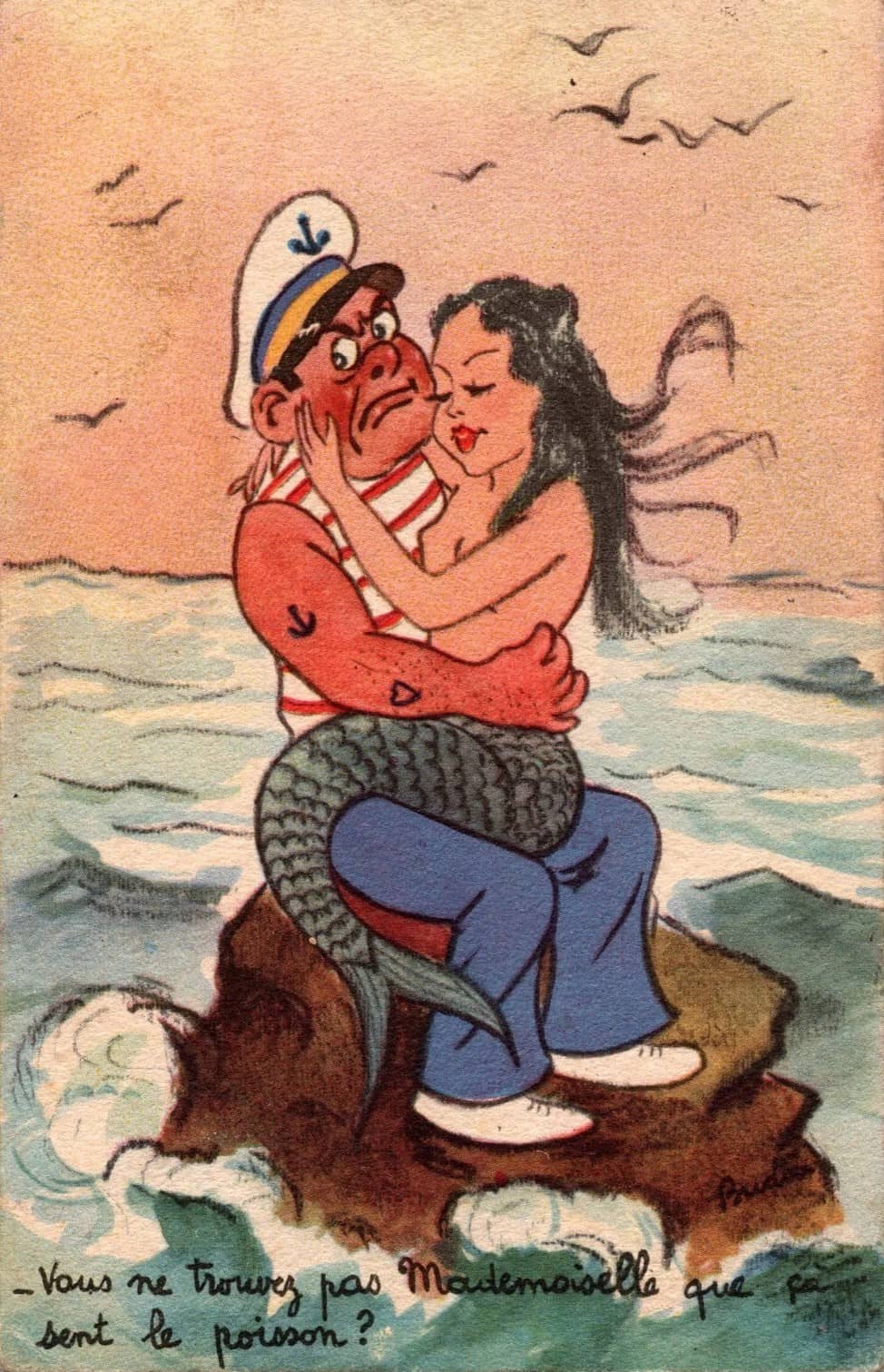
At the same time, mermaids are endlessly adaptable. Andersen’s The Little Mermaid gave us a tale of sacrifice and sorrow, while Disney’s Ariel brought joy, rebellion, and song to a new generation. And today mermaids continue to be enchanting when young adult authors like Carrie Anne Noble present us with novels like The Mermaid’s Sister, that are pure genius. Each retelling reshapes the mermaid but never erases her. She remains a mirror of our desires — freedom, love, and escape.
In modern times, mermaids have become symbols of beauty, mystery, and feminine strength. They glide through films, novels, and art. They glitter with possibility. They remind us of the ocean’s secrets and the mysteries in the worlds that lie just beyond our reach.
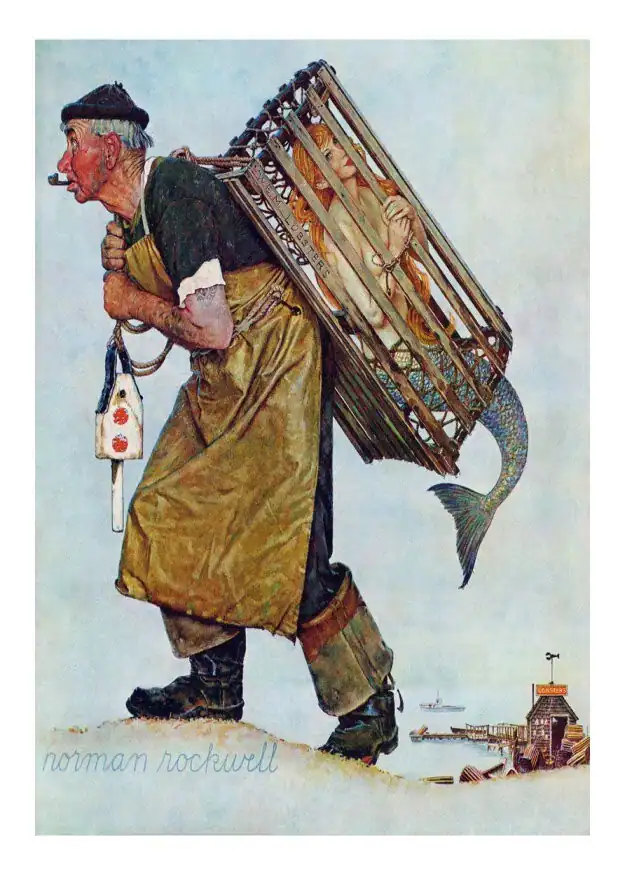
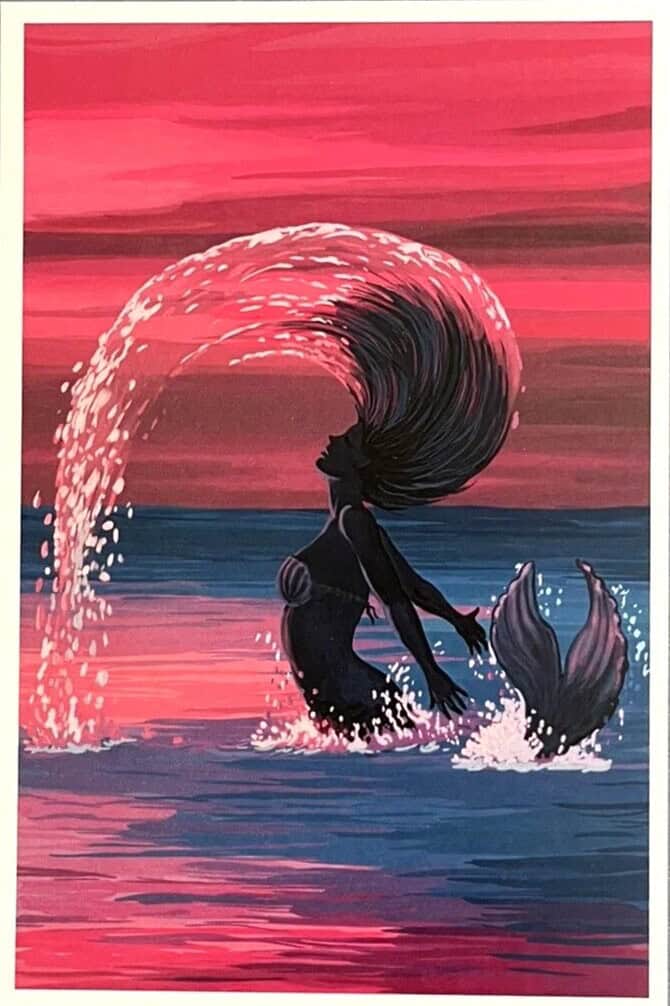
The art of Norman Rockwell and a modern artist signed, “GA.”
Interesting article and fabulous images!
do you know that there is a mermaid museum in Berlin, Maryland?
Fun article and images. These lovely creatures inhabit our local waters, to the point we also have a mermaid museum honoring them, mermaidmuseum.org located on our coastline outside of Aberdeen Washington. Thanks again for highlighting them.