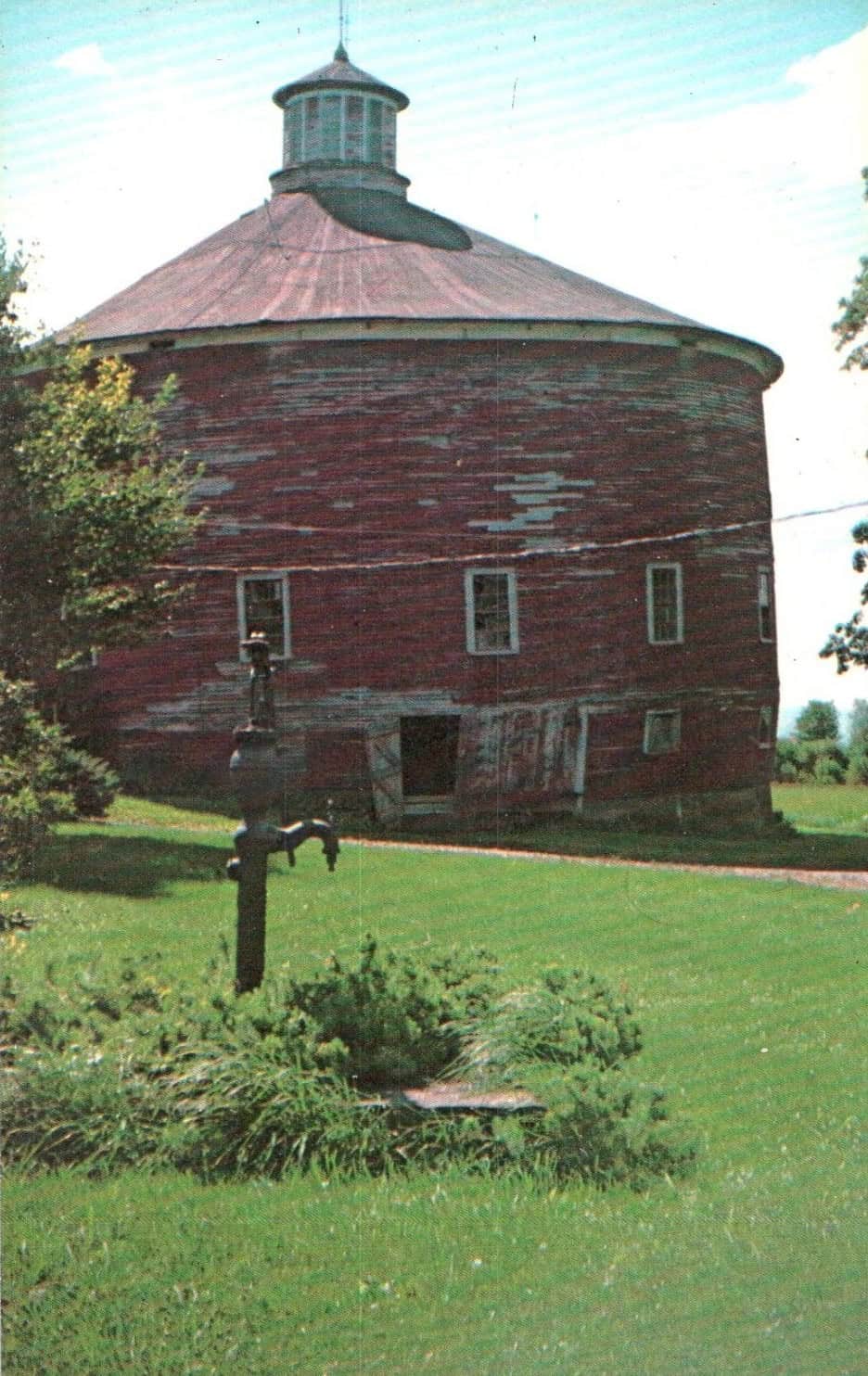
Who was Horace Duncan? He was the one guy in Indiana who knew how to build a better barn. Duncan had ideas about how to make all the space in barns useful and to facilitate easy storage. His idea became truth when he built the first round barn.
Round barns, some said, were invented to keep the devil from hiding in the corners. But in truth it was practicality, not religious scruples or aesthetic whimsy, that gave rise to these distinctive cylindrical structures.
In the late 1800s, scientific principles were applied to agriculture just as eagerly as they were to other aspects of life, and farmers were being urged to experiment with the efficient use of space, such as central silos and unobstructed hay lofts in round barns.
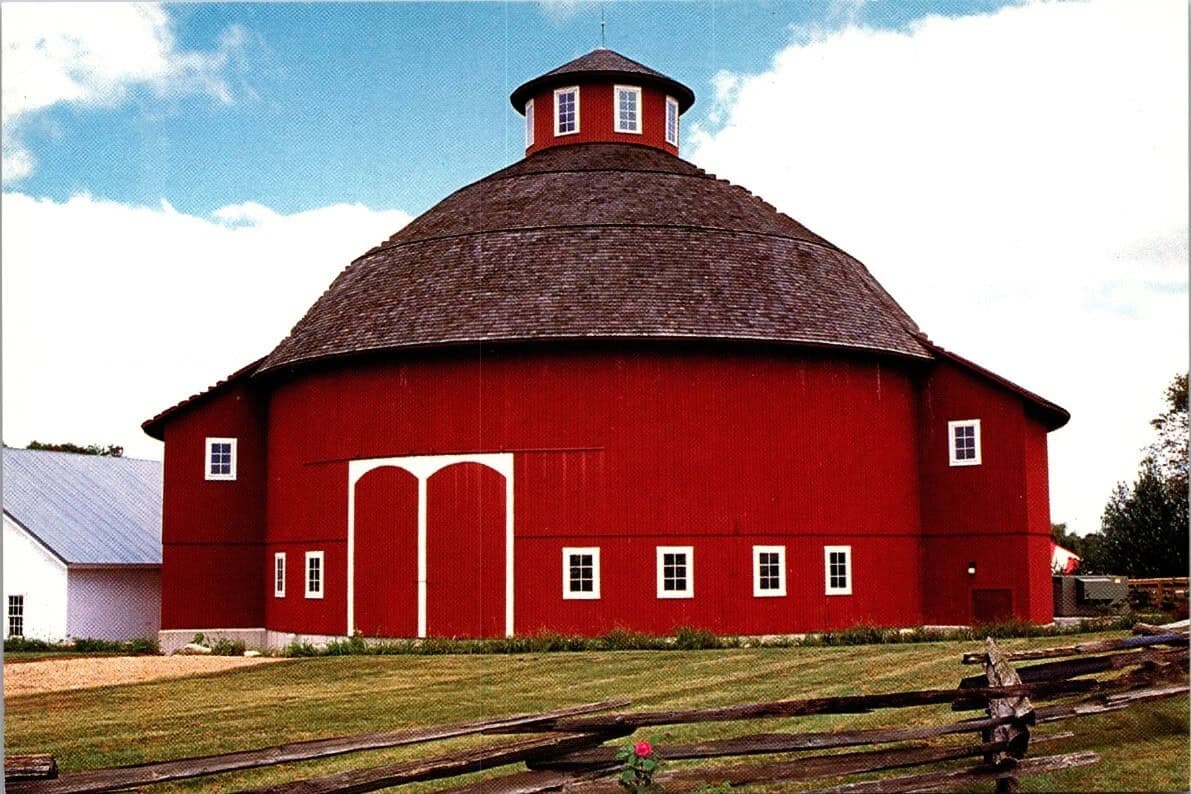
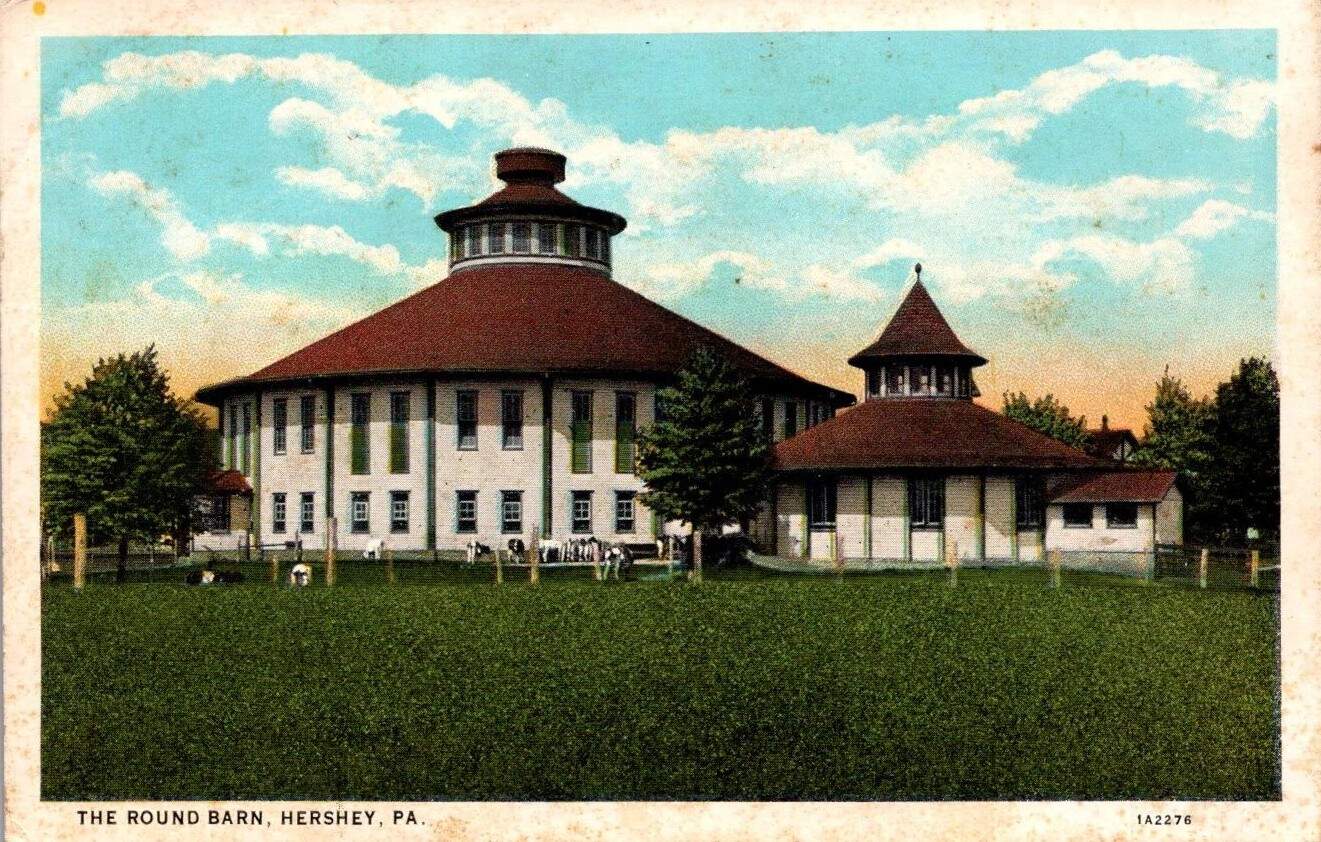
Building “in the round” required accurate plans and skilled carpentry to properly execute the intricacies of the newfangled construction technique. One of the best and busiest builders was Horace Duncan who mastered round barn carpentry in his native Indiana. Indiana was a hotbed of agricultural innovation.
As an enthusiastic poker player, Duncan persuaded the local gentleman farmers to take a gamble on the new barns and from 1895 and through 1916 he designed and built at least 16 fine examples throughout the Midwest. Most of his clients were wealthy professionals who could afford the extra time and expense for the latest thing and could absorb the loss, if the promised but unproven savings weren’t realized. Their patronage allowed Duncan to cut out the glitches in round barn constructions and in 1905 he patented his ideas for the necessary self-supporting roof.
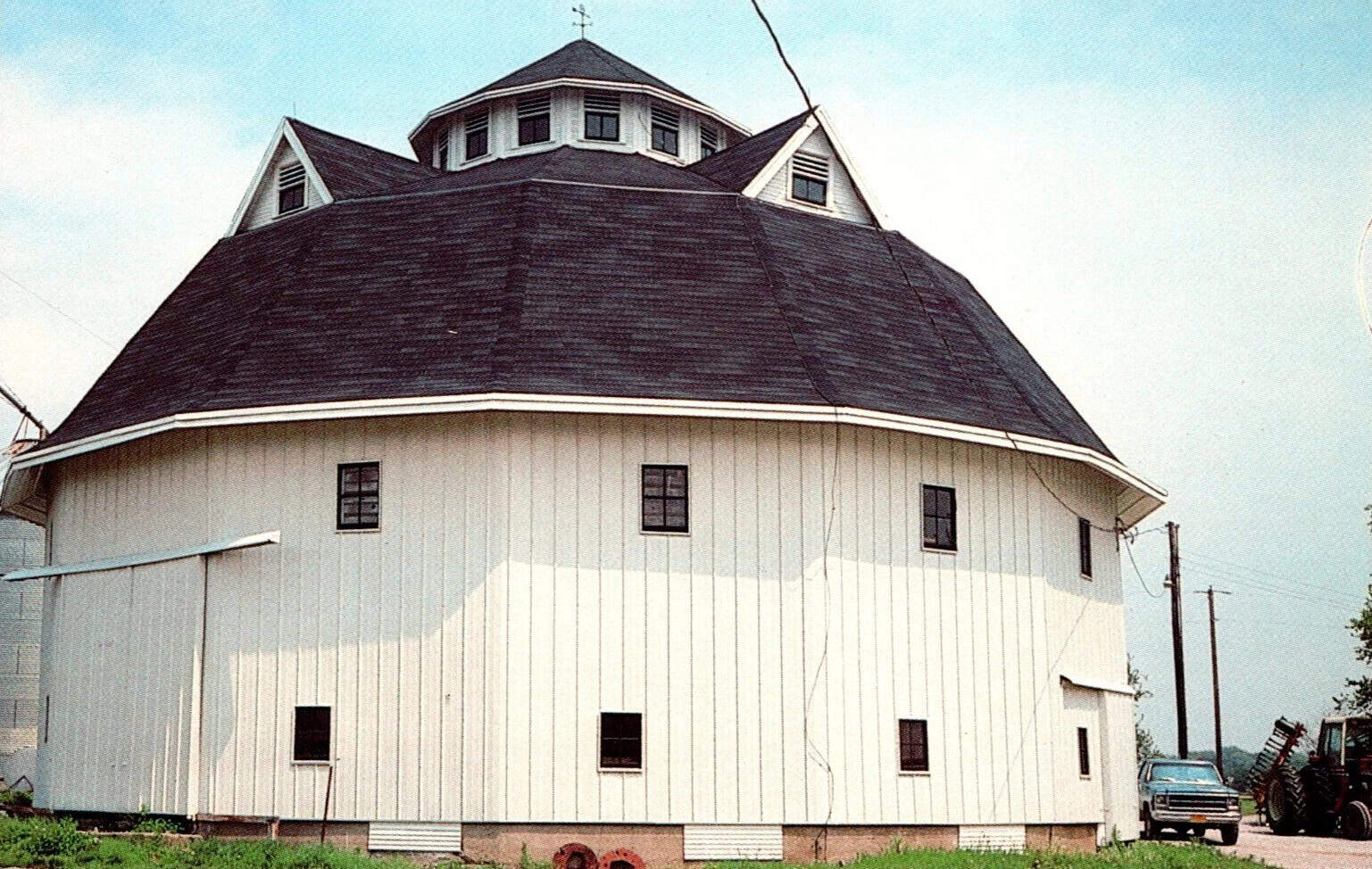
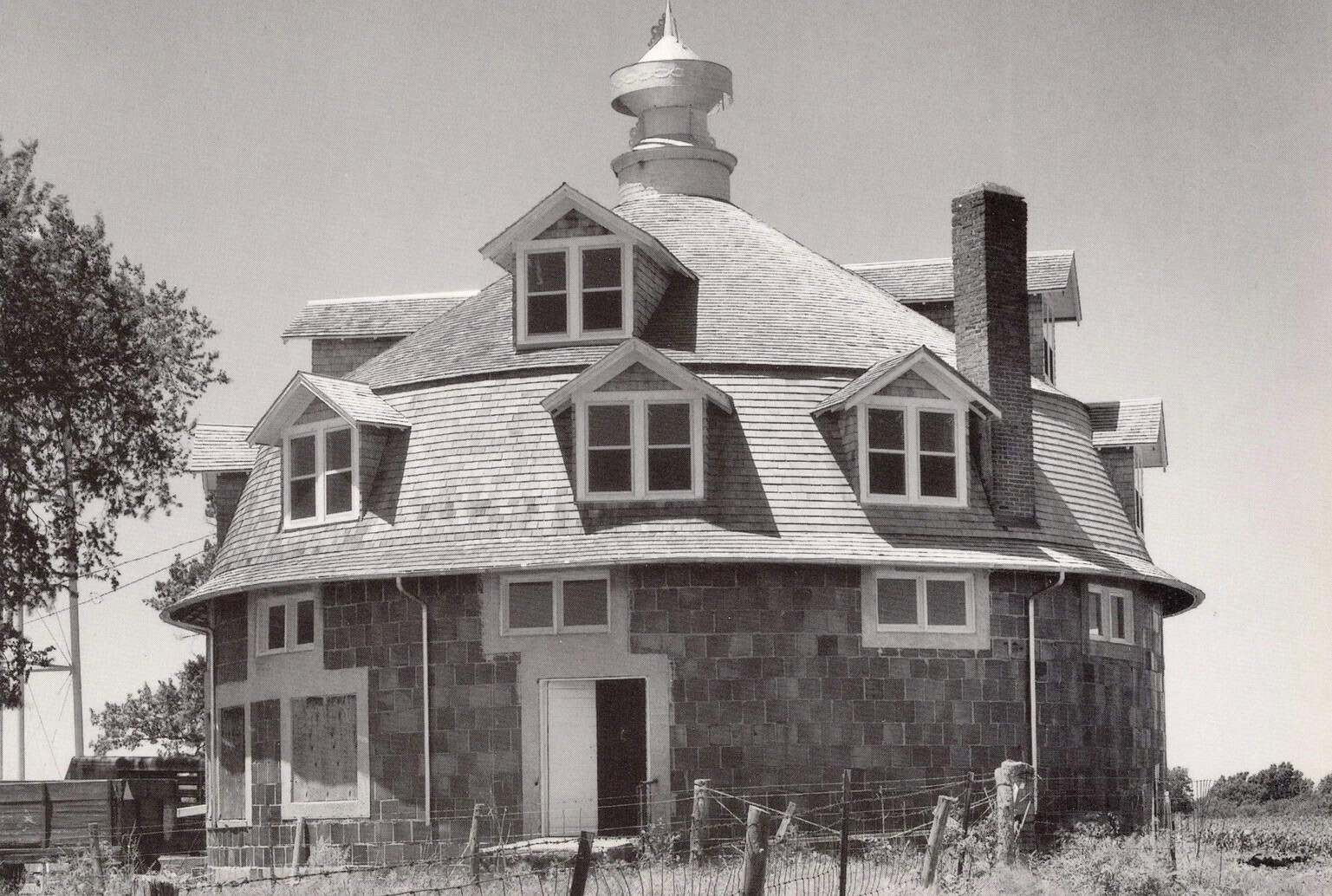
Round barns never swept the nation, but there are still a few in use throughout the Midwest and remain monuments to the entrepreneurial drive for improvement that characterized American agriculture.
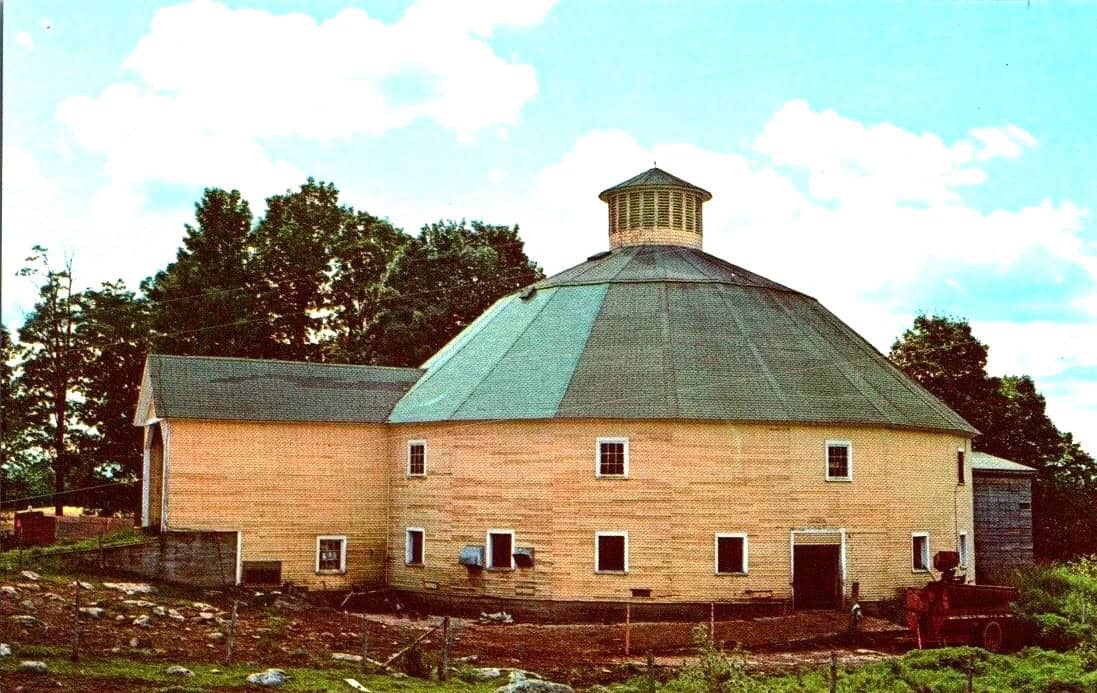
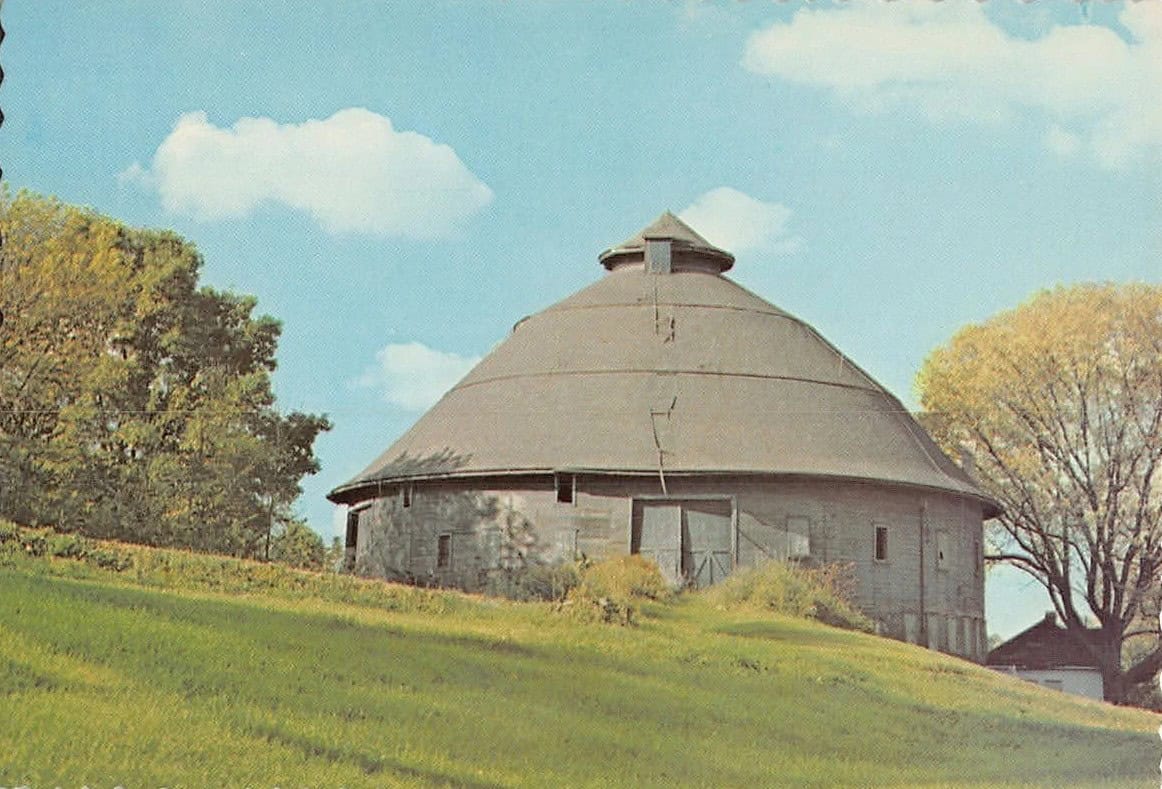
There was but one flaw in round barn construction. Many farmers often griped about how cold it was in round barns. One old story that still circulates through the countryside was one that suggests how cold it would get.
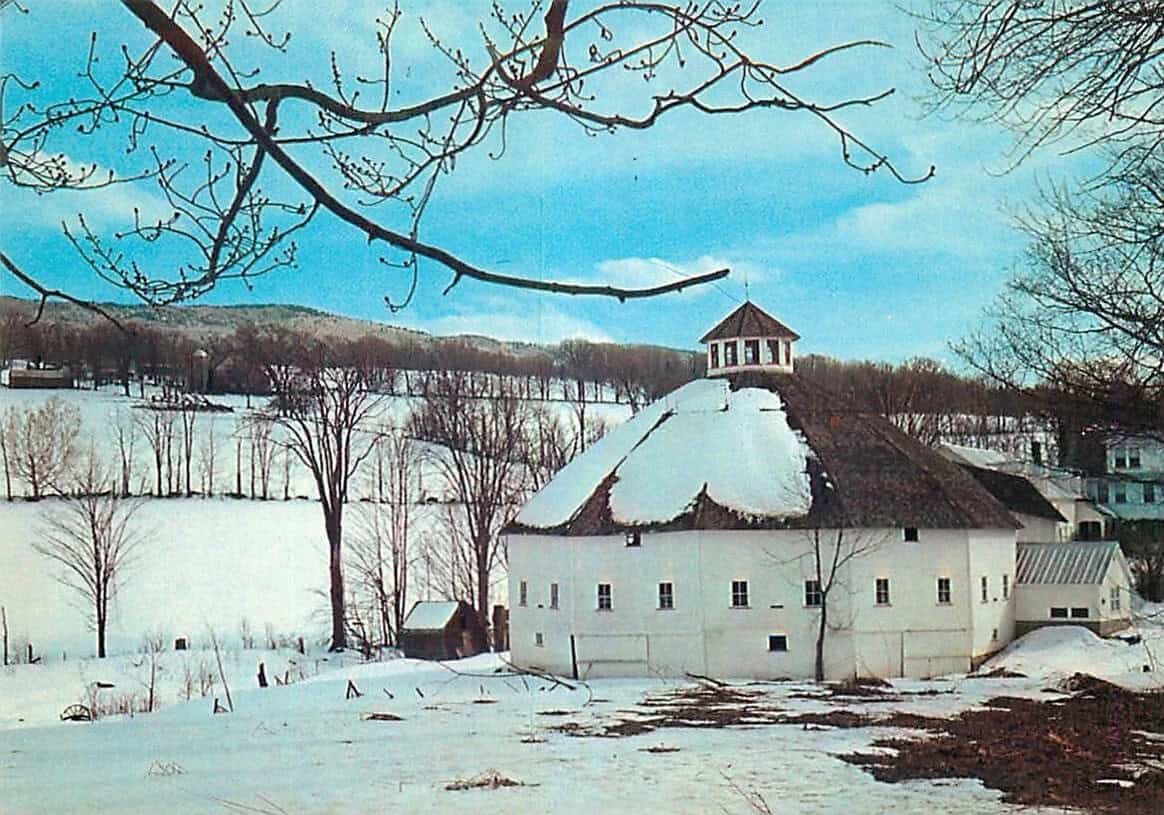
The telling of the tale goes like this: Once there was a small farm on the edge of the Great Plains that had only one spindly cedar tree to block the winds that whistled down from the Arctic. A farmer named Fred had only his wife, Mary, left at home; the youngsters had moved to the city. Well, as the story goes, on one icy morning in February, farmer Fred asked his wife to help him with his chores in the barn. Mary agreed and off they went to their new round barn. Fred and Mary agreed that it was cold outside, but it was even colder in the barn. Suddenly it got very quiet. Their conversation stopped in mid-sentence because their words froze and fell to the ground. And at almost the same time the flames inside their lanterns also froze solid. It took until May Day for the flames to dance again and for the words to come back to life.
That’s how cold it gets in Indiana.
Does it get cold in Indiana? Goggle the temperature in Indianapolis on January 19, 1994.
Minus 15 Celsius here the last 4 days and 6 inches new snow – to add to the foot already on the ground and we are at a similar latitude to Northern California! I have not seen in my 73 years of living in Ontario Canada a Round Barn….. or Canadian Round Barn postcard. Fascinating.
Interesting article on how these barns began. I have seen only a couple postcards of them. A side question, why were rhey supposed to be so cold?
Oh, what a delightful post. I love barns and postcards with barns, but I have never seen a round barn. A round house, yes, but never a barn. It’s too bad that the idea never really took off. But then again, maybe that’s what makes them special. Also enjoyed the tale at the end.