The distance from London, England to Lake Havasu City, Arizona is 5,294 miles. At my age I would never attempt such a trip, however the London Bridge did it when it was 140 years old.
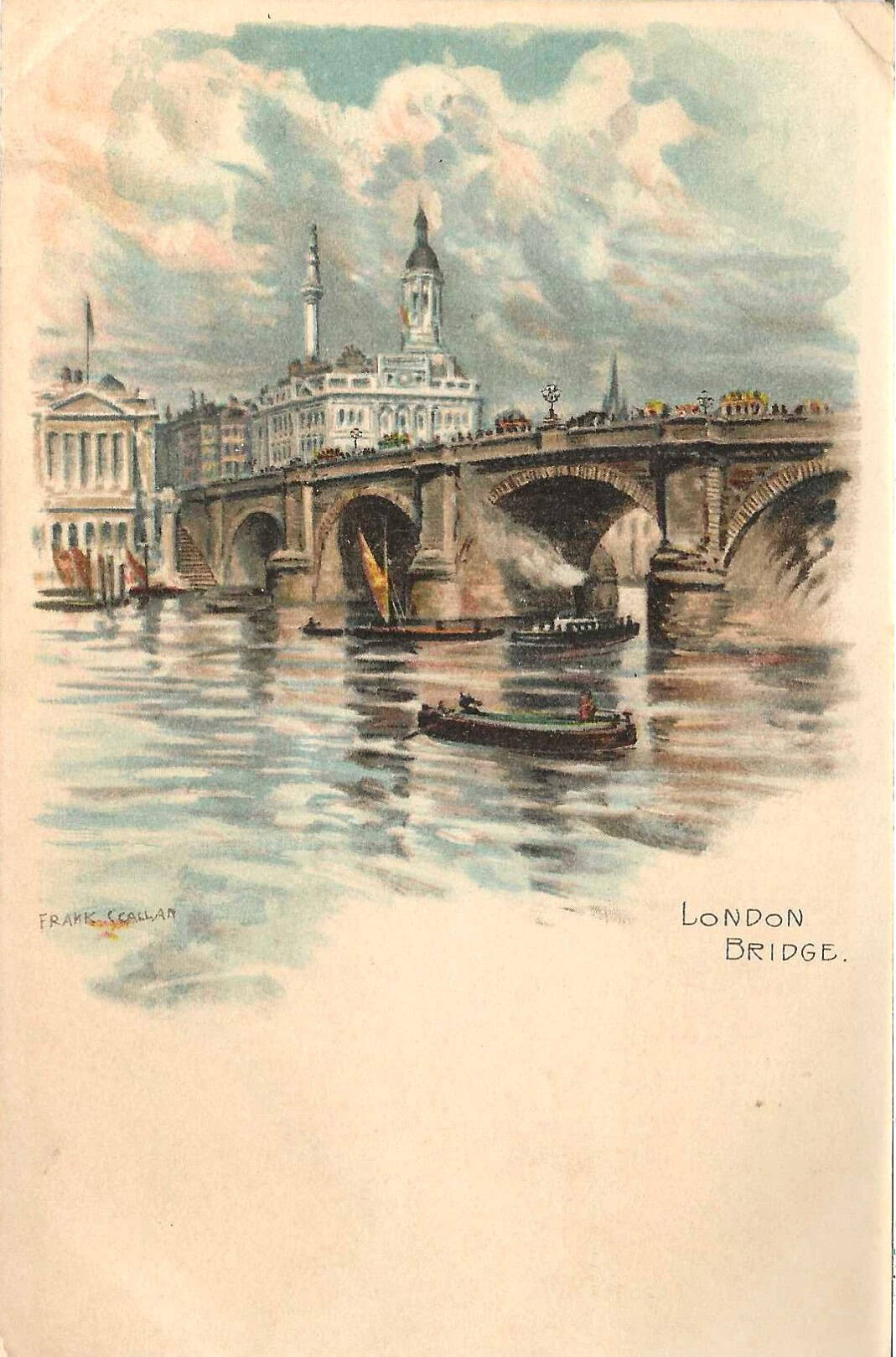
With very little doubt, it can be said that no structure in the world has had as many lives as London Bridge. Often overshadowed by its downriver neighbor, Tower Bridge, London Bridge has nonetheless been a critical part of London’s history for nearly two thousand years.
Its story starts with invention, continues through endurance, and quite surprisingly, it concludes with a transcontinental relocation. The bridge that once spanned the River Thames now stands proudly in Lake Havasu City, Arizona, a testament to both engineering ingenuity and the eccentricities of history.
The earliest iteration of London Bridge takes the scholar back to Roman Britain. Around the year 50, Roman engineers constructed the first known bridge across the Thames, establishing a crucial link that helped transform Londinium into a thriving commercial hub. Over the centuries, the bridge was repeatedly rebuilt in timber, each version vulnerable to fire, war, and the relentless forces of the river.
By the twelfth century, a once thought permanent stone bridge emerged under the watchful eye of Peter de Colechurch. De Colechurch was a priest at St. Mary’s who began the construction of the foundation for the first stone arch (London) bridge in 1776. When completed in 1209, this medieval bridge became famous for its rows of shops and houses, turning a crossing of the river into a chaotic experience through a neighborhood suspended high above the river.
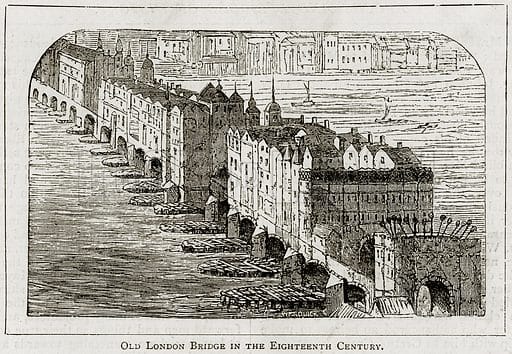
For more than 600 years, the medieval bridge served as a vital passageway, though it was notoriously difficult to navigate. Its narrow arches restricted river flow, contributing to dangerous ice jams in winter. By the eighteenth century, the aging structure could no longer withstand the demands of a growing metropolis. In 1831, a new Aberdeen granite bridge designed by John Rennie replaced the medieval version. The new London Bridge was elegant, functional, and built to accommodate the increasing traffic.
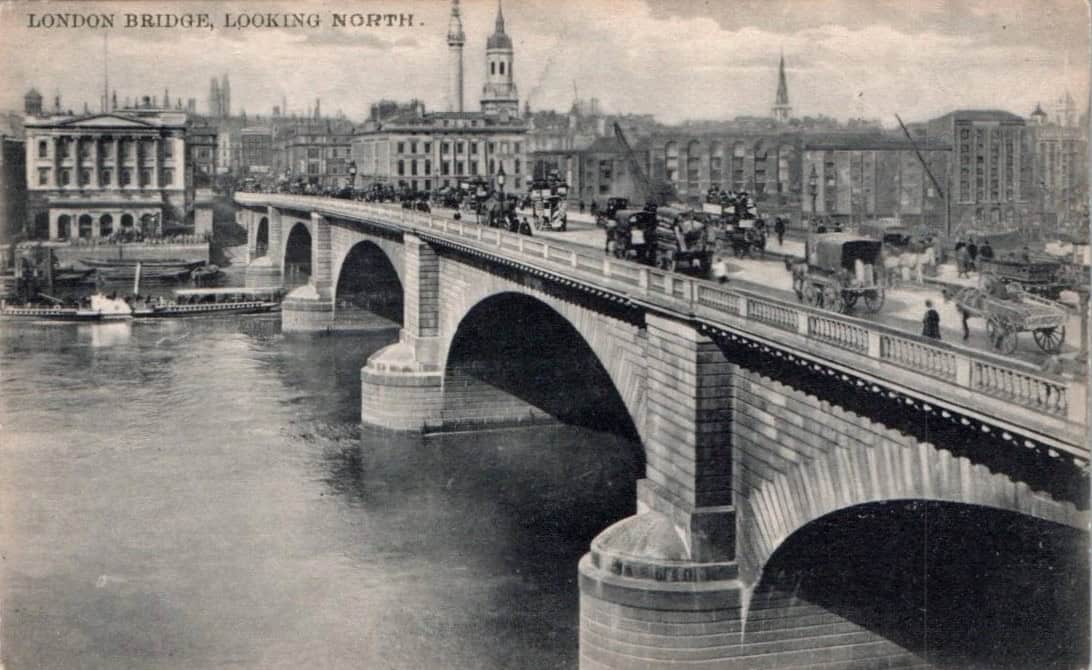
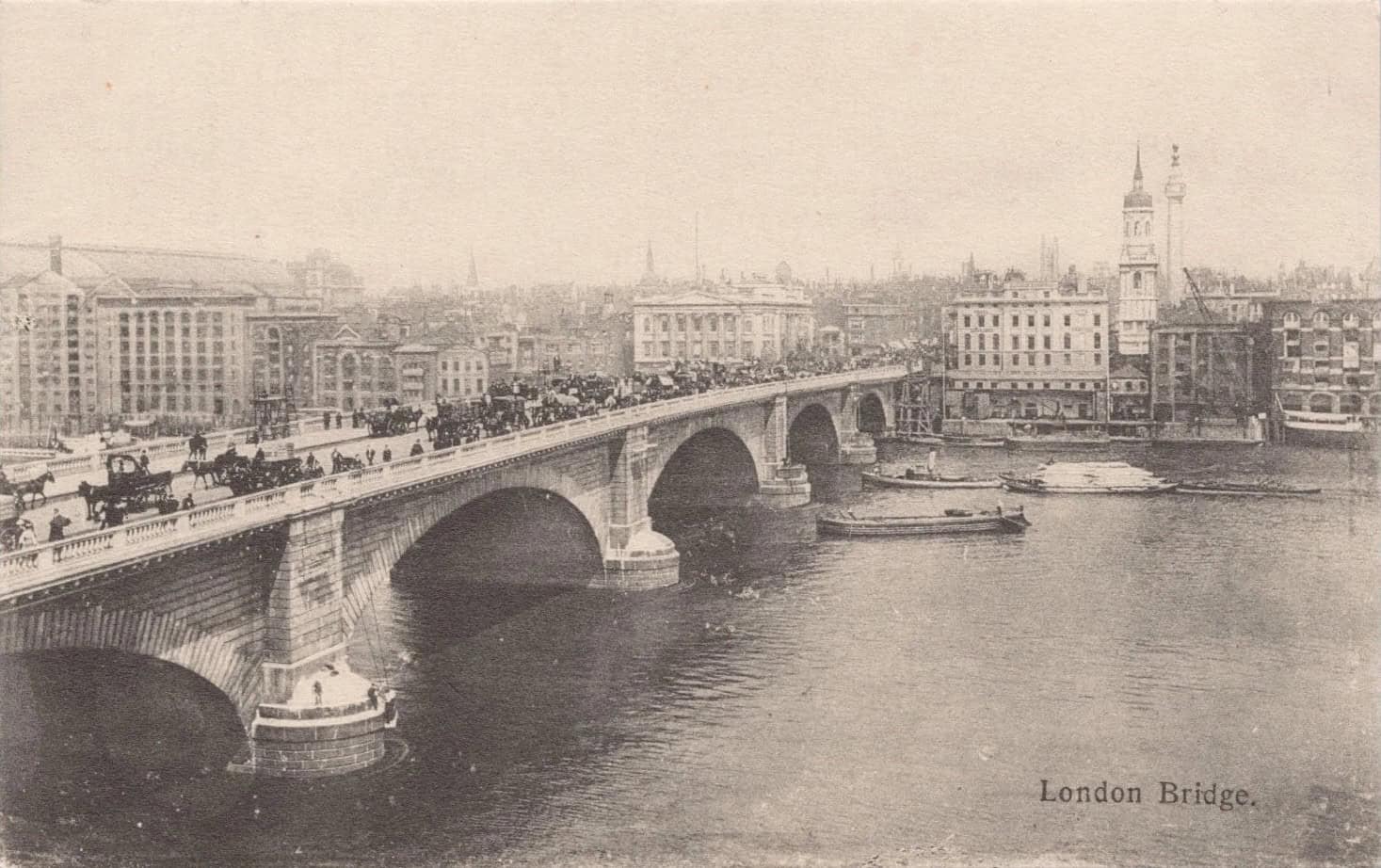
Yet even Rennie’s bridge faced challenges. By the mid‑twentieth century, engineers discovered that the structure was slowly sinking at a rate equivalent to an inch every eight years, due to the weight of modern vehicles and the shifting riverbed. The situation was not deemed critical, but London needed a new bridge. The first step in the bridge replacement project was what to do with the old one? In a move that would become legendary, the City of London decided to sell it.
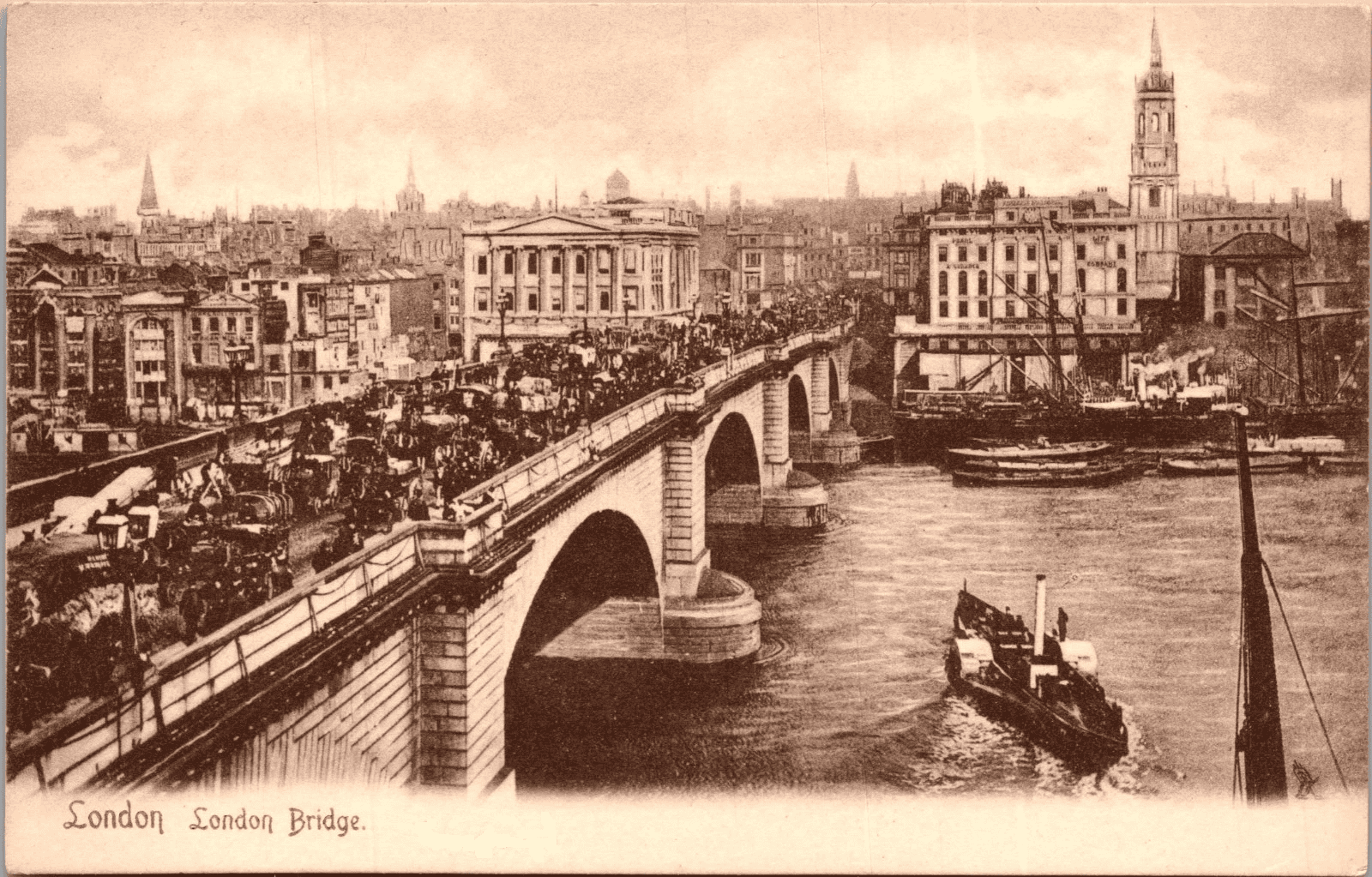
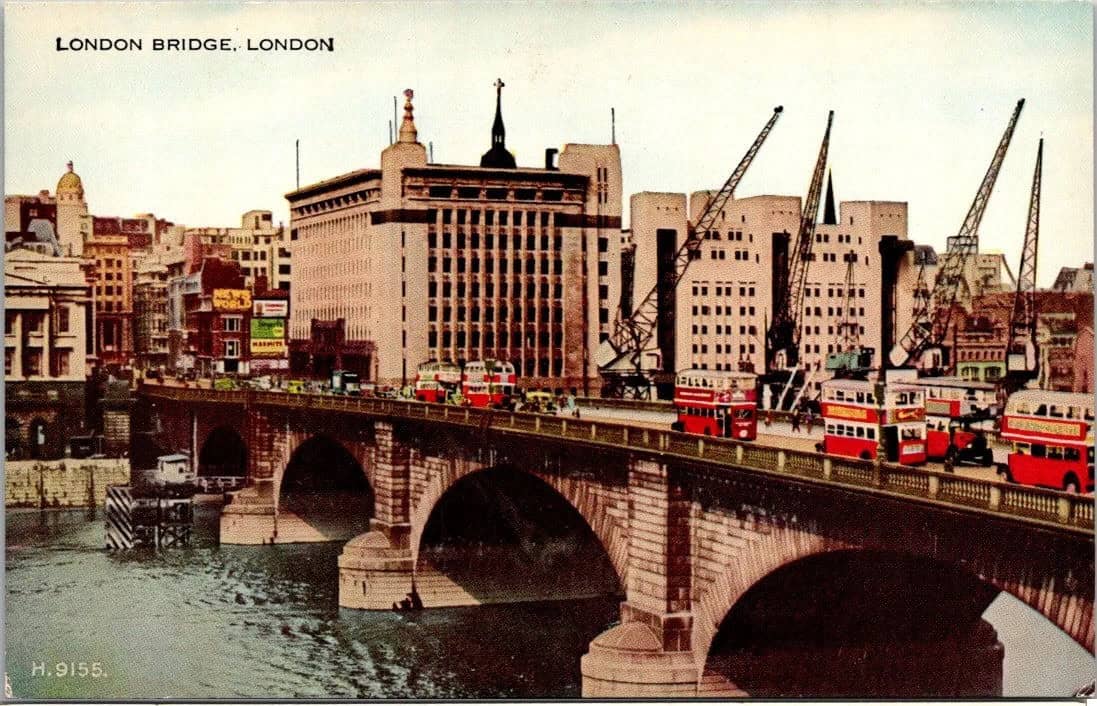
Enter Robert P. McCulloch, an American entrepreneur and founder of Lake Havasu City, Arizona. McCulloch was searching for a unique attraction to draw residents and tourists to his newly planned desert community. When he learned that London Bridge was for sale, he saw an opportunity that was equal parts audacious and brilliant.
In 1968, McCulloch purchased the bridge for $2.46 million, outbidding several competitors. Contrary to a popular myth, he did not mistakenly believe he was buying the more ornate Tower Bridge; he knew exactly what he was getting—a piece of London’s history that would become the centerpiece of his new city in the desert.
The dismantling process was meticulous. Each granite block was numbered, cataloged, and shipped across the Atlantic, through the Panama Canal to California, then transported overland to Arizona. The reconstruction took three years, with the bridge reassembled over a newly dug canal that connected Lake Havasu to Thompson Bay.
On October 10, 1971, London Bridge officially reopened—this time under the blazing desert sun rather than the foggy skies of England.
Today, London Bridge is one of Arizona’s most visited attractions. Its presence in Lake Havasu City is both surreal and charming: a centuries‑old British landmark surrounded by palm trees, blue water, and desert mountains. The bridge has become a symbol of the city’s identity, drawing millions of visitors who come to walk its span, explore the adjacent English‑themed village, (afternoon high-tea at the tea shop near the bridge was unforgettable) and marvel at the improbable journey that brought it there.
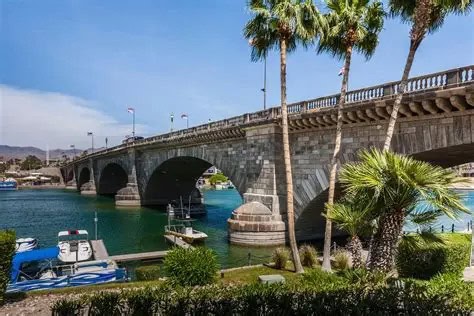
Building work began in 1176, supervised by Peter of Colechurch ….
Intriguing story. Thanks!