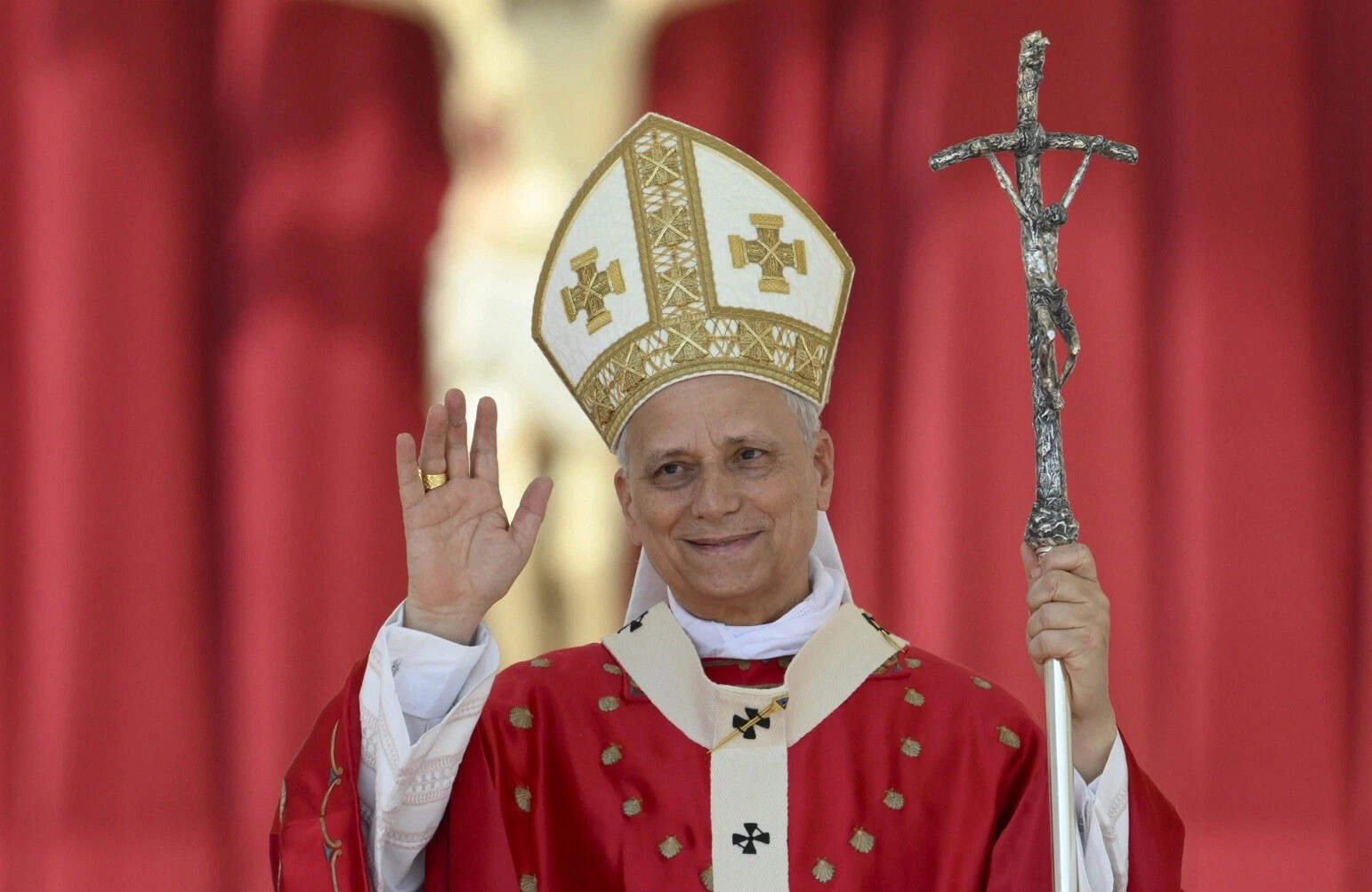
Would anyone care to guess why I like this postcard?
I hope your answer is, “He is smiling.”
About this article: When I was asked to write about my “Papal Postcards” I asked your editor if he thought anyone would be interested. His answer surprised me. He said, “How will we know without an article that will teach us something new?” So let me begin.
***
Throughout the history of the Roman Catholic Church, 14 Popes have taken the name Leo. Among them, five – Leo I, Leo II, Leo III, Leo IV, and Leo IX—have been honored as saints. This is nice to know but the only Popes Leo that I have postcards of are St. Leo I, Pope Leo XII, Pope Leo XIII, and Pope Leo XIV.
***
Will and Ariel Durant, the husband-and-wife team (he the historian and she the researcher) in their The Story of Civilization, claim there have been only 268 years scattered throughout the last three-and-one half millennia without a war raging somewhere on earth.
This historical anomaly is mentioned for one reason, for many of those 268 years calculated by the Durants, a Pope named Leo was in service to the Catholic Church at Rome. What follows is an attempt to convince the skeptics.
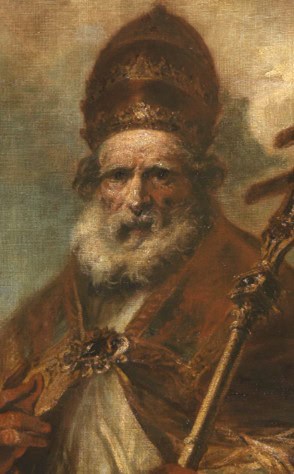
by Francisco Herrera the Younger
Pope Leo. Most notable among the sainted popes is Pope Leo. He was the 45th pope of the Catholic Church and the first to use the name Leo, which was also his birth name.
During his time as pope, Leo settled many disputes among the leaders of the era. His sermons, some of which still exist in the Vatican archives, were powerful suggestions that peace was God’s Will and it should “reign on earth forever and ever.”
In 452, Attila the Hun brought his army to attack Italy. There was a claim that Attila demanded a ransom, but the ransom was refused and an even more popular legend claimed that Leo met him in person and showed him a sword hidden beneath his papal robes, an implication of what would happen if Attila continued. A short time later but while still on his way to Rome, he suddenly and abruptly changed his mind and left the country.
Theologians have implied that it was Pope Leo’s meeting with Attila that changed the course of history. Leo’s papacy lasted for more than two decades.
Pope Leo II … served the Catholic Church as pontiff for less than a year from his coronation on August 17, 682 to July 3, 683. As a personally accomplished singer, he encouraged music in the church. Leo II also fought against heresy, approved the acts from the important sixth Council of Constantinople in 680 and kept positive relations with the Eastern Emperors in Constantinople.
Pope Leo III … was the pontiff from 795 to 816. He served in Rome for more than 20 years. The interactions he had with Holy Roman Emperor Charlemagne brought about lasting implications concerning the ecclesiastical powers of the papacy and for the relations Rome enjoyed with the Eastern empires and church.
Pope Leo IV … served as pope and bishop of Rome from April 10, 847 until his death in 855. He has been immortalized for building the Leonine Wall that surrounds Vatican Hill and for repairing the substantial damage to churches in Rome caused by Arab attacks on the city. Leo IV also put together an Italian cities’ defensive league to fight the maritime Battle of Ostia in which they defeated the Saracens guaranteeing that Rome would never again be attacked by a Muslim army.
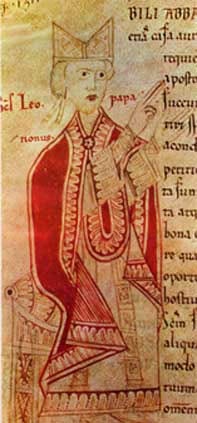
Pope Leo IX … served from 1049 to 1054. He received near-universal recognition for being the most important German pontiff in the Middle Ages.
Born as Bruno von Egisheim-Dagsburg in 1002 he rose quickly in the church hierarchy and upon the death of Pope Damasus II in 1048, Bruno was selected as his successor by an assembly at Worms in December. However, Bruno apparently favored an official election and stipulated as a condition of his acceptance that he should first proceed to Rome and be freely elected by the voice of the clergy and people.
Setting out shortly after Christmas, he met with church officials along the way and was joined by a young monk named Hildebrand, who later became Pope Gregory VII. Bruno and Hildebrand arrived in Rome in February. Bruno was well received and at his consecration assumed the name Leo IX.
It was 459 years before the church had another Pope Leo. Leo X came in 1521, Leo XI followed in 1605 but served for less than a month, and Leo XII started his service as pope in 1823.
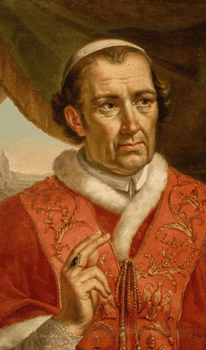
Leo XII … Annibale Francesco Clemente Melchiore Girolamo Nicola della Genga, ascended to his papacy at age 63. He was in ill health even at the time of his election to the papacy until his death less than six years later in 1829.
He was a very unpopular pope due to his harsh domestic policies and strict rule. He once decreed that a dressmaker who sold low-cut or transparent dresses should be excommunicated. He also denied the Jews the right to own or even possess personal property.
His one positive attribute was that he was noted for how well he endured the pain of his ailments.
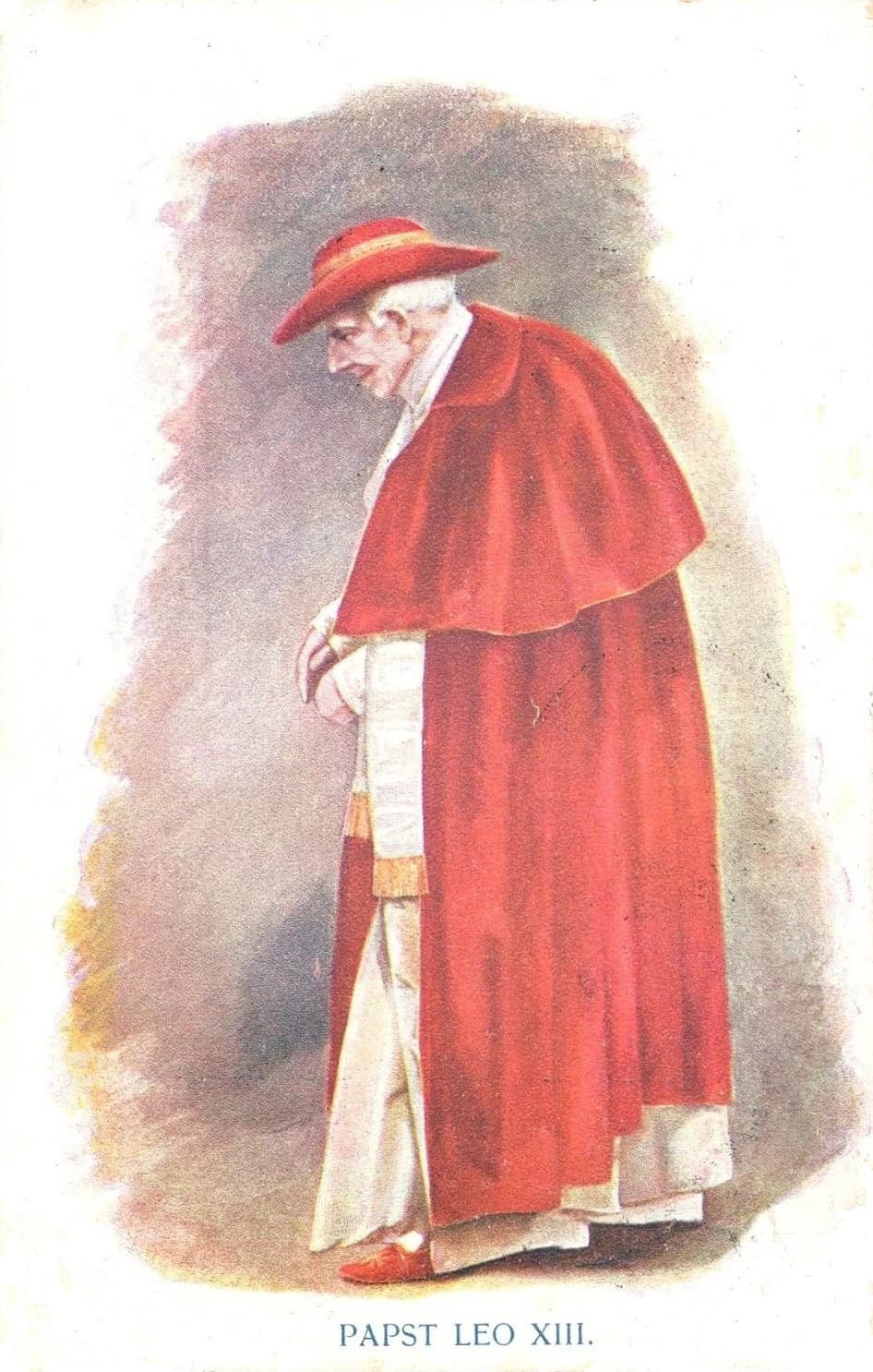
Leo XIII … was the 256th man to serve as pope and did so for 25 years – from 1878 – 1903. He remains among the popes who most frequently appear on postcards. His many attributes include being the longest living pope – 93 years and 140 days.
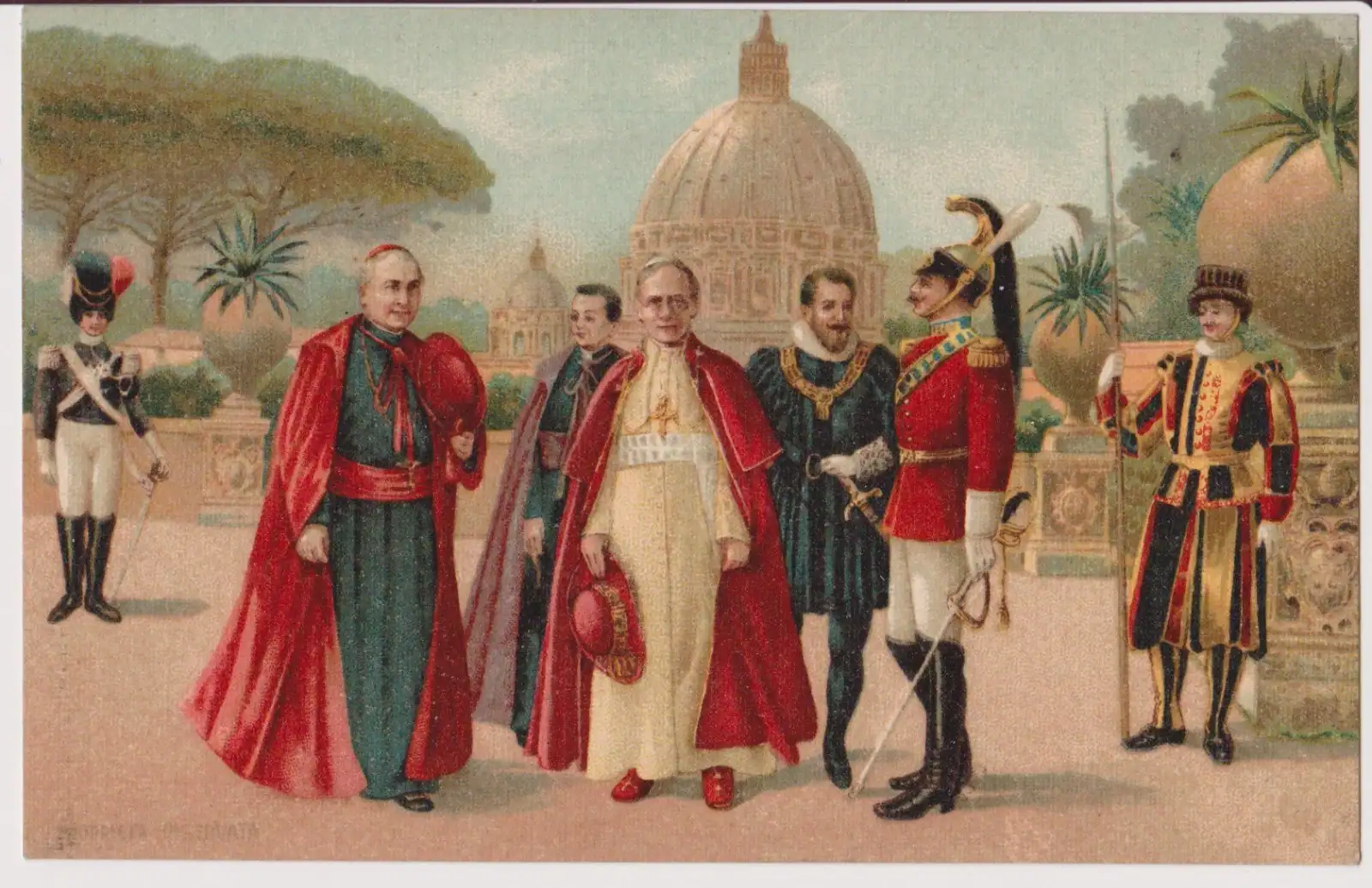
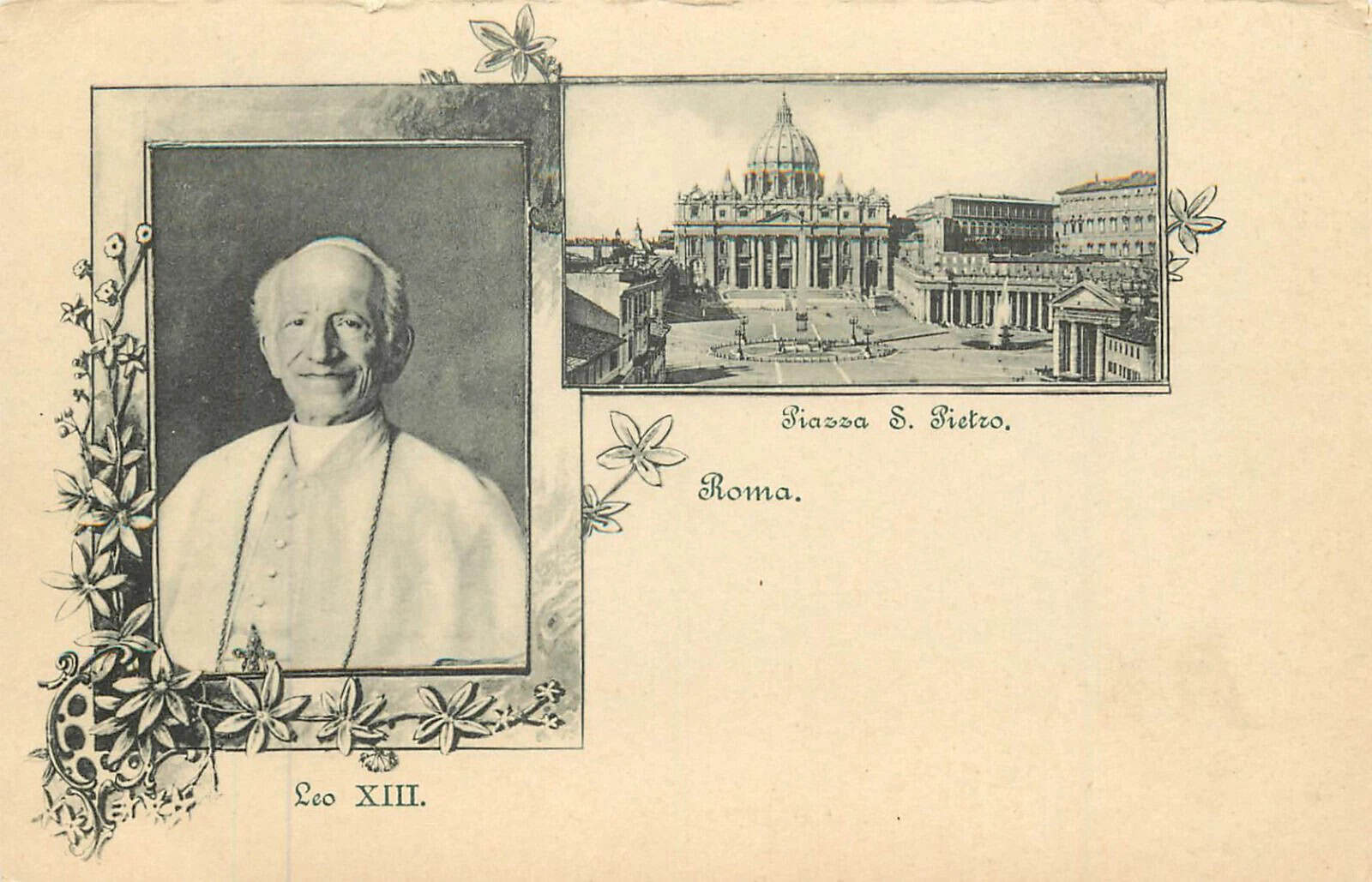
Leo XIII was in the eyes of church historians the most progressive pope of the twentieth century. He is fondly remembered for launching modern Catholic social teaching—especially through his landmark 1891 encyclical Rerum Novarum, which defended the dignity and rights of workers during the upheavals of industrialization.
His encyclical Rerum Novarum appeared in 1891 and addressed workers’ rights, just wages, the responsibilities of employers, the moral dimensions of capitalism and socialism, and in doing so this document became the cornerstone of Catholic social doctrine and still influences church teaching.
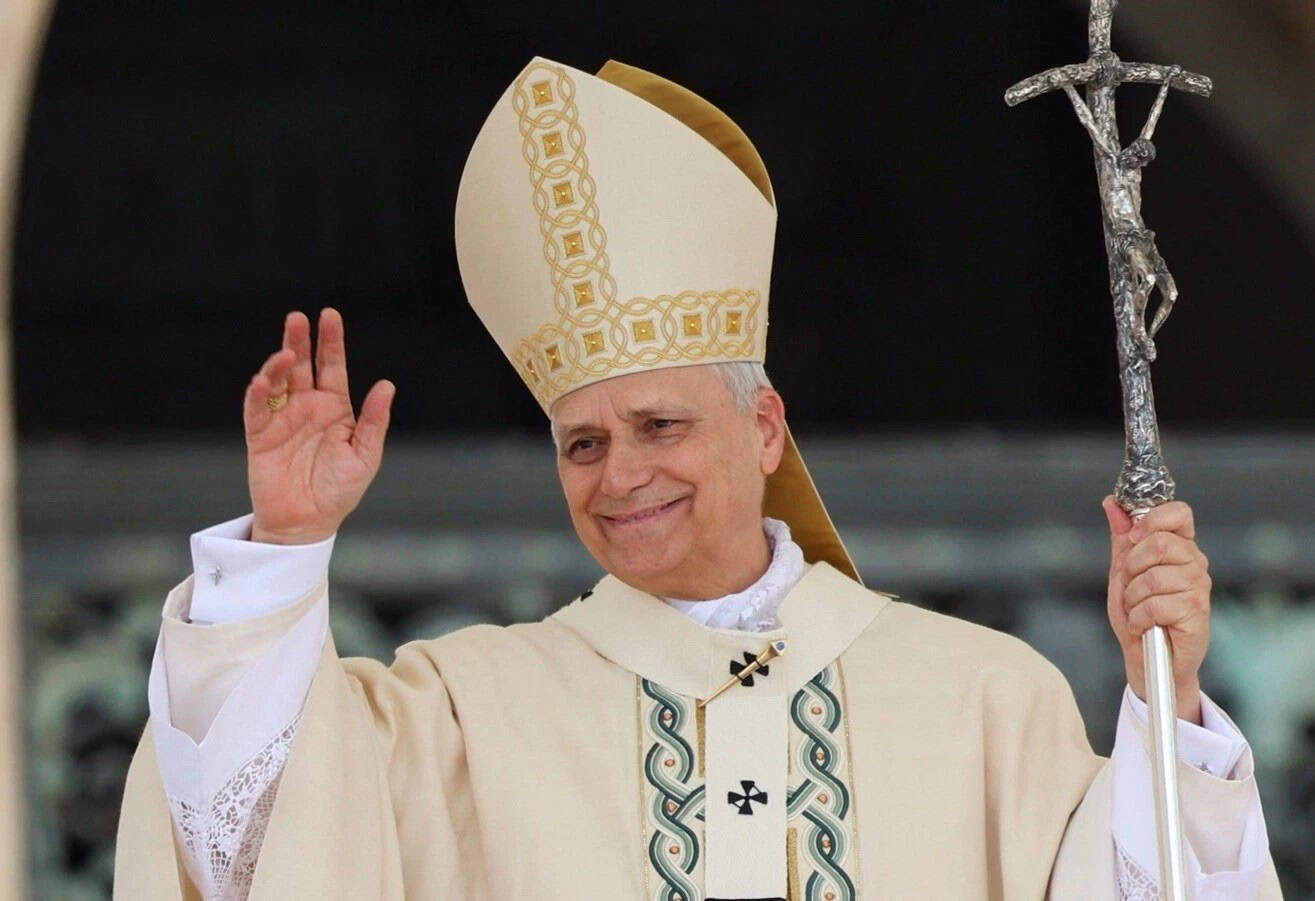
Leo XIV … is the 267th pope and the very first American to head the Catholic Church. He is the 14th Pope Leo. Time will tell!
Very interesting article, thank you! All 264 Popes are included in a series of postcards which came out in 1903, commonly referred to as the “Ferloni Popes.” This highly collectible series includes the anti-popes, and all of the cards are quite artistic. The last pope included in the series is Pope St. Pius X. I imagine that there are already a good deal of postcards of Leo XIV for sale at the many souvenir shops around the Vatican and throughout Rome. Perhaps there will be at least one for sale of him in Chicago in the near future, although the… Read more »