Patrick Henry is a central character in the telling of the Historic Williamsburg Story. After a family vacation last summer to that notable Virginia city, my oldest son seemed to have a completely different attitude about his Freshman U. S. History I class.
One day in late November Adam came home from school and asked if I had a postcard (a first) of Patrick Henry. I assured him that I did and told him where to find it. An hour passed and my curiosity got the best of me. When I found my son, he was sitting on the floor in my den and had pulled more than a dozen cards out of my binders – one was Patrick Henry, but the others surprised me. It was soon obvious that each card showed a person named “Patrick” or “Henry.”
When I asked what he was trying to do, he replied that these people would be the topic of his fall-semester theme paper. “Patrick Henry was my inspiration,” he told me.
My son’s idea was genius. I never got to read his theme-paper, so I wrote one of my own.
Here are seven postcards, some antique, others modern, showing seemingly unrelated individuals who have no connections, except their names. N.B.H.
***
My Son Was My Inspiration
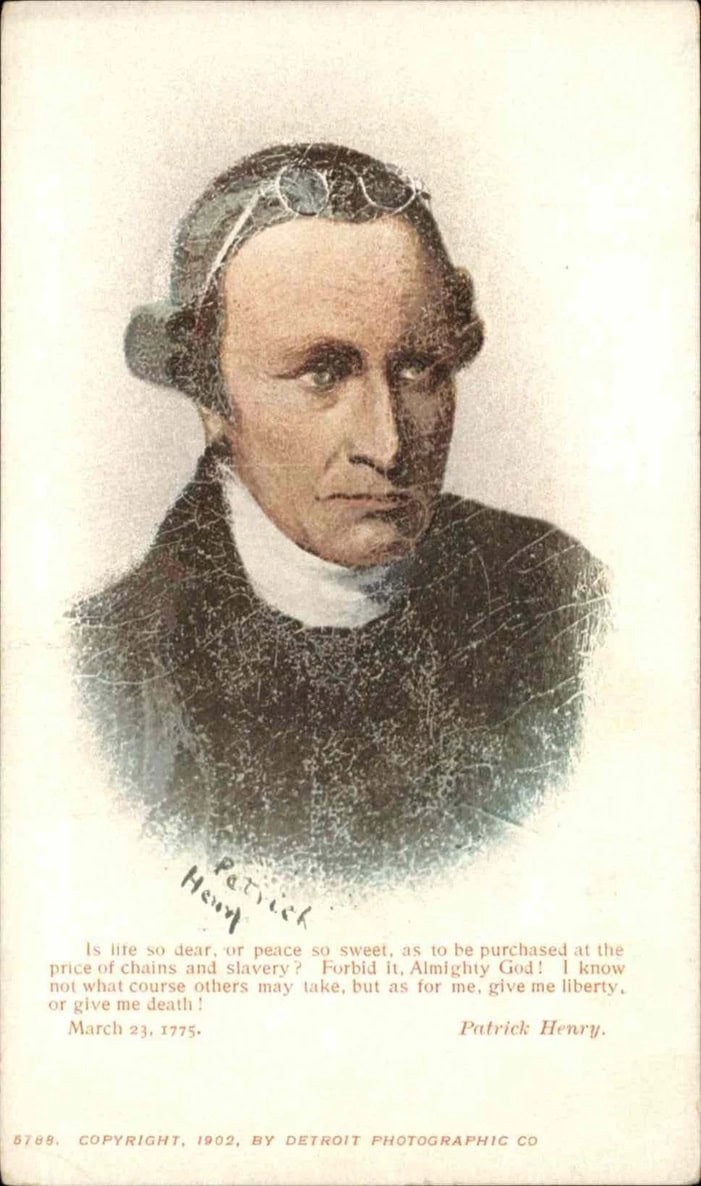
Patrick Henry (1736 – 1799) was an American attorney, plantation owner, and orator best known for his declaration to the Second Virginia Convention of 1775: “Give me liberty or give me death!”
Mr. Henry served as a post-colonial Virginia Governor in five one-year terms between 1776 and 1786. Henry was born in Hanover County, Virginia, and was for the most part educated at home. After an unsuccessful venture running a store, and assisting his father-in-law at Hanover Tavern, Henry became a self-taught lawyer who opened his practice in 1760.
Henry was elected to the Virginia House of Burgesses, where he quickly became notable for his inflammatory rhetoric against the Stamp Act of 1765. In 1774 and 1775, Henry served as a delegate to the First and Second Continental Congresses. After the Revolution Henry remained active in public life until his death at his home, Red Hill, in June 1799.
Red Hill is in Brookneal, Virginia. Henry’s grave is on-site just east of the house. His second wife, Dorothea Dandridge Henry, is next to him.
OTHER PATRICKS
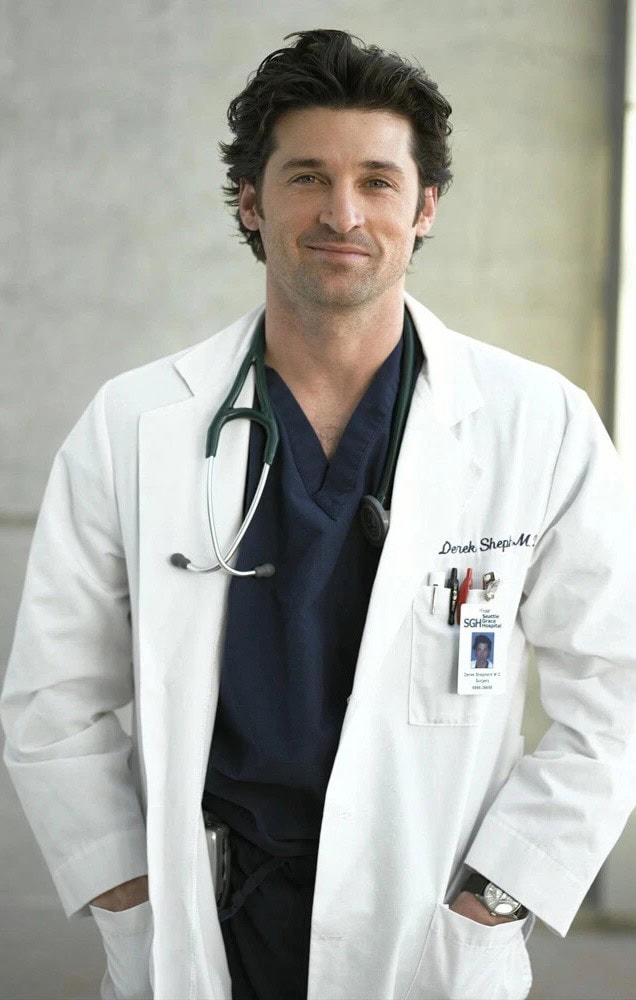
Patrick Dempsey is an American television personality best known for his portrayal of Dr. Derek Shepherd – affectionately called “McDreamy” – on the long‑running medical drama Grey’s Anatomy. His performance as the brilliant and compassionate neurosurgeon helped propel the series to a massive audience and made him a household name.
Dempsey was born in Lewiston, Maine, in January 1966 – yes despite his youthful looks, he is sixty years old. Patrick first came to the public’s attention as a racecar driver who had competed in racing events at Le Mans, Daytona Beach, and the Baja 1000 (an off-road event) in Mexico. He once told the press, “Motor racing is not just a hobby; it has become as much a part of who I am as acting.”
Dempsey has received nominations for an Emmy Award and two Golden Globe Awards. In 2023 Dempsey was named, People Magazine’s Sexiest Man Alive.
Dempsey has appeared in 37 movies and 25 different television shows.
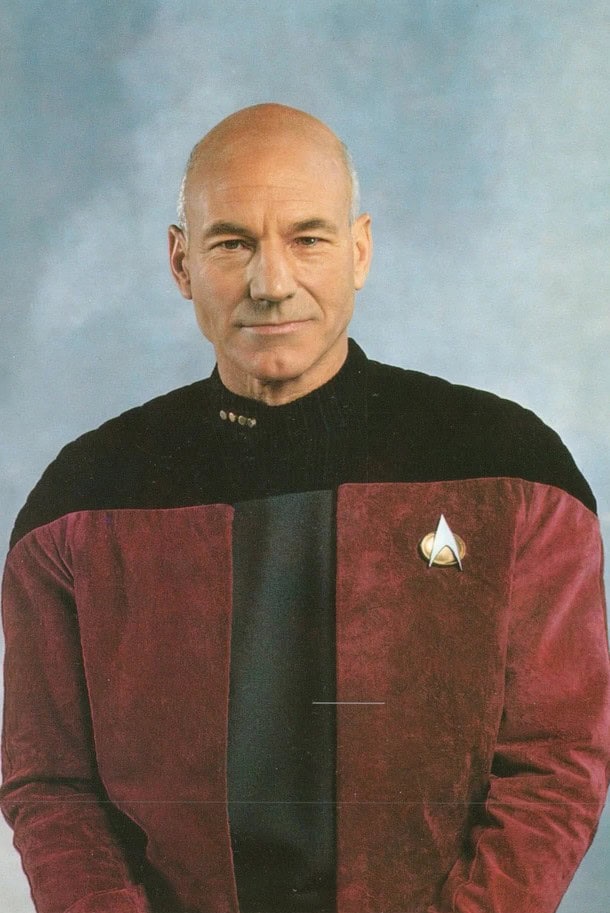
Patrick Stewart — Sir Patrick, the man with a velvet voice, is a British actor, known for his commanding presence and versatility. He has worked on stage, television, and film. In July he will celebrate his 86th birthday.
Stewart achieved global fame as Captain Jean-Luc Picard in Star Trek: The Next Generation, a role that cemented his status as a cultural icon. His numerous awards include a knighthood in 2010 for his contributions to drama.

Patrick Mahomes has been called “the one and only.”
He rapidly became a wildly popular NFL quarterback. He was born in Tyler, Texas, on September 17, 1995. He excelled at Texas Tech before being selected by the Kansas City Chiefs in the 2017 NFL Draft. Just three years later he became the youngest black quarterback to win a Super Bowl.
Patrick is now famous for his quick-thinking brilliance, his sidearm throws, and his late‑game heroics.
Off the field, Mahomes is a cultural force, influencing everything from sports media to community initiatives. His talent, leadership, and resilience have him near the top of the NFL’s Most Valuable Players list.
OTHER HENRYS
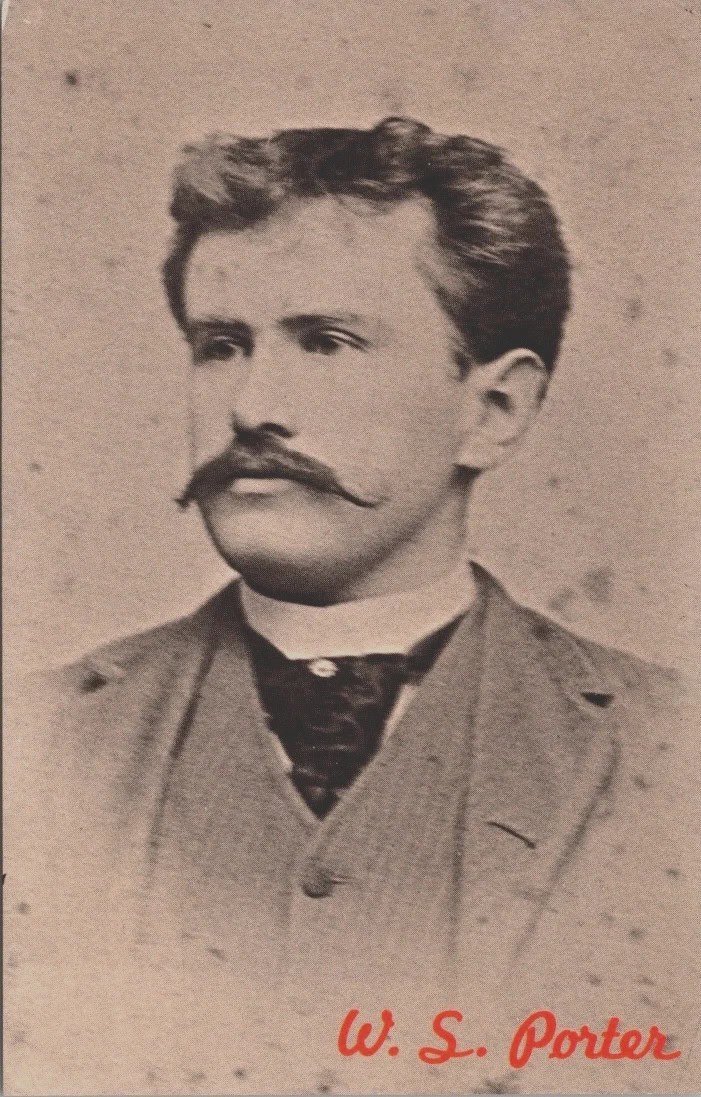
O. Henry
“O. Henry” was a penname, it was William Sydney Porter who enjoyed remarkable popularity in the early twentieth century because he offered readers something fresh, clever, and emotionally satisfying.
In his day American life was rapidly changing, and his short stories were accessible to a wide audience who could read them in one sitting. Most of his work was filled with humor, warmth, and humanity. At a time when magazines were booming, his work fit perfectly into the growing demand for entertaining fiction.
What truly set him apart was his signature twist endings. Readers came to expect a final surprise, sometimes ironic, sometimes bittersweet, that made his stories memorable and fun to share.
One truly endearing characteristic of O. Henry was that he wrote about ordinary people like clerks, policemen, waitresses, and struggling artists, at a time when many writers focused on the elites.
O. Henry’s heroes and heroines made readers feel they were not alone and no longer unseen. His humor softened everyday life.
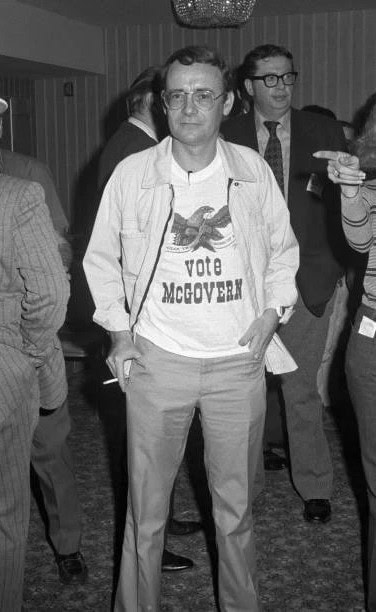
Buck Henry was born into the Zuckerman family in 1930. His mother claimed that Buck was the funniest kid she ever knew. Using his middle name as a surname, he became an American actor and screenwriter, who was solely responsible for Get Smart the TV comedy starring Don Adams as Agent 86. He also made significant contributions to the film The Graduate that earned him a nomination for the Academy Award for Best Adapted Screenplay.
Henry also appeared in acting roles in Catch-22 (1970), The Owl and the Pussycat (1970), and What’s Up, Doc? (1972). In 1978, he co-directed Heaven Can Wait (1978) with Warren Beatty. He later appeared in Albert Brooks’s Defending Your Life (1991), and the Robert Altman films The Player (1992) and Short Cuts (1993).
He died in 2020.
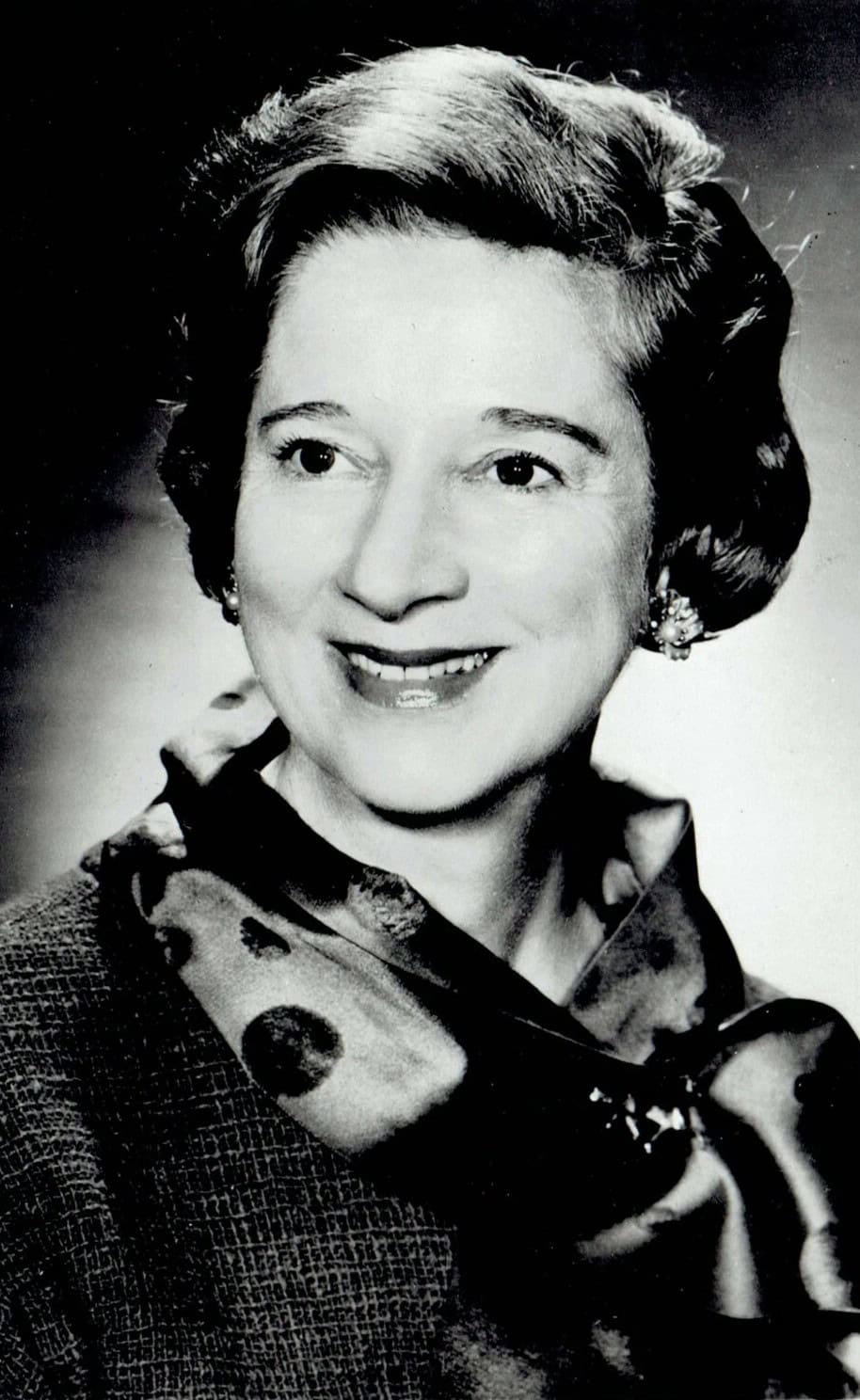
Marguerite Henry was born in 1902 in Milwaukee, Wisconsin. She emerged from a sickly childhood as one of America’s most beloved authors of children’s literature and celebrated especially for her vivid, compassionate stories about horses. Born Marguerite Breithaupt she faced significant health challenges early in life; rheumatic fever kept her bedridden for years, but it also nurtured her love of reading and writing. A small writing desk given to her as a child became the foundation of her career.
Henry sold her first story at age eleven and continued developing her craft, eventually authoring fifty‑nine books. Her breakthrough came with Misty of Chincoteague (1947), a novel based on the wild ponies of Virginia’s Assateague Island. The book became a classic, spawning sequels and a 1961 film adaptation. Henry later won the prestigious Newbery Medal for King of the Wind (1948).
Throughout her long career, Henry’s stories taught children the beauty of wildlife and the need to preserve it for future generations. She died in 1997.