The names Leopold and Rudolph Blaschka are not known today, simply because like many others, time has passed and they have been forgotten, unless you are a graduate of Harvard University’s school of botanical science.
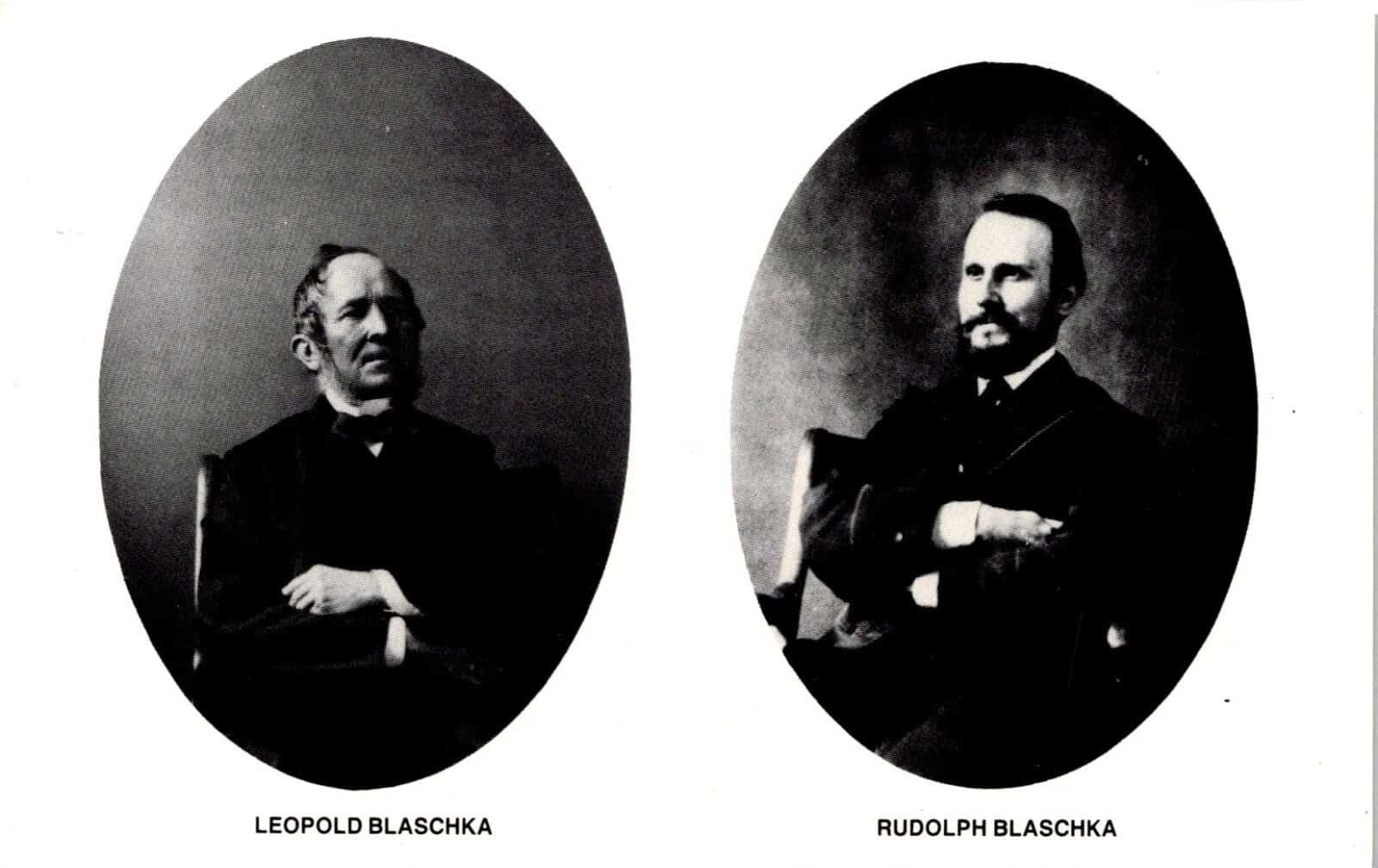
Leopold Blaschka was a glass artist from Bohemia, Czech Republic, born in 1822. His son Rudolph was born in 1857 and he, like his father, was a glass artist with a university degree in chemical science. Together they are known for their creation of biological and botanical models that since 1936 have been part of Harvard University’s collection of glass flowers and sea creatures.
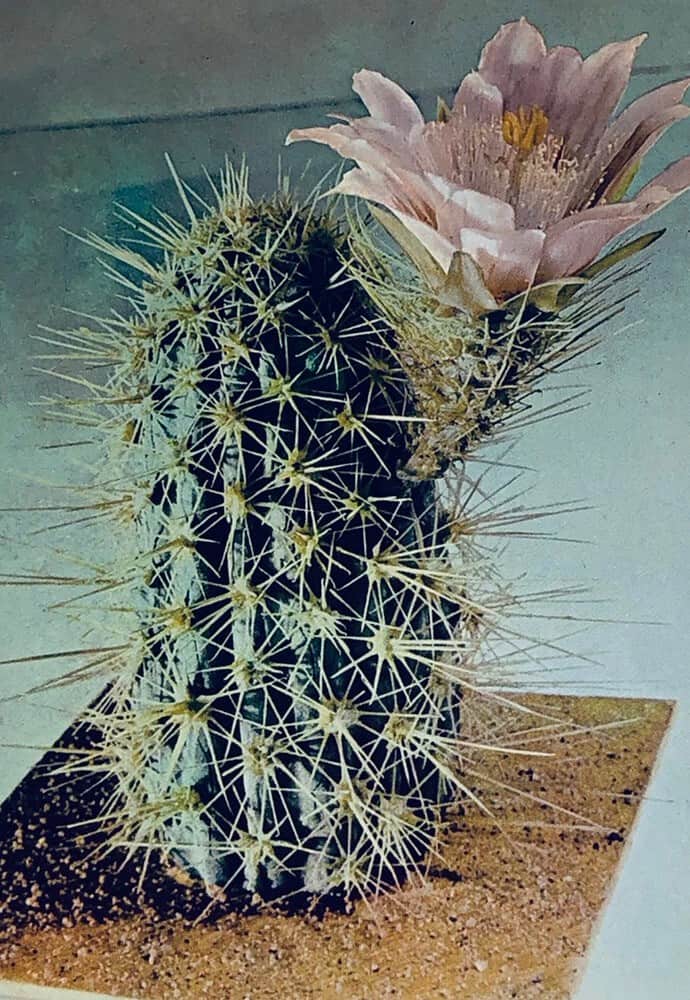
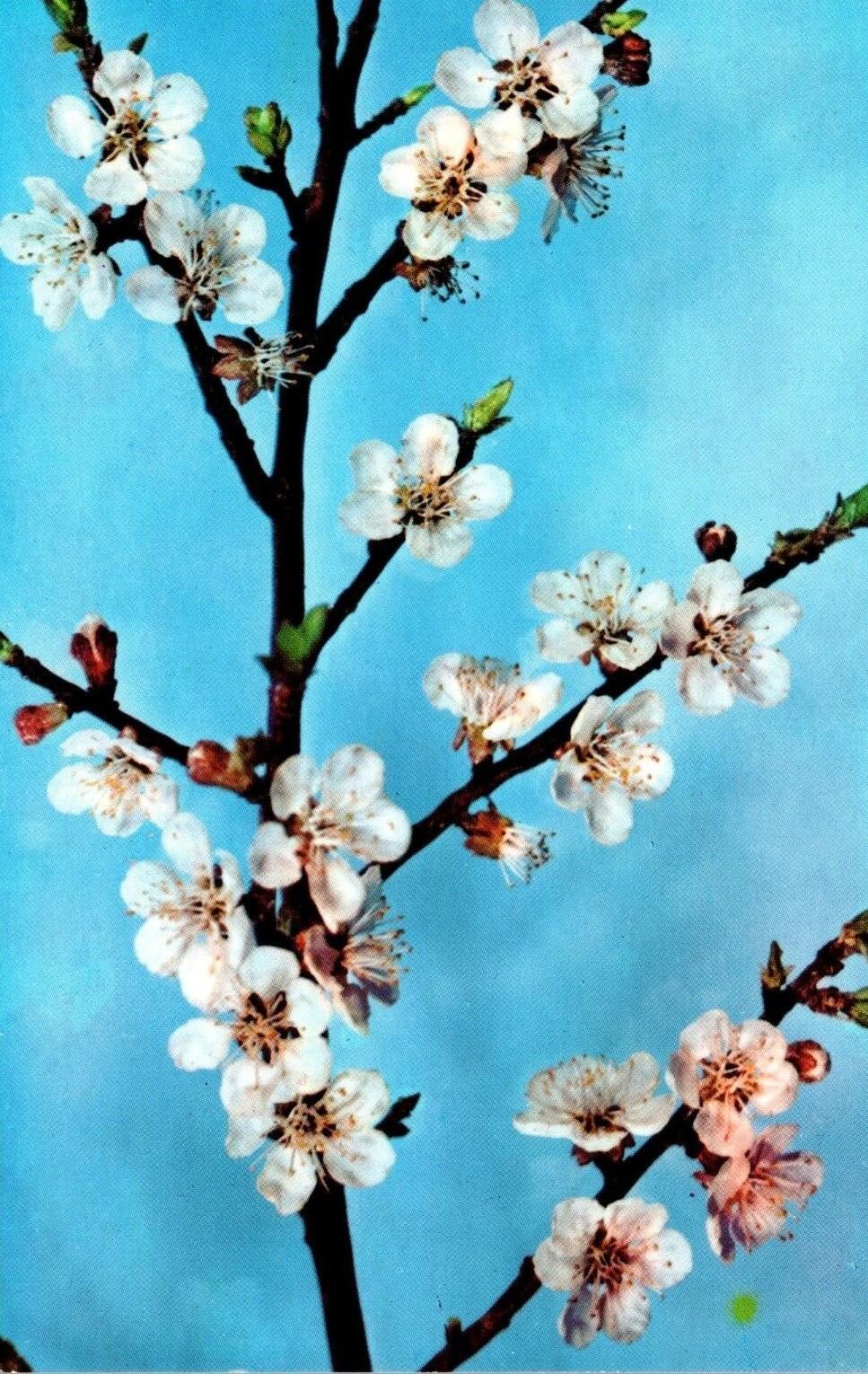
The glass models created by the Blaschkas stand as a remarkable achievement at the intersection of art and science. The more than 4,300 models are considered one of the most significant human achievements – ever! Even today, the precision and beauty of the collection continue to astonish visitors and scholars alike.
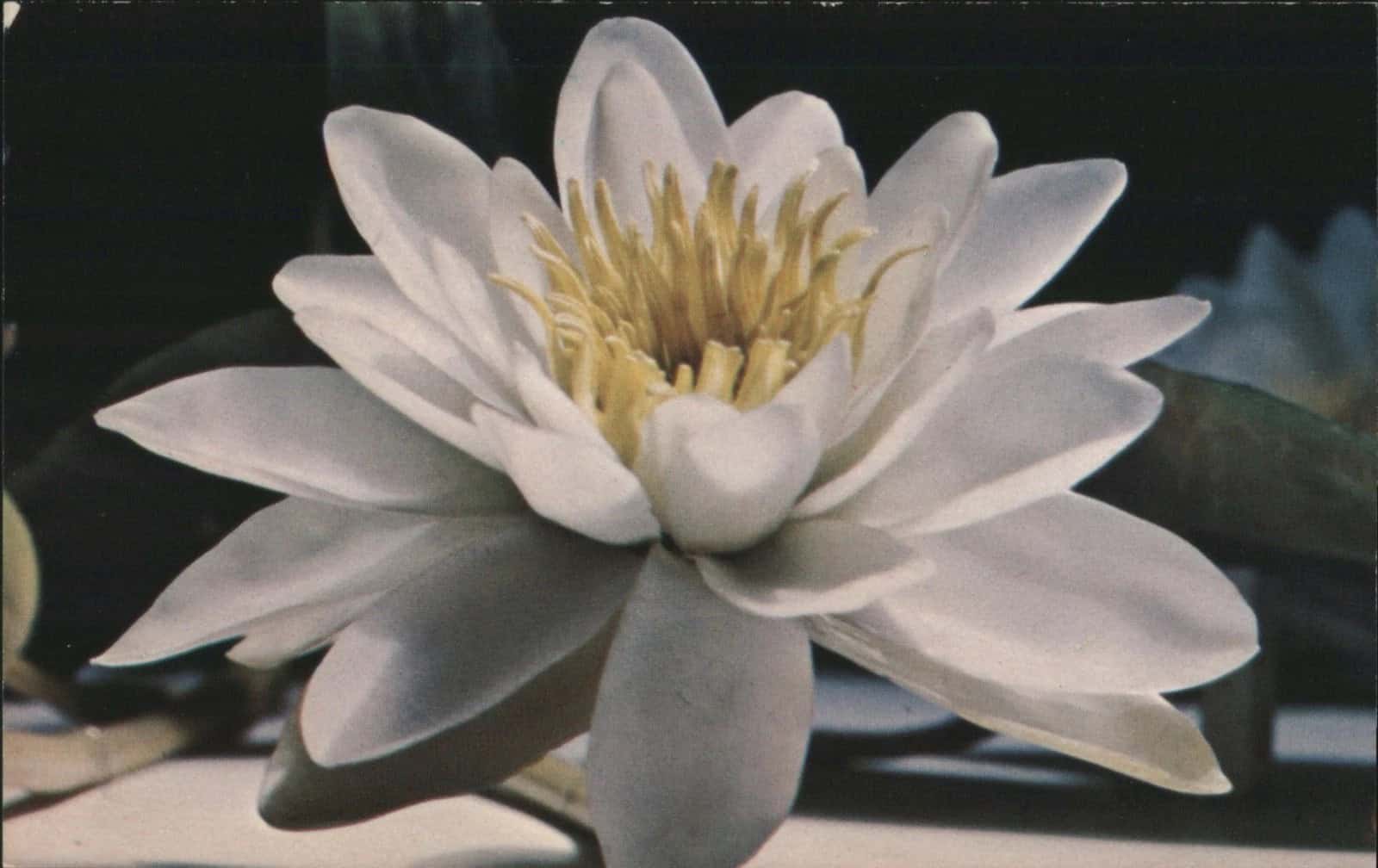
The Glass Flowers are formally known as the Ware Collection. The collection is the result of a monumental collaboration between the Blaschka family and Harvard University. For over fifty years, from 1886 to 1936, Leopold Blaschka and his son Rudolf crafted models representing 780 plant species, all commissioned exclusively for Harvard’s Botanical Museum.
With backgrounds in both glasswork and scientific modeling, the father and son team were uniquely positioned for this ambitious project, the origin of which originated with Professor George Lincoln Goodale, the founding director of Harvard’s Botanical Museum.
Goodale sought durable, accurate teaching models that could demonstrate botanical structures more effectively than dried specimens. The project was funded by Mary Lee Ware and her mother, Elizabeth, whose patronage ensured the Blaschkas could devote themselves fully to the work.
What began as a practical educational initiative soon evolved into a masterful teaching tool. The Blaschkas’ meticulous attention to detail, down to vein patterns, reproductive structures, and subtle color gradations made the models invaluable for teaching long before high‑resolution photography or digital imaging existed.
Their Craftsmanship
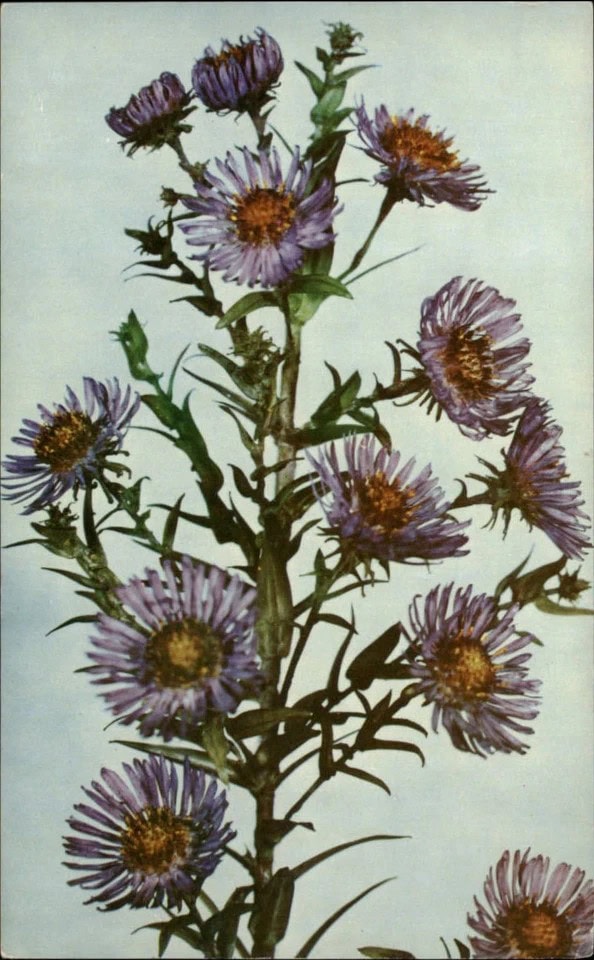
The Blaschkas’ methods combined traditional lampworking with innovative techniques they developed specifically for botanical modeling. They used clear and colored glass rods, shaping them over flames and adding pigments, wires, and adhesives to achieve lifelike textures. Their models were not idealized versions of plants but scientifically faithful representations. And subsequent models often depicted multiple stages of growth and cross‑sections.
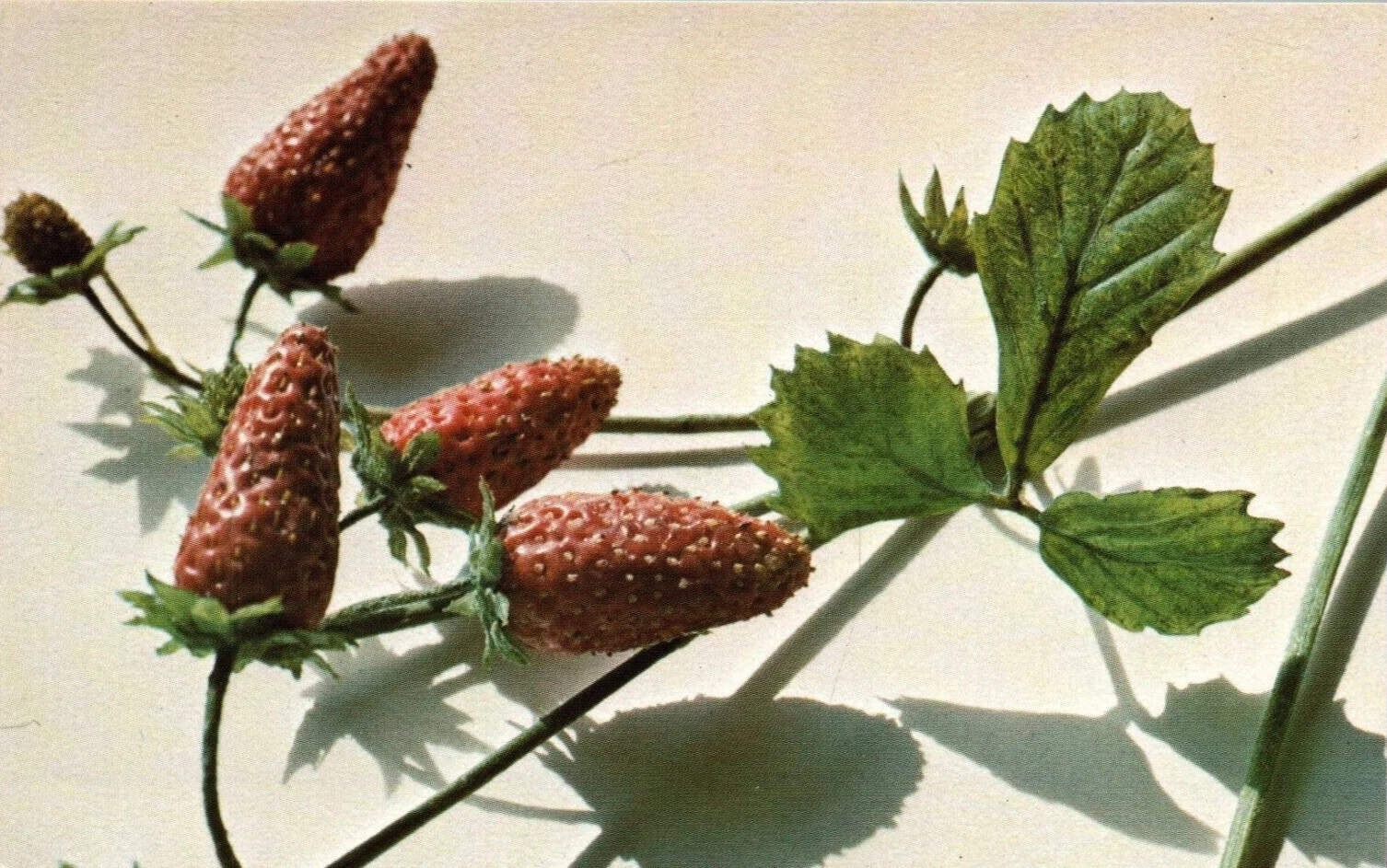
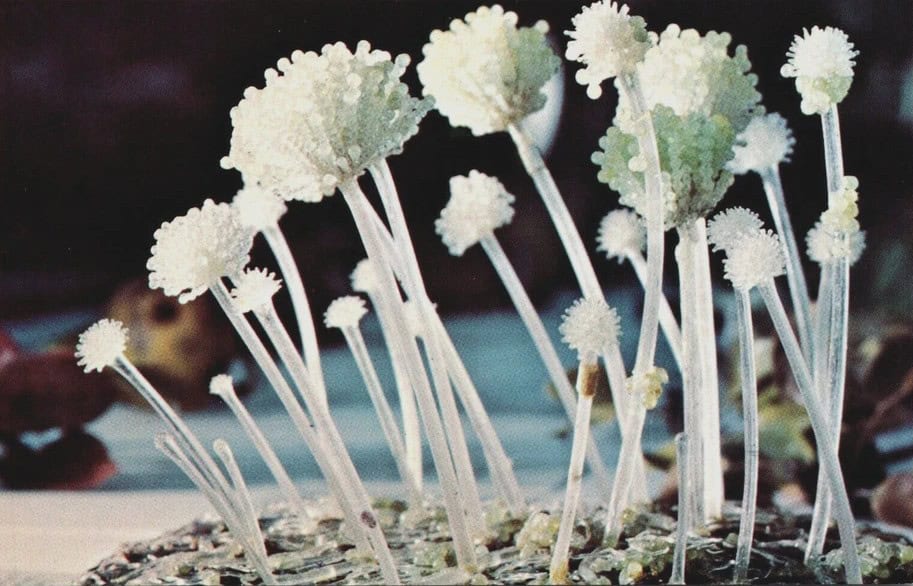
Observers often remark that the flowers appear more real than the living plants.
Currently the Ware Collection is considered one of Harvard University’s greatest treasures. The significance of the collection extends beyond their beauty: they represent a rare moment when scientific inquiry and artistic mastery merged. The collection has been described as a “scientific marvel” by the visitors who go to Harvard from around the world.
And the Blaschkas’ glass flowers remain a testament to the natural pursuit of knowledge. These have survived more than a century and still offer a rare opportunity to witness nature through the lens of extraordinary craftsmanship.
***
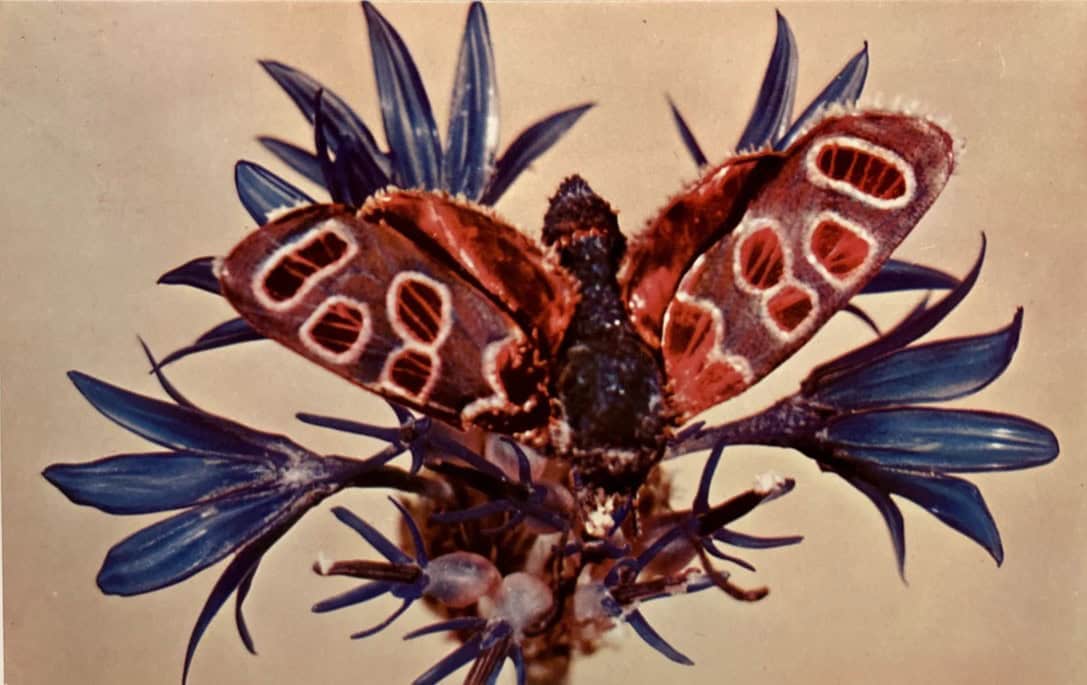
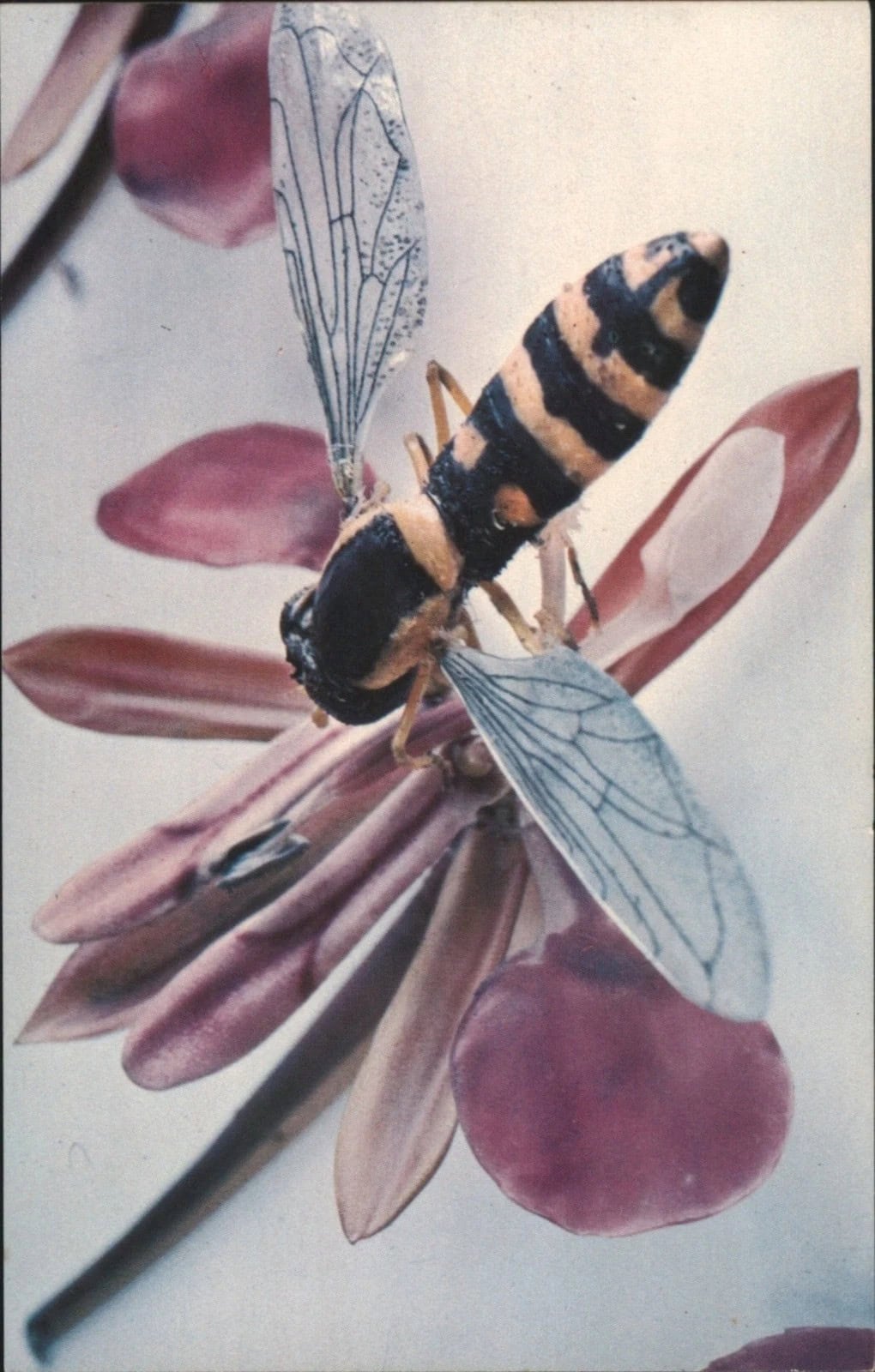
The postcard images of the Ware Collection are the work of famed California photographer, Mike Roberts.
Wow. Simply Wow. These are beautiful. I enjoy several current glass artists, but have never seen anything like these. I went to Harvard’s website, where they have two videos on the re-mounting of the Ware Collection.
Thank you.
Magnificent craftsmanship.
I was amazed at the beauty of these glass marvels! I hope to return to Cambridge again, someday, to see these beautiful creations in person! Thank you, Ray!