A Biography of Admiral Byrd’s Fokker Trimotor
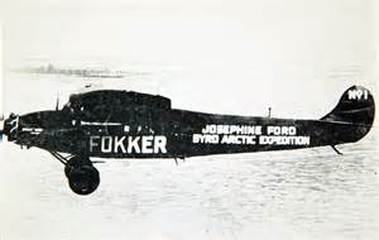
The Fokker aircraft, dubbed the Josephine Ford, was a trimotor (oddly pronounced: trim’-o-tour, not tri’-motor) that carried Admiral Richard E. Byrd and Floyd Bennett over the North Pole in 1926 was more than a machine. It had a character of its own in the age of heroic aviation: stubborn, loud, wooden‑winged, and improbably graceful.
The plane was built circa 1925/early 1926 in the workshops of the Fokker Aircraft Company in Hasbrouck Heights, New Jersey (just five miles west of Exit 18W off the New Jersey Turnpike). It was an era when airplanes still smelled of spruce and linen. Officially she was a Fokker F‑VIIa/3m, one of the new design of trimotors whose three engines gave pilots a sense of confidence in an era when single‑engine reliability was more hope than guarantee. But to the men who built her, she was simply “the Byrd Ship”—a machine destined for historical recognition.
Her wings were wider than most planes of the era and made of spruce timber covered with linen fabric stretched tight as a drum. Her fuselage was an aerodynamic purpose-built tube designed for endurance, not for passengers. The F-VIIa was powered by three Wright Whirlwind J‑5 engines, each a dependable workhorse producing roughly 220 horsepower. The engines had an unforgettable voice that was a triple‑throated roar that was memorable in many ways. The finished plane was christened the Josephine Ford, named for the daughter of Edsel Ford, whose financial support made the expedition possible.
From the moment Josephine rolled out of the hangar, she seemed older than her years—an aircraft with history. Admiral Richard E. Byrd, already a rising star in American aviation, inspected her with the calm intensity of a man choosing a partner for a dangerous mission. He needed a plane that could survive Arctic winds, carry heavy fuel loads, and remain controllable even with ice clinging to its wings. The Josephine Ford was not perfect, but it was sturdy, and sturdy is what Byrd wanted.
Almost before the paint was dry, the plane spent its early days in training flights. Byrd and his pilot, Floyd Bennett, needed to know how the plane would react to cold air and heavy cargo. They practiced takeoffs from rough surfaces, landings on uncertain terrain, and long, monotonous flights that tested the engines. Byrd and Bennet treated the plane with a mixture of affection and discipline. They tightened bolts, adjusted controls, and listened to the engines – making sure there were no irregularities.
In April and May 1926, Josephine was ferried to Spitsbergen, the largest island in the Svalbard Archipelago in northern Norway. It is the northernmost permanently inhabited settlement on earth. Well inside the Arctic Circle, it was the staging ground for Byrd’s attempt to reach the North Pole by air. “Just to be sure,” when Josephine reached the Arctic a crew of mechanics fussed over her constantly, warming the engines, checking the skis, and ensuring the fuel tanks were filled to the brim. After all the fuss and bother, Josephine waited for the moment.
That moment came on May 9, 1926, at just about 0900 (the U.S. Navy had adopted the 24-hour clock in 1920). Laden with fuel and the hopes of the crew, Josephine Ford roared down the makeshift runway to start its 860-mile journey to the Pole. As the skis scraped the snow and the engines strained, for a terrifying few seconds she seemed too heavy to rise. Then, with what was later described as stubborn determination, the plane almost leapt into the Arctic sky.
Her flight to the Pole was a battle against cold, wind, and uncertainty. Yet they pressed on with all three engines roaring. When both Byrd and Bennett believed they had reached the Pole, they circled in triumph, claiming they had reached a place no airplane had seen before.
The return flight was harder. Fuel ran low and the Arctic winds shifted in a direction that could have spelled defeat. But she endured, limping back toward Spitsbergen with a kind of stubbornness that was once predicted by those aircrafters who built it. When Josephine touched down, she became a legend.
Admiral Richard E. Byrd
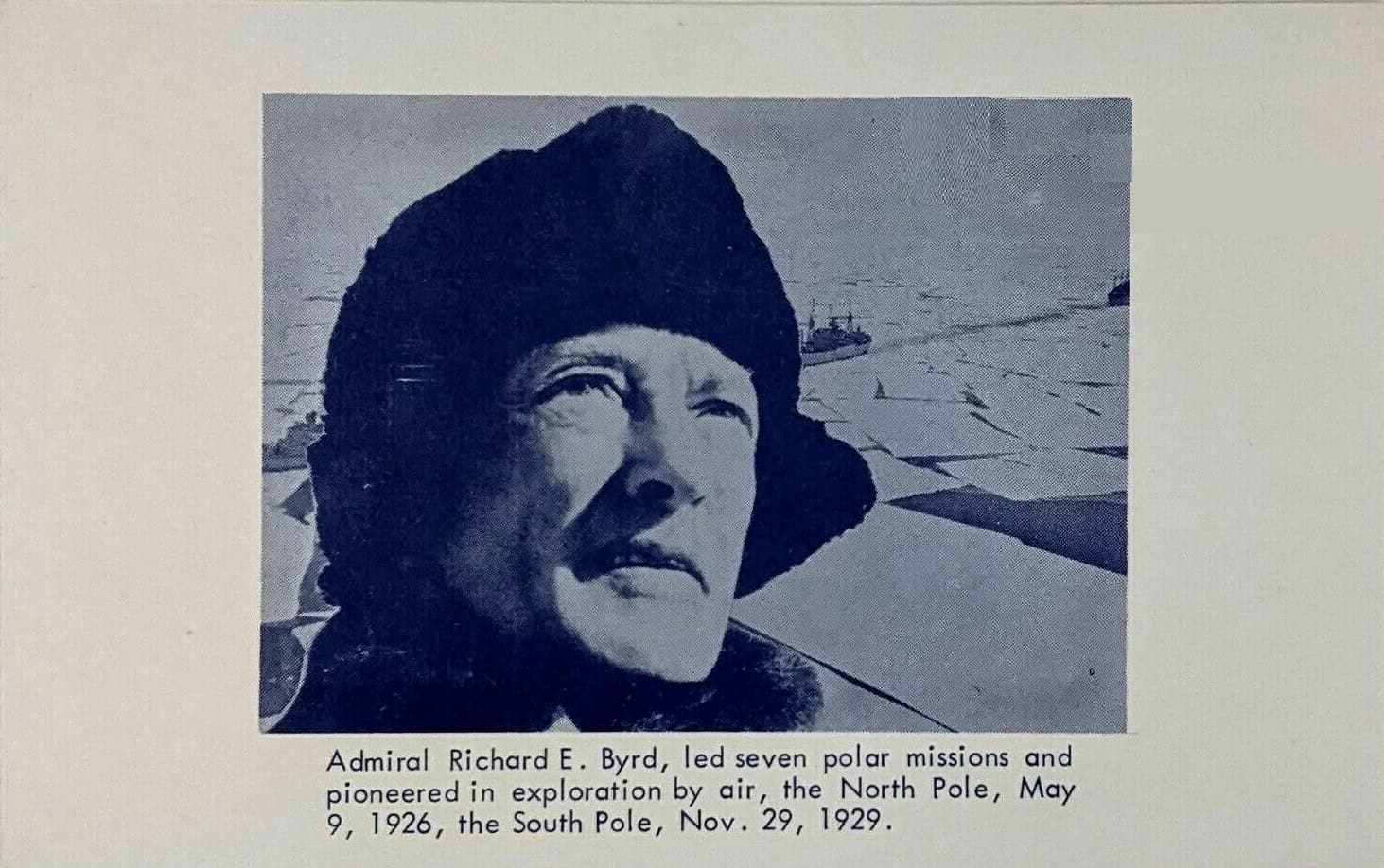
Rear Admiral Richard Evelyn Byrd lived a life defined by his service to the United States. Born in 1888 in Winchester, Virginia, he entered the U.S. Naval Academy in 1908 and graduated in 1912, beginning a naval career that would soon bond with the world of aviation. Early assignments placed him aboard several battleships, where he served during his formative years as a young officer.
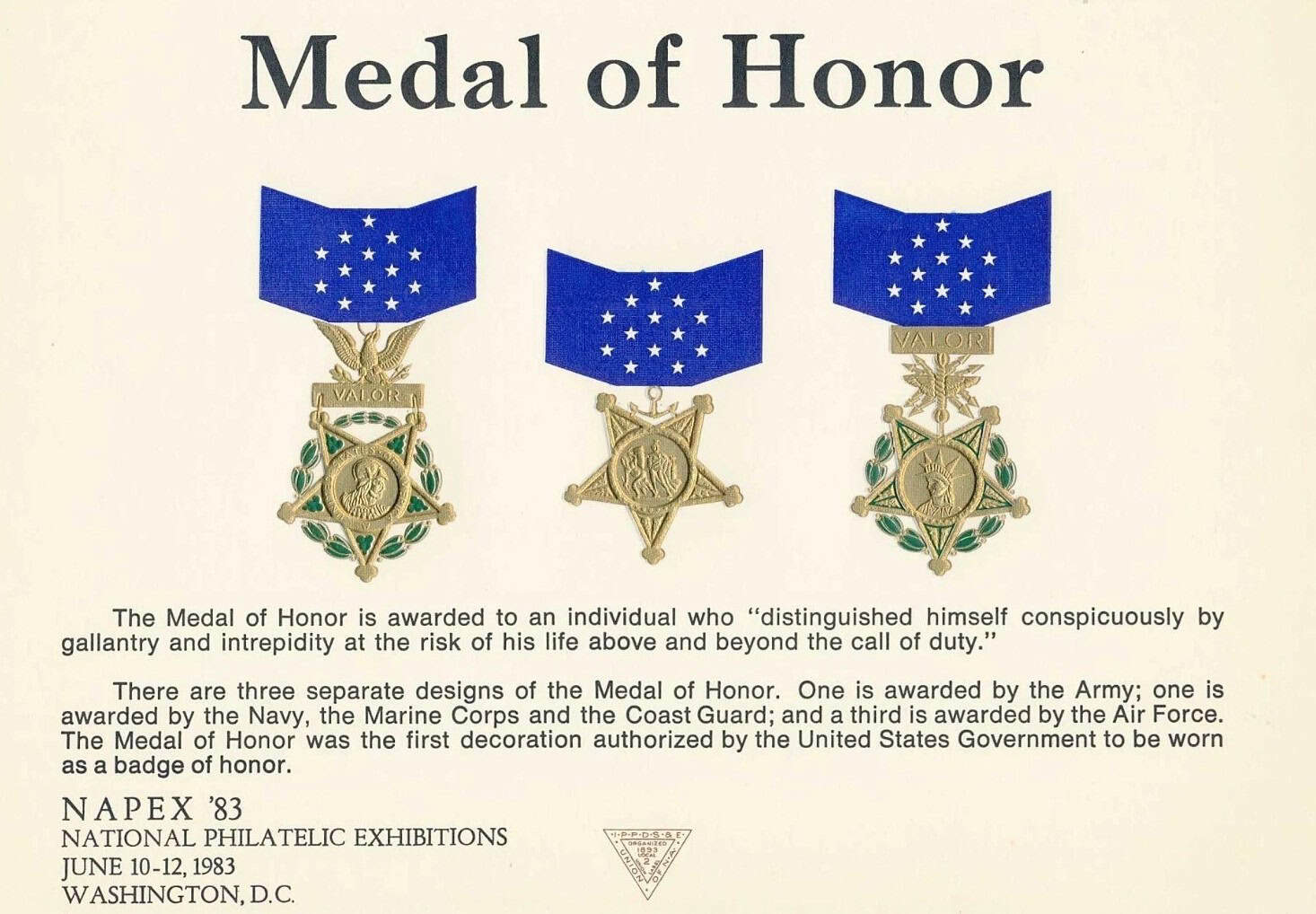
Byrd’s aviation career accelerated during World War I, when he trained at Pensacola (Florida) Naval Air Station and became Naval Aviator No. 608. (Pensacola was the U. S. Navy’s first permanent naval air station, established 1914.) His skill in navigation made him an indispensable member of every team project to which he was assigned. After the war he helped shape the newly formed Bureau of Aeronautics. His reputation grew rapidly in 1926 when he and Floyd Bennett flew over the North Pole, an achievement for which Byrd and Bennett received Medals of Honor.
He followed his North Pole adventure with a transatlantic flight in 1927 and multiple Antarctic expeditions, including his historic 1929 flight over the South Pole. These journeys cemented his reputation as America’s most celebrated polar explorer.
During World War II, Byrd returned to active duty, serving as a consultant and conducting inspection missions vital to U.S. operations. His long naval career placed him at several historic moments, including one of the most significant of the twentieth century: the Japanese surrender aboard the USS Missouri on September 2, 1945.
After the war, Byrd continued leading Antarctic operations, including Operation Highjump (1946–47), before retiring from active duty. He died in 1957 and was buried in Arlington National Cemetery. His headstone is a standard military marker noting his rank, awards—including the Medal of Honor—and his historic 1926 flight over the North Pole.
Floyd Bennett
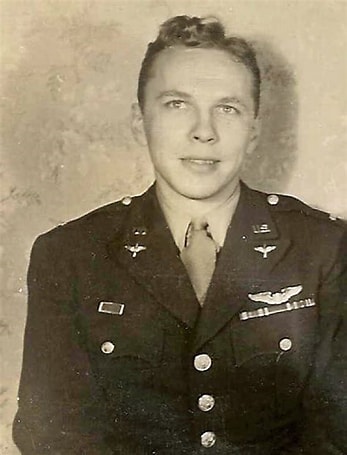
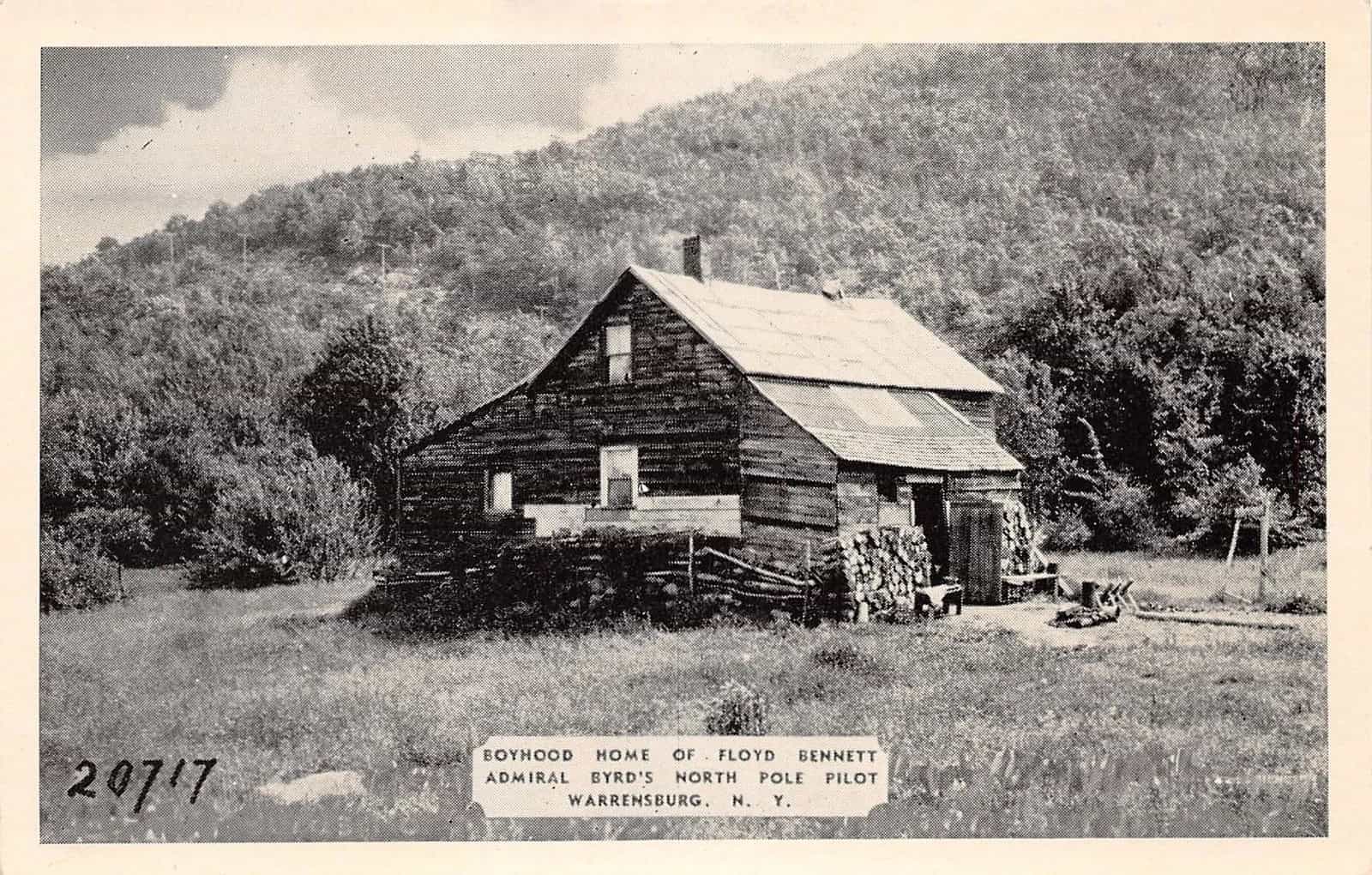
Floyd Bennett’s life was brief (he was but 37 when he died of pneumonia in a Quebec City, Quebec, Canada, hospital on April 25, 1928). He was an enlisted mechanic who rose to become one of America’s most celebrated naval aviators who will be forever linked to Admiral Richard E. Byrd and their daring 1926 flight to the North Pole.
Bennett’s story is one of improbable ascent. Born in 1890 in Warrensburg, New York, he began life far from the world of fame.
He worked as a mechanic and chauffeur before enlisting in the U. S. Navy during World War I, where his skill with engines identified him as a trustworthy mechanic. By the early 1920s he transitioned from maintaining aircraft to flying them, a leap that would later define him.
As a naval aviator, Bennett developed a reputation for precision flying and technical mastery, and he soon came to the attention of Admiral Richard Byrd during the time when he was assembling a team for an attempt to reach the North Pole by air.
Byrd needed a pilot he could trust completely, someone who understood both the machinery and the mercurial temperament of early aircraft. Bennett fit the role perfectly. Their partnership culminated in the 1926 expedition to Spitsbergen, where Bennett piloted the Josephine Ford.
During that flight, Bennett’s steady hands kept the aircraft aloft and on a steady flight path.
Bennett’s career after 11926 was short. In 1928, while attempting to assist a rescue mission for stranded aviators in Greenland, he contracted pneumonia and died soon afterward.
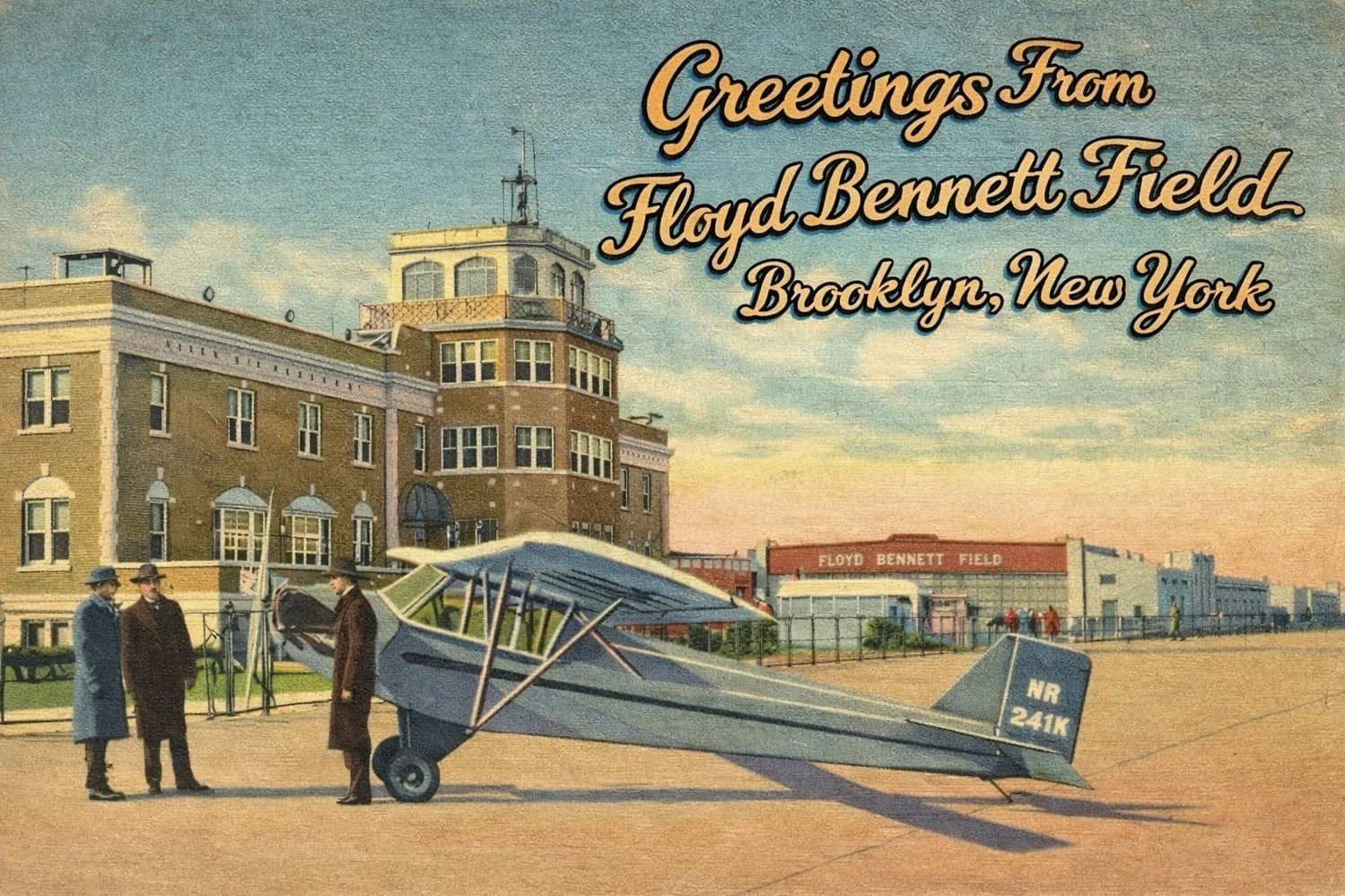
Admiral Byrd confessed to being devastated by Bennett’s death and it was he who was later instrumental in having Floyd Bennett Field named in his honor.
Another fascinating article by Ray Hahn. I have always pronounced “trimotor” wrong! Loved the information on the airmen and their flights.