and Around the World.
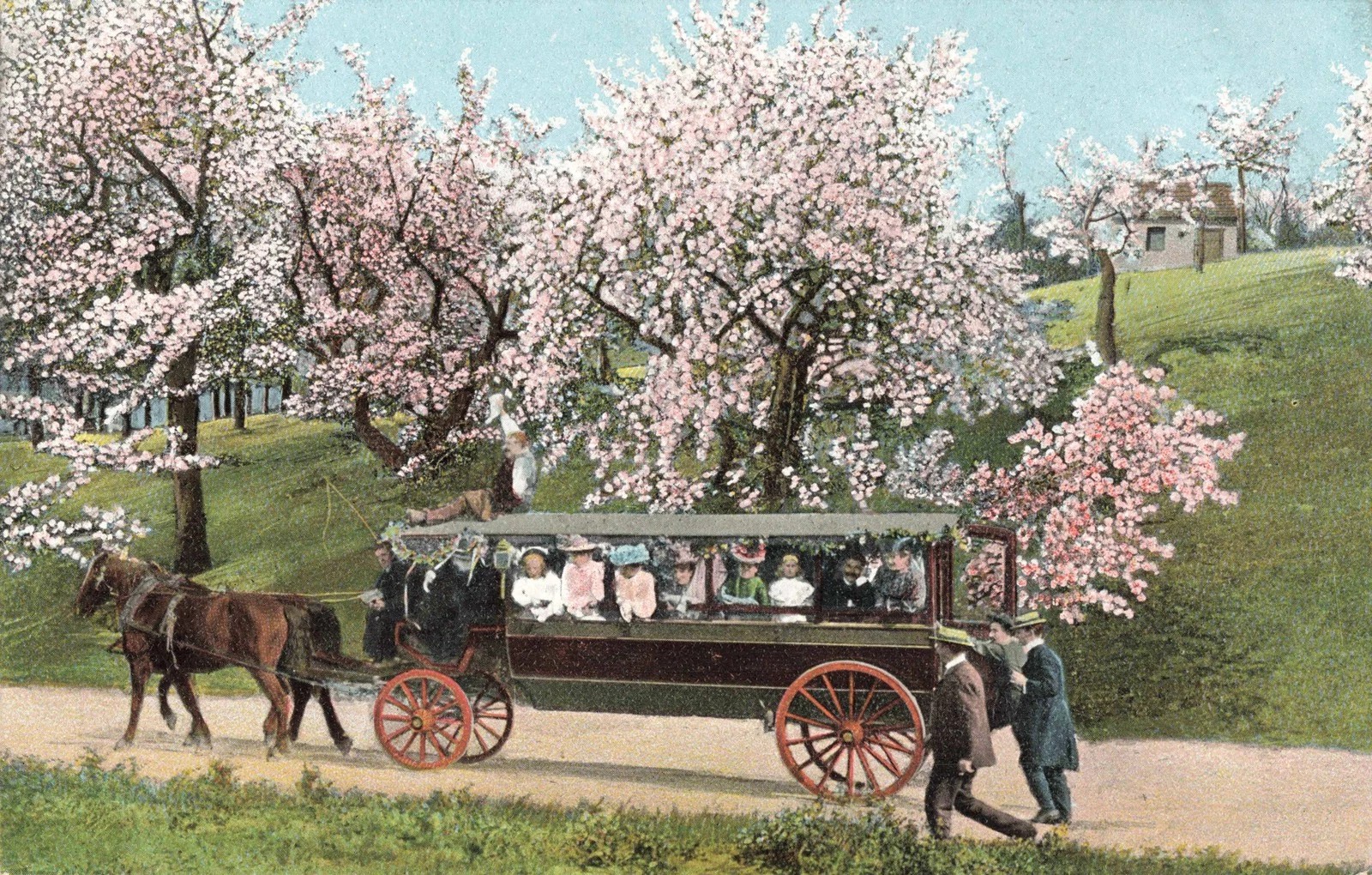
The story begins in France. It was 1823 when a public, horse-drawn passenger service in Nantes became known as an omnibus. (The name came from the Latin word omnibus, meaning “for all.” About the only place you see the word today is on vehicle license plates.) The idea was that the vehicle (often an enclosed wagon outfitted with wooden benches capable of accommodating at least six passengers) was a conveyance available to anyone who could pay the fare.
When the concept spread to Britain and other countries, English speakers quickly abbreviated omnibus to bus. Etymologists have found 1832 as the earliest recorded use of bus as a transportation term in English, and by the 1840s it had become common in everyday speech and print, virtually replacing the longer omnibus.
In America, it all began in New York City when horse-drawn omnibus lines were formed in 1827. The European concept and those first New York “lines” were the direct ancestors of modern city buses found throughout the world.
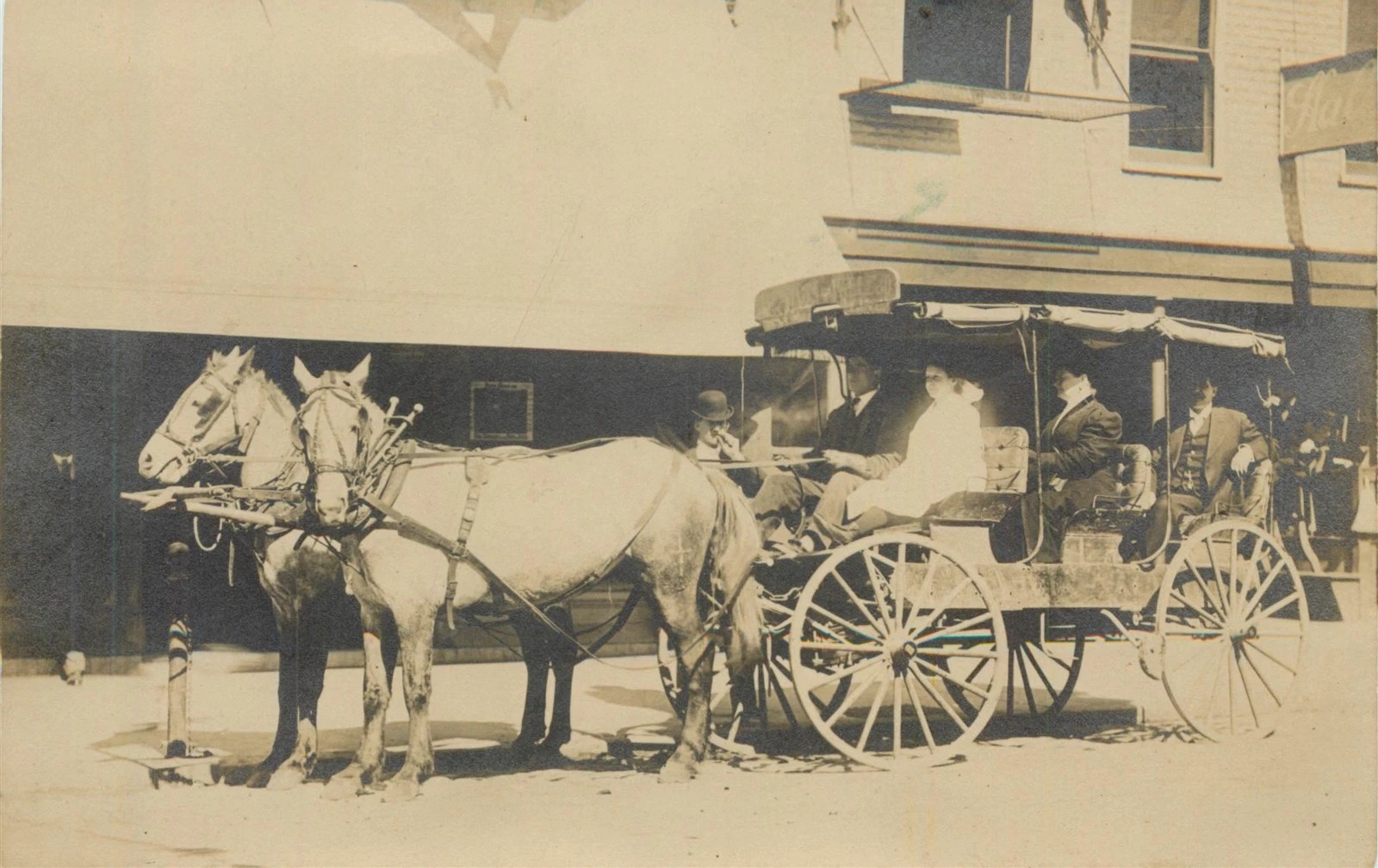
The New York services were established by Abraham Brower (also spelled Brouwer), an entrepreneur, who called his vehicle an “accommodation coach.” The accommodation carried passengers along a fixed route for a set fare. The fares were somewhat higher than in London and other European cities, which ranged from 6 pence to 1 shilling. The New York fares hovered for years at about 12½ cents per ride. The vehicles carried roughly a dozen passengers and ran on fixed routes through lower Manhattan operating mainly below 14th Street. The fare was considered expensive enough that many working-class New Yorkers still walked to work. Such was the case until years later when streetcars became popular because they were cheaper (often 5 cents per ride) and more efficient, helping bring fares down while carrying many more passengers.
To understand what 12½¢ meant, also known as a “bit.” Remember that a common laborer in the late 1820s might earn roughly $1 per day. A round-trip omnibus commute could therefore consume a substantial portion of a day’s wages.
An interesting detail is that New York’s first omnibus was essentially a large horse-drawn stagecoach. Riders entered through a rear door, handed their fare to the driver or conductor. If they were lucky enough to find a seat, they could then endure a famously rough ride over cobblestones and dirt streets.
At one point in time, one observer remarked that the modern definition of “martyrdom” could be summarized with the telling about a ride in a New York omnibus.
***
Omnibus lines spread rapidly to other American cities: Philadelphia by 1831, Boston by 1835, and Baltimore by 1844.
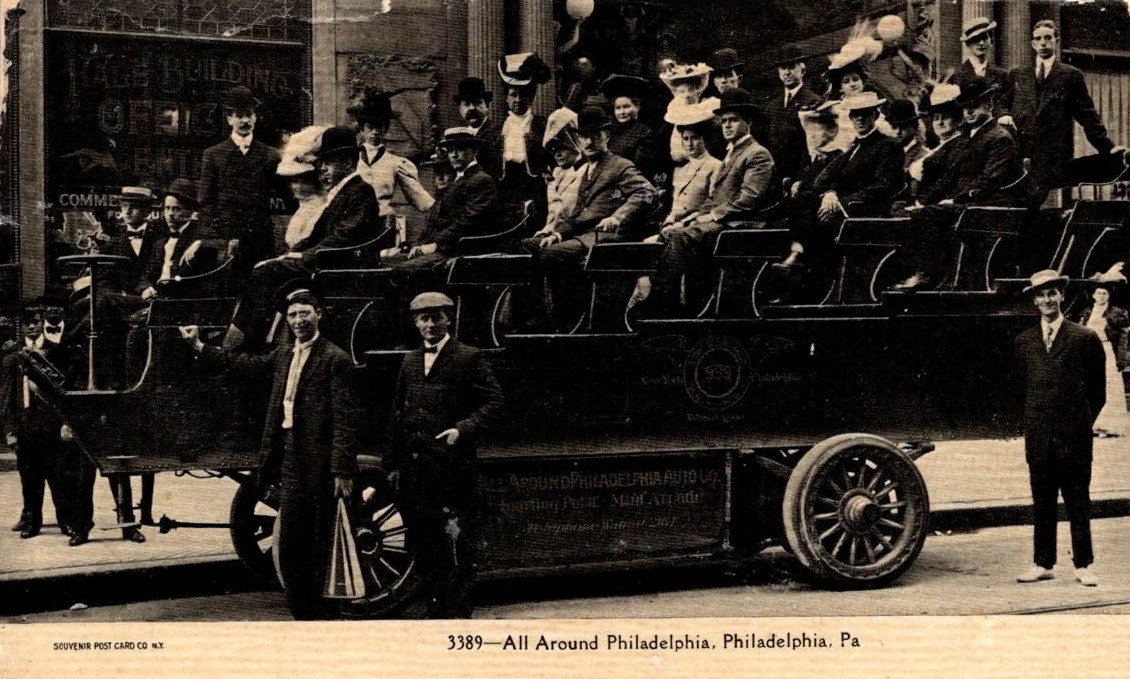
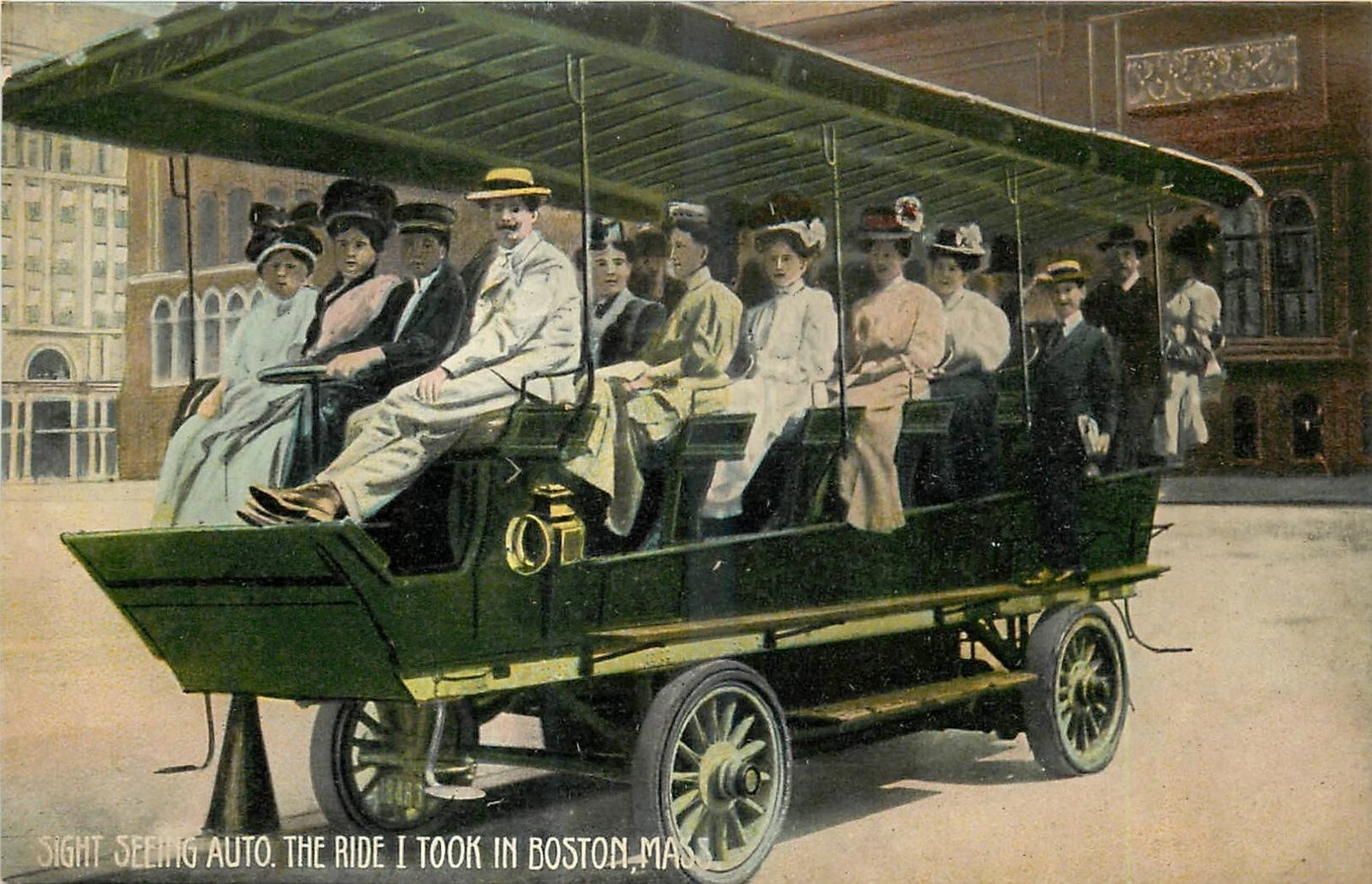
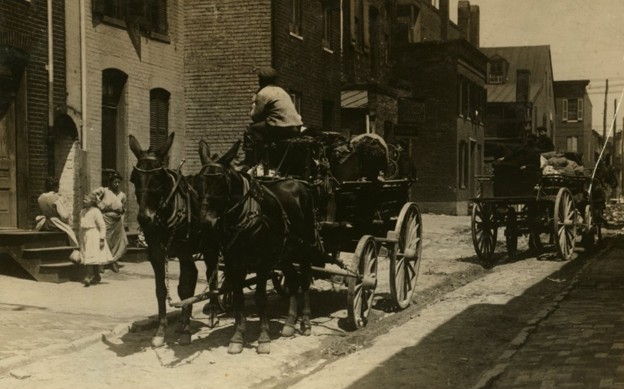
Even though the fares were expensive, New Yorkers and people across the nation reacted to this revolutionary new form of transportation. And it wasn’t long before the public was asking that the services be expanded. And the expansion they wanted was intercity service.
***
The first documented intercity bus service in the United States is generally credited to a route established in Oregon in 1905 between Shaniko and Bend, two towns about 90 miles apart. The service used a motorized passenger vehicle rather than a horse-drawn coach and is often described as the nation’s first true intercity bus line.
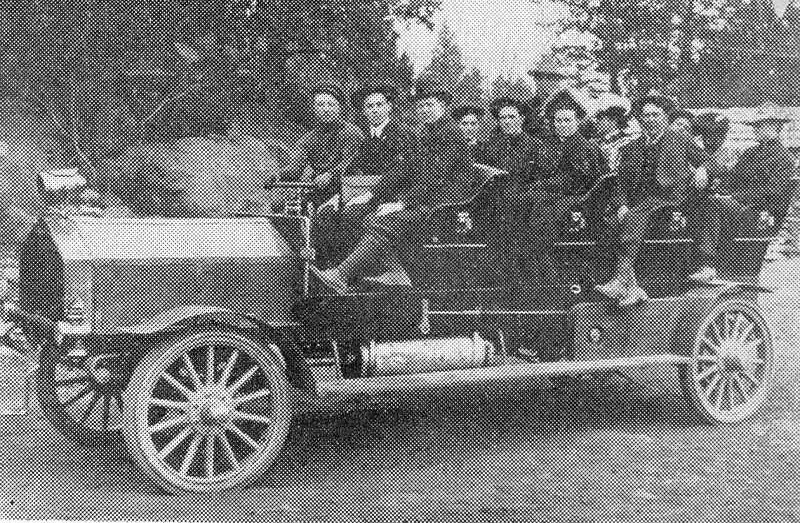
An interesting distinction is that many early historians cite Eric Wickman’s 1914 Minnesota operation as the beginning of the modern intercity bus industry because it eventually grew into Greyhound.
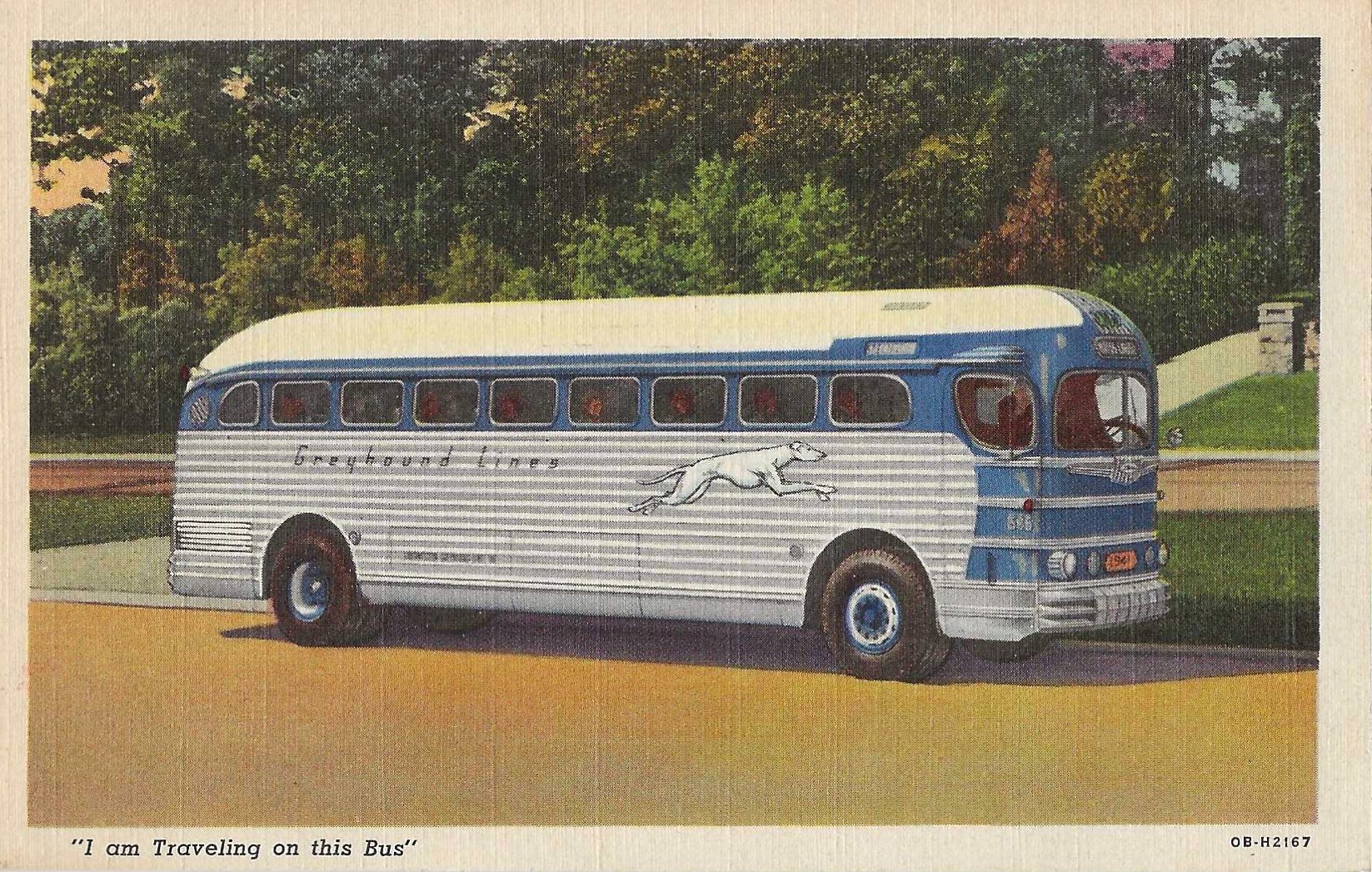
However, Wickman’s first route was only a short local run carrying miners between nearby communities, whereas the Shaniko-Bend route was an earlier long-distance town-to-town passenger service.
Dear Readers, it may be best for you to decide after reading the following timeline:
Timeline of American Intercity Bus History
1827
The first urban omnibus service begins in New York City. While not intercity, it establishes the concept from which bus transportation develops.
1905
The first widely recognized American intercity motor-bus route begins operating between Shaniko and Bend, Oregon. This service links an isolated inland community with a railroad connection and is often cited as the nation’s first true intercity bus line.
1908-1913
Numerous independent motor-bus operators appear across the country as automobiles become more reliable. Many serving towns bypassed by railroads.
1914
Eric Wickman starts a passenger motor-coach service in Hibbing, Minnesota, using a seven-passenger Hupmobile. This enterprise eventually evolves into Greyhound.
1915
Wickman’s company expands between Minnesota communities and merges with other operators, demonstrating the commercial viability of regional bus transportation.
1920s
Hundreds of small operators connect farms, villages, and towns. Buses become especially important where rail service is sparse or declining.
1924
Several Midwest operators combine into the Northland Transportation Company, a precursor of the Greyhound system.
1929
The famous Greyhound name is adopted. The running-dog logo soon becomes one of the most recognizable transportation symbols in America.
1930s
Intercity bus travel reaches a golden age. Comfortable coaches with enclosed cabins, heaters, and reclining seats compete successfully with trains for medium-distance travel.
1935
Federal motor-carrier regulation begins under the Interstate Commerce Commission, bringing nationwide oversight to interstate bus service.
1940s
World War II created unprecedented bus ridership as gasoline rationing and military travel increase demand. Bus terminals become major civic landmarks in American cities.
1950s
New air-conditioned coaches improve passenger comfort. Greyhound and Trailways dominate long-distance travel networks.
1956
Construction of the Interstate Highway System begins. Buses benefit initially from better roads and faster schedules.
1960s-1970s
Increased automobile ownership and expanding airline service reduce bus ridership. Many smaller carriers disappear or merge.
1980s
Deregulation of the bus industry encourages competition and route changes. Traditional station-to-station service begins evolving toward hub-and-spoke networks.
1990s
Discount express services emerge. Many companies focus on college students, military personnel, and budget travelers.
2000s
New curbside carriers such as Chinatown buses demonstrate demand for inexpensive city-to-city transportation.
2010s
Companies such as Megabus expand express intercity service with online reservations and low fares. Wi-Fi, power outlets, and mobile ticketing become standard features.
2021
German transportation company Flix SE acquires Greyhound, marking a new chapter in North American intercity bus transportation.
Today
Intercity buses remain one of the most economical ways to travel long distances in the United States, serving thousands of communities, many of which no longer have passenger rail service.
A historian might summarize the story this way: the railroad opened the American interior in the 19th century, but the intercity bus knitted together the smaller towns the railroad never adequately served. From a dusty Oregon road in 1905 to today’s nationwide coach networks, the bus has been the transportation mode of the ordinary traveler.
***
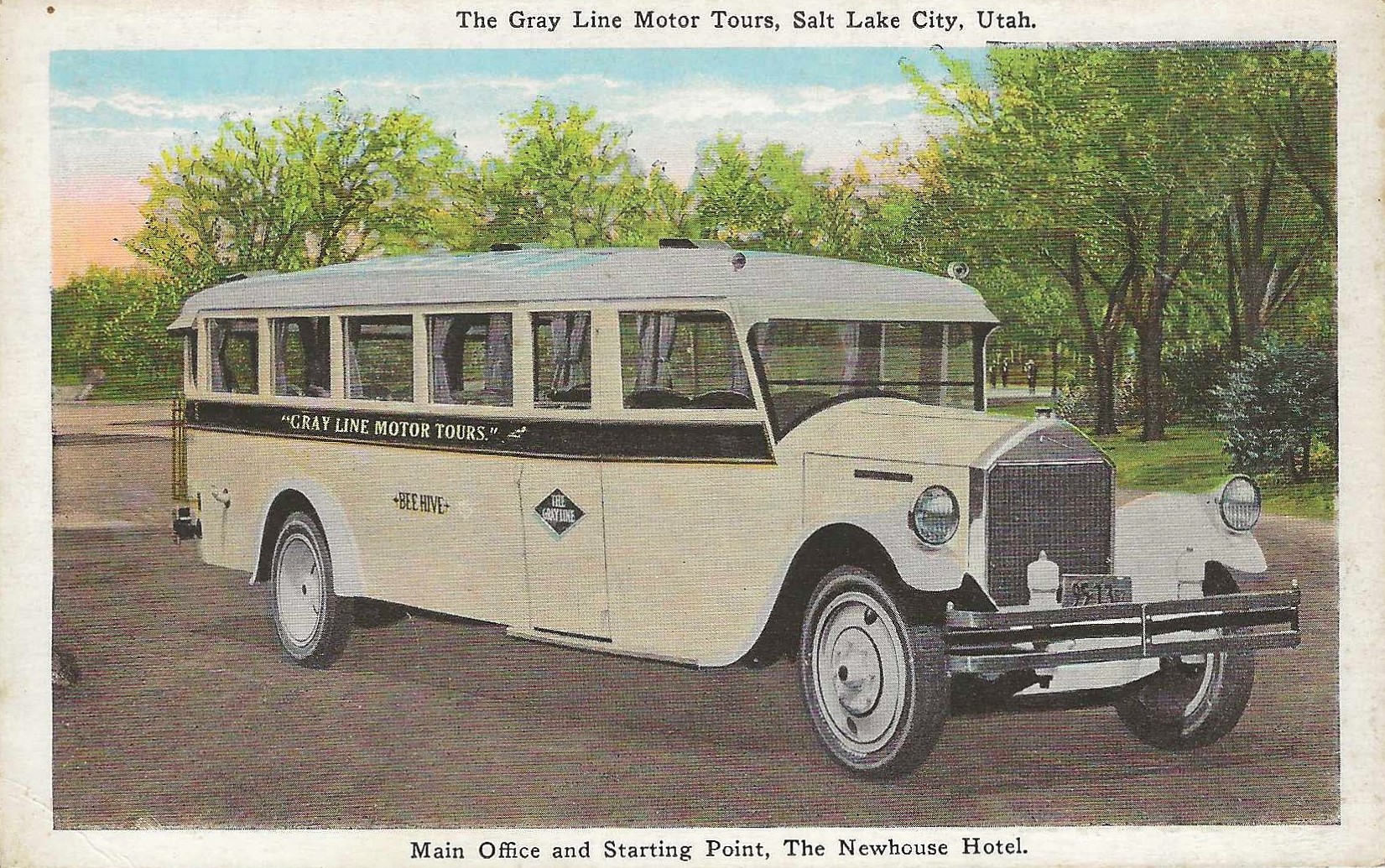
Buses in Other American Cities
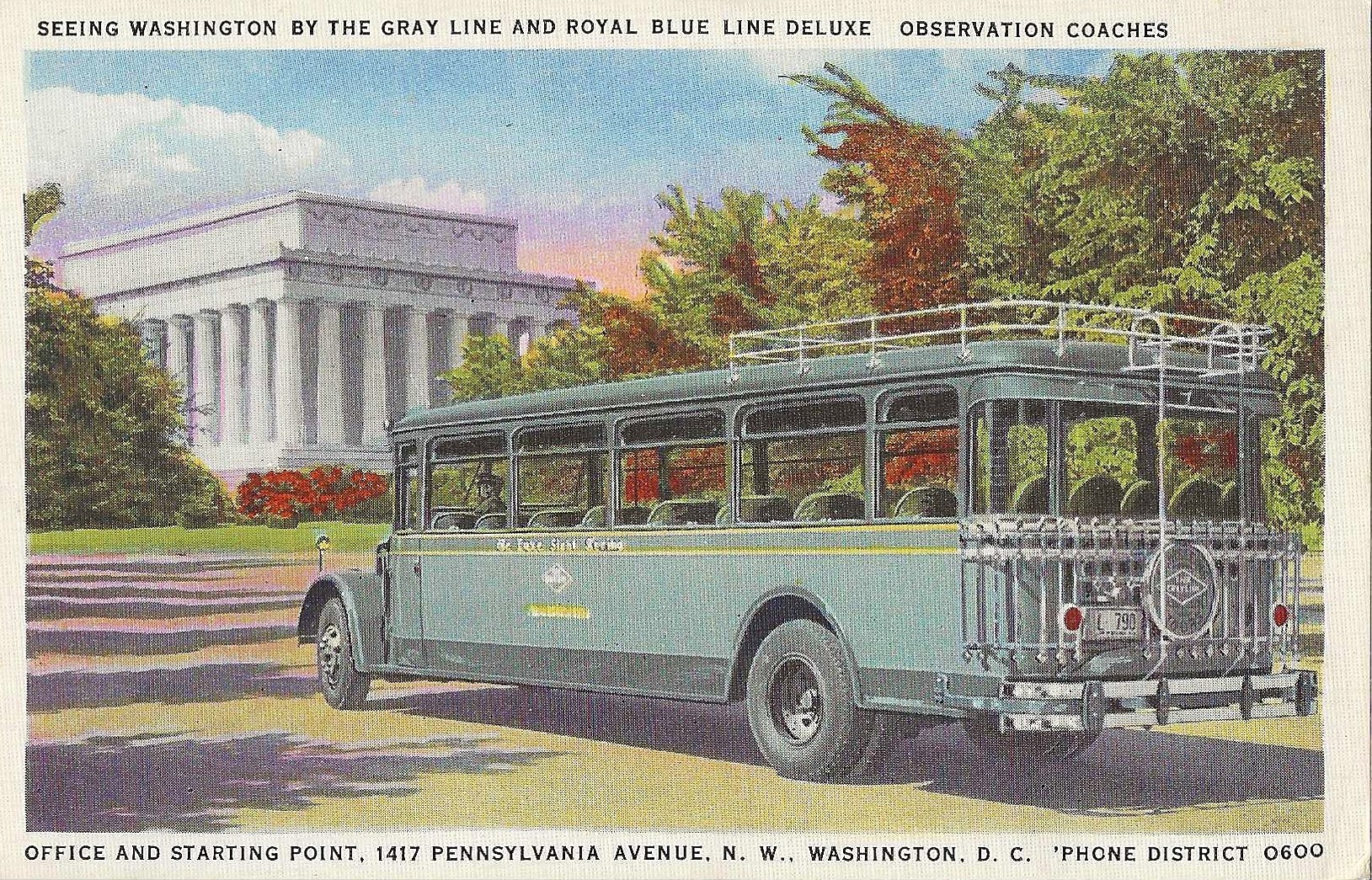
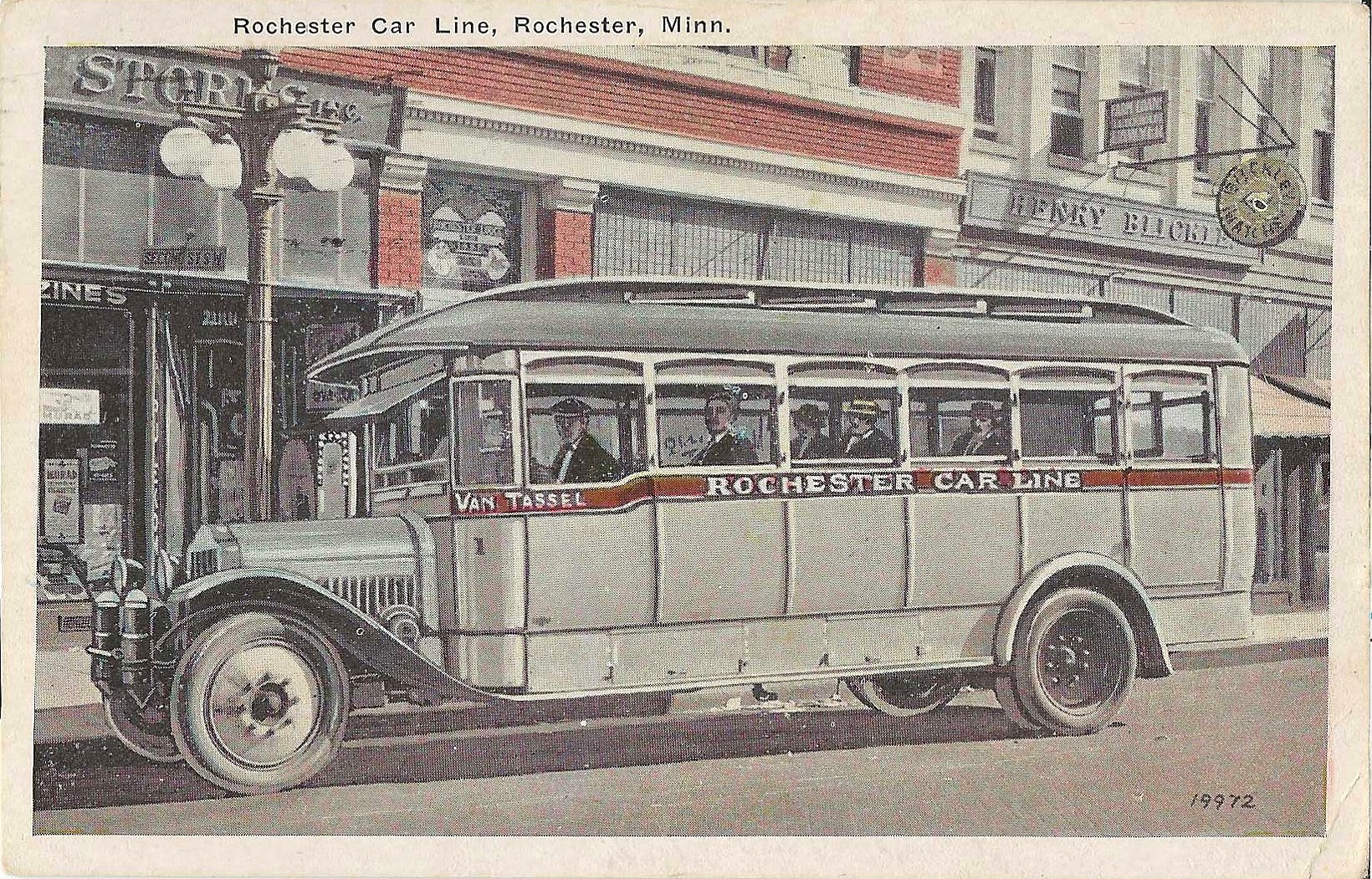
And, the World
So, wherever you go, enjoy the ride!