An internet search for the phrase “Hollywood’s Captivating Beauties,” could result in a list of actresses who are famous for their stunning looks. The list may also include those who have captured public attention throughout film making history.
The names that may be included are both classic stars like Marilyn Monroe, Audrey Hepburn, and Hedy Lamarr, then contemporary figures such as Margot Robbie, Gal Gadot, and Zendaya. It is of course a subjective perception of beauty, spanning different eras and individual preferences.
Before Hollywood started making films in the early 1910s, the American stage tradition, centered on Broadway in New York City. It was then that many famous actors and actresses first appeared.
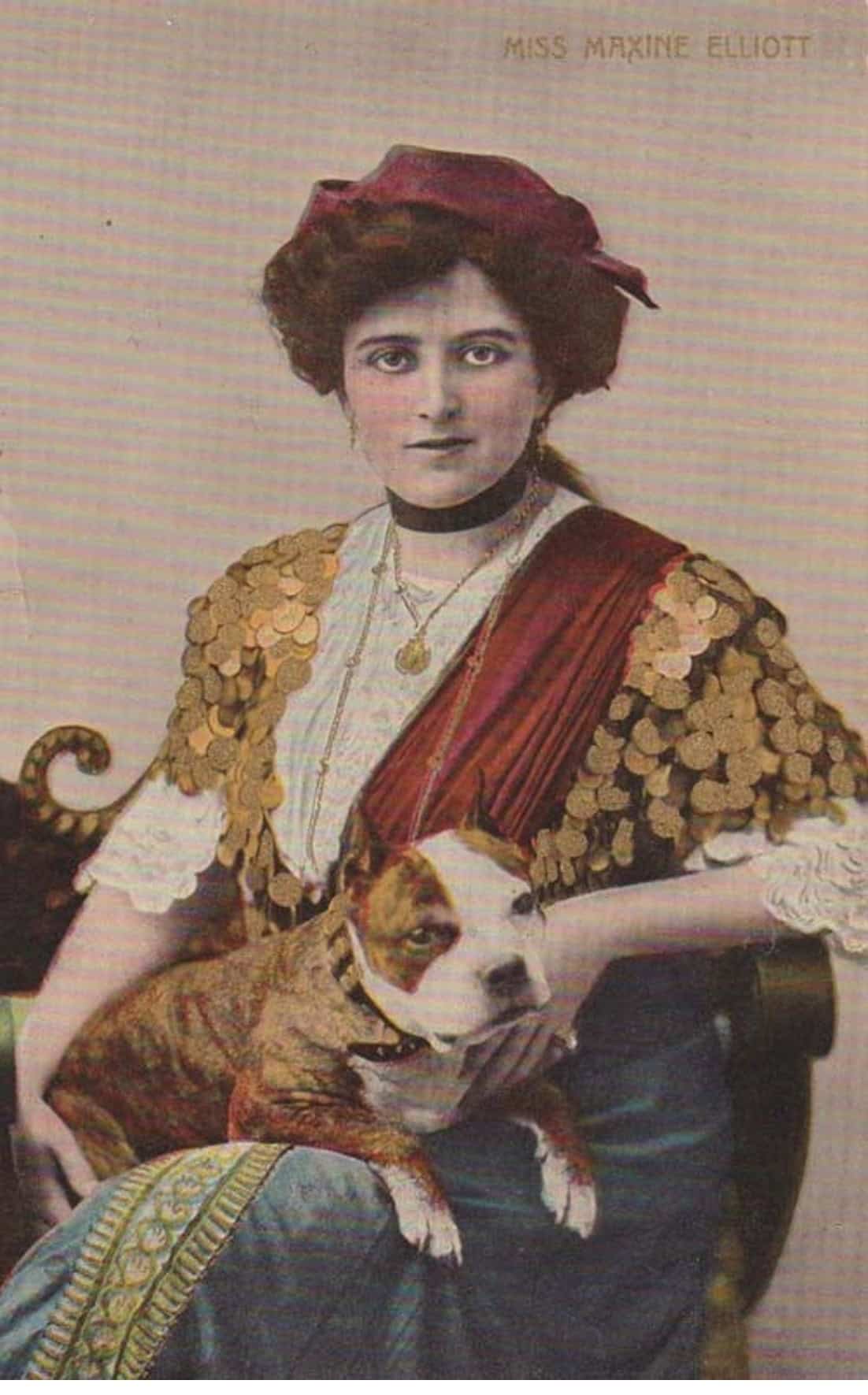
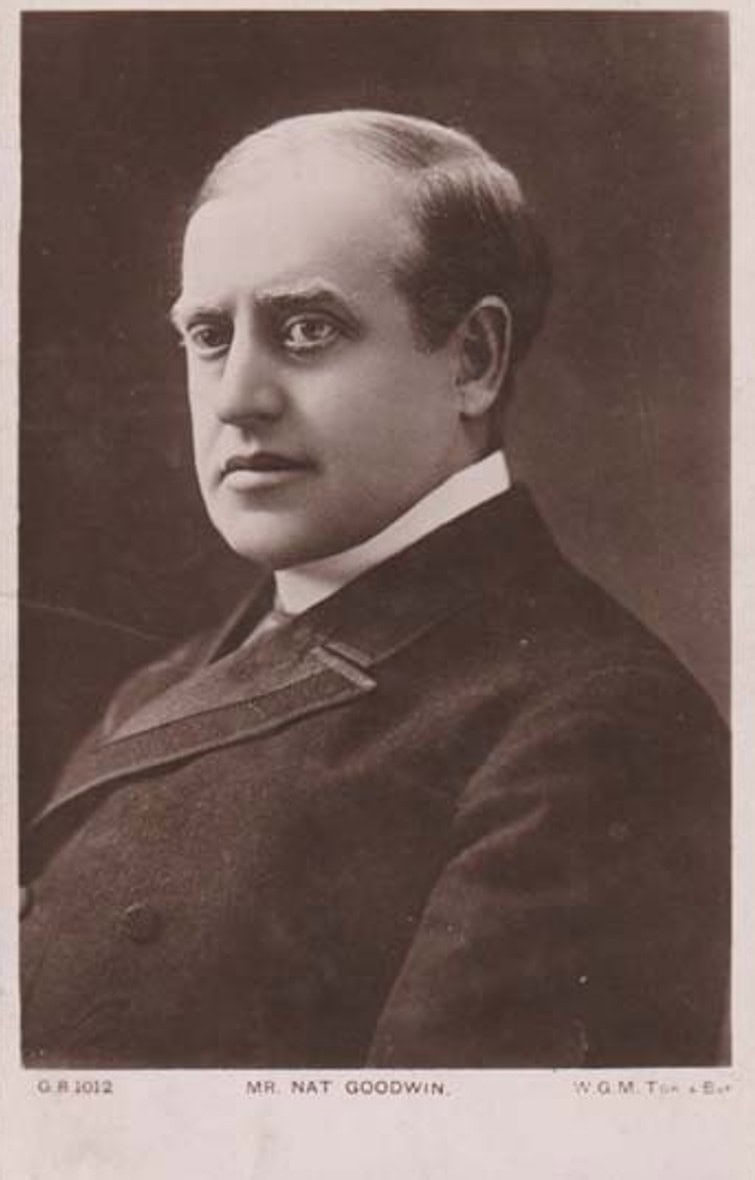
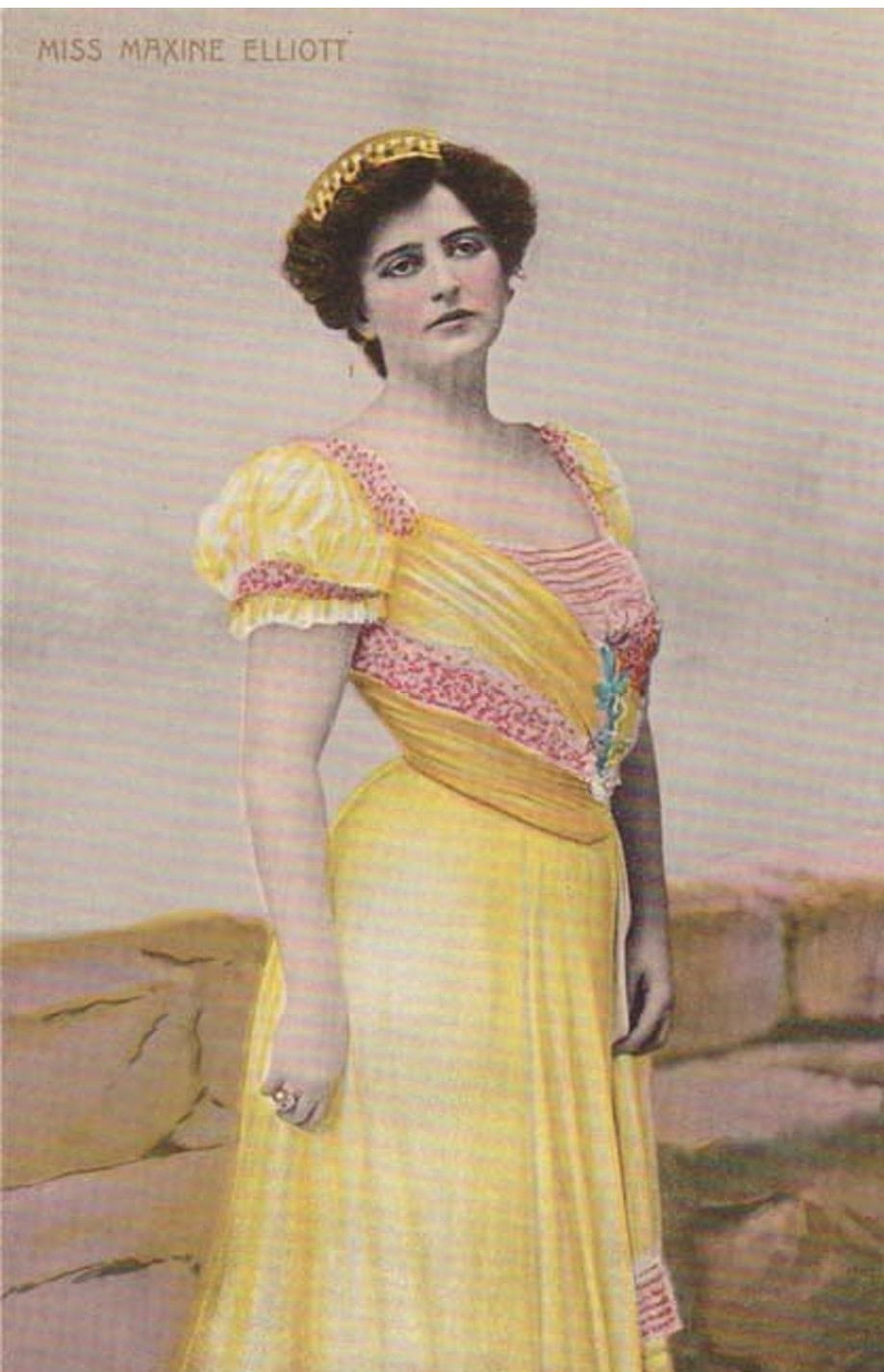
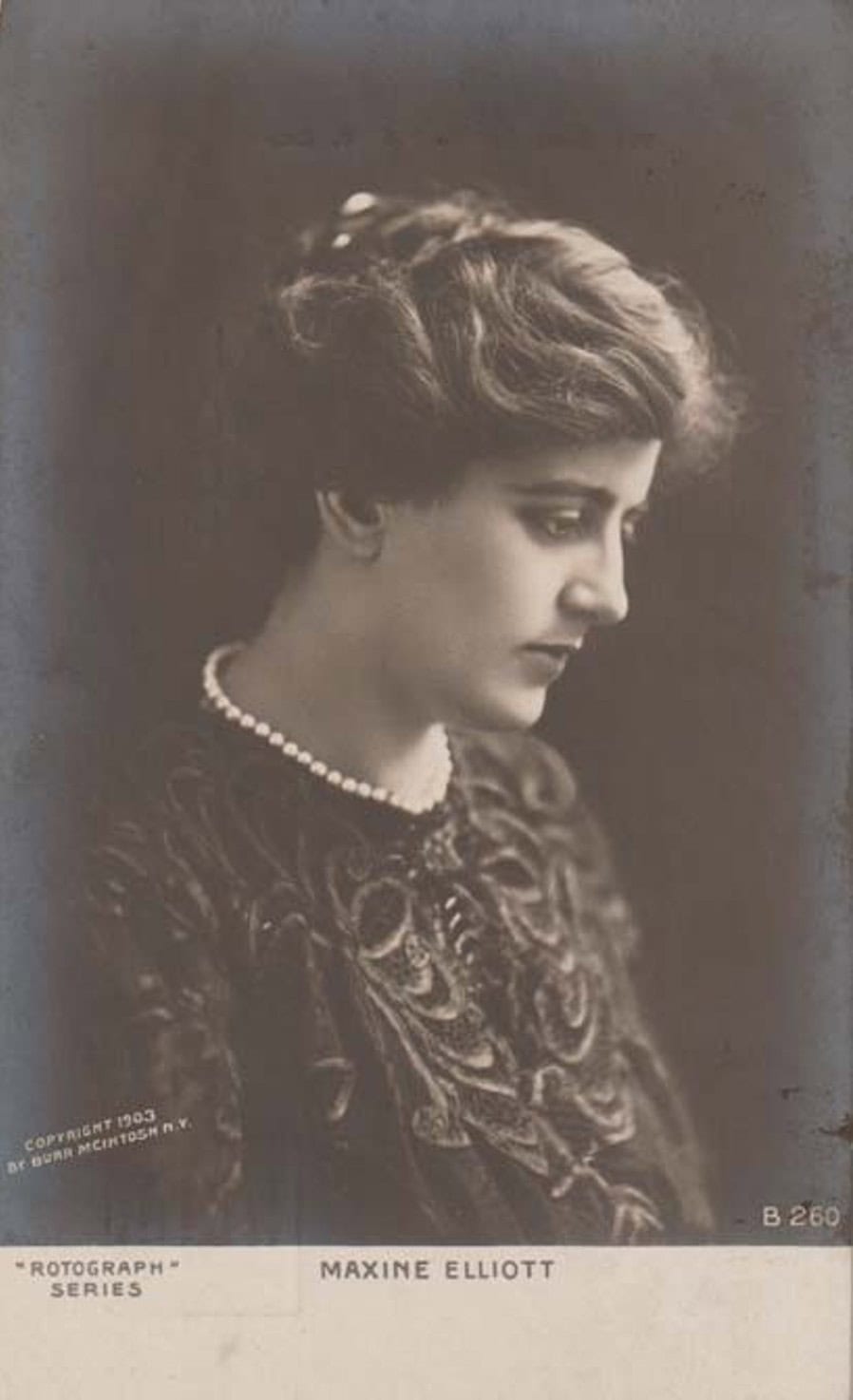
Among Broadway’s actresses with captivating beauty was Maxine Elliott – born in 1868 as Jessie Dermott. Her eyes were said to be of an unusual violet color, like those of Elizabeth Taylor. She appeared in plays and silent films between 1890 and 1920. She was also a successful businesswoman and a philanthropist. Her second marriage (1898 to 1908) was to Nat Goodwin, a leading Broadway comic actor.
During the First World War she volunteered both her income and her time to the cause of Belgian relief, outfitting and staffing a barge for nursing wounded soldiers. For this service she was awarded the Belgian Order of the Crown.
Elliott was a wealthy woman, she had homes in the United States, England, and France; and among the friends who visited her at her English home was Winston Churchill.
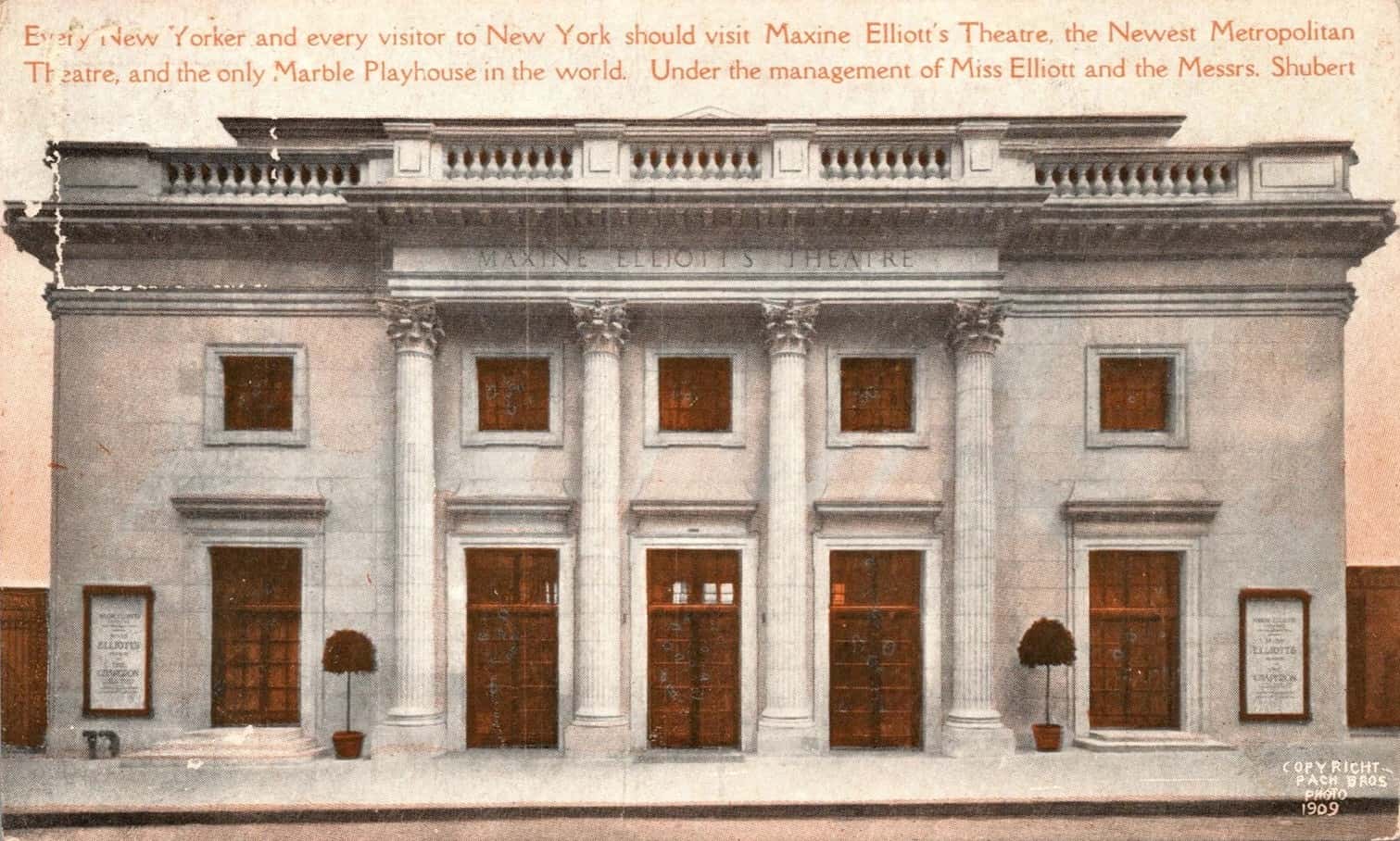
Maxine Elliott is best remembered as the namesake of Maxine Elliott’s Theatre on 39th Street in New York City. She was one of the few women theatre managers of the time. When it opened on December 30, 1908, it was one of the most elegant and unusual Broadway houses in Manhattan. Elliott operated the place in partnership with the Shubert Organization, a theatrical production organization and a major owner of theatres owned by the three Shubert brothers. One very persistent rumor about the theatre, which Elliott always vehemently denied was that the construction of the building was paid for by her friend, the wealthy financier J. P. Morgan.
The theater was especially remarkable since the architect, Benjamin Marshall, paid homage to the Petit Trianon at Versailles, by giving its 39th Street façade a refined French neoclassical appearance quite unlike the more flamboyant Broadway theaters nearby. It seated about 935 patrons.
During its years as a legitimate theater, it hosted works by major playwrights including George Bernard Shaw, John Millington Synge, Lady Augusta Gregory, Lord Dunsany, Lillian Hellman, and W. Somerset Maugham. Among its notable productions were The Constant Wife, Hay Fever, Coquette, and The Children’s Hour.
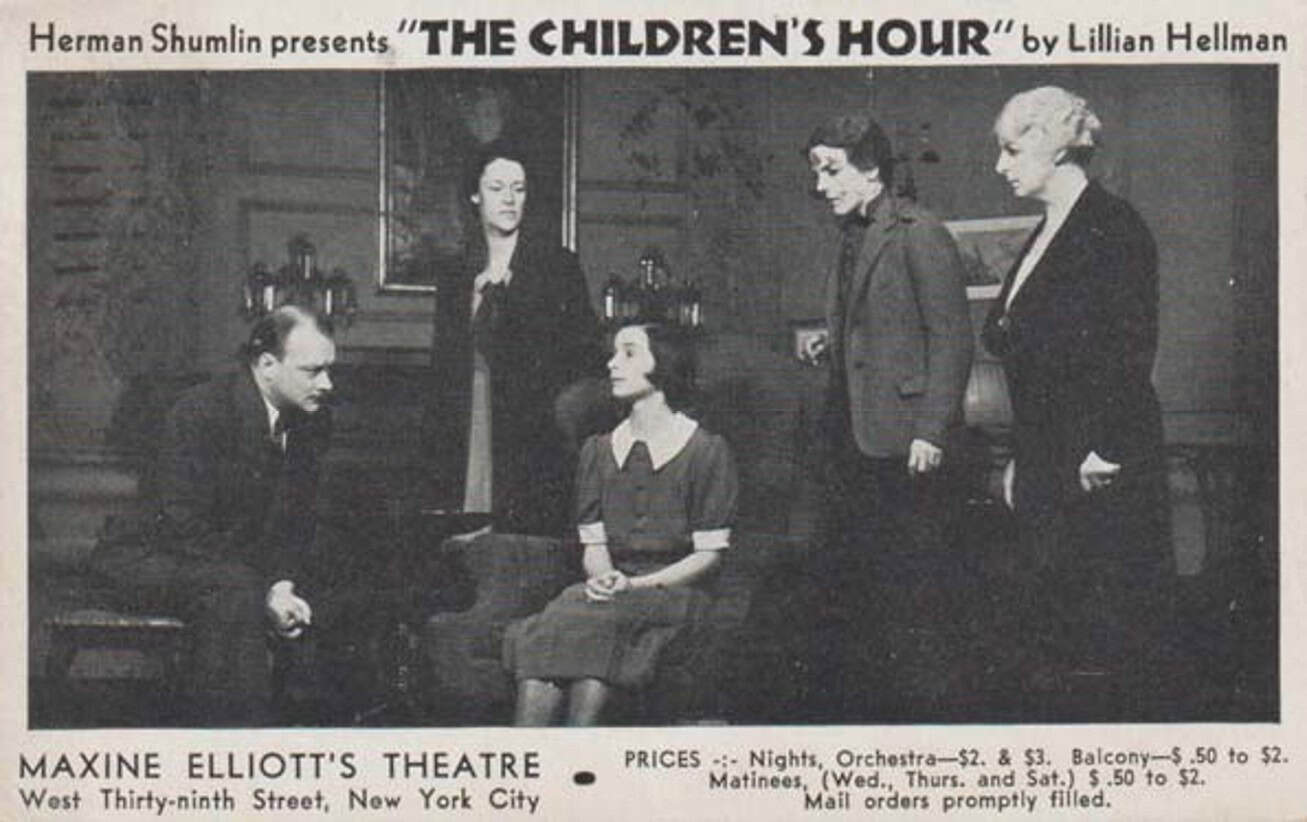
By 1941, changing times had caught up with the theater. It was converted into a radio studio and became the WOR Mutual Radio Theatre. Later it was CBS Radio Playhouse and then a television studio. Most notably, the earliest broadcasts of Ed Sullivan’s Toast of the Town (later The Ed Sullivan Show) originated there from 1948 until 1953.
Sadly, the building did not survive the postwar redevelopment of Midtown. The theater ceased operation in the 1950s and was demolished in 1960.
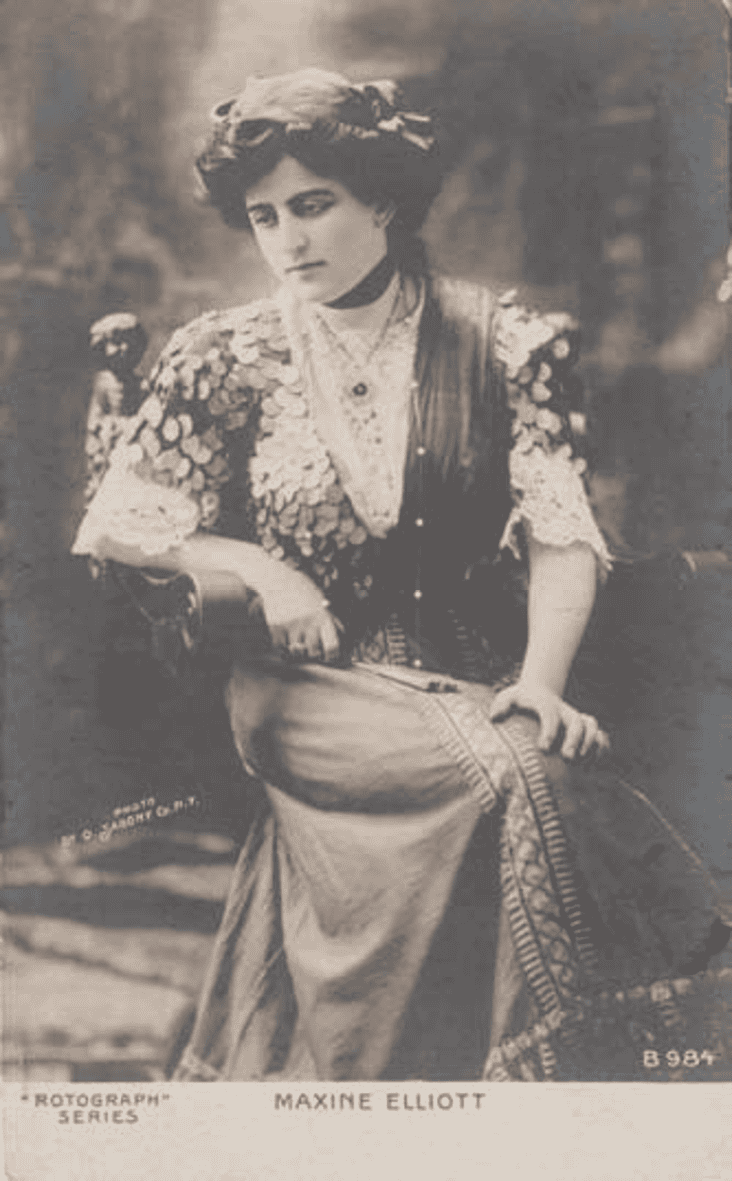
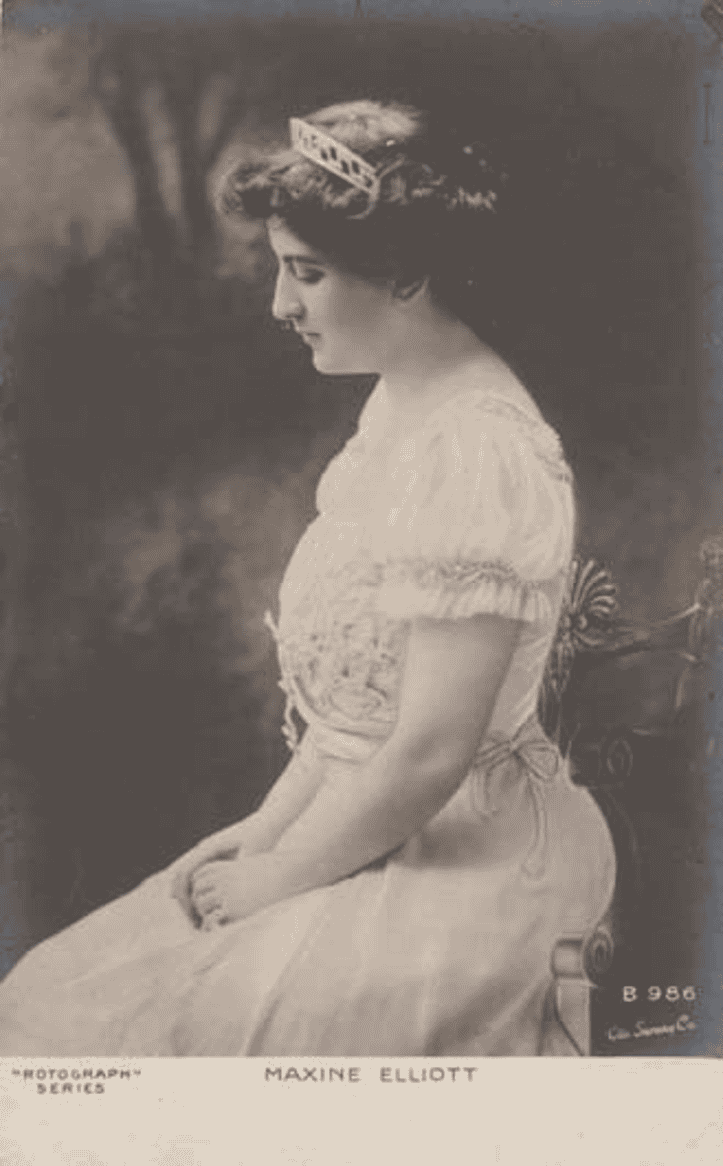
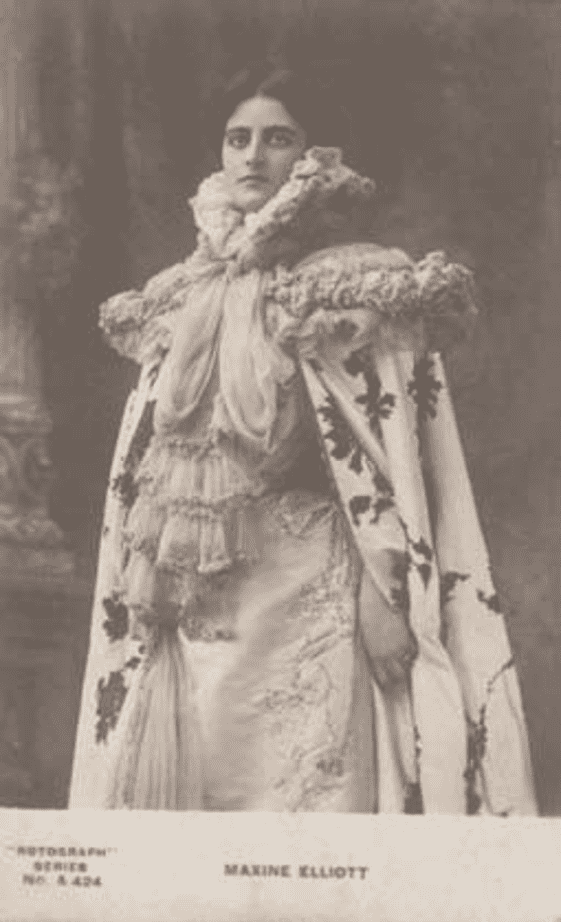
Maxine Elliott was just as interesting as an individual. She was the daughter of a Maine sea captain, yet she became one of the most powerful women in American theater history.