In 1870, New Year’s Day, Independence Day, Thanksgiving Day, and Christmas Day became the first official federal American holidays. Over time, additional holidays were added: Washington’s Birthday in 1879, Labor Day in 1894, Veterans Day and Columbus Day in 1938, Martin Luther King, Jr.’s Birthday in 1983, and Juneteenth in 2021.
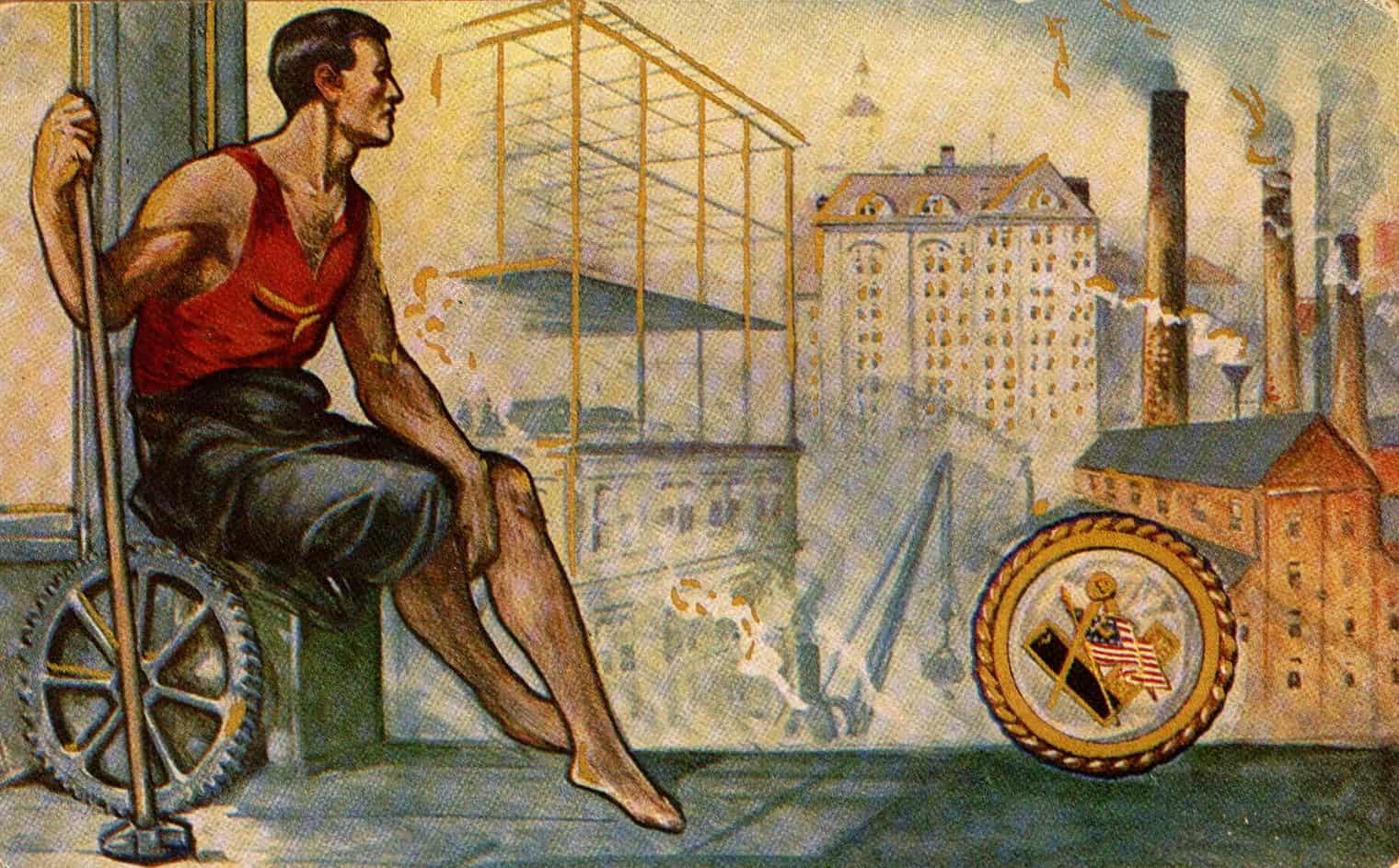
Labor Day became our sixth federal holiday and was legislated to be celebrated on the first Monday of September. Sadly, the day has become a seasonal marker as the unofficial end of summer. However for millions, Labor Day remains a powerful reminder of the hard-fought struggle for workers’ rights and the importance of fair labor practices. It’s a genuine tribute to the American worker and the labor movement that helped shape the nation’s economy and society.
Its origins are rooted in the turbulent and chaotic industrial years of the late nineteenth century, when laborers fought for fair wages, reasonable hours, and safer working conditions.
Labor unions like the Knights of Labor and the American Federation of Labor began organizing and the first Labor Day Parade was sponsored by the Central Labor Union (CLU) of New York on September 5, 1882, twelve years before Congress created the holiday.
Two different men are credited with the idea of an annual holiday: Peter J. McGuire, co-founder of the American Federation of Labor, suggested a “general holiday for the laboring classes”. And, Matthew Maguire, secretary of the CLU, is also believed to have proposed the idea during the 1882 parade planning.
Oregon became the first state to officially recognize Labor Day on February 21, 1887. Colorado, Massachusetts, New Jersey, and New York followed. Then in 1894 came the Pullman Strike. A labor action that was led by the American Railway Union turned violent when federal troops intervened. In response, Congress passed legislation making Labor Day a federal holiday. President Grover Cleveland signed it into law on June 28, 1894. The Labor Day Holiday act was considered the most conciliatory gesture to the labor movement in the nation’s history.
Today, Labor Day is a symbol of the hard-won victories for American workers. From parades to protests, each milestone reflects the perseverance and unity of those who demanded dignity at work. For instance, during the Industrial Revolution, American workers endured grueling 12-hour days, seven-day workweeks, and hazardous environments. Children were employed in factories and mines, often earning a fraction of adult wages. As manufacturing replaced agriculture as the primary source of employment, labor unions began to emerge, advocating for workers’ rights and organizing strikes and rallies to demand change.
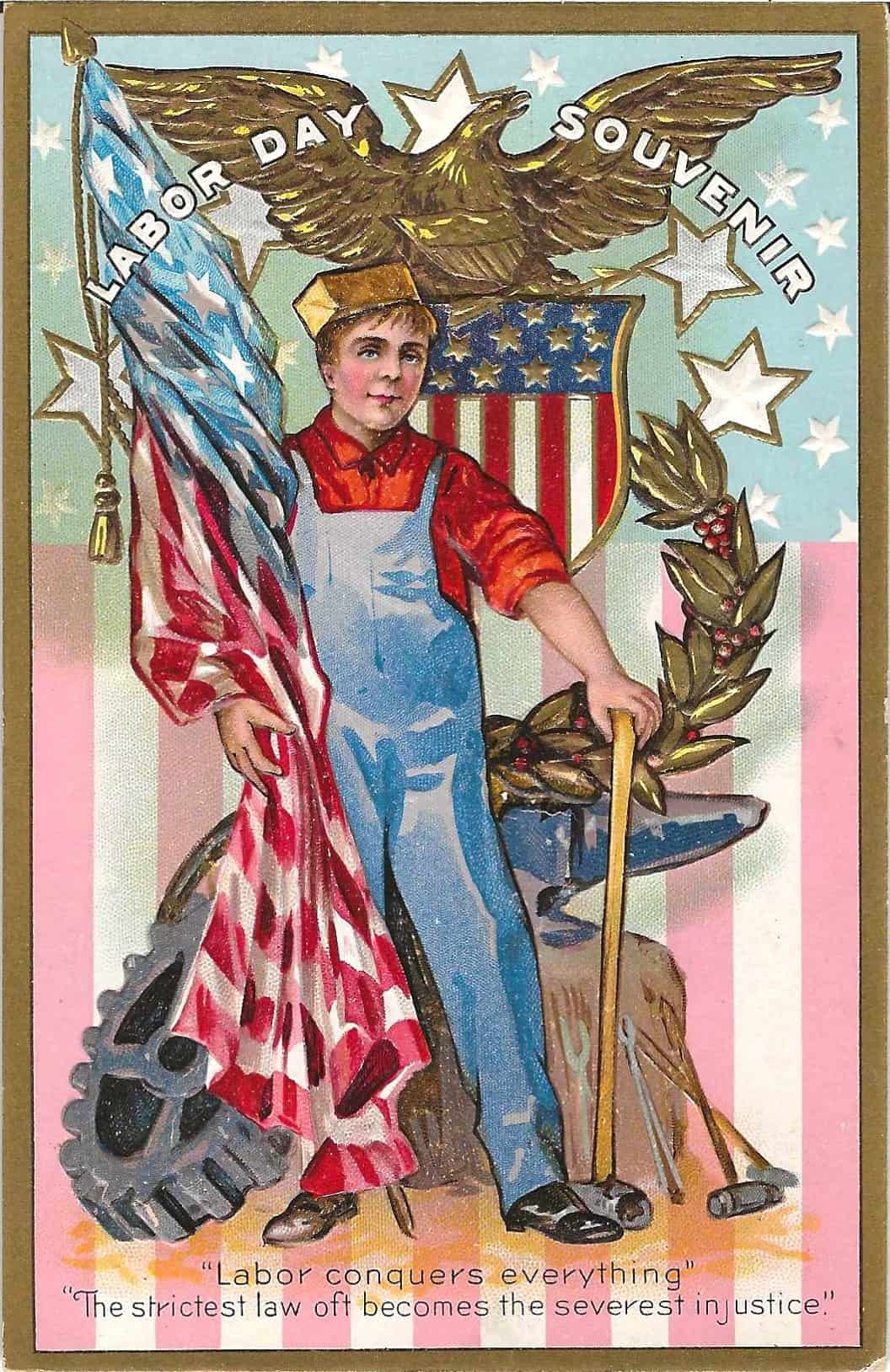
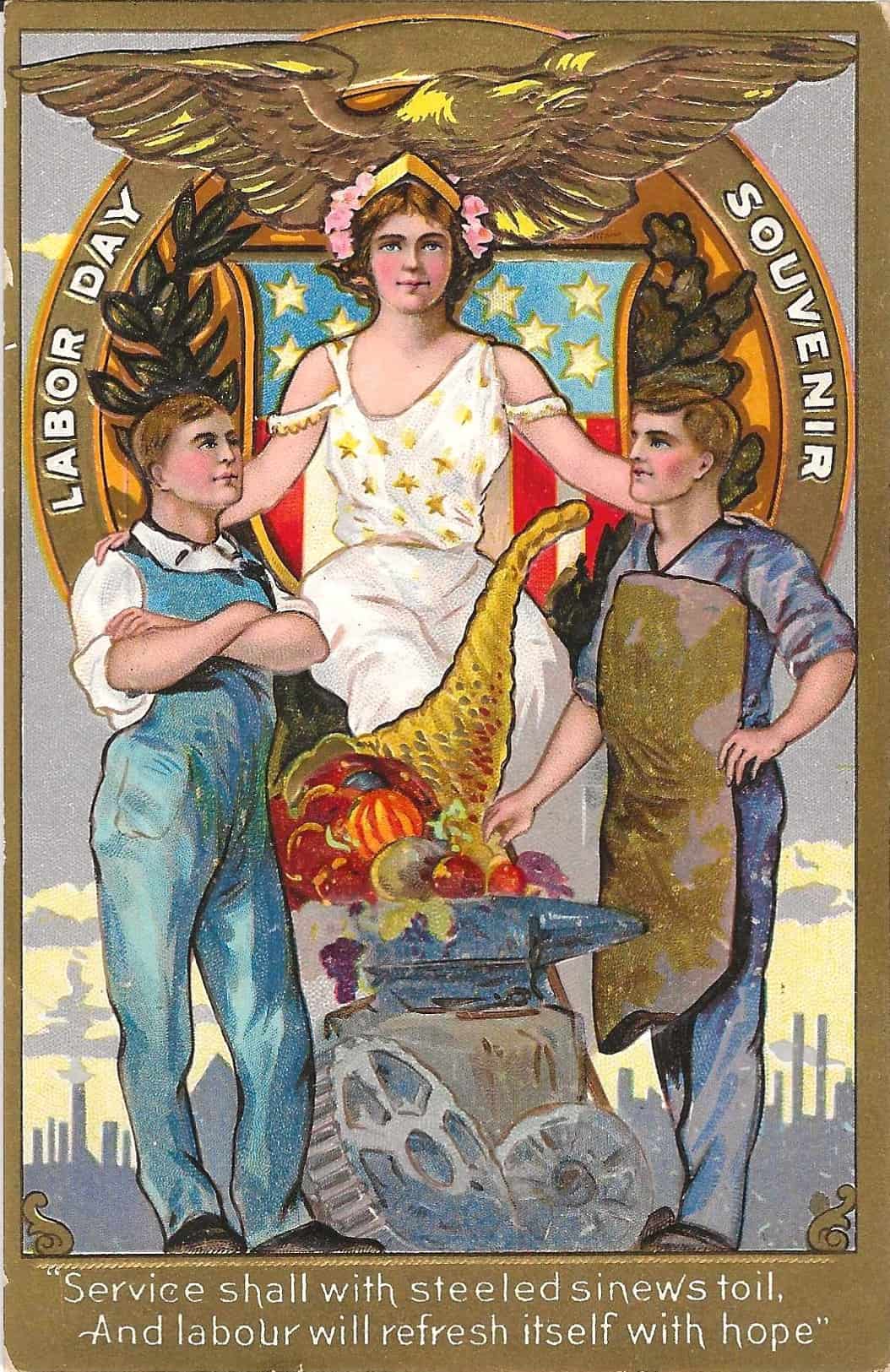
Labor Day was never meant to be a day for inventory clearance sales in large department stores, backyard barbecues and splash-parties, or community picnics, it has a deeper significance that lies in recognizing the sacrifices and achievements of those who built our nation.
If you want to know more, learn about the actions and events that provoked the government to take action, namely the organization of workers into unions such as the Knights of Labor (founded in 1869) and the American Federation of Labor (founded in 1886) that demanded better conditions, fair wages, and shorter workdays.
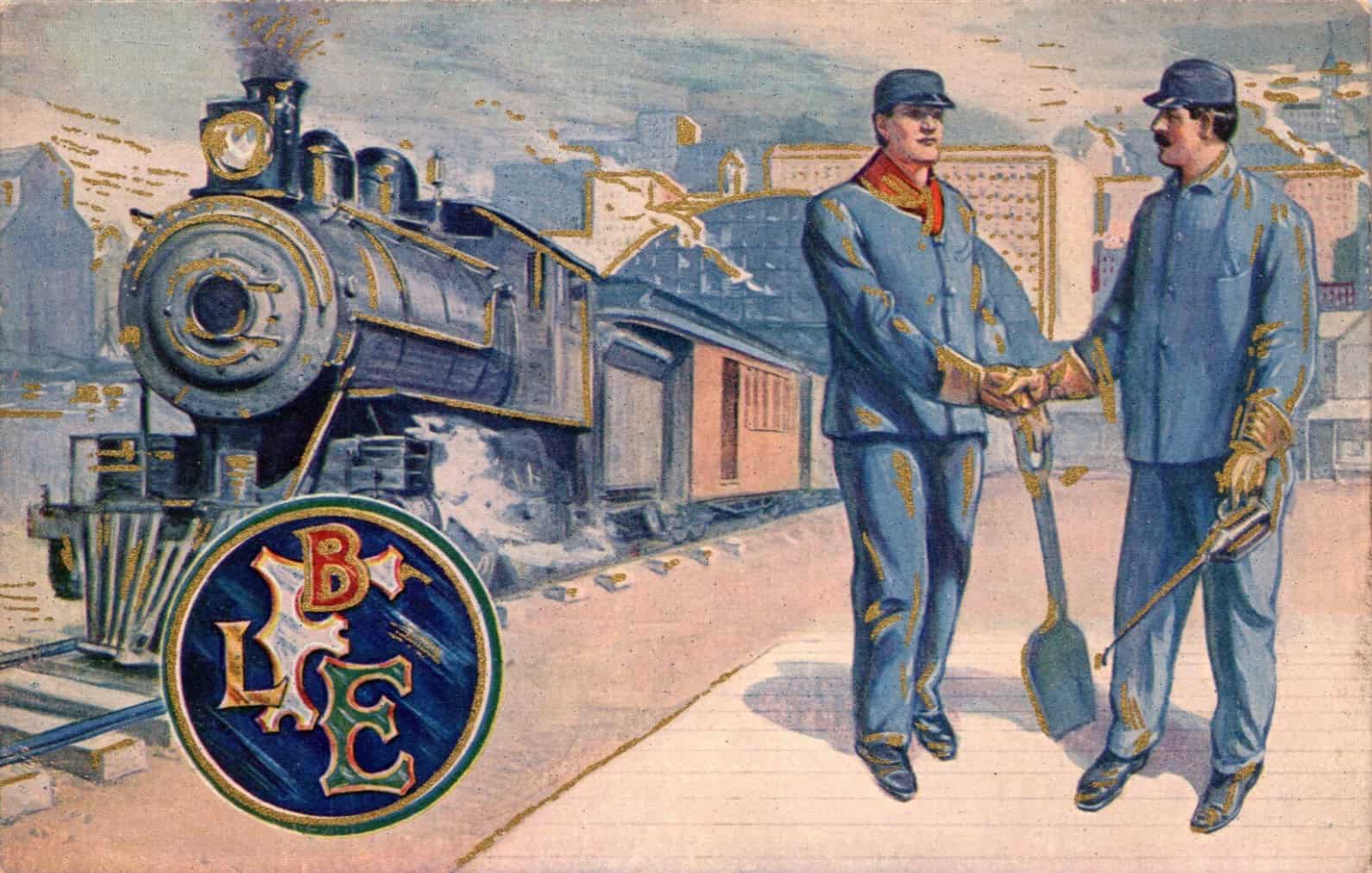
The same goes for learning about events like the Haymarket Affair (1886): A peaceful rally in Chicago advocating for an eight-hour workday that turned violent after a bomb was thrown, leading to deaths and increased awareness of labor struggles, and the Pullman Strike, a national railroad strike. These events collectively contributed to the recognition of Labor Day as a national holiday dedicated to workers.
***
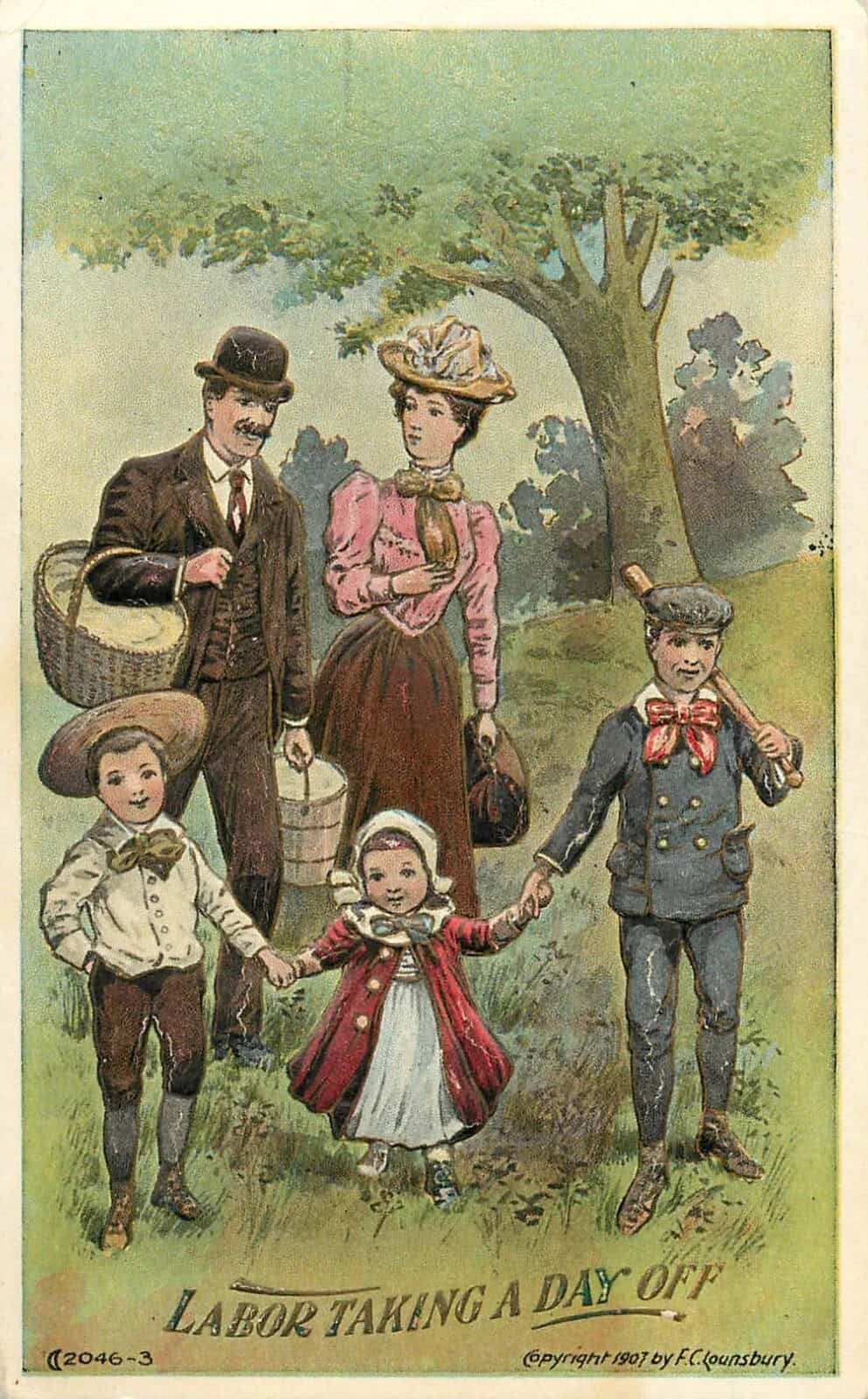
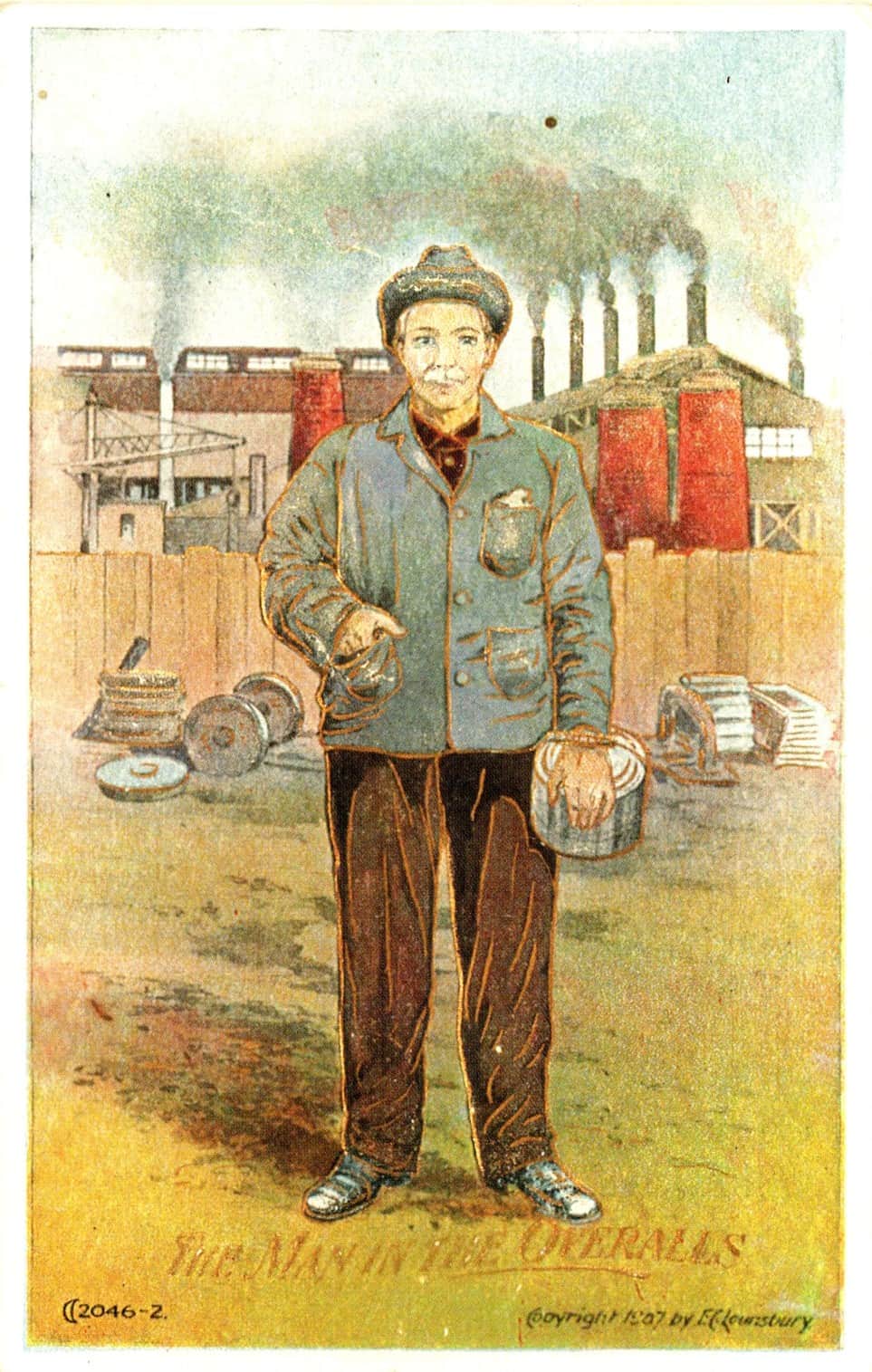
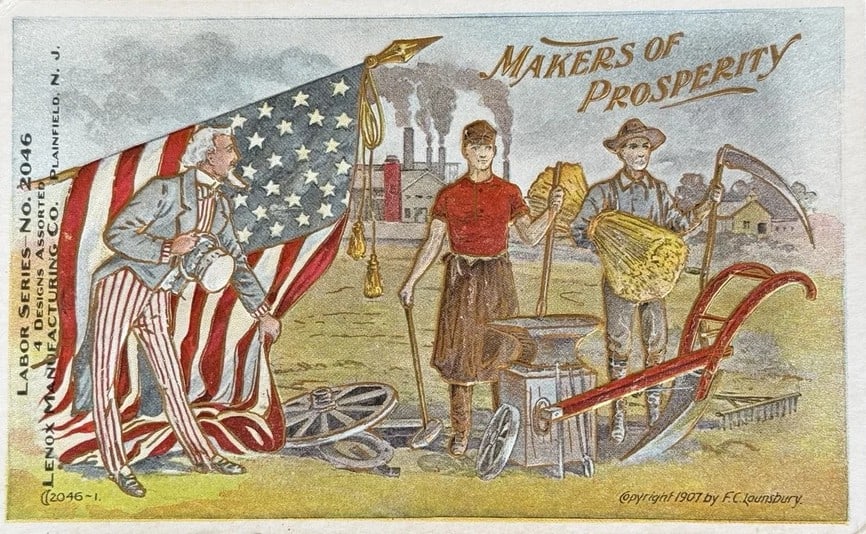
Labor Day postcards are few, but they are poignant and colorful. There is one four-card artist set (© 1907) credited to F. C. Lounsbury (Frederick Clark Lounsbury) who owned the Lenox Manufacturing Company of New Jersey and several other New York businesses that specialized in the paper and printing trades.
Mr. Lounsbury’s name was unfamiliar to me, but the discovery of his involvement in the manufacturing of all kinds of paper products (especially postcards) was totally enlightening.
Very Interesting article and the ones shown were, “poignant and colorful.” thanks.