Most of us know the names of famous newspapermen like Joseph Pulitzer and William Randolph Hearst, but we are not familiar with the name Alfred Harmsworth.
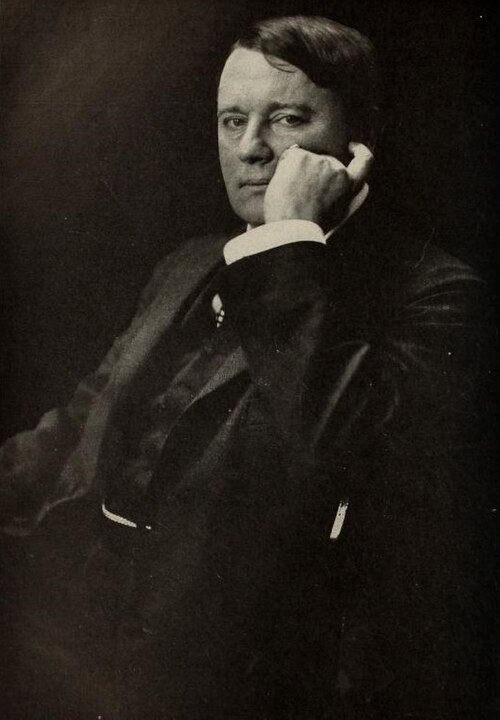
In the last quarter of the nineteenth century and the first two decades of the twentieth century, Harmsworth was equally known throughout the United Kingdom as the First Viscount Northcliffe and the owner of a large media empire that included the Daily Mail and the Daily Mirror. He was an early developer of popular journalism, and he exercised vast influence over British popular opinion during the Edwardian era. Lord Beaverbrook said he was “the greatest figure who ever strode down Fleet Street.”
Harmsworth was a pioneer in the development of England’s enthusiasm for popular journalism meant for the working class and tending to emphasize sensational topics. Among his nearly a dozen publications was a magazine founded in 1888 that one of his editors dubbed as Answers to Correspondents that was later shortened to Answers.
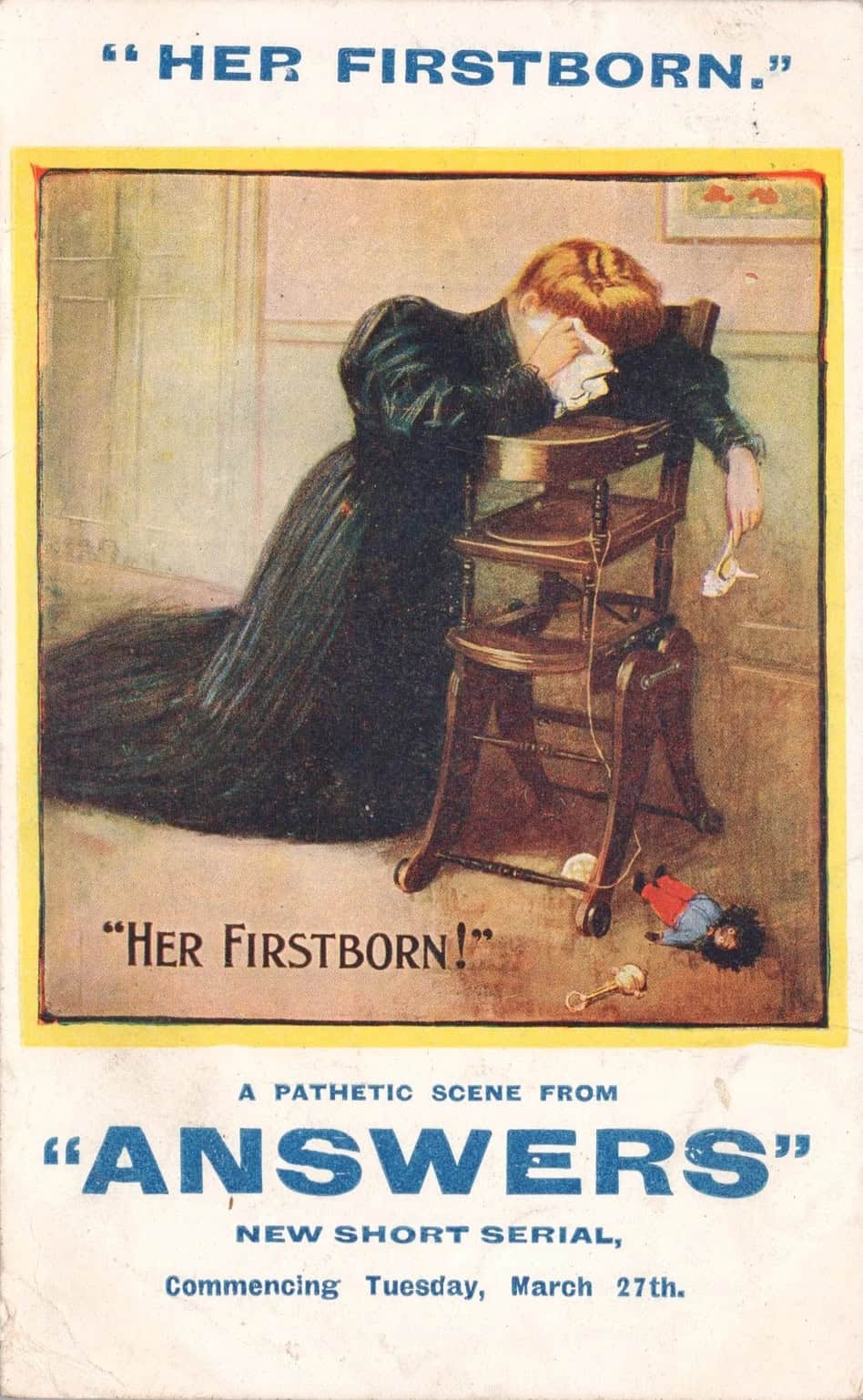
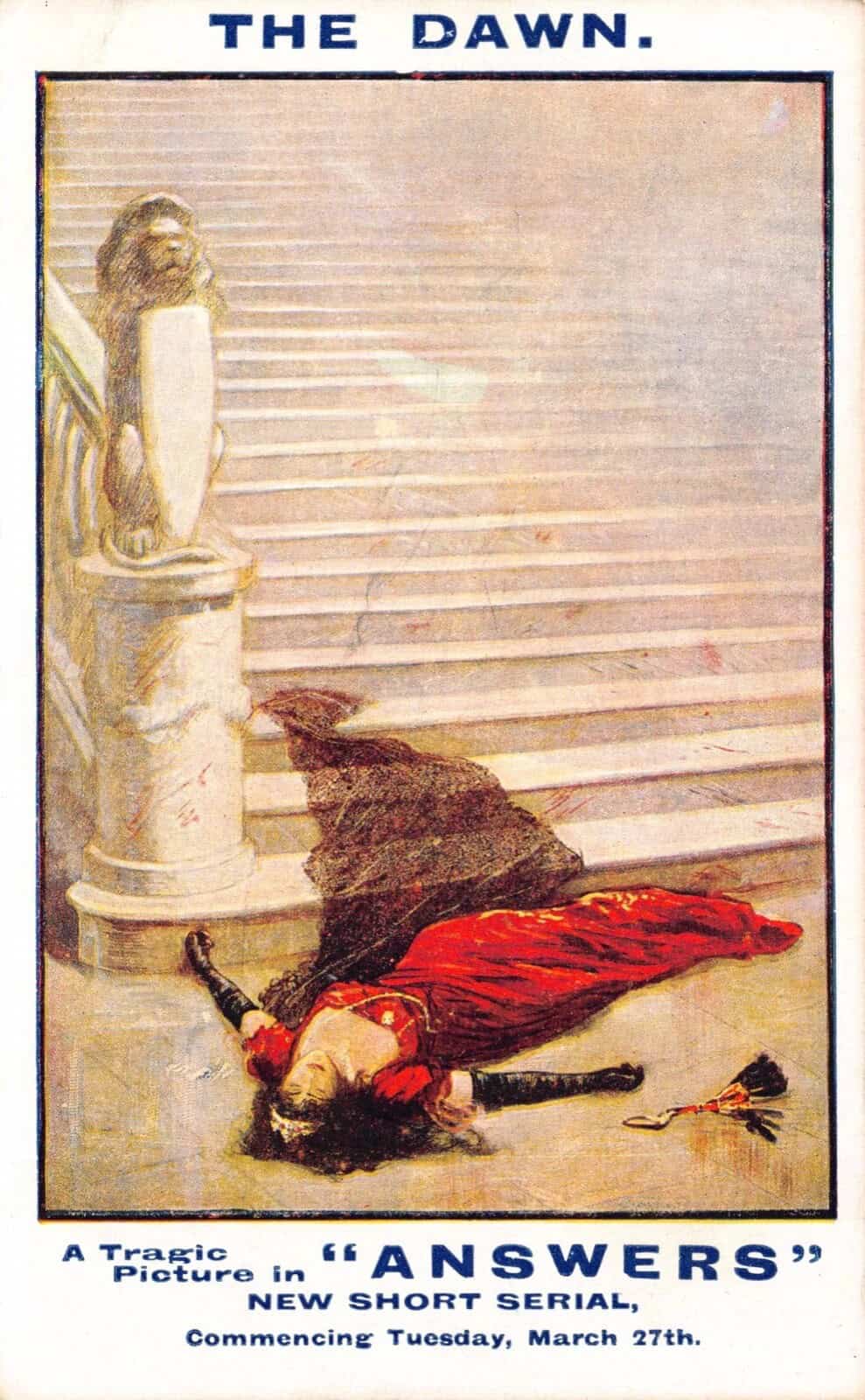
Answers enjoyed tremendous success because it catered to the public and responded to requests for “answers.” The magazine provided entertaining and informative responses to readers’ questions, covering everything from science and history to quirky trivia. Some examples of questions the magazine published were, “Can Monkeys Smoke,” “Can Freckles be Cured,” “Why Don’t Jews Ride Bicycles,” “How Do Madmen Write,” “What Does the Queen Eat,” and “Can Insects Feel Pain?” Other content was a mix of short articles, serialized fiction, puzzles, and jokes.
One popular joke that appeared at least twice was, “There is a man in Birmingham who has been asleep seven years. This, we believe, beats the best yet done by any member of the Metropolitan Police Force.”
Harmsworth used aggressive marketing and sensational content to boost circulation, and by the turn of the century Answers was among the most widely read magazines in Britain.
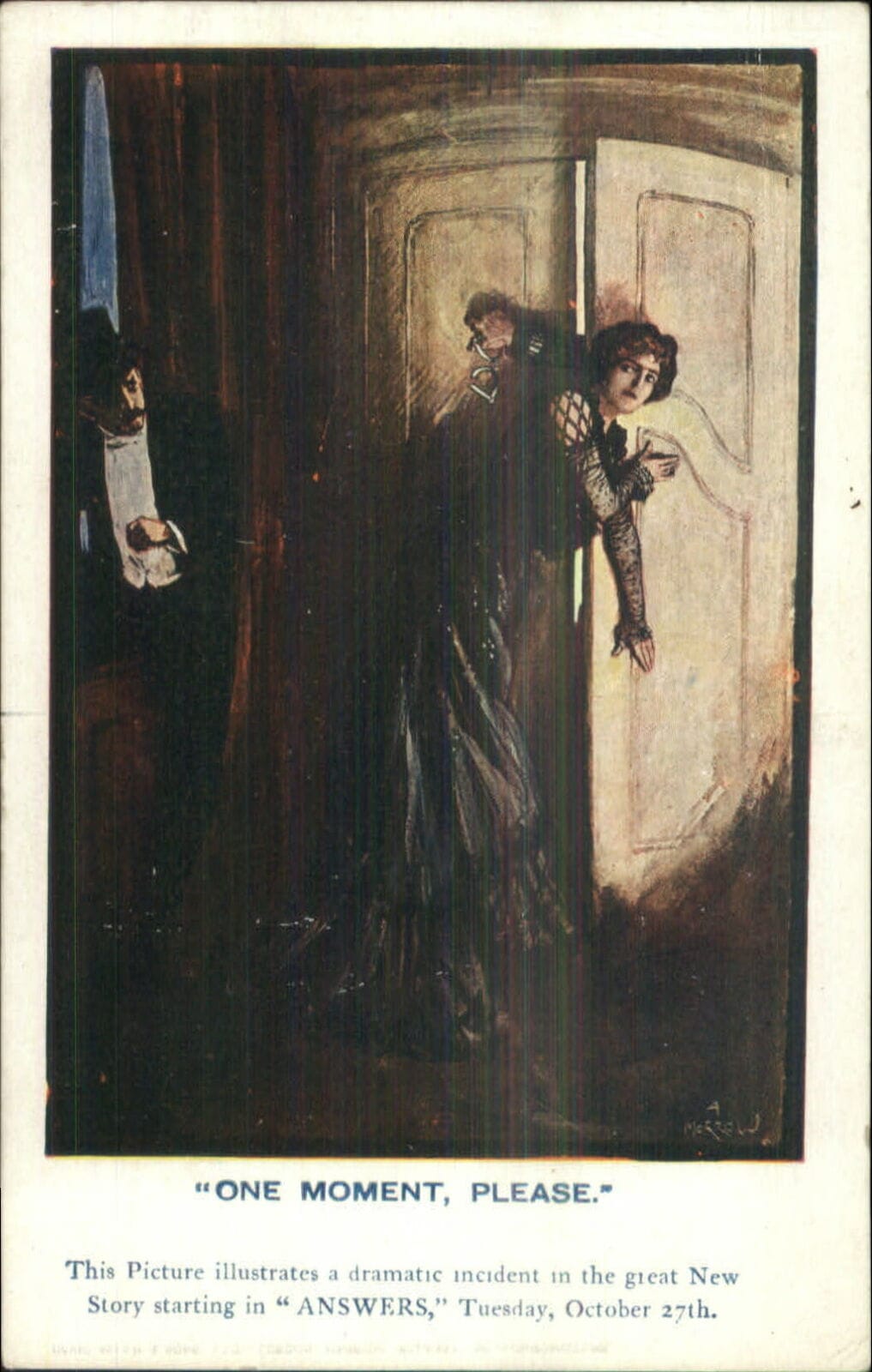
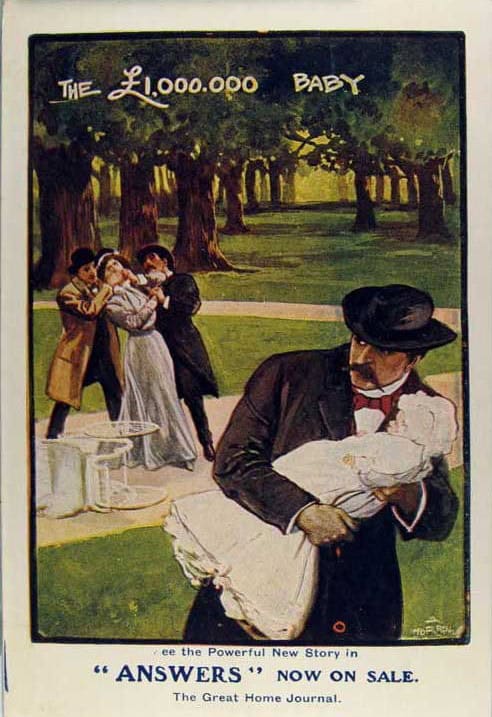
One working motto at Answers was “Always, Something New.” The popularity of Answers soared, again, when the publication began offering contests. One example was the issue – with a very effective “come-on” cover when Harmsworth introduced his “Million Pound Baby Contest.”
The legendary Million Pound Baby contest! This was one of the most audacious publicity stunts ever pulled by Answers magazine, and it perfectly captured Alfred Harmsworth’s flair for spectacle.
The promised prize of £1 million roused the attention of thousands. The rules of the contest were structured so that Harmsworth would never have to pay the prize, but regardless, the sheer scale of the offer generated massive responses and increased circulation.
The potential of the contest was that Harmsworth would award the prize to any British baby born on October 10, 1890, provided that the child lived to be 100 years old. Thousands of babies were registered. The contest was widely covered and became a national talking point, even though the payout was contingent on the child surviving a full century, and the money was to be paid in 1990—by which time Answers magazine was long defunct.
There’s no record of any winner ever receiving the prize, since the magazine had ceased publication, and the legal basis for the contest had vanished. It is likely that even if someone had qualified, the original terms were unenforceable.
Another famous contest was the issue when Answers asked its readers to guess the value of gold and silver in the Bank of England. The mailbags arrived in the dozens with over 700,000 entries.
There is little else to say, but the contest was a masterclass in marketing psychology; it offered hope, spectacle, and a dream.
Harmsworth died in August 1922, but some of his media practices and most of his publication audacity are still around today and are being used without apology.
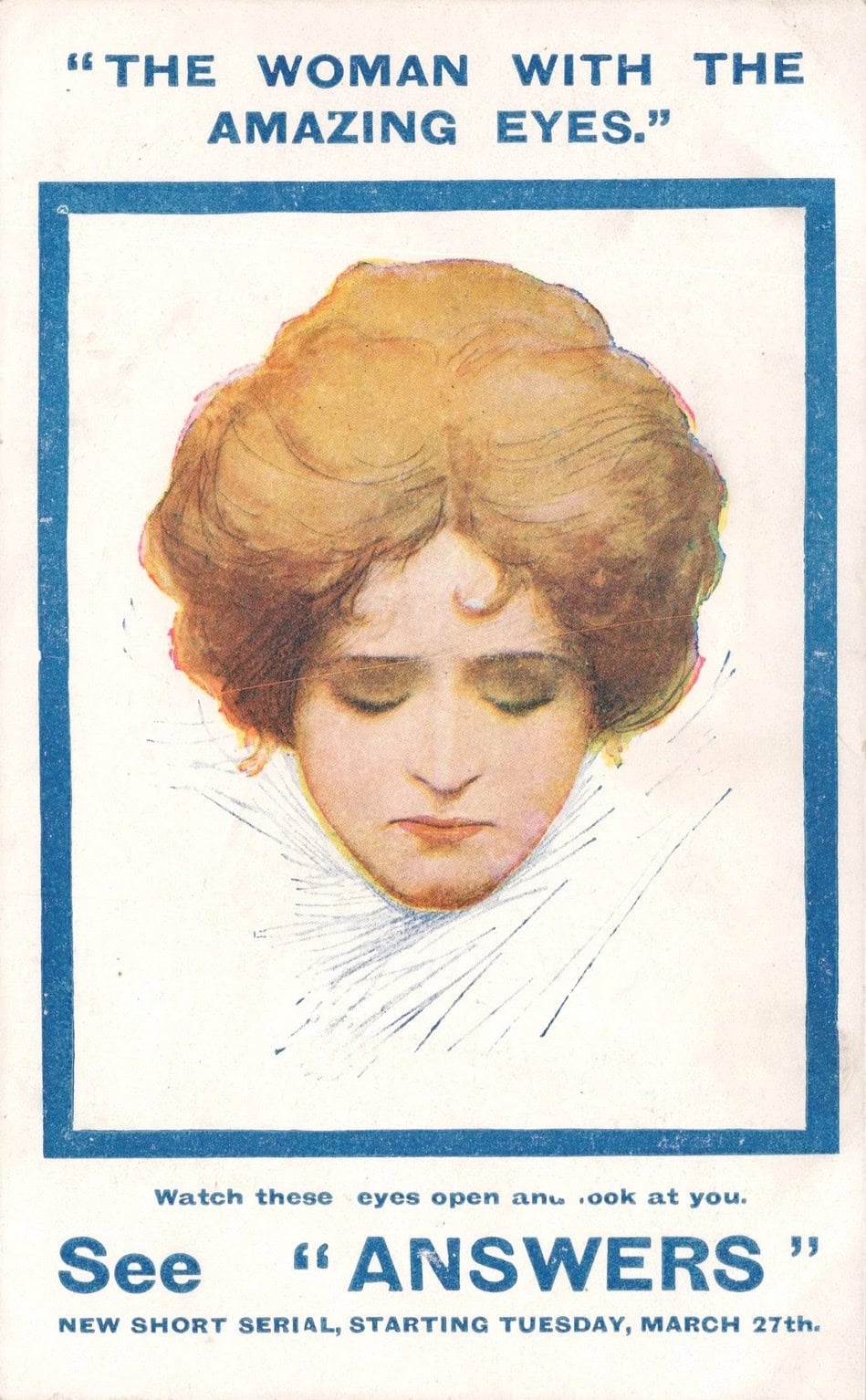
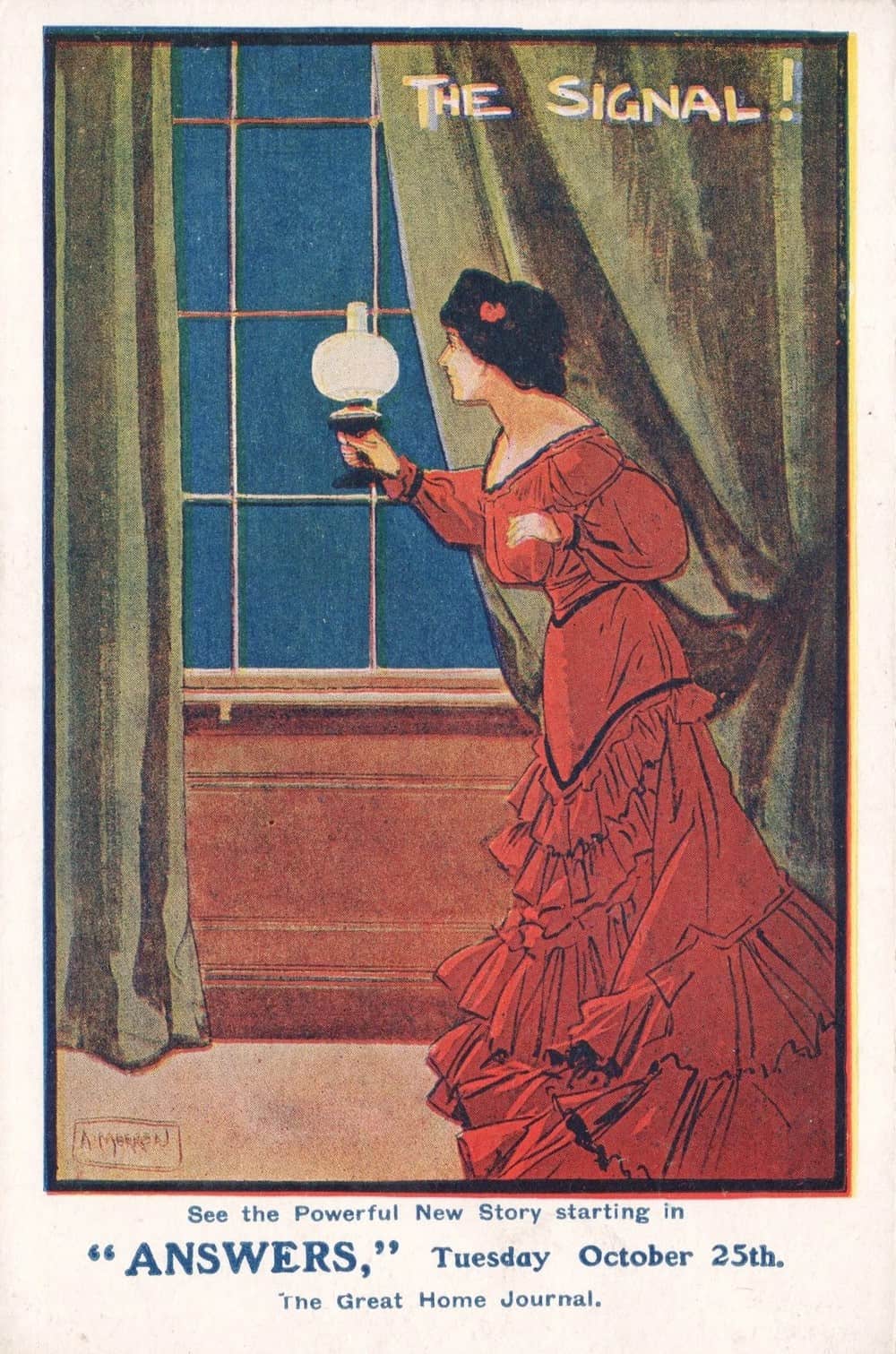
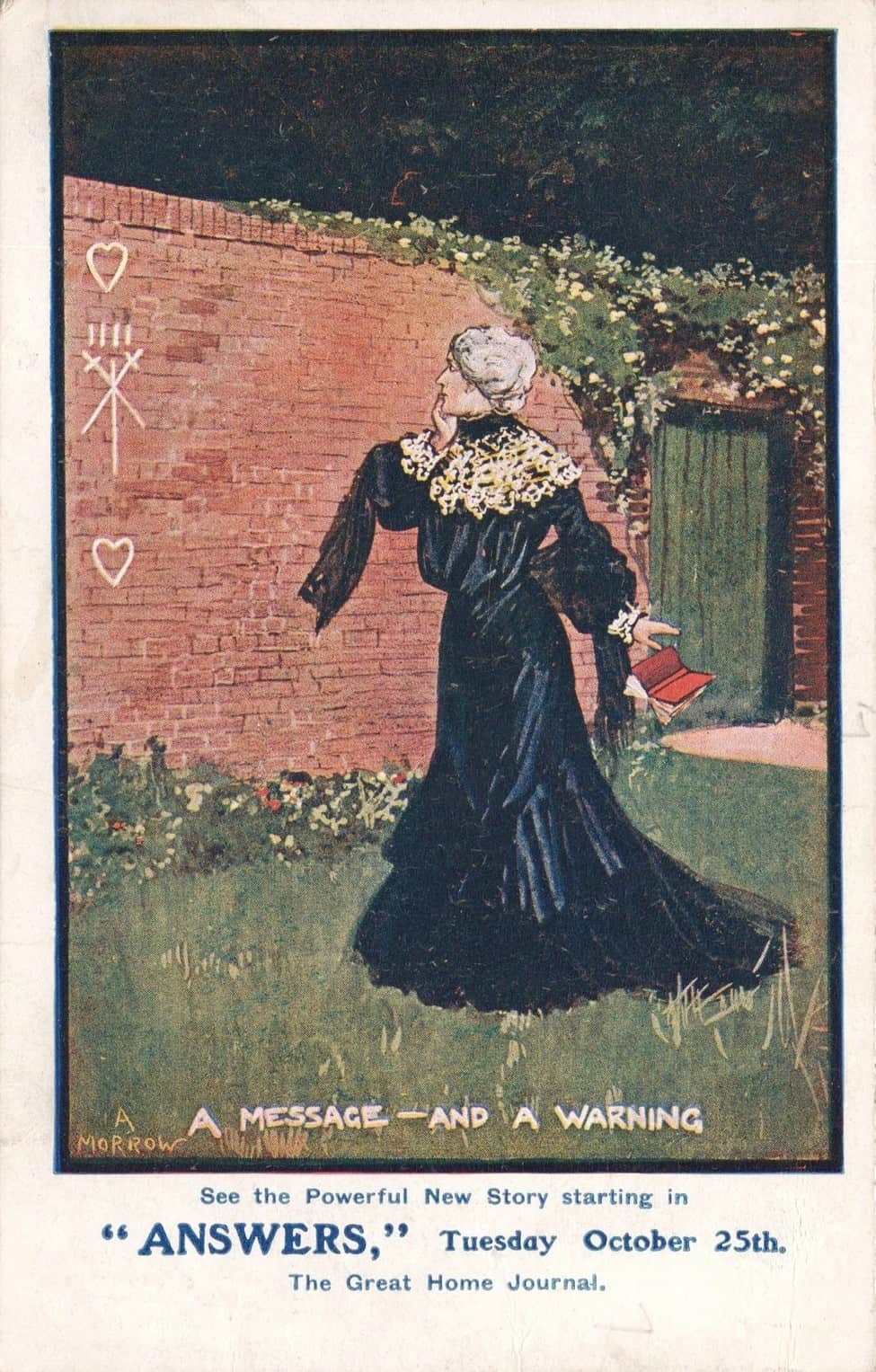
Answers is a fascinating case study in magazine history (it ceased publication in the 1950s) and would likely have been forgotten long-ago, but postcards of the cover art were made, and the cards may well be the only solid reminder that Answers ever existed. Nevertheless, at least readers of Postcard History know the name Harmsworth.
Intriguing magazine! Thanks for the great write-up.
Great article. Please apply the “Birmingham Joke” to our House of Commons & Senate in Canada as well as The House of Representatives & Senate in the USA. (my sincere apologies, if any of the members of the institutions I mentioned above are deltiologists – then present company excluded.) Magazine covers on post cards are certainly not scarce as the famous American Artist – Norman Rockwell, has numerous postcards with his drawings in full color and featured on The Saturday Evening Post. What monkeys smoke or the King or Queen eats are important ‘Answers” that need to be resolved… Our… Read more »