Someday someone will create a list of the personalities known worldwide, who have appeared on postcards. When that happens, Napoleon Bonaparte will be close to the top.
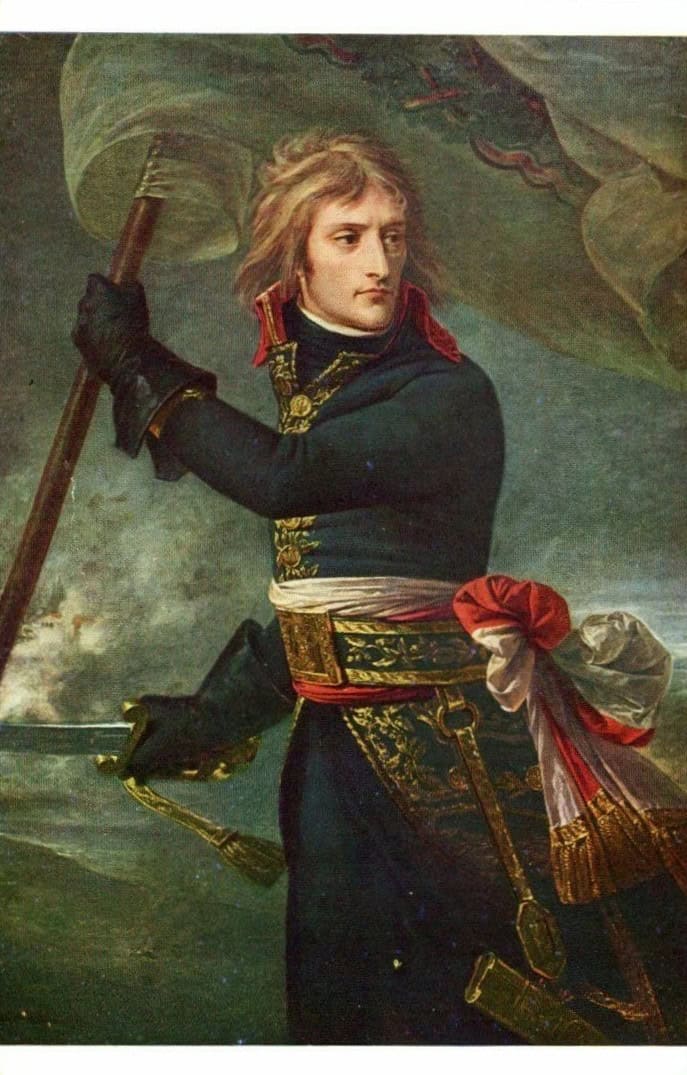
Napoleon Bonaparte, one of history’s most renowned and notorious military and political leaders, was born on August 15, 1769, in Ajaccio, Corsica. His early life was marked by a rigorous education and a swift rise through the military ranks of the French Army. Corsica had recently been transferred to French control, and Napoleon’s upbringing was a blend of Corsican pride and French influence – both helped shape his complex identity.
Bonaparte is an historic personality that most people have heard about, but in reality, know very little of him as a man or as a politician. There are few who know that he was not French, but Corsican (there is a difference, a subtle one, but there is a difference). Most people know he was married to a woman named Joséphine a la Malmaison, a French empress whose real passion was rose gardening.
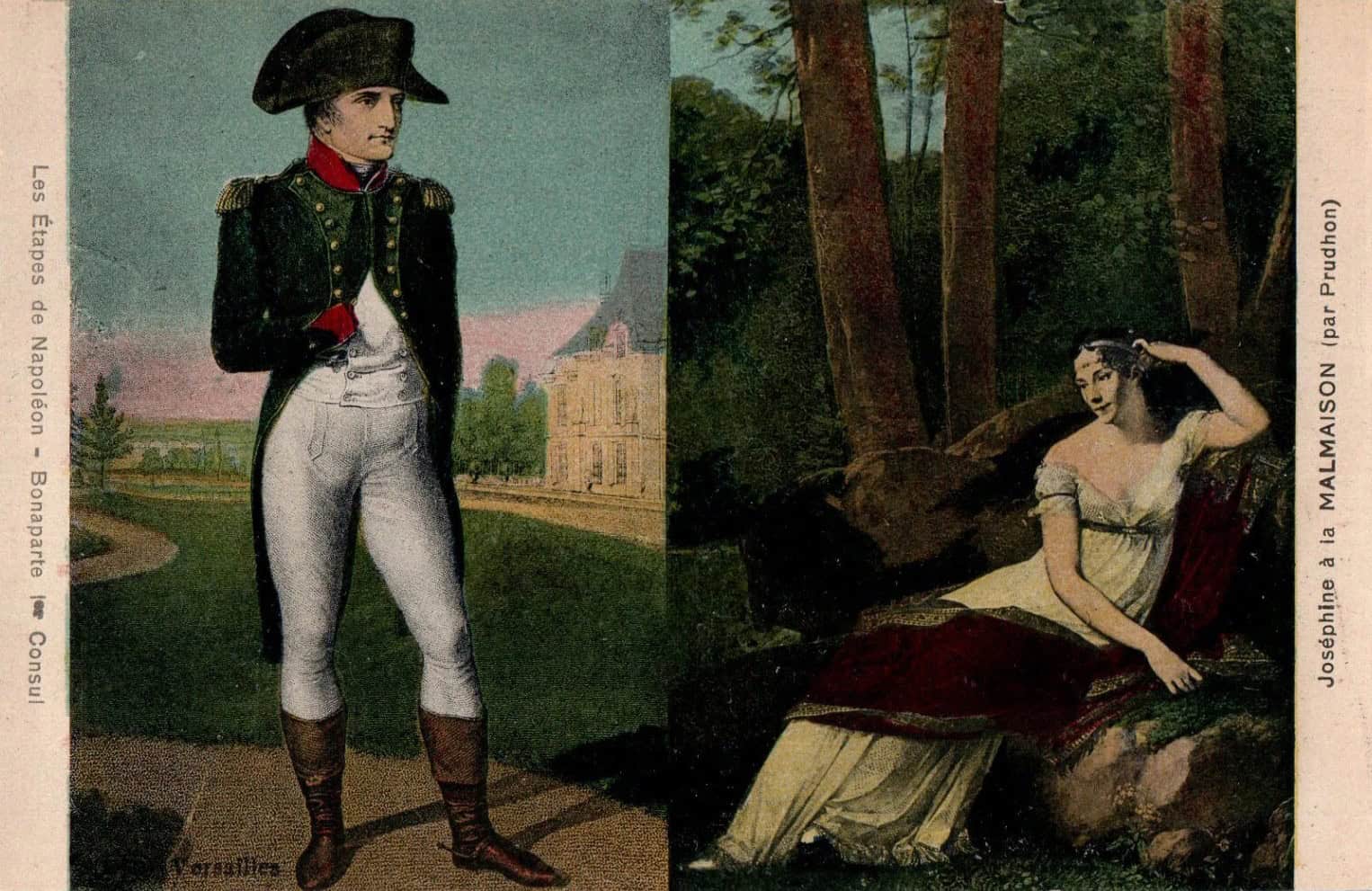
Napoleon’s military talent became evident during the French Revolutionary Wars in the late eighteenth century. He quickly gained recognition for his leadership skills and bold tactics. By 1796, he was appointed commander of the French Army of Italy, where he achieved a series of stunning victories against Austria and its allies. His campaigns extended France’s influence across Italy and earned him widespread fame. By 1798 he completed a full-fledged invasion of Egypt where he won some of the era’s most bloody battles in the shadows of the great pyramids at Giza.
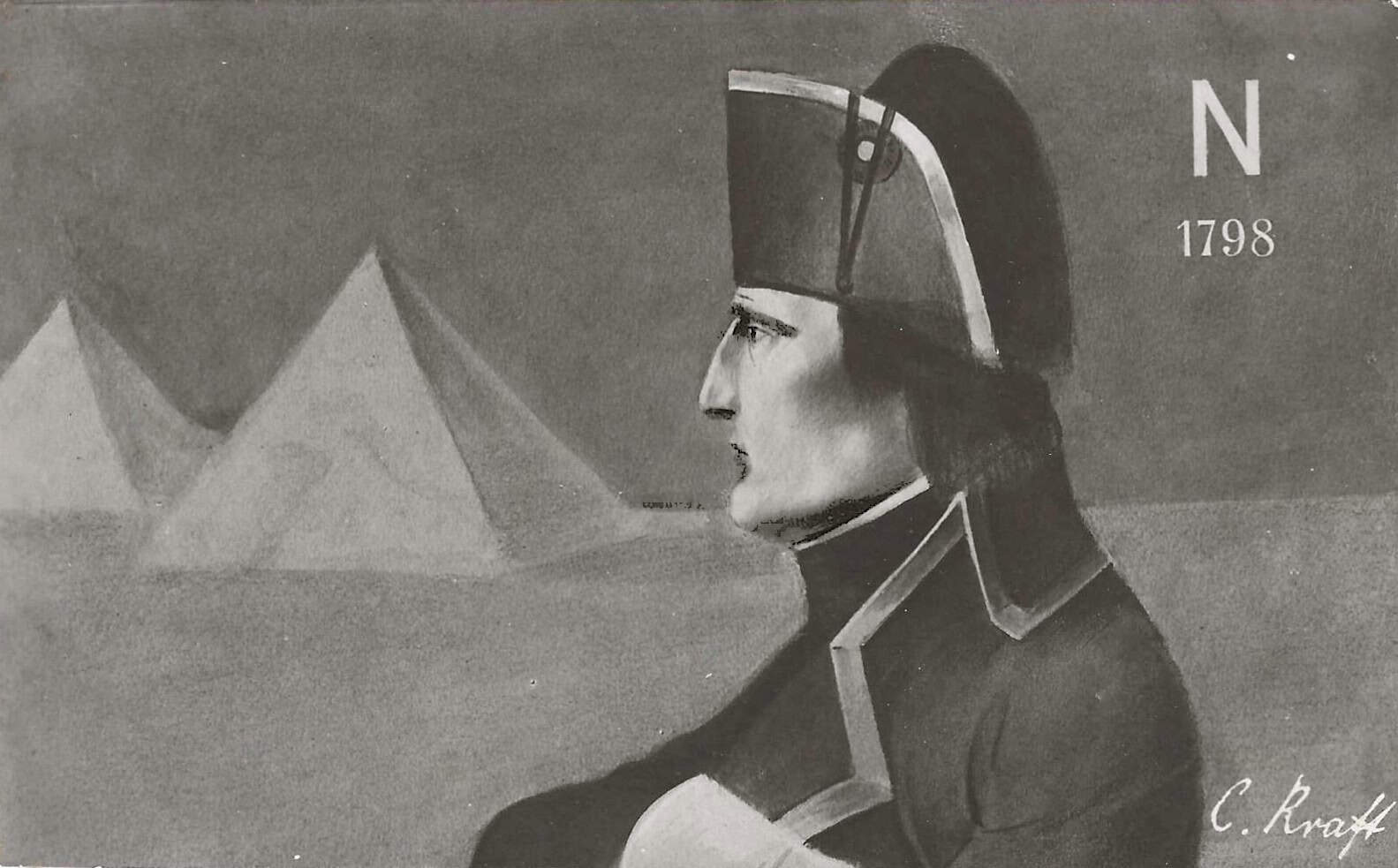
In 1799, amid political instability and the decline of the French Directory (the government during the first French republic, 1795 to 1799), Napoleon seized power in the coup of 18 Brumaire. His rule marked the beginning of the Napoleonic era. As leader, he implemented significant reforms across France, including the Napoleonic Code, which streamlined the legal system and influenced many future legal frameworks worldwide. He also restructured education, finance, and administration, strengthening the state and consolidating his authority.
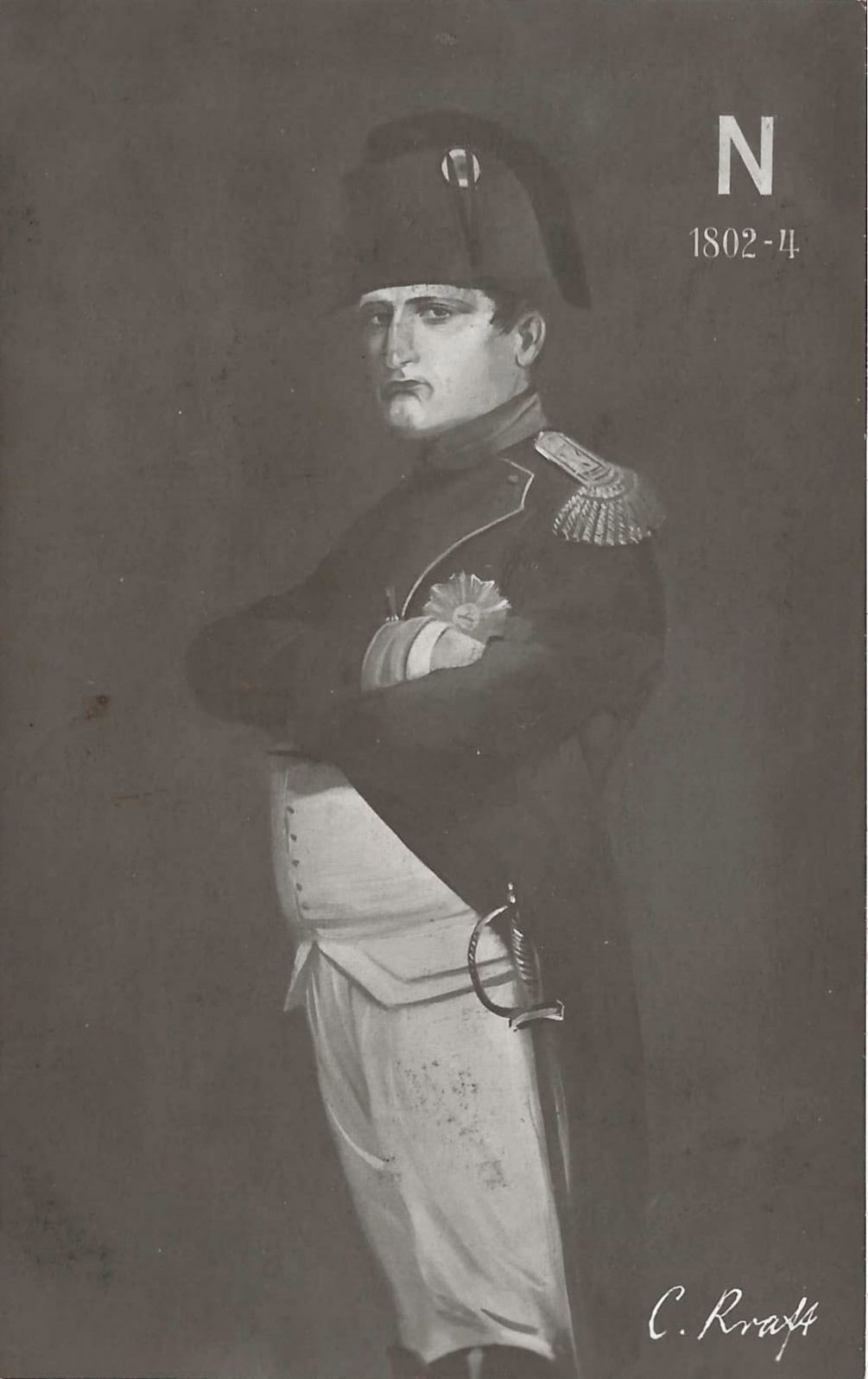
Napoleon’s ambition extended beyond France’s borders. He sought to expand the French Empire across Europe, engaging in a series of military campaigns known as the Napoleonic Wars.
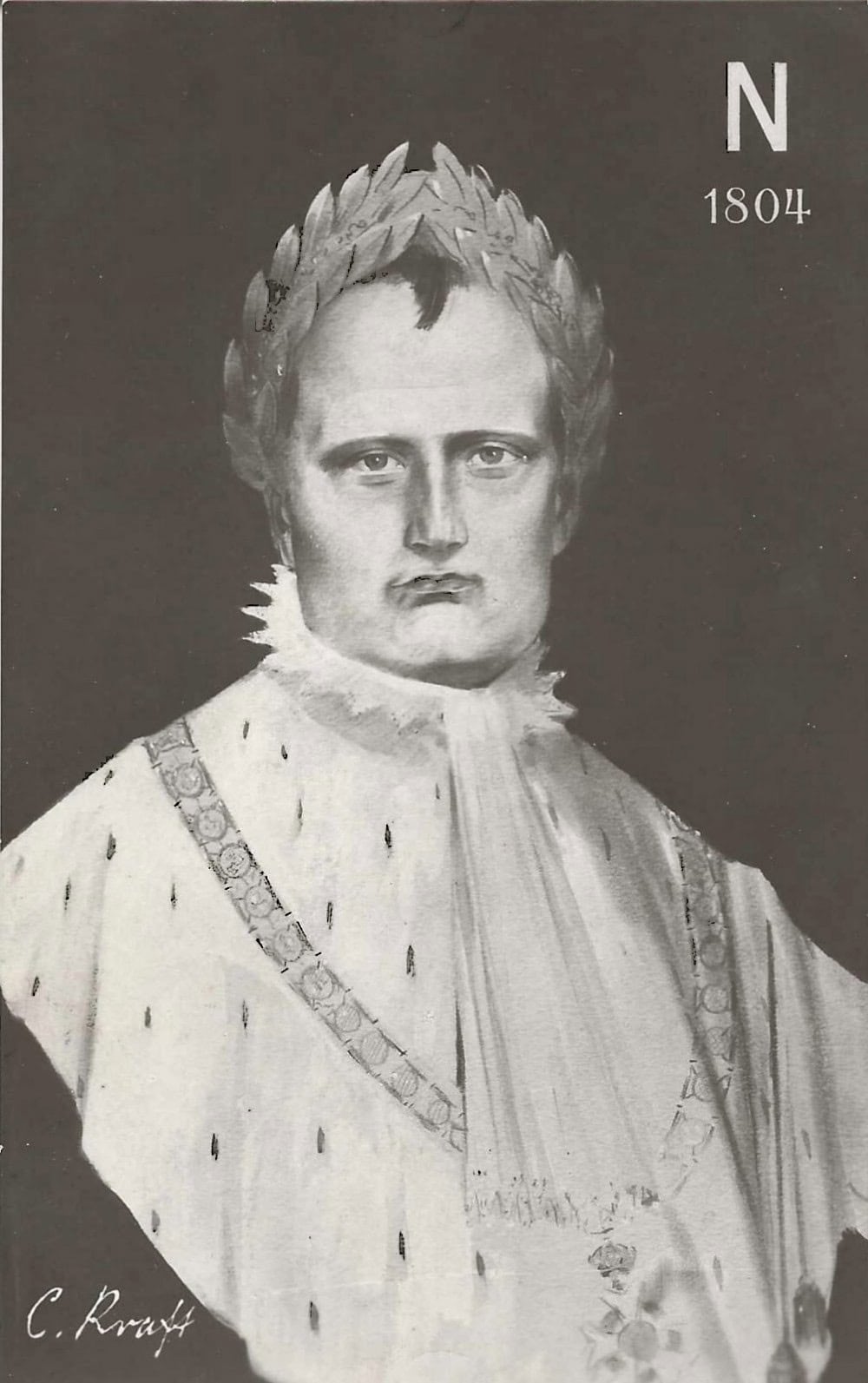
His strategic brilliance was demonstrated in battles such as Austerlitz (1805), often considered his greatest victory, where he decisively defeated a larger Russian and Austrian force. His conquests led to the establishment of client states and the spread of revolutionary ideals, although they also sparked widespread resistance and coalitions against France.
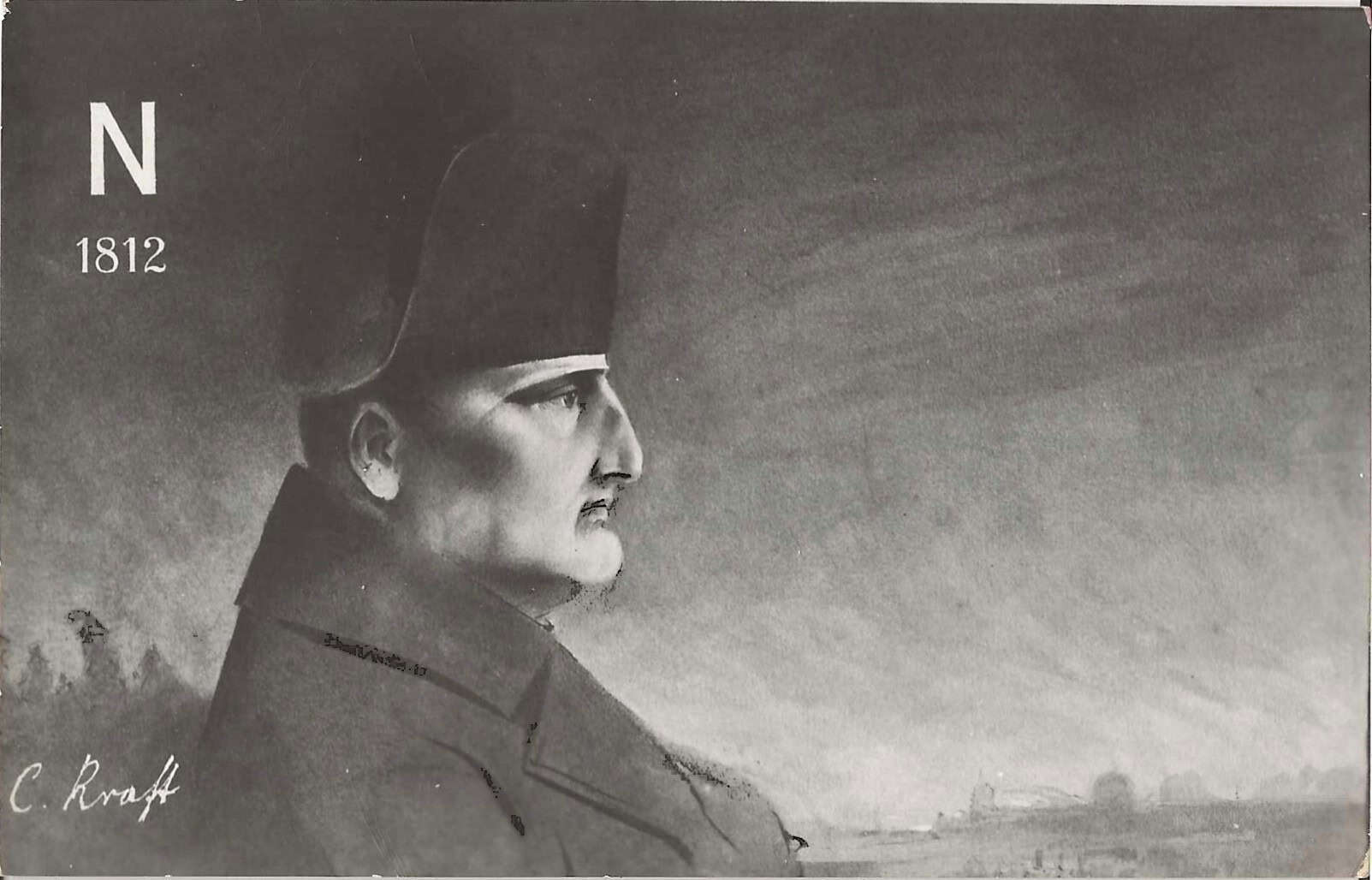
However, Napoleon’s relentless expansion ultimately overextended his empire. The invasion of Russia in 1812 proved disastrous, with the harsh winter and scorched-earth tactics decimating his Grand Army. This setback weakened his position and emboldened his enemies. In 1814, following a series of defeats, Napoleon was forced to abdicate and was exiled to Elba, a small Mediterranean island. Despite this, he escaped in 1815 and returned to France for a brief period known as the Hundred Days, rallying support and attempting to restore his empire.
His comeback was halted at the Battle of Waterloo in June 1815, where he faced a coalition led by the Duke of Wellington. The defeat marked the end of his reign and led to his second abdication. Napoleon was then exiled to the remote island of Saint Helena in the South Atlantic, where he spent the remaining years of his life. He died on May 5, 1821, at the age of 51, likely from stomach cancer.
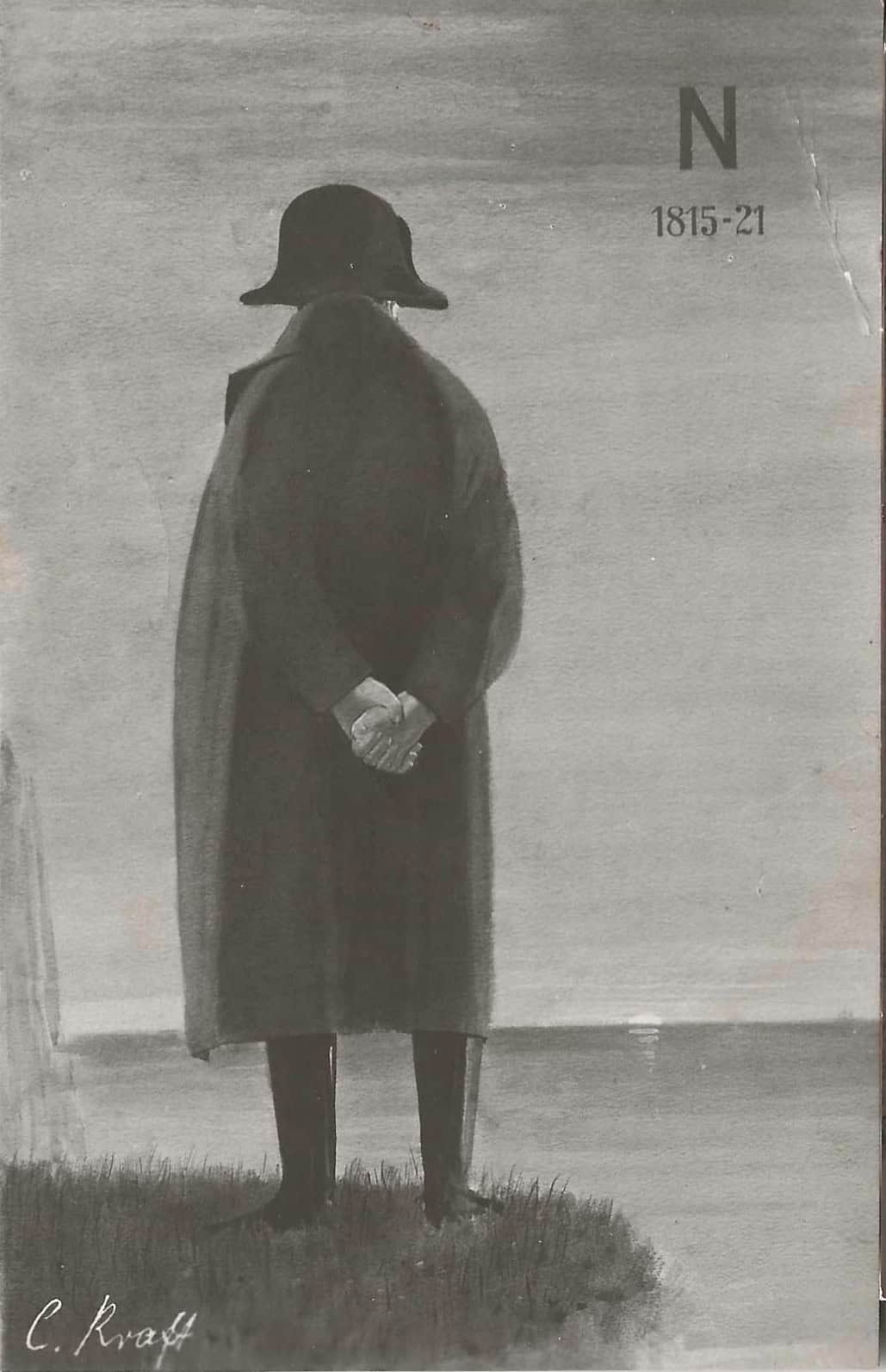
Napoleon Bonaparte’s legacy is complex. He is remembered as a brilliant military tactician and reformer who modernized France and influenced legal and administrative systems worldwide. His life exemplifies the rise and fall of a man driven by ambition to shape history.
Today, Napoleon remains a figure worthy of study for he is one of history’s most renowned leaders.
***
One fascination concerning Napoleon is his North American connection in New Orleans, Louisiana. It is a house that sits 6,446 great circle miles from the island in the South Pacific where he spent his final years.
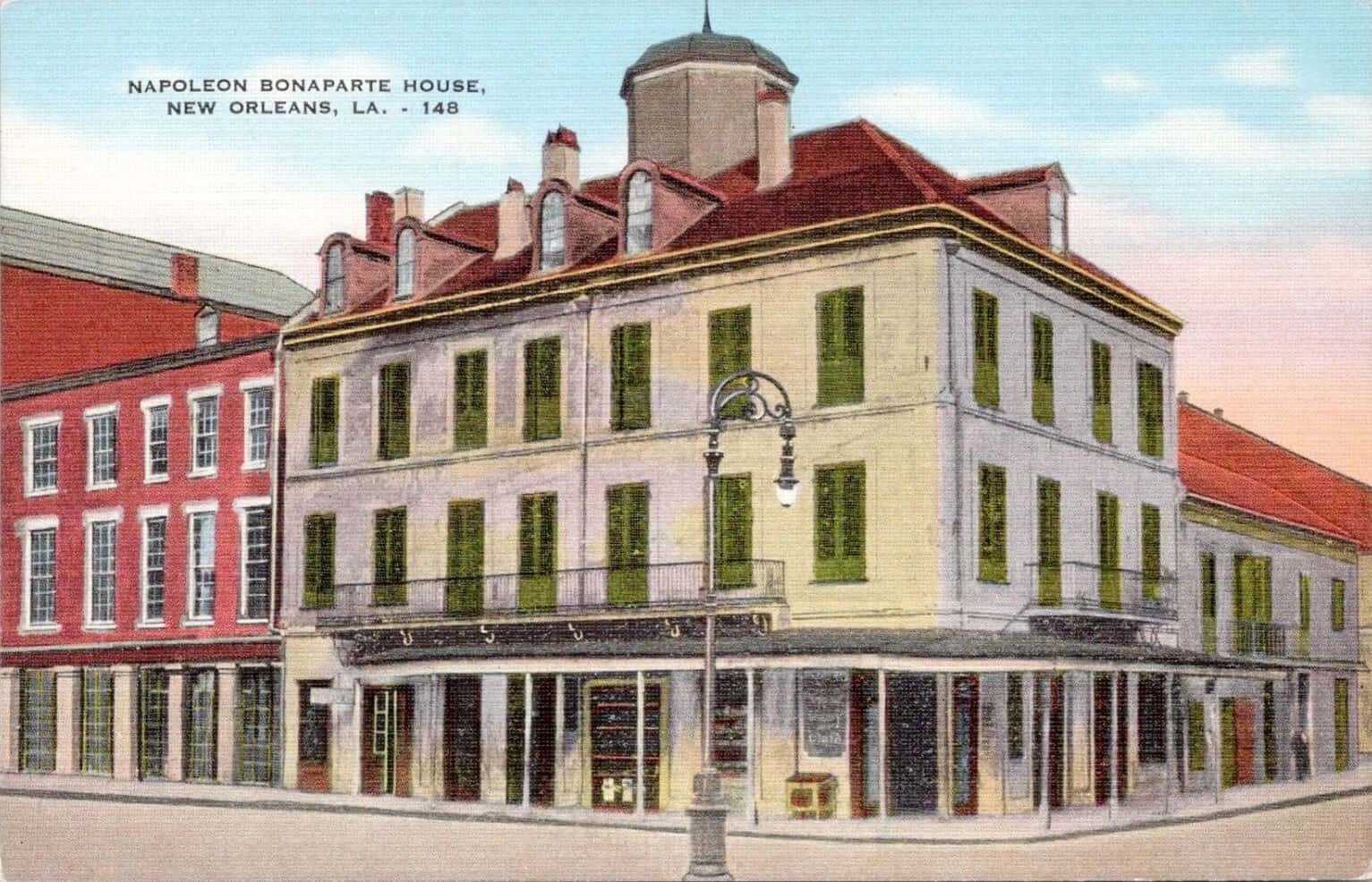
On the northwest corner of St. Louis Street and Chartres Street is a three-story building known as Napoleon House. It is a landmark property that was built in 1794. The house was originally constructed as a residence for Don José Manuel Gregorio del Pilar, a Spanish officer. Its most notable association, however, is with Napoleon Bonaparte. Legend has it that the house was named after Napoleon because a French exile, who was a supporter of Napoleon, once resided there.
The building became known as Napoleon House in the early nineteenth century when the exiled French emperor’s supporter sought to honor him. The house’s distinctive Mediterranean-style architecture, with its charming courtyard and ironwork balconies, reflects the Spanish and French influences prevalent in New Orleans. Another legend associated with the house is that the purchase of the property was completed as an attempt to provide a residence for the exiled Emperor after the LaFitte pirates, who were hired to kidnap him from exile on the island of St. Helena, could get him to America. The plot failed because Napoleon died before the deed could be executed. Since the 1830s, the house has been a private residence, a social club, and a tavern.
Today, Napoleon House is a beloved cultural landmark and restaurant, renowned for its historic charm and signature muffuletta sandwich. It stands as a reminder of the city’s history.
***
Oh, sorry, did you ask, “What is a Muffuletta Sandwich?
A muffuletta is a deli sandwich topped with fresh olive salad. It is made on a 9″ round Italian bread that the “locals” are very particular about when they order their muffulettas.
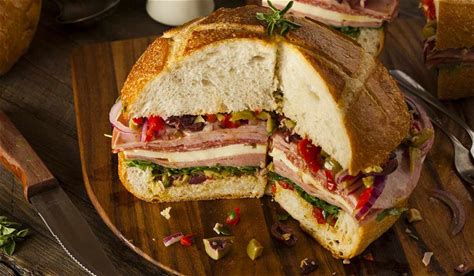
Sorry, it is unknown if Napoleon ever ate one.
Personally, I have only had the opportunity to eat one muffuletta. It was one of my most memorable meals – EVER!
Very interesting article. Educational and informative. Really like the addition of the information about the muffuletta. Being from Kansas I probably will not find one in a restaurant around here. I t does look good.
Mike