When three hundred Japanese planes attacked Pearl Harbor on December 7, 1941, eight of the U. S. Navy’s twelve standard battleships were moored on Battleship Row. The other four were out of harm’s way. Colorado was in a west coast shipyard undergoing overhaul. New Mexico, Mississippi, and Idaho were in the Atlantic.
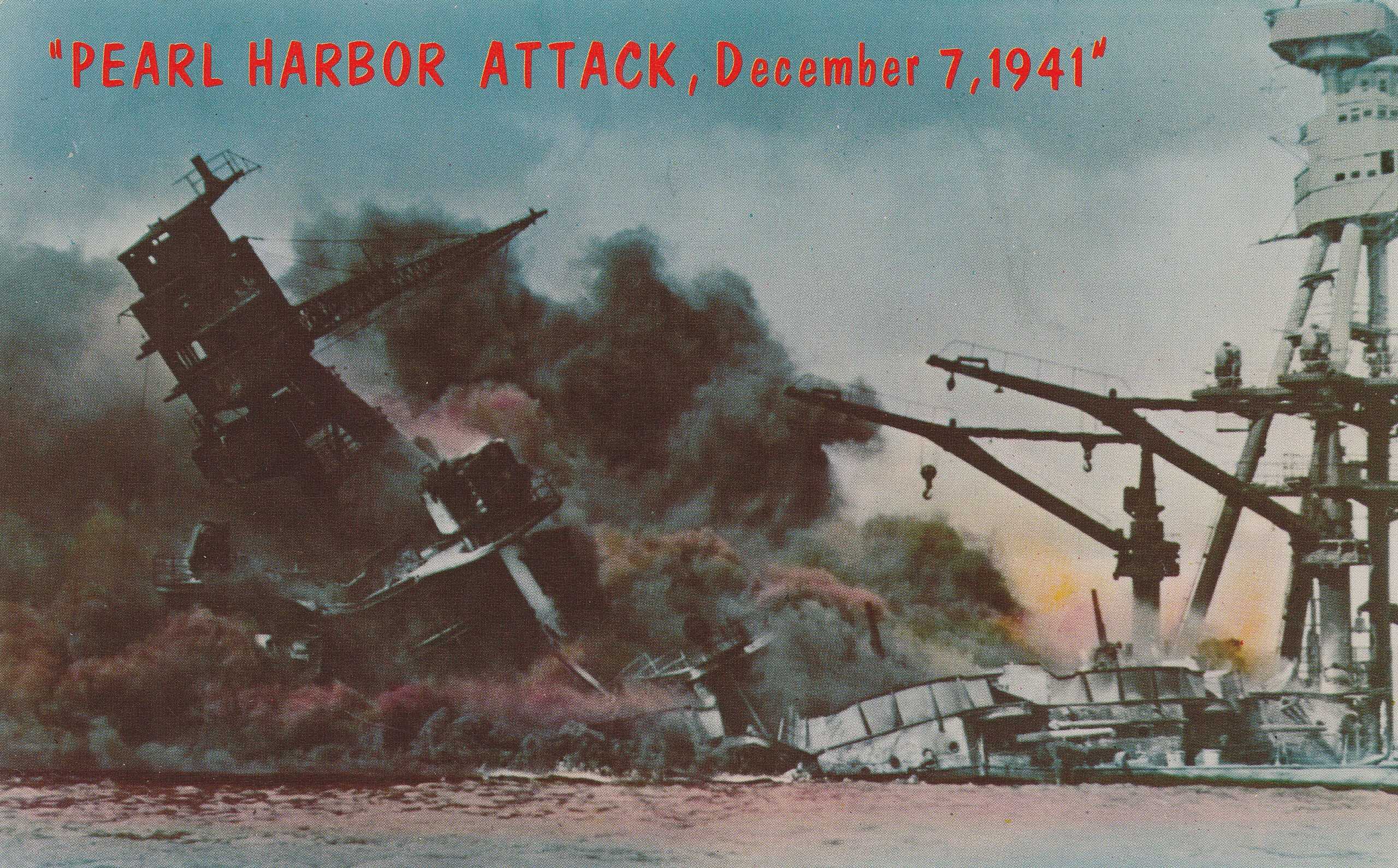
The Arizona was destroyed by a Japanese bomb, a converted naval artillery shell weighing 1,760 pounds, that possibly penetrated one of her forward magazines and caused a massive explosion that tore the ship in half. Arizona was never raised. Her wrecked superstructure was removed in 1942, and her aft main gun turrets were installed as coastal artillery batteries in Hawaii. Of the 2,403 lives lost during the Pearl Harbor attack, 1,177 were sailors and Marines aboard the Arizona.
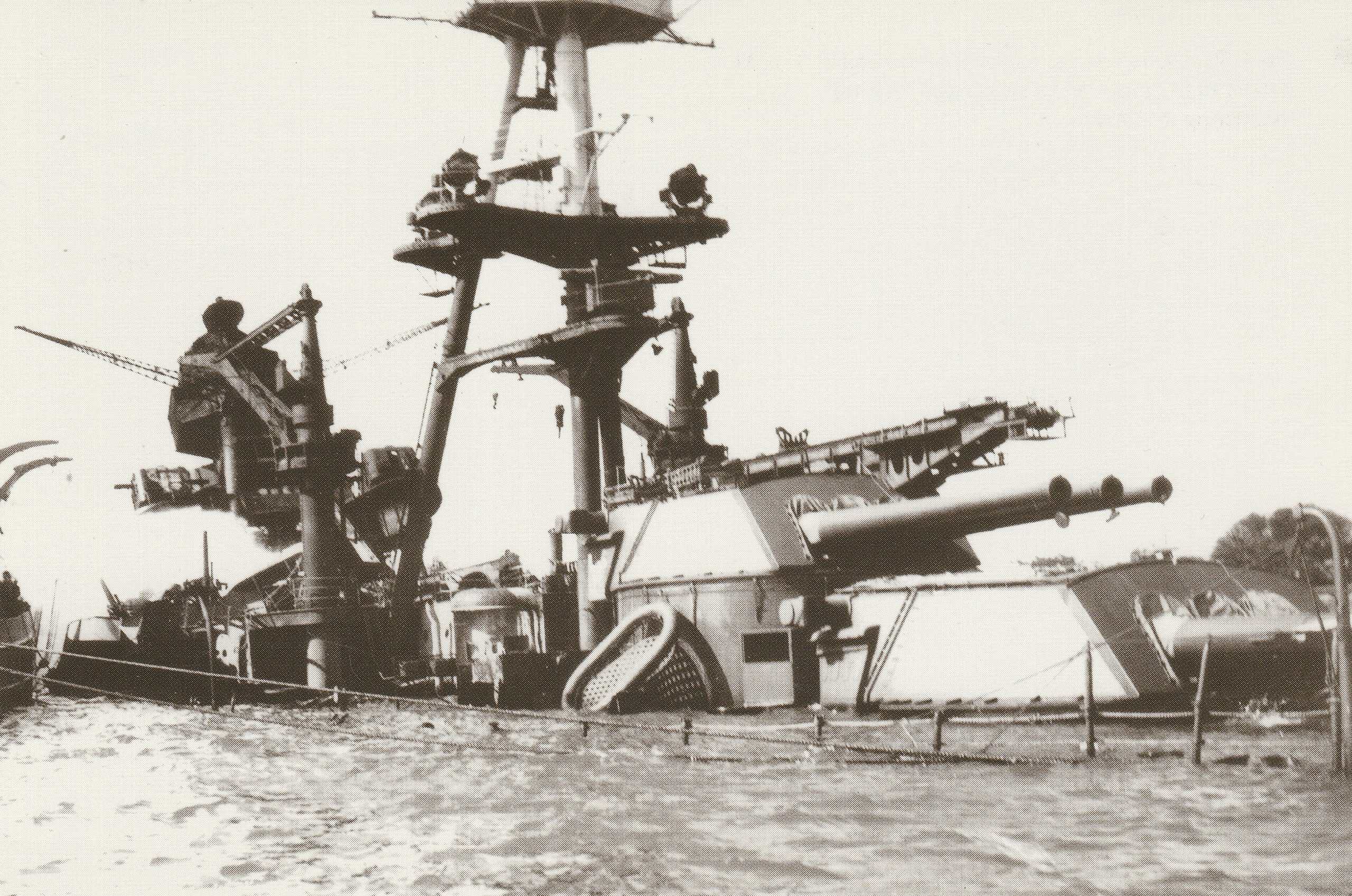
The Oklahoma was hit by as many as eight torpedoes during the attack and capsized killing 429 of her crew. She was eventually righted in a herculean salvage job between 1942 and 1943, but the Navy deemed her too heavily damaged to be put back in service and she was decommissioned in 1944.
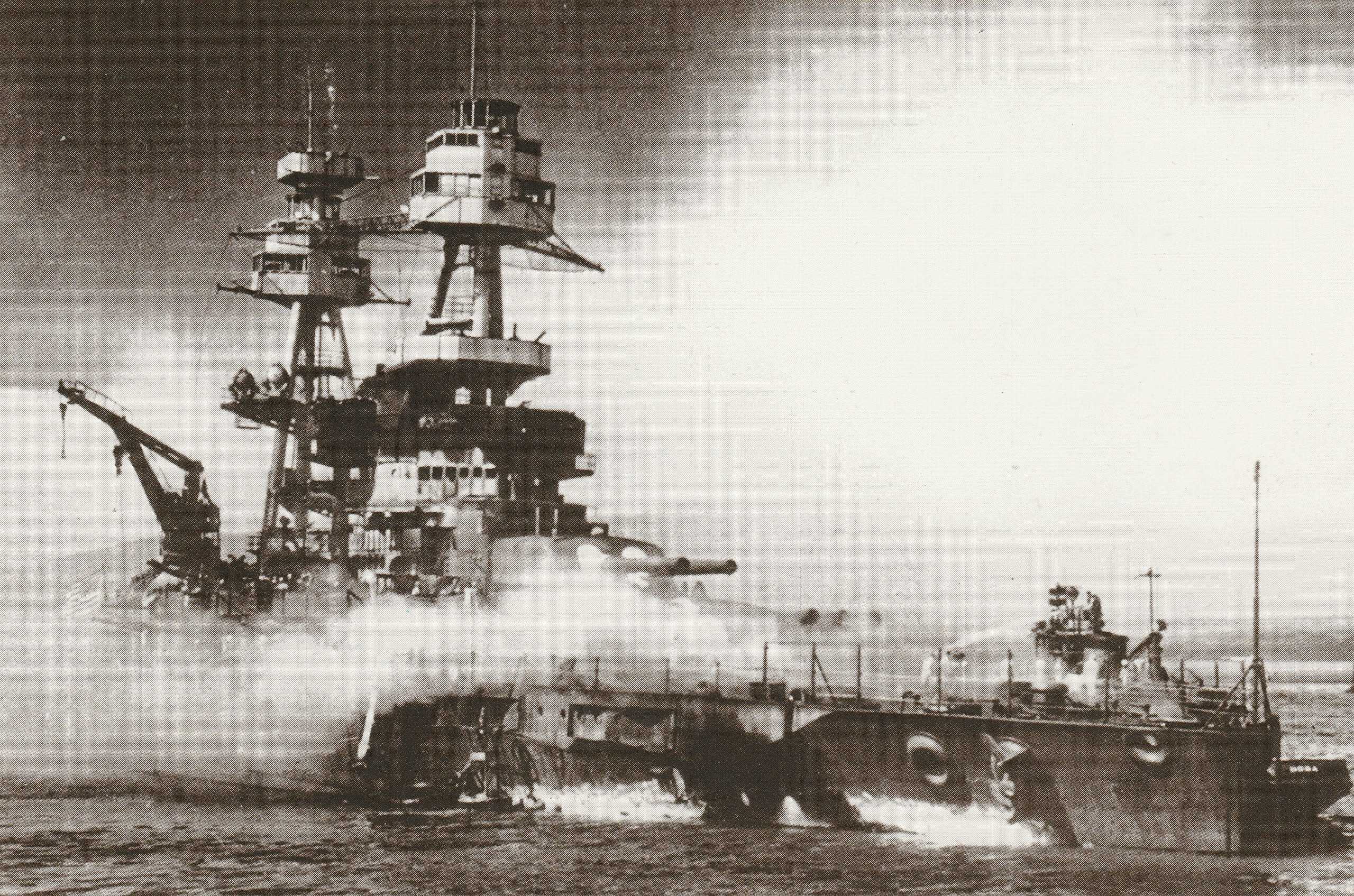
Oklahoma’s sister Nevada was the only battleship to get underway during the Japanese attack. She had lit a second boiler in preparation for switching the power load from one boiler to the other and had enough steam to get underway. She was hit by a torpedo that caused flooding that was easily managed by her damage control crews. While in the harbor, Nevada was hit by six bombs and was ordered to beach herself to prevent the channel from being blocked. Sinking in shallow water, the Nevada was refloated in February 1942 and after repairs at Pearl Harbor sailed to the Puget Sound Navy Yard for modernization. The work was finished in October 1942, and Nevada superficially resembled the new South Dakota Class battleships.
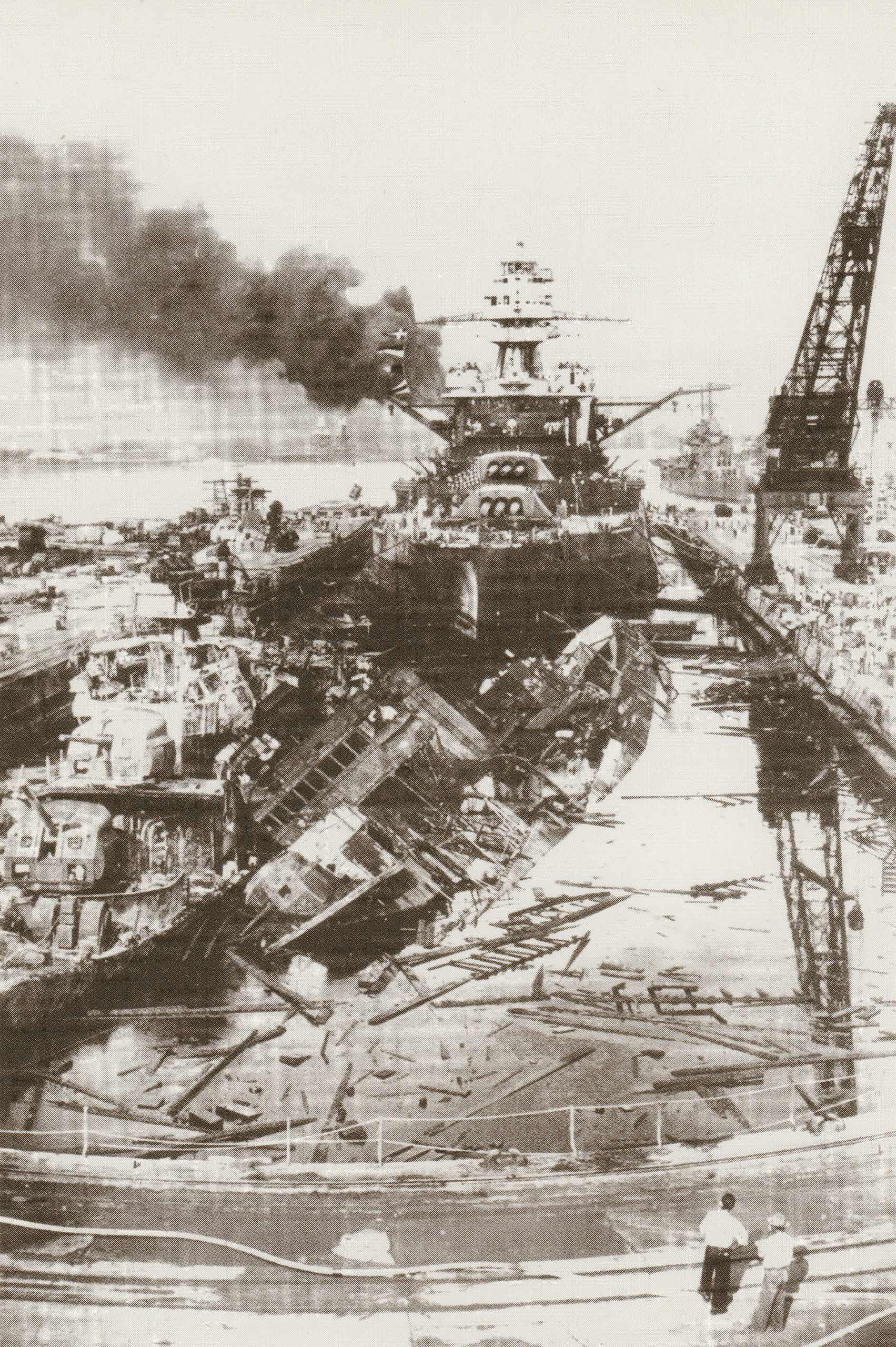
Three battleships, Pennsylvania, Tennessee, and Maryland were minimally damaged and quickly repaired on the west coast. Maryland was hit by two armor piercing bombs but only one detonated. The Japanese announced that she had been sunk. Her repairs were completed in February 1942. Tennessee was not seriously damaged. After being repaired she operated off the west coast of the U. S. for the remainder of 1942.
In 1943, Tennessee was thoroughly rebuilt along the lines of the South Dakota Class battleships. On completion, Tennessee had increased deck armor, a new tower bridge structure, and her two smokestacks were trunked into one. Also, she had increased anti-aircraft weaponry, improved subdivision of machinery spaces, a new electronics suite, modern radar, and new torpedo bulges. Due to the new torpedo bulges, her beam was widened, which exceeded the width of the Panama Canal which limited her to operations in the Pacific. Her sister California and the West Virginia underwent similar rebuilding.
Pennsylvania was in drydock and suffered one bomb hit and was strafed by Japanese planes. She was also damaged when the torpedo tubes of the destroyer Downes, also in drydock, exploded and debris hit the forecastle. Her repairs were completed in early January 1942.
Tennessee’s sister California was hit by two torpedoes. Flooding was extensive due to her watertight doors being opened for a planned inspection the next day. California was also hit by an armor piercing bomb that set off fires in the ship’s interior necessitating the evacuation of the engine room. Without electrical power, the ships pumps ceased operating, and the California sank in the shallow water. She was refloated in March 1942 and after repairs at Pearl Harbor she sailed to the west coast in October 1942. Her modernization and rebuilding lasted until January 1944.
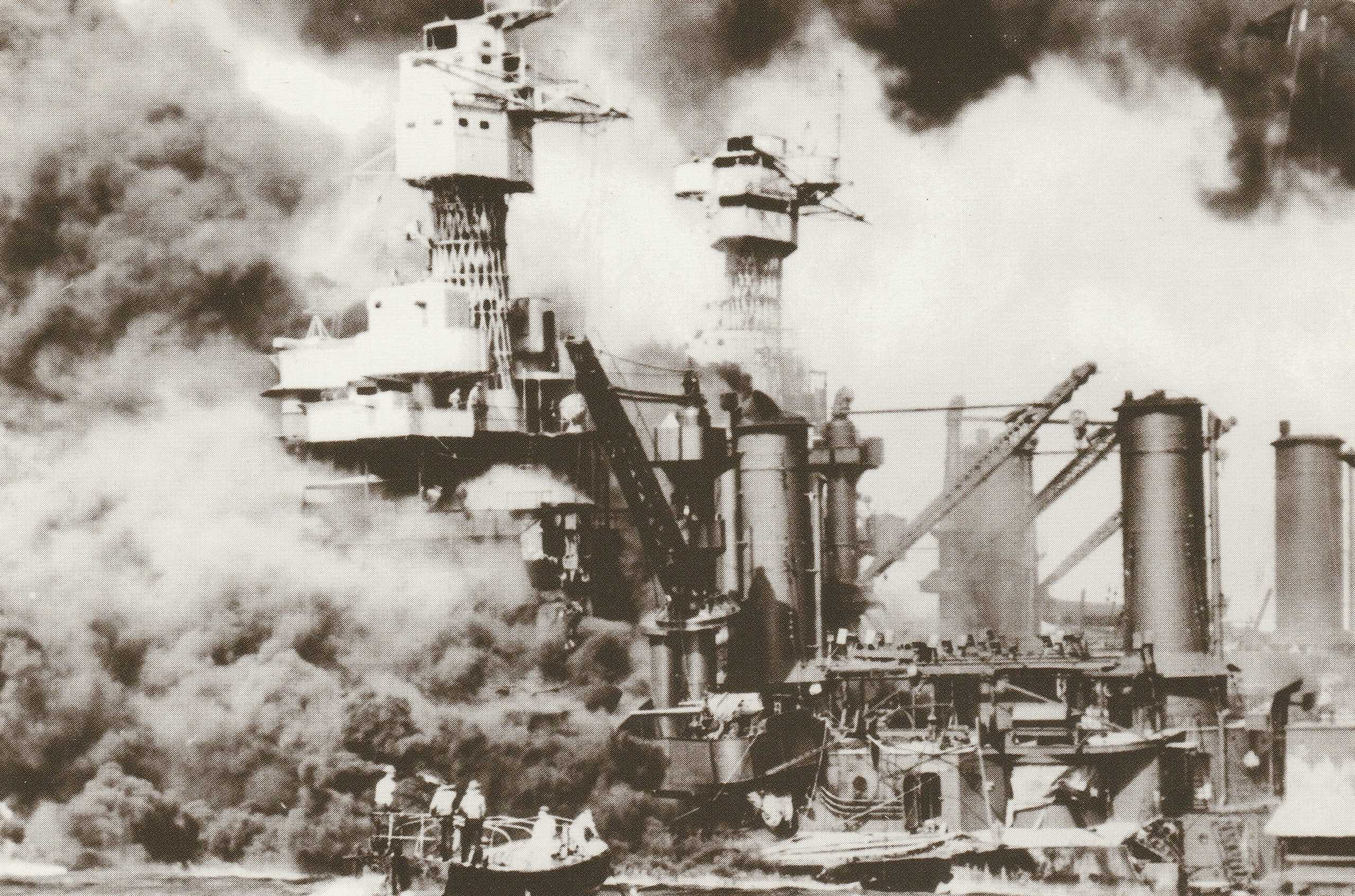
West Virginia was hit by seven torpedoes and two armor piercing bombs. A junior officer quickly initiated counter-flooding operations that prevented capsizing. She was refloated in May 1942 and after initial repairs at Pearl Harbor, West Virginia also sailed for the west coast. After her rebuilding was completed in the summer of 1944, she resembled Tennessee and California rather than her sisters Colorado and Maryland.
In January 1942, the New Mexico, Mississippi, and Idaho were transferred from the Atlantic Fleet to bolster the Pacific Fleet.
The standard type battleships supported amphibious operations during the island-hopping campaign in the Pacific by providing bombardment support. With their improved anti-aircraft batteries, they protected carrier operations. After convoy escort duties in the Atlantic in early 1944, Nevada provided shore bombardment for the D-day landings in Normandy and the invasion of Southern France later that summer. She then transferred to the Pacific and participated in the Iwo Jima and Okinawa campaigns.
Both the U. S. military’s War Plan Orange and the Imperial Japanese Navy’s Kentai Kessen envisioned a decisive naval battle fought between battleships. The decisive naval battle of the Pacific war was actually fought by aircraft carriers at Midway in June 1942.
The Battle of the Surigao Strait was the last naval battle between battleships, On the night of October 24, survivors of the Pearl Harbor attack, Tennessee, California, West Virginia, Pennsylvania, and Maryland along with the battleship Mississippi participated in the battle. Japan lost two battleships Yamashiro and Fuso, although Fuso had been torpedoed by American destroyers and sunk by gunfire from the cruiser Louisville. A Japanese heavy cruiser and four destroyers were also sunk. Many saw the last hurrah of the standard type battleships as revenge for the attack on Pearl Harbor.
Post World War II
Due to their age, the Pennsylvania and Nevada were used as target ships during the nuclear bomb tests at Bikini Atoll in 1946. Both survived the two atomic blasts showing the sturdiness of the standard battleships design but were contaminated by radiation. In July 1948, the battleship Iowa and two other warships used Nevada for target practice. Still afloat, it took an aerial torpedo to send her to the bottom. Pennsylvania was scuttled off Kwajalein Atoll in February 1948.
Superfluous to the Navy’s postwar needs, Idaho and New Mexico were both scrapped in 1947. The battleship Mississippi replaced the battleship Wyoming as the Navy’s anti-aircraft gunnery training ship and her 14-inch guns were removed. In the 1950s Mississippi was used as a test platform for new Navy missile systems. After 39 years of service, Mississippi was decommissioned in September 1956 and scrapped.
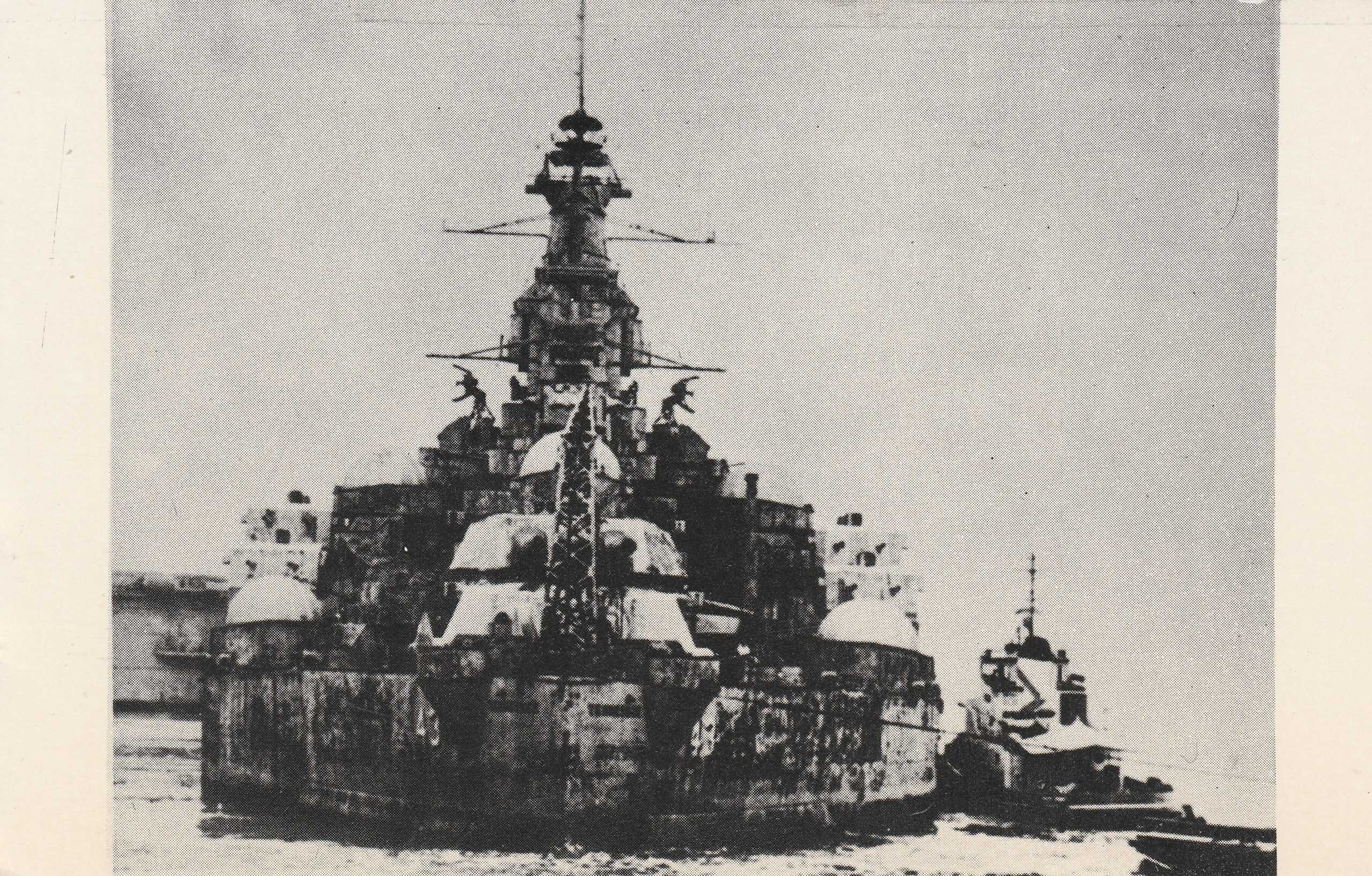
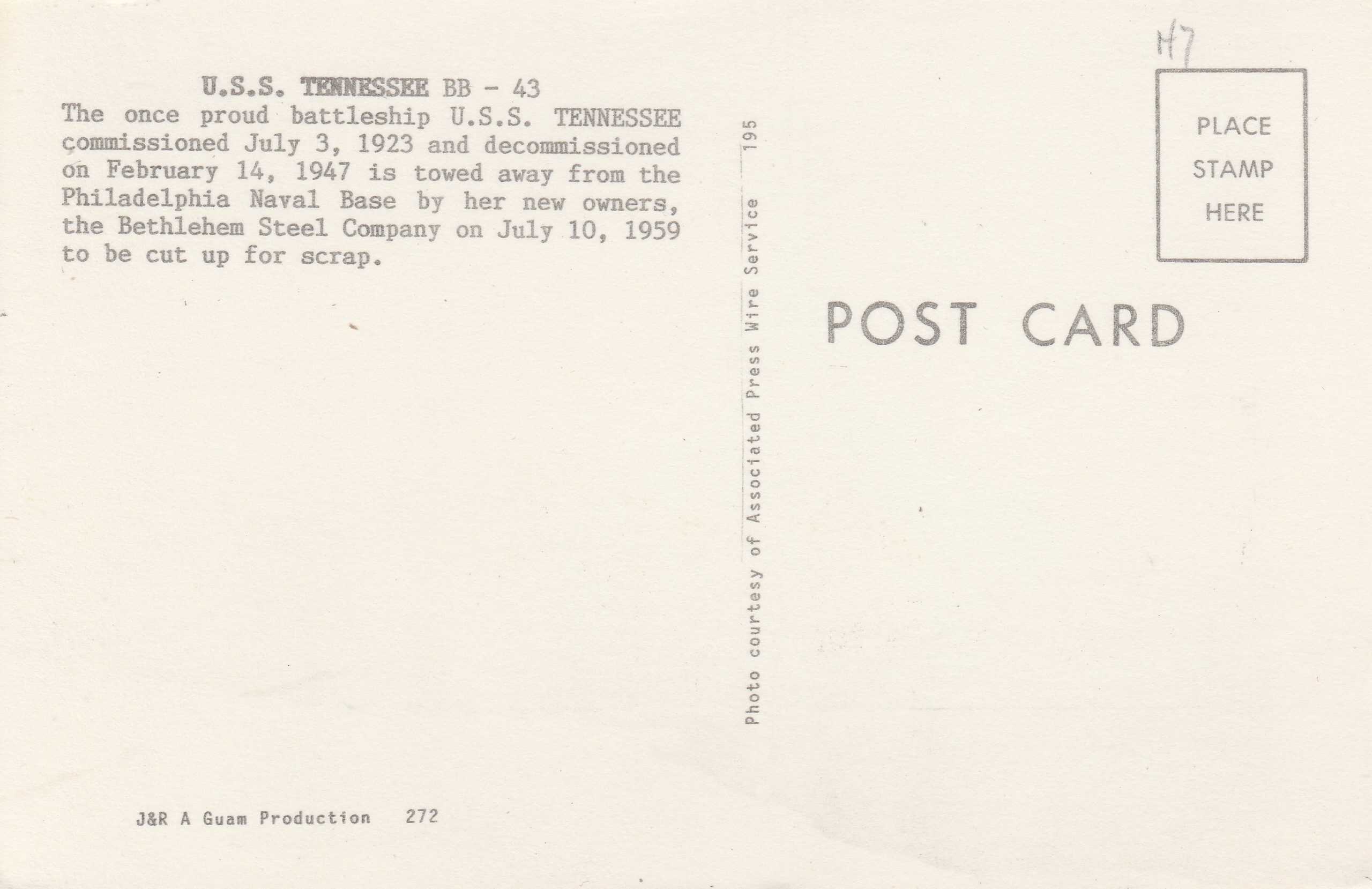
The once proud Tennessee being towed from the Philadelphia Naval Yard
on July 10, 1959, for scrapping. A sad end to a great ship.
Practically brand-new ships after their rebuilding, the California, Tennessee, and West Virginia were placed in the reserve fleet in 1947. Maryland and Colorado though not rebuilt, had several upgrades during the war to still be useful and were retained as well. Never reactivated, the former “Big Five” were struck from the Naval Register in March 1959 and sold for scrap.
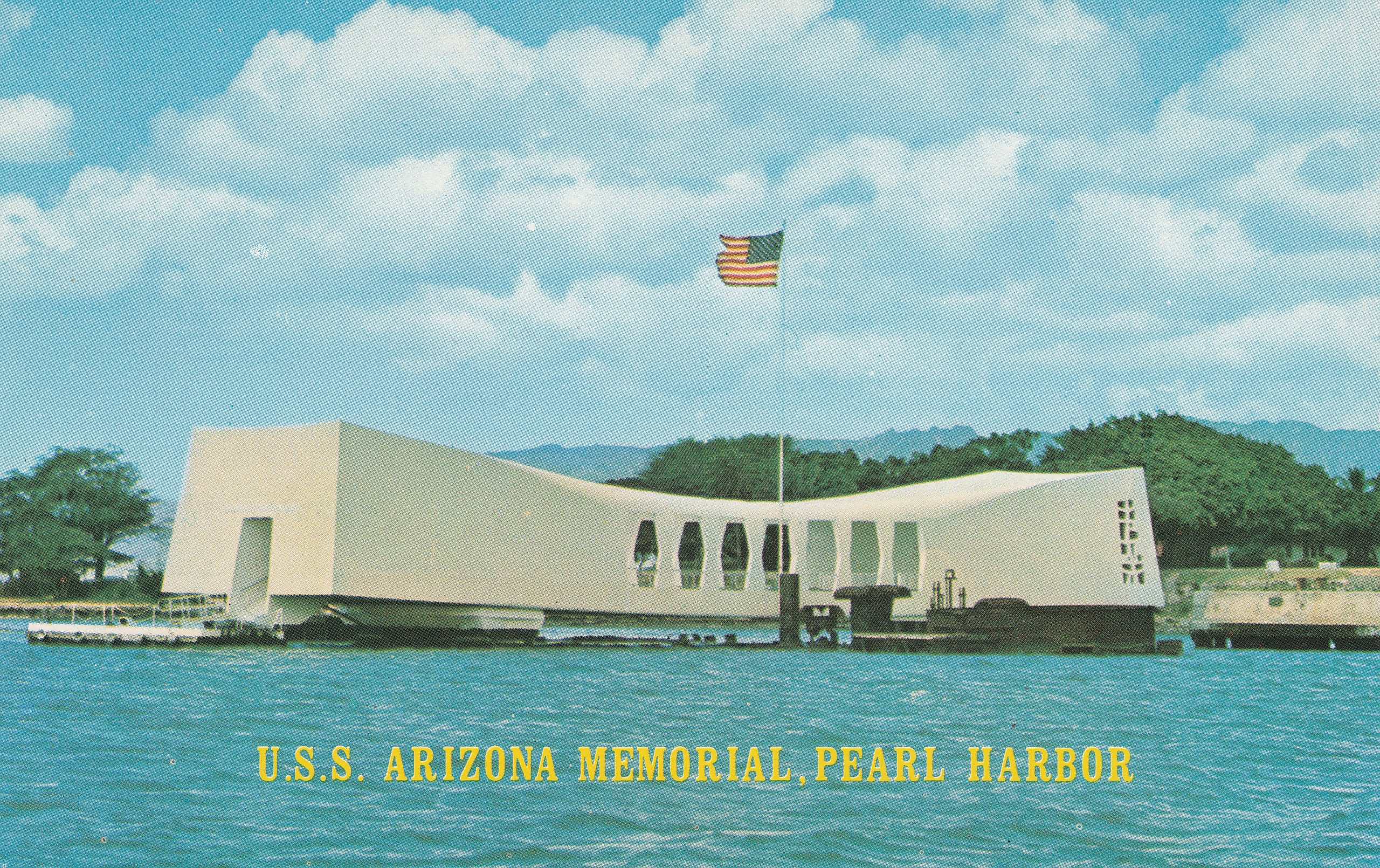
None of the standard type battleships were saved as museum ships. In 1962, the USS Arizona Memorial straddles the hull of the sunken battleship. Dedicated on Memorial Day 1962, the stunning white memorial marks the resting place of 1,102 of the 1,177 sailors and Marines killed on the Arizona during the attack. Accessible only by boat, the USS Arizona Memorial draws over a million visitors annually.
Arizona had finished a complete refueling just before the attack and held 1.5 million gallons of oil. Around 600,000 gallons remain and seep out at a rate of 2.5 gallons daily. It is estimated that it will take five hundred years for the remaining oil to leak out.
After being righted, Oklahoma’s superstructure and armaments were removed. Her hull was sold for scrap in 1946. While under tow to Oakland by two tugs in May 1947, the Oklahoma hit a storm five hundred miles out from Hawaii and began taking on water. She sank rapidly almost taking one of the tugs down with her. It was as if the Oklahoma wanted to save herself from the scrap yard and die a more dignified death under the waves.
I found this article interesting because it discusses the post-Pearl Harbor history of the ships. Although Pearl Harbor can be viewed as a changing of the guard between battleships and aircraft carriers as the cornerstones of naval power, the battleships continued to play a role in power projection. With the exception of the Battle of the Surigao Straight, the ships don’t seem to have been used as the Navy intended. Instead of slugging it out with heavily armored enemy ships, the battle ships played key roles in support. It will be interesting see whether aircraft carriers experience a similar decline… Read more »
Nice follow-up to the first battleship piece that I read! Sad reminder, however, of the death and destruction at Pearl. You related to Kevin who commented:)