The U.S. Constitution, specifically Article I, Section 8, grants Congress the power “To raise and support Armies,” “To provide and maintain a Navy,” to make rules for the land and naval forces, and establish legislative authority over the military.
When the American Constitution was signed in 1783, the Declaration of Independence was already seven years old. The “Declaration” was signed in 1776, but 1776 was 40 years after the first defense fortification was built on North American soil by James Oglethorpe near what is now Brunswick, Georgia.
For most citizens of the era, the American Revolution was more than necessary. Had it not taken place it is doubtful that King George III of Great Britain and his Parliament would have simply waved goodbye to the Thirteen Colonies and wished them well for the future.
The concept of War in America has been a foremost national concern for generations. Because the American Revolution was somewhat more than a skirmish, forts were built in several locations to garrison the Colonial Army.
When the Second Continental Congress adopted the Declaration, it was the Congress that managed the war effort by establishing the Continental Army and building fortifications was but one step in the process of moving towards independence.
This collection of historic fort postcards is a chronology of the forts that have become national historic sites.
***
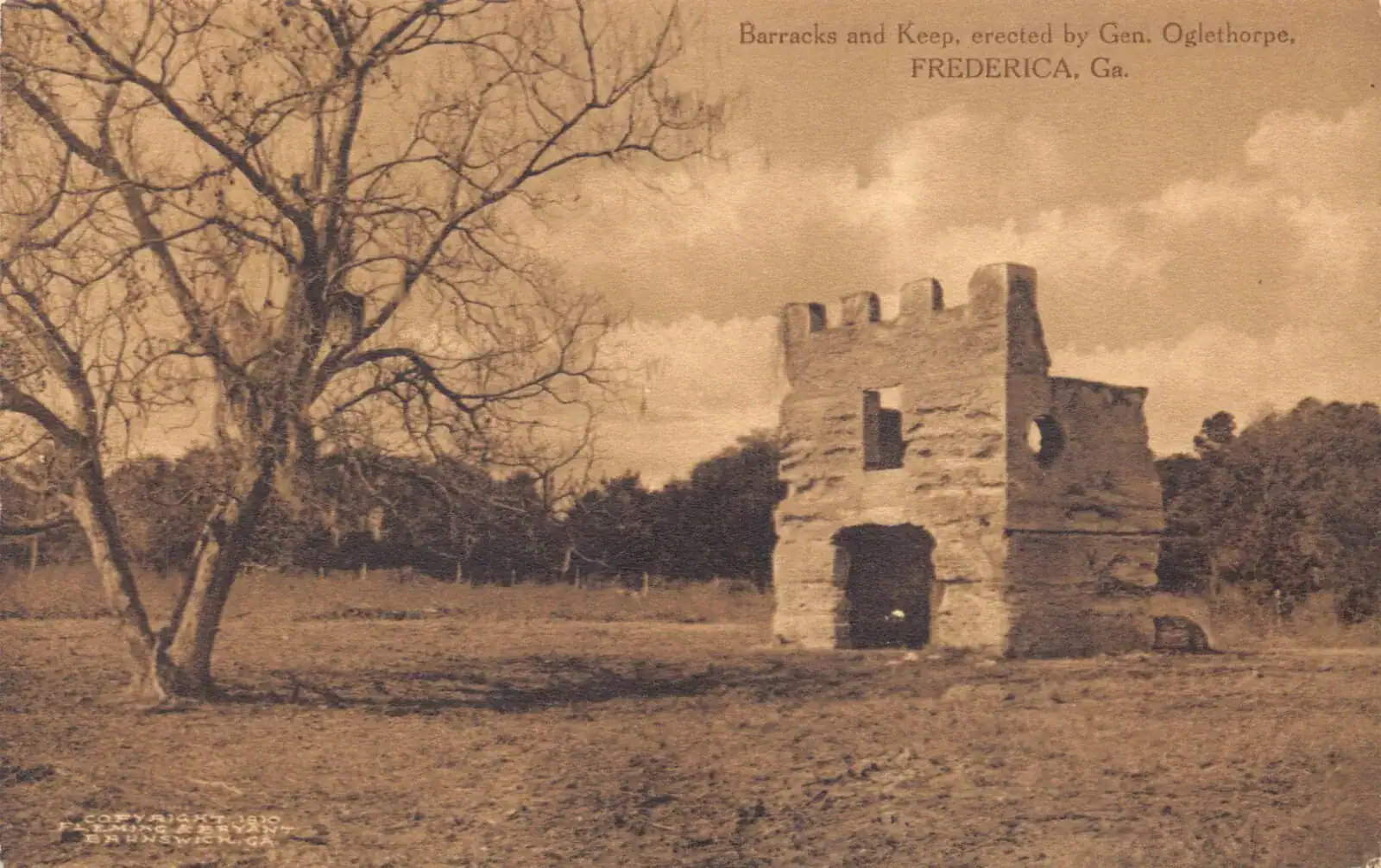
Fort Frederica National Monument, on St. Simons Island, Georgia, preserves the archaeological remnants of a fort and town built by James Oglethorpe between 1736 and 1748.
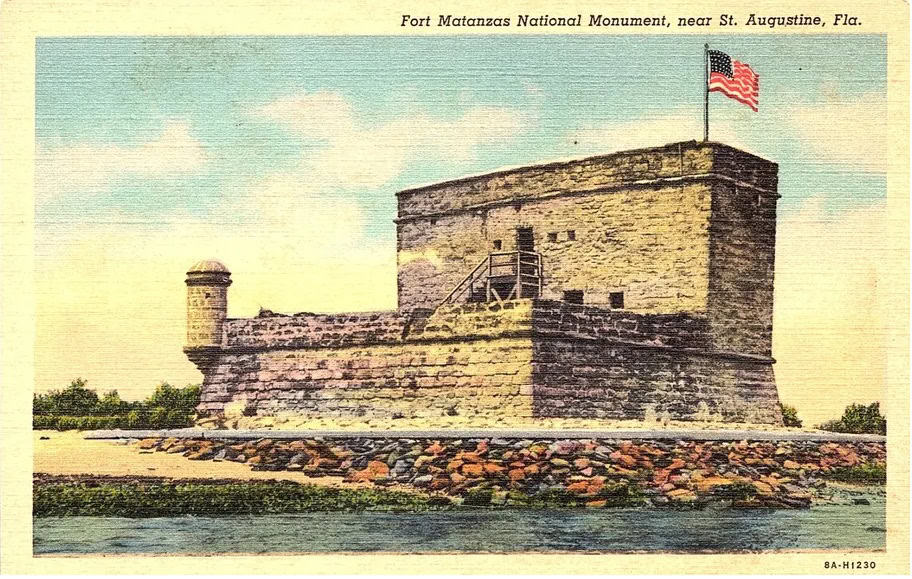
Fort Matanzas National Monument is what remains of a Spanish fort built around 1740 in the salt marshes along the Matanzas River, a dozen miles south of Saint Augustine, Florida.
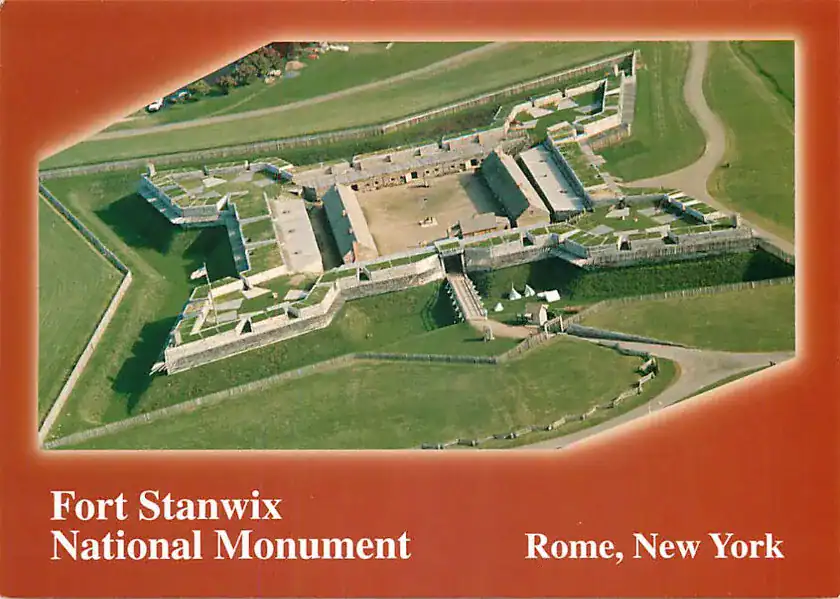
Fort Stanwix National Monument is a reconstructed facility built by the National Park Service that now occupies the site of the original colonial fort (1758) of the same name that was built to guard a supply portage – now known as the Oneida Carry. It was later rebuilt and occupied by American forces during the Revolutionary War.
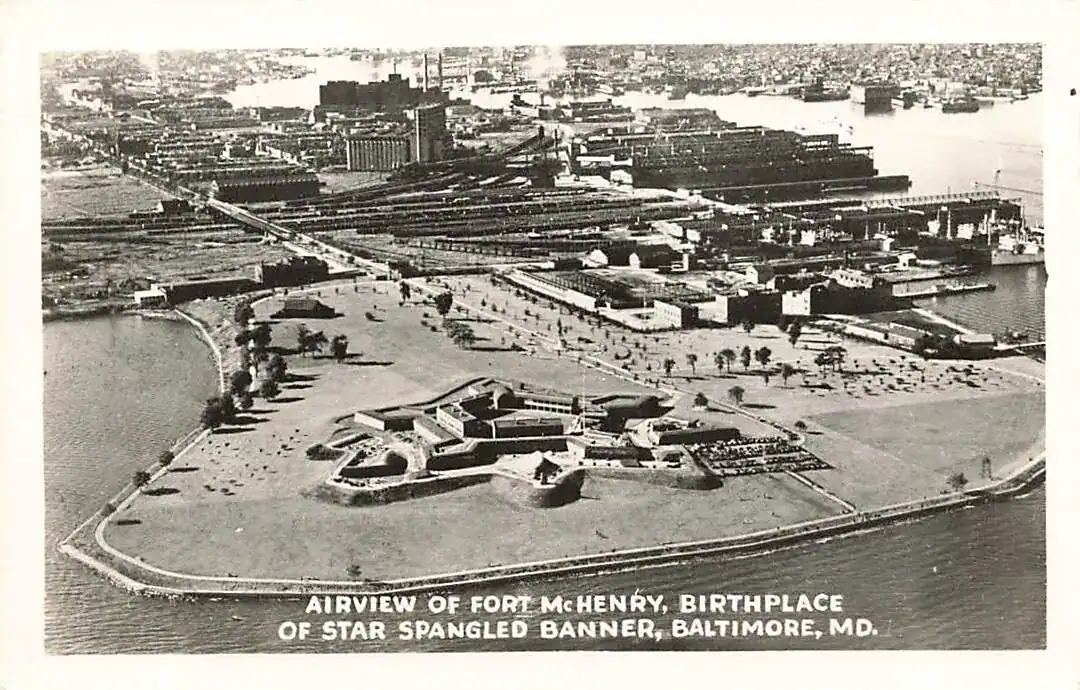
Fort McHenry National Monument is a pentagonal fort on Locust Point in a Baltimore, Maryland, neighborhood. McHenry is remembered for its role in the War of 1812 when the Americans defended Baltimore Harbor against an attack by the British Navy.
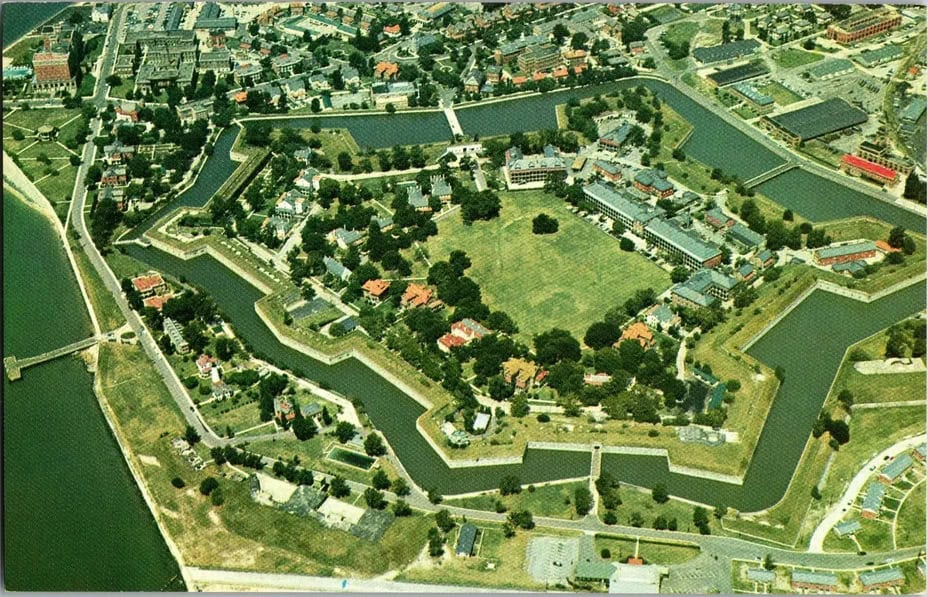
Fort Monroe National Monument lies on Point Comfort at the southern tip of the Virginia peninsula. Originally the fort guarded the navigation channel between the Chesapeake Bay and the confluence of the Elizabeth, Nansemond, and James Rivers. The first of many building contracts was completed in 1834.
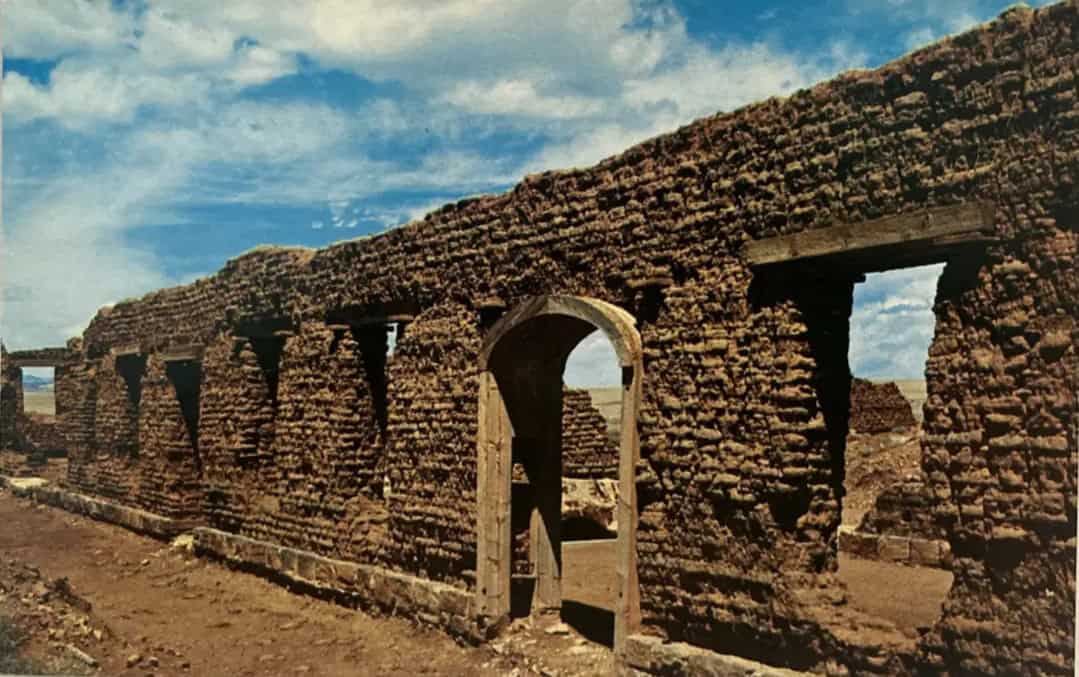
Fort Union National Monument is located north of Watrous, New Mexico. The site preserves the fort constructed in 1851 to serve as a “station” along the Mountain and Cimarron branches of the old Santa Fe Trail.
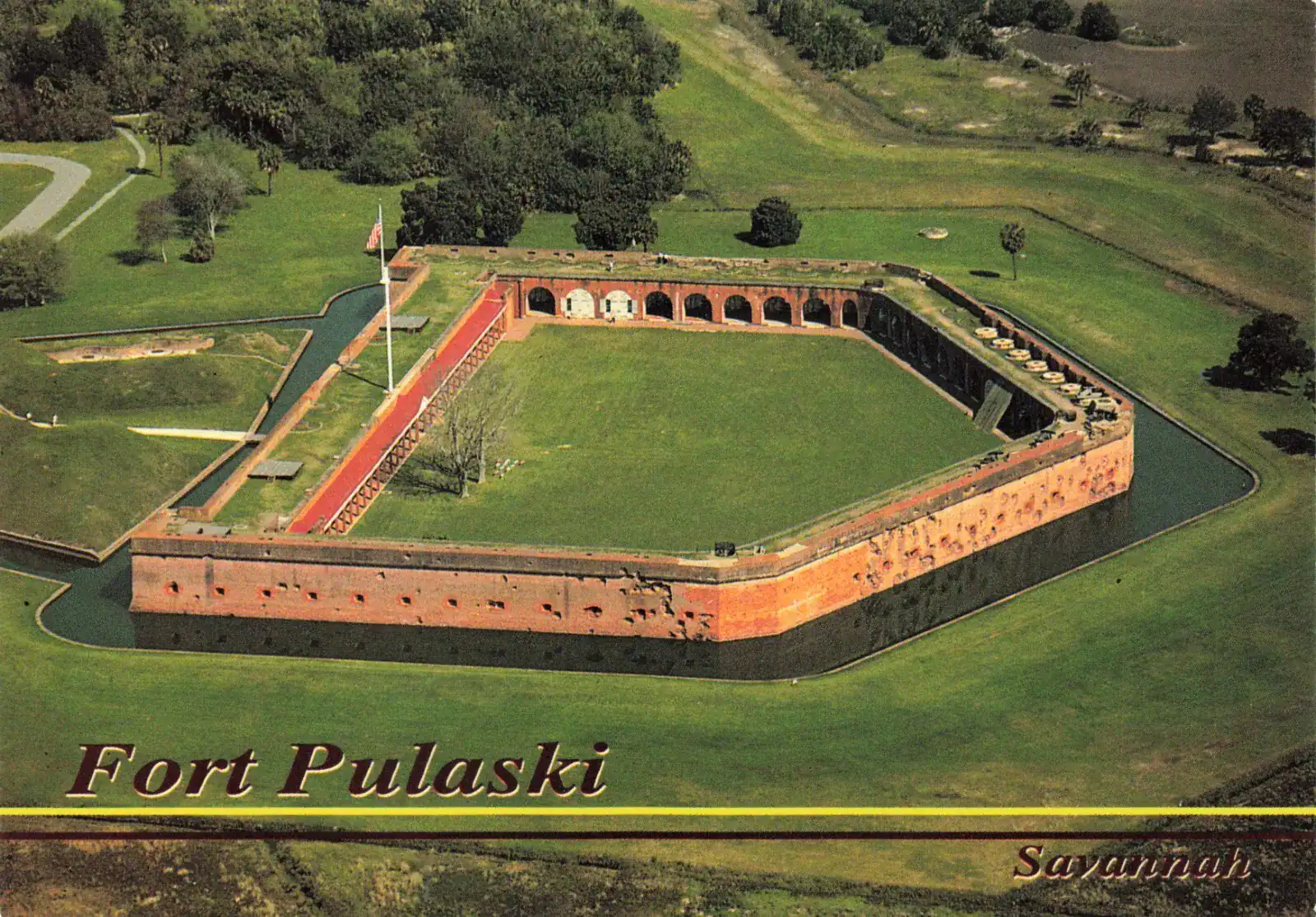
Fort Pulaski National Monument is located on Cockspur Island near Savannah, Georgia. The first fortification on the site was where the Union Army successfully test fired a cannon in 1862 that ostensibly rendered brick fortifications obsolete.
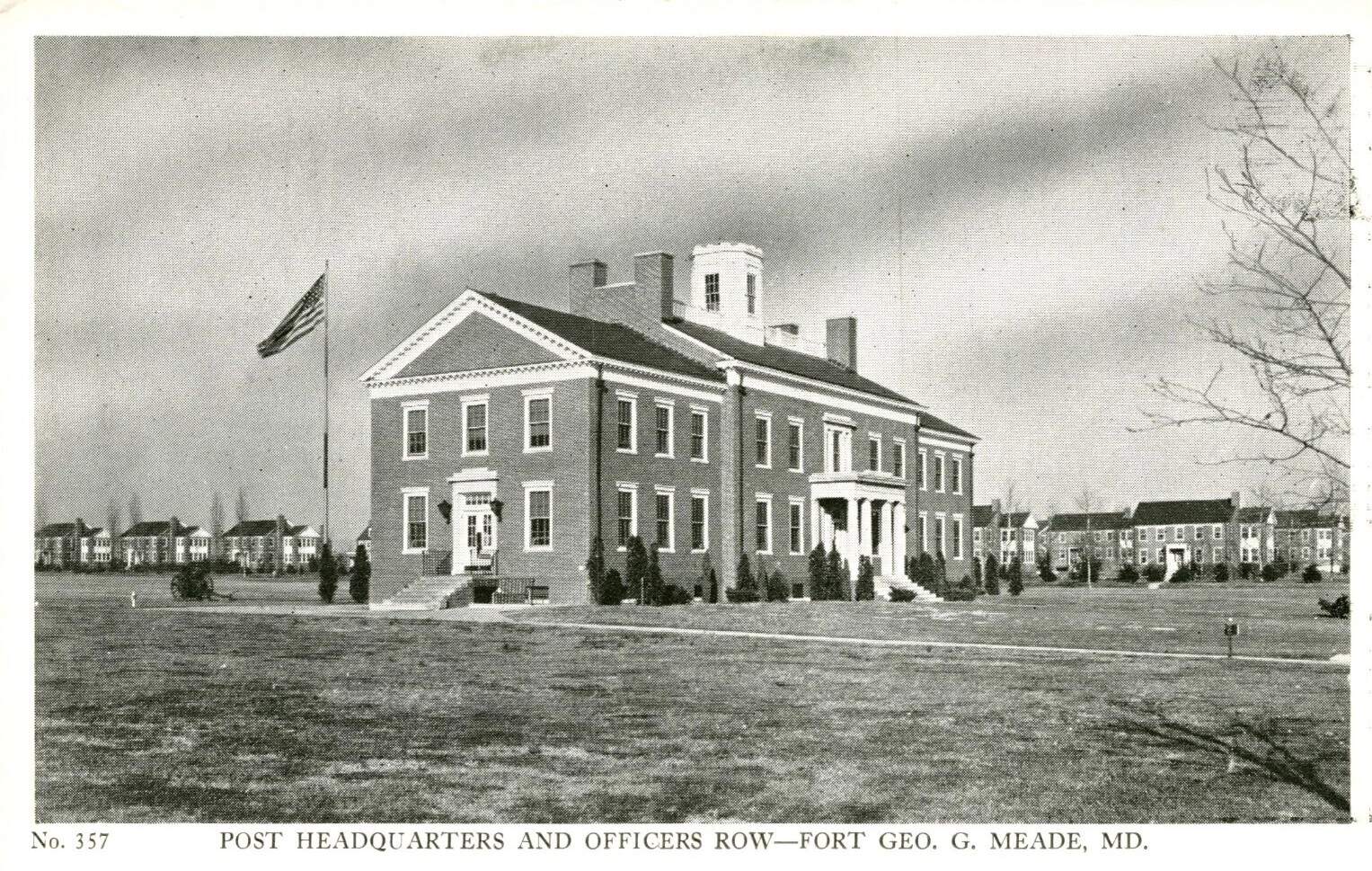
Fort George G. Meade was authorized by Congress in May 1917 and named for the Civil War General Meade whose work at the Battle of Gettysburg won him national fame.
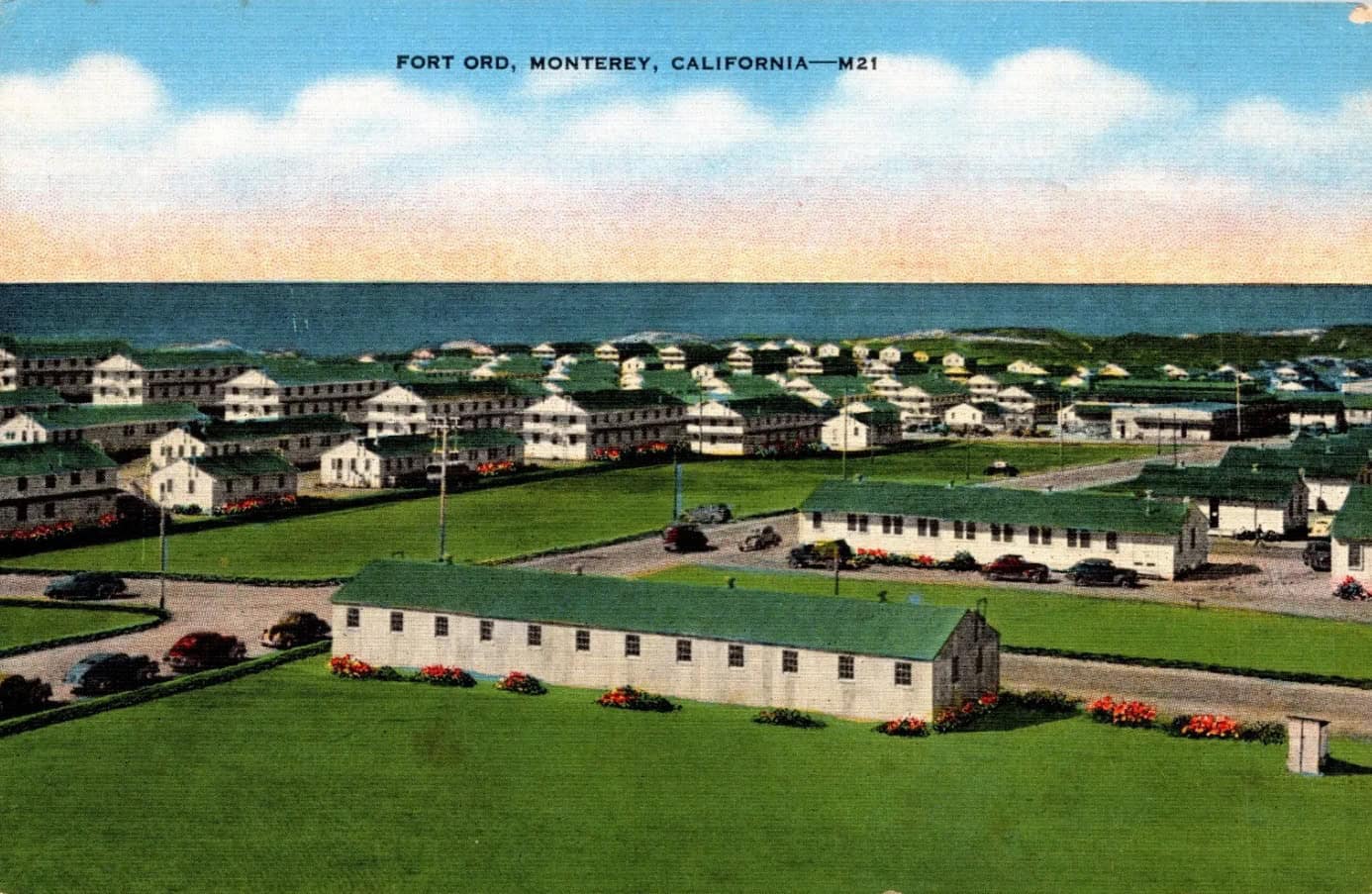
Fort Ord National Monument in Monterey, California, in popular legend “appeared in a cornfield” one night in 1940. Those assigned to the U. S. Army’s 7th Infantry Division were said to be living at “Hollywood North.”
***
Today we have only a vague idea of how many Department of Defense facilities there are because the DoD maintains a very large domestic footprint. There is no official number because different databases count facilities differently, i.e., active bases, training ranges, depots, annexes, and others.
However, the National Transportation Atlas Database (NTAD) was built using Department of Defense official maps which show an estimated 400 to 450 military installations in the United States. The number of U.S. military installations that exist overseas is much more precise because the various databases agree. There are 750 U.S. military bases located in over 80 countries.
Thank you Alan for this informative write-up. Good read.