More than a dozen years ago, Steven A. Heller, a contributor to Black and White magazine, wrote: It was 1920. Otto Frederick Rohwedder’s patent application had been approved for an electric machine that could slice and package a loaf of freshly baked bread.” (Yes. That’s where the term “the greatest thing since sliced bread originated.”) That same year, Orval Hixon (1884 to 1982) began renting studio space on the first floor of Kansas City’s elegant Baltimore Hotel. These factual notes are not meant to equate the accomplishments of these men, though Hixon’s enduring portraits and Rohwedder’s sliced bread are still with us, but to give a context for Hixon’s portraits are of a time forever identified as the Roaring Twenties.
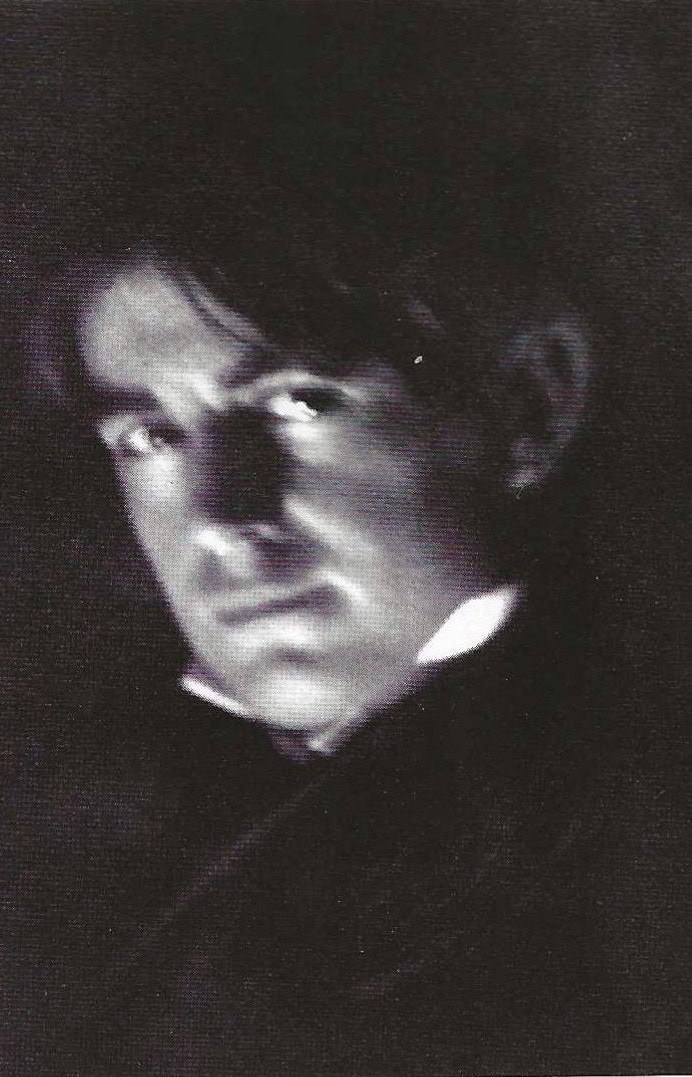
Heller continued: “The twentieth century’s second decade was saturated with a culture inherited from post-World War I prosperity. Though it took 13 days to travel from New York to California and man’s life expectancy was only 53.6 years, indoor plumbing and electricity suddenly made everything more tolerable. Charles Lindbergh flew solo across the Atlantic, and radio became the first mass broadcast medium. Flappers defied conventional manners and raucous speakeasies thrive despite Prohibition. Pablo Picasso rattled a Cubist perspective into a flat dimension, and Hemingway wrote about this lost generation. The stock market crash and the Great Depression loomed large on the horizon. Women’s rights simmered across the nation. And Albert Einstein’s genius proved that gravity and motion can affect time and space.
“As a schoolboy, Orval Hixon, wanted to become a painter, but due to his color blindness, was steered towards a career in photography. This visual deficit became one of Hixon’s greatest attributes. He saw light differently. He worked as a printer’s apprentice and newspaper photographer before accepting a job as a technician at the Studebaker Studios in Kansas City. In 1914, partnering with Alice M. Knight, he opened the Hixson-Knight Studio that specialized in children’s portraiture.
“Business In Kansas City, (The Paris of the Plains) was robust and competitive among several successful photography studios. There was a creative common spirit that was heavily influenced by the aesthetics of the Arts and Crafts movement.”
Within the decade and up to 1958 in various locations, Hixson developed a worthy name for himself as a portrait photographer and had published dozens of publicity photos of vaudevillians, musicians, and celebrities. His success came quickly, but only after some serious experimentations with negatives on which he dissolved parts of the background emulsion with acetone, scraping the negatives to form areas of light, or using paints and graphite pencils to sketch patterns surrounding the subject. He dubbed his darkroom magic as romantic visions of lyrical femininity and inspired masculinity.
Not many of Hixson’s published photos became postcards, but some that have been found through a years-long and tensive search show subjects with names that are no longer readily recognized, like Jolson, Rubini, Kosloff, Beban, Cantor, Suratt, and Holmes. Some of my favorites are:
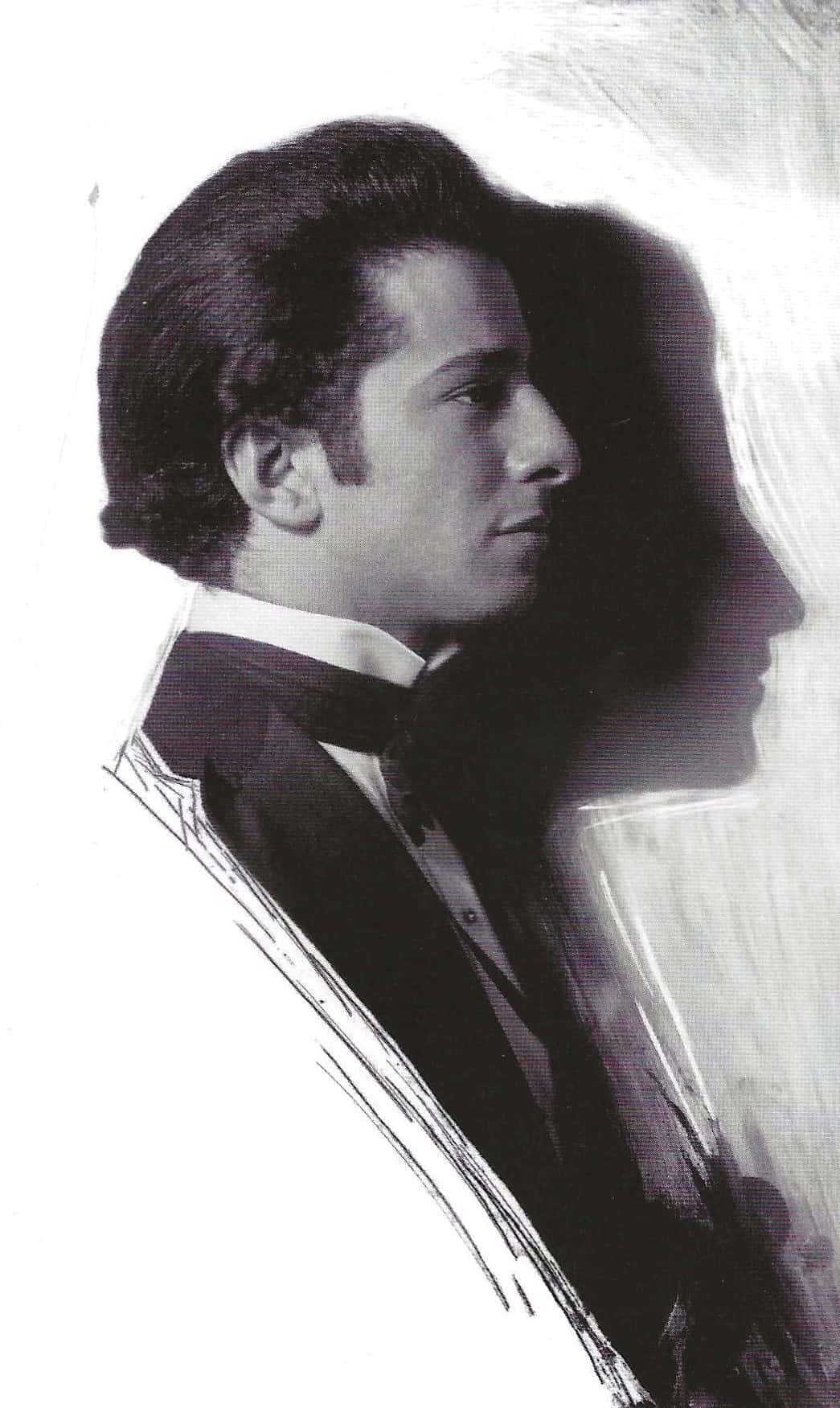
Jan Rubini (April 5, 1897 – December 2, 1989) was a Swedish violinist and conductor who had a long career in vaudeville and films. He was known for his ability to combine humor with his virtuoso violin performances. One of his first performances in America was in 1913 when he played for President Woodrow Wilson.
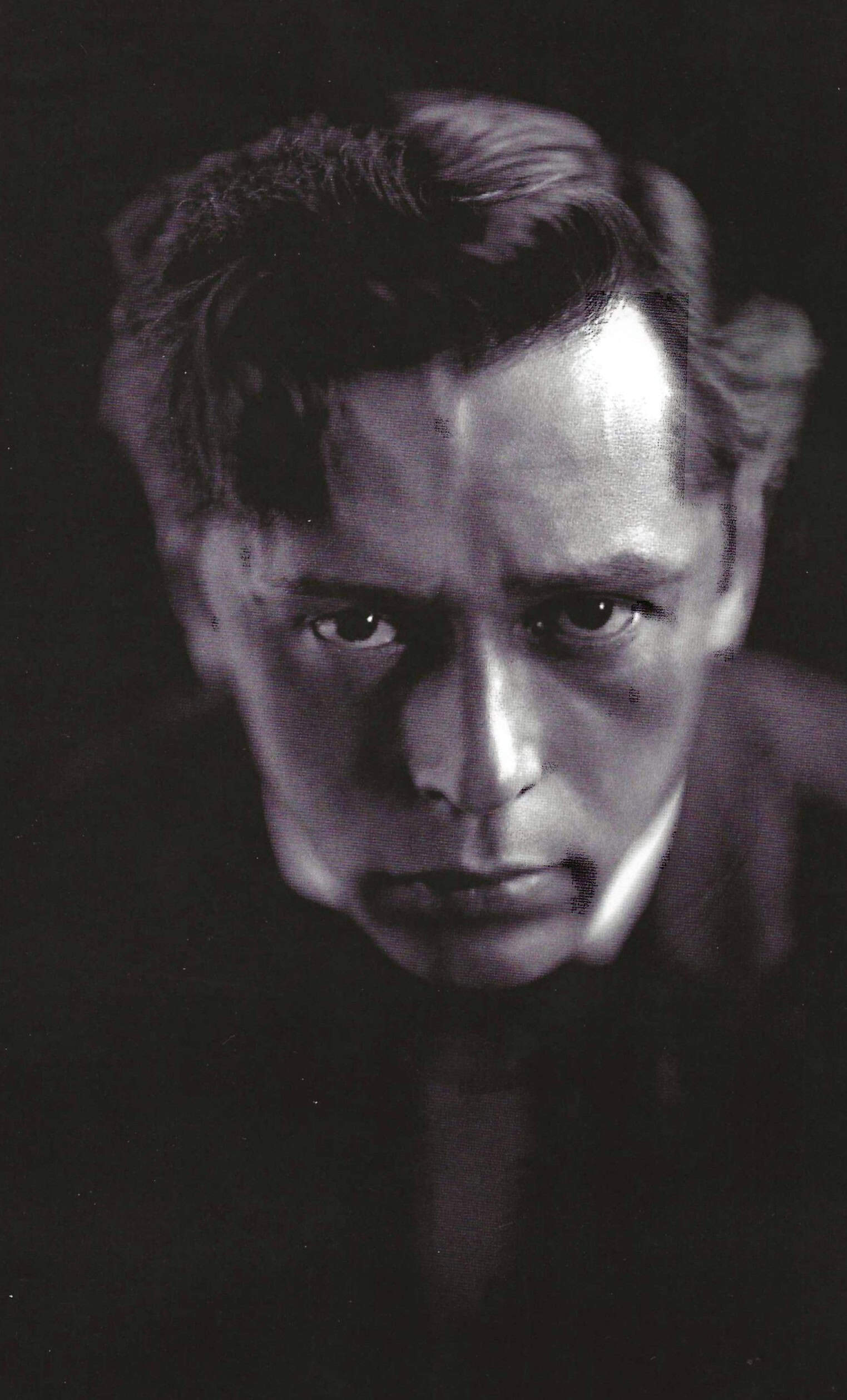
Theodore Kosloff (January 22, 1882 – November 22, 1956) was a Russian-born ballet dancer, choreographer, and film and stage actor. After arriving in the United States in 1909 he was introduced to influential film director Cecil B. DeMille and acted in several of DeMille’s films.
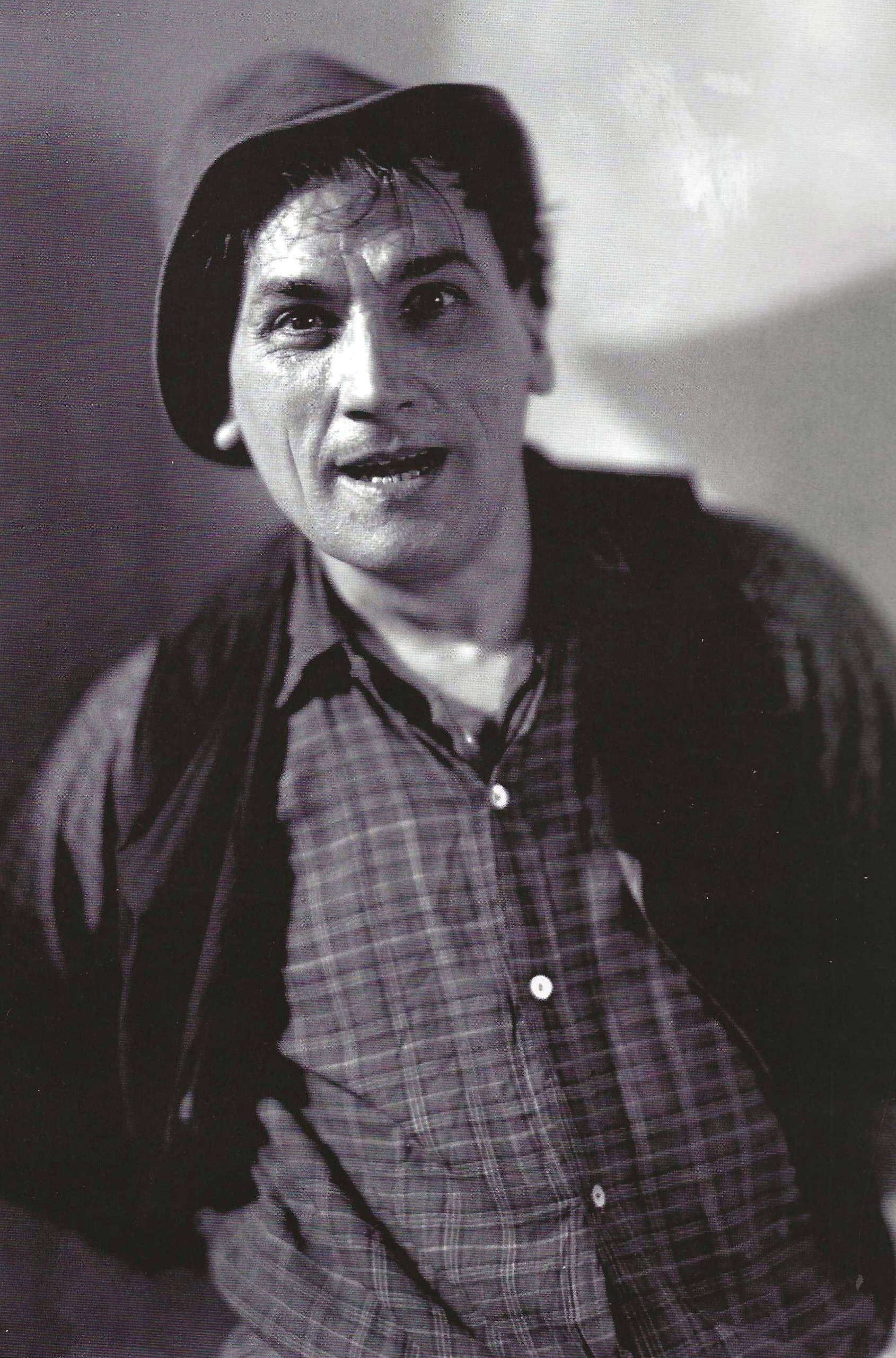
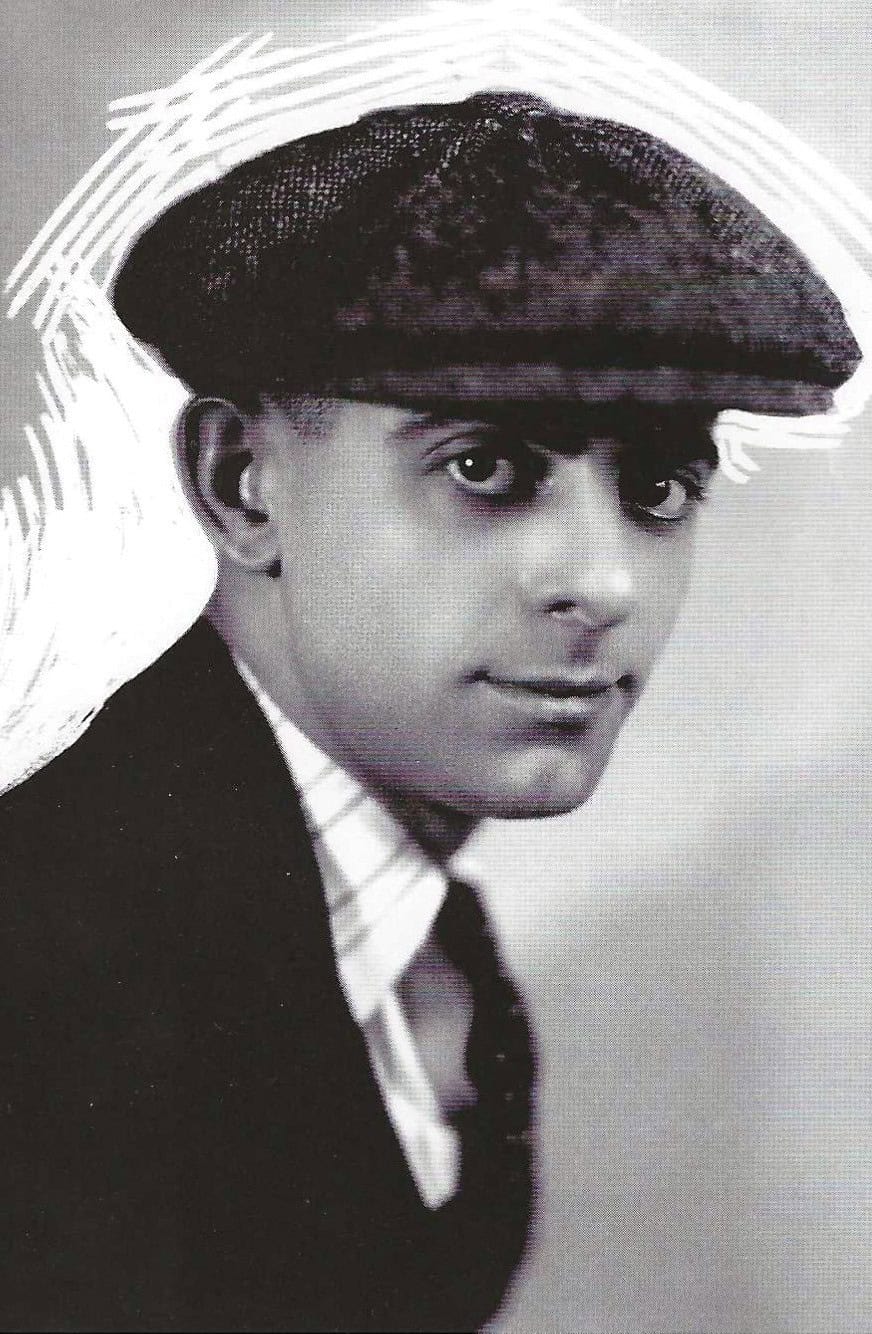
George Beban (December 13, 1873 – October 5, 1928) was an American actor, who began his career as a child performer in San Francisco and became a well-known vaudevillian and stage actor in the 1890s and 1900s.
Eddie Cantor (born Isidore Itzkowitz, January 31, 1892 – October 10, 1964) was an American “every man’s” comedian, actor, and author. Cantor was one of the prominent entertainers of his era with almost universal name-recognition, he was helpful to President Franklin Delano Roosevelt in the establishment of the March of Dimes.
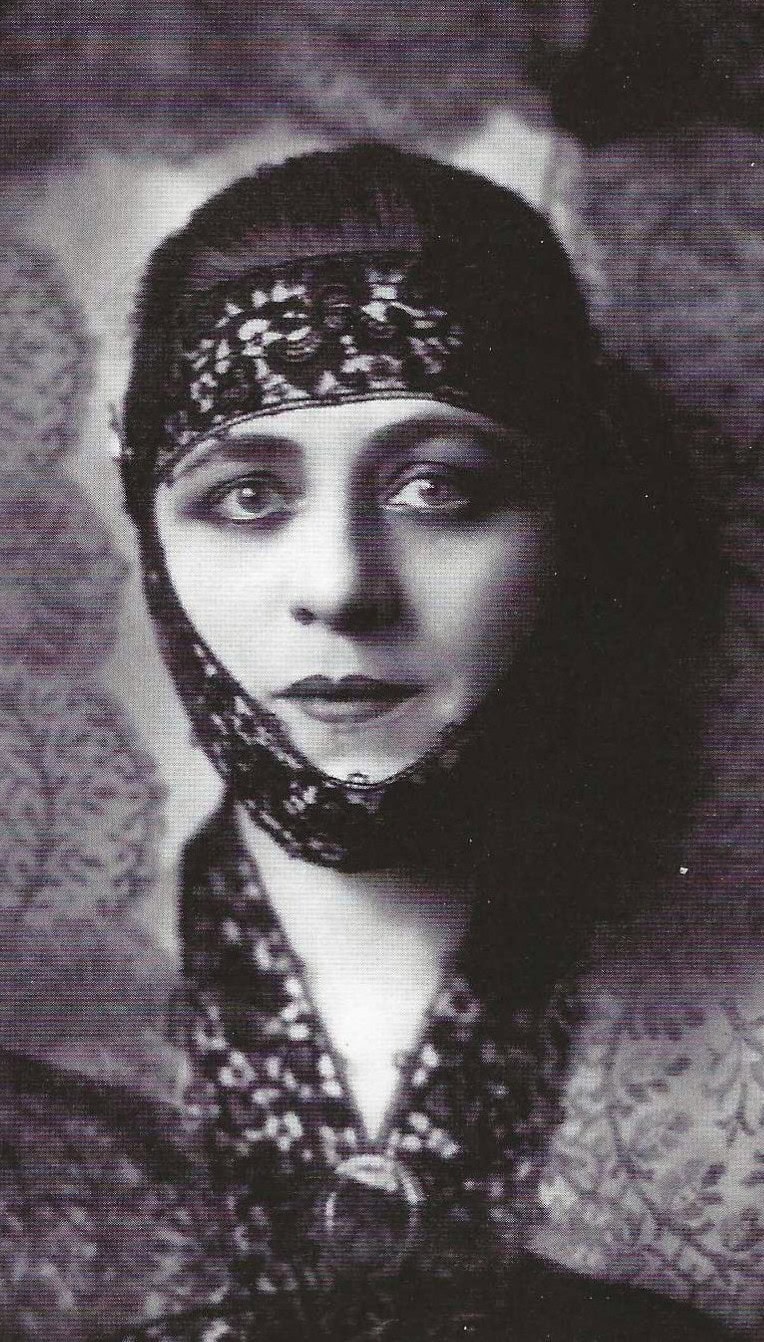
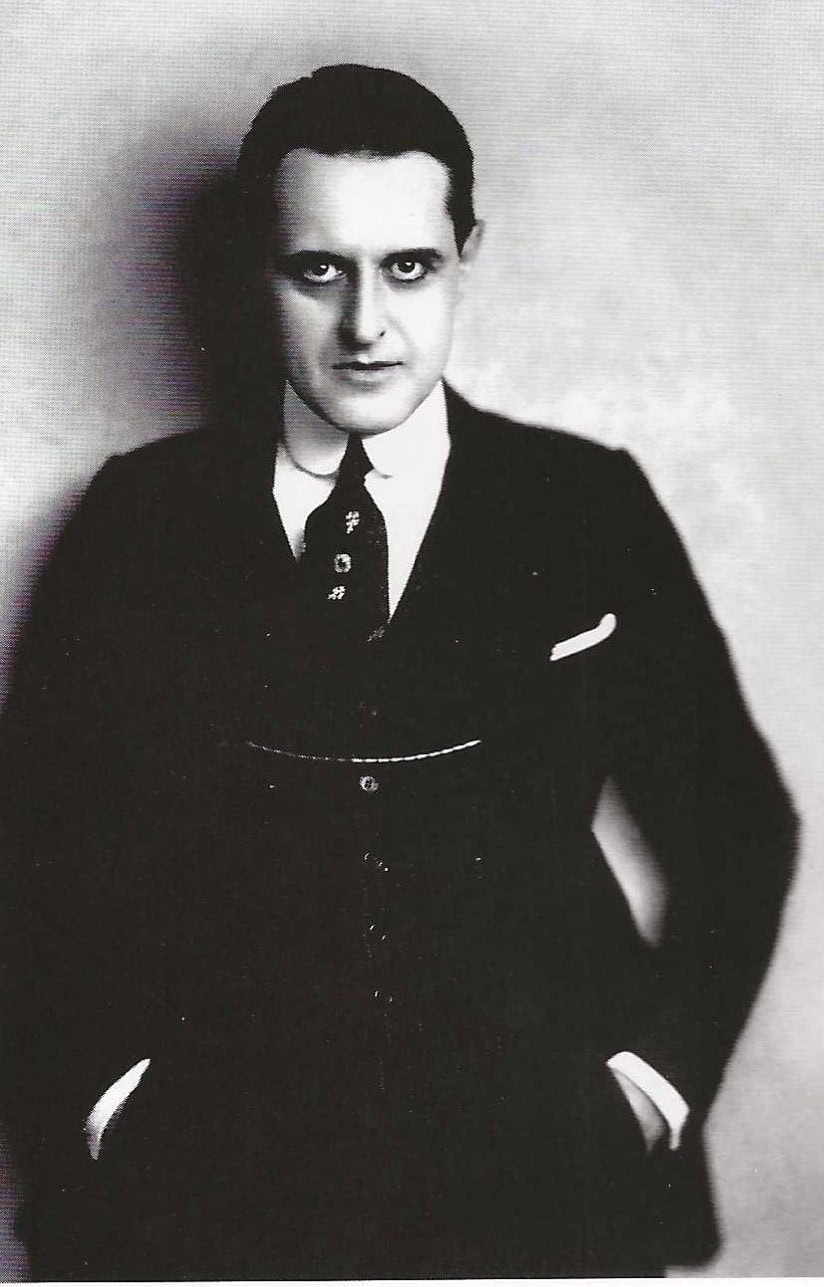
Valeska Suratt (June 28, 1882 – July 2, 1962) was an American stage and silent film actress. She began her career on stage in Chicago in 1900. Over the course of her career, Suratt appeared in 11 silent films, but all her films were lost in the 1937 Fox Studio vault fire.
Taylor Holmes (May 16, 1878 – October 1, 1959) was an American actor who appeared in over 100 Broadway plays and on-screen performances over his five-decade career. One of his many made for television roles came in 1949 when he appeared as Ebeneezer Scrooge in Dickens’s A Christmas Carol.
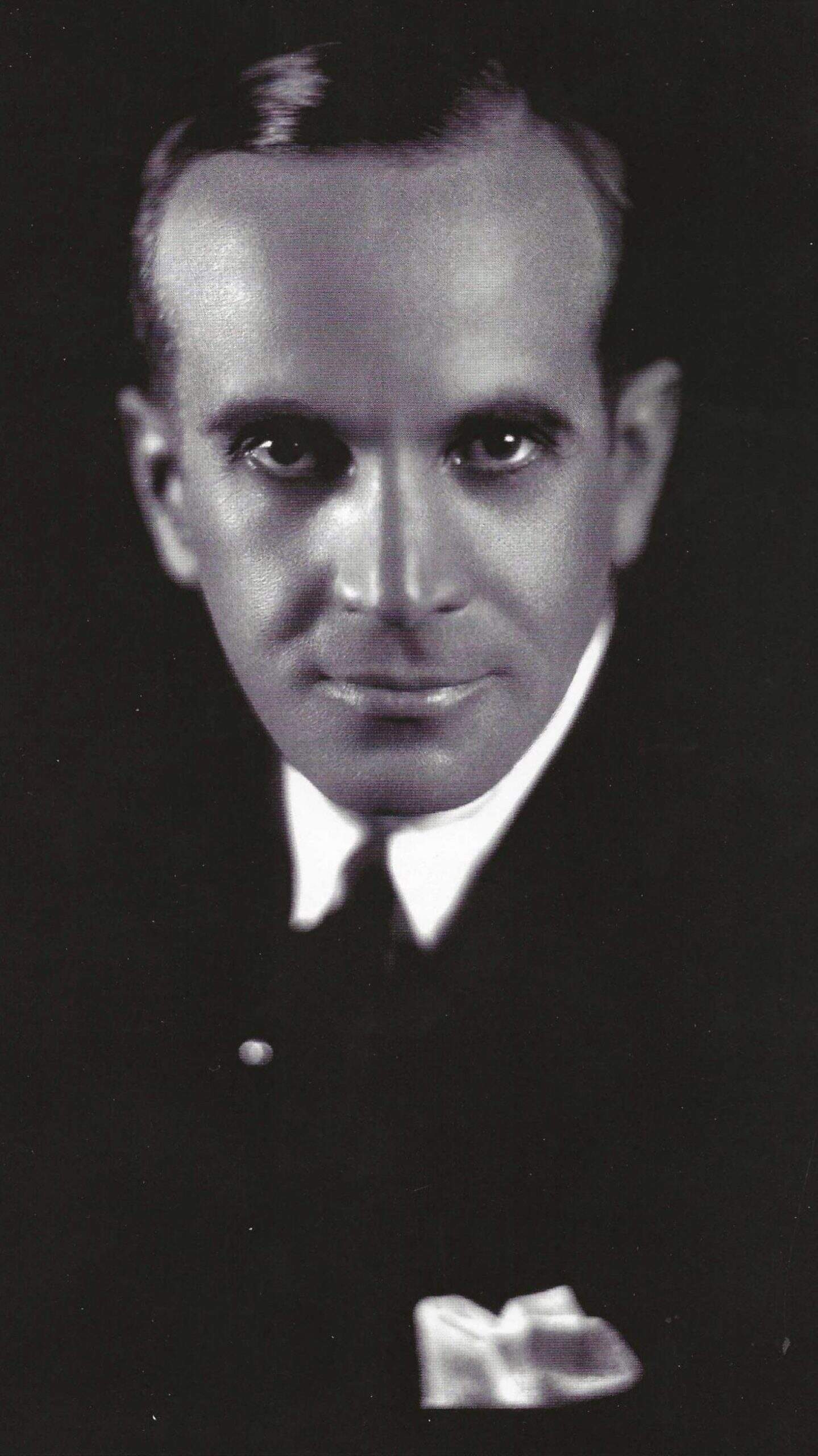
Al Jolson. (born Asa Yoelson, May 26, 1886 – October 23, 1950) was an American singer, comedian, actor, (Best remembered as the star of the first talking picture, The Jazz Singer.) Jolson was often billed as “The World’s Greatest Entertainer.” He was also one of the United States’ highest-paid stars of the 1910s and 1920s.
***
Hixon’s photographs have lasted long after Hixson himself and all of his subjects, but thankfully we have postcards that help us remember or learn of those who came before us.
I enjoyed your article. When I was a kid, we used to eat at Shakey’s Pizza and they would often show silent movies in the restaurant. I love that some of these actors live on in postcards.