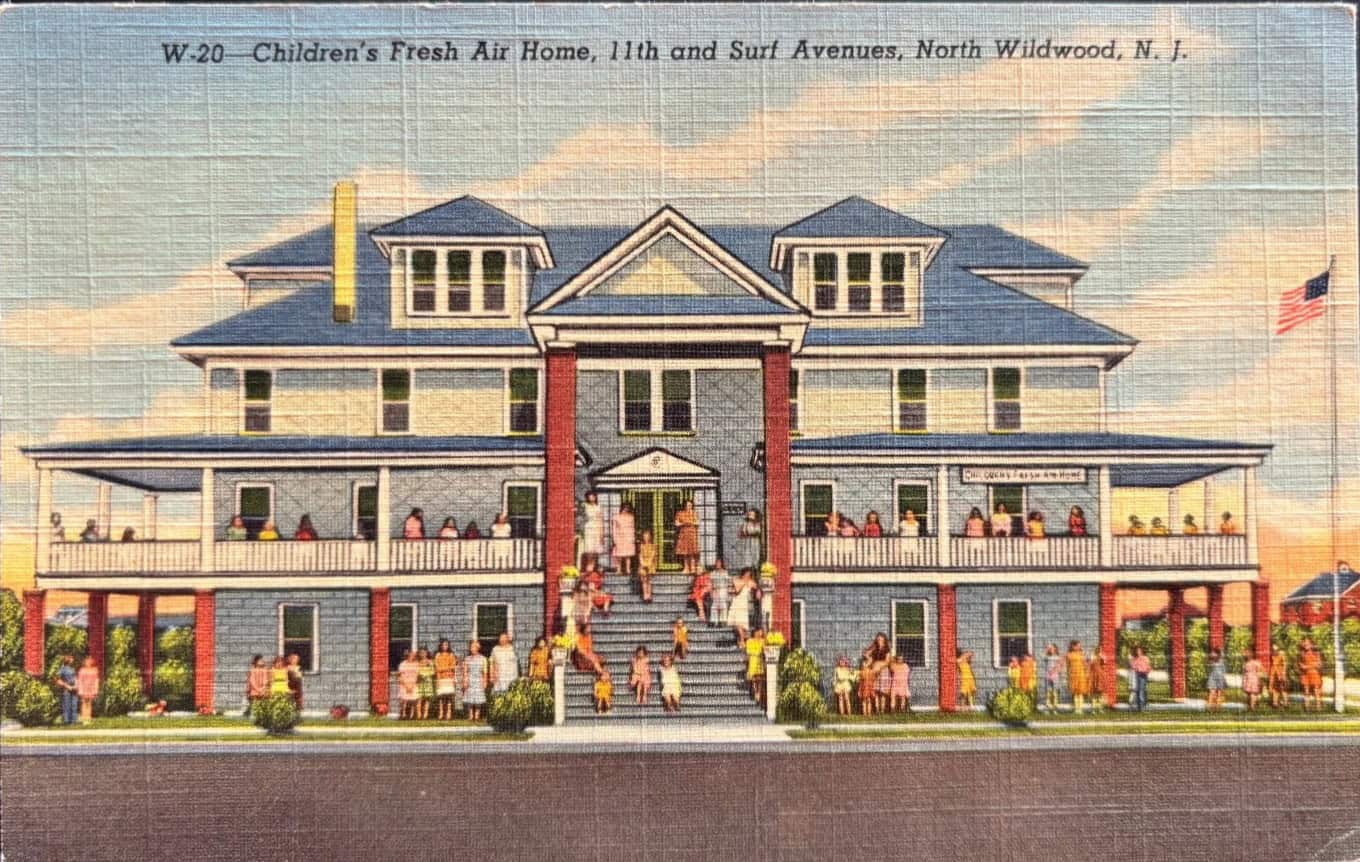
The “Fresh Air Kids” idea emerged in the late nineteenth century when the Fresh Air Fund of 1877 was created to give children a chance to experience life beyond big city tenements.
The program’s beginnings were shaped by a visionary clergyman, the Reverend Willard Parsons, a Pennsylvania minister whose compassion for children living in crowded, unsanitary tenement districts inspired him to act. Parsons recognized that thousands of children, most of whom were recent immigrants, lacked access to clean air and nutritious food. He believed that even a brief escape to the countryside could restore their health and spirits. His idea was simple yet life changing.
The nineteenth century version of an “action committee” set to work and arranged for rural families to host city children for short summer stays, offering them fresh air, open fields, and a reprieve from the grinding conditions of urban life.
The locations that shaped the program’s early years were as important as the people. New York City in the 1870s was a hub of economic opportunity, but it was also home to some of the nation’s most overcrowded slums. Tenement districts in lower Manhattan were filled with families living in cramped rooms with limited ventilation and little access to green space. Photographs from the era show children playing in narrow alleys or sitting beside makeshift bathtubs in dimly lit apartments, underscoring the need for relief.
In contrast, the rural communities that welcomed Fresh Air children offered a much different environment. Places like the Cumberland Valley in Pennsylvania (just west of the Susquehanna River near Harrisburg), which received one of the earliest groups of children in 1884, provided wide‑open landscapes, clean breezes, and a slower pace of life. The local families that volunteered to host the visiting children often formed bonds that lasted well beyond the summer. These communities became essential partners in the program’s mission.
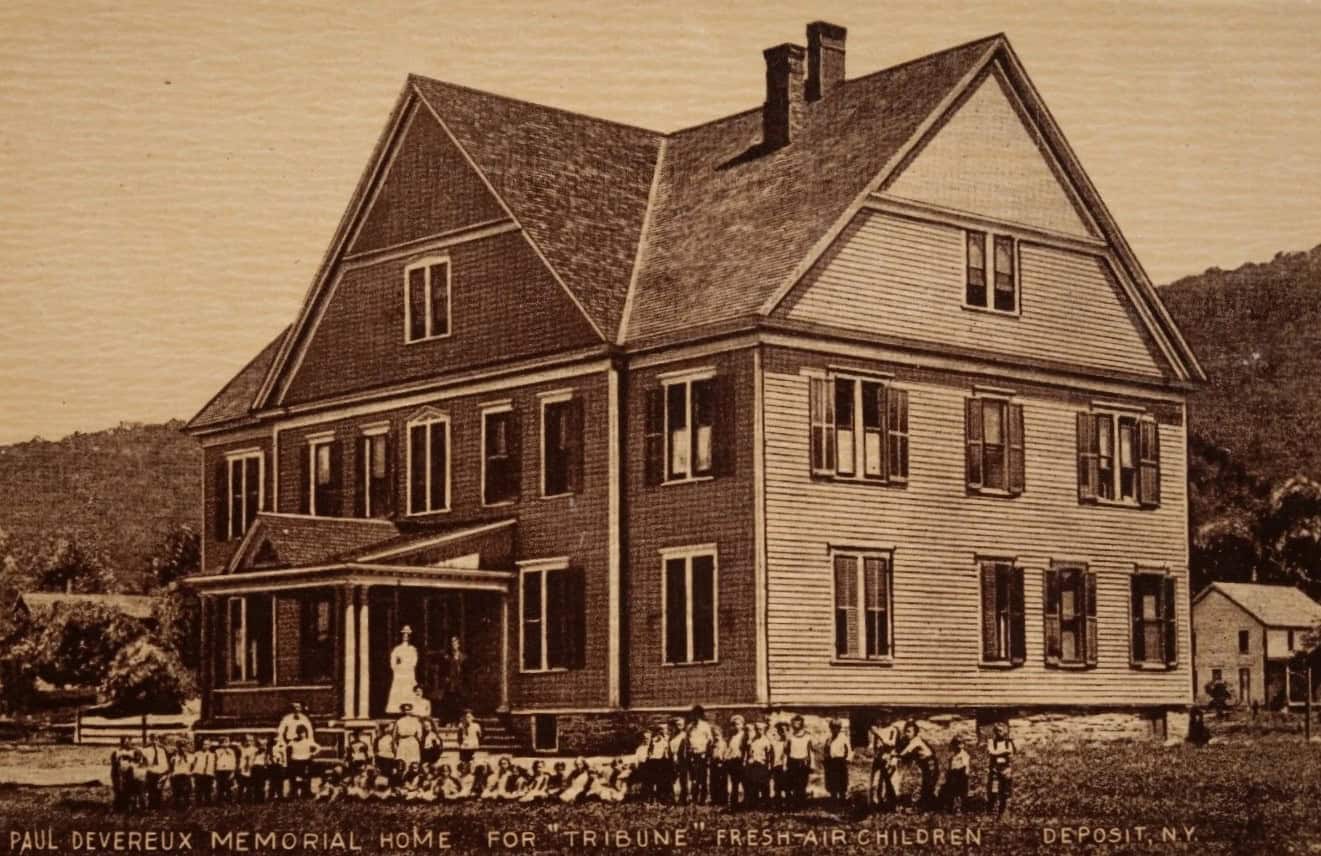
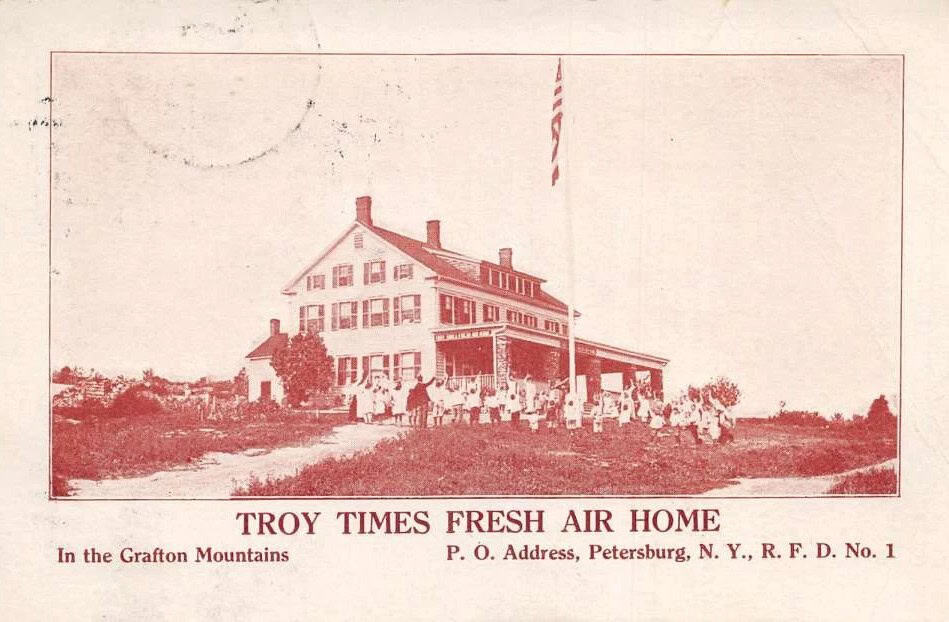
The years in which the Fresh Air movement began were characterized by growing public awareness of social issues. Reformers, journalists, and clergy became vocal about the need to address child welfare and public health. Newspapers such as the New York Tribune played a crucial role by publicizing Parsons’ idea and raising funds; the Tribune even provided office space for the early operations. Their involvement helped transform a local charitable effort into a widely supported movement.
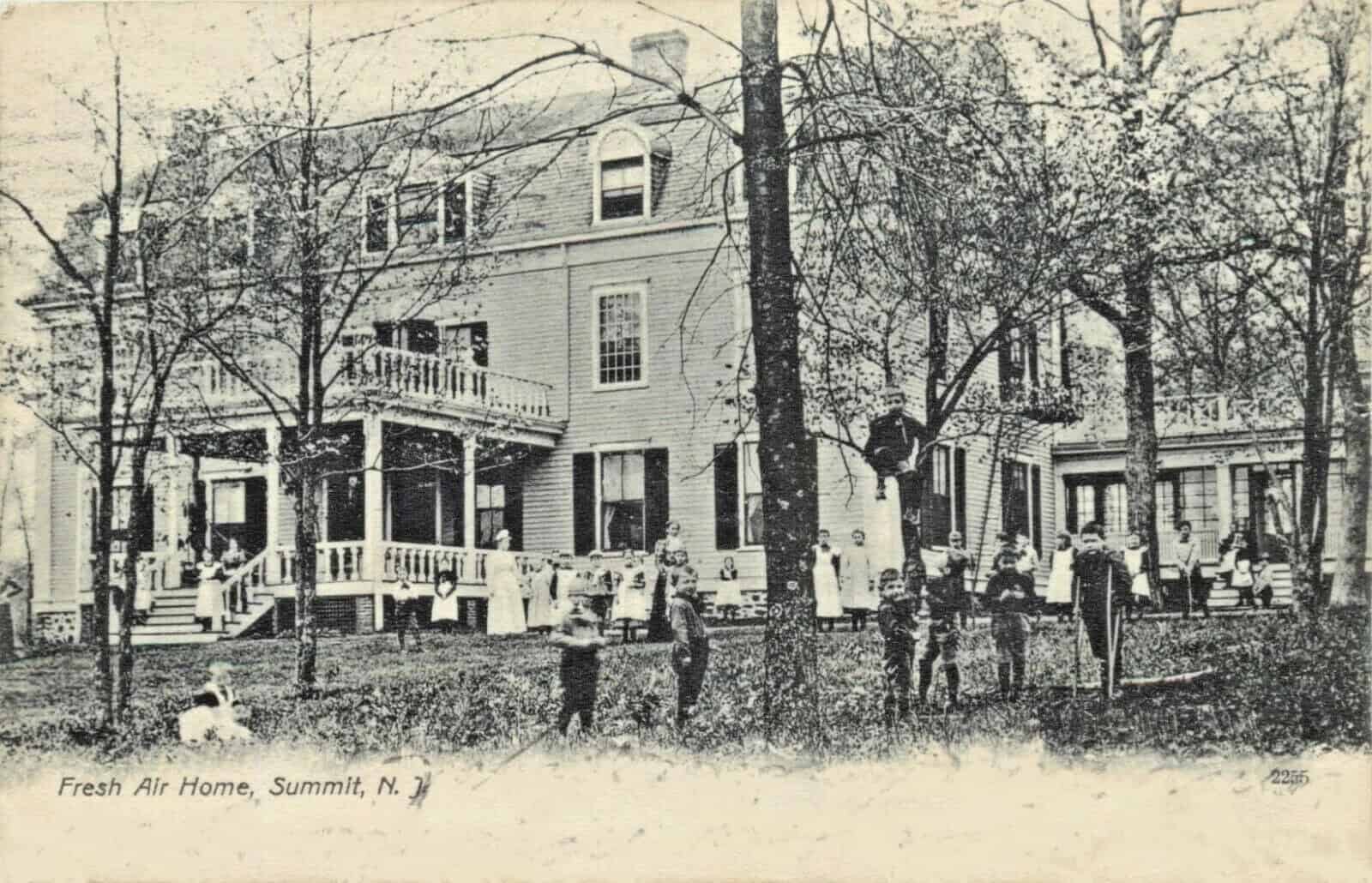
By the end of the nineteenth century, the Fresh Air initiative had become a well‑established program, sending thousands of children each summer to host families and, later, to sleep‑away camps in New York, New Jersey, Illinois, Michigan, Wisconsin, and Ohio.
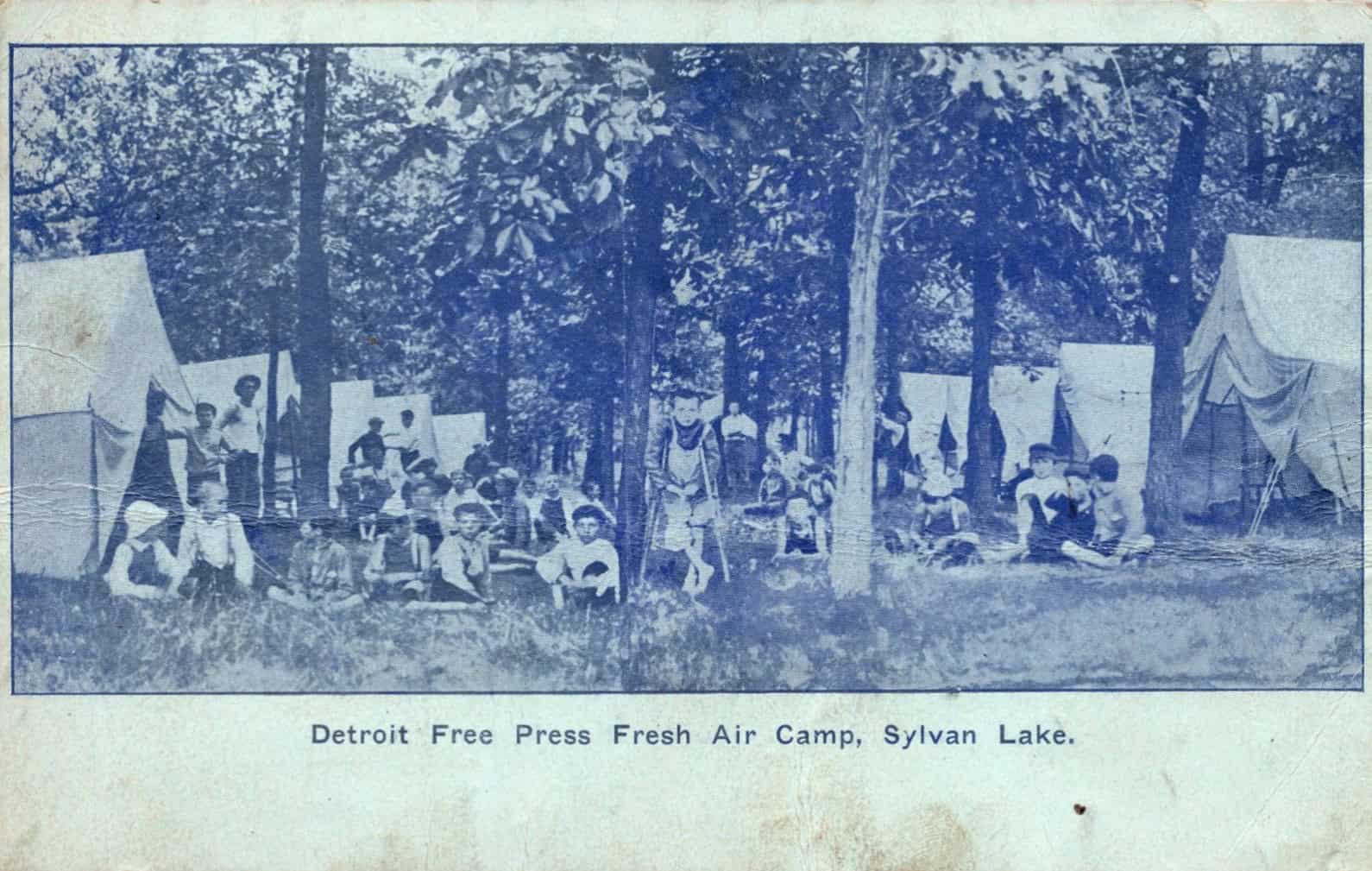
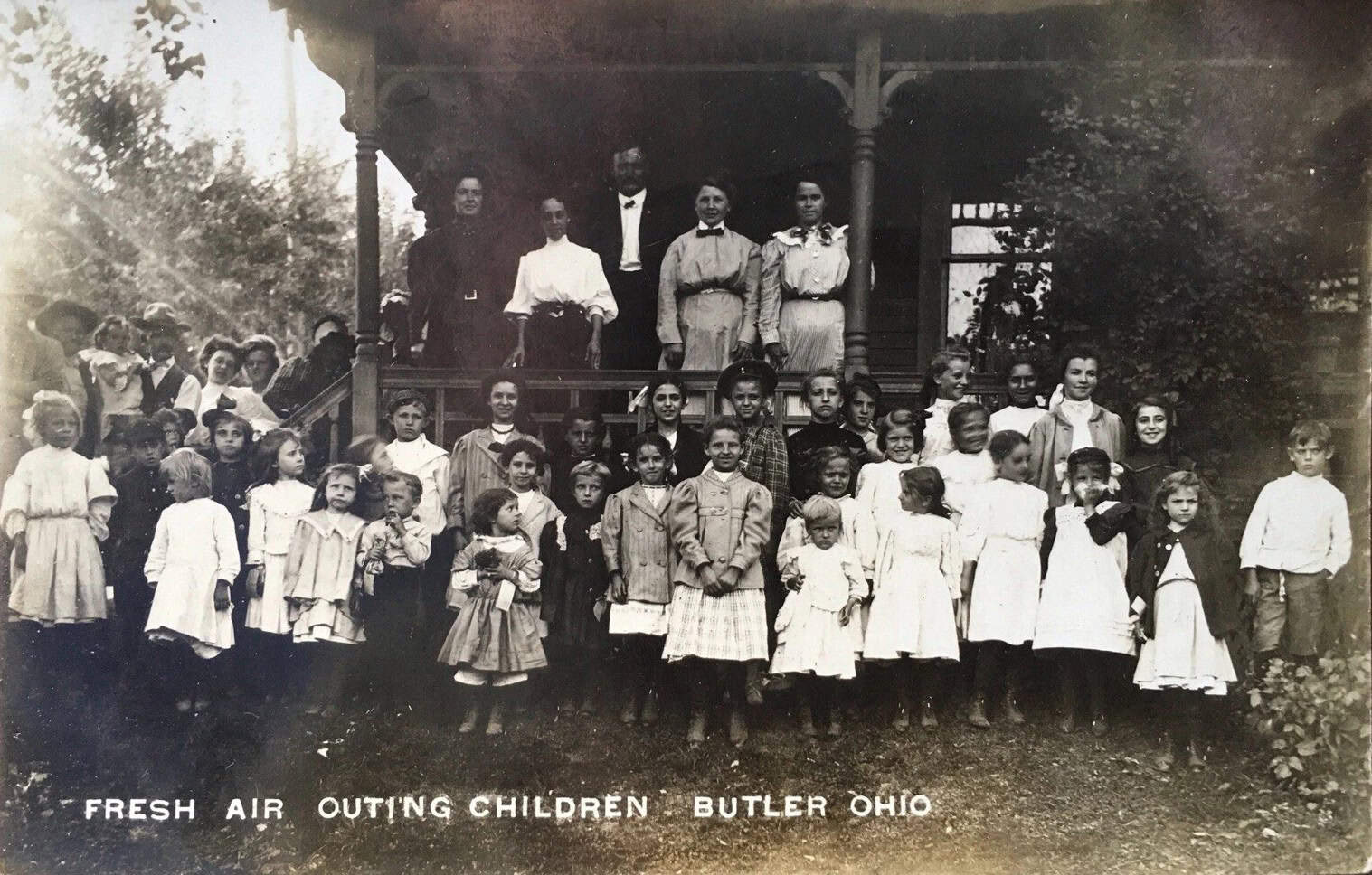
Its early success laid the foundation for what would become “Fresh Air Kids” generations of young participants whose lives were enriched by the chance to escape big city streets. Even if it was just for short times.
As the twentieth century unfolded, the Fresh Air movement evolved from a modest charitable effort into a largescale, nationally recognized program. The early decades saw continued reliance on rural host families, but the scale increased dramatically. By the 1920s and 1930s, thousands of children were traveling each summer from large cities in the Mid‑Atlantic to small towns across the country as far west as Michigan and Illinois. Improvements in rail travel made these trips more efficient, and local committees in host communities helped with fundraising, and volunteer recruitment.
The Great Depression brought new urgency. Economic hardship deepened the challenges faced by urban families, and the Fresh Air program became not just a summer treat but a vital health intervention. Rural hosts often described the children arriving as being underweight and pale. Conversely after two weeks of outdoor play and regular meals they returned home healthier and stronger. Despite financial strain, many rural families continued to open their homes, seeing the program as a moral duty.
One New Jersey newspaper published a story in 1922 of how nine “Fresh Air Kids” who were boarding a train to return to New York swarmed one of their reporters on the station platform to tell him of their wonderful stay in Wildwood. (Wildwood, NJ, hosted as many as 32 children a week in early August each year.)
After World War II, the program continued with an expanded mission. This time with a concept known as sleep-away camps. Such camps were located on land purchased for tent villages and recreation centers. Every recreation imaginable was offered: swimming, hiking, and arts programs. In the next two decades and into the 1980s, the Fresh Air Fund was serving tens of thousands of children annually.
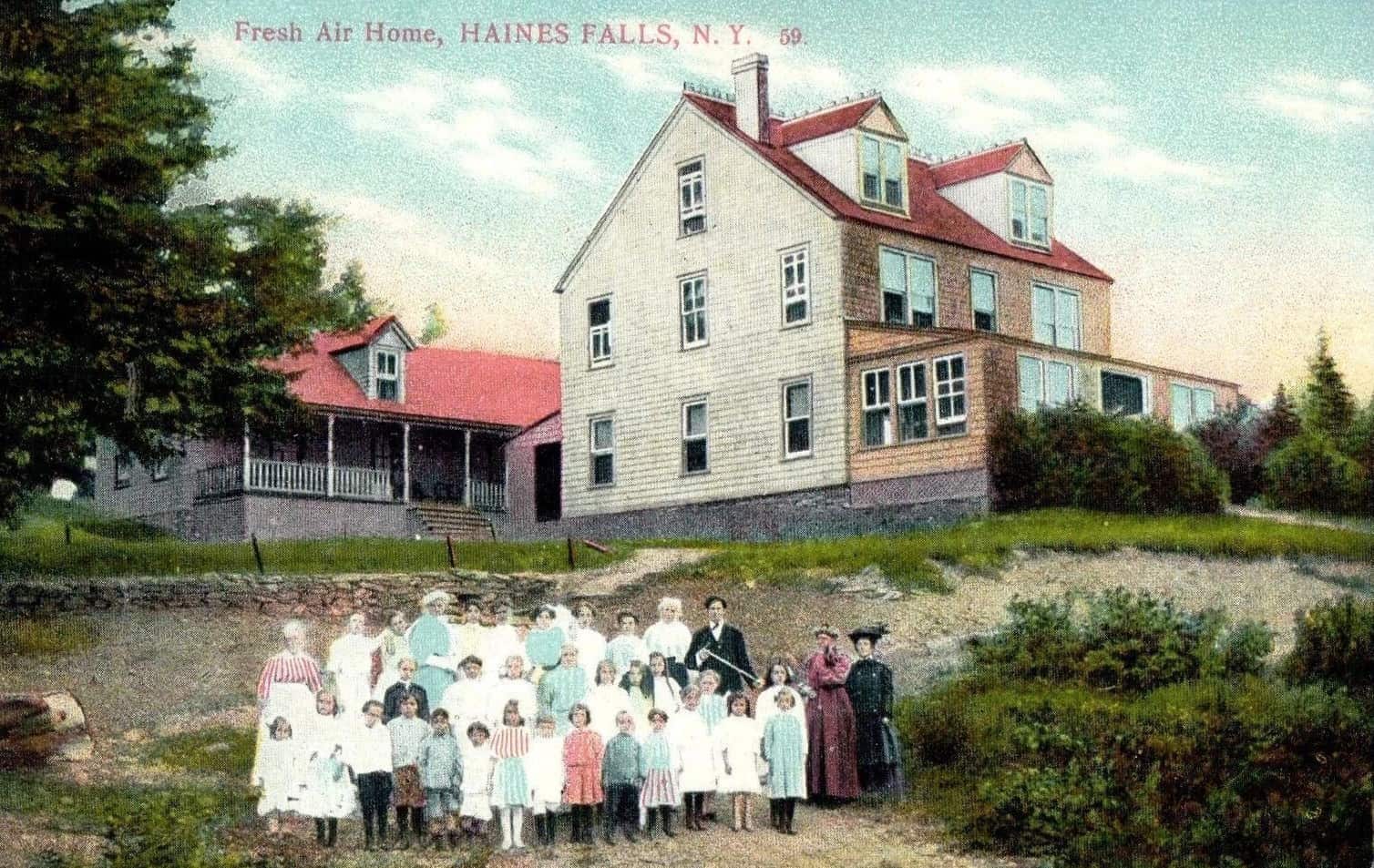
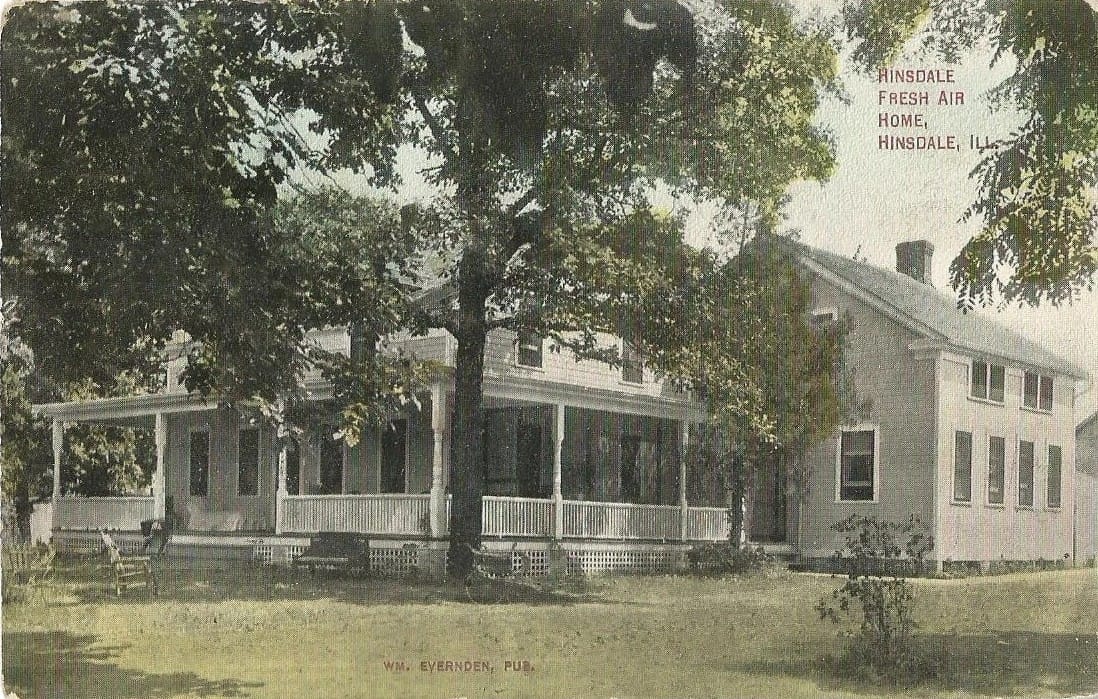
The late twentieth century brought further diversification. The Fund introduced year‑round educational and academic support. Over the decades the Fresh Air Fund and those who worked or volunteered inspired some personal stories that still tug on our emotions.
- The boy who became family. In the early years of the 1920s a boy named Samuel traveled from Manhattan’s Lower East Side to a Pennsylvania farm. He arrived shy and amazed with only a small flour sack holding all his belongings. In just two weeks, he learned to milk cows, pick berries, and sleep under a sky full of stars. The host family invited him back for the next four summers. Eventually, Samuel referred to his hosts as his “summer parents,” and they attended his wedding years later.
- A girl named Denise, growing up in the Bronx in the 1970s, spent her summers at one of the Fresh Air camps. She later recalled that the first time she saw a lake, she thought it was “a giant swimming pool without walls.” Camp counselors noticed her talent for leadership, and she eventually returned as a counselor herself.
- Sarah Watson arrived in Hartford, Connecticut in June 1920. She was the youngest ‘Fresh Air Kid’ that summer. She was five. After introductions on the train platform Sarah was walked out to the parking lot with her host family – she had yet to say a word – but when they stopped by the door of a sparkling new automobile she looked up and asked her host family … “Are we going to ride in your automobile?” She stood for more than a minute in wide-eyed amazement and told everyone that this was to be her first ride in an automobile. Just before she literally burst into tears of joy, she said, “I wish my brother was here.”
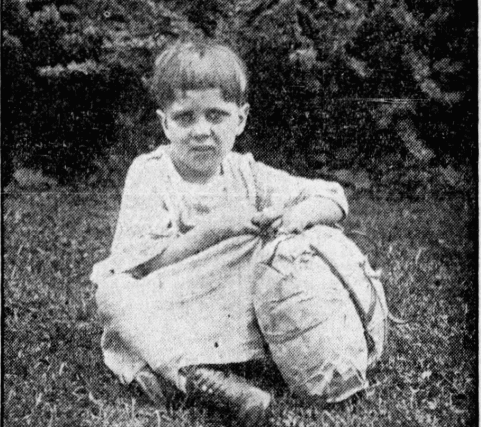
“Sarah Watson, the youngest Fresh Air Kid, in Hartford”
this year with her home-made suitcase.
Hartford Courant 6/25/1920, Page 30.
Outstanding article Ray! Thank you.
My parents were Fresh Air Kids hosts in the 1960’s. We lived in northwest New Jersey and had two sisters from New York City with us for several consecutive summers. They became “part of our family” and actually kept in touch with us well into their adulthood. I must admit I never knew much of the history of Fresh Air Kids, or any associated postcards. Great article. Thanks Ray for all the articles you do.
Thanks for this article. I do not remember ever hearing of this program. As an YMCA CAMP counselor, I certainly agree with the premise of fresh air, trees, lakes streams.
Impressive! Great info! Nice cards in support!
This article is a delight. Such a heart-warming topic, and I admit, the story of little Sarah and the automobile brought a lump to my throat. Thank you, Ray!
This is incredible. I have never heard of this program and I’m 61 years old. Is this all over the country or just on the East Coast?