Babington’s Tea Room in Rome was (and still is) a place where history and legends are meshed with the personality of a single feline – Sam, a black‑and‑white cat who wandered in on a rainy afternoon and never left. His story, and the stories of the two women who founded the tearoom decades earlier, form a single narrative about refuge, eccentricity, and the quiet magic that happens when a place becomes more than a business.
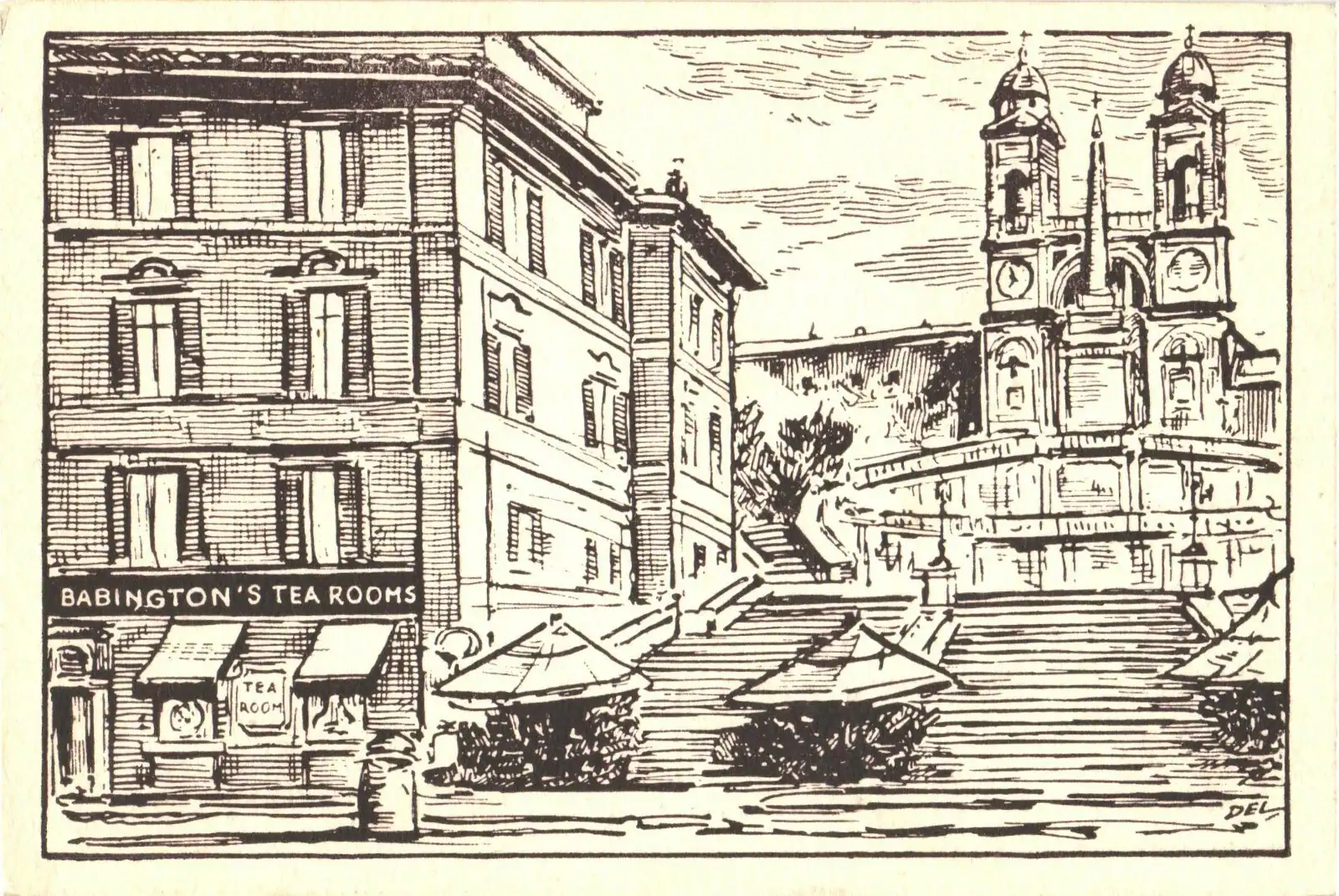
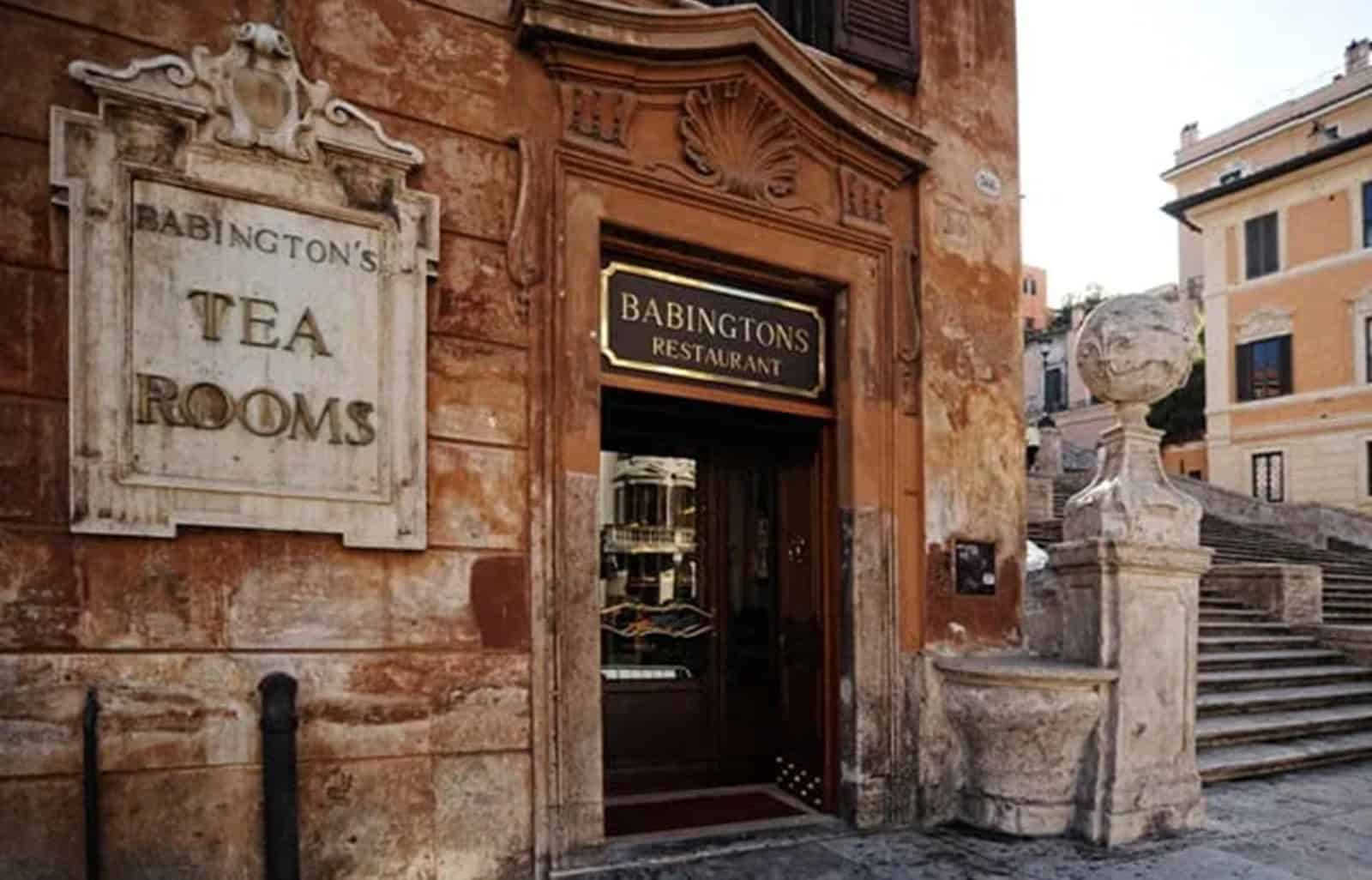
Founded in 1893 by Isabel Cargill and Anna Maria Babington, the tearoom began as an improbable dream. Tea was virtually unknown in Italy, sold only in pharmacies as a medicinal curiosity, yet these two young women, one from New Zealand the other from England, believed Rome needed a corner of Victorian calm. With just £100, they opened a reading room and tearoom for English travelers, a sanctuary of polished wood, silver teapots, and newspapers from home. Their creation that they chose to name “Babington’s because it was easier for Italians to pronounce, survived wars, fascism, and the shifting tides of Roman life, becoming a cultural refuge just alongside the Spanish Steps.
Isabel Cargill was born in Dunedin, New Zealand, where her grandfather was the founding father. She grew up in a prominent Scottish-New Zealand family and was well educated, curious, and independent. In the early 1890s she traveled to England and then to Italy with her friend Anna Maria Babington. (There are no public sources that identify a known photograph of Cargill.)
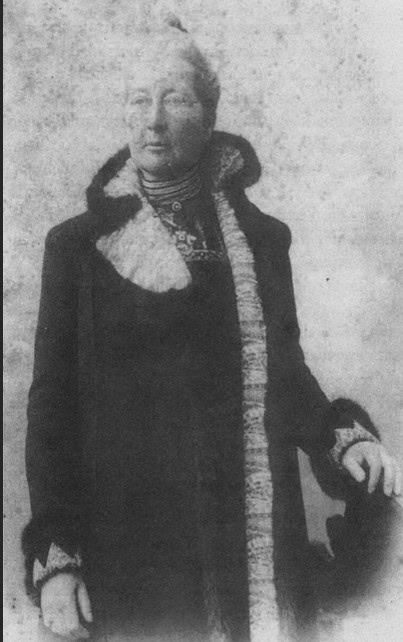
Anna Maria (see here, right) came from an old English family and was a descendant of Antony Babington, who was also notable; he was executed in 1586 for conspiring against Elizabeth I. Anna Marie too, was well educated, financially independent, and drawn to travel. Sadly, her health deteriorated early in life, dying in 1929.
Isabel met Anna Marie in Rome. They became instant friends and mutually discovered that tea was nearly impossible to find since Italians considered it medicinal.
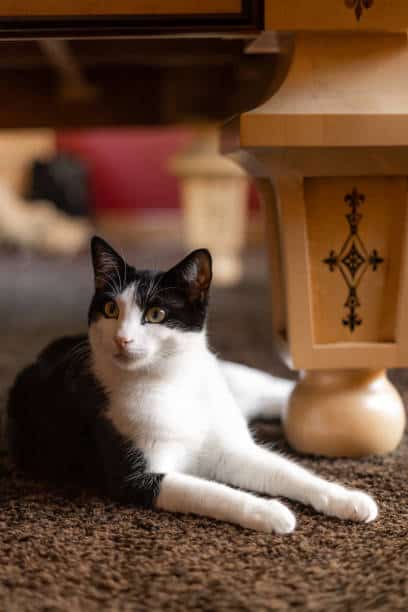
Cargill’s and Babington’s story was extended when Sam arrived. No one expected him. No one invited him. But Sam arrived with the same quiet certainty that had driven Isabel and Anna Maria decades earlier. According to the most cherished version of the tale, he appeared on a cold, rainy afternoon in the mid-1950s, soaked and shivering, and managed to slip through the door the moment a waiter opened it to sweep water from the entryway. He walked straight inside, ignoring the broom, the staff, and the rules. Within minutes he curled up beneath a table as if he had always lived there. And by the end of the day he chose a favorite chair, greeted several guests, and wandered the tearoom with the calm authority of a Victorian gentleman.
The staff tried to remove him — briefly. But Sam had a talent for returning. Through the front door, the back door, the reading‑room window, even the coal chute. After several attempts, the staff surrendered. Sam had chosen Babington’s, and Babington’s, in its gentle, eccentric way, accepted him.
Customers adored Sam immediately. Children fed him crumbs. Elderly English ladies declared him “a proper tearoom cat.” Travelers wrote home about him. He developed routines: morning inspections of the entrance and pastry counter, long naps on the velvet chairs, greeting guests throughout the day, and evening patrols near the kitchen door. He was dignified, aloof, and occasionally mischievous — especially when warm scones were involved. Once, he trotted across the tearoom with a stolen scone in his mouth, radiating the serene confidence of a creature who believed the establishment existed for his benefit.
The most tender tale of Sam came on another rainy day – it came to be known as the Day of the Rainstorm — Sam’s Heroic Moment. During a sudden Roman downpour, a soaked tourist rushed into the tearoom, flustered and embarrassed. Sam walked over, sat on her foot, and began purring loudly. The “chosen” object of Sam’s heroics burst into relieved laughter. Sam had a gift for knowing who needed comfort.
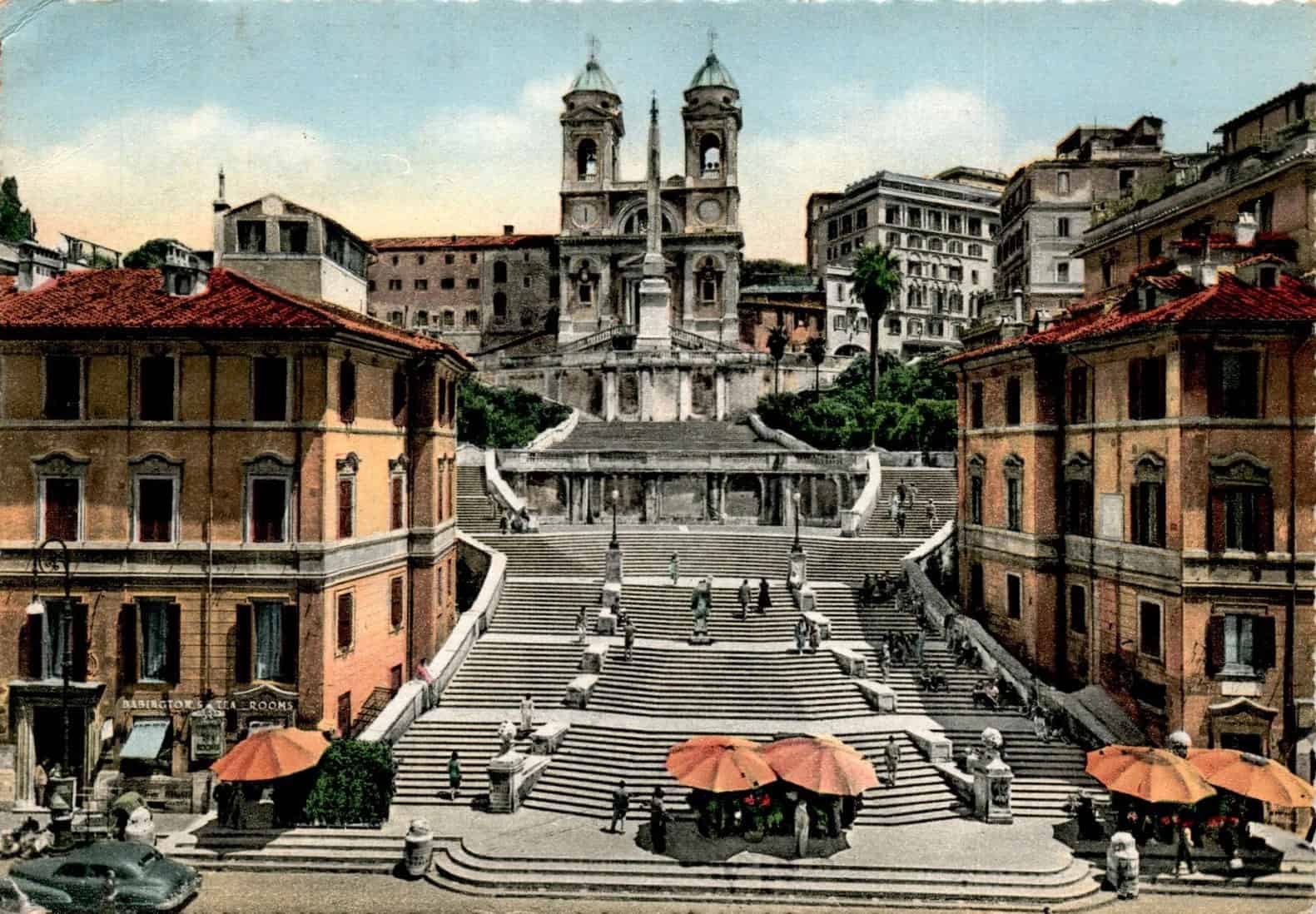
Something about Sam that may have happened thousands of times are the postcards (like the featured card at the top) on which people wrote about him to their friends at home. For well into the 1970s, arriving customers were asking, “Is Sam still here?” to which the staff would reply, that he was “still on duty.”
He became part of the tearoom’s mythology — as recognizable as the Spanish Steps outside.
Sam’s presence became part of the tearoom’s identity. He wasn’t a pet; he was a resident. A guardian. A symbol of warmth who over time became so beloved that when he passed away, the tearoom immortalized him as its logo — a sleek silhouette with a curled tail, capturing the exact posture he often assumed while surveying his domain.
But Sam’s final days are the part of his story that regulars remember most tenderly. He grew old gradually, sleeping more, inspecting less, and spending long hours in the warm sunlight that spilled through the tall windows. Staff lifted him onto his favorite velvet chair when he no longer had the strength to jump. He still made his morning rounds, but they became slow, ceremonial, as if he were saying goodbye to each corner of the room.
One afternoon, during his last week, he did something he hadn’t done in months: he chose a guest. A young woman sitting alone by the window, looking tired and overwhelmed. Sam climbed onto the chair beside her and rested his head on her arm. She later wrote in the guestbook that he made her feel less alone. Sam always had a gift for choosing the person who needed him most.
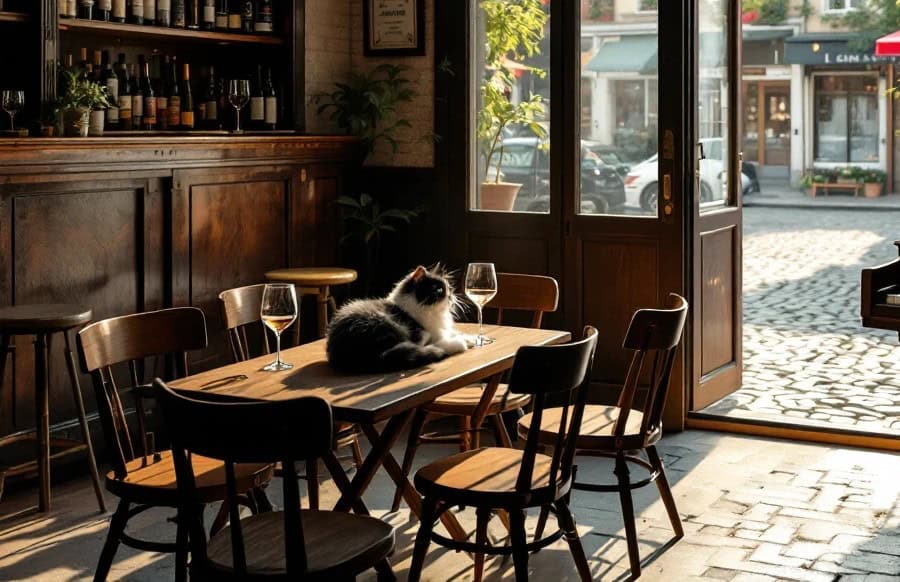
On the final day he came to the tearoom, Rome was wrapped in a soft, steady rain — the same kind of weather that had brought him there years earlier. He walked to the doorway, looked out at the piazza, then turned back inside. A staff member lifted him gently and carried him to his velvet throne. He curled up, purred once — a deep, contented rumble — and fell asleep. The staff kept the tearoom open but quiet. Regulars understood something was happening. Sam lay surrounded by the people who had loved him for years. When he slipped away, it was peaceful, like a candle going out in a room already full of light.
He was never again.
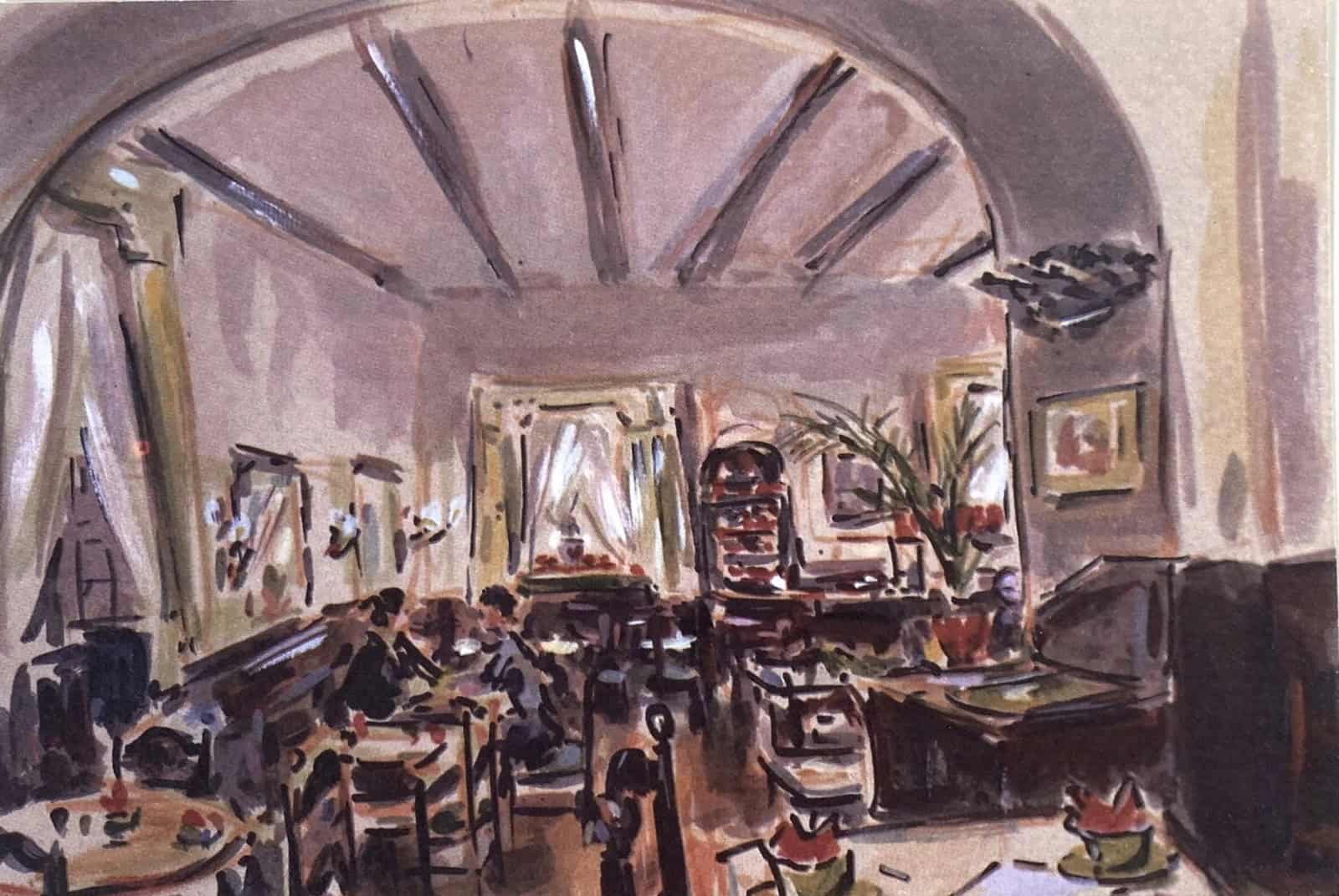
The next morning, before opening, the staff found that Sam’s chair was warm. A waiter whispered, “He’s still doing his rounds.” Sam lives on not only in memory but in the very identity of Babington’s.
Babington’s Tea Room has always been a refuge: for travelers, for dreamers, for those seeking a quiet corner of England in the heart of Rome. Sam understood that instinctively. He arrived uninvited, stayed unchallenged, and became the tearoom’s guardian spirit. In a place built on history and legend, Sam became both.
***
P.S. Not long after Sam passed a guest arrived one afternoon and asked for her favorite table. She sat for nearly an hour before she asked for her check (“Il conto, per favore,” in Italian. She took money from her purse and attached the money and the check to a note card. She then left. When a member of the staff found the note, it read, “Sam arrived the year I lost my husband. He sat with me every day. He was no ordinary cat.” Amavo mio marito; amavo anche Sam.
Great story.. thanks
What a sweet story and typical of a cat! Thanks for sharing it.
What a beautiful story. I am a veterinarian and it brought tears to my eyes. May he live on in his story.
Such a lovely and emotional story. My pet cat knows that Sam is still there in spirit. Thank you for this special article.
Loved this story, very emotional also gives off a warm feeling of people are not alone with animals around. Some animals are so attune with our feelings. Thank you.