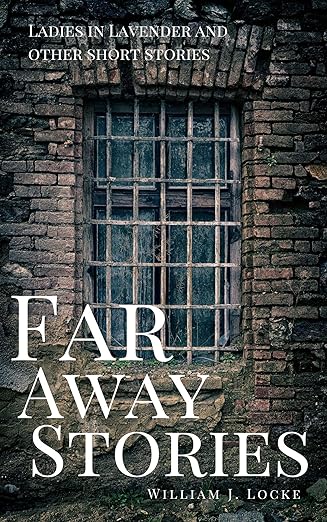
I have had a lifelong love of books – more than 80 years. I struggled to read at first but with help from caring parents and some extraordinary teachers, I learned and yet at my age I have never been privileged to learn the secrets of the publishing industry. The story in this case is, why would a book publisher reissue an anthology of short stories that is 111 years old four days after Christmas?
The real answer is probably because someone could make another dollar!
The euphoric answer is much more palatable. It is here repeated as best as memory permits after a somewhat exhausting, but not exhaustive search for the details.
William J. Locke was rediscovered early this century by a Hollywood producer who read a book. The one you see here is entitled Far Away Stories. One story included in this anthology of tales is Ladies in Lavender.
First the Hollywood details. Ladies in Lavender, a short story from 1908 became a 2004 motion picture that the critics called a gentle, nostalgic British drama set in Cornwall, blending themes of longing, aging, and a totally unexpected discovery. The screenplay was written and directed by Charles Dance and is based on Locke’s story of the same name.
The stars, Judi Dench, Maggie Smith, and Daniel Brühl, anchor the film’s emotional core with award winning performances.
What the Film Is About
At its heart, Ladies in Lavender is a story about two aging sisters—Ursula (Judi Dench) and Janet (Maggie Smith)—whose quiet life in a Cornish seaside village is disrupted when a young Polish violinist, Andrea (Daniel Brühl), washes ashore after a storm. They nurse him back to health, forming a deep attachment to him. Ursula, in particular, develops tender but unspoken feelings for the much younger man.
As Andrea regains his strength and his extraordinary musical talent (the soundtrack was performed by Joshua Bell) attracts the attention of Olga Danilof, a visiting artist connected to a famous violinist. Her interest in helping Andrea pursue a career creates tension, jealousy, and emotional upheaval for the sisters, who fear losing him. The story unfolds with quiet melancholy, exploring themes of unrequited affection, the passage of time, and the bittersweetness of letting someone special leave your life.
Aside: Both Judi Dench and Maggie Smith were nominated for Best Actress Awards at the European Film Awards in 2005.
What the Short Story is About
Written in 1908, the short story is set in a picturesque fishing village in Cornwall. The tale tells of two elderly sisters, Ursula and Janet Widdington whose lives are disrupted when they discover a young Polish violinist named Andrea washed ashore after a storm.
The screenwriter stays true to Locke’s story as Andrea becomes a part of their lives since he brings music and vitality to the sisters but also stirs jealousy and longing. The story delves into emotions by reminding the reader that Lavender is not merely a plant; it is a repository of myth, healing, and memory. The enduring popularity of the phrase—and the worldwide affection for lavender comes from this deep well of meaning.
Locke also reminds us that lavender has a global appeal as an aroma. Even today, lavender remains one of the most widely used essential oils, valued for its ability to reduce anxiety and improve sleep.
Ultimately, lavender acts very much like an emotional shorthand.
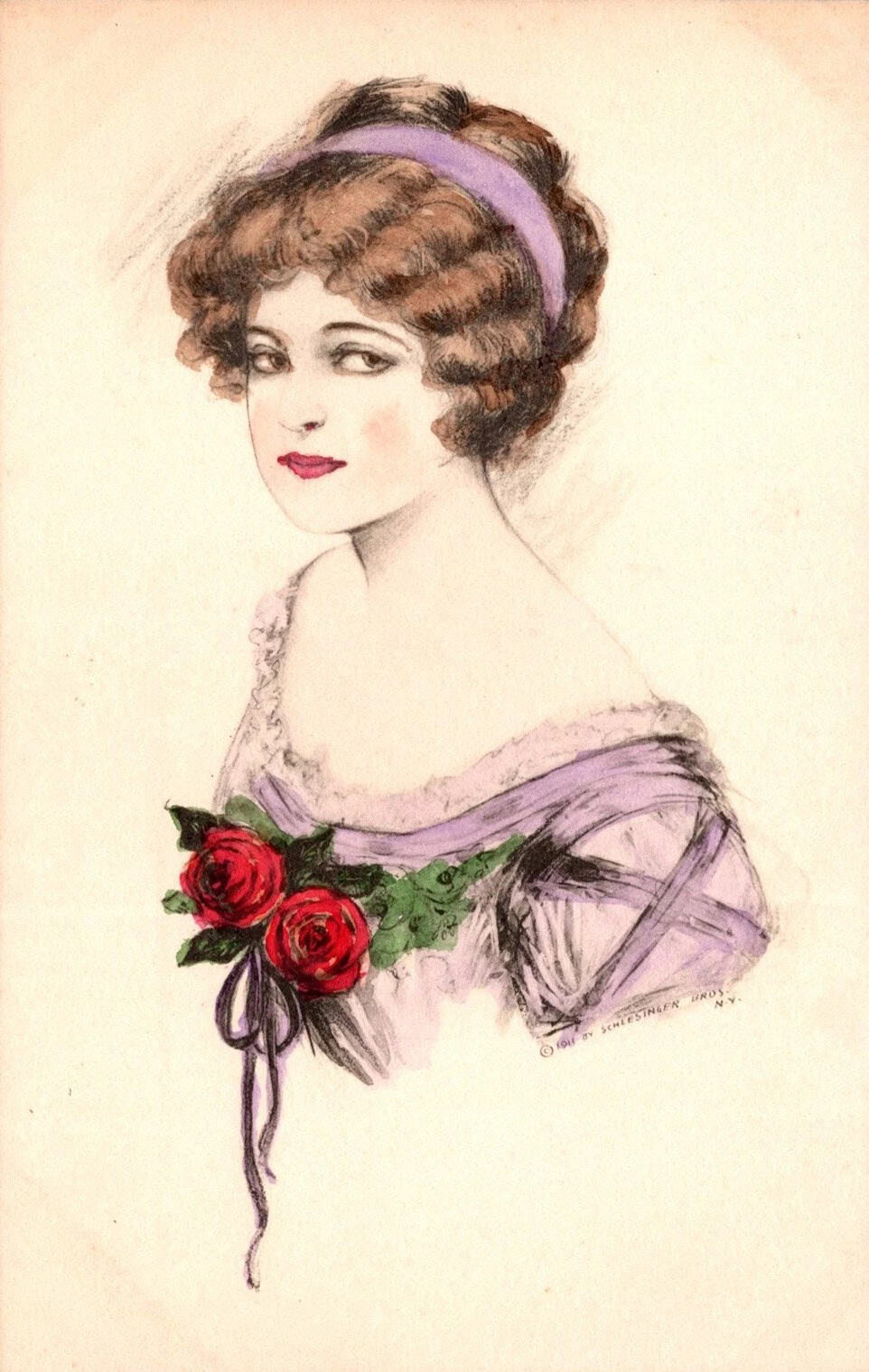
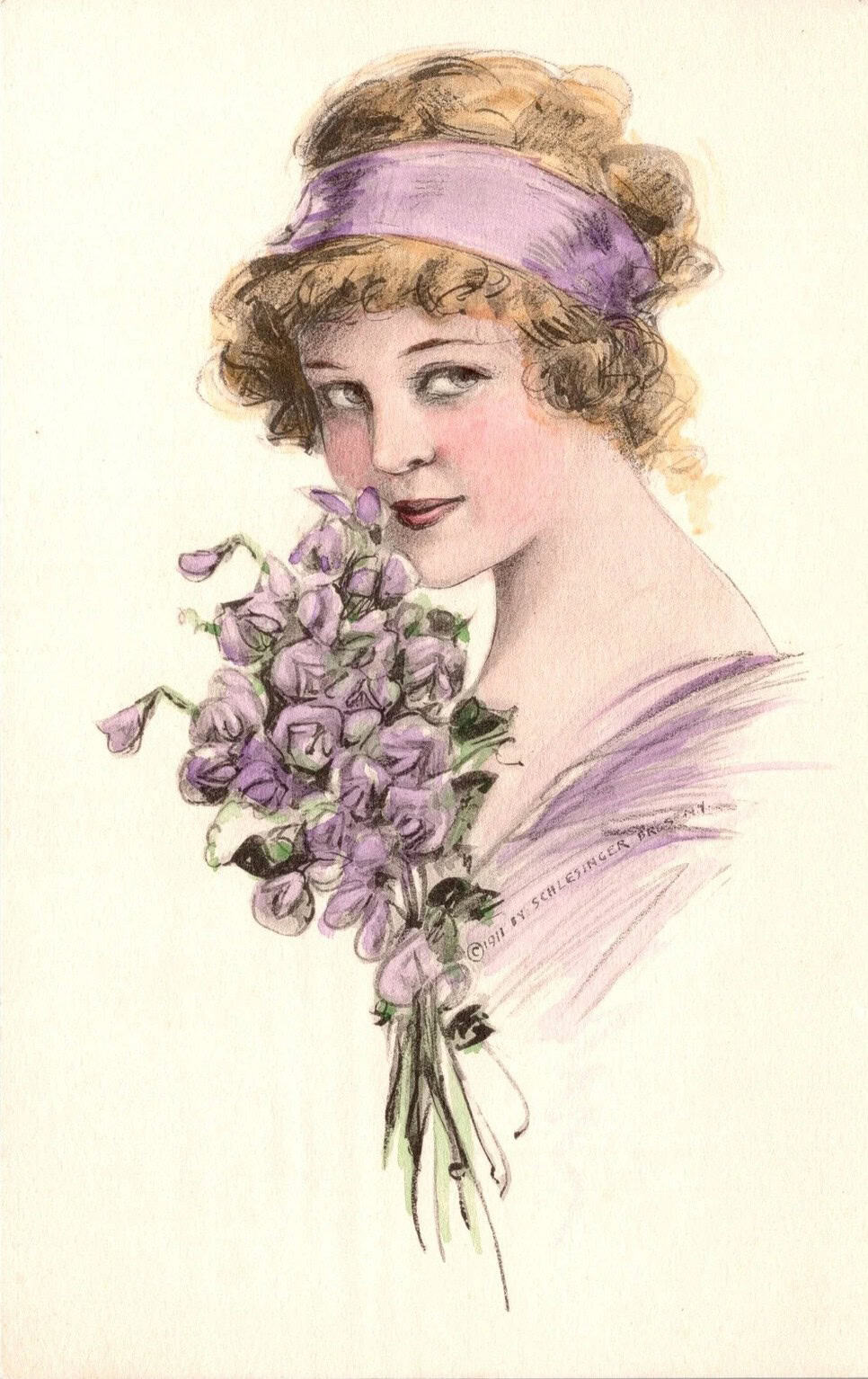
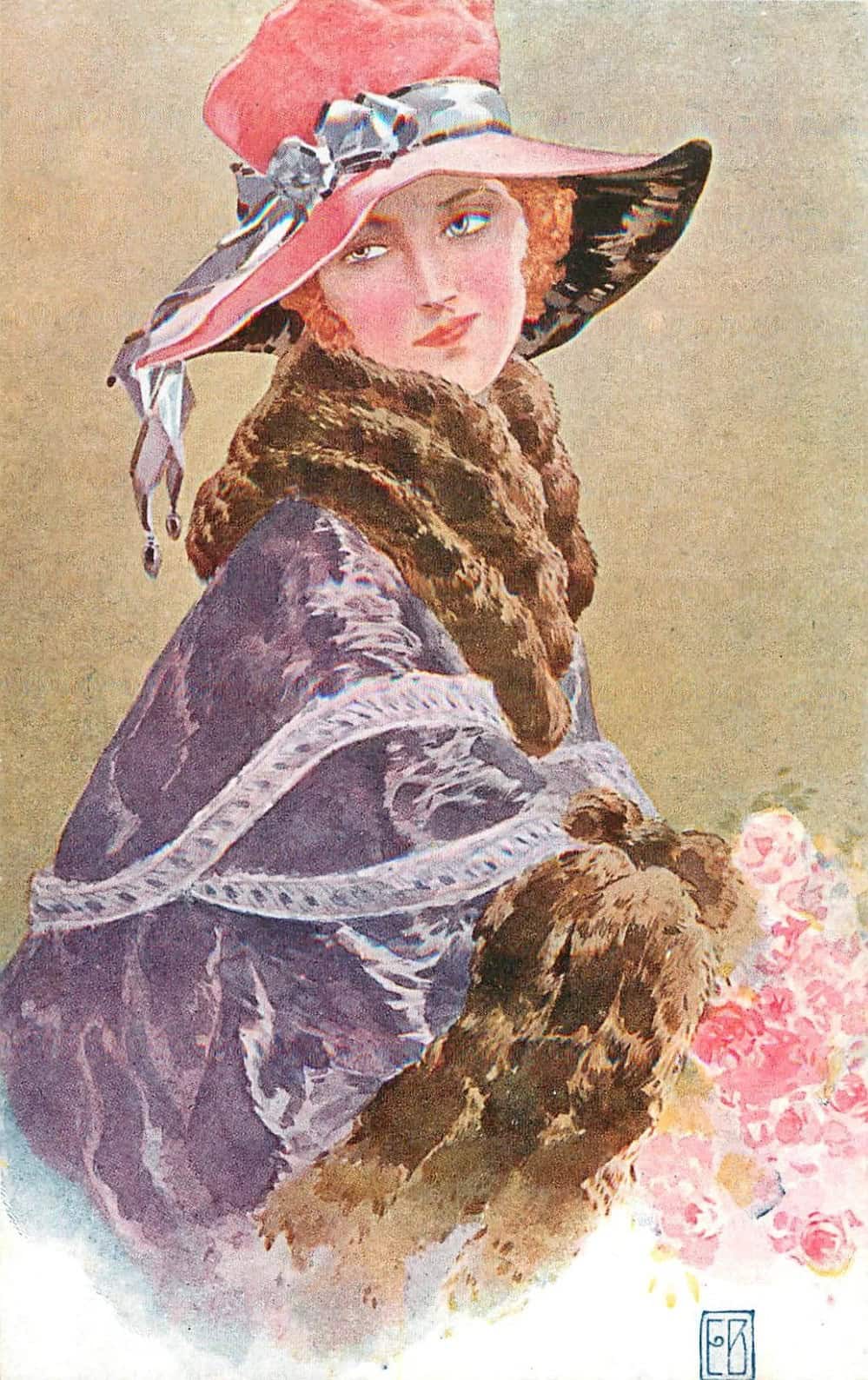
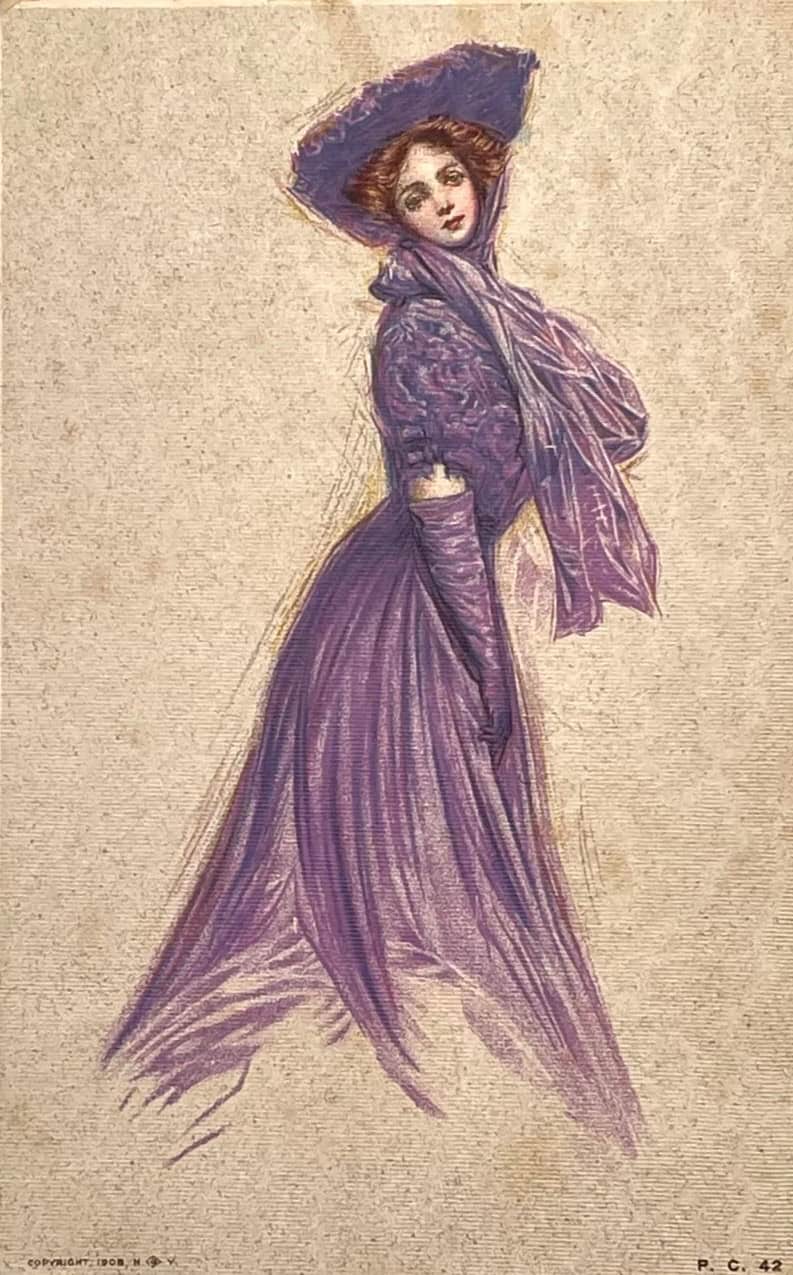
None of my research explains why postcards picturing ladies in lavender are so popular, but artists like Maud Humphreys, Rene Cloke, and Margaret Tarrent seemed to have learned the secret long ago.
I will now go watch the movie and enjoy i even more with an understanding of where the story came from. Lavender also is one of my favorite fragrances when I can either burn it as incense or find it as an oil. Thank you for the story and those postcards are truly beautiful.
Just downloaded your latest gaming app and I have to say the experience is absolutely fantastic. The loading times are super quick and the interface is so easy to navigate. Thanks for keeping things fresh and fun for us players. ec777gamedownload
I play here almost every single day and the consistency is what keeps me coming back. The game library runs flawlessly and the bonus terms are actually readable without any hidden catches. Withdrawals hit my account within the promised timeframe and the whole experience feels completely transparent. Perfect for anyone who wants a stress free gaming routine. Check it out 365jilicasino
Getting into my account is always a breeze here. The VIP treatment actually shows in the daily rewards and the faster withdrawal options. It feels like they really value the regular folks like me. Jump over to vip333login and see for yourself vip333login