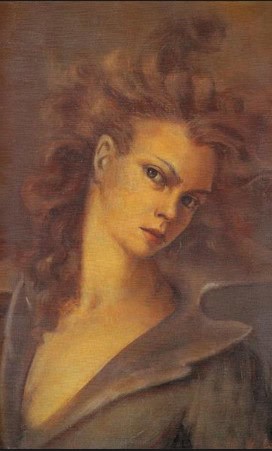
Leonor Fini was among but not part of the original artists of the Surrealist era (a period from the late 1920s to the mid-1950s) that was best defined by the Spaniard, Salvador Dali.
Though Fini refused to be anyone’s disciple she is often talked about when Andre Benton, Max Ernst, Rene Magritte, and the photographer Meret Oppenheim are being discussed or exhibited.
I hope my enthusiasm for Miss Fini doesn’t spill over in this essay. It is hard to curb deeply engrained opinions when beauty and talent are so abundant in one individual. Witness the beauty in this self-portrait from 1929.
Born in Buenos Aires in 1907 and raised in Trieste, Italy, she became known for her mythic, erotic, and female‑centered imagery, her flamboyant persona, and her lifelong insistence on living entirely on her own terms.
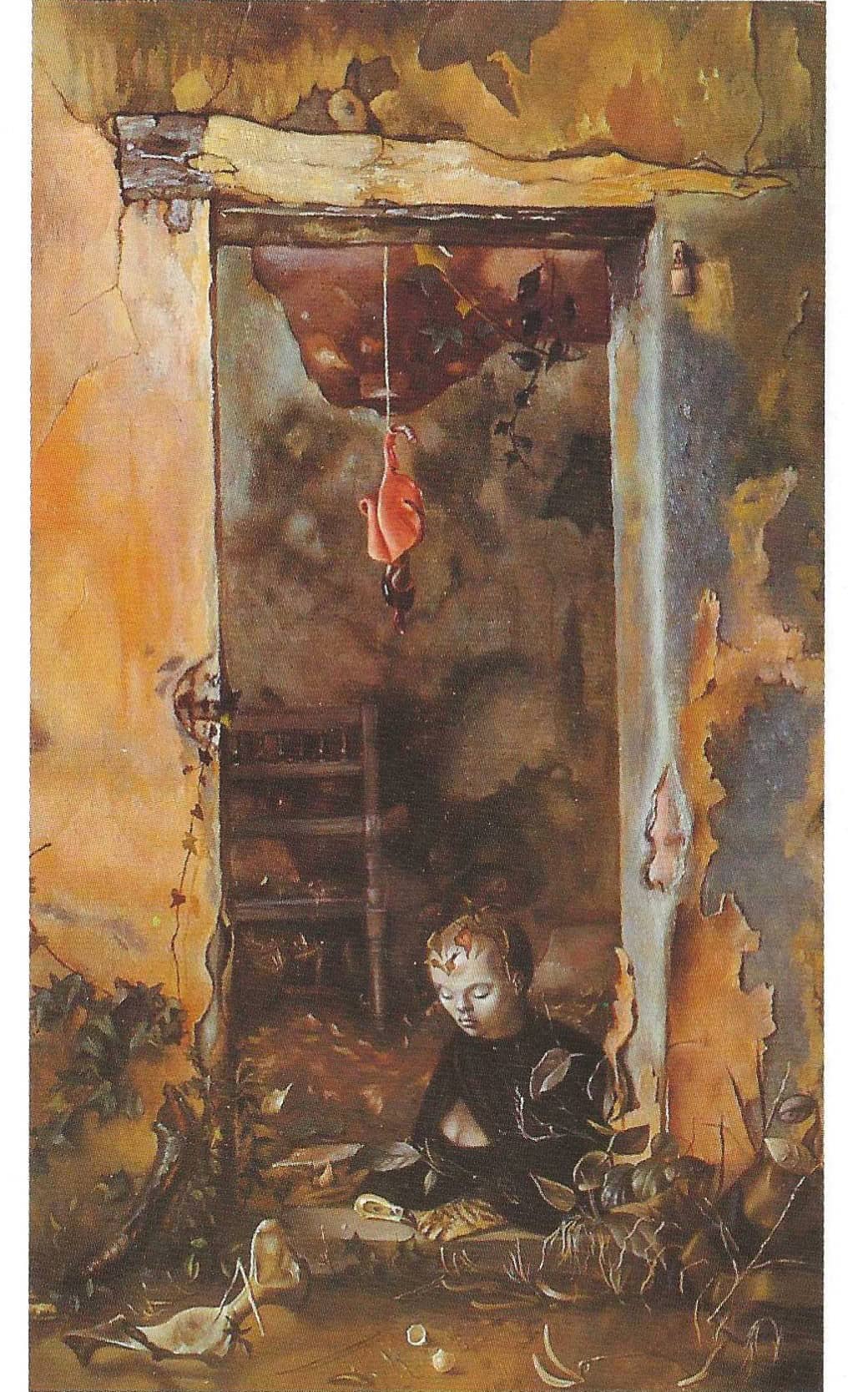
Fini grew up in a family stained by turmoil. Her mother fled her tyrannical father when Leonor was an infant, which led to years of custody battles and even disguises to avoid being kidnapped by one parent or the other. In her teens Leonor developed rheumatic conjunctivitis that forced her to live in darkness for months. When in Paris, years later she said the sight being interrupted sharpened her inner vision and forced her to imagine what she should have seen.
After a move to Italy when only 17, she taught herself anatomy by sketching cadavers in the Trieste morgue and absorbing artistic techniques from books and nearly daily visits to museums, art dealer’s showrooms, and other historic sites.
Fini’s work blends Surrealism and Symbolism, but she rejected the idea that she was a surrealist – and never joined a surrealist group. She preferred to paint powerful women as dominant, erotic, or mythic figures.
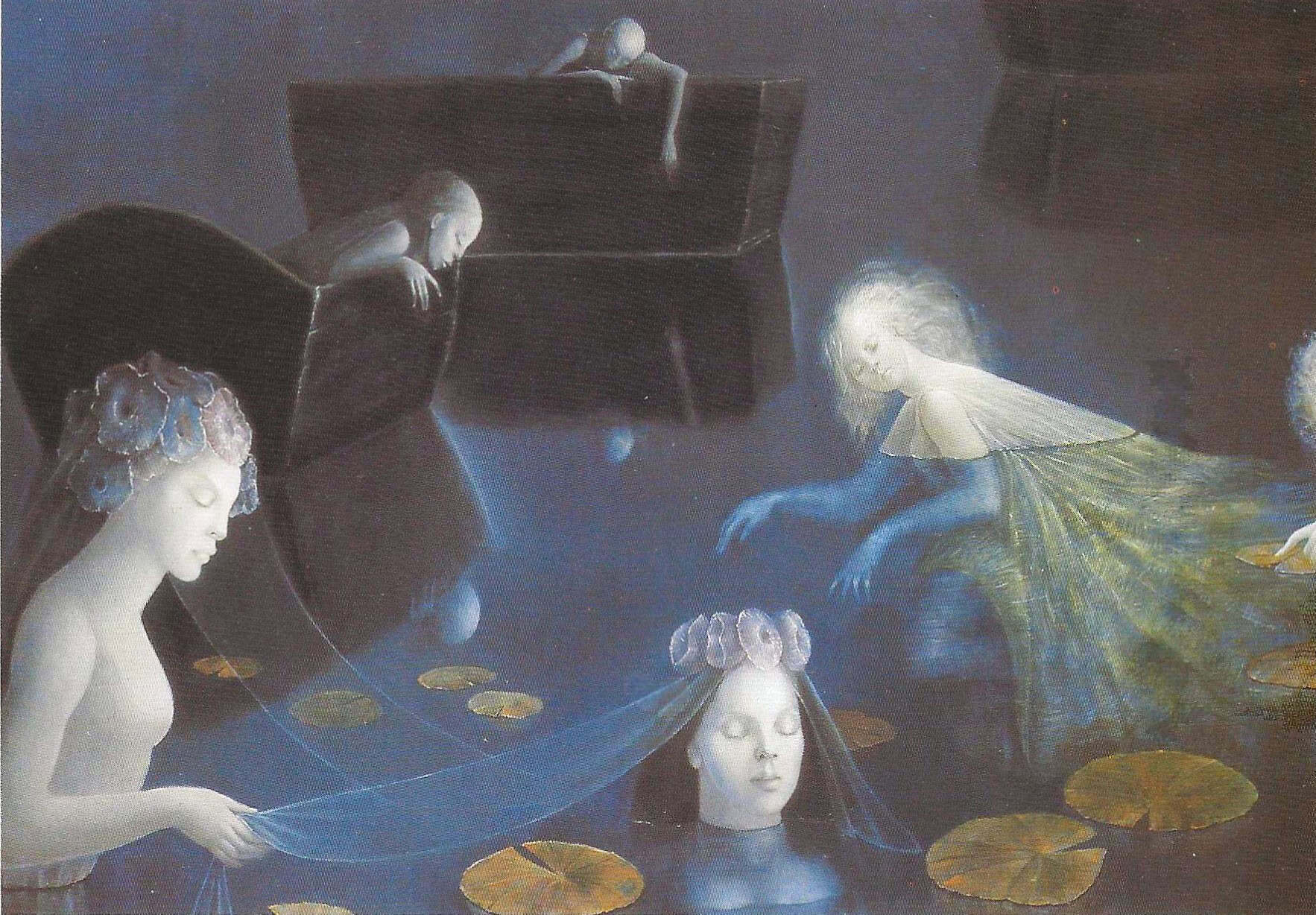
As a critic, I find most of her work disturbing – it is also fixating and gripping. Attending one of Fini’s exhibits is much like watching an accident, there are victims everywhere — there is little beauty, and what little there is, is wounded by menaced and masked creatures who have left little or no calm. Her canvases often feel like scenes from a dream: somnambulistic landscapes, coded metaphors, and sensual anxiety.
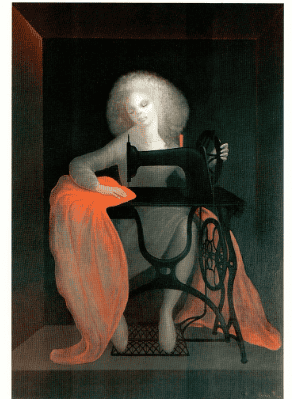
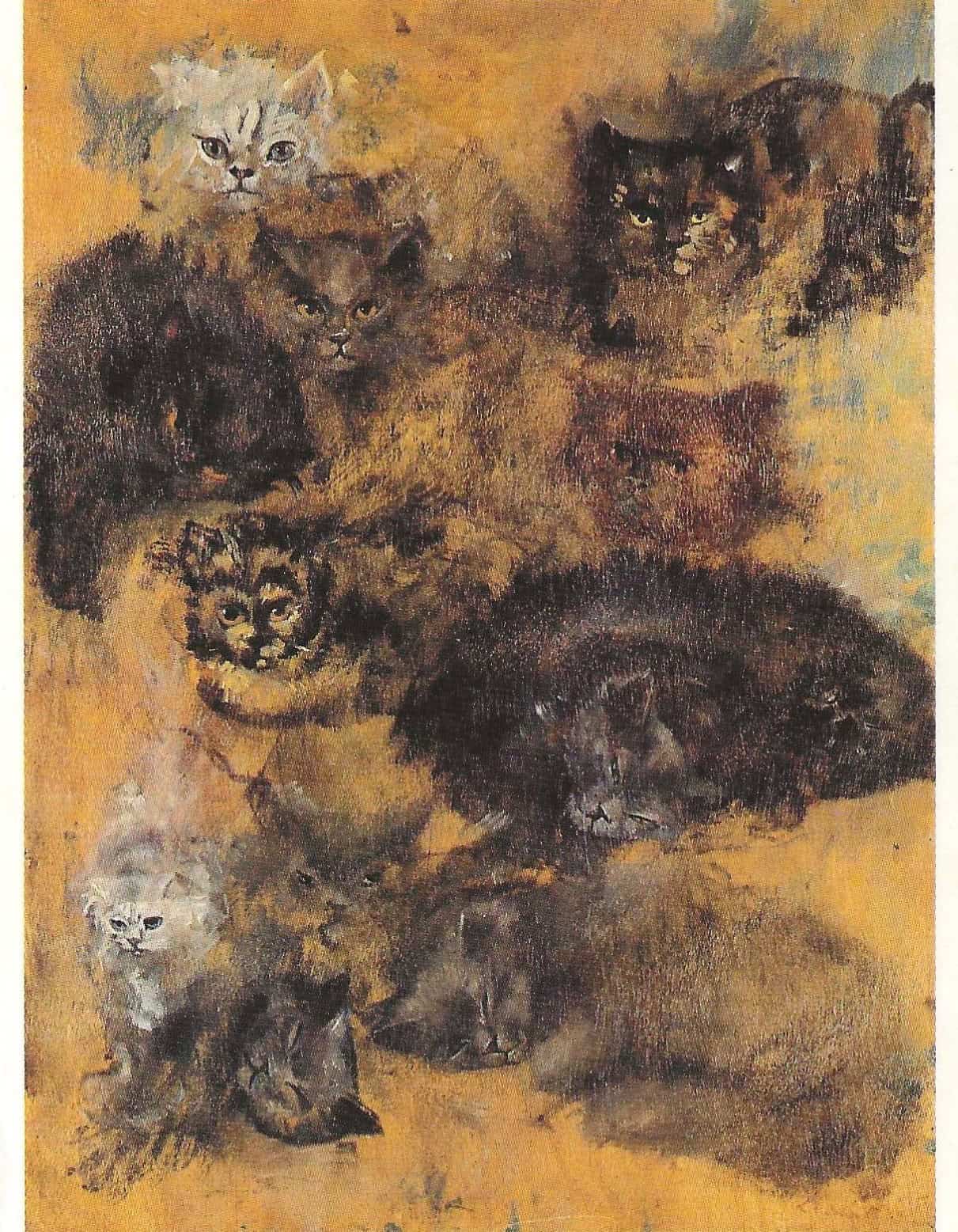
Some of her most celebrated pieces are her own self‑portraits, student-like renderings of her cats, her imaginary women along with their treasured possessions, e.g. a sewing machine.
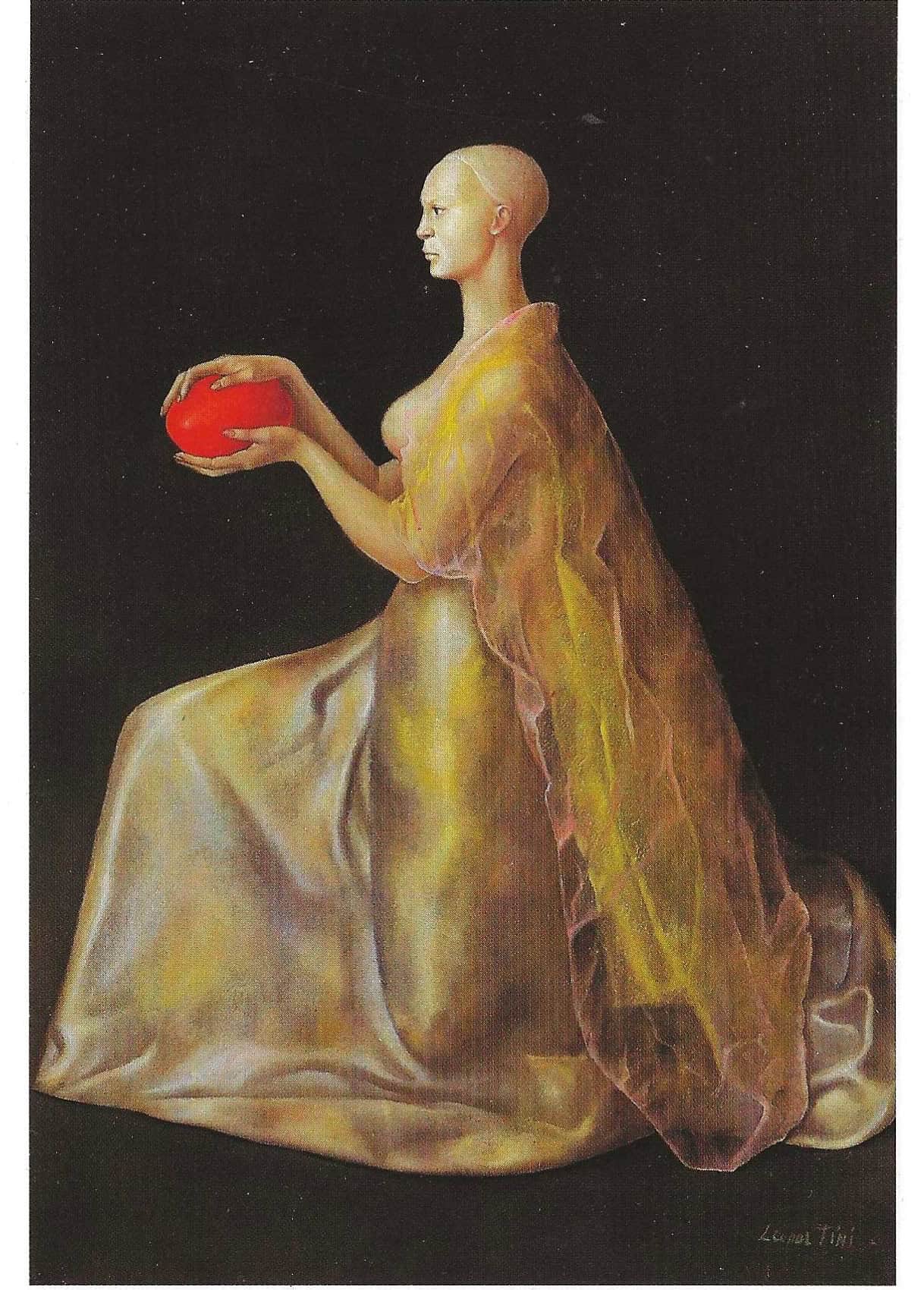
Fini moved to Paris in 1931, where she befriended but did not collaborate with many “friends-of-the-day.” And just five years later she managed her first North American exhibit in New York at Julien Levy’s gallery on Madison Avenue.
She also participated in MoMA’s “Fantastic Art, Dada, and Surrealism” and Peggy Guggenheim’s “Exhibition by 31 Women” (1943).
Beyond painting, Fini was a designer of furniture and jewelry, as well as an accomplished illustrator, and scenographer – a designer who creates the physical environments use in film, theatre, and television.
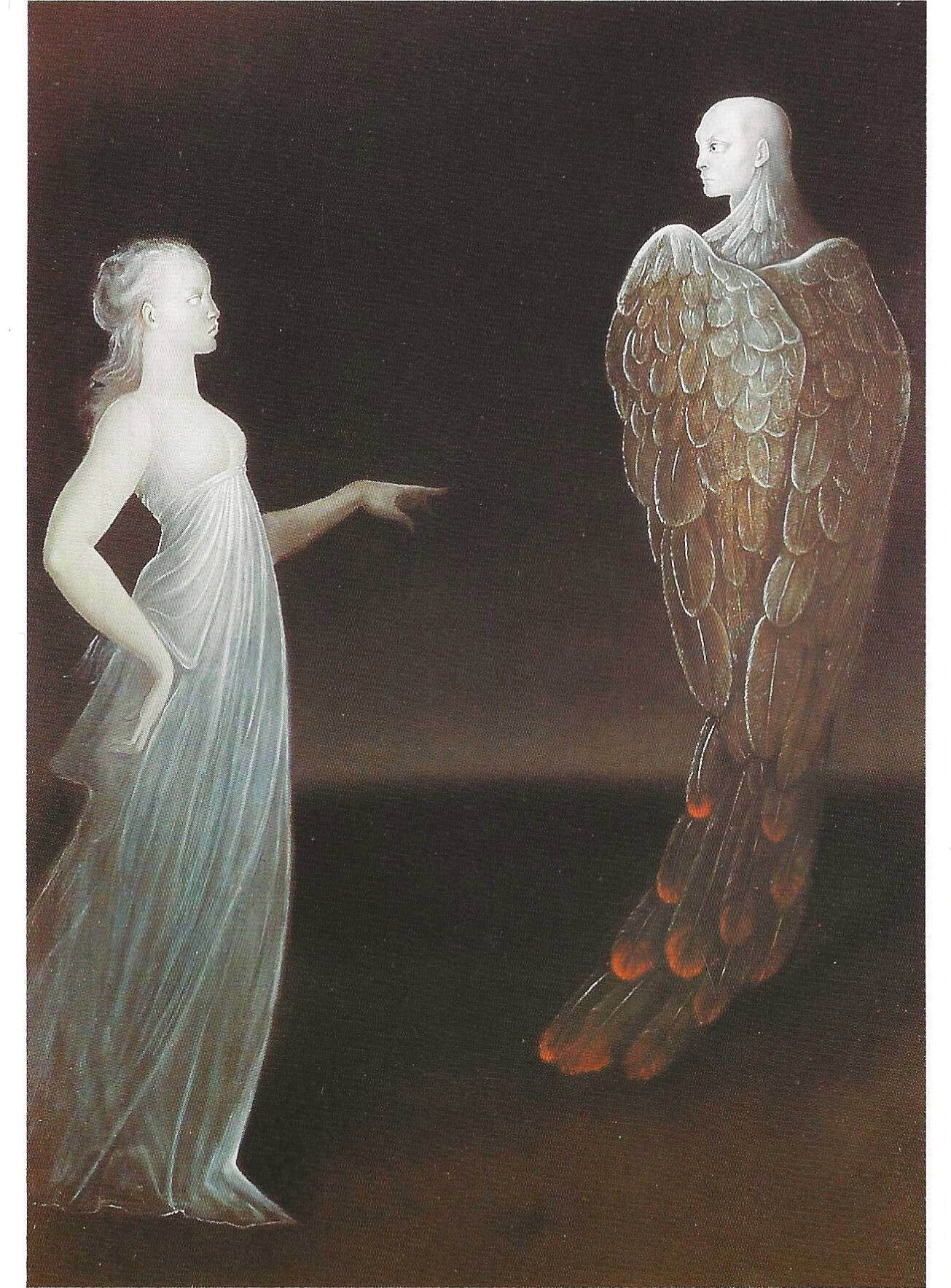
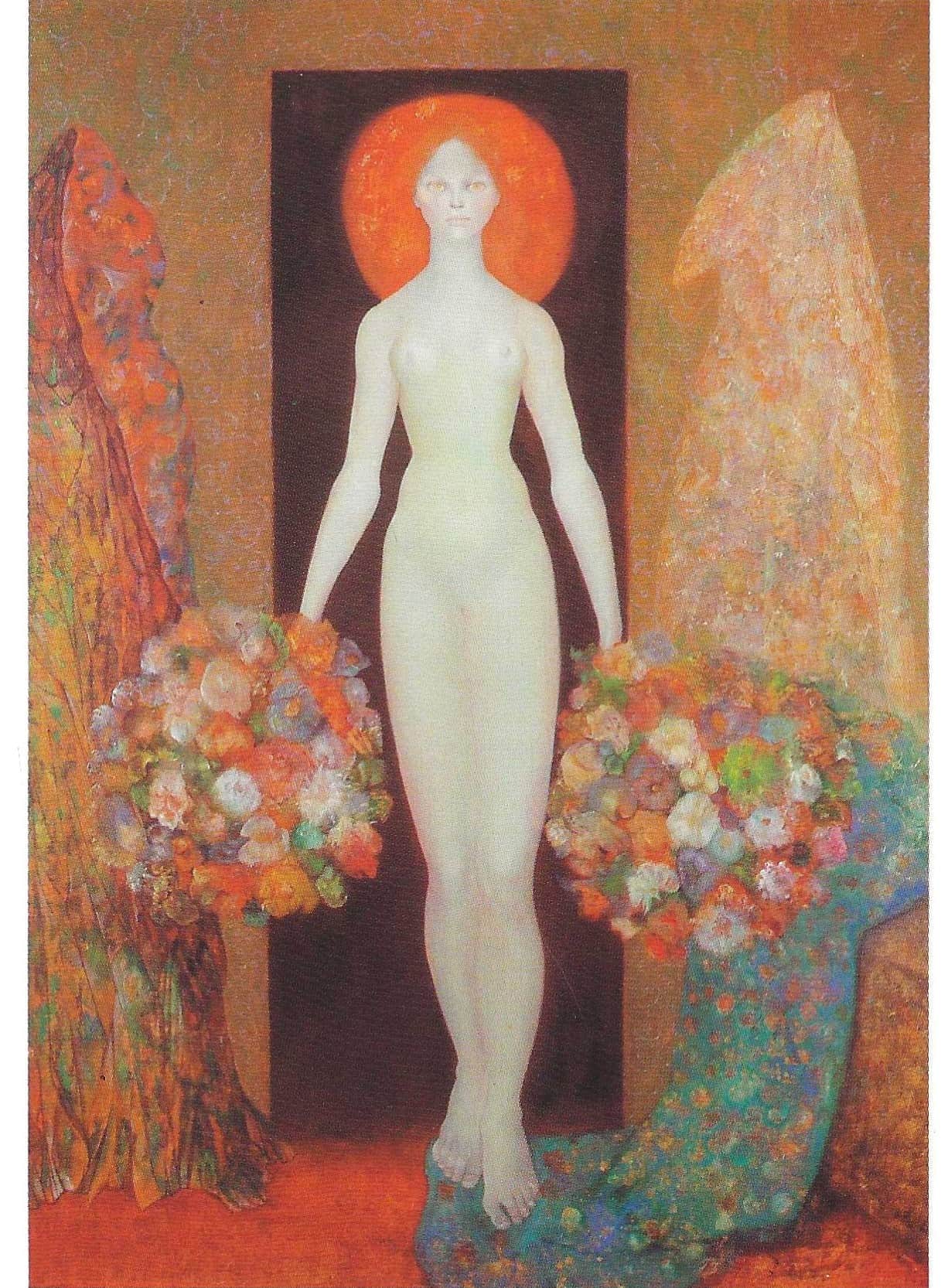
And how much should I say about her personal mythology? She cultivated a persona as dramatic as her art. She often wore masks, capes, or men’s clothing, including priestly robes to public events. She adored cats and created several canvases showing her “roommates.”
Fini stands out as a woman who created a world where women are sovereign, enigmatic, and untamed. Her work anticipated much of what we see in later feminist.
She died in Paris in 1996.
***
In recent years, three major exhibits of Fini’s work have been accomplished:
Enchanted Alchemies: Magic, Mysticism, and the Occult in Art (Lévy Gorvy Dayan, London), October to December 2024 — Group exhibition featuring Fini among artists exploring esoteric and occult themes.
La Mort de l’Amour (Lévy Gorvy Dayan, London), October to December 2025 — Group exhibition including Fini’s work in a thematic exploration of love and mortality.
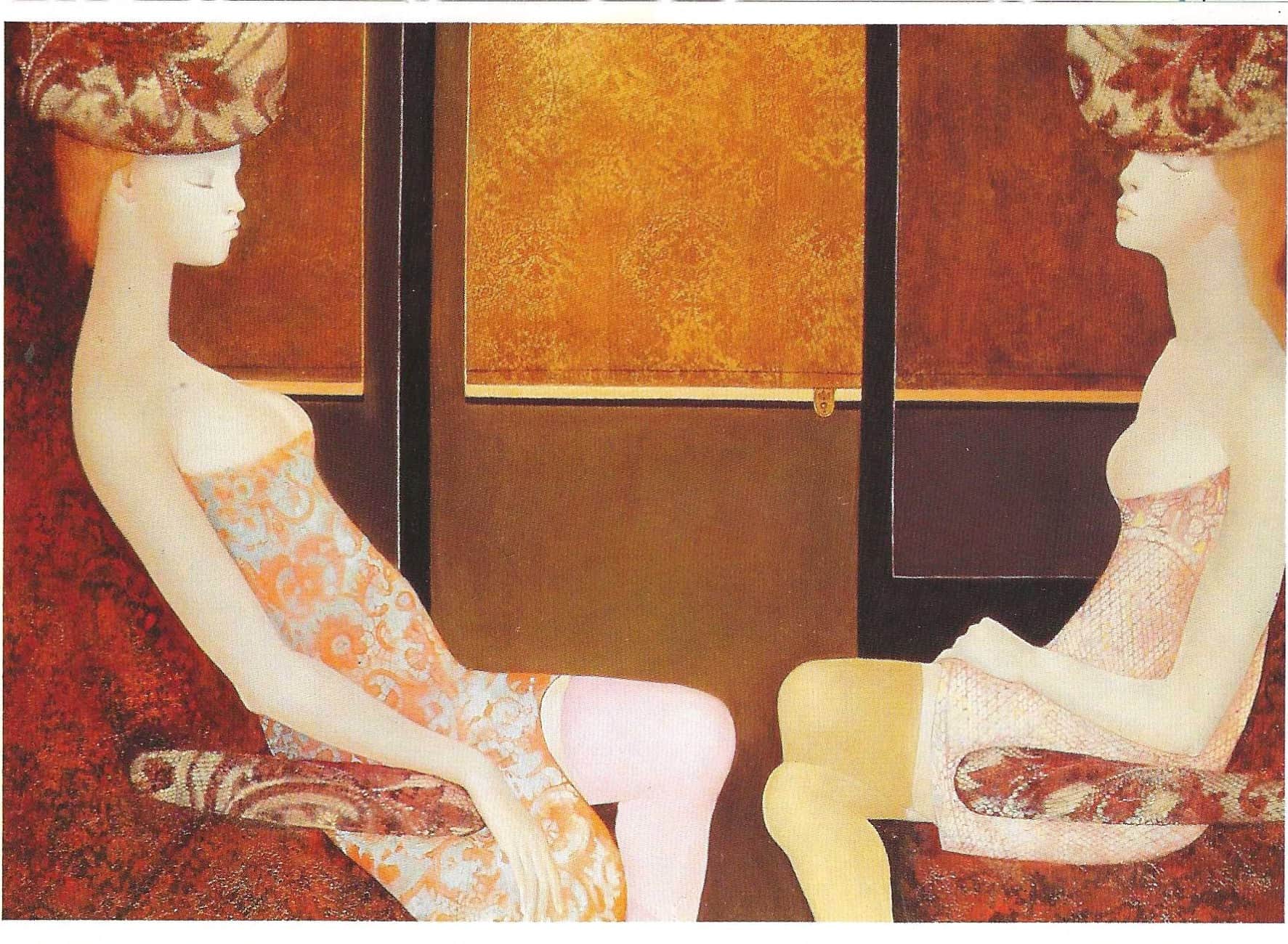
Leonor Fini: Menagerie (Olney Gleason, New York), 2 April – 2 May 2026 — A focused exhibition of paintings, drawings, and stage‑design works spanning the 1930s–1980s.
[FYI: I left my easy chair for this one!]
Interesting but are they postcards?
This was an interesting article and as an art major back in the day I now will go to my art books to reread up on her and if not there will persue other avenues