In today’s world comfort is expected but, in our homes, we tolerate household items that are not comfortable, and we take them for granted and fear that nothing can be done. One such item is the bathtub. Bathtubs are often bought within a budget; design and practical needs are ignored.
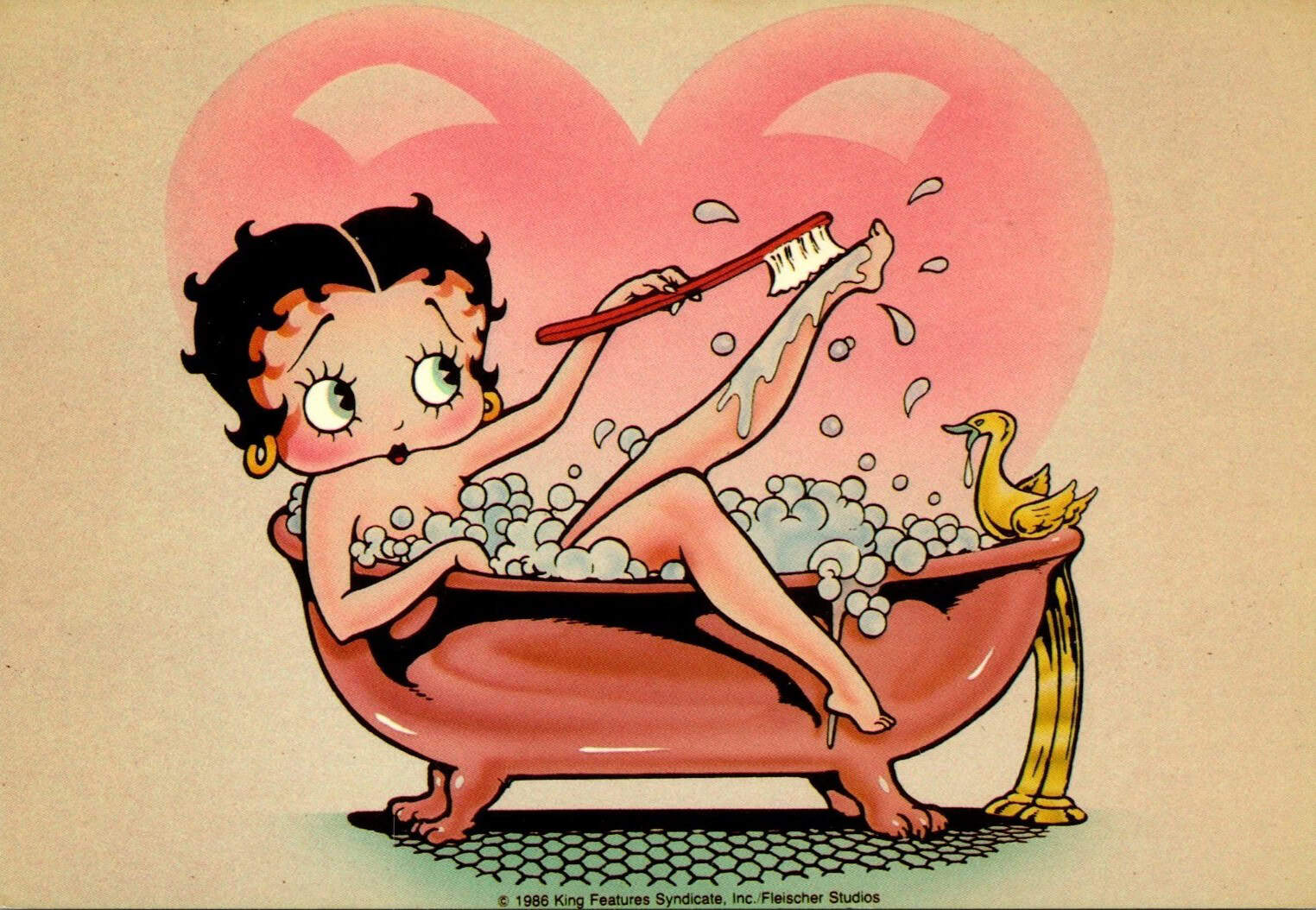
Throughout human history, bathing is an overlooked but integral aspect of every society. Early plumbing systems can be traced back to 2000 BC, but bathtubs seem to have been used only after 500 AD. This knowledge leaves us with the question, when was sanitation widely popularized?
Life in the Roman Empire brought to civilization a high degree of culture and enlightenment, two principal elements were sanitation and personal health. To the Romans, bathing was of great importance and in large cities there were systems of lead and bronze pipes and marble fixtures, including bathtubs. Public baths were very common and quite extensive. A public bath often included sauna rooms and baths that resembled large swimming pools. The pools were of three types: warm, hot, and cold to cool their bodies after using the hot bath that was thought to be the best to remove the “pulvis diei.” (Dust of the day.)
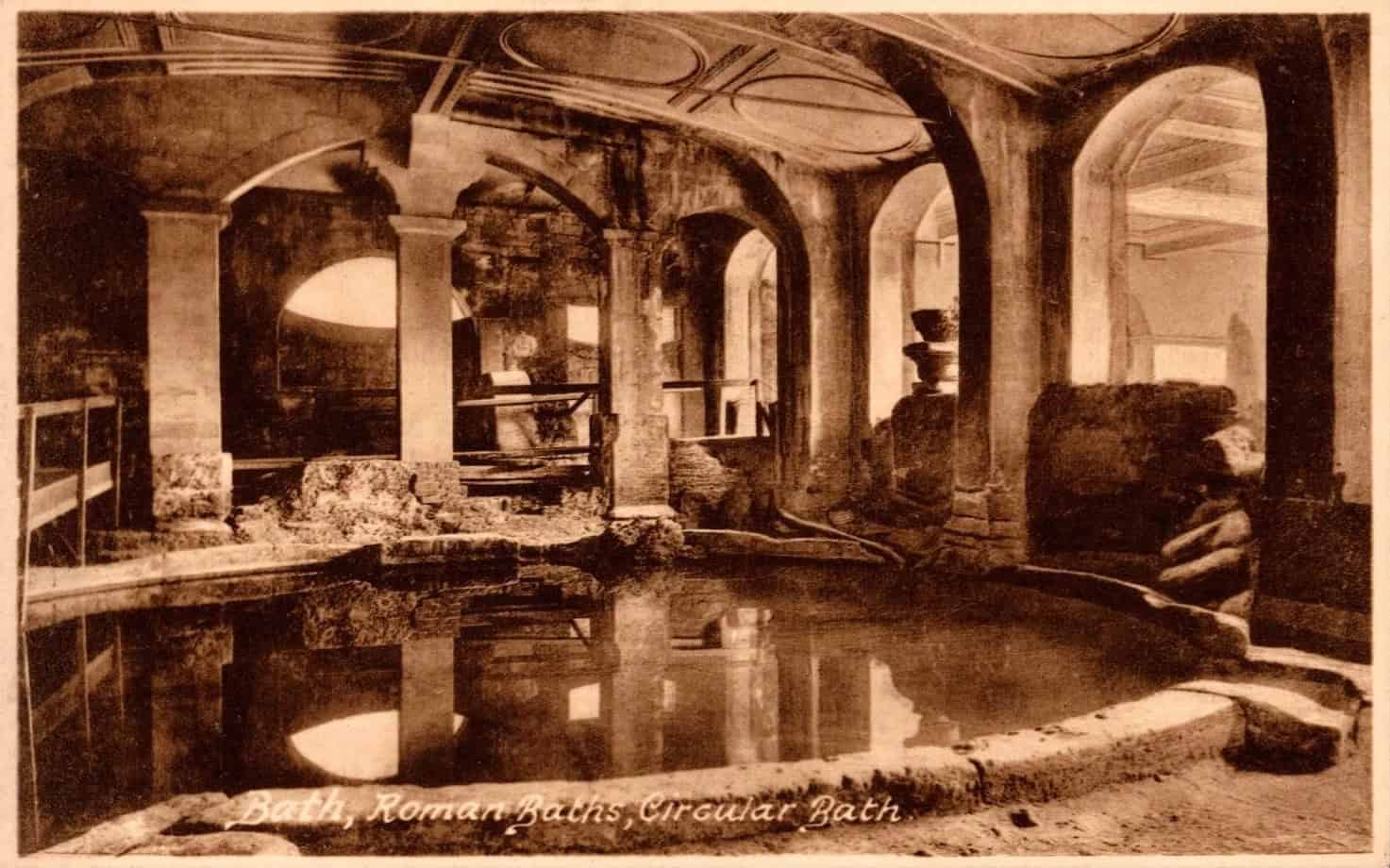
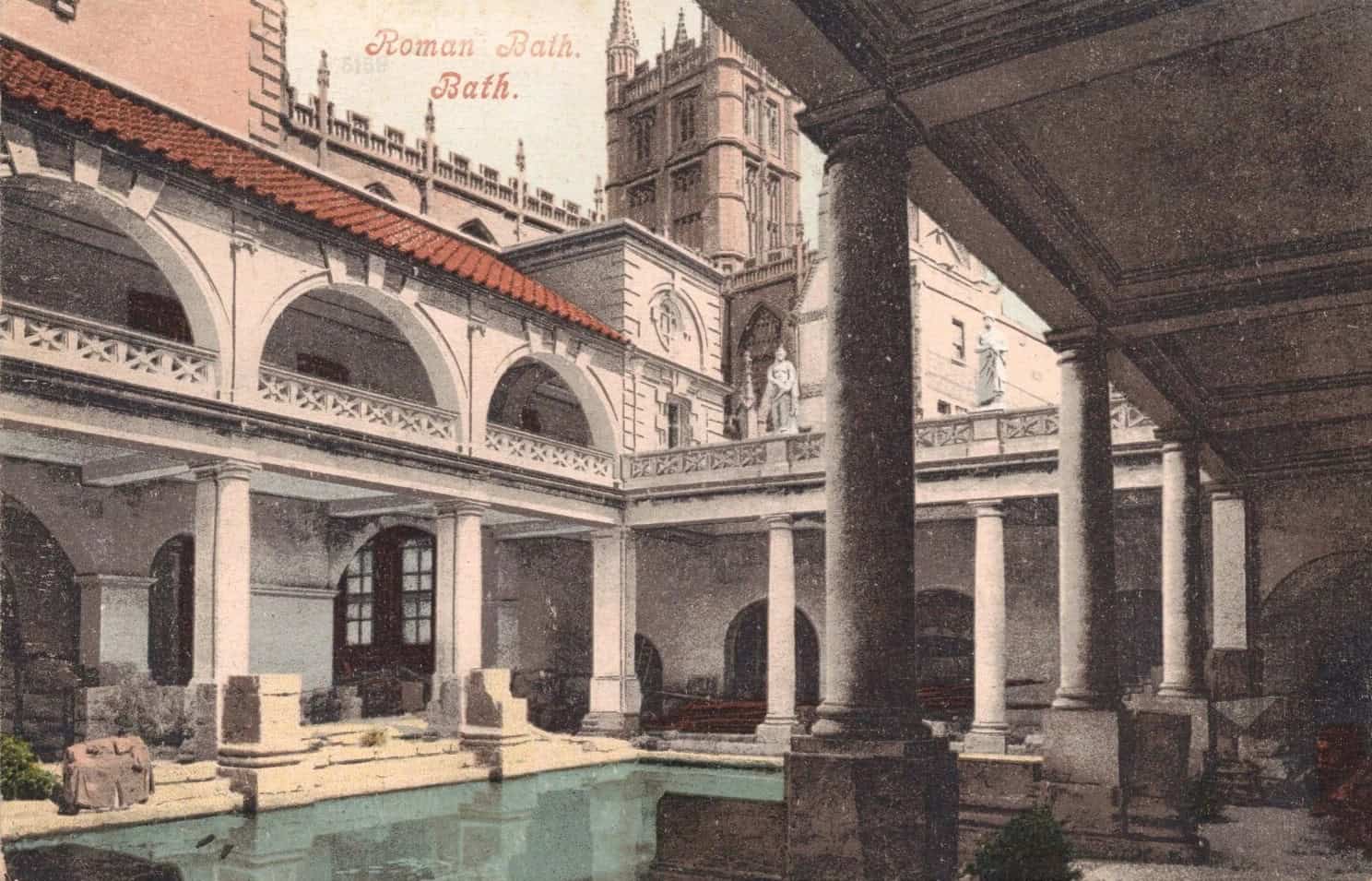
There were private baths owned by the elite, but they were not numerous. The rich had baths that were small but had neighboring rooms much like today’s shower stalls, for more extensive (private) washing. Surprisingly, much of how the Romans bathed was like methods we use today especially in the use of scented oils and heated water.
One of the first personal bathtubs was discovered on the Isle of Crete. There was little about it that resembled the well-loved and classic clawfoot tub that became popular in the mid-eighteenth century. The clawfoot spread far and wide in the nineteenth century and was particularly fashionable for the aristocracy. The clawfoot tub was usually made of cast iron and weighed between five hundred and a thousand pounds.
By the late 1800s, progress was made in the materials used to design bathtubs, and the process for bonding porcelain enamel to cast iron was invented. Porcelain enamel cast-iron tubs quickly followed.
When the twentieth century arrived the clawfoot soon went out of style. The most common bathtubs became built-in tubs with small apron fronts. The new tubs were easier to clean and maintain. These days, bathtubs are available in a much wider selection of styles and colors, created with a variety of materials.
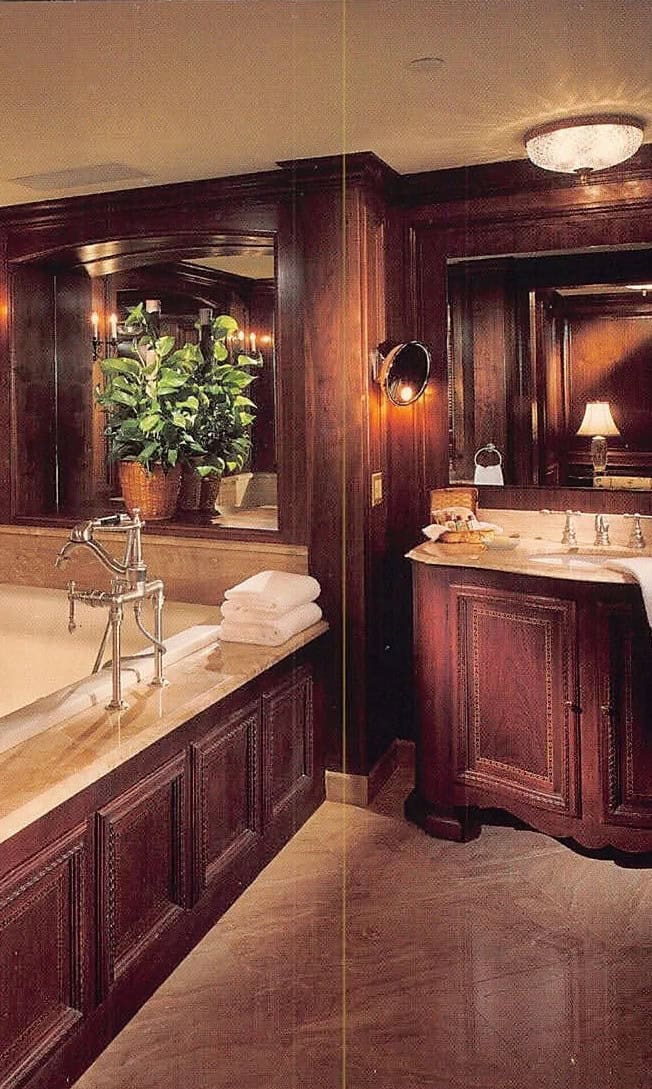
In America, the integration of bathtubs with chamber pots and outhouses was slow. However, two key breakthroughs occurred in the 1800s: one being the utilization of cast iron pipes that improved the quality of plumbing, another was the re-imagining of the bathtub by John Michael Kohler. In 1883 in Sheboygan, Wisconsin, Kohler made a horse trough out of cast iron and attached four decorative feet and covered the whole thing in enamel. His company, which made products out of steel and cast iron, quickly changed production to Kohler’s invention and began producing several designs, all covered with enamel.
In the early twentieth century, another firm, the Crane Company, would go farther by making bathroom fixtures such as sinks and faucets.
***
Bathtubs in American folklore must start with President William Taft. He was so large a man that legend tells us that he frequently got stuck in his White House bathtub. Whether or not that story is truth or legend, we do not know, but we do know that he was a large man of over 350 pounds. It is also fact that multiple bathtubs were made to his specifications. The first of these, commissioned and constructed by the Mott Manufacturing Company, was seven feet long, forty-one inches wide and weighed a ton.
Bathtubs have evolved since the Taft administration. Over the years, the bathtub has morphed to accommodate the landscape of the world and specifically, the way people bathe. After World War I, America saw a boom of construction, but even still, by 1921 bathtubs existed in only one percent of most homes because in rural areas outhouses remained favored until the decade following World War II.
The 1950s saw the adoption of the apron-front bathtub. These bathtubs were usually acrylic and fiberglass and easily made bathtubs more mainstay as they were much easier to install and easier to use. Today bathtubs, modern and classic, are coming back with a mindset looking towards the aesthetic accompanied by smart technology and hydrotherapy options.
It is safe to say that bathtubs will continue to evolve with digital improvements such as automatic water temperature settings, pressurized-smart water that will make massage jets commonplace.
Since bathing is an integral part of our daily routines, who knows what the future will bring?
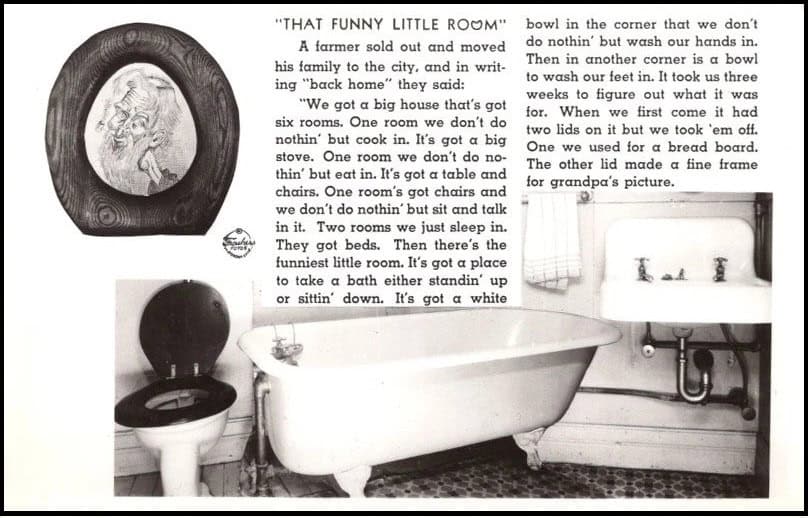
Interesting write up. I loved the last bit about the funny little room, it started my day with a laugh.
Very interesting and comprehensive. I waded right in, got immersed in the story and read clean through.
Love these little snippets of history! Thanks!