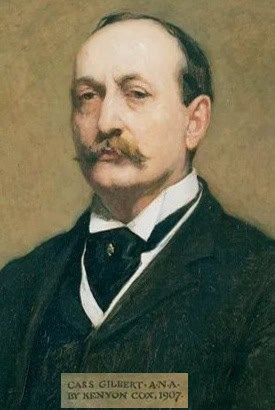
November 24, 1859 – May 17, 1934
TheAmerican architect, Cass Gilbert was born in Zanesville, Ohio. He was the middle of three sons, and was named after Lewis Cass, a U.S. Senator from Michigan, a family friend.
Gilbert’s father, General Samuel A. Gilbert was a Union veteran of the American Civil War and a surveyor for the United States Coastal Survey.
When Cass was nine, the family moved to St. Paul, Minnesota, where he was raised by his mother after his father died in June 1868. He attended preparatory school but dropped out of college to begin his architectural career at age 17 by joining the Radcliffe firm in St. Paul.
In 1878, Gilbert enrolled in the architecture program at the Massachusetts Institute of Technology where his training was influential in him becoming a conservative who believed architecture should reflect historic traditions.
It has been said that his early advocacy of skyscrapers injected vitality into skyscraper design, and his ‘Gothic skyscraper,’ epitomized by the Woolworth Building influenced architects during the first decades of the twentieth century.
Gilbert was directly responsible for no less than 55 major projects in more than 20 states.
The first construction of his designs was Cretin Hall, a gymnasium commissioned by the Saint Paul Seminary in Minnesota. A year later he created Loras Hall, a classroom building, and in 1894 came the Seminary’s administration office building.
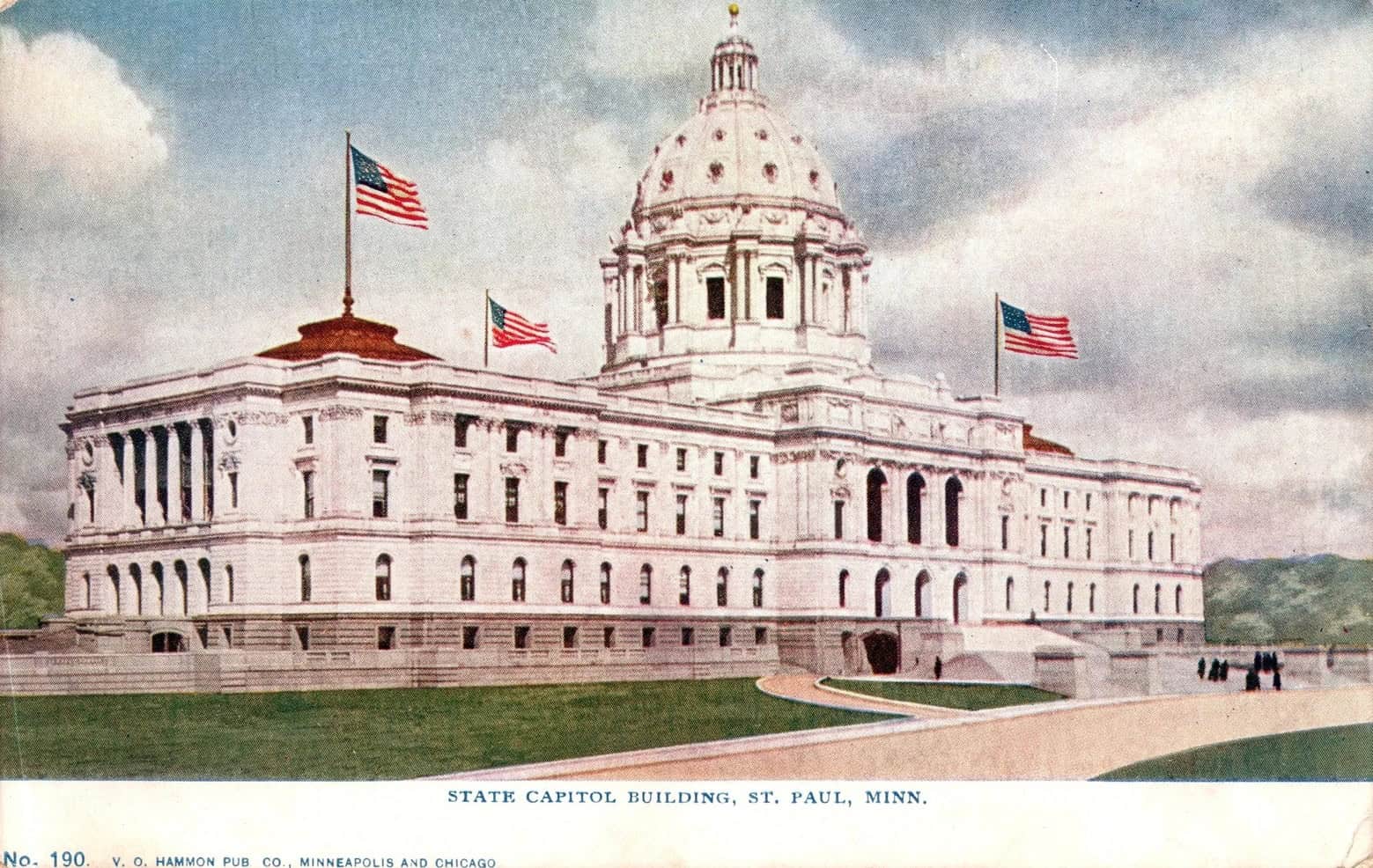
In 1895 Gilbert began work on the Minnesota State Capitol building. Interestingly the local newspapers were critical of his using marble from Georgia, but the discourse changed when the result very much resembled St. Peter’s Basilica.
The Minnesota design (a High Renaissance style) had such a splendid reception by the public that Arkansas (in 1908) and West Virginia (in 1924) contracted Gilbert to build new capitols in their states.
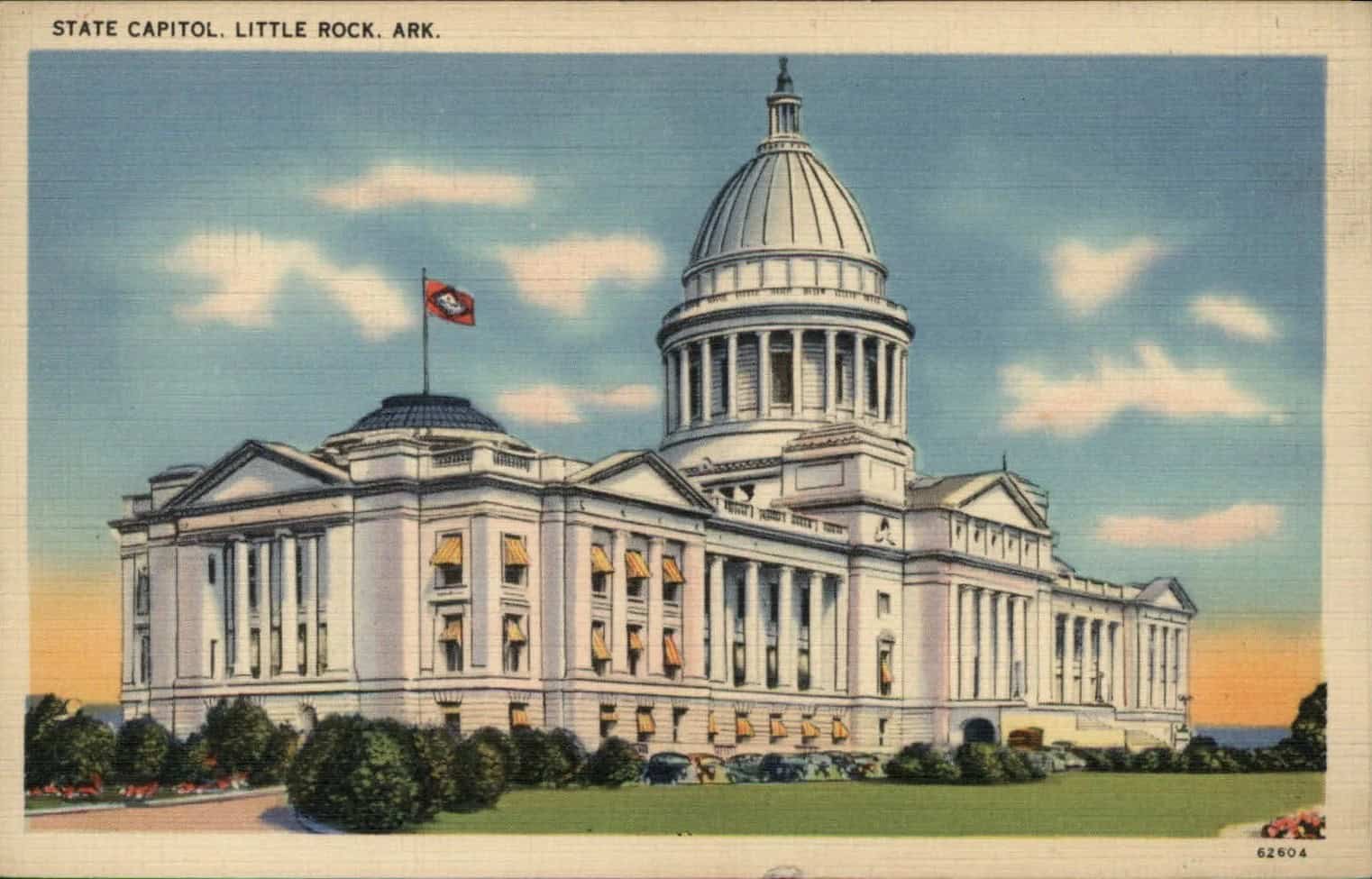
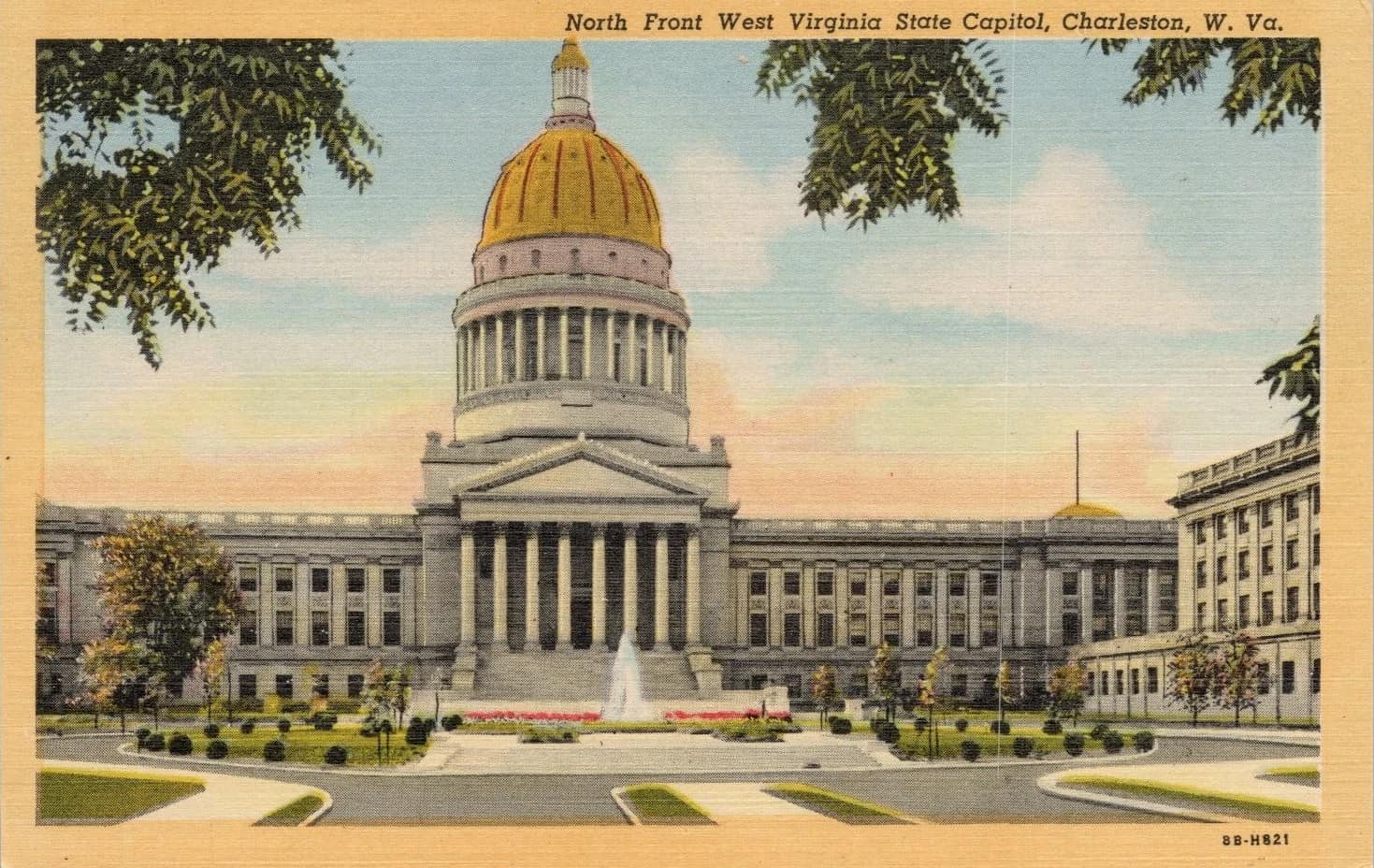
Smaller projects included several railroad stations, dozens of private residences and several churches.
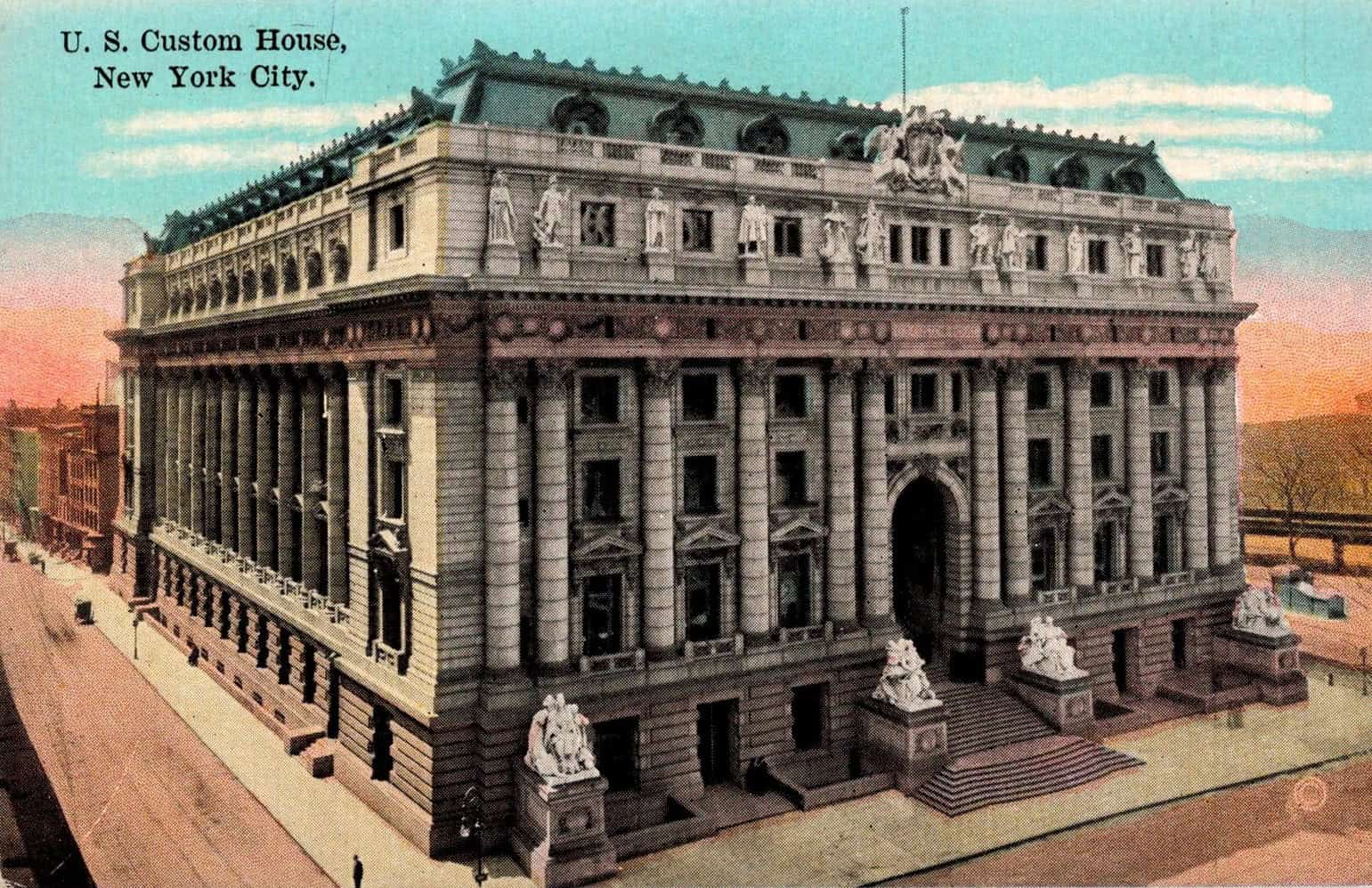
In 1898, with his reputation confirmed, Gilbert moved his base to New York City. His breakthrough commission was the design of the Alexander Hamilton U.S. Custom House in 1902.
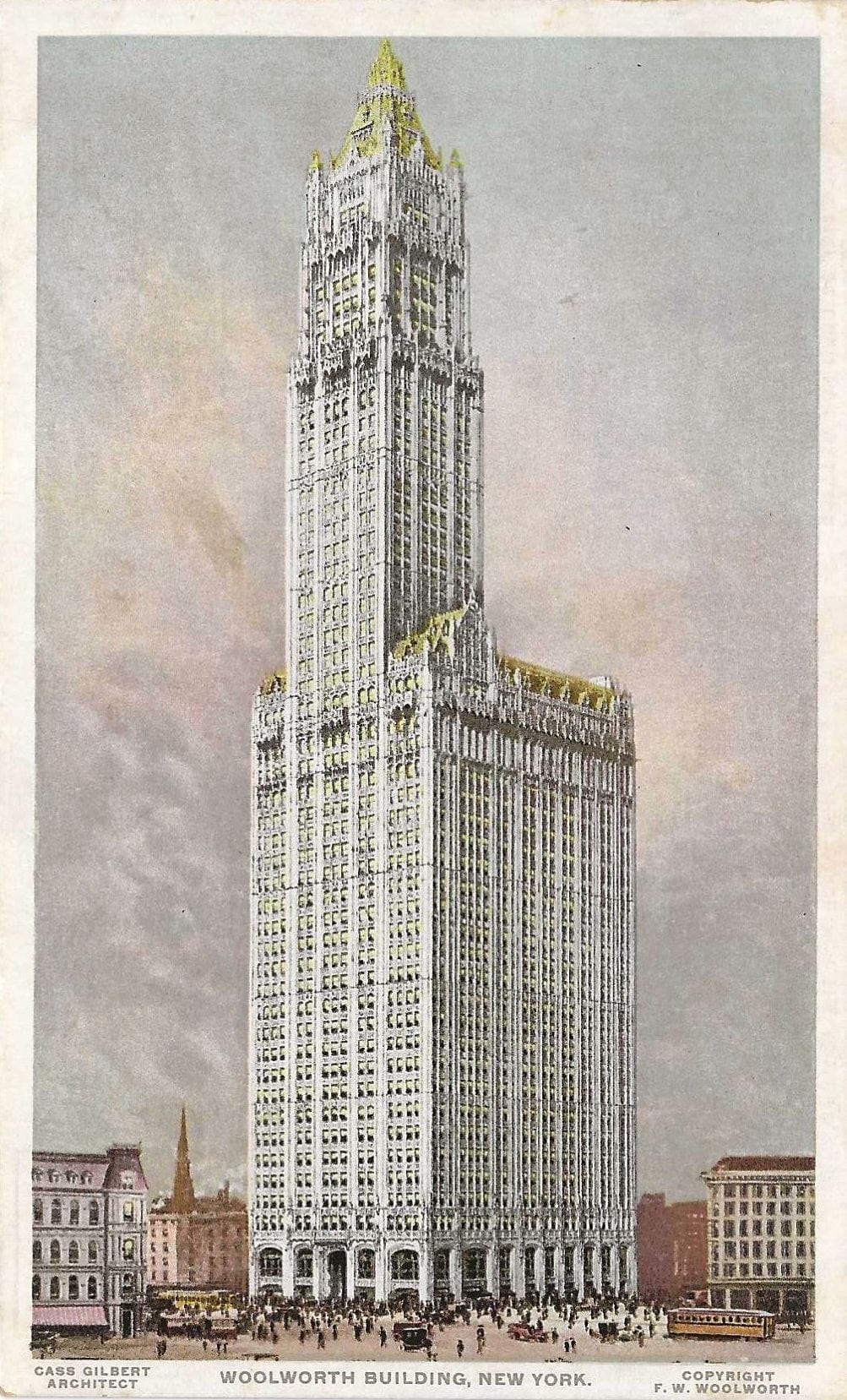
Gilbert’s “magnum opus” came in 1913 – the 792 feet Woolworth Building. When opened on April 21, 1913, at 233 Broadway, it was the world’s tallest building until 1929. When the Chrysler Building was completed in 1930 it was 1,043 feet.
Gilbert wrote to a colleague, “I sometimes wish I had never built the Woolworth Building because I fear it may be regarded as my only work, and you and I both know that whatever it may be in dimension and in certain lines it is after all only a skyscraper.”
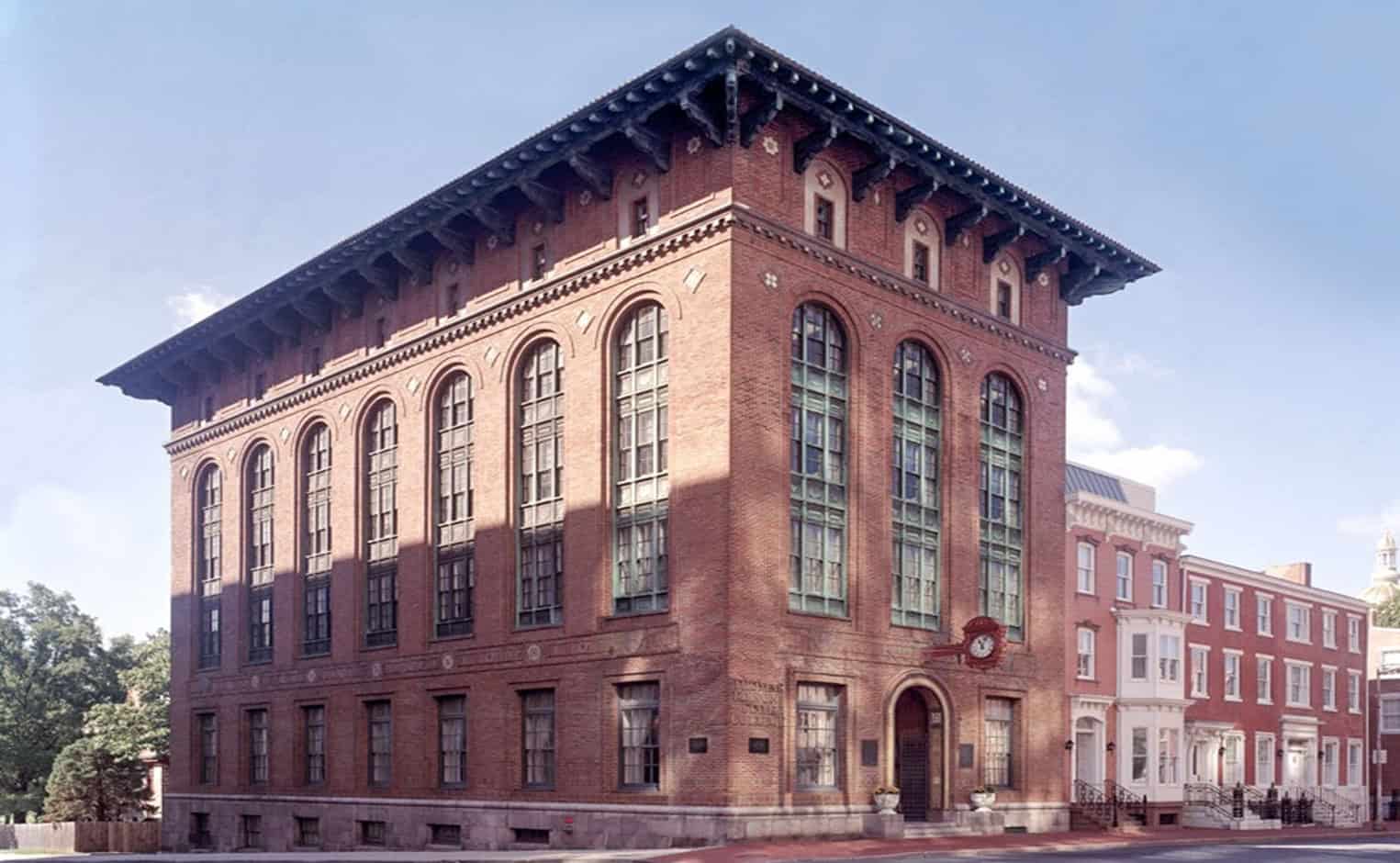
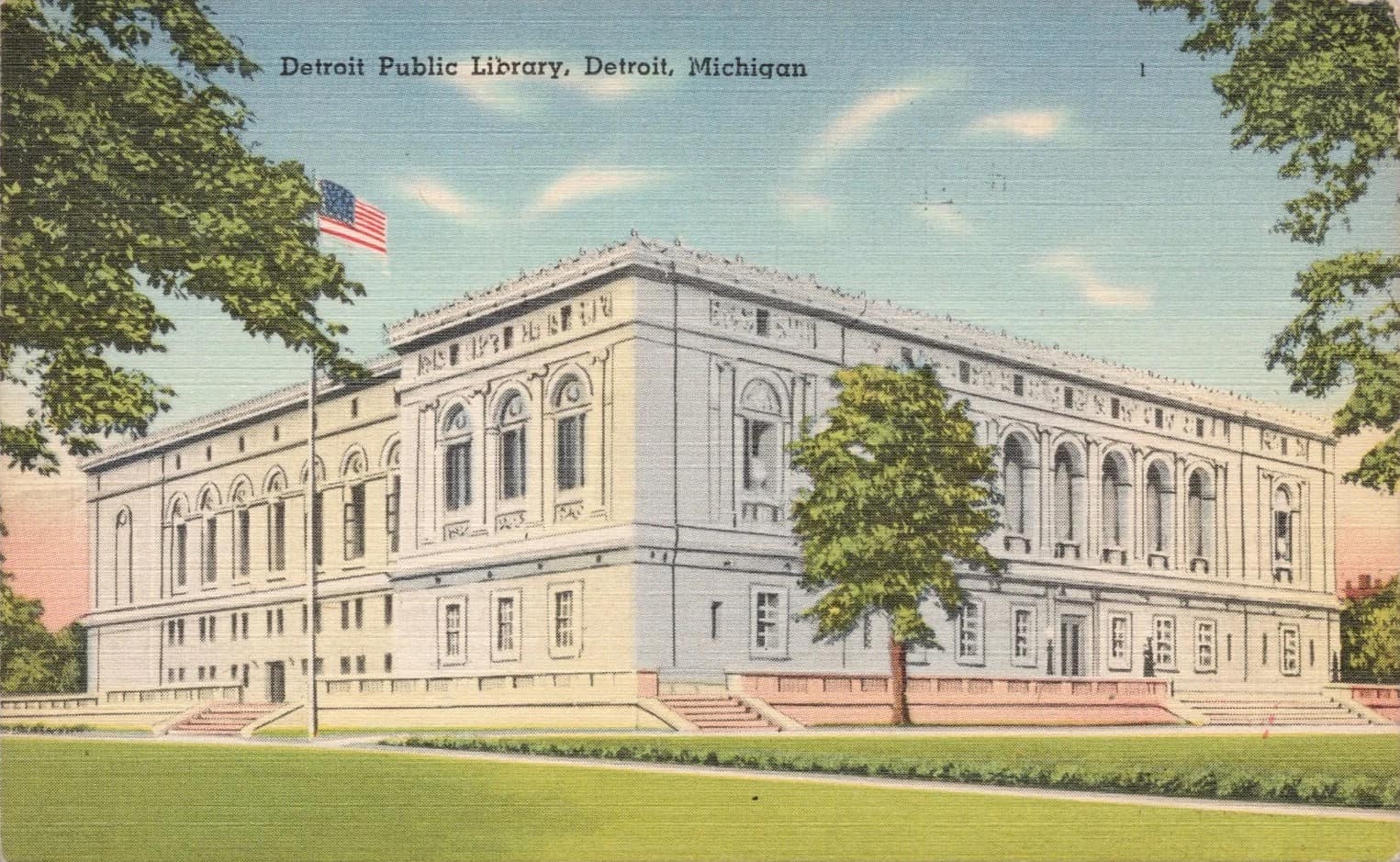
Others of his substantial projects included the Saint Louis Art Museum in 1904; the New Haven, Connecticut, Public Library 1911; the Kelsey Building in Trenton, New Jersey, now the office of Thomas Edison State University; and Detroit Public Library.
Gilbert, personified the celebrity architects of America, designing skyscrapers and public works across the nation. His body of work is more eclectic than many critics admit. He even designed the support towers of the George Washington Bridge.
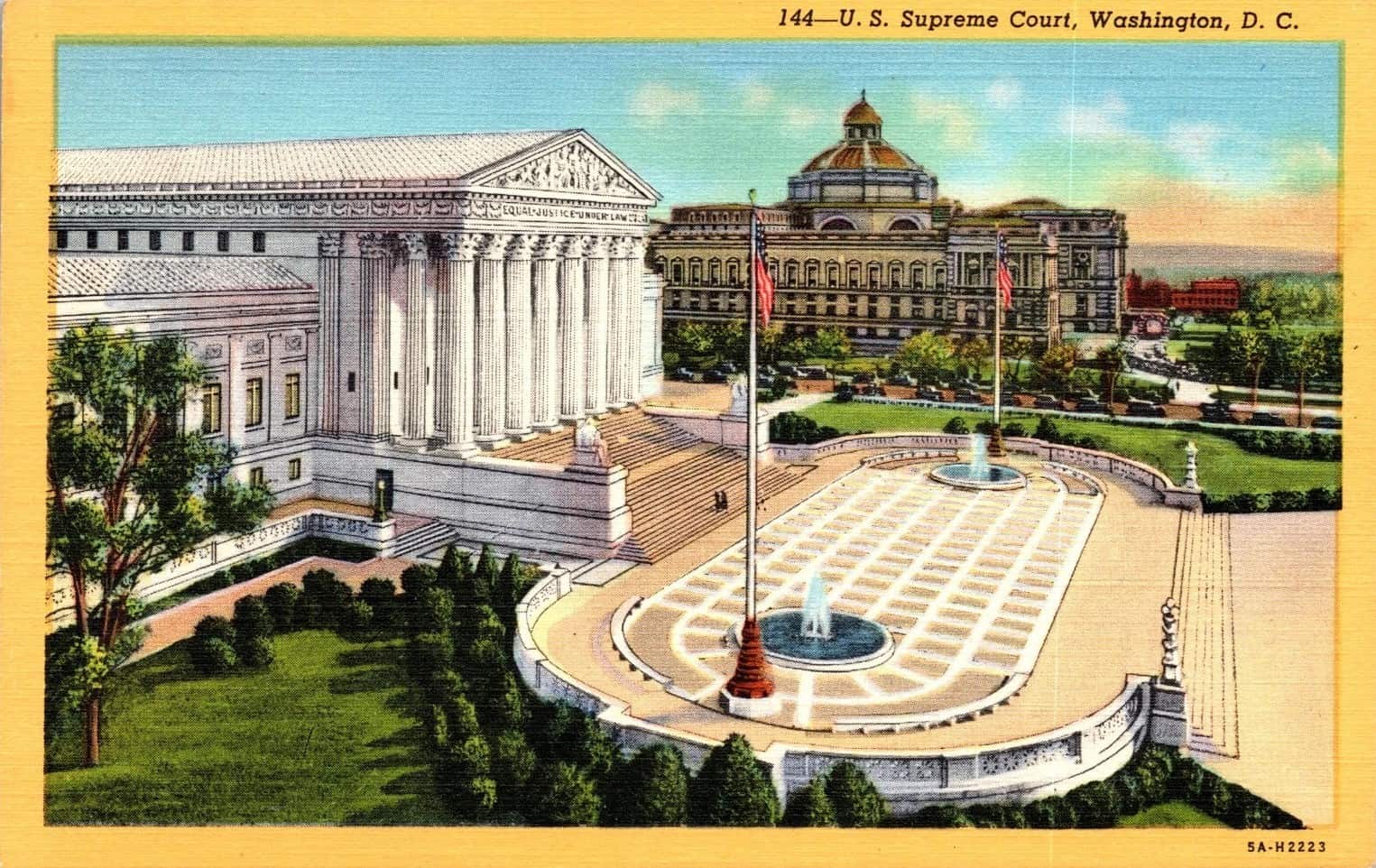
The United States Supreme Court Building in Washington, D.C., was Gilbert’s last major project. Gilbert died in May 1934, but the project was guided to completion by his son, Cass Gilbert, Jr.
From every viewpoint the building is a superlative memorial to Gilbert. It is a vast Roman temple with a central tablet on which is sculpted EQUAL JUSTICE UNDER LAW.
Sculptures of Gilbert’s imagination but executed by James Earl Fraser are at the main entrance to the Supreme Court facing the United States Capitol. A few low steps lead up to the 252-foot-wide oval plaza in front of the building. Flanking these steps is a pair of seated marble figures. The one on the left is the Contemplation of Justice, a female figure and on the right is the Authority of Law, a male figure.
The figures above the doors are the great law givers in history: Moses, Confucius, and Solon that were executed by Hermon Atkins MacNeil.
Gilbert’s drawings and correspondence are preserved at the New-York Historical Society, the Minnesota Historical Society, the University of Minnesota, and the Library of Congress.
***
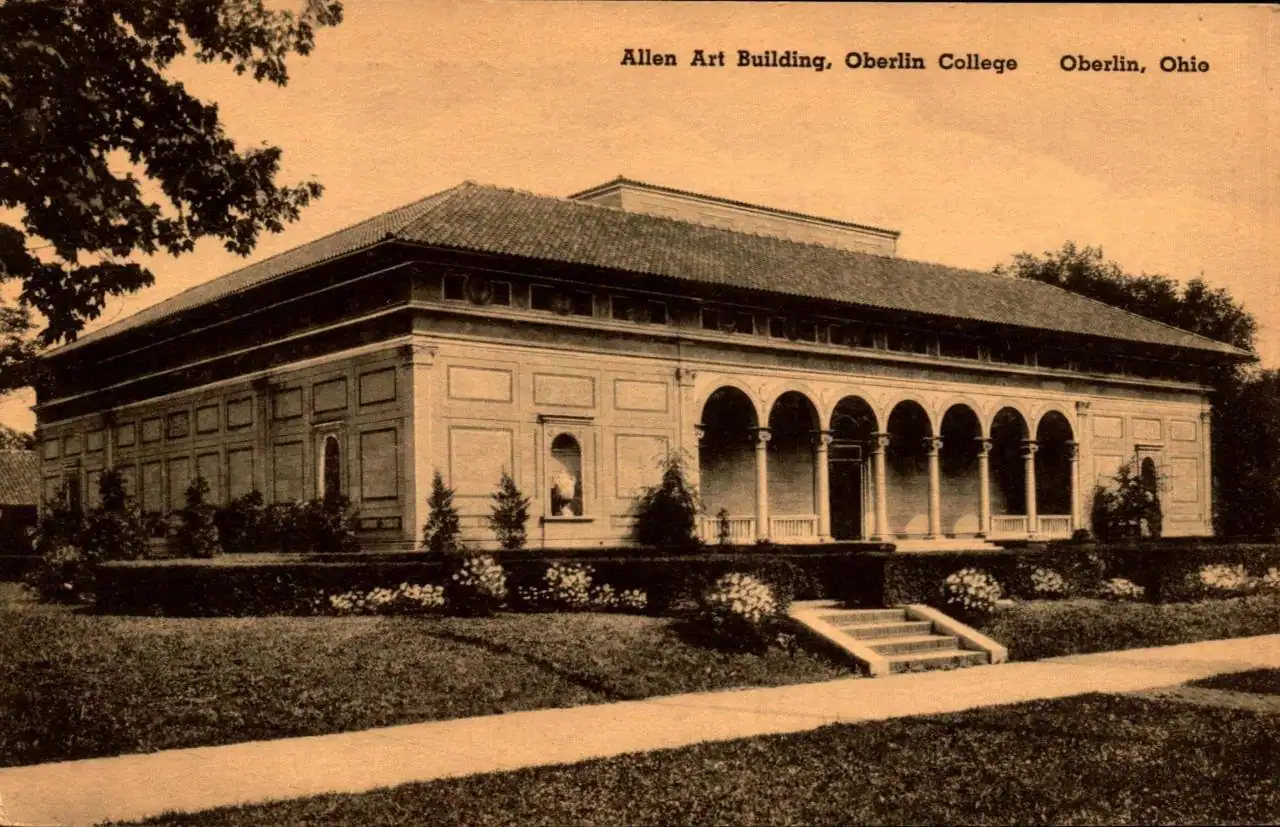
If my readers will permit me a self-expression, my favorite Cass building is the Allen Memorial Art Center (1917) at Oberlin College in Oberlin, Ohio. Constructed to honor Dr. Dudley Peter Allen who earned a Bachelor of Arts degree at Oberlin in 1875. He also served as an Oberlin trustee.
Great post – we have consolidated state Capitols in our collection – all beautiful majestic architecture –
Famous Boston architect Charles Bullfinch designed the Massachusetts and Maine State Houses. With three State Capitol Buildings to his credit, Cass Gilbert appears to hold the record for the most designed. I wonder if any other architect haw more than one statehouse in their portfolio. Thomas Jefferson designed the the Virginia State Capitol Building but his design for the White House was not selected.