A bubble is a phenomenon that has captured animal curiosity and human interest for centuries. Considering the delicate beauty of a bubble and their scientific properties, a bubble is more than an ephemeral sphere of air encased in a liquid film; it is a symbol of nature’s complexity.
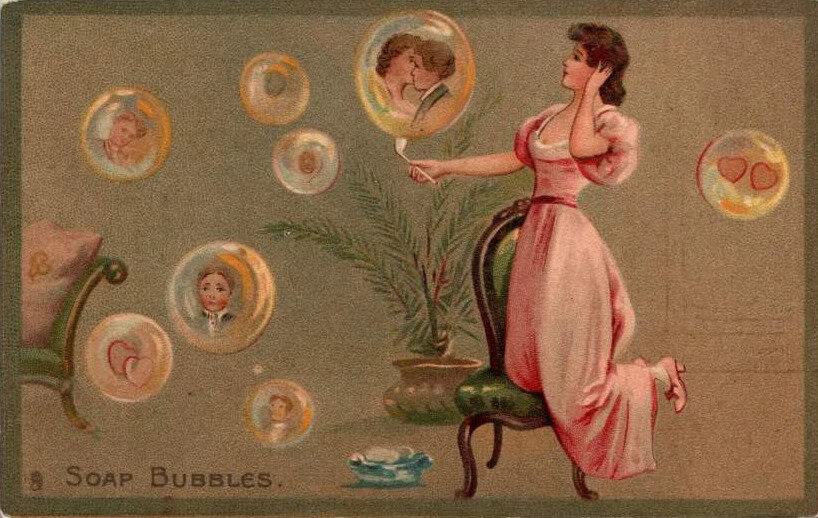
The word “bubble” originated with the Latin word “bulla,” meaning blister. The Latin word evolved into Old French as “buble,” which then made its way into Middle English as “boble,” eventually becoming “bubble” in Modern English. The term has maintained its core meaning of a small sphere of gas, trapped within a liquid substance. The word’s soft and airy phonetic qualities do at times mirror the lightness and fragility of actual bubbles.
Scientifically, a bubble is a thin film of liquid enclosing a barely measurable amount of gas. Its structure is composed of soapy film that by its own nature reduces surface tension, allowing the bubble to form and maintain a unique shape. (Bubbles are thought to be unique using the same logic and theory of physics as fingerprints.) The bubble involves complex interactions between surface tension, pressure, and environmental factors. The classical model describes how the pressure inside a bubble is higher than outside, thus the pressure difference regulates the radius of the bubble.
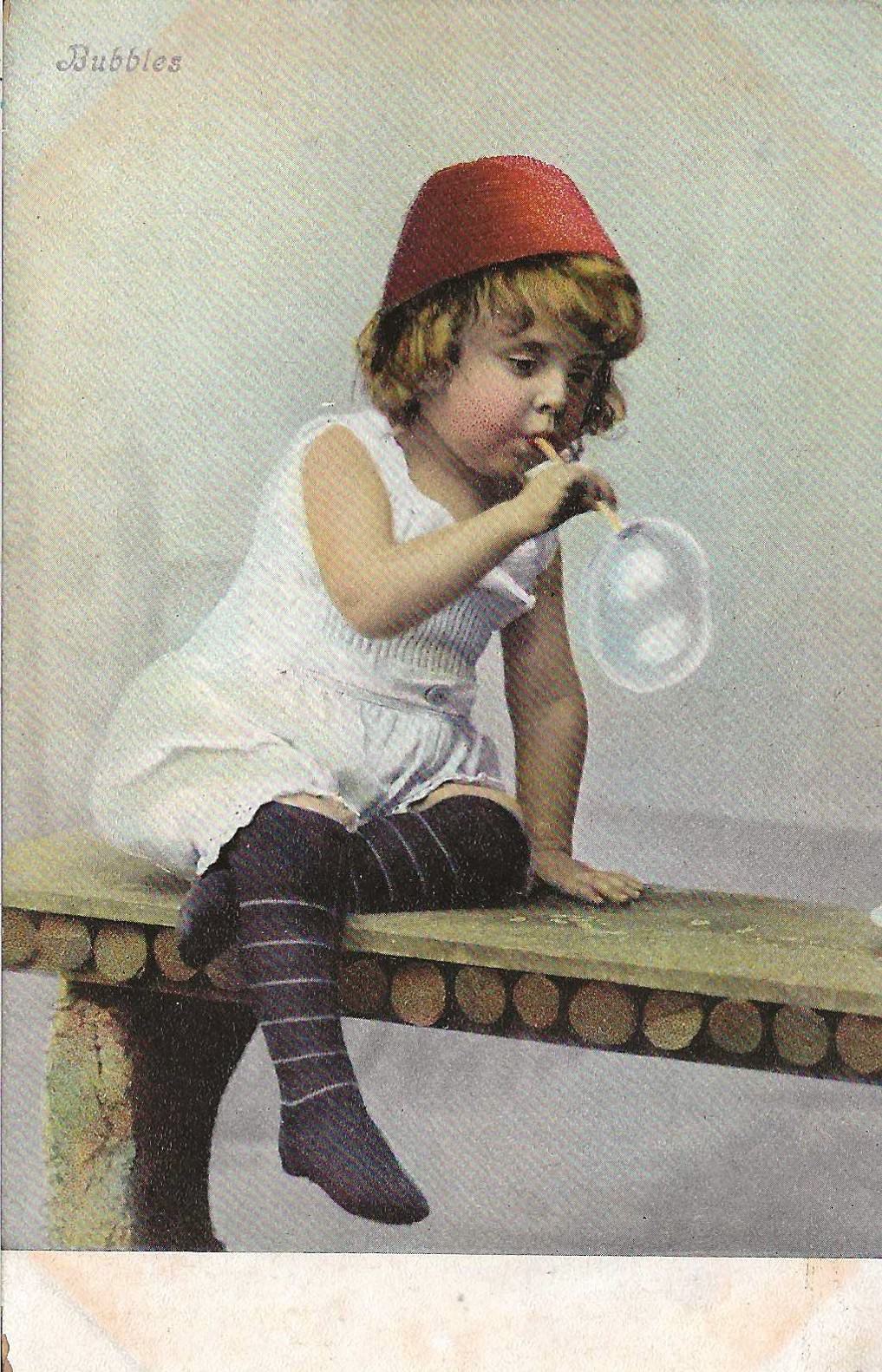
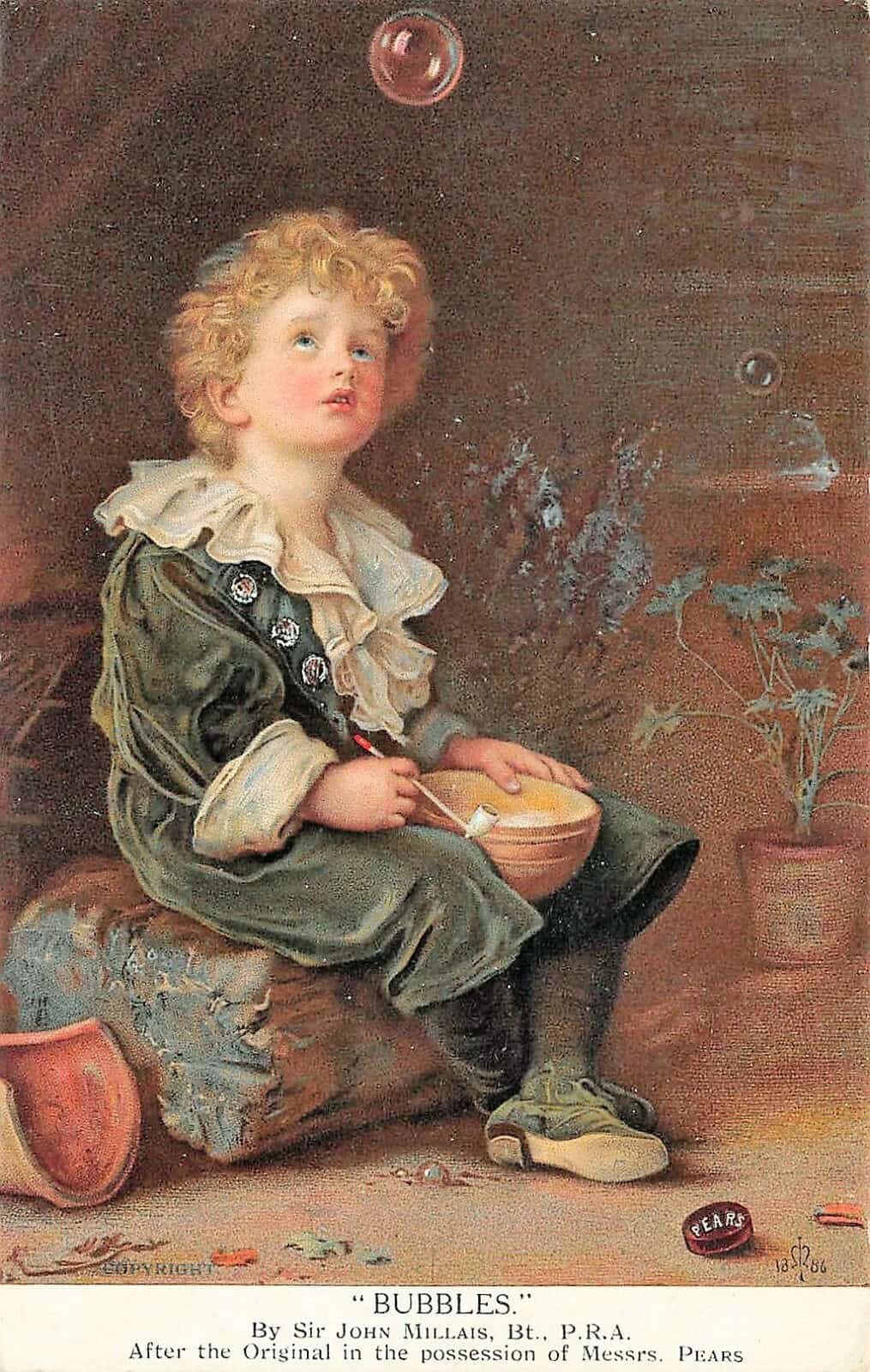
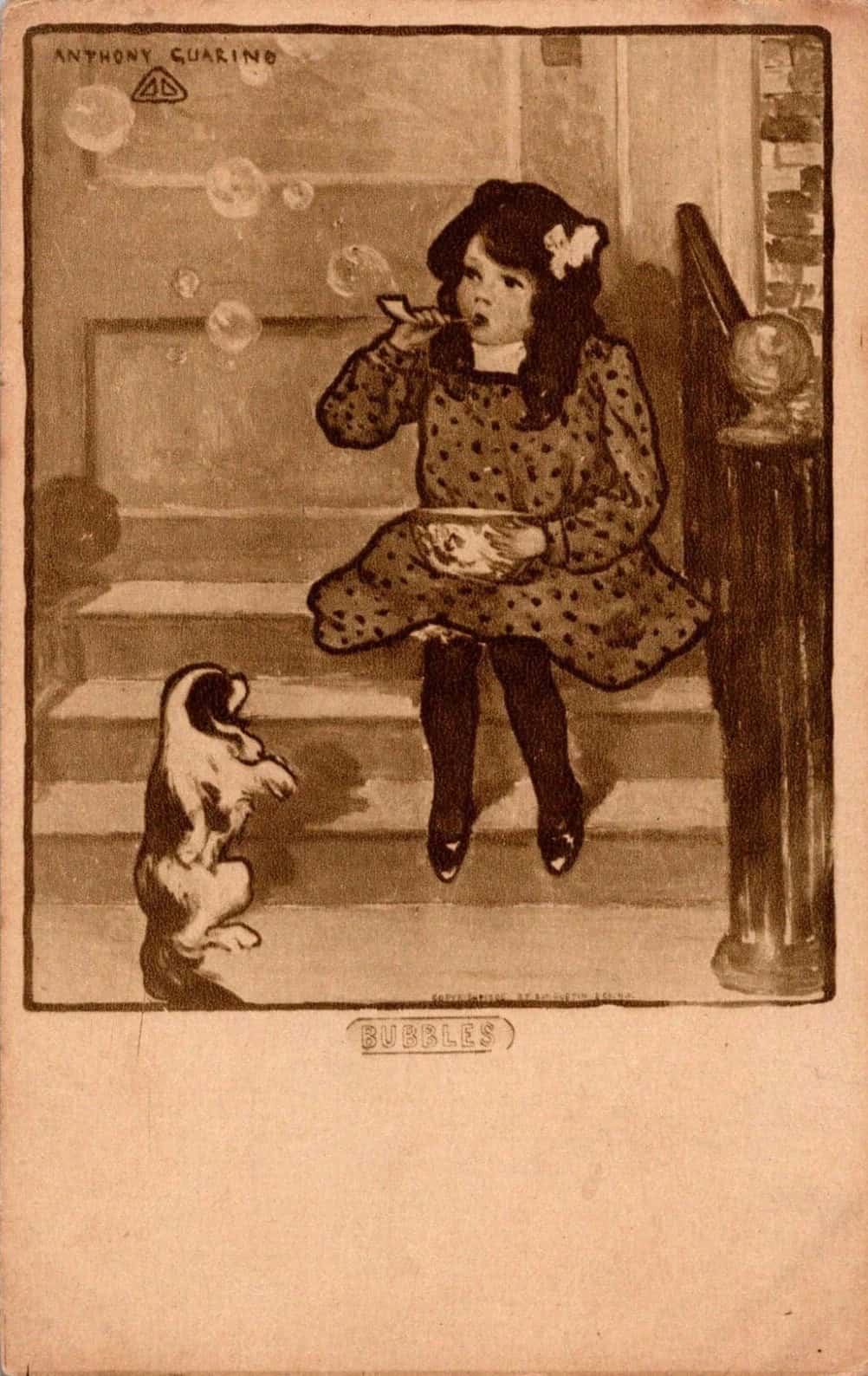
When a bubble forms it can take any shape depending on the environment, but it tends to become spherical because a sphere has the smallest possible surface area for a given volume of gas at a given temperature. When multiple bubbles come into contact, they often form intricate structures, such as foam.
The science of bubbles extends beyond simple soap film. Researchers study them to understand phenomena in fields like fluid dynamics, the composition of material, and astrophysics. For example, bubble formation and stability are crucial in understanding foam stability, aerosol dispersion, and even cosmic phenomena in vacuums like outer space.
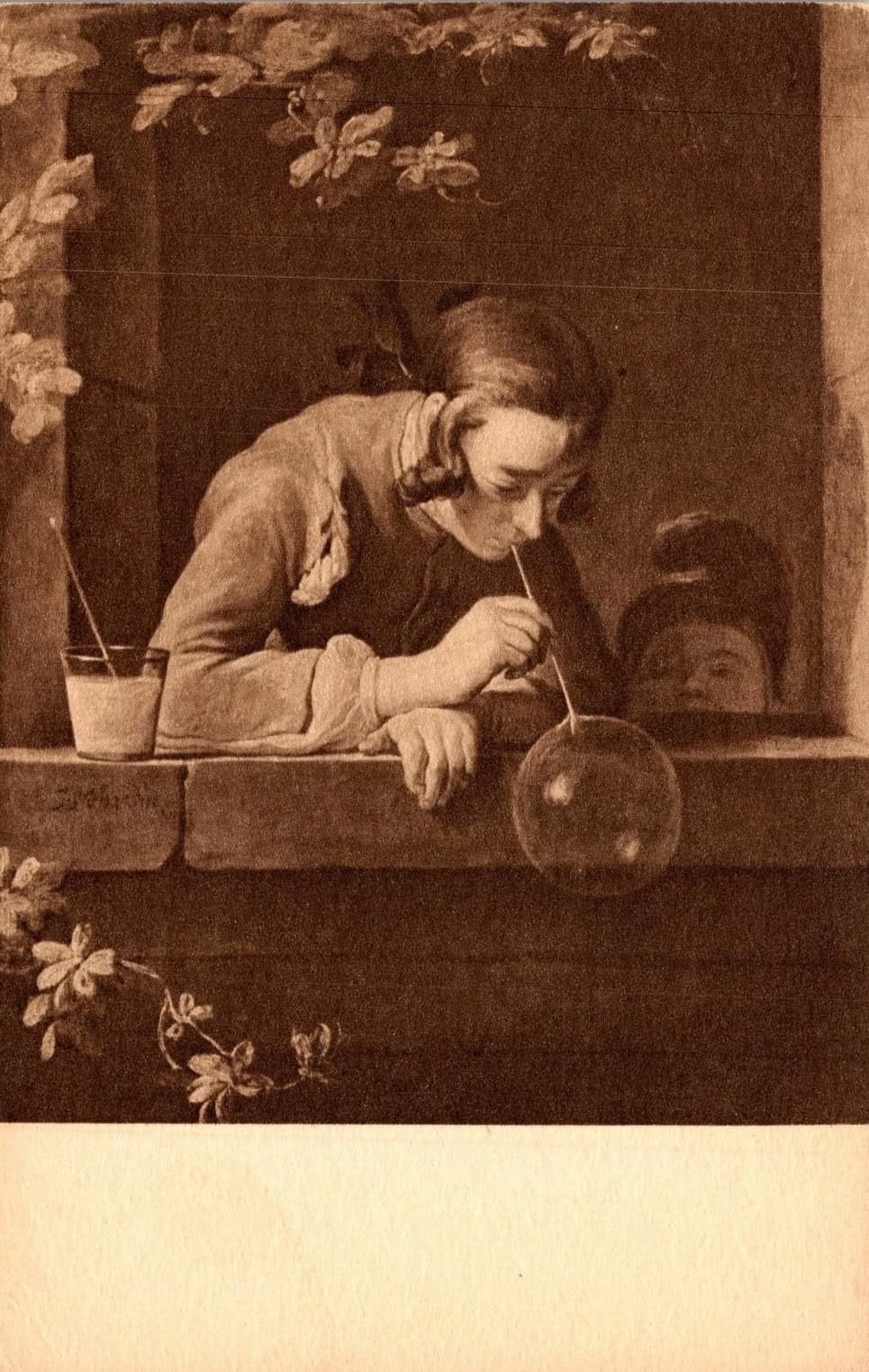
Historically, bubbles have played roles in art, entertainment, and science. In ancient China and Egypt, soap bubbles were used in cosmetics and decorative arts. The first real scientific exploration of the bubble occurred during the seventeenth century, notably by the physicist Robert Hooke and later by Joseph Priestley who studied bubbles as a medicinal delivery system.
In the nineteenth century, the invention of soap and detergent manufacturing revolutionized bubbles and made them more accessible to children and entertainers worldwide. The famous “soap bubble shows” in the vaudeville community were ever popular attractions showcasing the beauty of bubbles. These displays not only delighted audiences but also inspired scientific curiosity.
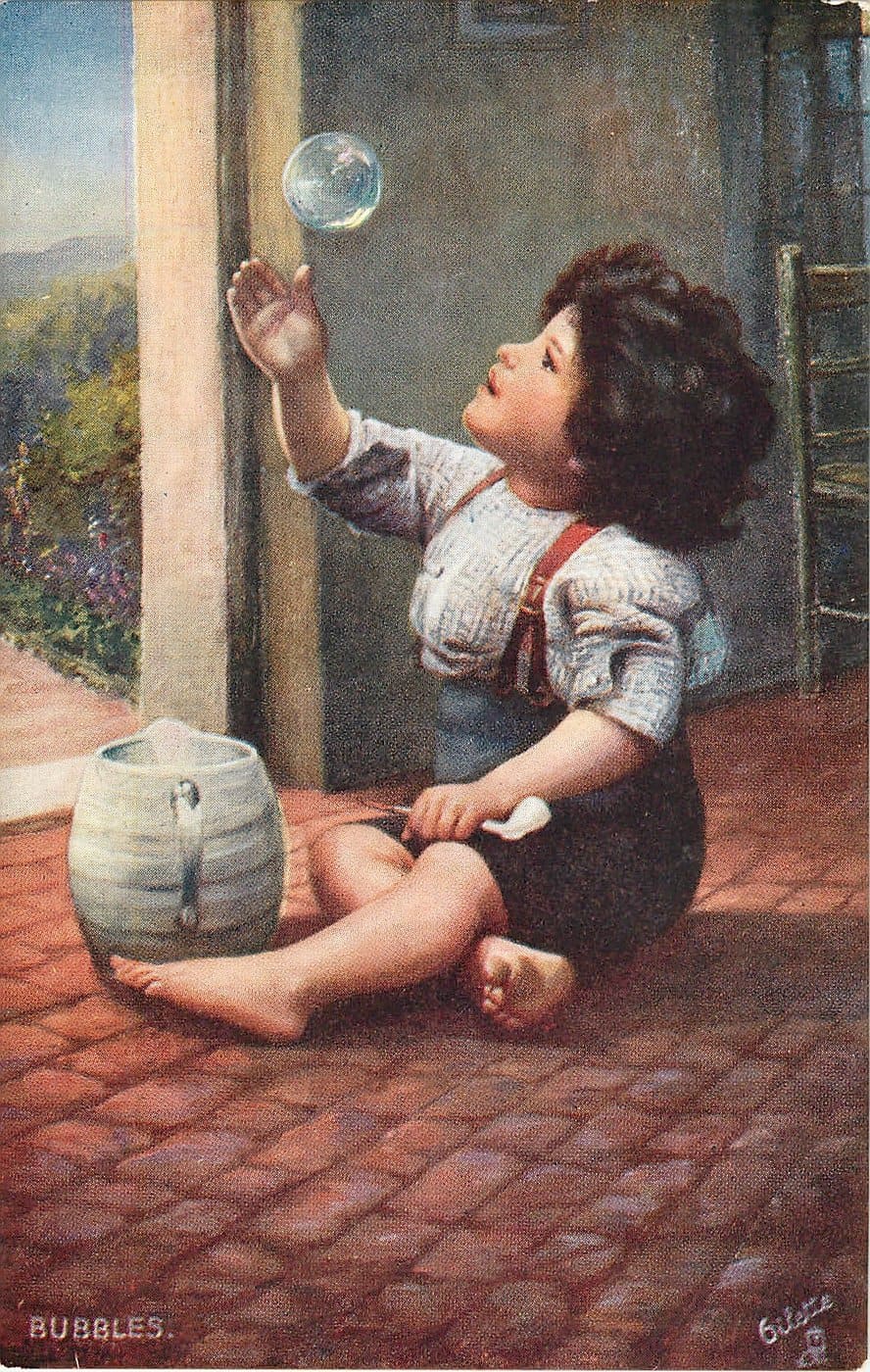
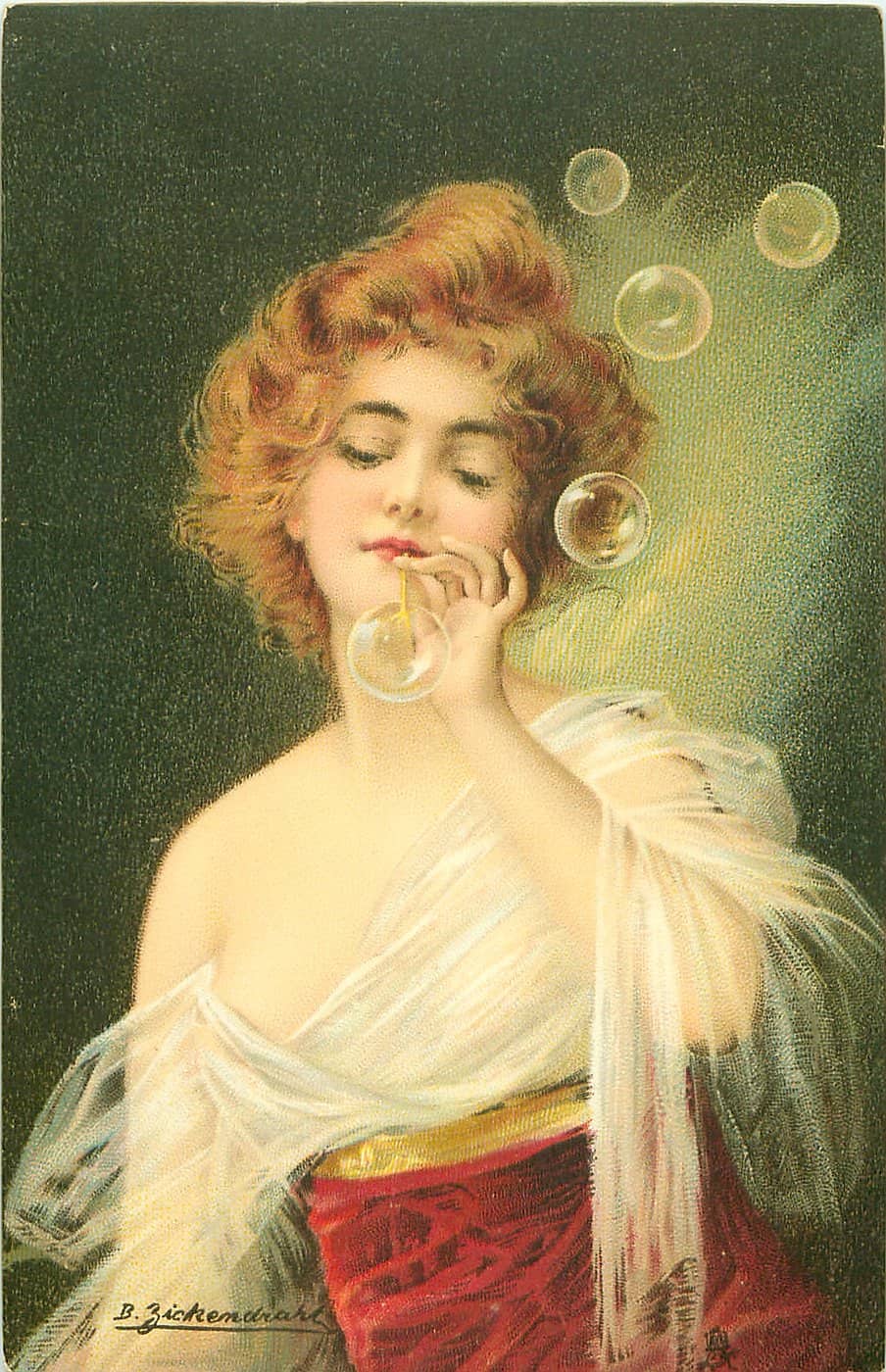
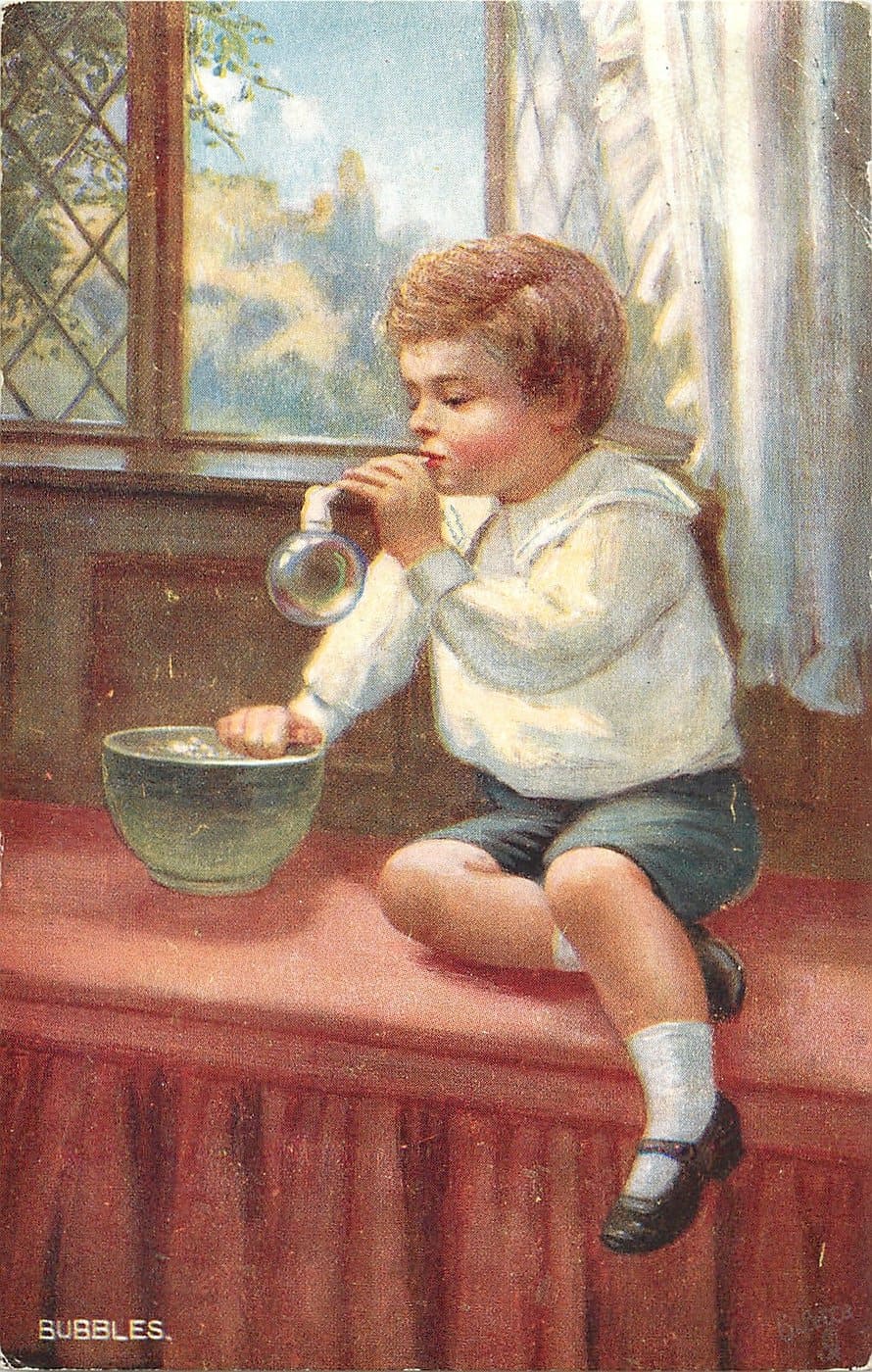
Bubbles also have cultural significances. They are often associated with childhood innocence, fleeting beauty, and the very nature of life. In art and literature, bubbles symbolize hope and the delicate balance between chaos and order.
Sure, the linguistic root of “bubble” is in Latin and their complex physical properties are international, but the bubble is enjoyed by young and old around the world and throughout history bubbles have been part of artistic expression. Their delicate, shimmering presence continue to remind us of the beauty found in the natural world.
The cards are a delight. They are nicely illustrated and convey the fun of blowing bubbles. Who would have thought such a light-hearted subject could bring such pleasure?