Paint and wallpaper companies. Insurance companies. Restaurants. Candy and chewing gum concerns. Even tea and coffee packagers. They all had the same idea or maybe the idea was foisted on them by Madison Avenue.
For more than six decades in the twentieth century, New York City’s Madison Avenue became synonymous with advertising because it was the central hub of America’s advertising industry. The name “Madison Avenue” came to represent not just the street, but the agencies of American advertising that maintained their headquarters there.
Firms like the J. Walter Thompson Agency (founded in 1864) was the agency that turned many consumer products into cultural icons. N. W. Ayer (founded in 1869) was another pioneering agency. They specialized in national campaigns and were among the first agencies to formalize the full‑service advertising model. Batten, Barton, Durstine & Osborn, affectionately known as BBDO, (emerged as the result of amalgamations in 1928) to become the first to produce worldwide campaigns such as Volkwagen’s Think Small.
You may remember other BBDO campaigns; among the most popular was the work they did for Snickers (“You’re not you when you’re hungry”), DuPont, Chiquita, and Burger King. Other clients included Campbell’s, Chrysler, ExxonMobil, FedEx, GE, M&M’s, Nabisco, Pepsi, and Visa. And they won awards for companies across a wide spectrum of products – food, automobiles, chemicals, finance, and retail.
Historically by the 1920s, Madison Avenue’s ad reps had used slick and emotional techniques on every new media available and in fact created new ad principles that are common now – a century later.
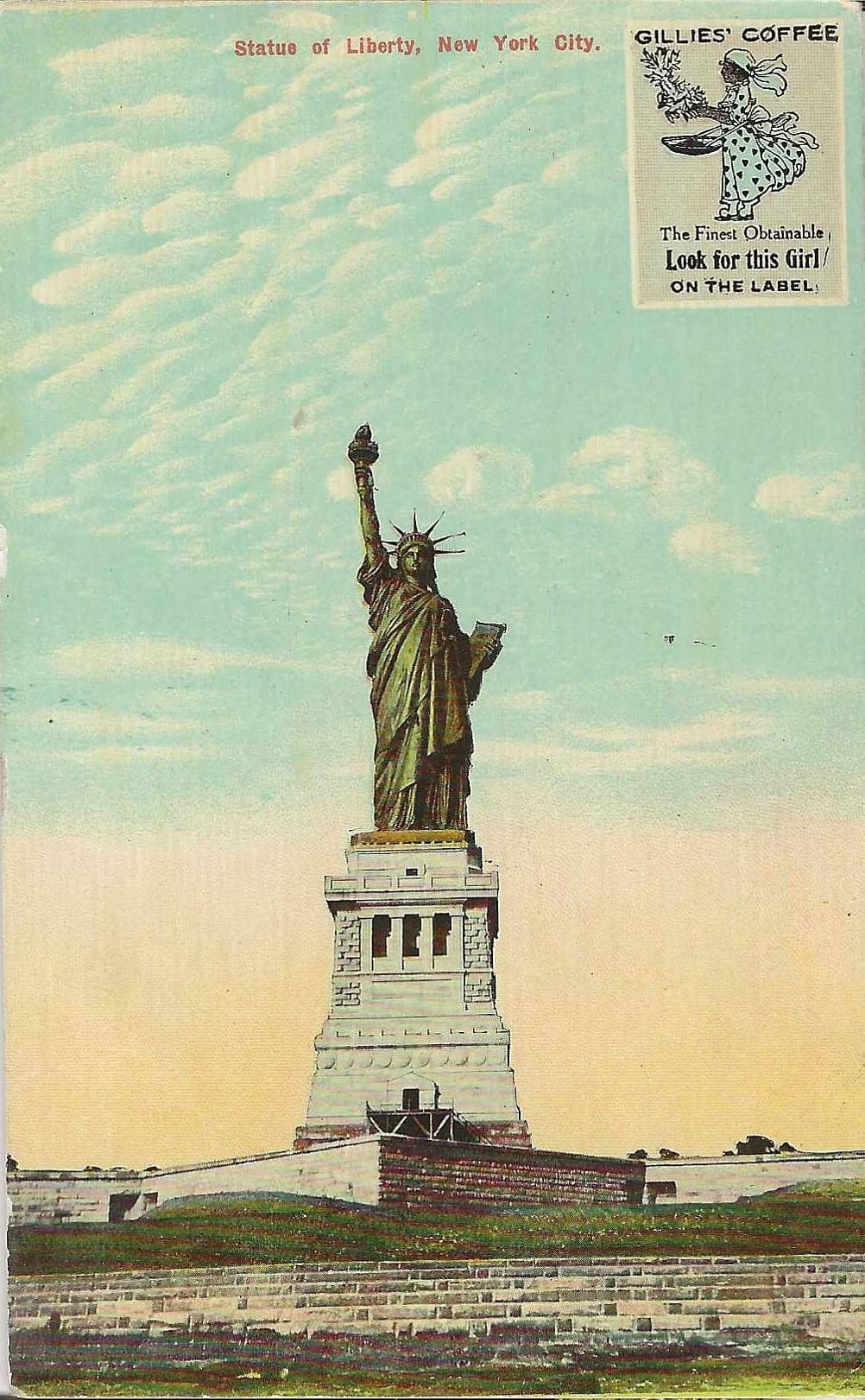
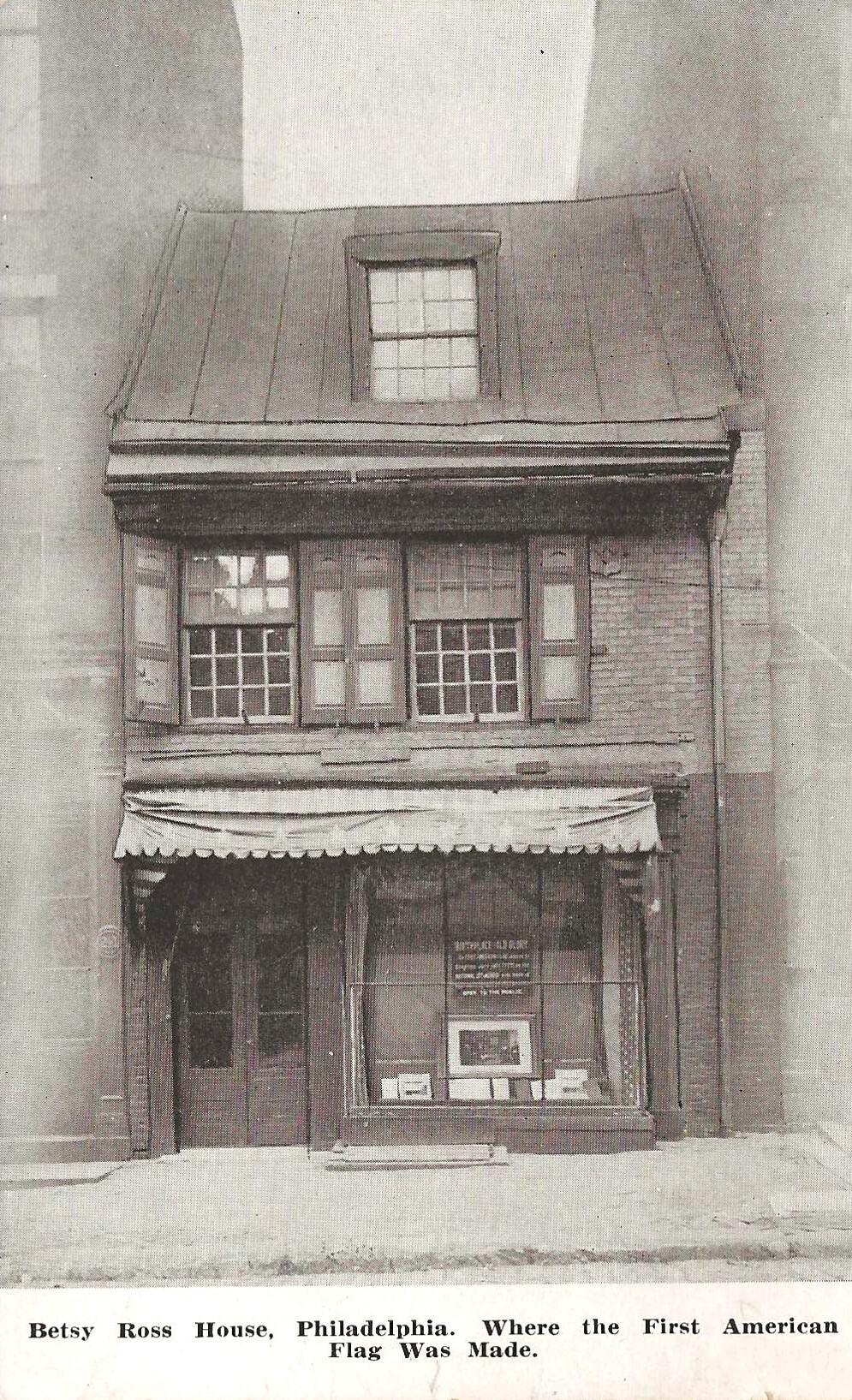
One advertising principle, the “Associative transfer” or “Symbolic association” was first used near the turn of the century. It starts with positive feelings many people have about a well‑known landmark. Their feelings are unconsciously transferred to the insurance company, chewing gum manufacturer or whoever else’s name is in the ad. “Association” – is a classic; who wouldn’t think of the U.S. Capitol or the Betsy Ross House when considering the purchase of a can of paint? For businesses like insurance companies, they placed their ads on postcards featuring famous, patriotic, or historically significant buildings to borrow the credibility, stability, and trust those landmarks represent.
To name only a very few of the companies that used postcards with Associative transfer at work were:
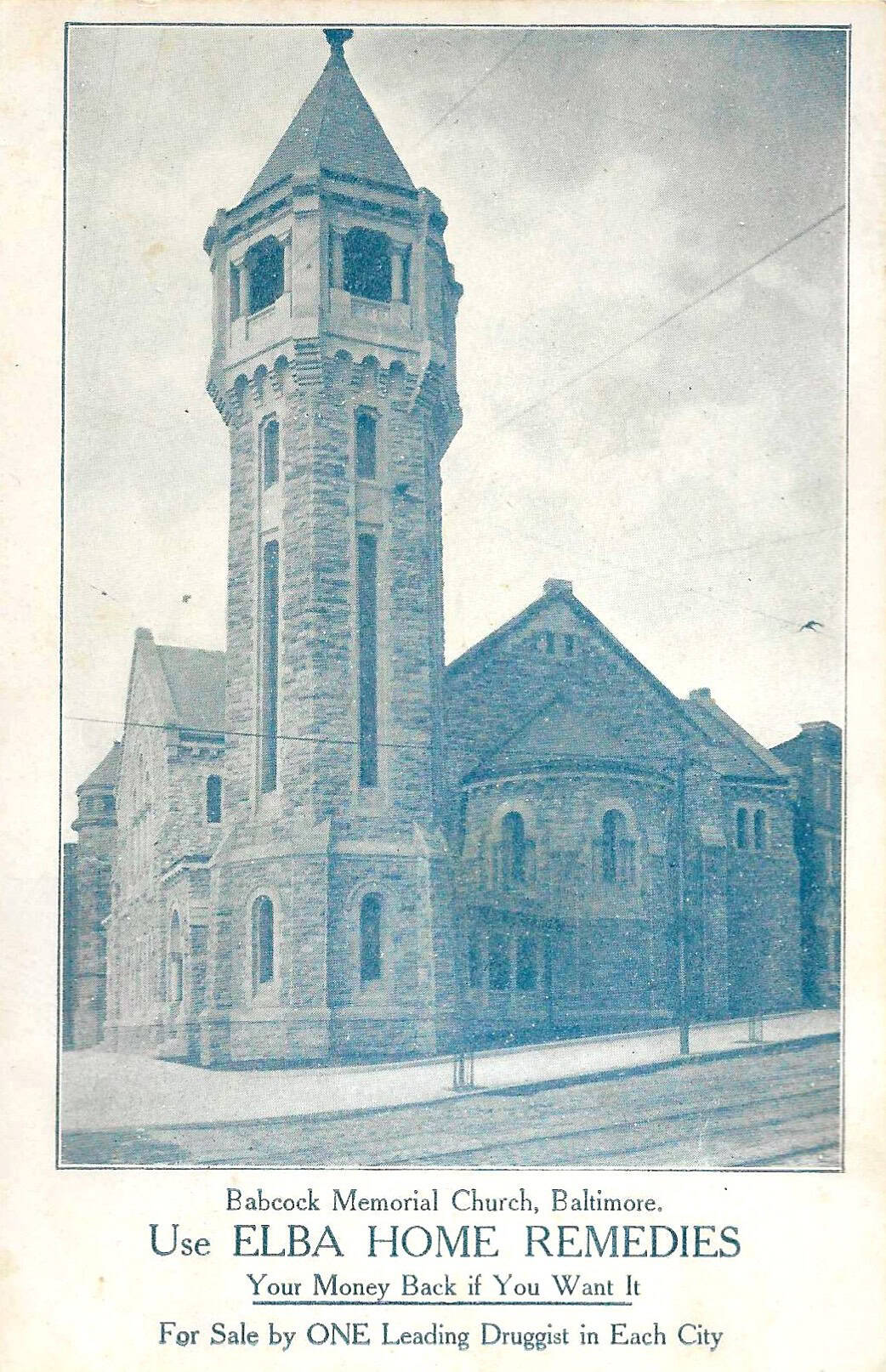
Elba Home Remedies were an early‑1900s Baltimore-based patent medicine line, heavily advertised on postcards and sold through “one leading druggist in each city.”
Apparently there is no surviving source that lists the specific ingredients or individual products, but it is reasonable to infer these were typical patent medicines of the time: tonics, liniments, cough syrups, digestive aids, and salves.
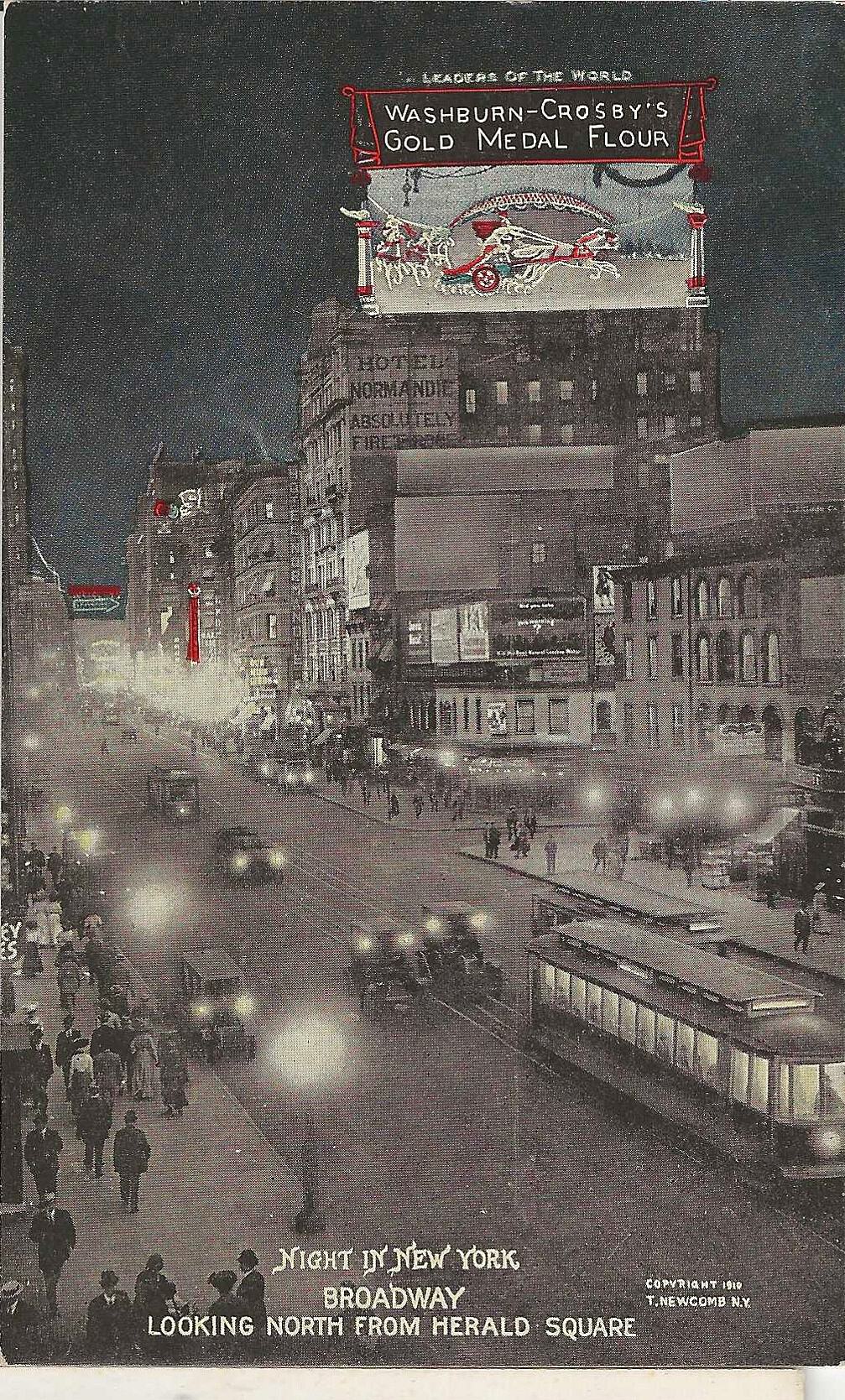
Gold Medal began in 1880, when Minneapolis miller Cadwallader Washburn won a gold medal for his flour at an international competition. He renamed his top product after the award and immediately contracted for a national ad campaign. One 1920s era newspaper account of his company claimed he earned a million dollars in three months.
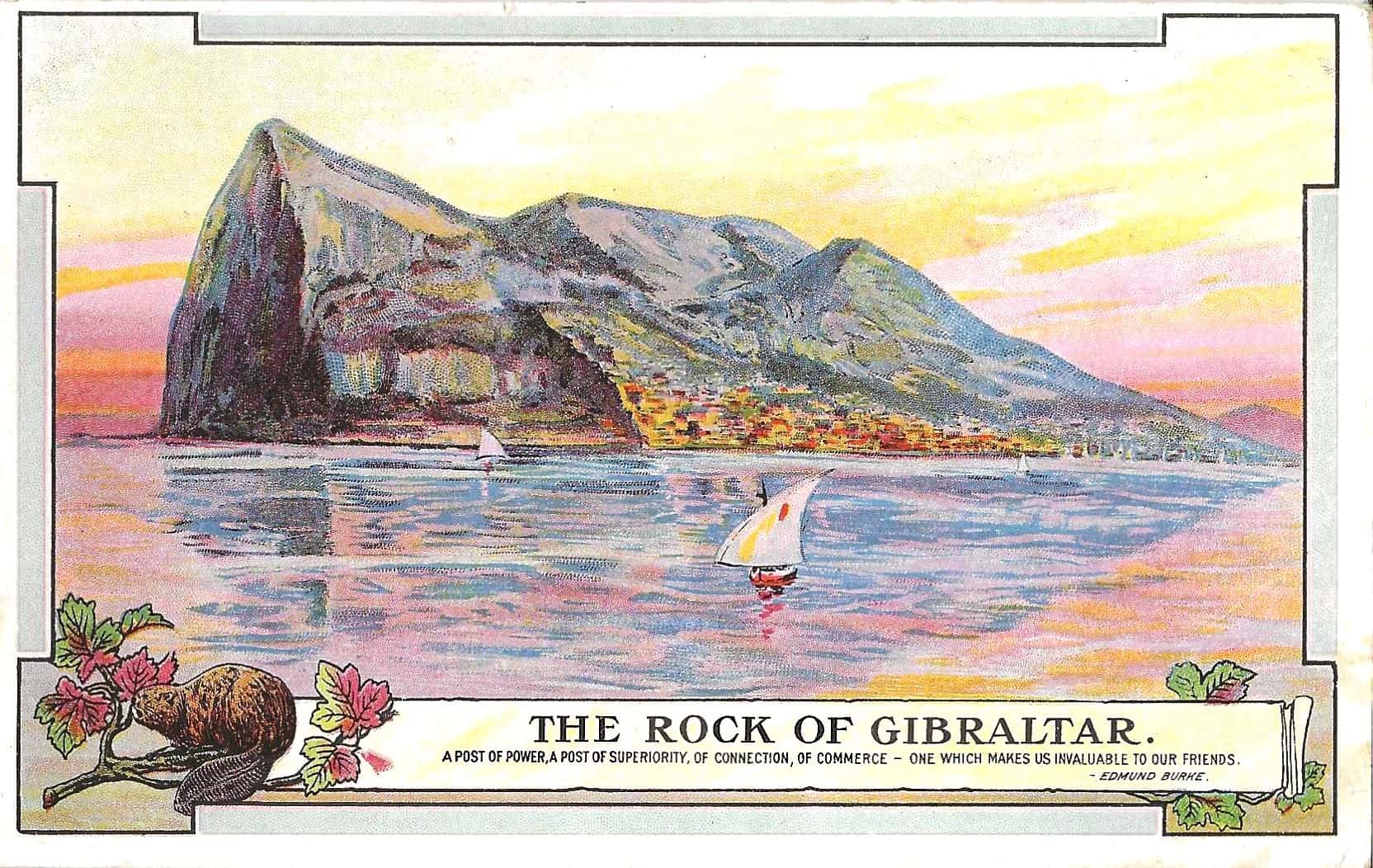
The American Prudential began in 1875 in Newark, New Jersey, founded by John F. Dryden, with a mission to provide affordable burial and life insurance to working‑class families. Dryden, later a U.S. Senator, named his company The Widows and Orphans Friendly Society in 1873, then in 1875 he renamed it The Prudential Friendly Society, and finally in 1877 it became The Prudential Insurance Company of America.
Dryden’s insurance model called for a “three cents a week” premium which opened financial protection to millions of ordinary Americans. His startup capital was only $25,000.
Prudential was one of the first to advertise using the Association Transfer concept – they chose the Rock of Gibraltar as their logo in 1896, symbolizing strength and stability.
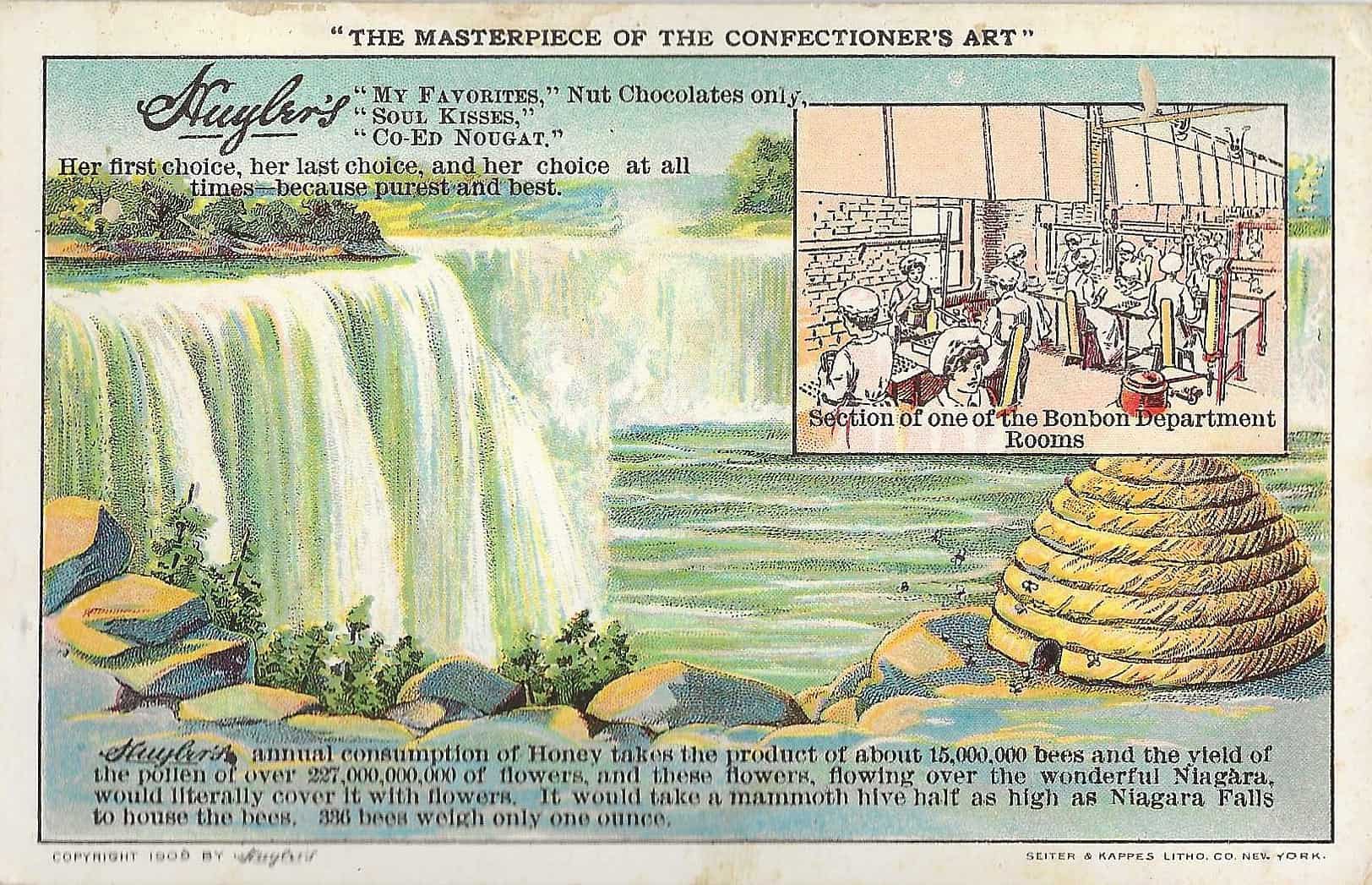
Huyler’s was a New York based chocolate and candy manufacturer, founded in 1874 by John S. Huyler, who began by selling soft molasses candy out of his father’s bakery. It grew into one of the largest and most prestigious chocolate makers in the United States, with dozens of branded shops and later a chain of luncheonettes.
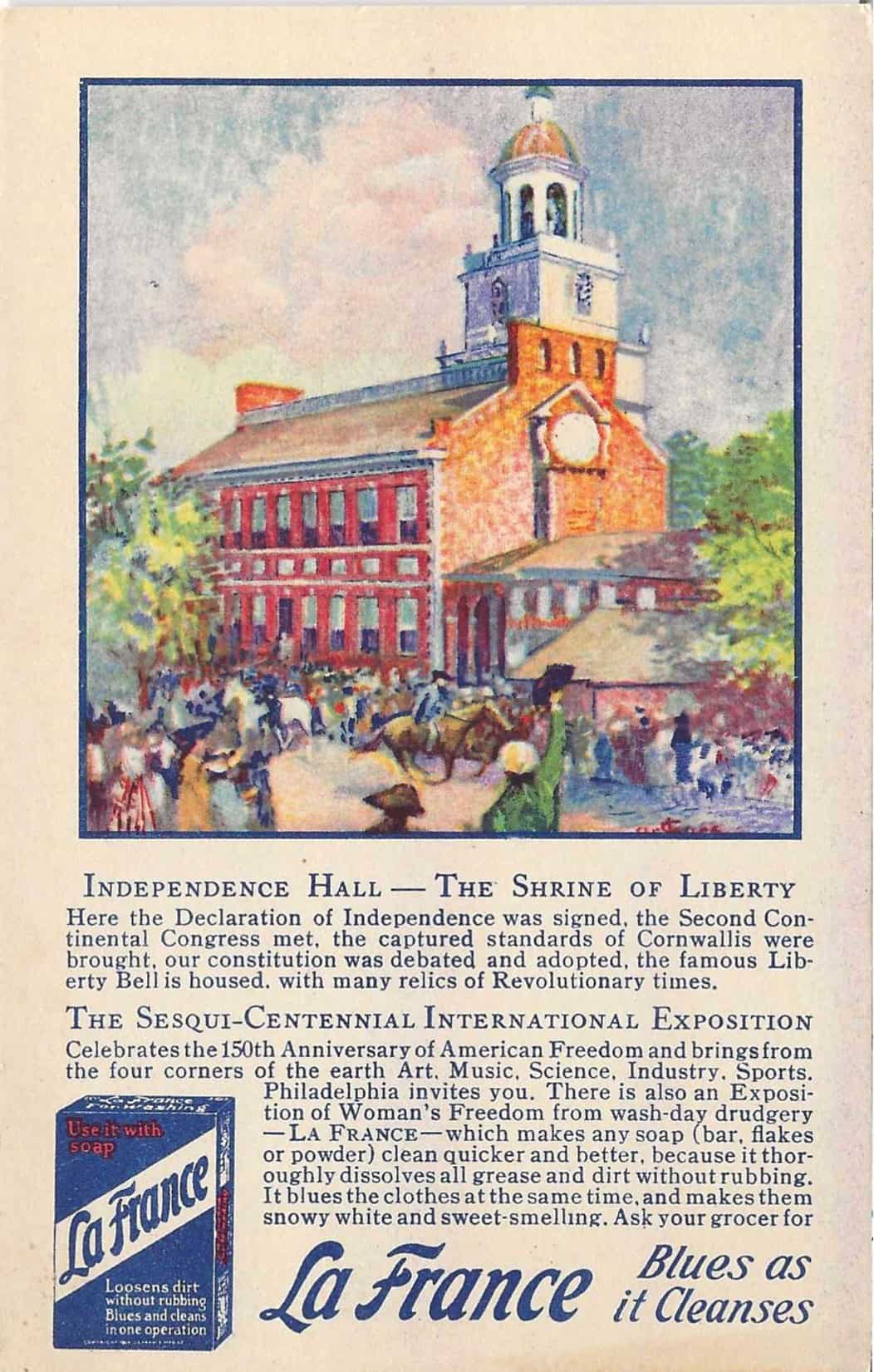
La France laundry products were first made by the La France Manufacturing Company, founded in 1908 in Philadelphia. This company later became part of the Postum Company in 1928, which then adopted the name General Foods Corporation in 1929.
Gillies’ Coffee began in 1840 in Brooklyn, founded by Scottish immigrant John Gillies, and is recognized as America’s oldest continuously operating coffee company.
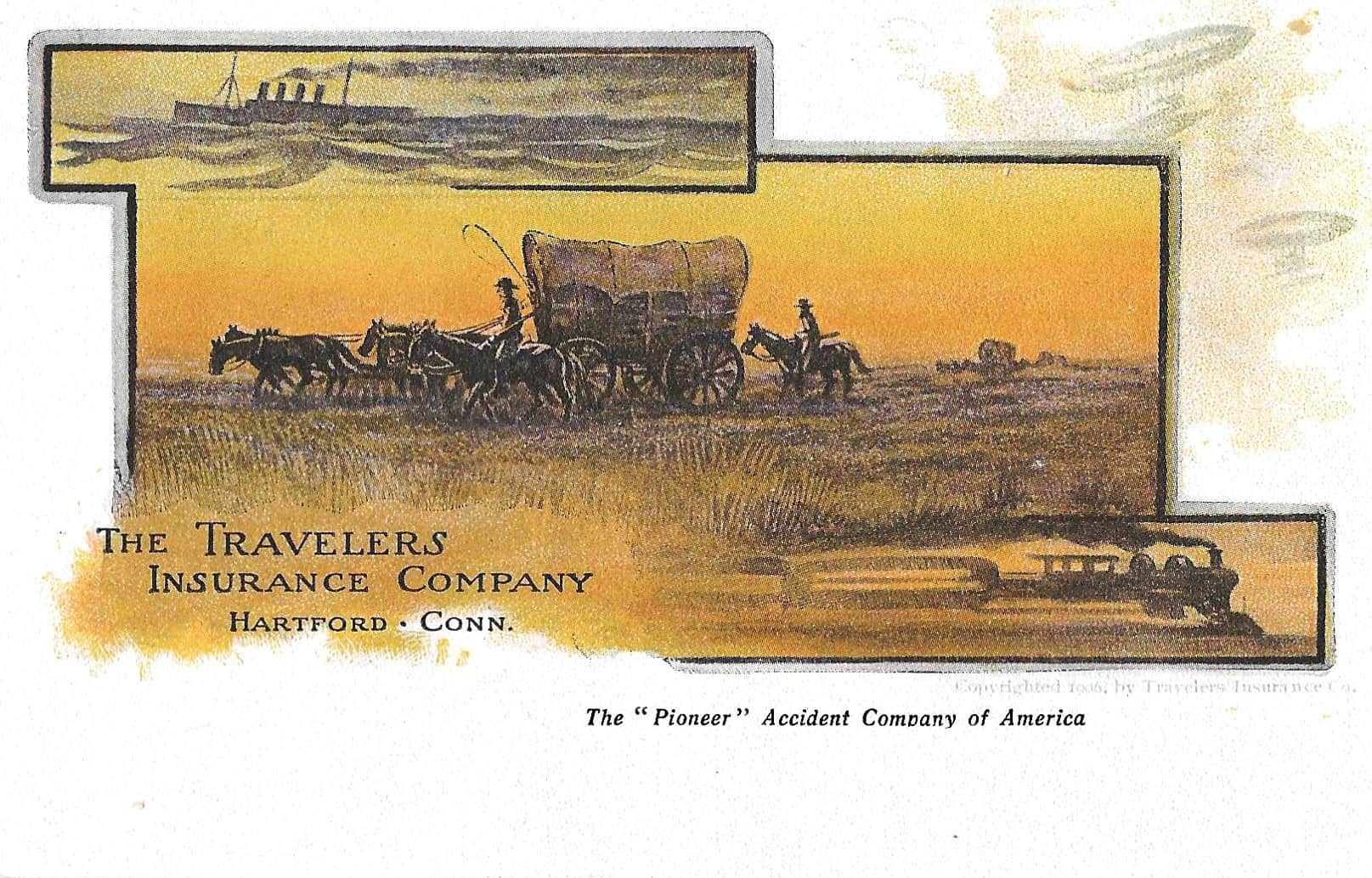
The Insurance Company was founded in Hartford by James G. Batterson who became aware for the first time of accident insurance for travelers while traveling in England in 1859. His railway ticket included accidental death insurance coverage up to the amount of £1,000, and lesser indemnities for non-fatal injuries. Batterson visited the London and Paris offices of European insurers to learn about the accident insurance business, then went home to Hartford and raised $500,000 in capital to launch a company to provide accident insurance to Americans. The company obtained its charter June 17, 1863
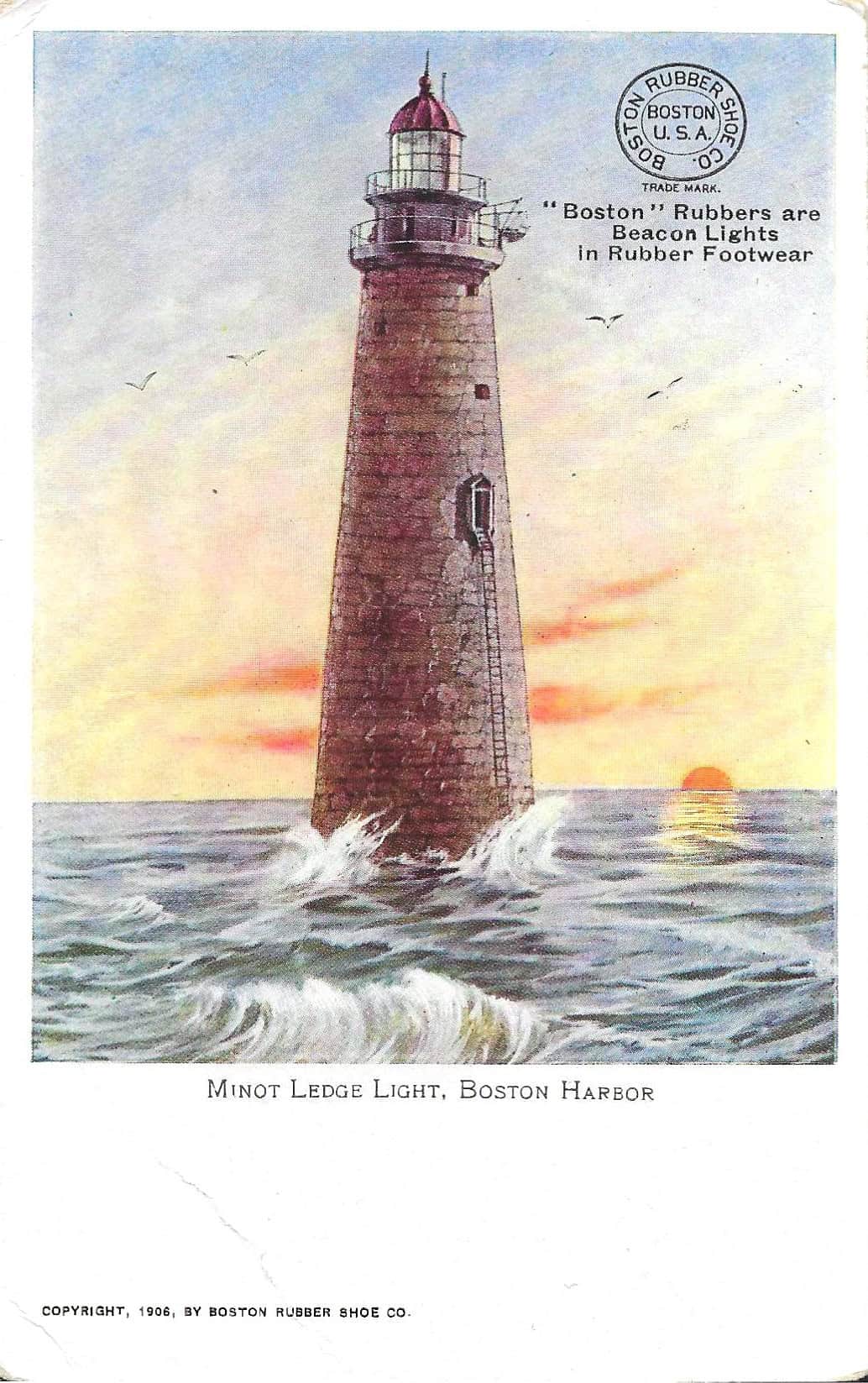
Elisha Slade Converse and his brother James Wheaton Converse founded the Boston Rubber Shoe Co. in 1853, manufacturing rubber boots and overshoes. The factory was in Malden, Massachusetts; the head office was at 245 Causeway St. in Boston.
The N. Z. Graves Company was a major Philadelphia-based paint and varnish manufacturer, incorporated in 1888 and operated by Nelson Z. Graves, a prominent businessman whose activities extended into banking, mining, and large-scale real‑estate development.
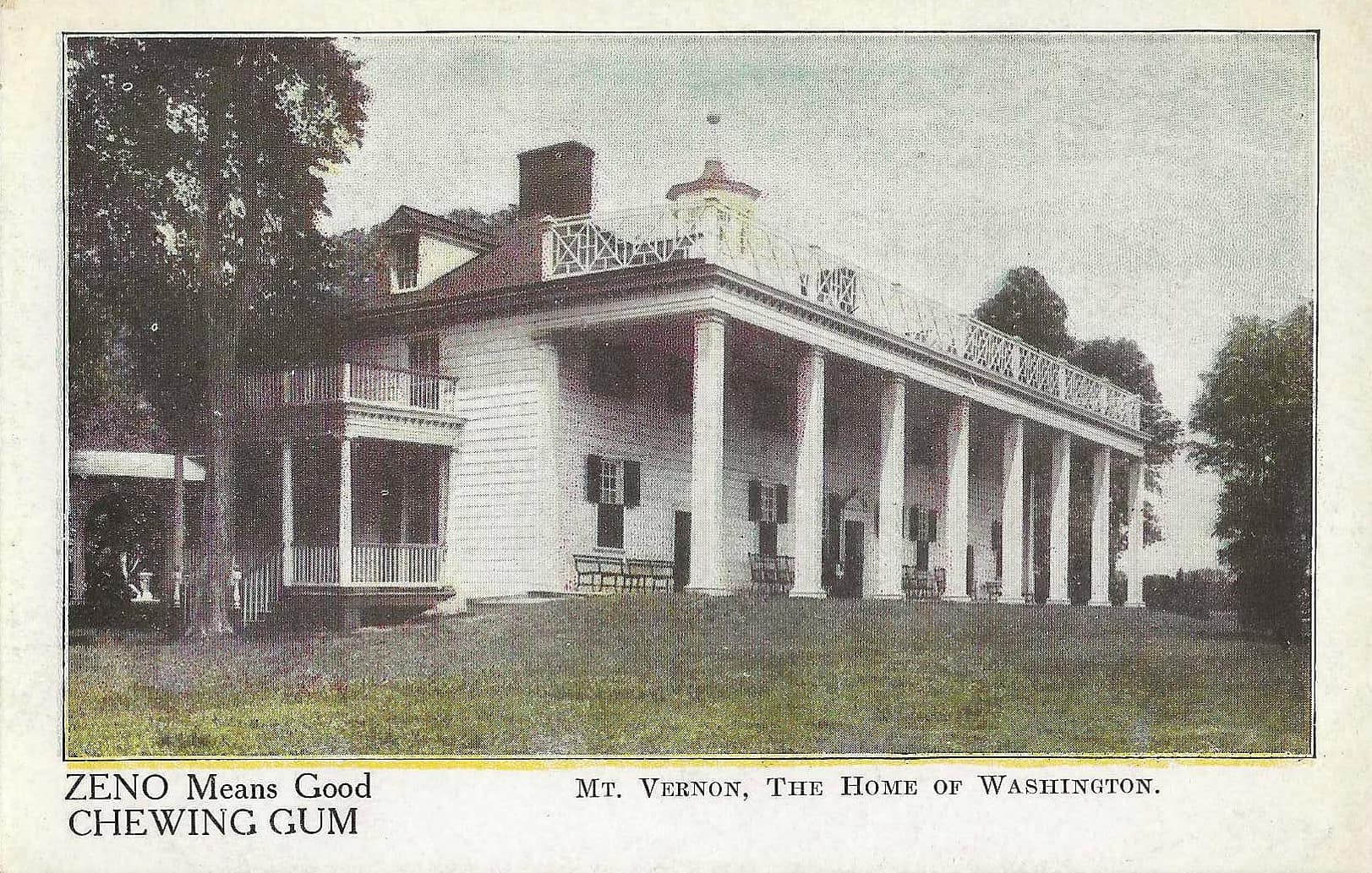
Zeno Manufacturing Company, founded in 1890 by the Rubber Paint Company of Cleveland, produced gum in Chicago after employee W. N. Brewer proposed making chewing gum using rubber as an ingredient. Launched at a time when chewing gum was still a novelty, by 1900 they offered a wide range of flavors, including Blood Orange, Licorice, Vanilla Cream, Pineapple, Forbidden Fruit, Pepsin, and Lemonade.
Also, Zeno embraced a new technology as they sold their new product: vending machines. Zeno’s vending machines were placed in bars and barbershops where the wooden, clockwork‑powered machines dispensed a single stick of gum for one cent.
**
Even though Madison Avenue as a physical location is no longer the sole epicenter of advertising, the name remains a shorthand for the industry’s creative and strategic methods. It also symbolizes the intersection of marketing and media, and is still used in business and pop culture to refer to the advertising world.
I’ve always been fascinated with the topic of advertising, and how campaigns are created. I sometimes think I romanticize vintage ads because of all the old black and white movies I watched as a kid.
This is a great article. Thanks for sharing. I like the paragraph about Gold Medal Flour and how that name came about.