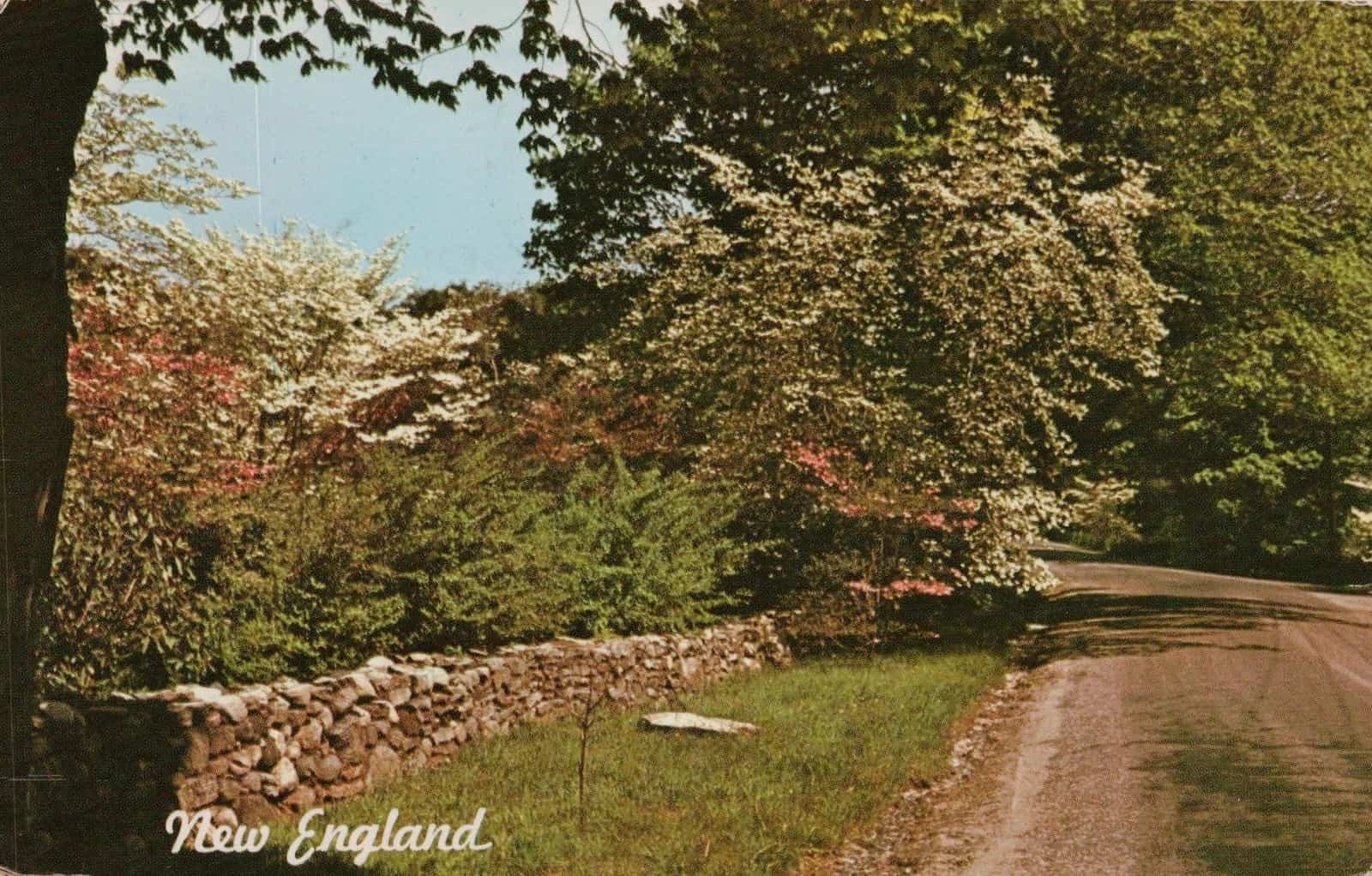
When it was necessary, most of mankind who wanted barriers relied on nature. Lines were marked by hedges, thorn bushes, and frequently stone walls. Such “fences” marked territory and protected crops. There is abundant archaeological evidence that shows farmers in Mesopotamia used artificial enclosures as early as 10,000 years ago. As populations grew, fencing became essential for organizing land, asserting ownership, and keeping livestock contained.
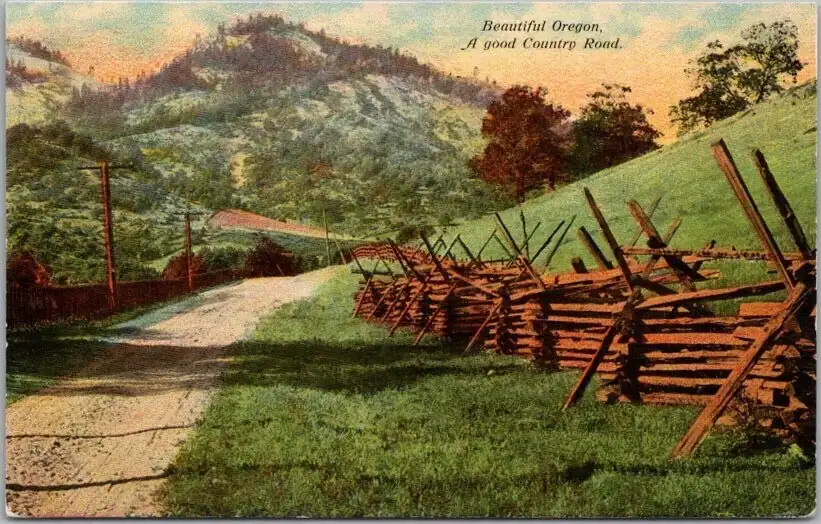
In North America, the split‑rail fence became a standard. Colonists and frontier settlers used it because no nails were required and a fence could be built from freshly felled timber. Its zig‑zag “worm fence” design allowed rails to interlock without hardware, making it ideal for regions rich in wood but poor in iron. By the eighteenth century, split‑rail fences were everywhere across the American colonies.
Since no specifications existed for split-rail fences, commercial production of fencing was limited, however timber merchants sold rails by the wagonload, and farmers often split their own. The “industry” was therefore decentralized but this changed when industrial sawmills and railroads made mass timber distribution possible in the mid-nineteenth century.
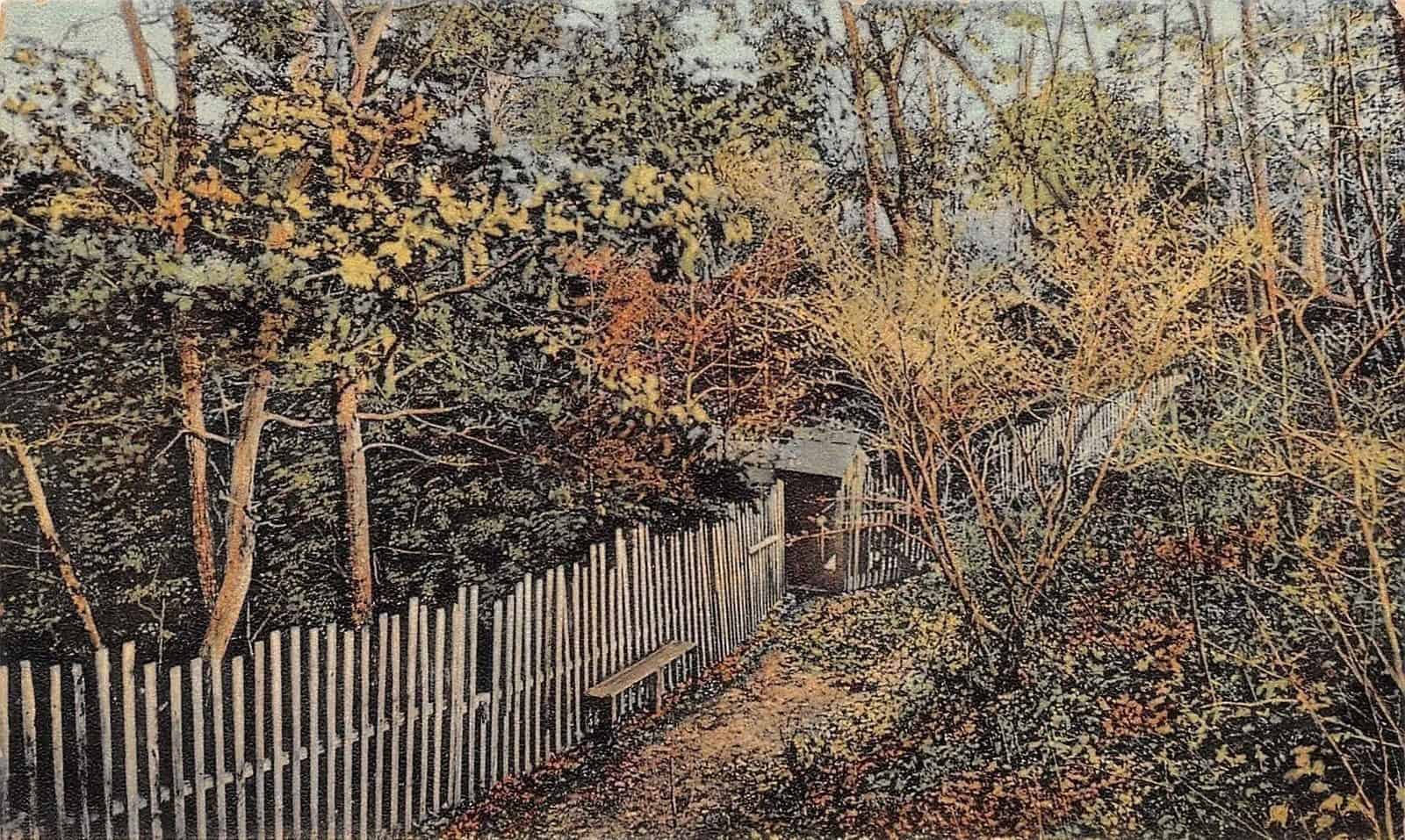
Picket Fences and Urban Expansion
When villages grew into towns and towns grew into cities fencing took on a new role. Picket fences, with their evenly spaced vertical slats, became a symbol of urban life. They provided modest security and in a respectful way announced private ownership.
Picket fence design came to the colonies from Europe. By the late eighteenth century they were common in cities where lumber was readily available and where decorative uniformity mattered. In America, picket fences became especially popular and by the mid-1850s had moved to the suburbs when mass‑produced lumber and standardized nails made them affordable for middle‑class homeowners.
Commercial production of fence components took place in lumber yards and carpentry shops. They sold pre‑cut pickets and rails and by the late 1800s, catalogs from hardware stores and building suppliers offered pre-cut fencing kits that were ready for assembly. Fencing kits that were shipped by rail and assembled on‑site, became one of the earliest examples of consumer home‑improvement projects.
The Invention and Commercialization of Barbed Wire
No fencing innovation transformed the landscape more dramatically than barbed wire. Its invention solved a critical problem: the treeless plains of the American West offered no material for traditional fences.
[To read an interesting and amusing tale about barbed wire fences go to Postcard History’s archives and search for The Story of Bubba and Barbed Wire published on July 16, 2024.]
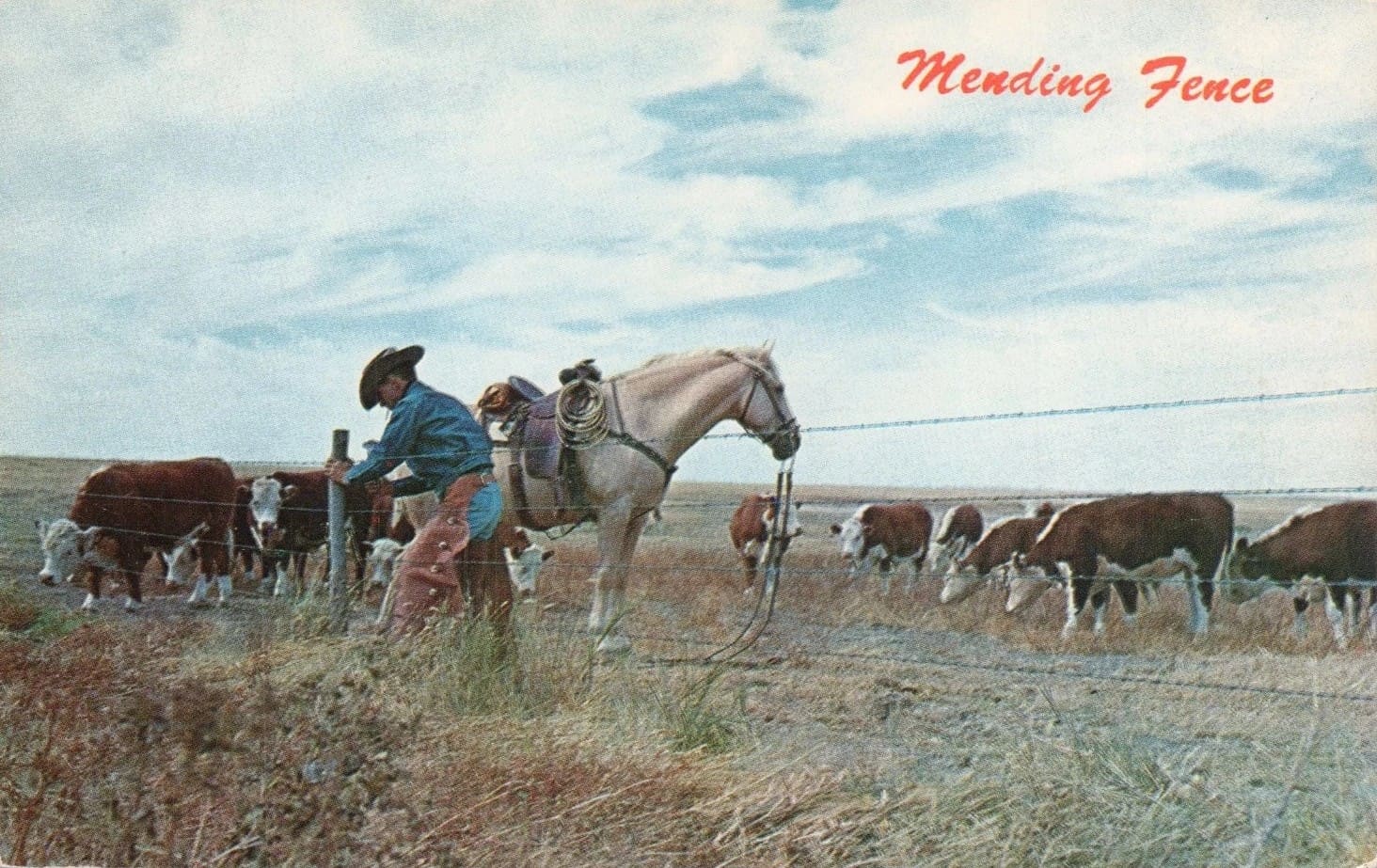
Early ideas came to several men in what today we call “simultaneous inspiration.” Several men, John Gates, Joseph F. Glidden, Isaac L. Ellwood, and Jacob Haish among them, created and manufactured “armored wire.”
John Gates got rich, but Joseph Glidden won the prize when he designed a style of wire fence he called “The Winner.” Gates’s wire was patented on November 24, 1874, and became the foundation of the barbed‑wire industry. Within five years production skyrocketed and barbed wire became available in hardware stores, farm supply depots, and from traveling salesmen.
[The most interesting fact about barbed wire fencing is that Washburn & Moen (the world’s largest wire manufacturer since 1831) partnered with Glidden and Ellwood to distribute wire nationwide, using railroads to reach homesteaders across the West. Barbed wire became essential for fulfilling the Homestead Act’s requirement that settlers “improve” their land—often beginning with fencing.]
Industrialization and the Modern Fencing Market
By the late 19th century, the Industrial Revolution had reshaped fencing entirely. Mass‑produced steel, standardized lumber, and mechanized manufacturing allowed companies to sell fencing in catalogs, hardware stores, and later through mail‑order giants like Sears, Roebuck & Co.
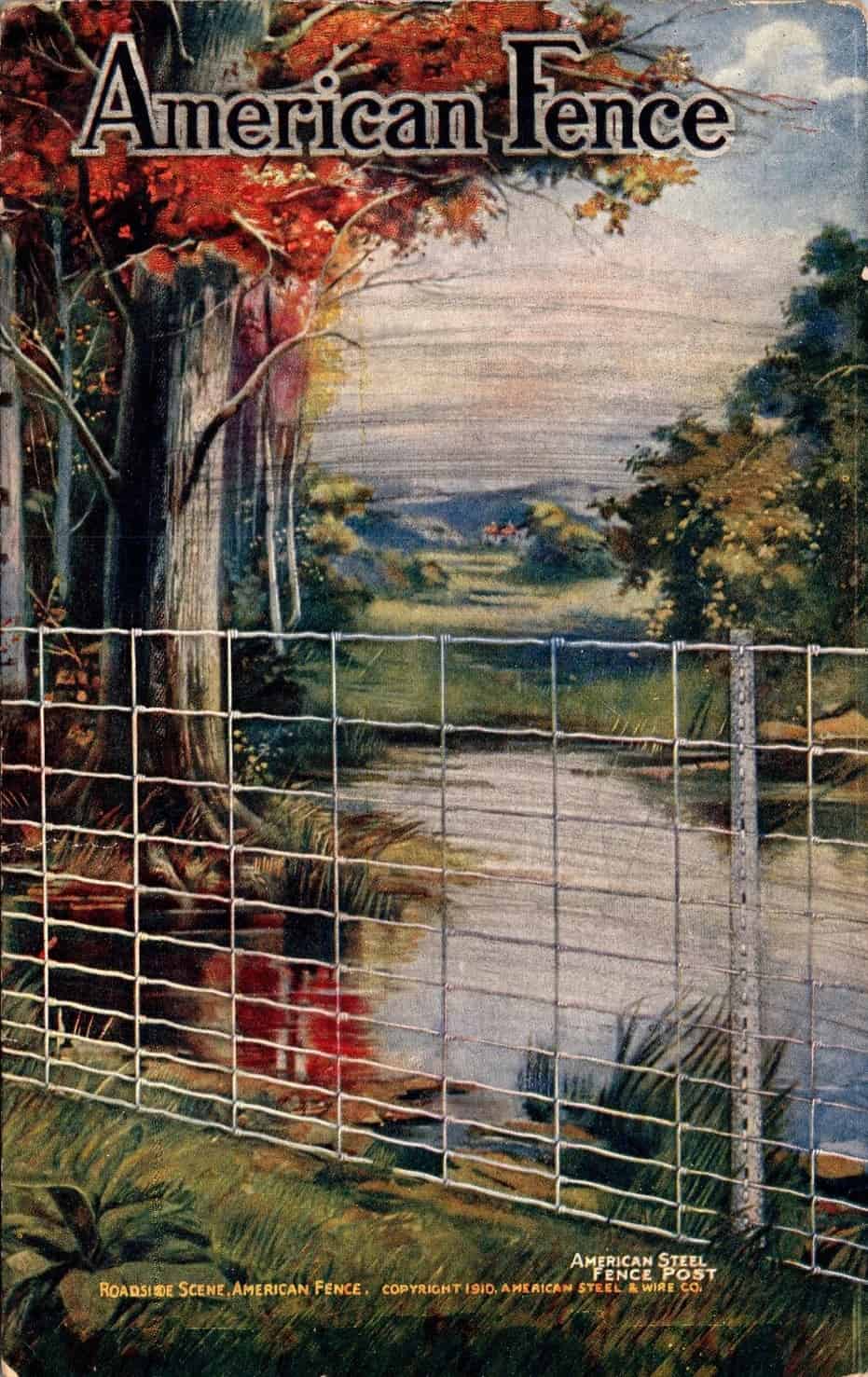
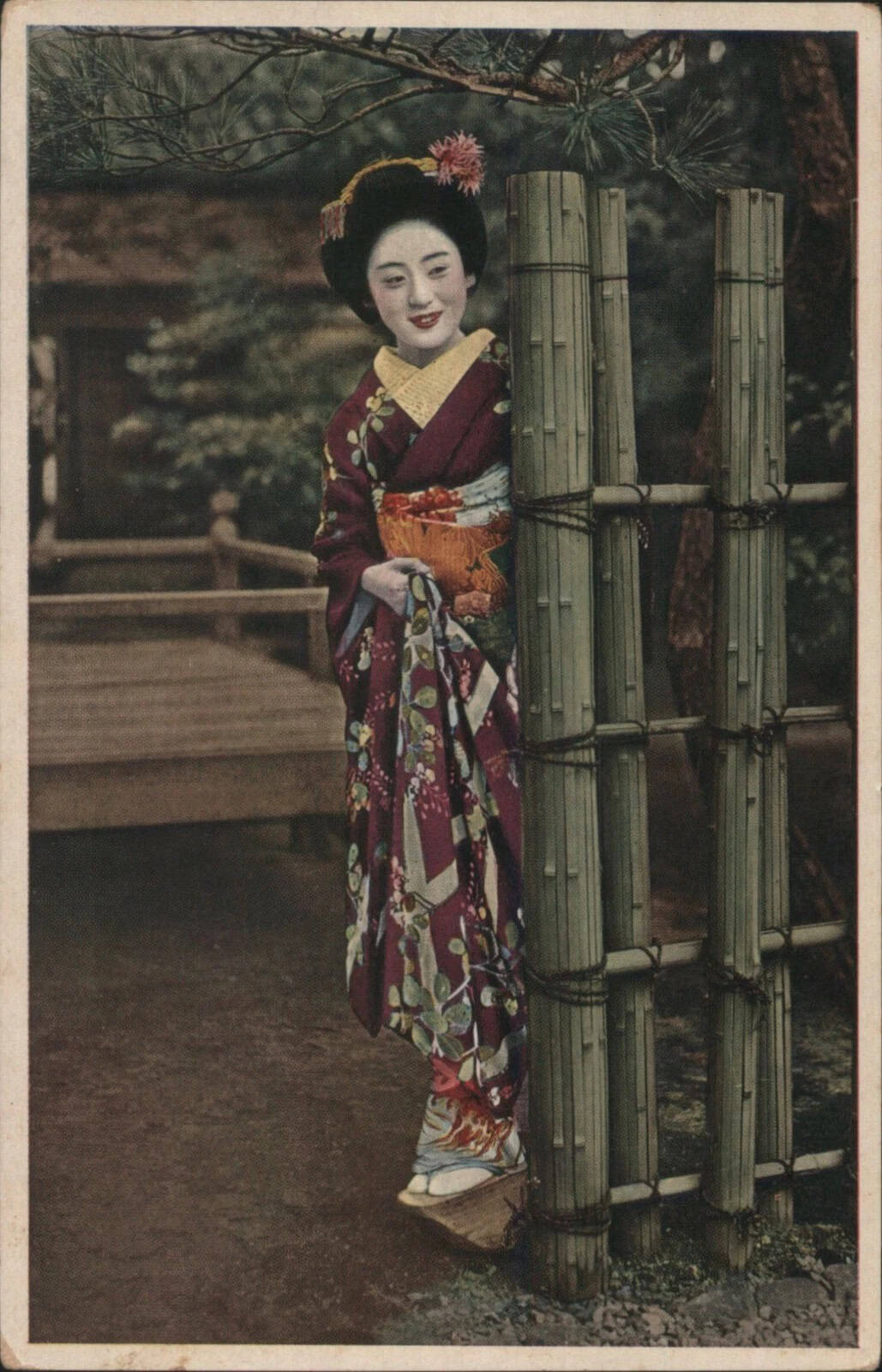
Wire fencing—barbed, woven, and smooth—became the dominant agricultural choice. Urban homeowners purchased picket and iron fences, while rural communities relied on split‑rail or wire depending on local resources. Fencing shifted from a handicraft (especially in western Asia) to an industry, with factories (worldwide) producing millions of pounds of wire and thousands of prefabricated wooden components.
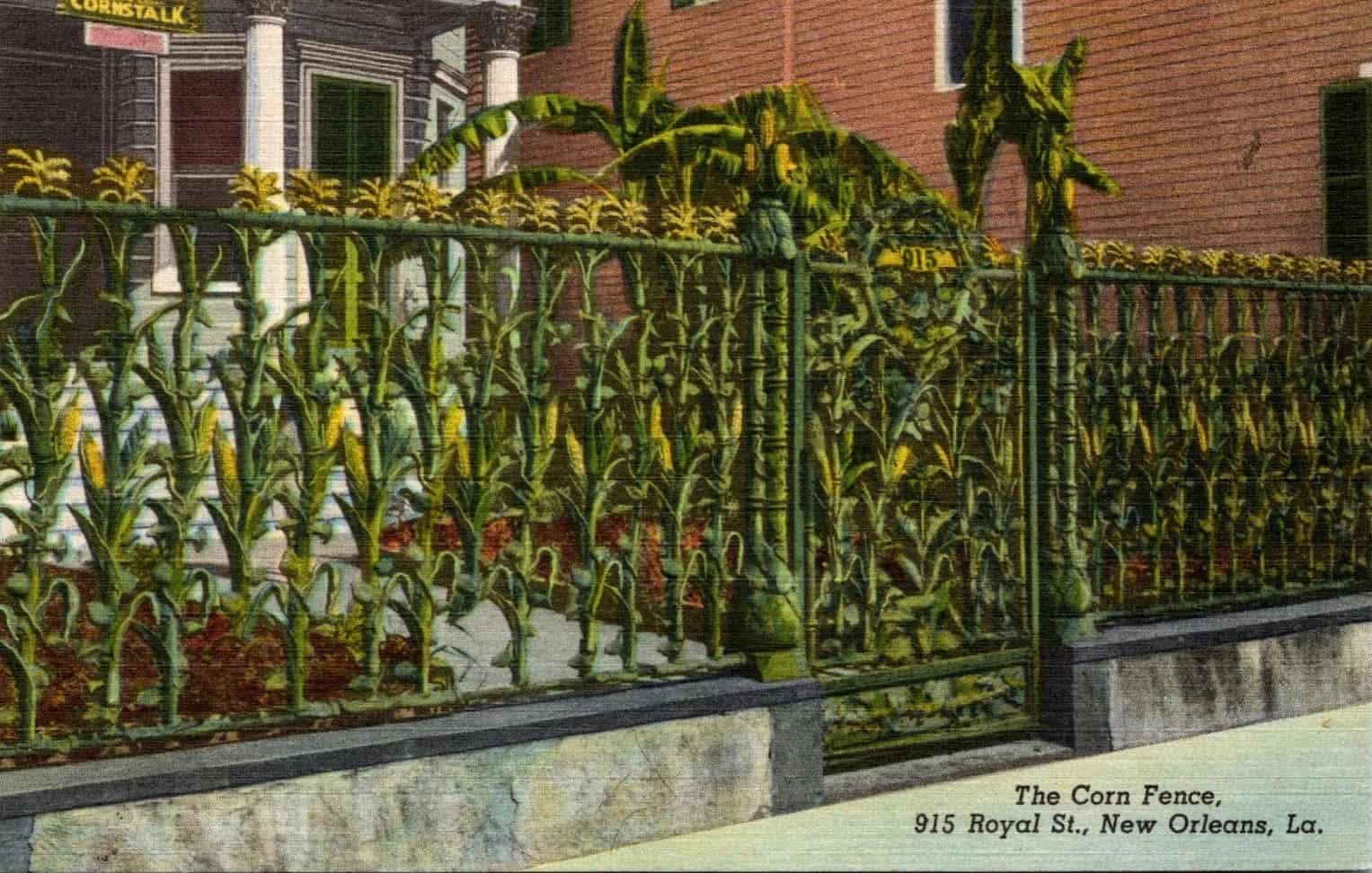
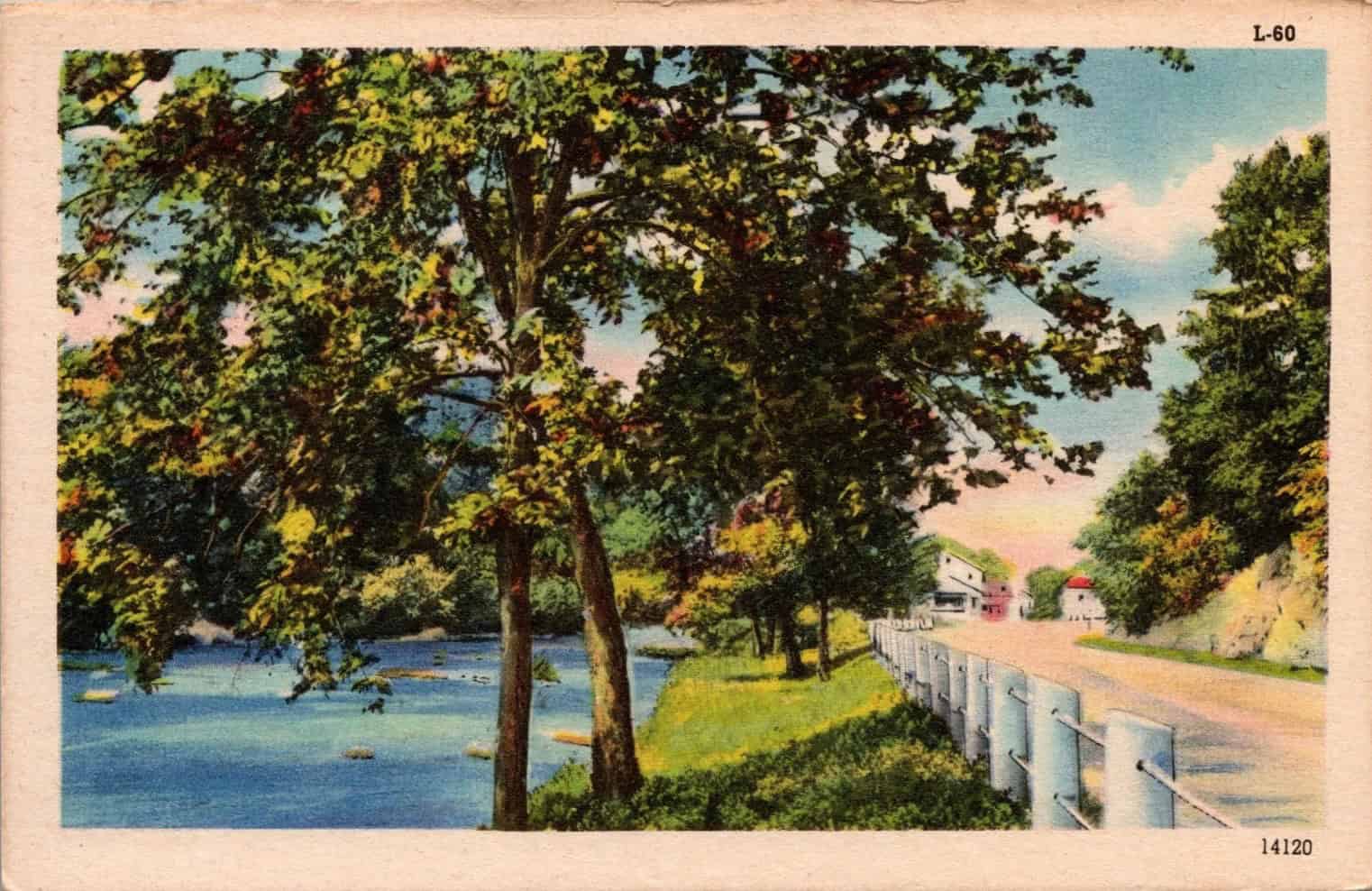
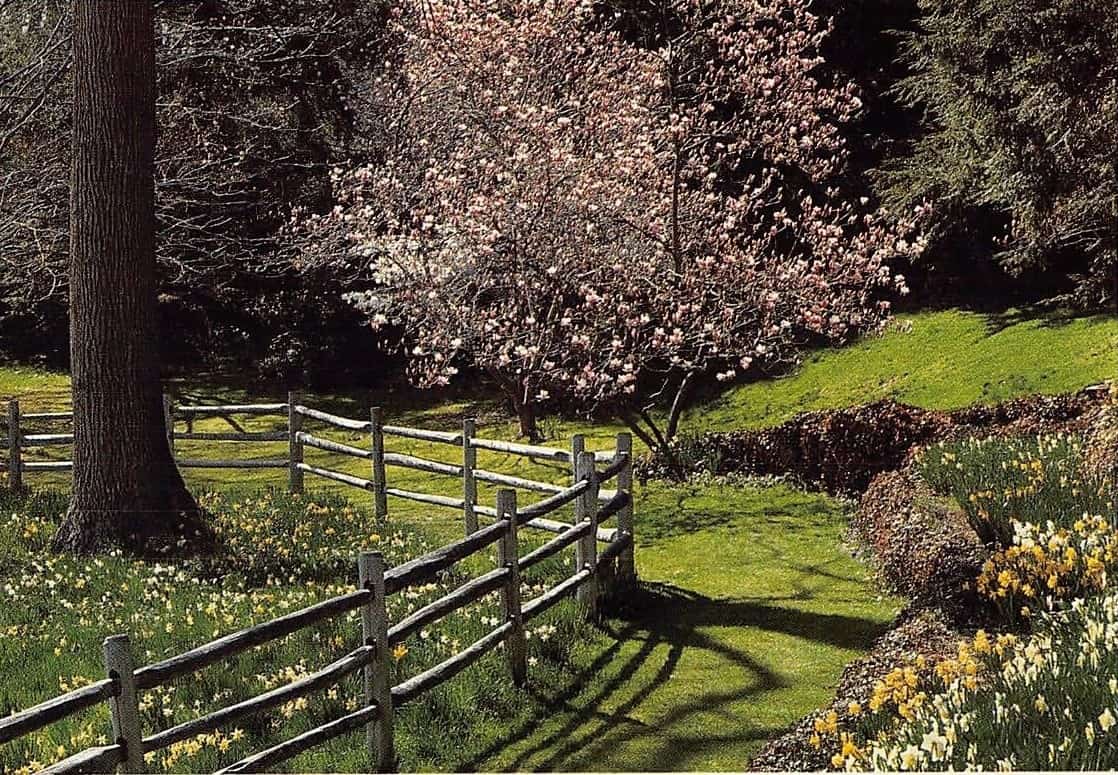
From ancient hedgerows to industrial wire, fences have shaped landscapes, economies, and societies. Split‑rail fences defined early American settlement; picket fences symbolized domestic order; and barbed wire revolutionized agriculture and the American West. Their commercial history reflects broader technological shifts—from hand‑split timber to mechanized steel production—and the evolving needs of communities across centuries.
A wonderfully researched and illustrated article.
Interesting subject. Now I wonder how many postcards I have with prominent fences! Robert Frost’s narrator in the poem was making fun of his neighbor for thinking “Good fences make good neighbors.” The narrator disagreed. I agree though, as I have a dog. I guess in some parts of the US fences aren’t the usual, but I’ve never lived where they aren’t.