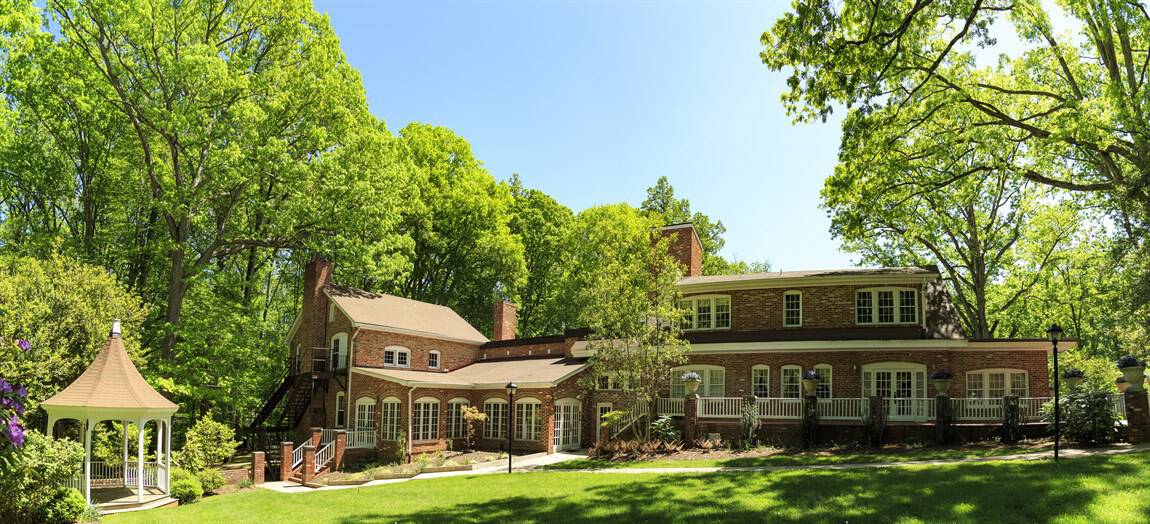
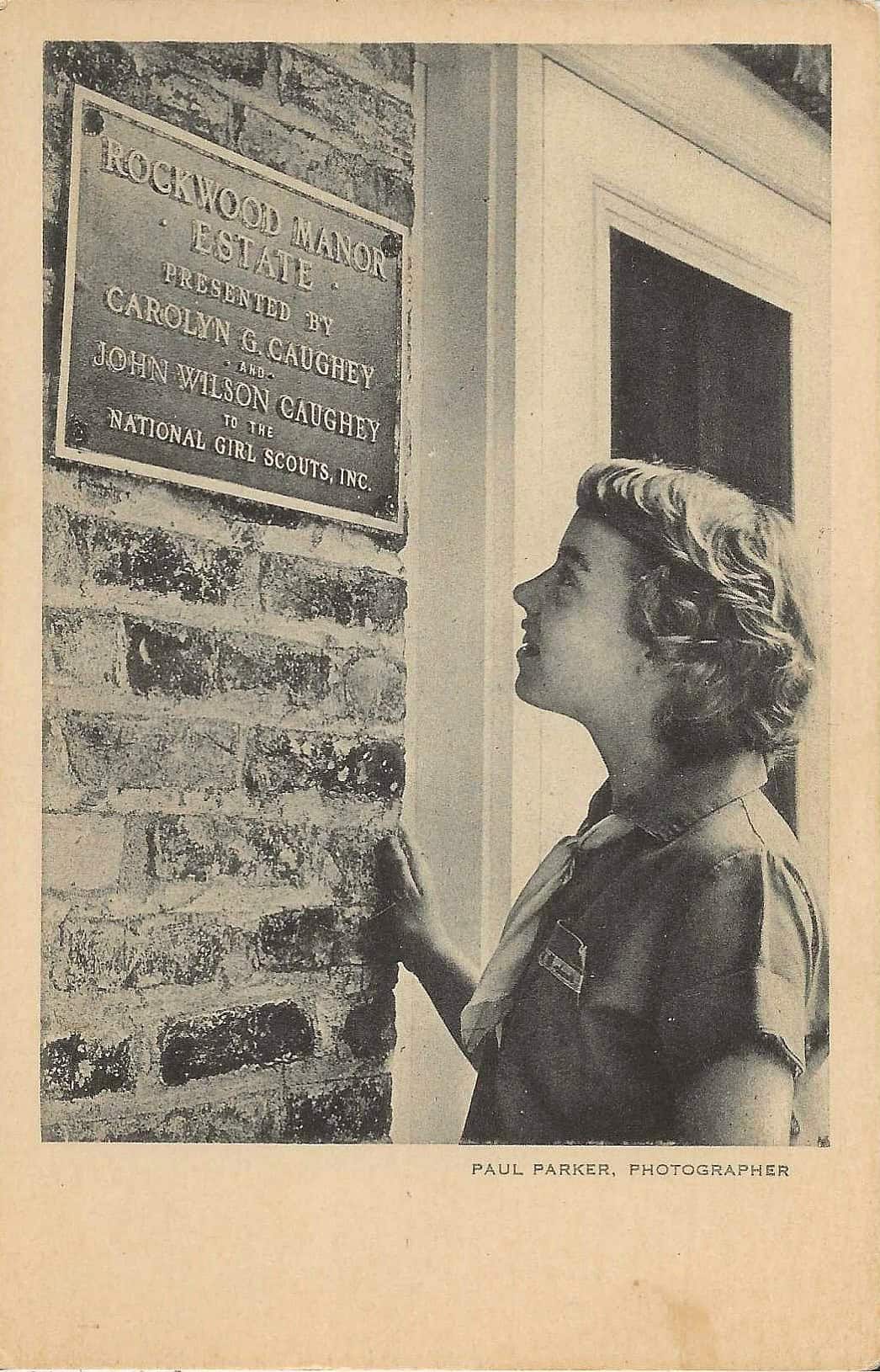
Rockwood Manor sits on a rise above the Potomac River, in Bethesda, Maryland, its stone walls and wooded slopes were the vision of Carolyn Gangwer Caughey, who imagined a country estate that would feel both sheltered and expansive. When she died in 1936, she left her beloved property to the Girl Scouts of the USA, believing that the land’s quiet strength and natural beauty could help shape the character of future generations. What followed was one of the most remarkable chapters in American youth history, a story of camping and camaraderie, of wartime service, of integration in an era of segregation, and of a community’s determination to protect a place that had become part of their lives.
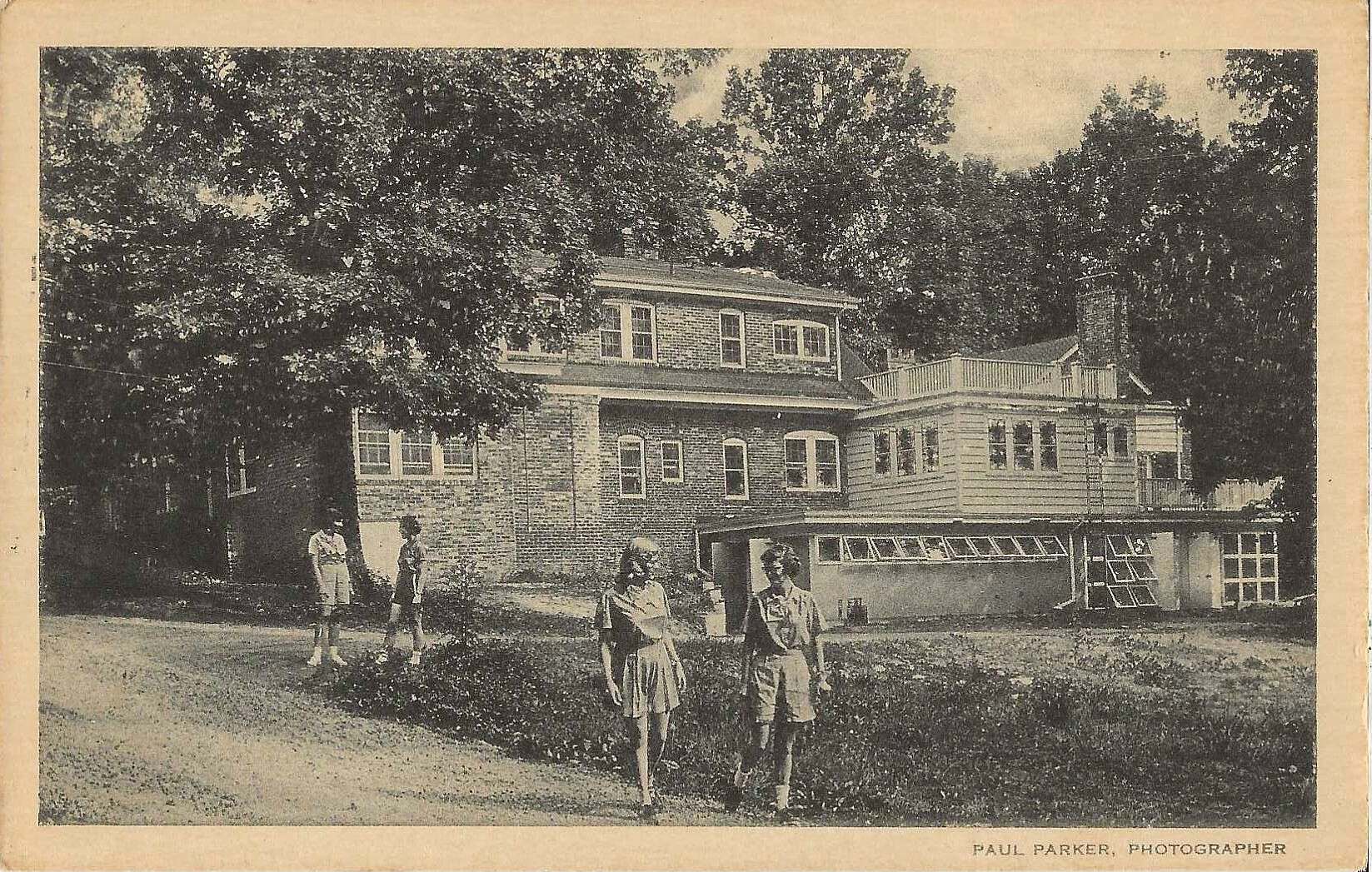
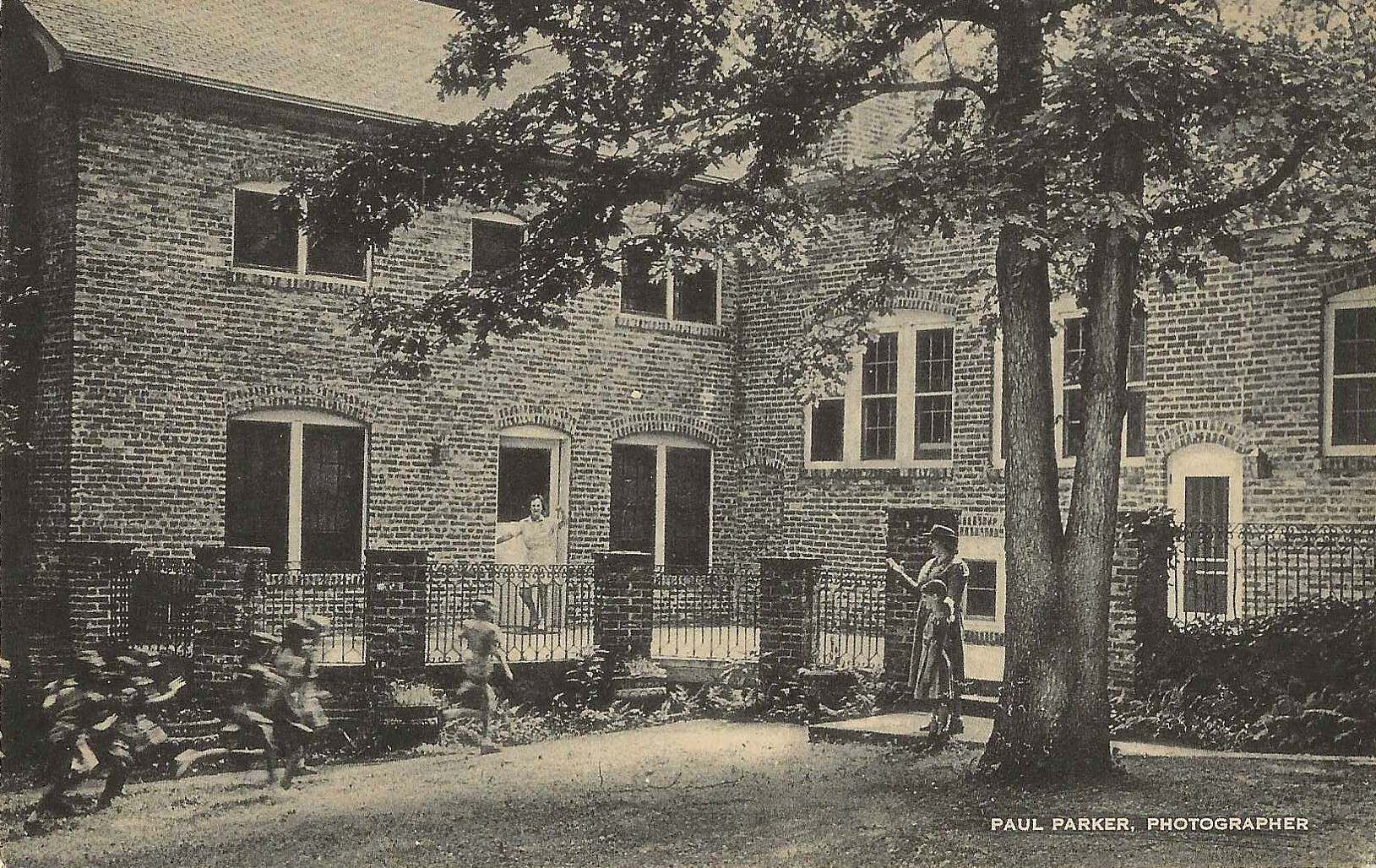
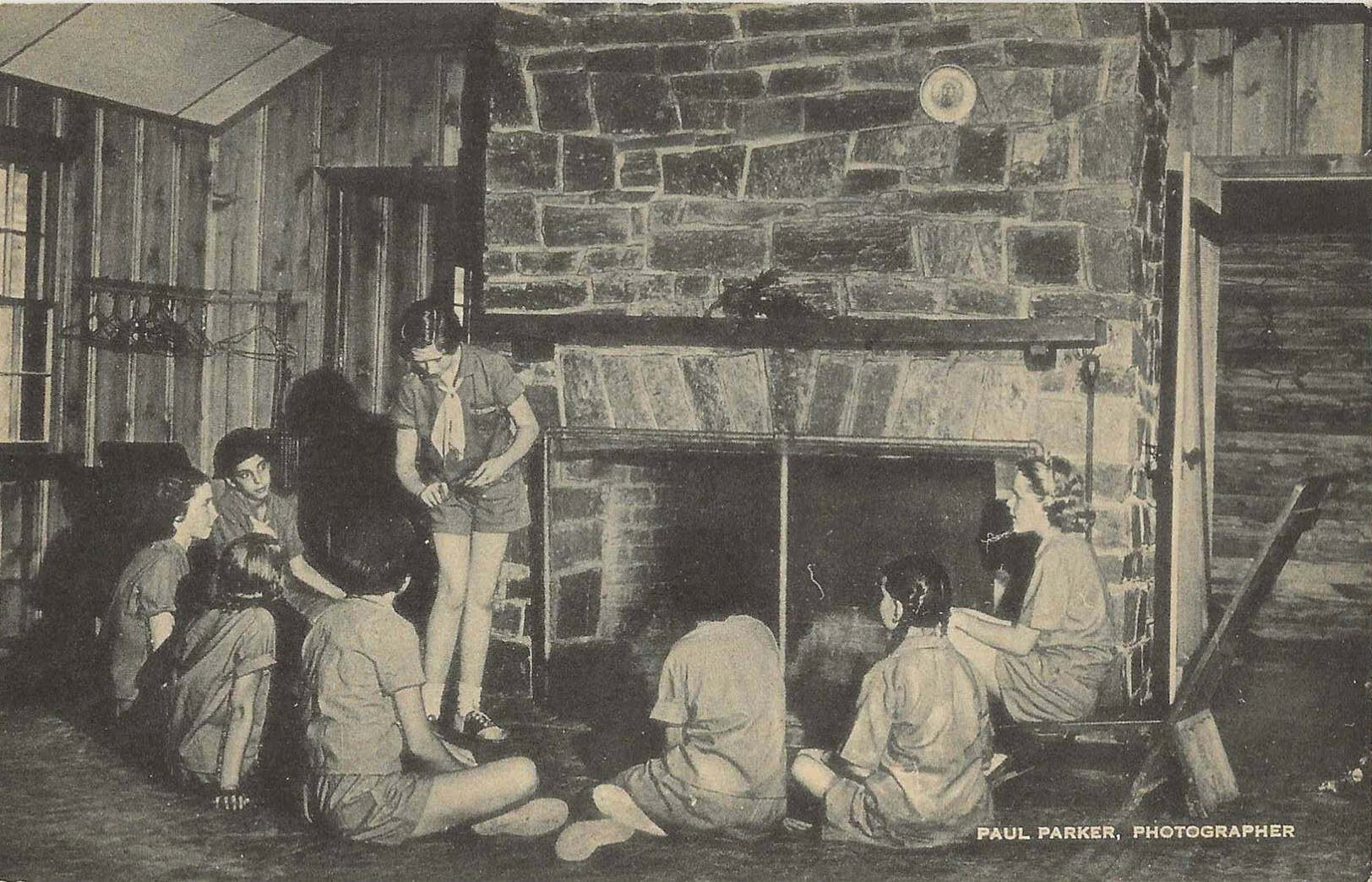
When the Girl Scouts opened Rockwood National Girl Scout Center in 1939, the manor house became the heart of a sprawling educational landscape. Girls arrived by bus, train, and car from every corner of the country, stepping out onto the gravel driveway with a mixture of excitement and nervousness. The woods behind the house, live with tulip poplar, oak, and cedar trees, formed a natural amphitheater for campfires, songfests, and the kind of conversations that only happen when the night is dark and the stars are bright.
Rockwood was more than a camp. It was a national meeting place where girls from rural towns met girls from big cities, where troop leaders came for training, and where international visitors brought stories from far beyond American shores.
In any given week, the manor might host a troop from Kansas, a delegation of Girl Guides from England, and a group of adult leaders learning how to run their own camps back home.
The property’s proximity to Washington, D.C. meant that visits to the Capitol, the Smithsonian, and the monuments throughout the city became part of the Rockwood experience, blending outdoor adventure with civic education.
During World War II, Rockwood’s role shifted in unexpected ways. Washington faced a severe housing shortage for women serving in the WAVES, and federal officials approached the Girl Scouts with an unusual request: could the manor house be used to house women war workers? The Girl Scouts agreed — but only after determining that such service aligned with Carolyn Caughey’s requirement that the property be used for character‑building purposes.
For a time, Rockwood became a home for women contributing to the war effort, its rooms filled not with campers but with uniforms, schedules, and the quiet determination of wartime service.
Yet the most profound part of Rockwood’s legacy unfolded not in wartime but in the decades that followed. Because Rockwood belonged to the national Girl Scout organization, it operated outside the segregated policies of many local councils. In the 1940s, ‘50s, and ‘60s, black Girl Scout troops from the South that were often barred from their own council camps, traveled to Rockwood, where they camped alongside white troops from other states. The integration was not announced with fanfare; it simply happened, quietly and consistently.
Daily life at Rockwood had a rhythm that thousands of girls came to know by heart. Mornings began with the glory of a new day: dew on the grass and the birdsongs. Days were filled with hikes, outdoor cooking, knotting, nature study, and trips into Washington.
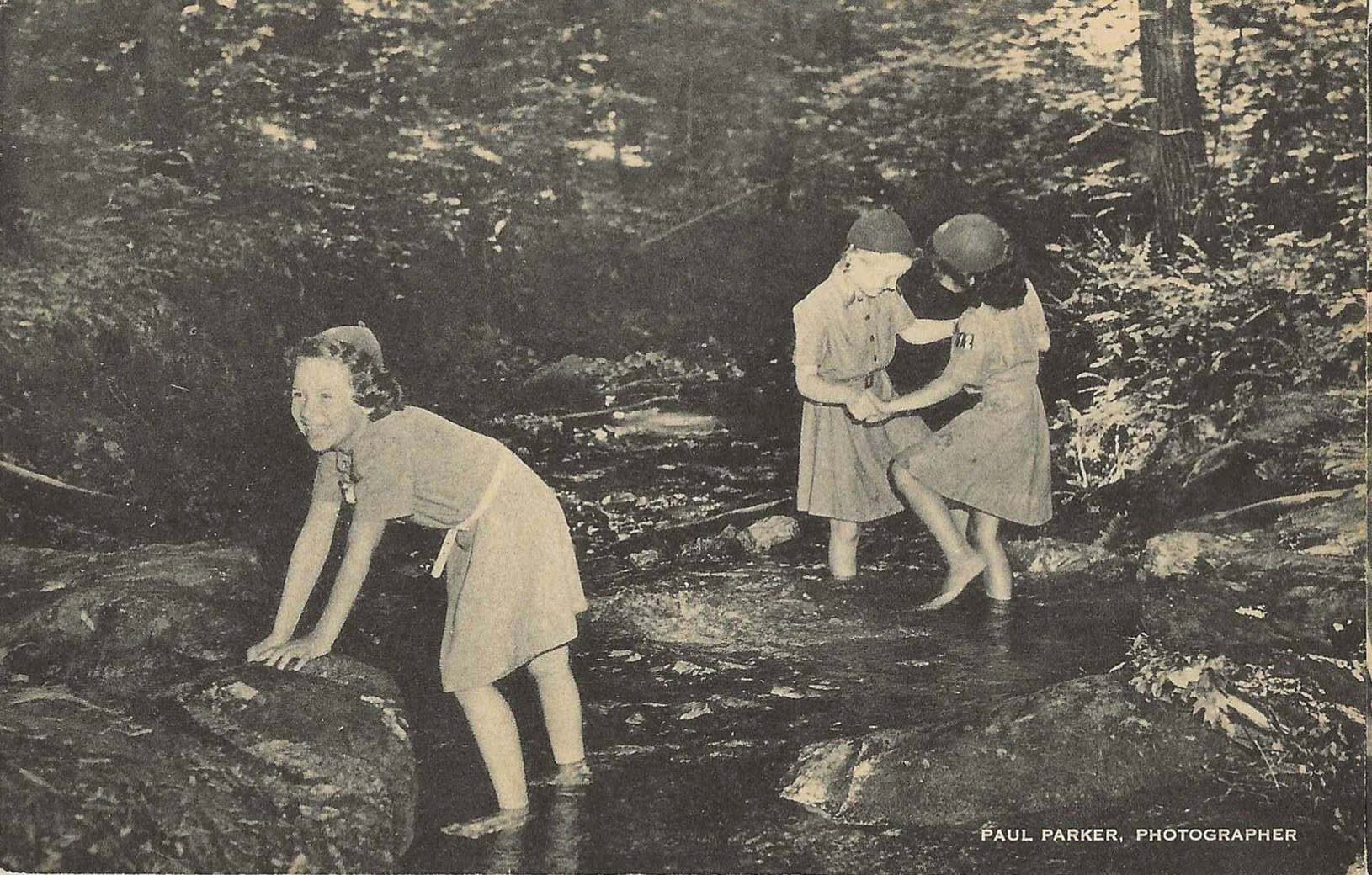
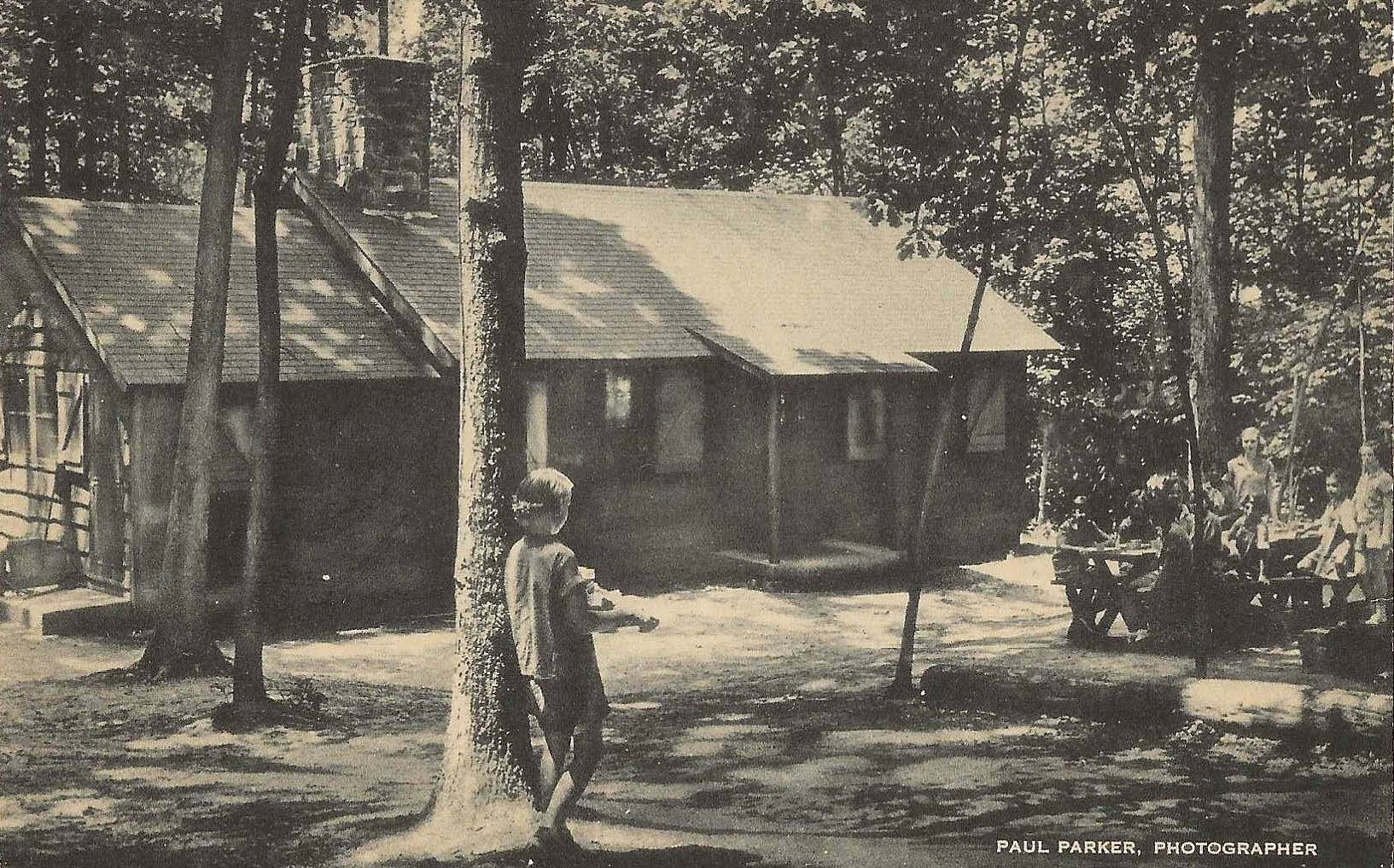
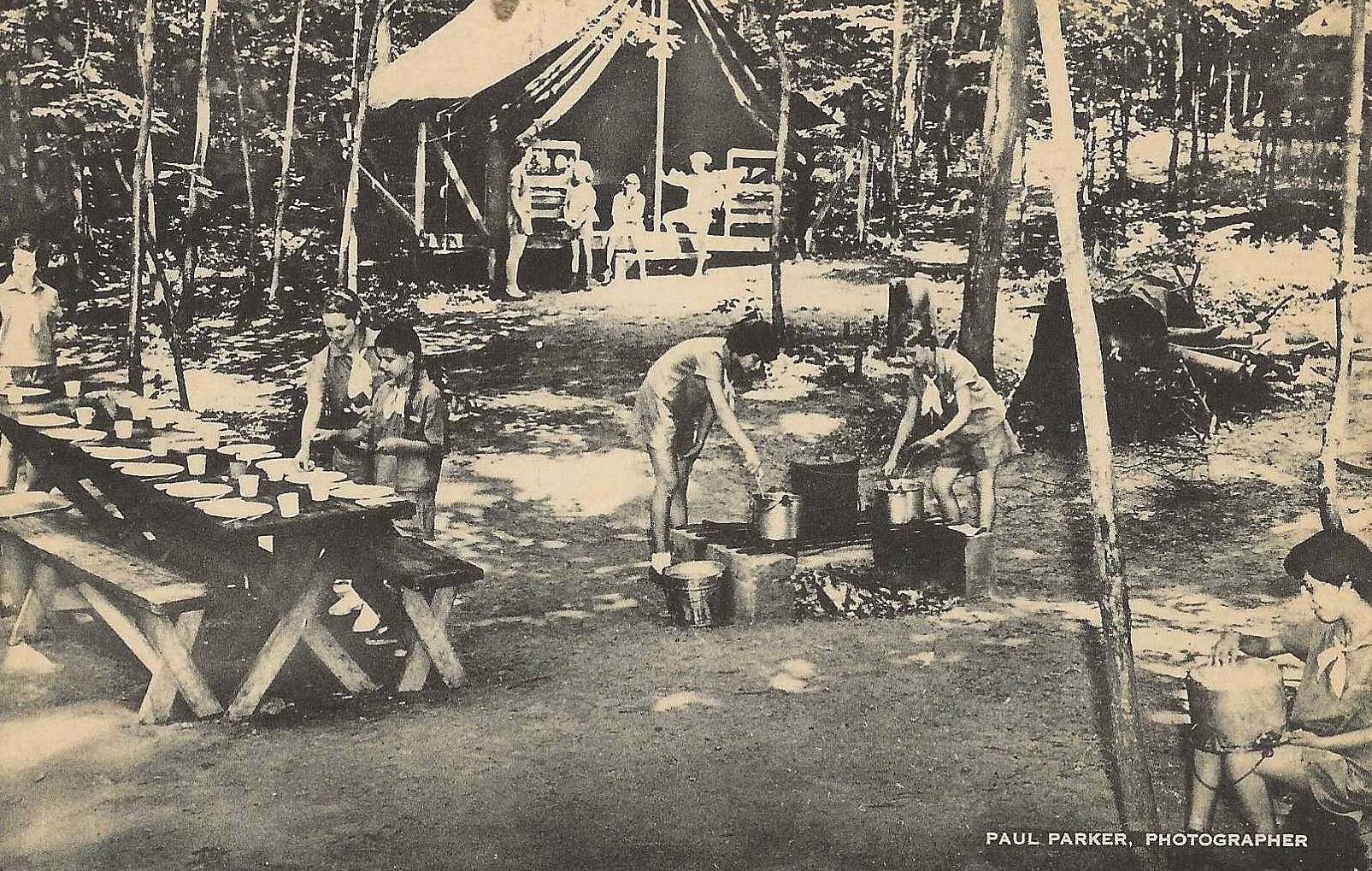
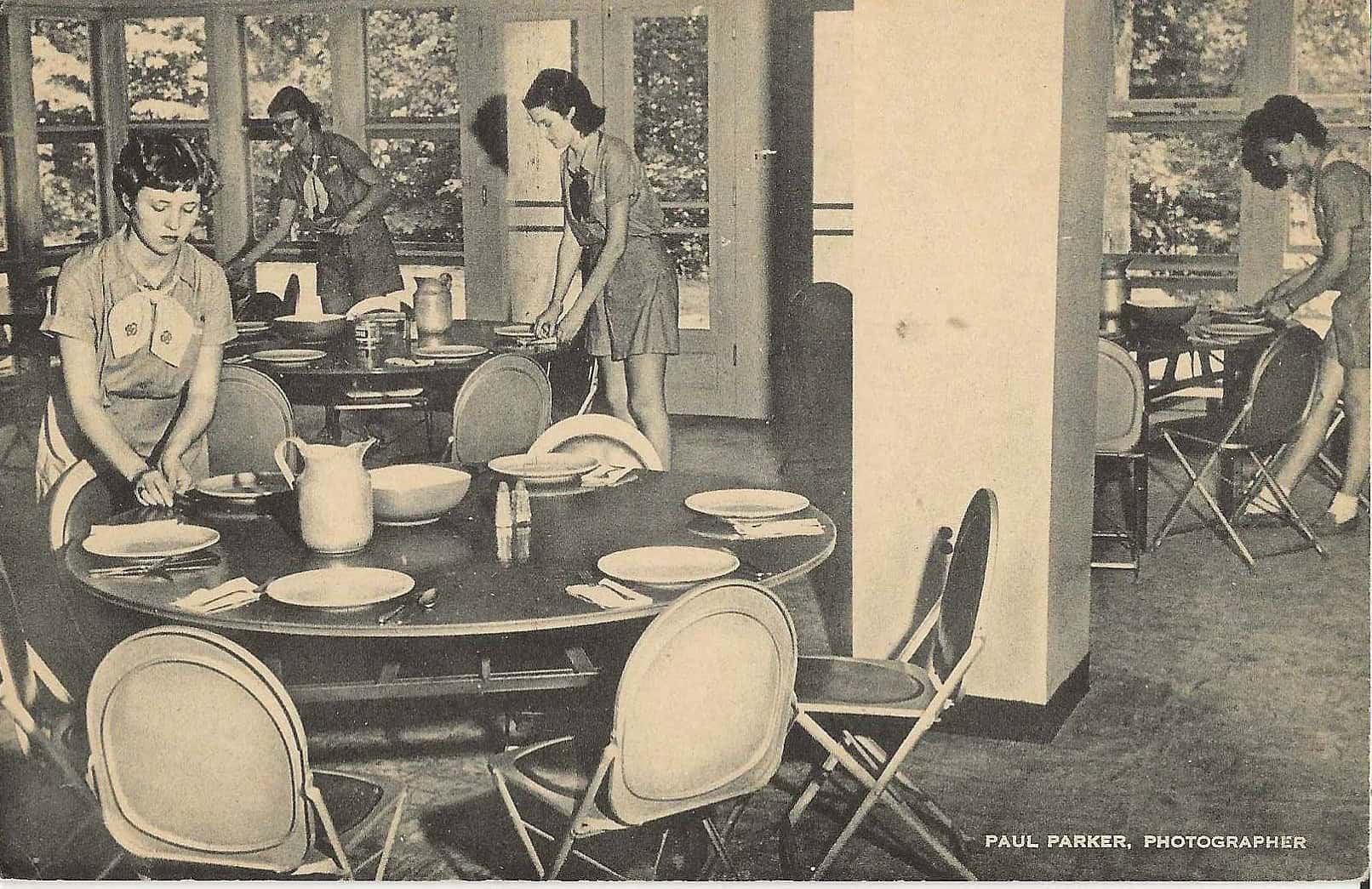
Evenings brought campfires, songs, and the kind of friendships that form quickly when people share cabins, chores, and stories. For many girls, Rockwood was the first place they traveled without their families, the first place they slept under trees, the first place they felt part of something larger than their troop or town.
However, in the 1970s, the national organization faced financial strain, and Rockwood — expensive to maintain and far from the Girl Scouts’ New York headquarters — became a target for sale. In 1978, GSUSA announced plans to sell the entire property to a developer who intended to build luxury homes across the wooded hills. The reaction was immediate and fierce. Local Girl Scouts, troop leaders, neighbors, and alumnae formed the Rescue Rockwood Committee, arguing that the sale violated Carolyn Caughey’s will and betrayed the generations of girls who had learned and grown there.
Nine Girl Scouts filed a class‑action lawsuit, joined by the Maryland Attorney General. The case became a landmark in charitable trust law, raising questions about donor intent, organizational responsibility, and the stewardship of land given for public benefit. The eventual settlement preserved roughly one‑quarter of the property, including the manor house, while allowing the rest to be sold. The saved portion was transferred to the Maryland–National Capital Park and Planning Commission, ensuring that Rockwood would remain a place of learning, gathering, and quiet reflection.
Today, Rockwood Manor is a public retreat and event center, its rooms are filled almost daily with weddings, conferences, youth programs, and community gatherings. The woods still stand, the manor still watches over the hill, and the echoes of campfires and songs seem to linger in the air.
Though the Girl Scouts no longer run the property, Rockwood Girl Scout Center is remembered not only for what happened there, but for what it represented: a national meeting place for American girls. It is a story of land, legacy, and how a quiet place changes lives – one at a time.
***
Isn’t it a delight to find a set of postcards that remind you of good times? This set, kudos to photographer Paul Parker, from the Artvue Post Card Company, in New York City, made me remember my childhood in Baltimore and the camp our troop visited every July.
What a shame that the Girl Scouts lost any part of this venue! Thank Goodness, money hungry developers didn’t get it all!
I love it that it was integrated. How beautiful for every one.
Clarissa Ferraris is a big collector of Girl Scouts postcards.
This article also shows the importance of, when donating a substantial gift, making clear the conditions of the gift.
That was amazing
Hi,how are you