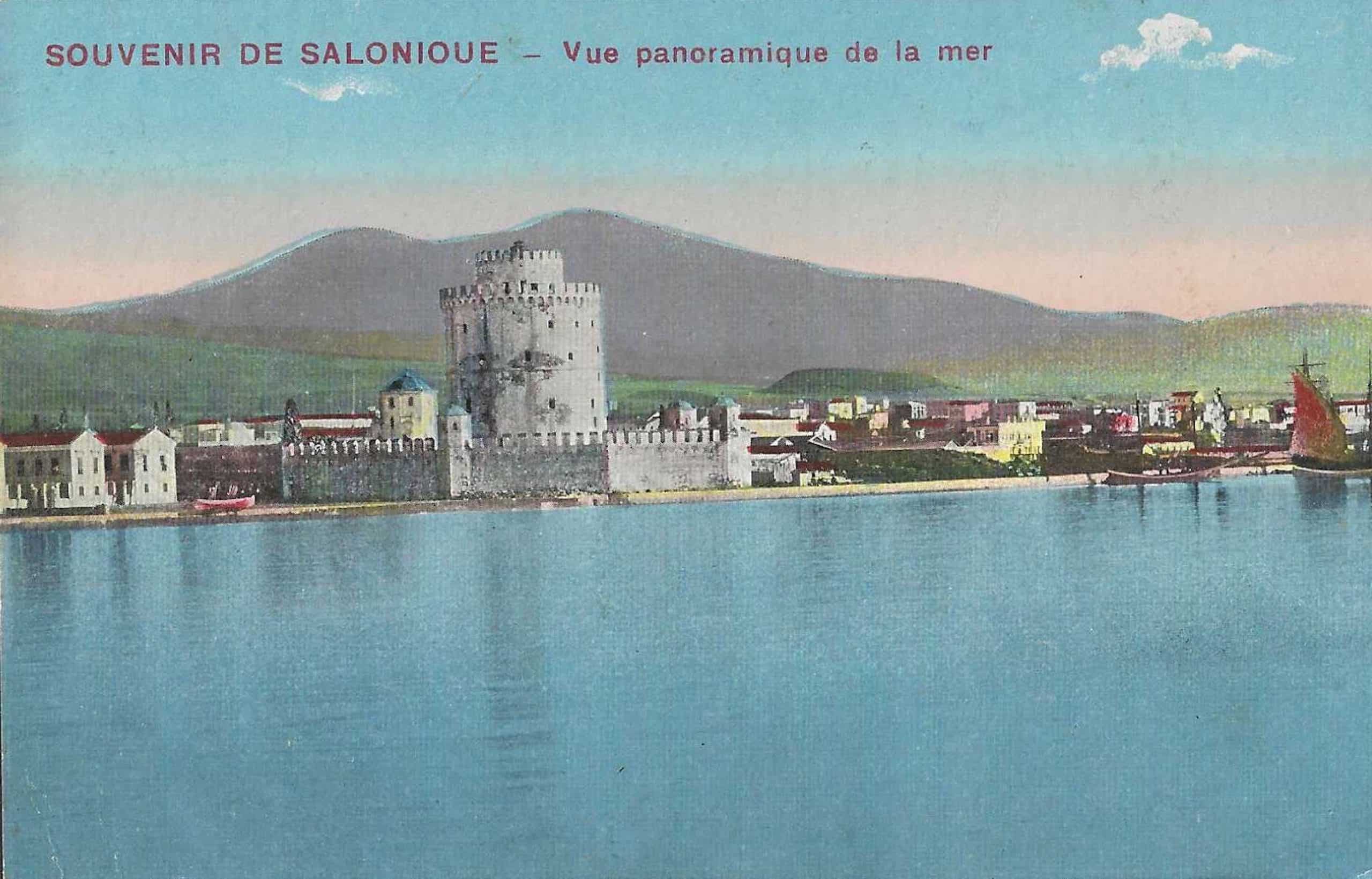
Today Salonica is still Greece’s second largest city, a charming port on the Aegean Sea, redolent with memory and history. For nearly half a millennium earlier, it had been a largely Jewish city shaped by the Alhambra Decree, the 1492 decision by Spain’s reigning Catholic monarchs Ferdinand and Isabel to expel all Iberian Jews unwilling to become Christians. About half of Spain’s Jews accepted conversion – many halfheartedly and only nominally – and the other half scattered throughout northern Europe, North Africa and through the intervention of its Muslim rulers who ruled Greece at that time, into Ottoman controlled Southern Europe.
We are fortunate to have picture postcards published in the early twentieth century as visual resources documenting the unfortunate community that no longer exists as the same distinct entity.
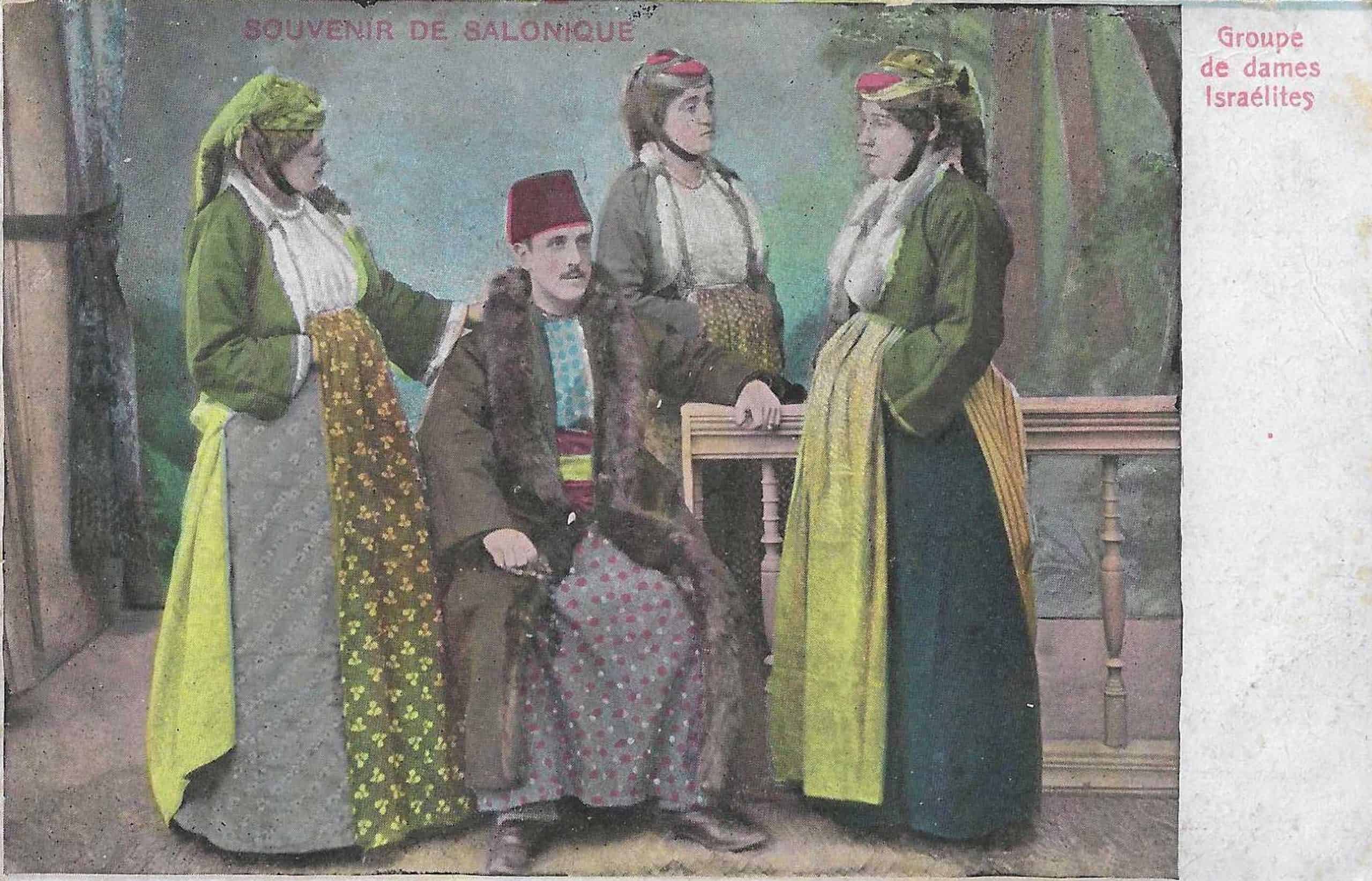
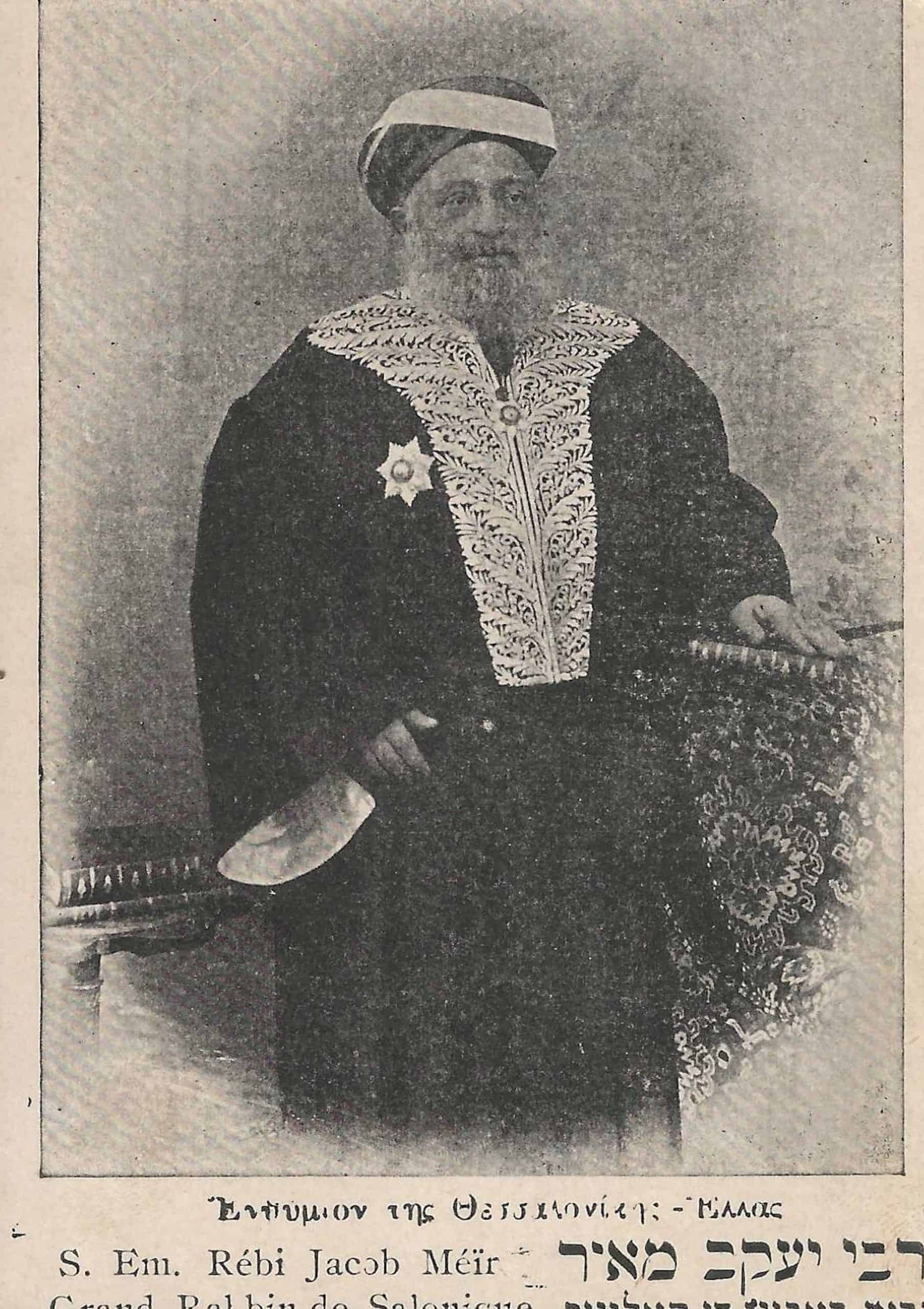
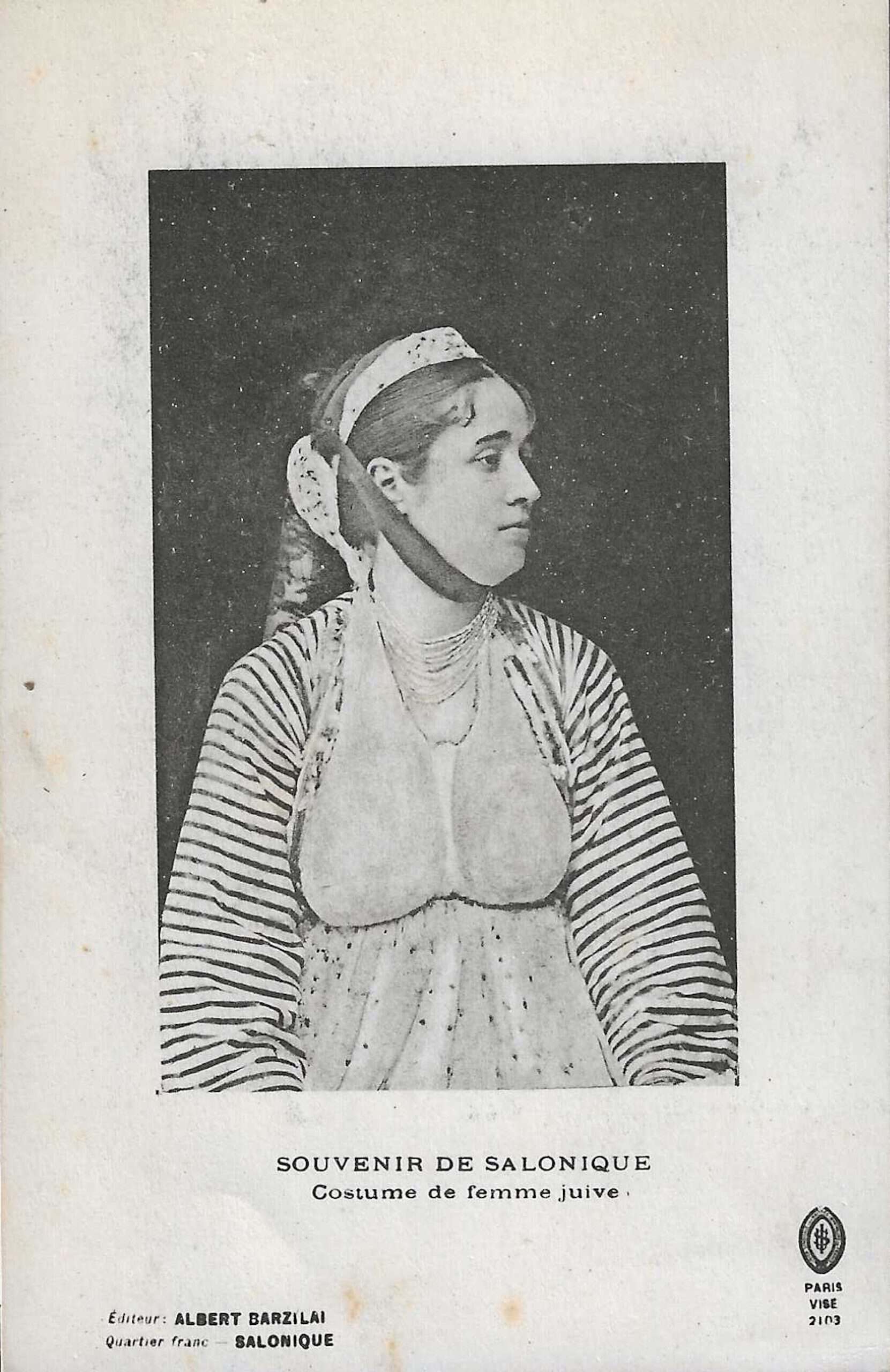
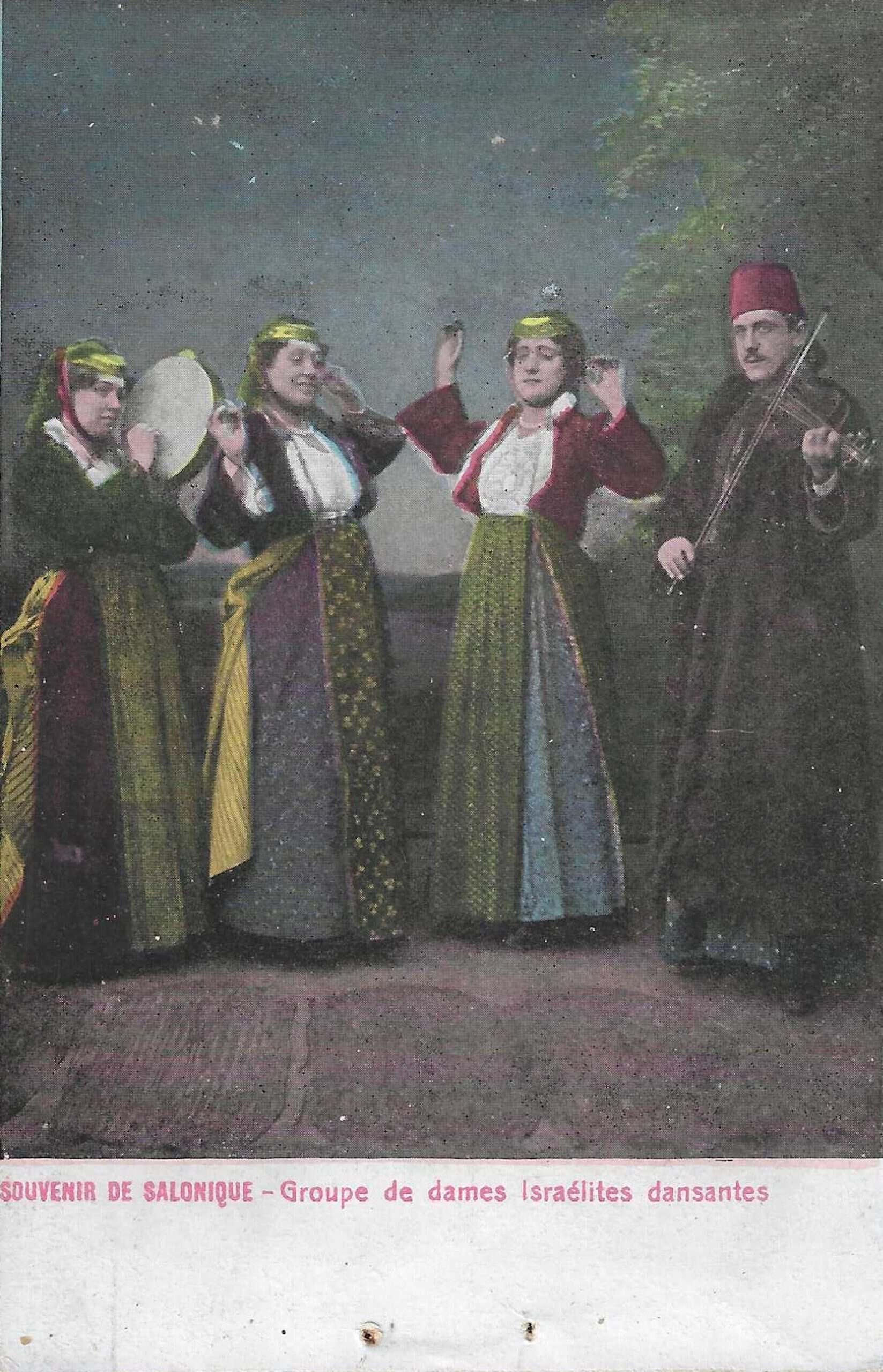
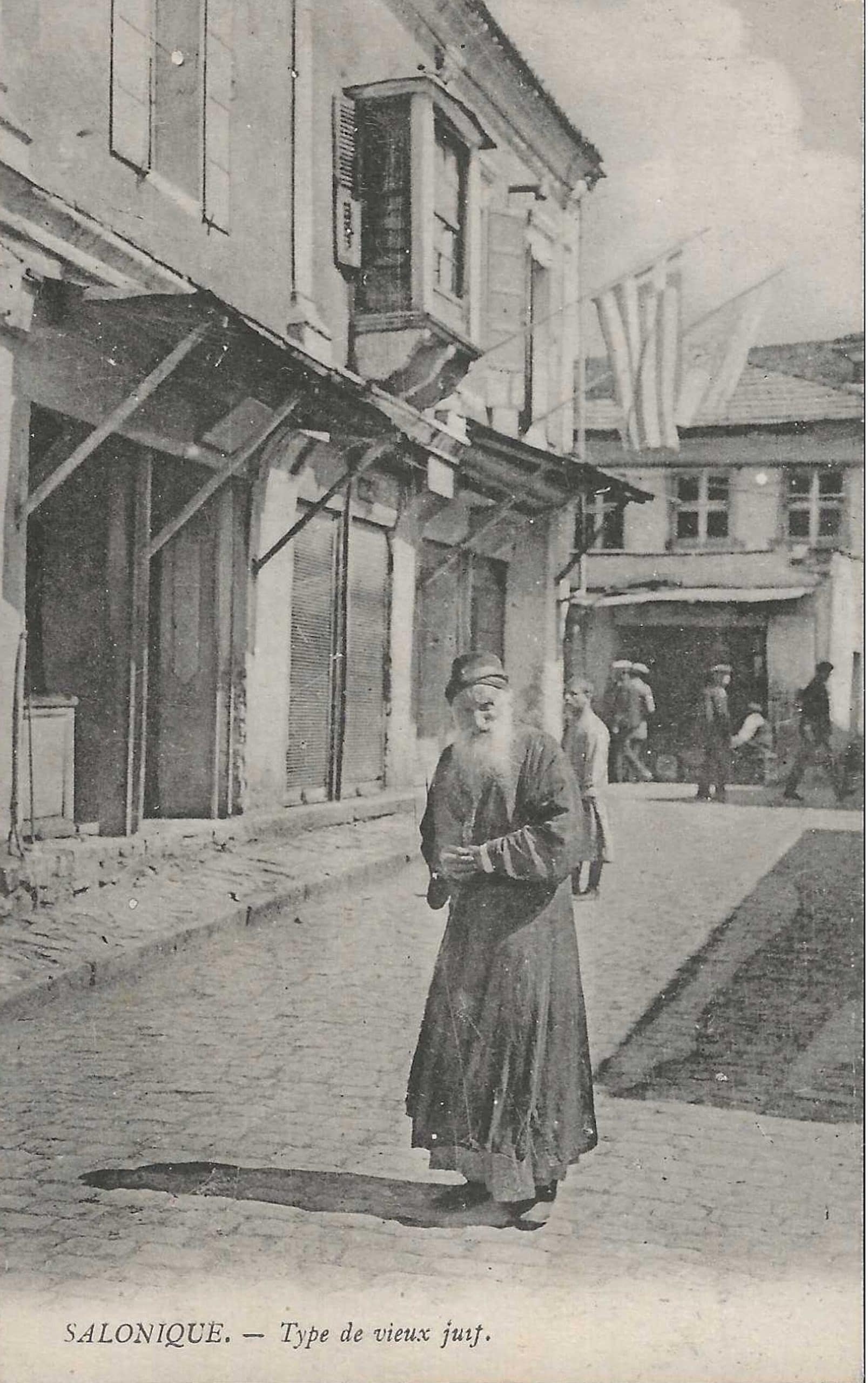
Up to three dozen synagogues flourished in the city many of which were named for the Iberian or Italian locations from which their members originated, i.e., Kastilla, Aragon, Apulia, Lisbon, and Evora.
Jews had lived in Spain for about two-thousand years before the expulsion, so engagement with Spanish culture was deeply ingrained. They were known as, and to this day consider themselves to be Sepharadim. The Hebrew word for Spain is Sepharad, and many customs acquired in Iberia have become features of everyday Jewish practice among descendants of those that were expelled.
In terms of liturgy and organization, Sepharadim are usually contrasted to Ashkenazim, who are Jews originating in Germany or Northern Europe and Mizrahim that encompasses Jews who came from the Middle East, Persia and other places in the Far East.
Spanish culture persevered despite the enforced breakup of the population. Spanish costumes and traditional songs and dances were faithfully followed. Most significantly the Judeo-Spanish language also known as Ladino survived as the popular common vernacular, in contrast to Yiddish, the common language of the German-derived Ashkenazim.
The impact of Judaic culture upon Salonica was so strong that the Sabbath was observed in the city’s harbor – no work was performed on the Sabbath as long as Jews remained the majority population group.
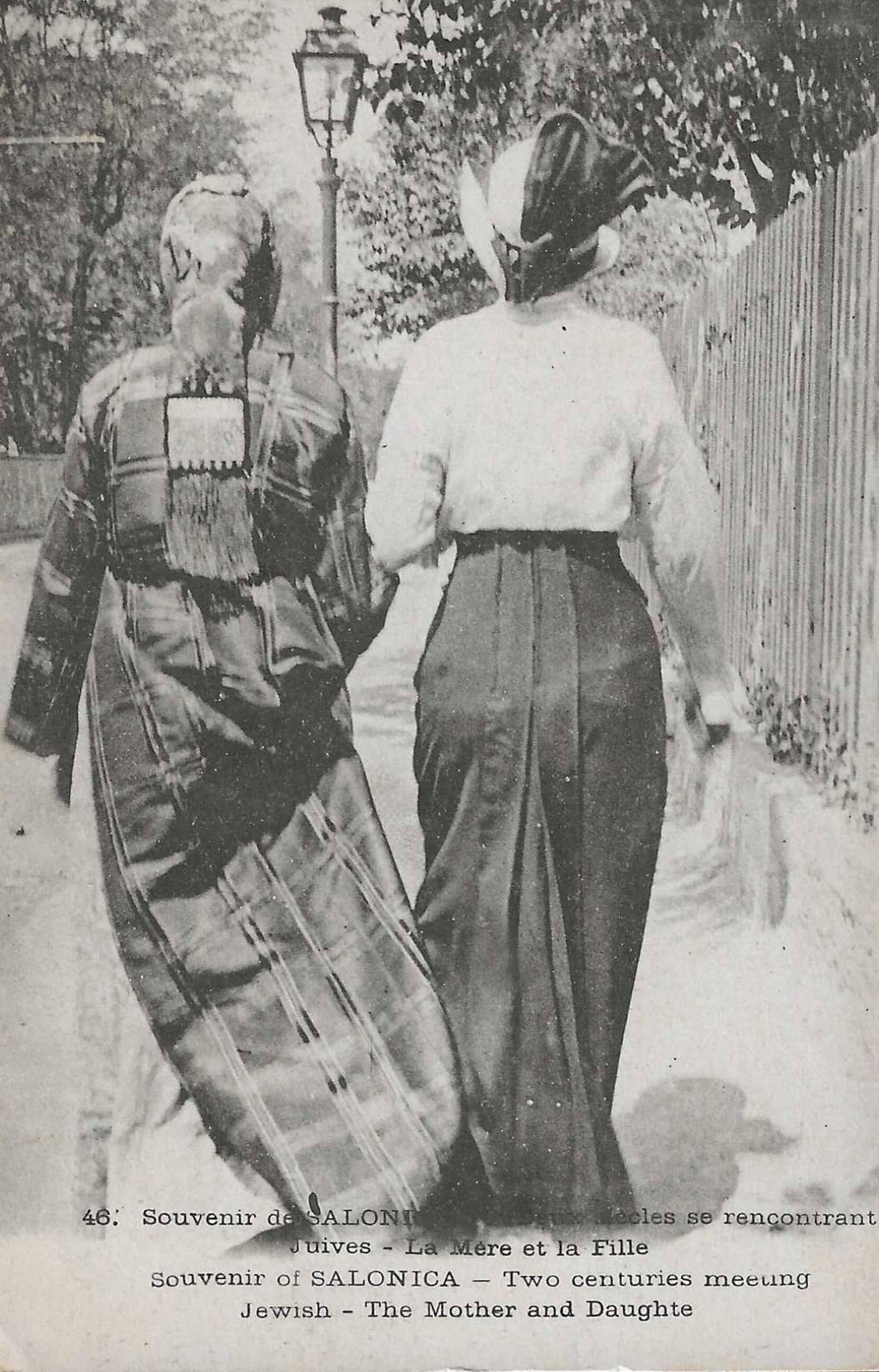
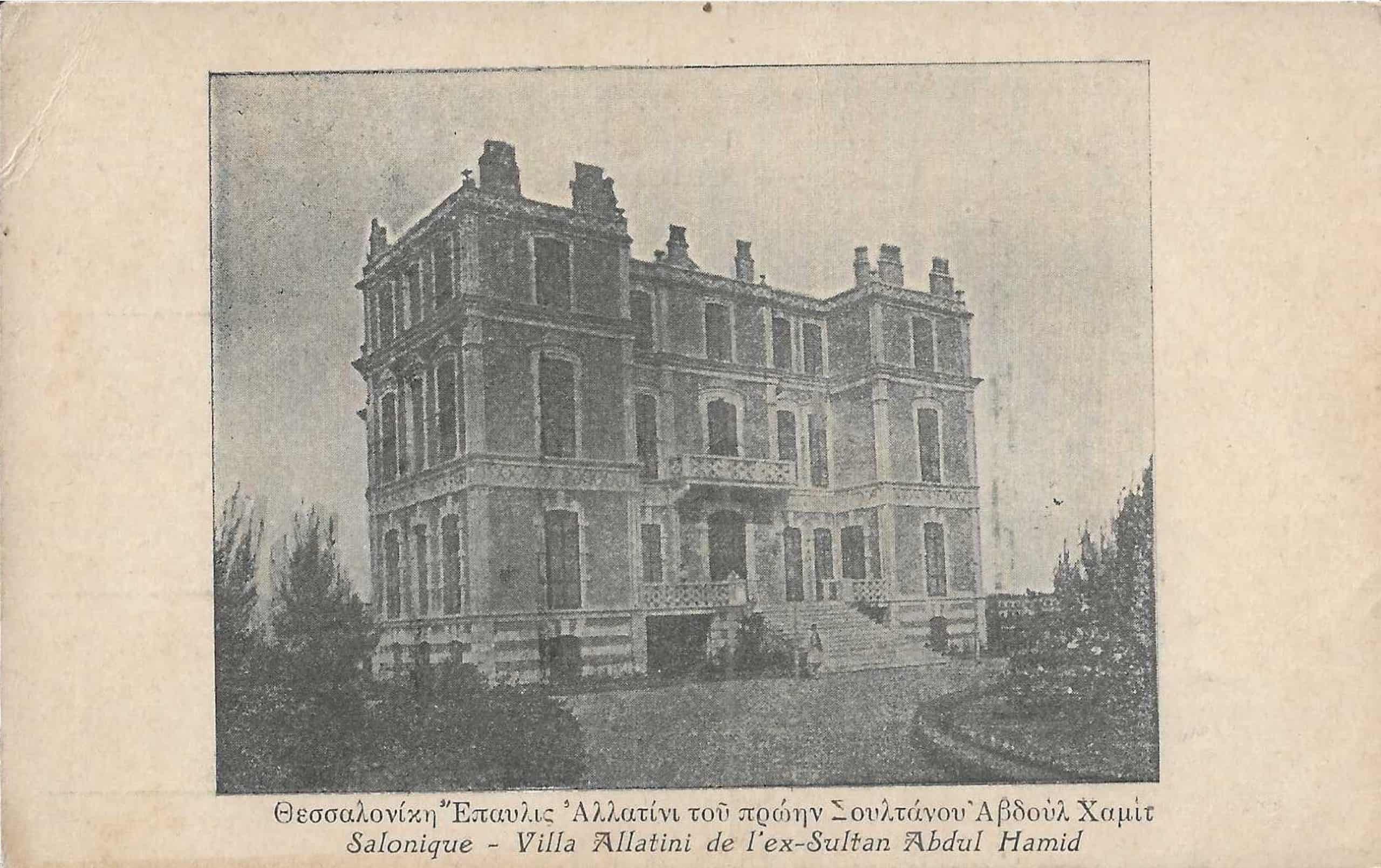
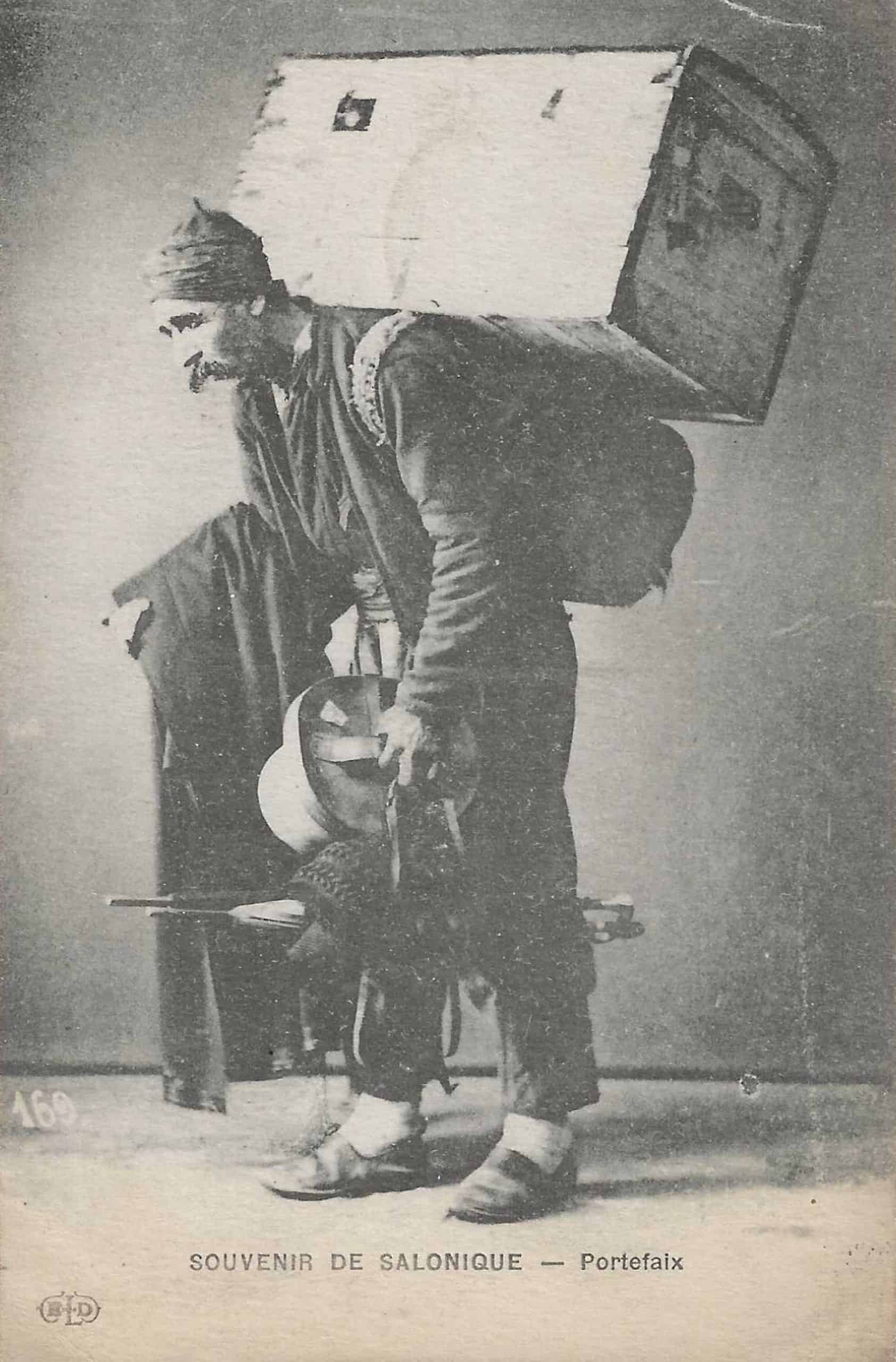
As the city industrialized, it was significant that all classes grew, including the industrial working class. Jews were as likely to be porters at the harbor as entrepreneurs building the city’s industries.
A Great Fire in 1917 destroyed Salonika’s lower city, home to most of its Jews and Jewish institutions, rendering most of its people homeless. The city lost nearly half of its traditional Jewish population who were tied to employment in the port. Many Jewish residents were forced to abandon their homes in favor of new residences in the Americas, Europe, and Palestine.
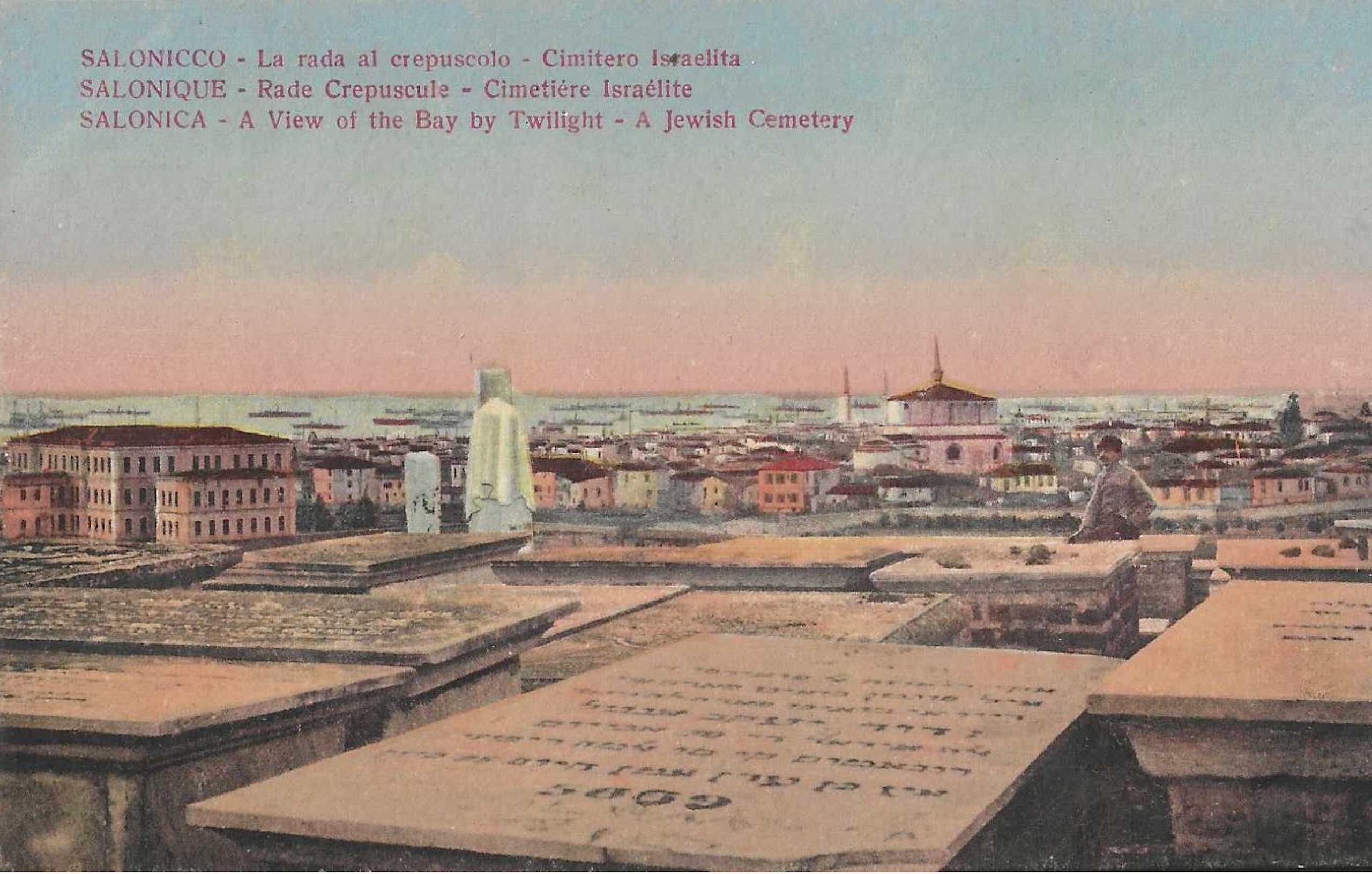
Tragedy turned into criminal genocide with the rise of Adolf Hitler in Germany and his mad scheme to conquer the world and eliminate its Jewish population.
After Germany conquered Greece, its Jews were deprived of civil rights and forced to submit to humiliating public displays. The Jewish community was eventually rounded up in 1943 and 1944 and shipped off to Auschwitz and other death camps for elimination under horrific circumstances. Out of some 54,000 people herded off to their demise, only about a thousand came back home as survivors.
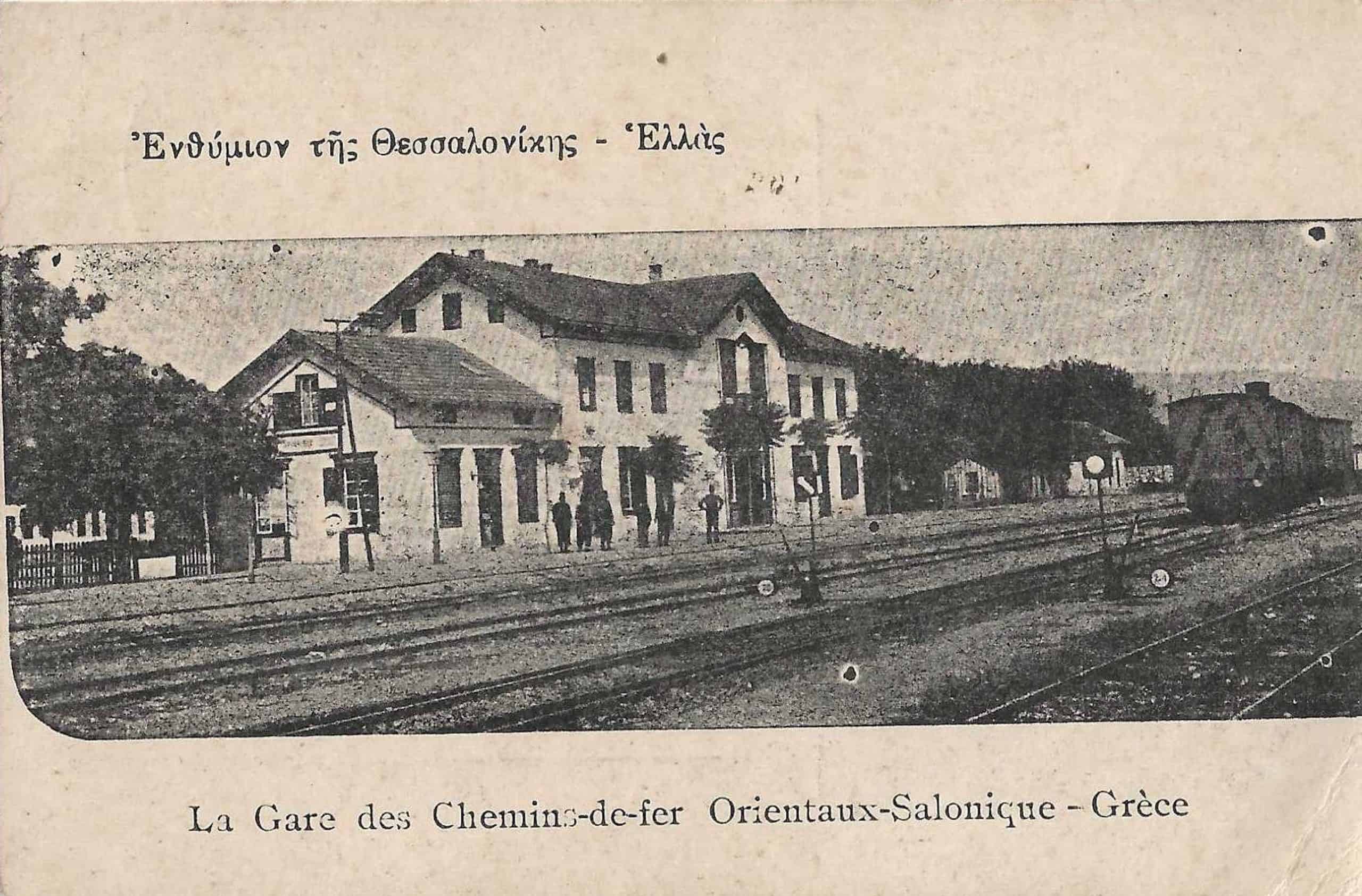
With a Transit Camp located next to the city’s railway station, this became the last piece of Salonica that was visited by its Jewish community.
A Holocaust Museum commemorating the experience of Salonica’s Jews is set to open near the railway station this year.
Thank you for this. I enjoyed the read. I would have liked to have an idea when the postcards were published as this is an important part of our history
Great question. Dating postcards with precision can be quite difficult but an important clue was left behind. The descriptions are in French which suggests that the cards date to the 1910s-1930s when the community chose to appear modern and sophisticated.
There is Sephardic music sung by my grandparents on my website. In my book, Traces of Sepharad, Etchings of Judeo-Spanish Proverbs, there is a real photo postcard of my great grandmother, in traditional costume, in Salonica in the year 1917-18. The book is available on my website: http://www.Marcshanker.com Con salud y vida, Marquito
Ke haber? Marquito. Bendichos to you and your family. I appreciate and honor the ways you are staying connected to your ancestors. I also own a real photo postcard of my grandmother together with my father as a boy and some of his siblings. It is my most treasured possession.
Interesting while Christian Europe expelled Jews, the Islamic world welcomed them!
Very Educational, thank you. I agree with Richard.