Raise your hand if you have ever heard of William Desmond Taylor.
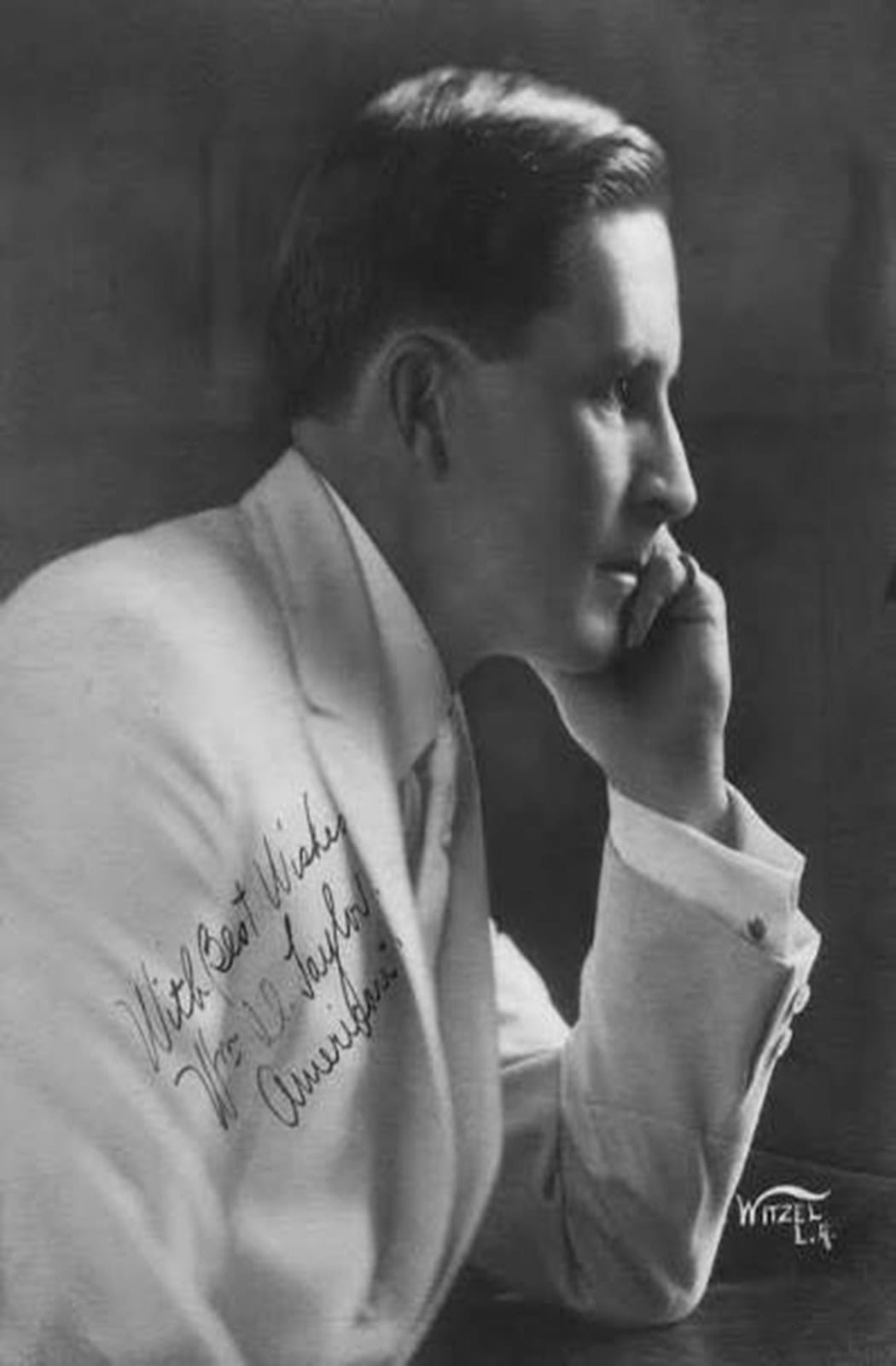
[Just as I thought, not many of you raised your hand.]
In the early 1920s, Hollywood was still a frontier. It glittered, it was chaotic, and only half‑aware of the power it was beginning to wield.
Among its rising figures was William Desmond Taylor, a respected director known for his quiet dignity, his mentorship of young actors, and his ability to bring emotion to silent film. A characteristic seldom found at the time. His life ended abruptly on the morning of February 2, 1922, when he was found dead in his Los Angeles bungalow, murdered by a single gunshot. He was only forty-nine years old, and his murder would become an enduring mystery and remain so, even these one hundred-plus years later.
Taylor’s home at the Alvarado Court Apartments was small, tidy, and filled with books. It was his oasis of calm in a city that thrived on the spectacular and ridiculous. But when neighbors discovered his body, the spectacle arrived immediately. Studio executives, actors, and curious onlookers entered the bungalow before police could secure it. Items were moved, evidence disturbed, and the ugly truth of what happened that night had already dissolved.
The official investigation was compromised from the start. No murder weapon was found. No clear motive was established. And yet, the case produced a constellation of suspects whose lives were already intertwined in Hollywood’s notorious gossip mill.
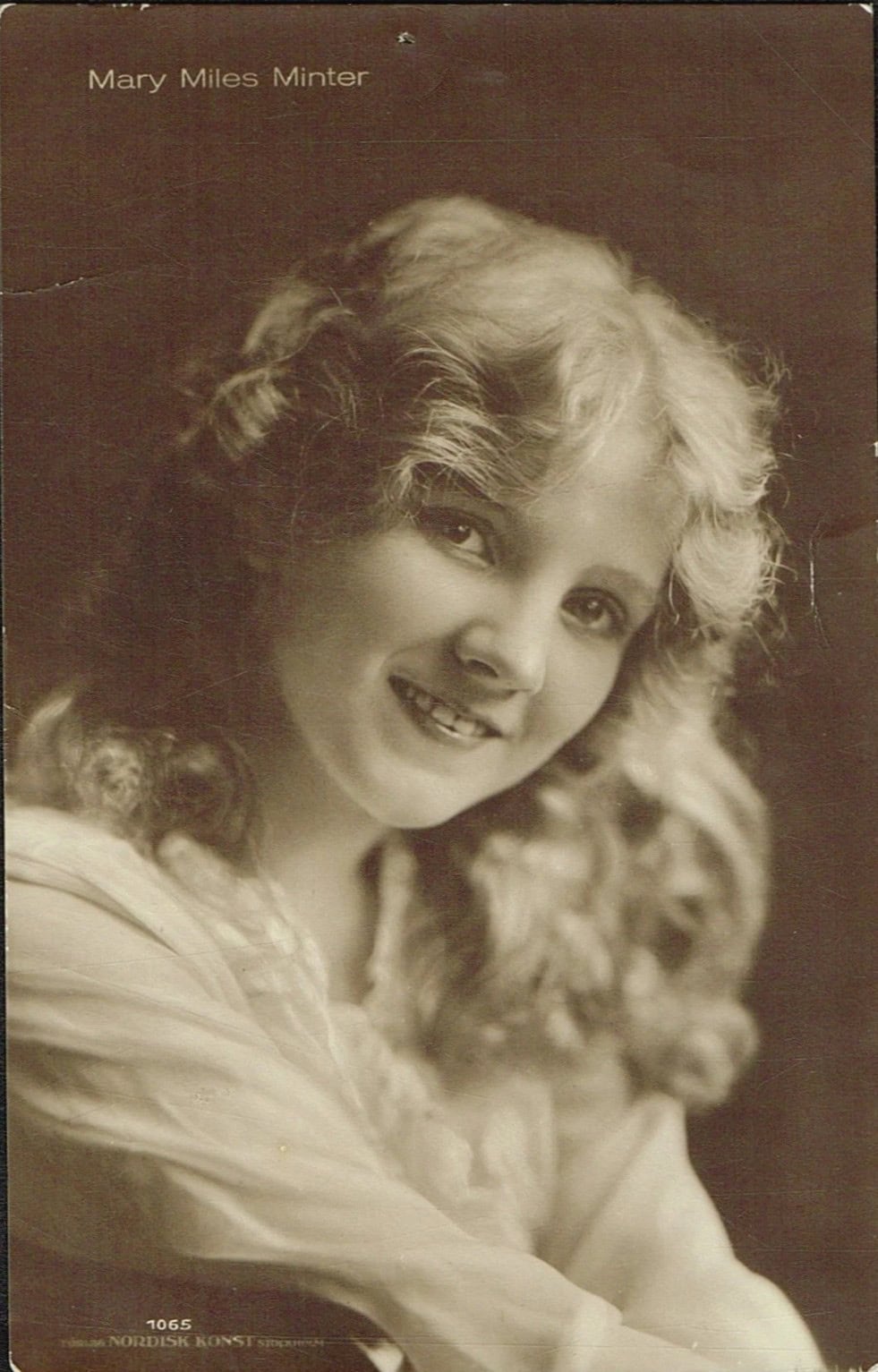
Mary Miles Minter was the young starlet at the center of the storm. Of all the figures drawn into the investigation, Mary became the most tragic and sensational. Once one of Hollywood’s brightest young stars, Minter had built her career on ingénue roles. She was wide‑eyed and delicate. But behind the screen she was a young woman caught between her own desires and the suffocating control of her mother, Charlotte Shelby, one of the most domineering stage mothers of the era.
Minter had fallen deeply in love with Taylor. She was barely twenty; he was just passed fifty. Their relationship, whether romantic, paternal, or something in between, remains debated.
What is certain is that love letters written by Minter were found in Taylor’s home, some of them quite emotional. One letter read, “I love you—I love you—I love you.” The discovery of these letters started one of Hollywood’s first firestorms. Newspapers painted Minter as a naïve girl seduced by an older man, though those who knew Taylor insisted he behaved honorably toward her. Still, the scandal was enough to tarnish her reputation permanently.
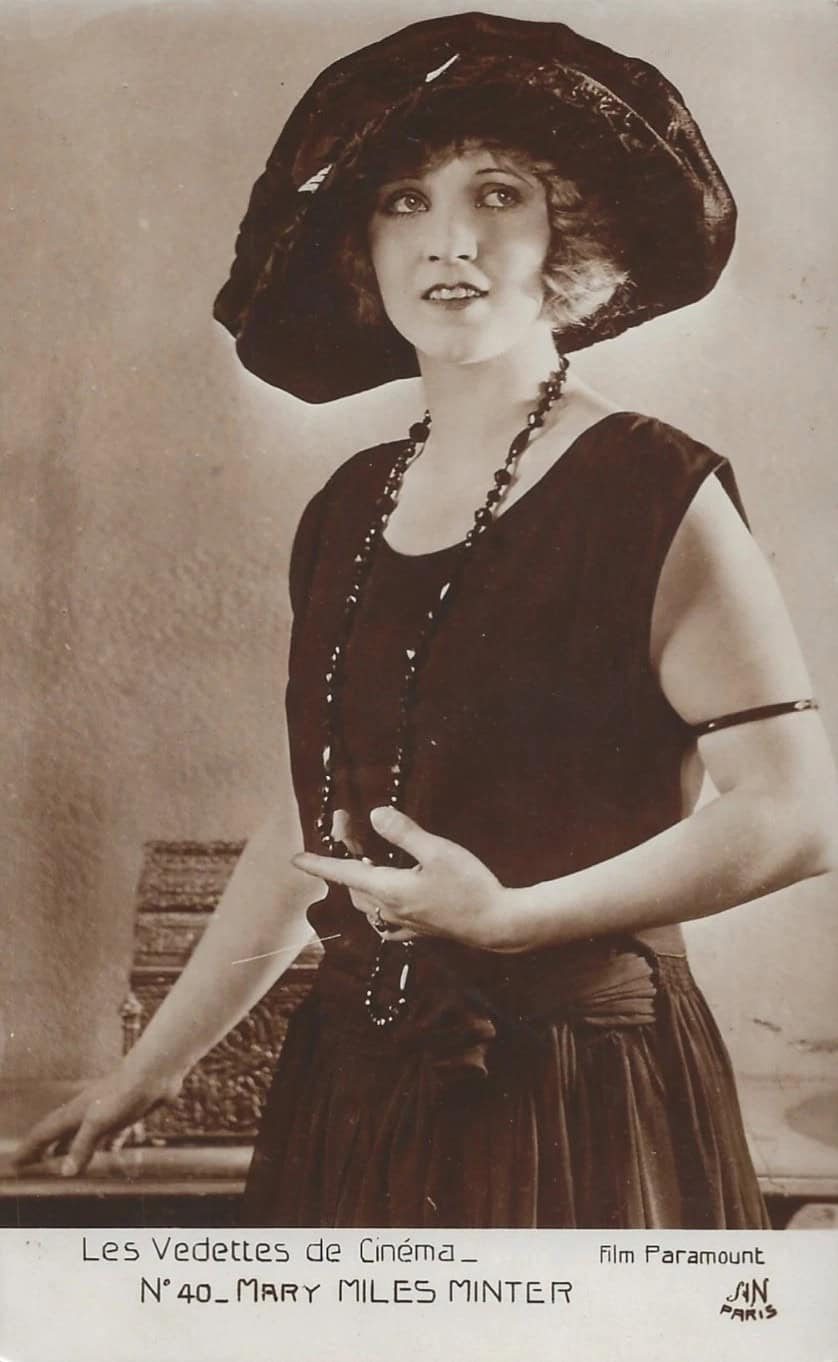
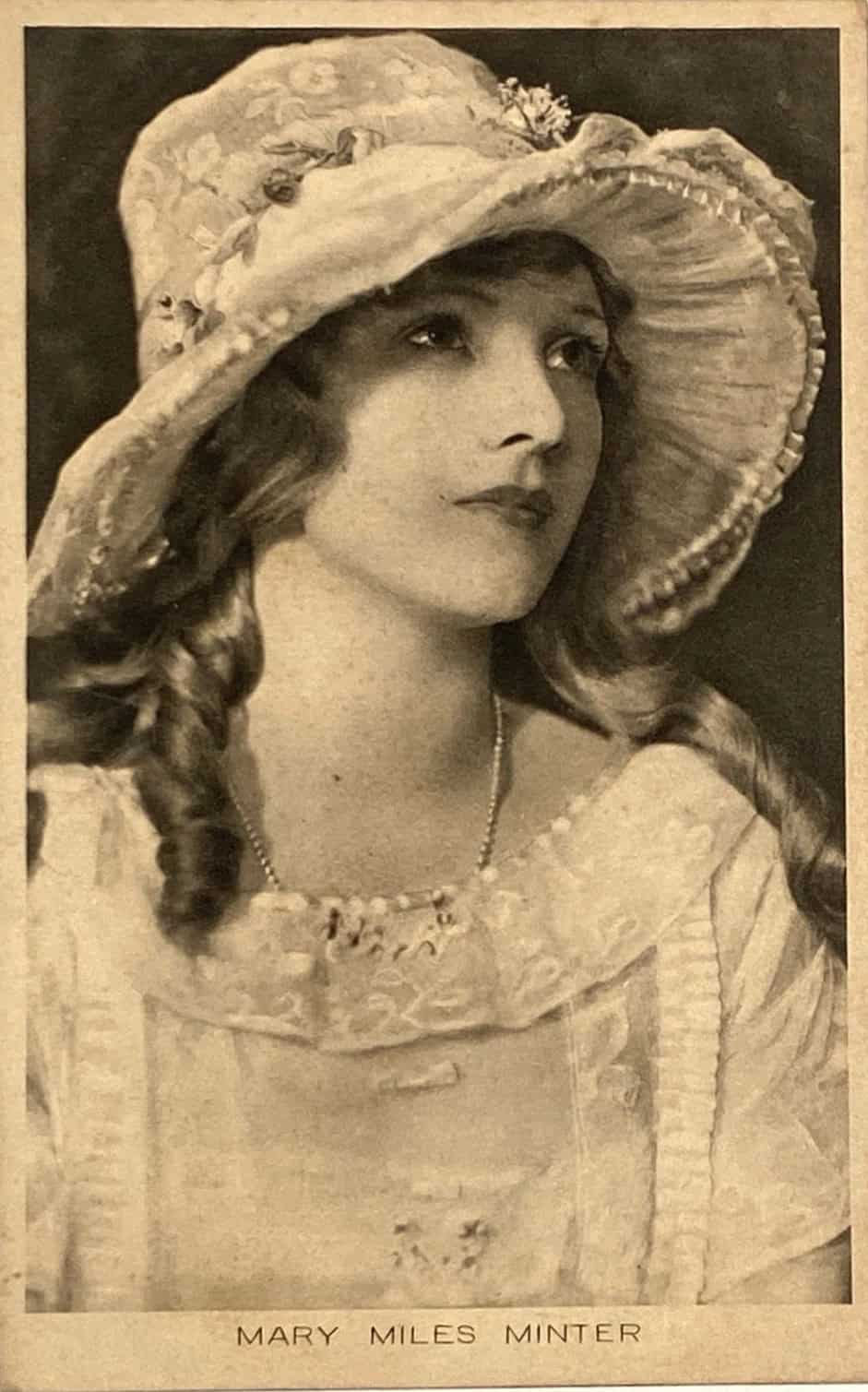
Adding fuel to the fire was the discovery of a pink silk nightgown monogrammed with Minter’s initials in Taylor’s bungalow. Whether it was a gift, a forgotten costume piece, or something more intimate, no one could say. But the press seized on it, transforming a single garment into a symbol of forbidden romance.
If Minter was the emotional heart of the scandal, her mother, Charlotte Shelby, became its dark center. Shelby was fiercely protective of her daughter’s career and had a history of threatening men she believed were exploiting Mary. She owned a rare .38 caliber pistol, the same type believed to have killed Taylor. Witnesses later claimed she had once brandished it at another director.
Rumors swirled that Shelby, enraged by Minter’s attachment to Taylor, confronted him on the night of the murder. Nothing was ever proven, but the theory has persisted for a century.
The investigation went nowhere despite a fair-sized cadre of suspects—Minter, Shelby, Taylor’s former valet Edward Sands, and even unnamed narcotics dealers — the police never charged anyone. The studio system, terrified of scandal, quietly discouraged deeper inquiry. Witnesses contradicted themselves. Evidence vanished. And the case slipped into the realm of legend.
To this day, the murder of William Desmond Taylor remains unsolved.
The Taylor murder reshaped much of Hollywood. It fueled calls for moral reform, contributed to the rise of the Hays Code, and destroyed careers—none more dramatically than Mary Miles Minter’s. Though she lived until 1984, she never escaped the shadow of Taylor’s death. Her once‑brilliant star dimmed, not because she was guilty, but because Hollywood had no mercy for those caught in its scandals.
Taylor’s murder endures as a story of ambition and the thin line between truth and myth in early Hollywood. It is a reminder that the industry’s golden age was never as polished as the films it produced.
All of Mary Miles Minter’s films are lost. The reasons can only be imagined, but it was a perfect storm: the fragility of silent era film, the business practices of early Hollywood, and the personal scandals that reshaped her career.
Minter, born Juliet Reilly in 1902, entered the industry under the forceful guidance of her mother, Charlotte Shelby. Shelby controlled every aspect of Mary’s life—her contracts, her public appearances, even her name. Their relationship, tense and often volatile, was well known in Hollywood and their relation became a key factor in the fate of Mary’s films. Shelby’s fierce protectiveness and frequent clashes with studio executives made Minter a more complicated asset than her wholesome screen persona suggested.
Early on when Mintner was in her late teens, she was one of Paramount’s most profitable stars, appearing in sentimental dramas that capitalized on her youthful charm. But the murder of director William Desmond Taylor—an event that genuinely entangled Minter in public speculation—changed everything. Her affectionate letters to Taylor were leaked to the press, and although she was never a suspect, the scandal damaged her reputation. Paramount, already exhausted by Shelby’s interference, allowed her contract to lapse.
The studio’s desire to distance itself from the Taylor case becomes the first step toward the disappearance of Minter’s films. Silent films were not considered long‑term assets; once a star fell out of favor, their pictures were rarely reissued. Paramount quietly pulled Minter’s titles from circulation, partly to avoid reviving the scandal and partly because the studio saw no commercial future in them.
The physical reels themselves were vulnerable. All of Minter’s films were shot on nitrate stock, which decomposes quickly and can ignite spontaneously. At the time, once a film was withdrawn from circulation the prints were moved to secondary storage that had only minimum maintenance—common practice for films deemed obsolete.
The remaining negatives met their end in a 1930 vault fire. With no commercial incentive to restore or duplicate them, the studio simply recorded the loss and moved on – also a common practice.
By the time film preservationists began searching for Minter’s work in the 1960s, nothing remained. So it was that her career, once bright, had been swallowed by scandal, neglect, and the callous attitudes of studio executives.
Murder of William Taylor
Very interesting. Kept me glued to the story right to the end. Wanting more. Well written. Not earth shattering but kept me wanting more at the end.
i found this article really interesting. One small note – you say he was found dead at 49 but then go on to say ….she was just 20 and he was just past 50.
What an interesting story of one young woman who seemed to have it all until…..How many more stories are there like this? I presume you got the three pictures of her from postcards?
If you did, this story is but another example of postcards containing an interesting story. Thank you for discovering and writing about this forgotten starlet.
Fascinating story. Other aspects of the story involve her sister who was also a silent movie actress who later accused her Mother of the killing, and also sued her Mother for mismanagement. Sounds like the fringe of Hollywood had many tales and this family could have written a book on it.
Always love to see these early movie star postcards which I am sure would have adorned a collection for some budding young collector in the 1920s-30s.
Interesting story. For those that asked for more, Rick Geary wrote a graphic novel titled, “Famous Players: The Mysterious Death of William Desmond Taylor”. Published in 2009. Rick’s books are often sold on his website at: https://www.rickgeary.com/ and sometimes on Amazon books. And yes, his drawings have appeared in over 1,100 postcards.
I finally found a secure login portal that keeps my personal data completely protected while giving me instant access to all my favorite titles. The verification process is quick and I never get locked out unexpectedly. Bonus rounds trigger more often than I expected and the withdrawal queue moves super fast. Highly recommended for daily players. <a href='[Link deleted]