I will be eighty-one in November and I have travelled – at my last guesstimate – close to one and a half million miles. I have just returned to Massachusetts from a month-long excursion to Finland. Like many travelers, I can say that the last place I visited is now my most favored place on earth.
Finland’s attempts to self‑define its own artistic history began around 1890 and involved painters, architects, composers, and craftspeople who shaped a distinctly Finnish aesthetic rooted in nature, myth, and national identity. The era, often called the Golden Age of Finnish Art, emerged alongside rising political tensions under Russian rule, and artists responded by turning to the Kalevala, the forests, and the northern lights for inspiration.
Finland was under Russian rule from 1809 to 1917. During that time, it was an autonomous region known as the Grand Duchy of Finland, with the Russian tsar acting as the Grand Duke. After a century of near tyranny, the Finns had had enough. They wanted their children to learn Finnish history, hear Finnish music, enjoy Finnish art, and practice Finnish customs.
Artists, sculptors, composers, and scholars in every discipline were encouraged to paint, sculpt, compose, and teach a routine to be observed in everyday life.
Three Finnish patriots who took the challenge were
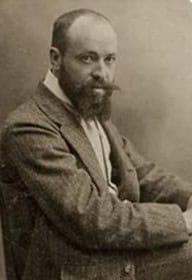
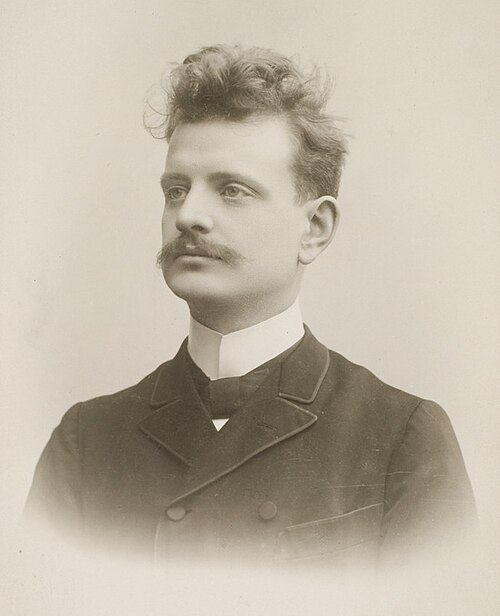
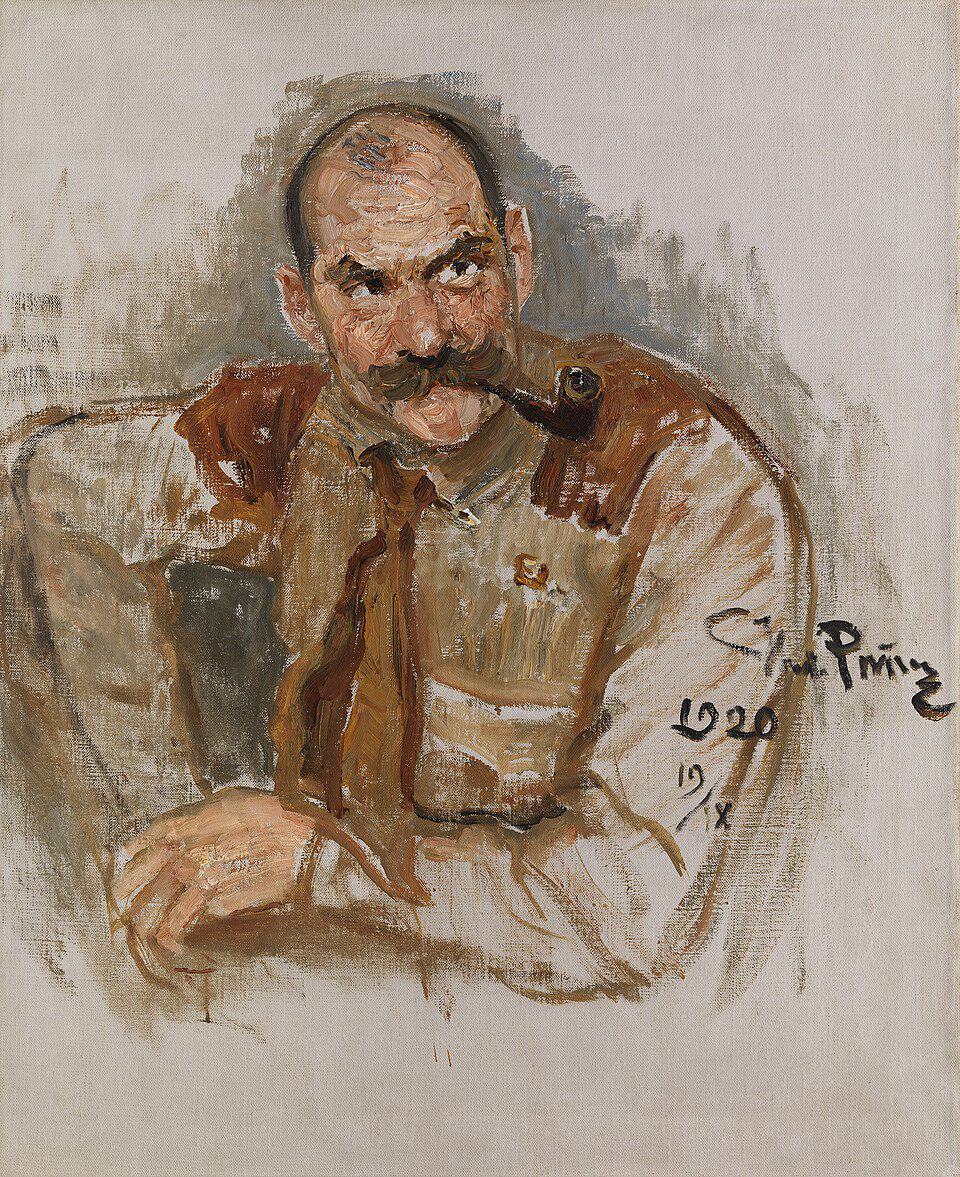
Simberg and The Wounded Angel
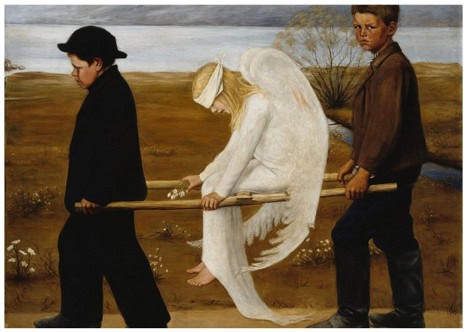
I would consider Hugo Simberg’s The Wounded Angel the most emblematic image in all Finnish art. It is a quiet, unsettling procession in which two boys carry a bandaged, bloodied angel on a stretcher through the parkland of Eläintarha in Helsinki.
The power of this 1903 masterpiece lies not only in its symbolism but also in the mystery surrounding its creation. Simberg, well known for his dreamlike imagery, steadfastly refused to explain the painting, insisting that viewers should discover their own meaning. Yet the backstory of The Wounded Angel is a deeply personal one that goes together with the national values.
The setting of the painting is not imaginary. The boys, carrying the angel walk along a real path skirting Töölönlahti Bay, a place Simberg knew well. At the turn of the twentieth century, this park was a hub for working‑class leisure but also home to several charity institutions, including the Blind Girls’ School and the Home for Cripples. Many scholars infer that the boys are carrying the angel toward one of these institutions, suggesting themes of care. The angel’s small bouquet of snowdrops, flowers associated with healing and rebirth, reinforces this interpretation. But the real meaning is in the eye of the beholder.
The painting was not created quickly. In early studies of the work, the angel was riding in a cart and over time, Simberg refined the scene into something quieter and more solemn. When The Wounded Angel debuted at the Finnish Artists’ exhibition, it was met with immediate acclaim. Fellow artists praised it and in later years, the painting was voted Finland’s “national painting,” a testament to its enduring culture.
Jean Sibelius
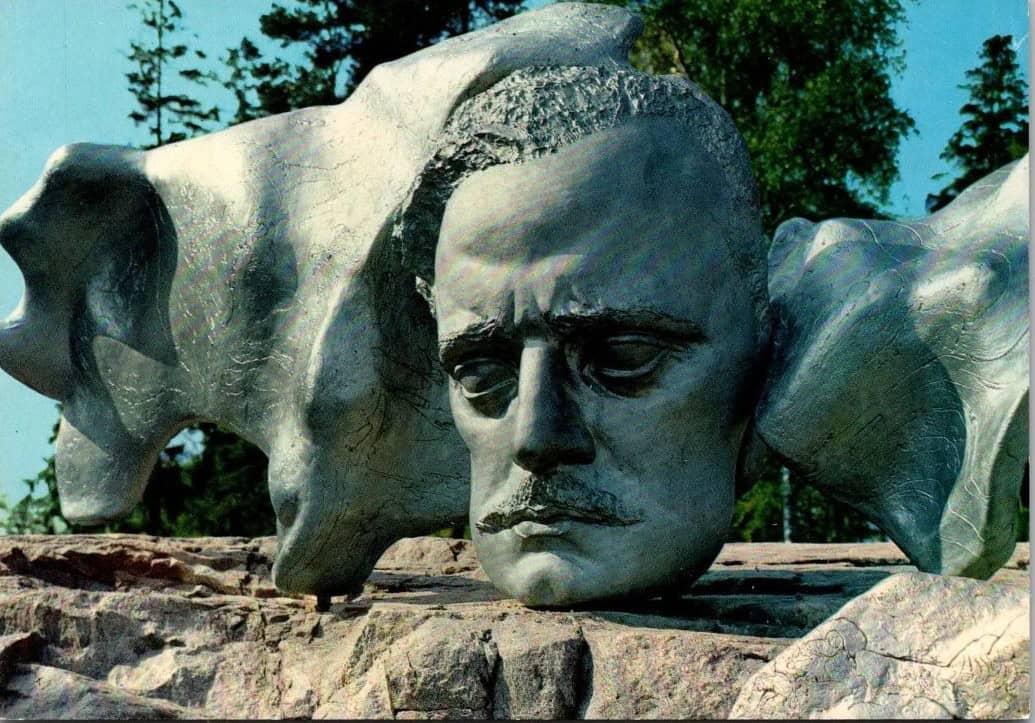
Sibelius and Simberg belonged to the same generation of Finnish artists. Sibelius was already a towering figure in music by the 1890s, while Simberg was emerging as one of the most distinctive painters in Finland.
The two men were connected through the Finnish Art Society, the magazine Euterpe, and the broader artistic community centered in Helsinki.
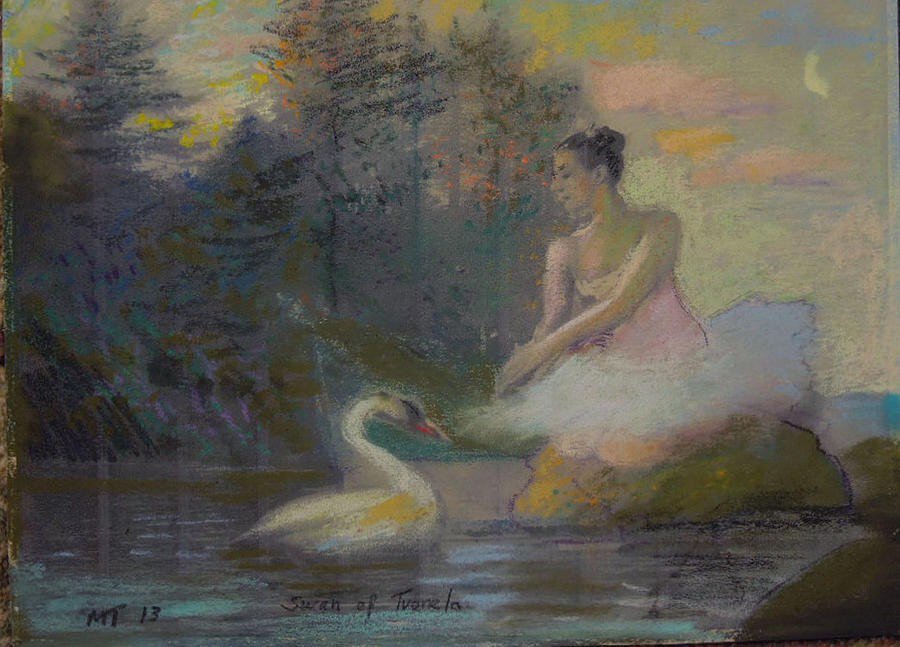
There were many events at which Sibelius and Simberg were present, especially in the early 1900s when Simberg was exhibiting his works and Sibelius was composing pieces like Finlandia and The Swan of Tuonela. It is quite interesting that both men admired the Kalevala deeply, and Sibelius’s tone poem—dark and mythic, shares the same symbolic mood that permeates Simberg’s paintings.
The music of Sibelius is totally enchanting. It is impossible to express in words the charm, drama, theater, magic, and sparkle of his tone poems and symphonies. Promise me that you will go to the website “Youtube.com” and listen to at least these three works: Finlandia, The Swan of Tuonela, and any one of the following symphonies: No. 2 in D-Major, Op. 39; No. 3 in C-Major, Op. 53; or No. 5 in E-Minor, Op. 82.
Contemporary accounts describe Simberg as shy and introspective, whereas Sibelius was famously charismatic, unpredictable, and socially dominant. Their personalities were not naturally complementary, but they respected each other’s contributions to Finnish culture.
Akseli Gallen‑Kallela
The third member of this trio was Finland’s national romantic superstar, Akseli Gallen Kallela.
Akseli Gallen‑Kallela, was Simberg’s mentor and one of Sibelius’s closest friends; the two collaborated on several projects, including the famous frescoes at the Old Helsinki Student House.
If Simberg was the dreamer and Sibelius the composer, Gallen‑Kallela is the bridge between them. As a painter he honed and sharpened the visual identity of Finnish myth.
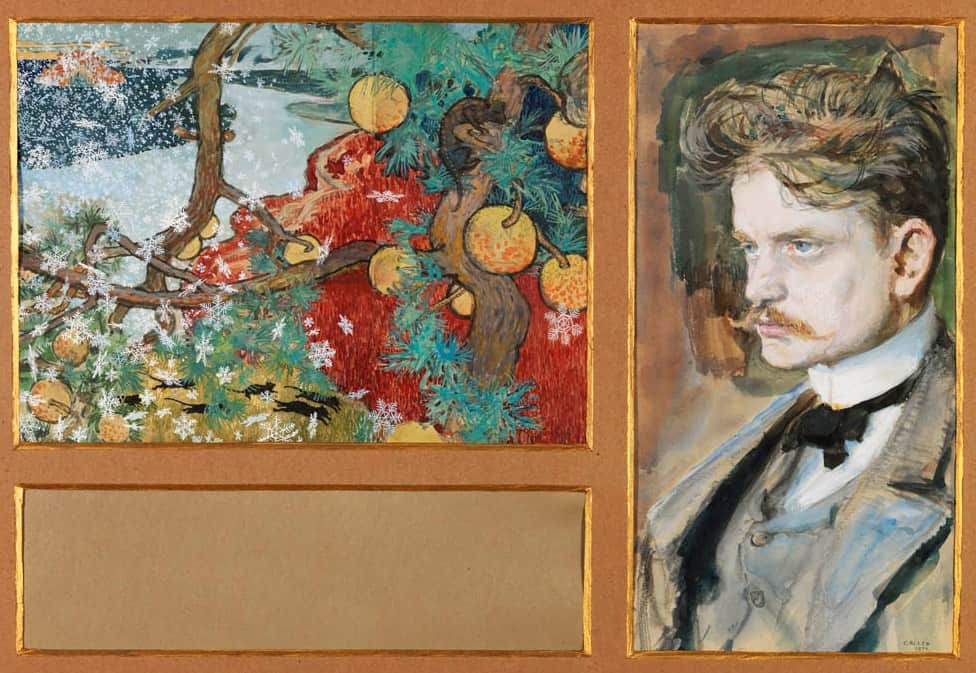
He was born in 1865 and became the most prominent Finnish painter in the nation’s romantic movement. His work forms a natural counterpart to Sibelius’s music and Simberg’s symbolist imagery. All three artists were deeply engaged with Kalevala mythology, Finnish identity, and the emotional landscape of a nation searching for cultural independence.
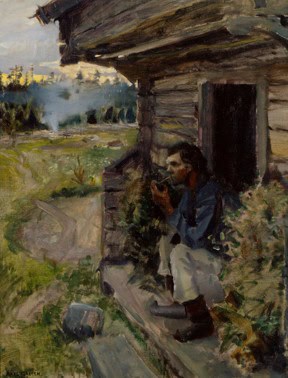
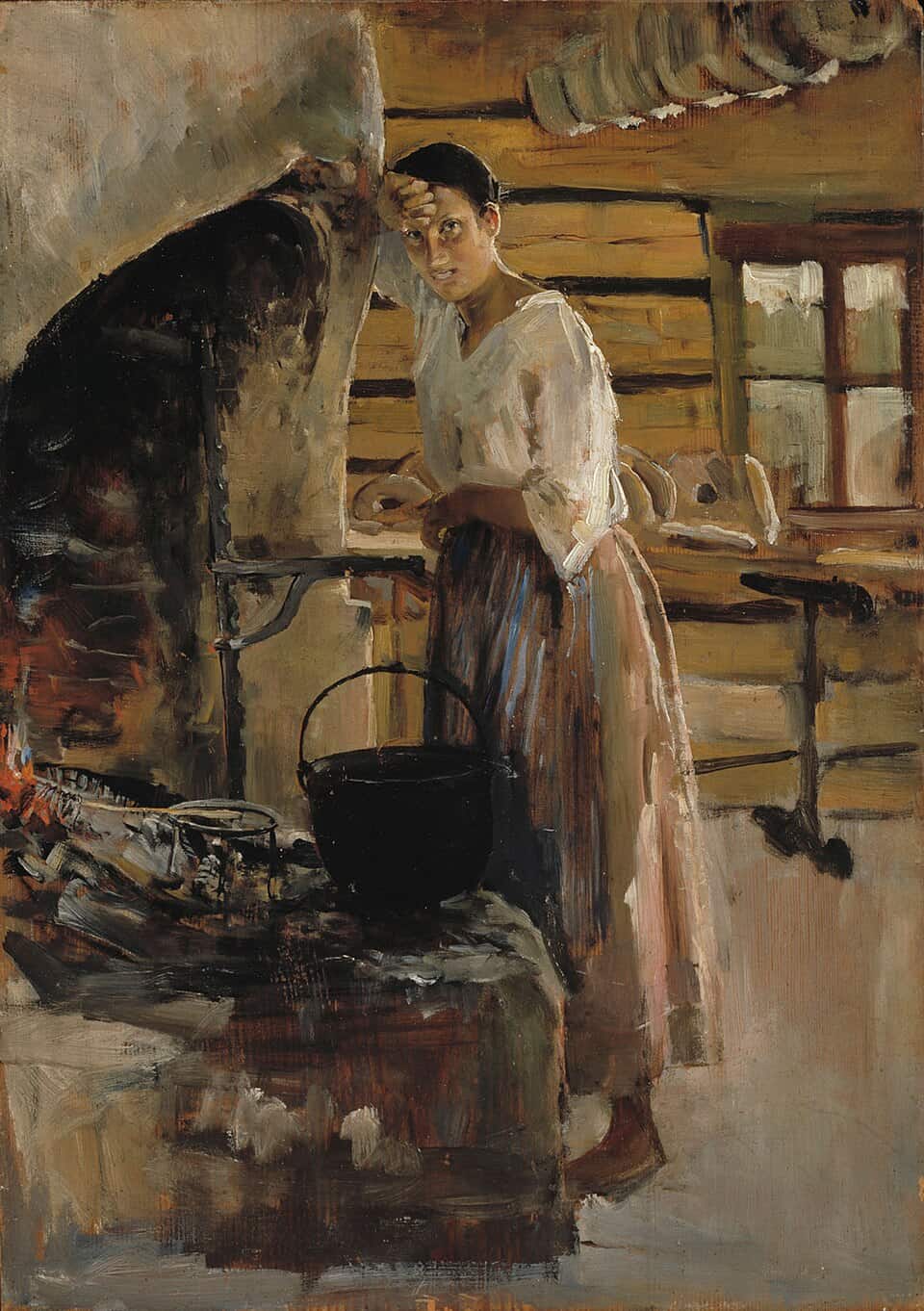
Their work was not merely aesthetic; it was a cultural assertion. They revived the Finnish vernacular and articulated myth that was both ancient and urgently modern. Simberg painted the soul of Finland, Gallen‑Kallela resurrected their national image, and Sibelius set it to music.
This has to be one of the most impressive postings which I have read on this wonderful site. Thank you so much. The depth of your knowledge on the subjects of your featured postcards, shows that you are not a tourist, but a genuine traveller, wishing to absorb as much as you can of the visited culture. Your posting has taught me so much — a pity that in my own older age now I am unable to retain new knowledge for very long. May your travelling endure for many more years. THANK YOU once more.