Exploring the ruins of an old building or stumbling upon a strange, abandoned house can be thrilling because it awakens several powerful human instincts at once.
Part of the excitement comes from mystery. If you know nothing about a place, an abandoned site is full of unanswered questions. Who lived here? Why did they leave? What happened in these rooms? Unlike modern buildings that clearly show a purpose, a ruin invites us to become detectives, piecing together clues from peeling wallpaper, broken glass, broken furniture, or forgotten objects.
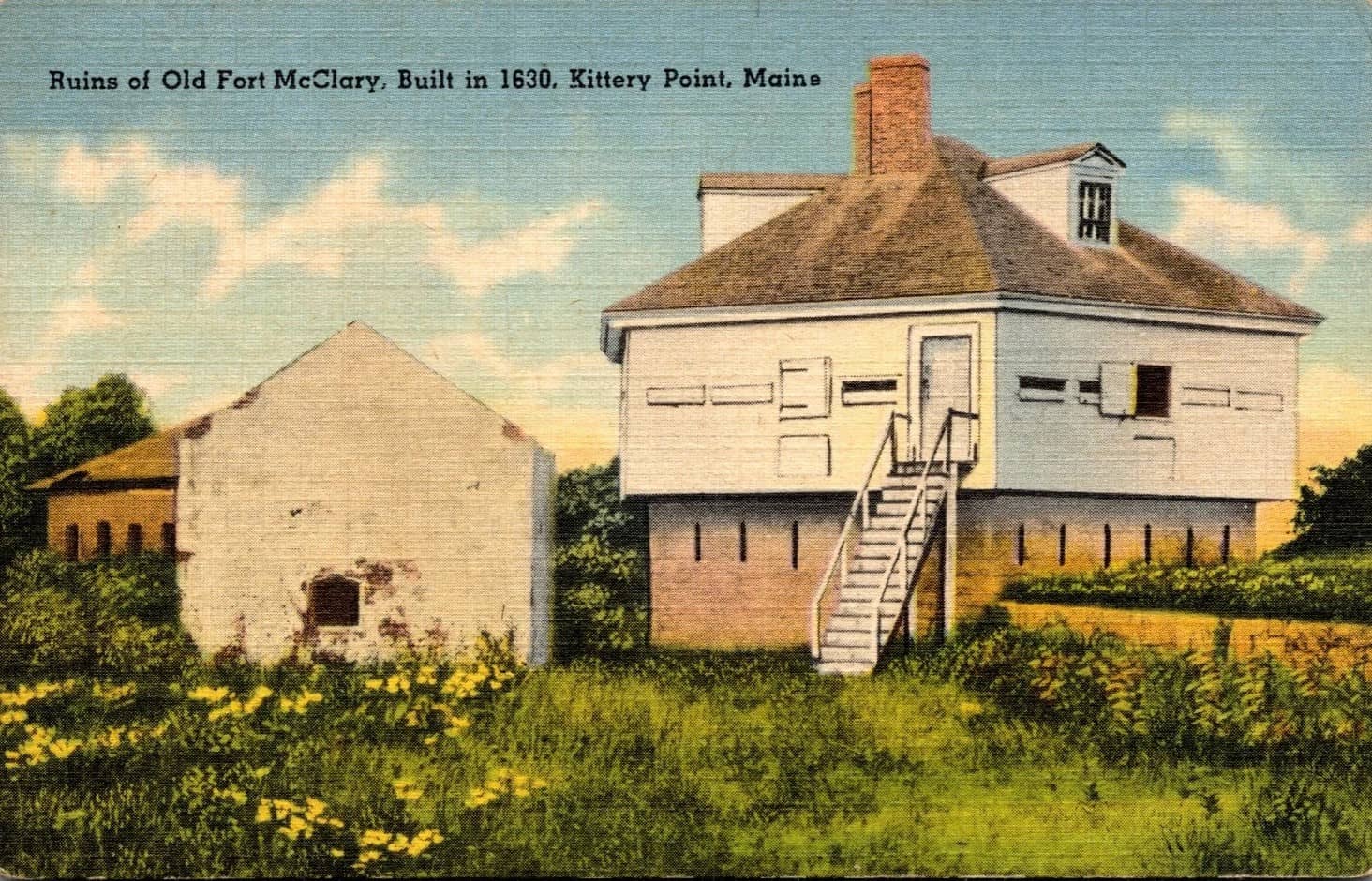
Such a place is the ruin of Fort McClary, located in Kittery Point, Maine. It is one of the oldest defensive fortifications in New England. Named for Major Andrew McClary, a hero of the Battle of Bunker Hill, the fort guarded the Piscataqua River and the important harbor at Portsmouth, New Hampshire. Originally established in the late seventeenth century, it was expanded and rebuilt several times, particularly during the War of 1812 and the Civil War. Although it never saw major combat, Fort McClary played a significant role in coastal defense. Today, the well-preserved fort is a Maine State Historic Site.
There is also the appeal of stepping outside your ordinary life. Most of our days are spent in familiar surroundings governed by routines. An abandoned structure feels different. It exists between past and present, no longer serving its original purpose yet not completely gone. Walking through it can feel like entering another world.
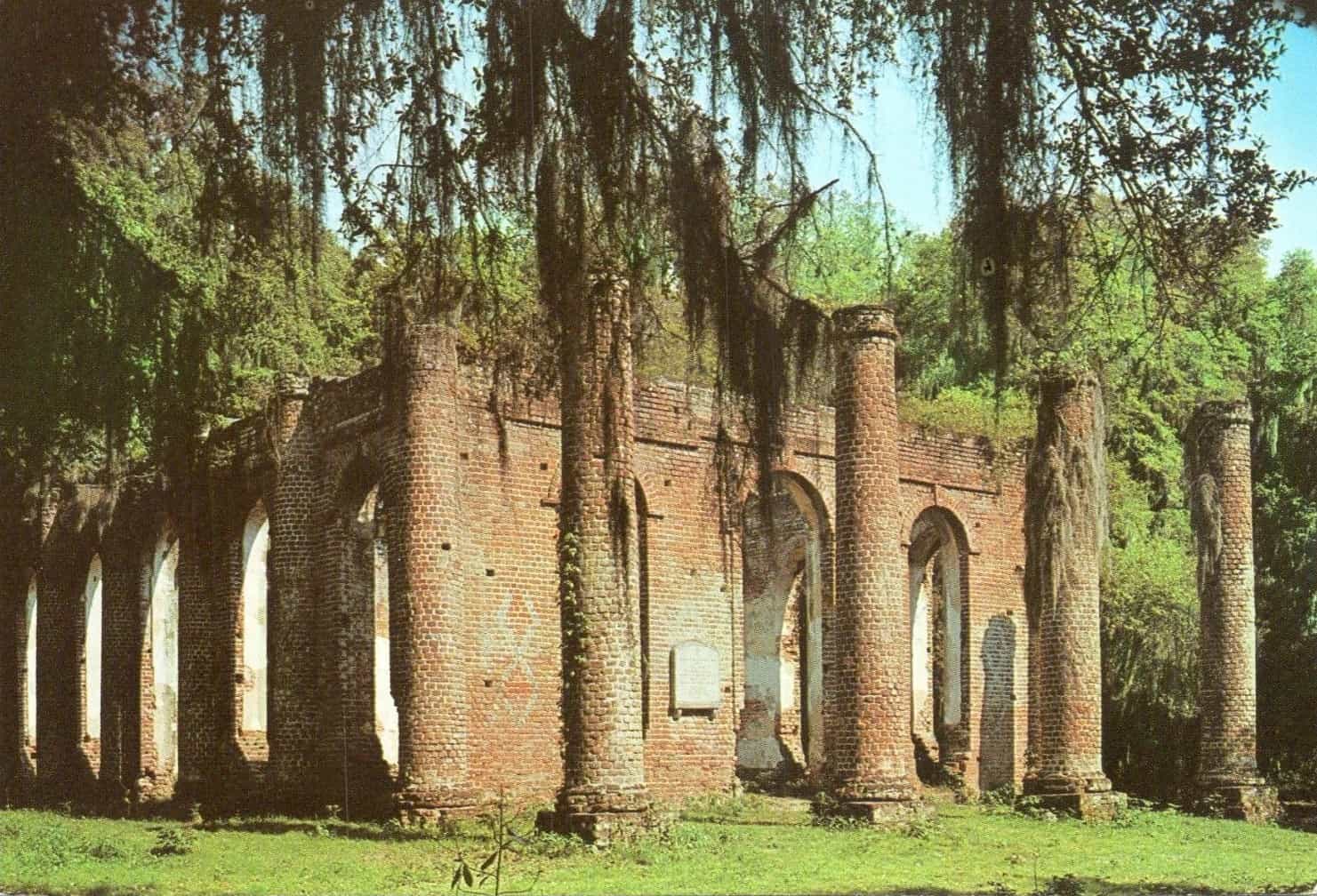
The Sheldon Church is abandoned, and the congregation has moved to new and modern quarters, except for one Sunday each Spring. On the second Sunday after Easter each year the members gather on the lawn in front of the ruins to express their thanks for all the wonderful things they enjoy in modern life.
Many people experience a sense of time travel. Ruins are reminders that every home, factory, church, or school eventually ages and changes. A dusty staircase or faded family photograph can suddenly make the past seem very close. Historians and genealogists often describe this as one of the deepest pleasures of historical exploration.
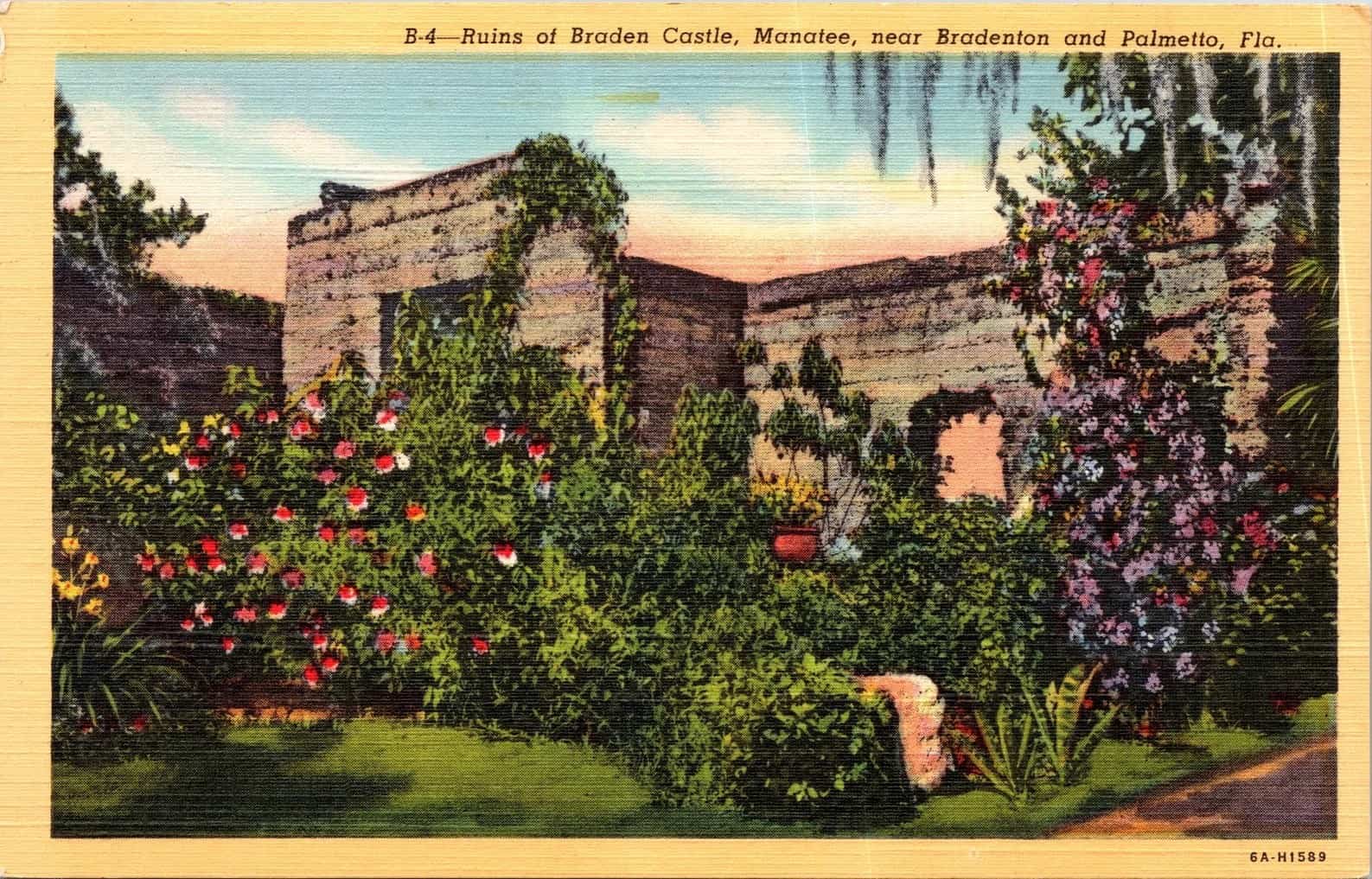
For many, a visit to the ruins of Braden Castle in Bradenton can feel remarkably like a form of time travel since several very different eras of history seem to exist in the same place.
The castle’s remains are all that survive from a large plantation built around 1850 by Dr. Joseph Addison Braden. As you stand among the tabby walls, it is easy to imagine the frontier Florida of the 1840s and 1850s, when the region was sparsely settled and the Seminole Wars were still fresh in local memory.
But it does not stop there. The ruins also evoke the era of the old plantation economy, with its sugar cane fields and enslaved laborers who helped build and work the estate.
A second leap through time comes when you notice the surrounding community. Beginning in the 1920s, “Tin Can Tourists” and early motor travelers established a winter settlement around the abandoned ruins, creating one of Florida’s earliest snowbird communities.
A little fear contributes to the excitement as well. Humans are naturally alert in unfamiliar environments. A creaking floorboard, an unexpected shadow, or a cool zephyr of air can trigger a mild adrenaline rush. Because danger is usually more imagined than real, the experience can be enjoyable in the same way people enjoy ghost stories.
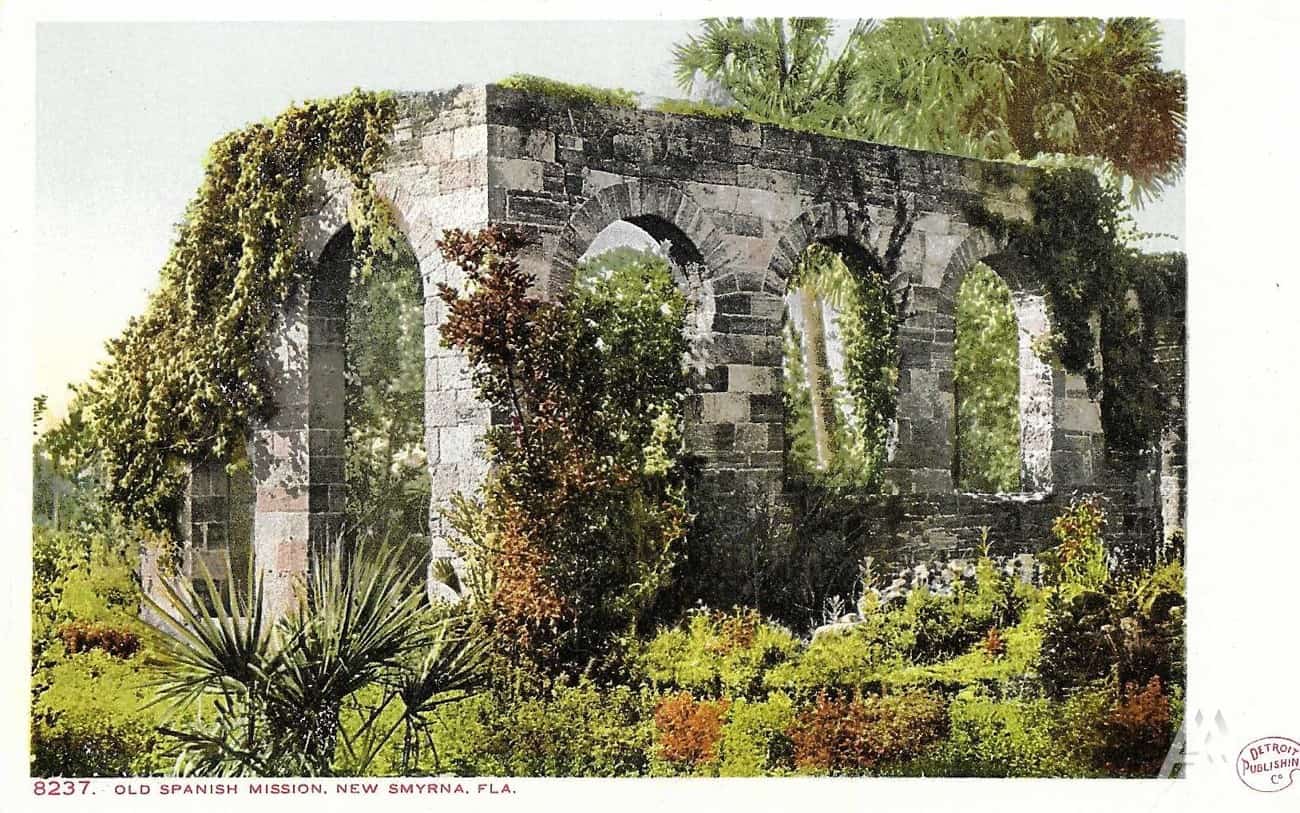
The old Spanish mission ruin at New Smyrna, Florida, is one sure place that could evoke a very particular kind of fear, one that is more psychological than immediate because visitors often describe a feeling of unease that comes from standing among the remnants of a vanished world.
All kinds of fear might arise: abandonment, fear of the unknown, or the fear of isolation. Even when other people are nearby, old ruins can create the sensation of being separated from the modern world. And in the end the worst is a fear of suffering.
The New Smyrna colony endured hardship, disease, hunger, and death. Knowing this history can cause a visitor to feel a true sense of sadness or dread, as though the ground itself remembers the struggles of those who lived there.
There is also a touch of romance and melancholy in old ruins. They remind us that all human achievements are temporary. Artists, writers, and poets have long been fascinated by abandoned places because they evoke memories, loss, and the passage of time. The crumbling walls of a mansion or the remains of an old lighthouse can appear beautiful precisely because they show the effects of time.
And, strange houses and their ruins invite your imagination to take over. An empty room becomes the setting for a forgotten drama. A dark corridor suggests secrets. Our mind fills in the missing story.
And in Mount Ophir in California that is exactly what happens when you visit the first mint in California.
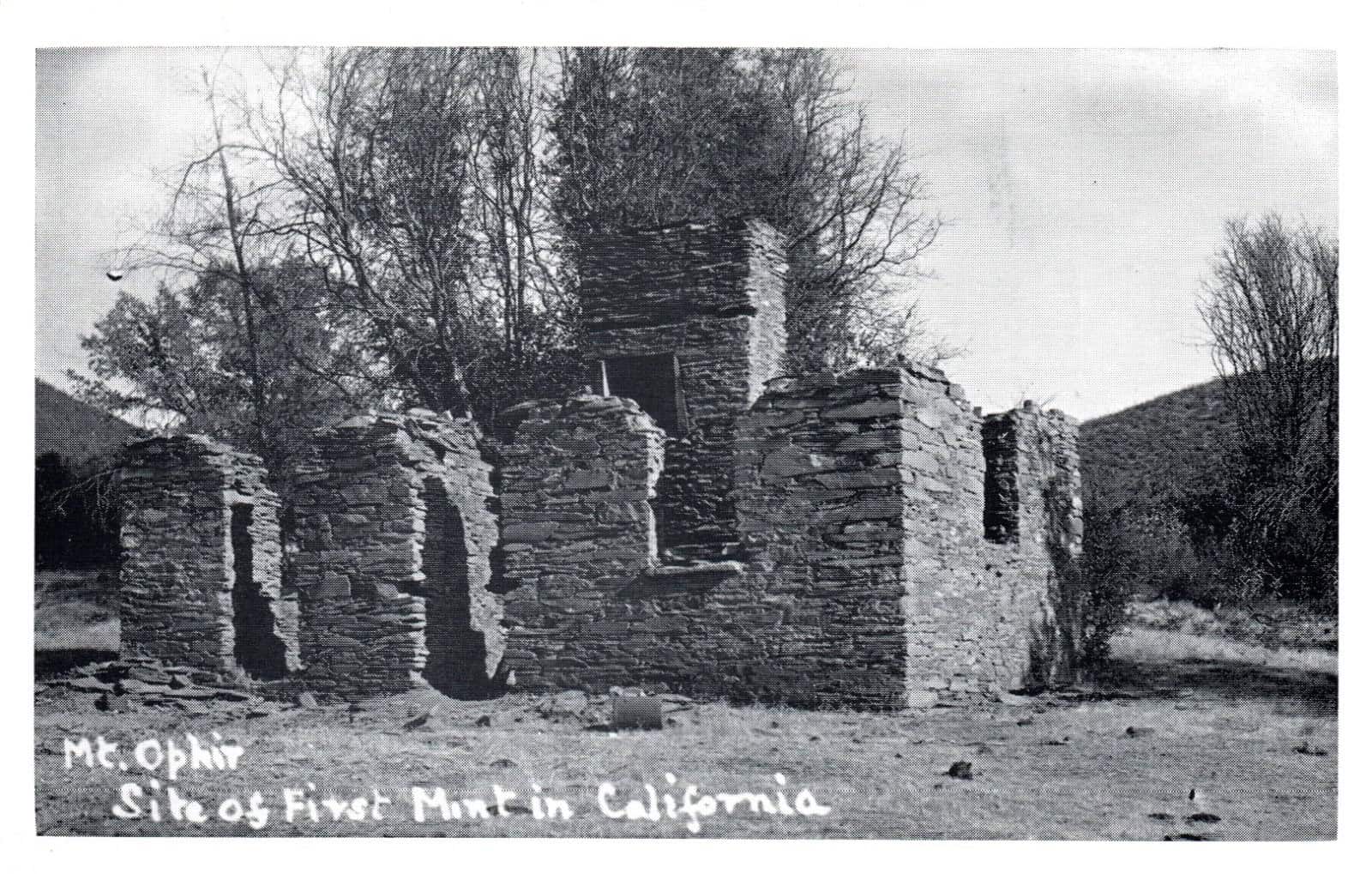
Mount Ophir is a little known but fascinating Gold Rush ghost town in California. It lies in the historic Gold Country, a few miles northwest of present-day Mariposa.
The settlement was established around 1850, during the early years of the California Gold Rush, and quickly became an important mining center. One reason Mount Ophir is remembered is its association with the famous Mount Ophir Mine, which produced substantial quantities of gold during the 1850s.
Ophir is also connected to a long-standing legend that it was the site of California’s first authorized mint, where gold “slugs” valued at $50 were produced. Historians continue to debate some aspects of this story, and the details have become mixed with local folklore over the years.
Perhaps that’s why abandoned places have fascinated people for centuries. They are part history lesson, part mystery novel, part adventure, and part ghost story, all wrapped together in a single experience. For anyone who visits an old ruin, it is not just a broken building. It is a puzzle made of stone, wood, and memories, which are simply waiting.