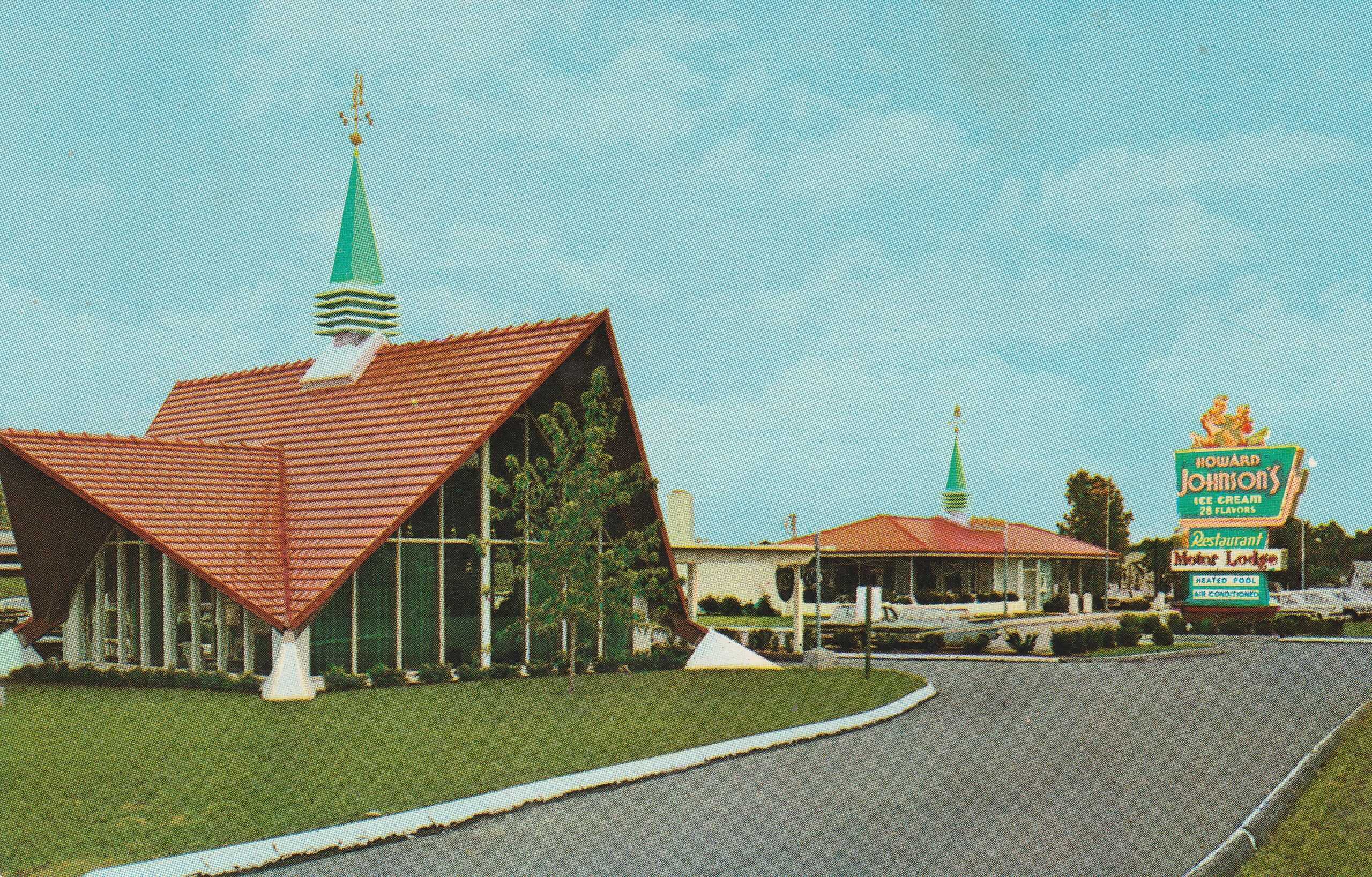
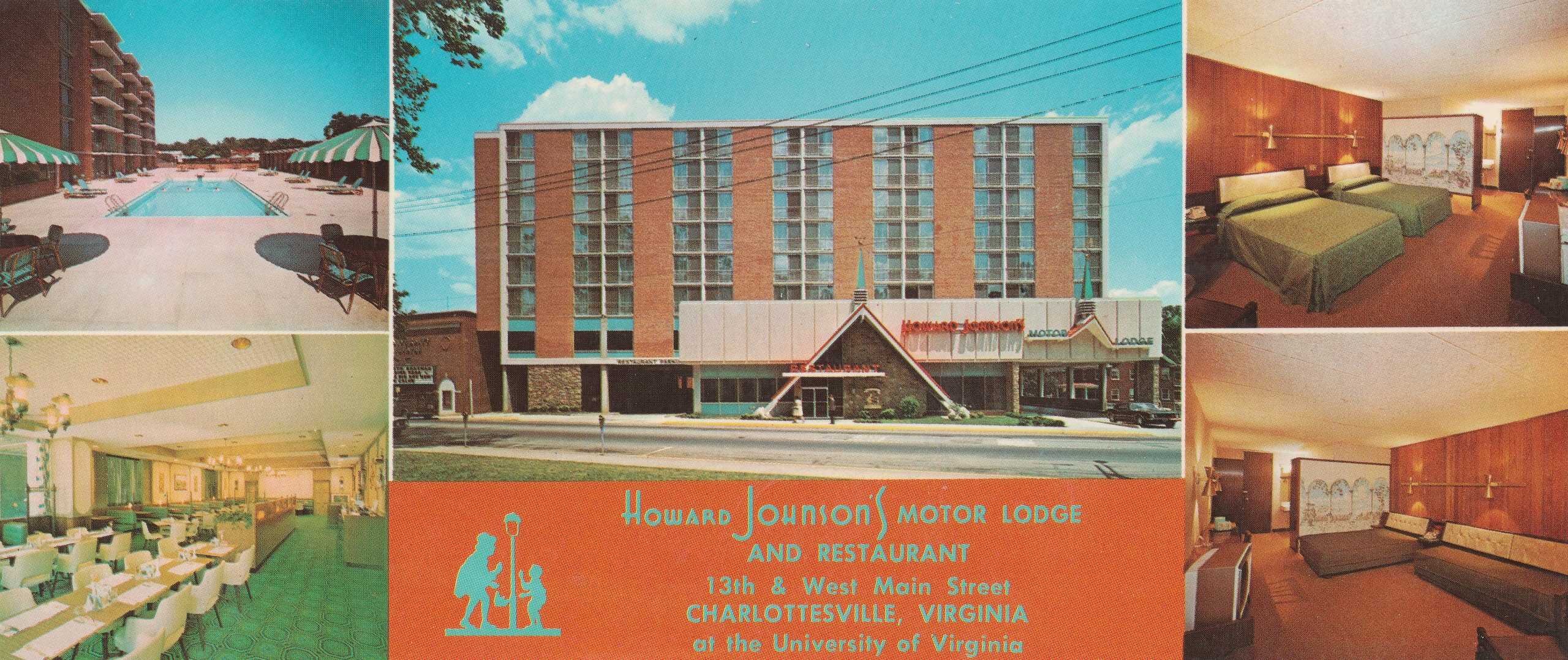
The once iconic Howard Johnson’s restaurant and lodging chain is celebrating its 100th anniversary in 2025. Howard Johnson’s was an integral part of the great American road trip from the 1930s through the ‘70s. Johnson selected the orange tile roofs for his restaurants and motor lodge offices to serve as a beacon for travelers. Atop the motor lodge office’s roof was an aqua cupola sporting a weathervane featuring Simple Simon and the Lamplighter, the logo for the lodging chain. In the 1930s, Howard Johnson’s adopted Simple Simon and the Pie Man as the logo for its restaurants, as seen on top of the neon sign in front of the restaurant building. The A-frame building that housed the office and registration desk for the motor lodge had become an important architectural symbol for Howard Johnson’s, but by the 1970s it had become too expensive to employ at new locations.
In 1925, Howard Dearing Johnson opened a pharmacy in Wollaston (near Quincy), Massachusetts. The drugstore’s soda fountain became the busiest part of the store and its most profitable section. Johnson developed a new ice cream recipe with double the butterfat content that became extremely popular. Later he created twenty-eight flavors of ice cream. During the 1920s, Johnson operated three seasonal concession stands at Massachusetts beaches selling hot dogs, soft drinks, and ice cream. One of his stands sold 14,000 ice cream cones on a Sunday afternoon.
Howard Johnson opened his first restaurant in Quincy in 1929. The restaurant served fried clams, chicken pot pie, baked beans, grilled-in-butter frankfurters, and his signature twenty-eight flavors of ice cream. In 1935, Johnson opened a second restaurant in Orleans, Massachusetts on Cape Cod. Johnson did not own the restaurant, he sold the rights to a local operator to use his name and recipes, one of the early restaurant franchises in the United States. By 1940, there were 132 Howard Johnson’s restaurants in New England and the Northeast. Johnson preferred that the company own and operate its restaurants but used franchises when financing was unavailable.
In the 1930s, famed designer Sister Parish developed Howard Johnson’s distinctive aqua color scheme. Booths and counter stools were upholstered in aqua Naugahyde. Menus and placements had aquas trim and lettering. Waitresses wore aqua uniforms.
In 1940, Johnson permitted a franchisee to operate a restaurant in the Rego Park section of Queens, New York. The two-story restaurant, accommodated seven hundred diners indoors and three hundred outdoors, was designed to attract the crowds attending the second year of the 1939-1940 New York World’s Fair. It reportedly generated a million dollars a year in revenue and fairgoers spread Howard Johnson’s reputation across the country.
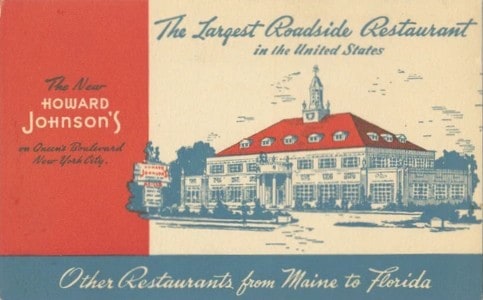
Also in 1940, Howard Johnson’s won the concession to operate restaurants in the service plazas along the Pennsylvania Turnpike, America’s first superhighway. Howard Johnson’s was not permitted to use its signature orange roof on the turnpike since the Turnpike required the Colonial style buildings to be built of locally quarried stone. The Pennsylvania Turnpike restaurants further cemented Howard Johnson’s reputation with the motoring public wary of the dubious quality and cleanliness of roadside restaurants.
Howard Johnson’s had to retrench during World War II due to gasoline rationing restricting vacation travel, food rationing particularly sugar, and labor shortages. By war’s end, only twelve restaurants were in operation.
After World War II, family travel boomed again, and Howard Johnson’s expanded rapidly. The chain, with its 28 flavors of ice cream, astutely catered to families traveling with children. Its menu offered dishes like the Tommy Tucker Plate, the Simple Simon Special, and the Little Boy Blue – each came complete with an ice cream cone. The placemat offered games and puzzles to amuse children while they waited for their food.
In 1947 the construction of 200 restaurants began in the Southeast and Midwest. By 1954, there were 400 Howard Johnson Restaurants spread across thirty-three states. HoJo’s (as the chain came to be affectionately dubbed) had the restaurant concessions on the New Jersey, Connecticut, Massachusetts, Indiana, and Ohio Turnpikes. The company-owned turnpike restaurants were extremely profitable.
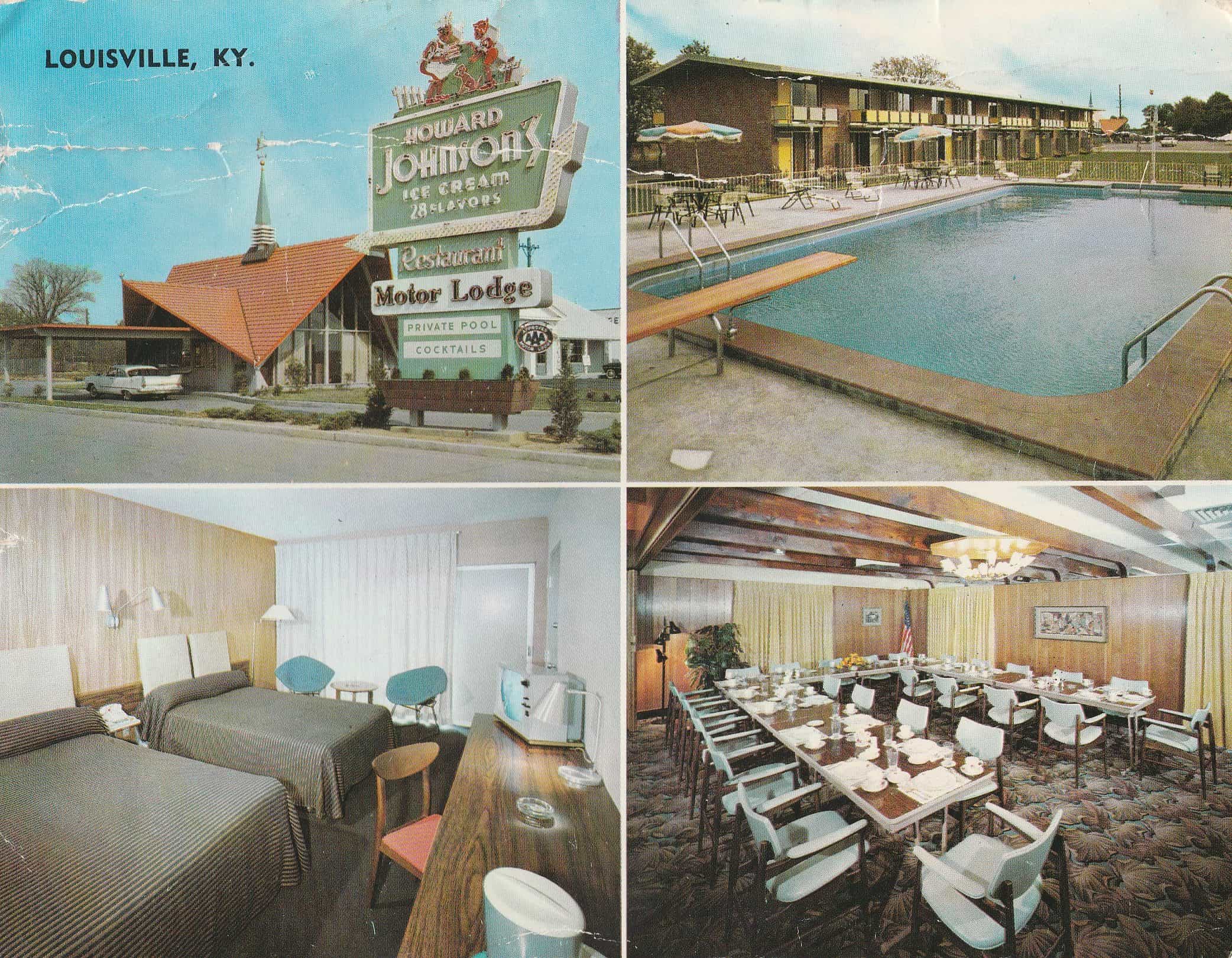
In 1953 the company opened its first combination restaurant and motor lodge in Savannah, Georgia. The use of the term “motor lodge” implied that the facility was a cut above a motel.
Howard Johnson was obsessive about quality. The chain operated a commissary to ensure that its signature ice cream and other foods were prepared to precise recipes. Frozen foods were delivered to restaurants weekly. His restaurants followed a “bible” detailing how to prepare the food, how to serve it, staff uniforms, signs, advertising, cleanliness, and every other aspect of the operation down to the most minute detail.
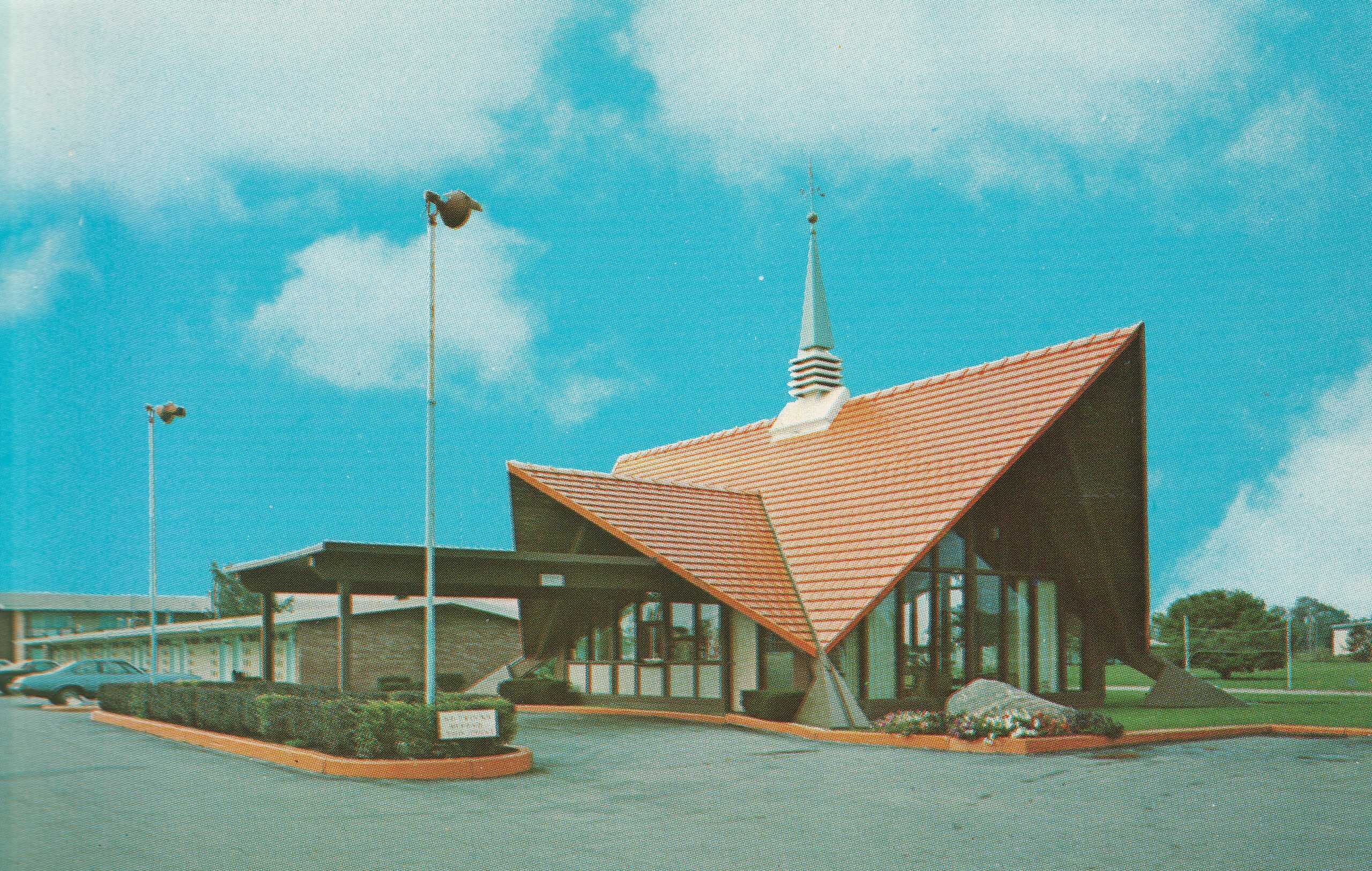
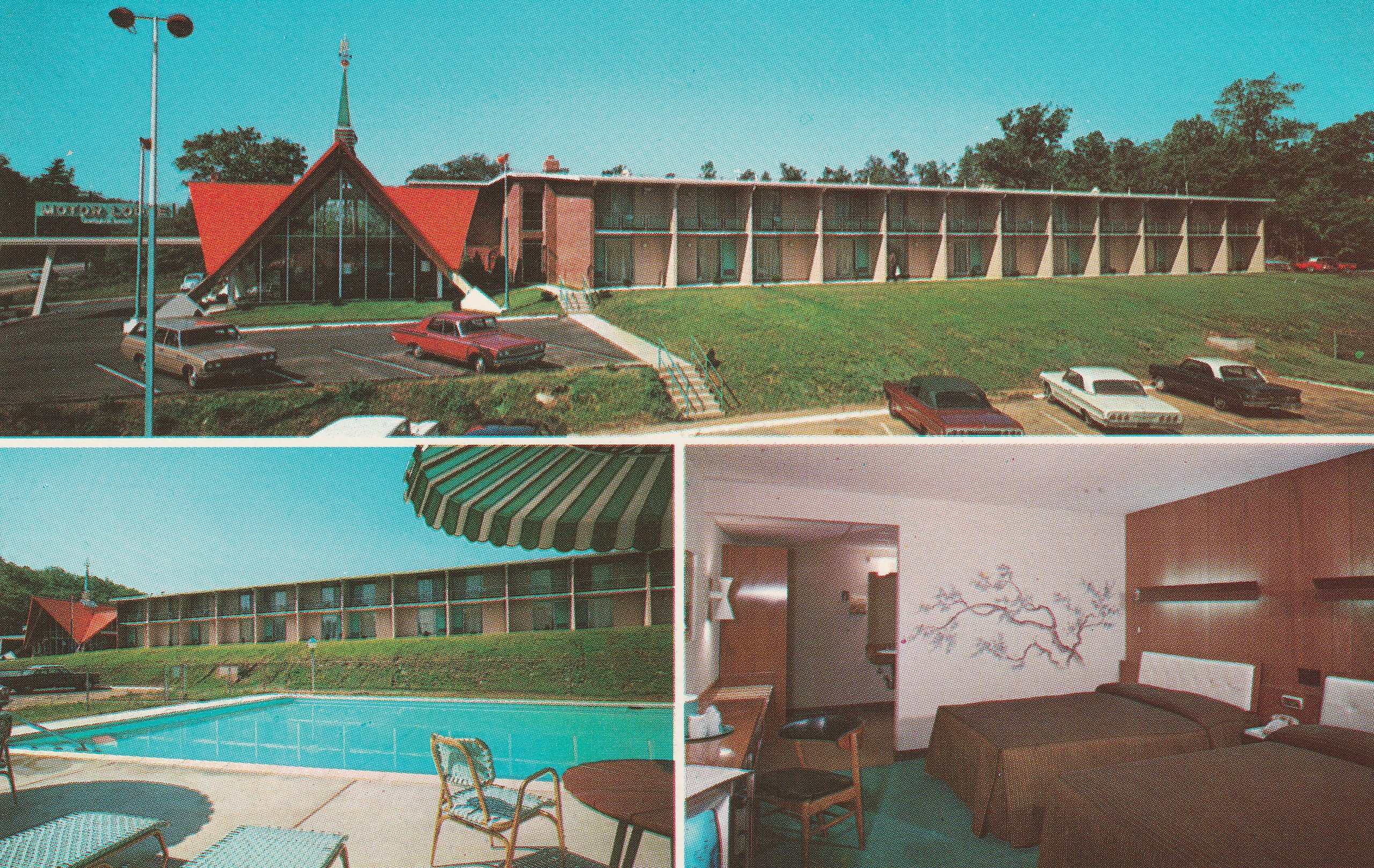
Howard Johnson’s reached from coast-to-coast when it opened a restaurant in Costa Mesa, California in 1965. By 1975, there were 649 company-owned restaurants, 280 franchised restaurants, 125 company-operated motor lodges, and 411 franchised motor lodges. Howard Johnson’s had planted its flag in forty-three states, Washington D.C., Puerto Rico, and Canada. It also operated 90 Ground Round and Red Coach Grill restaurants. By 1979, the chain operated or franchised over a thousand restaurants.
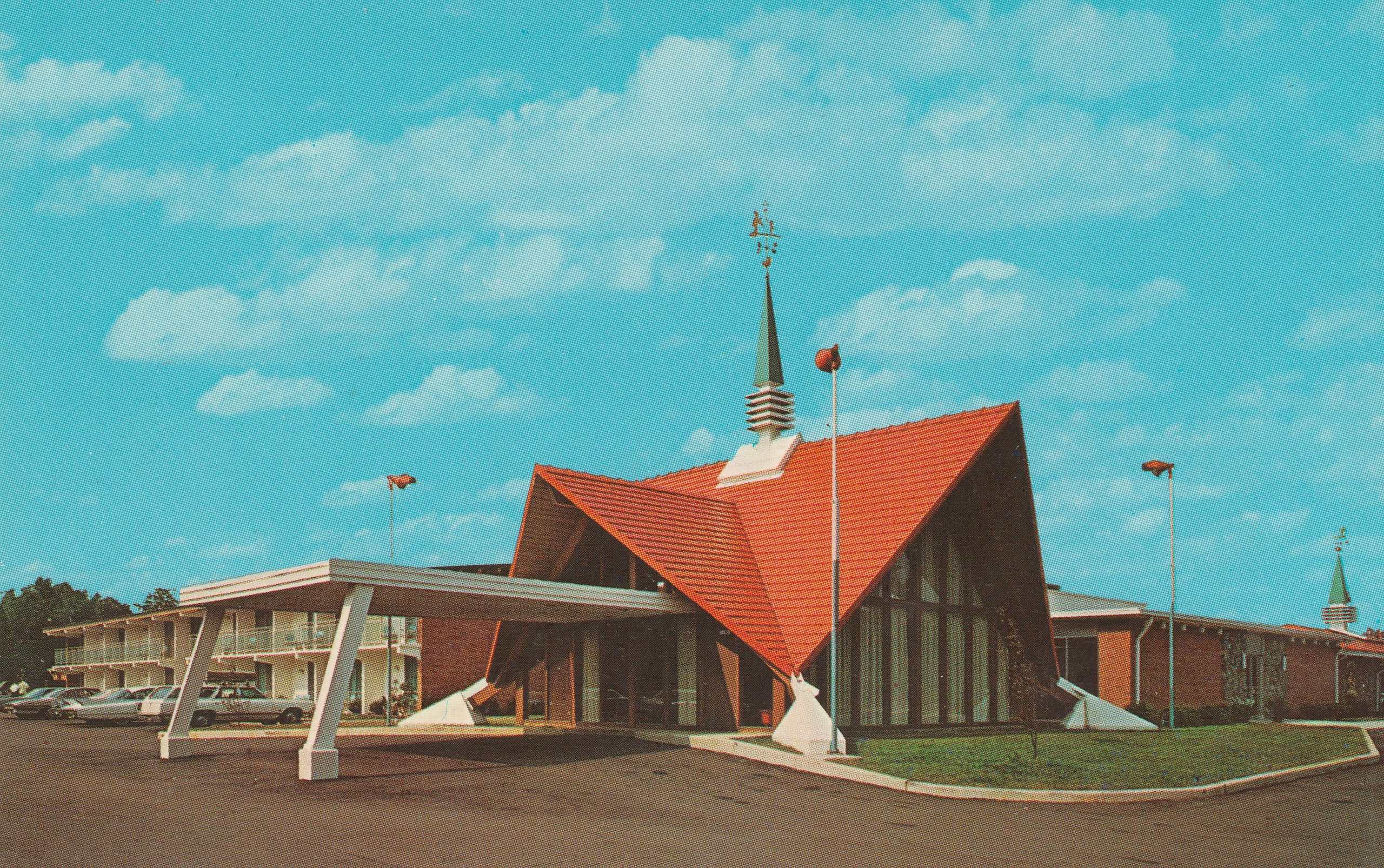
Howard Johnson died in 1972, and his son Howard B. Johnson, known as Bud, had been running the company since his father retired in 1968. Armed with a Harvard Business School MBA, Bud saw the lodging division facing stiff competition from new companies entering the market. In the 1960s, Howard Johnson’s was the largest restaurant chain in America, but by the 1970s, it had slipped to third behind Marriott and Kentucky Fried Chicken. Due to his father’s obsession with quality, its restaurants had high costs relative to the fast-food chains. Many of the chain’s restaurants were showing their age. Bud began cutting costs and employees and serving cheaper food. The chain declined rapidly.
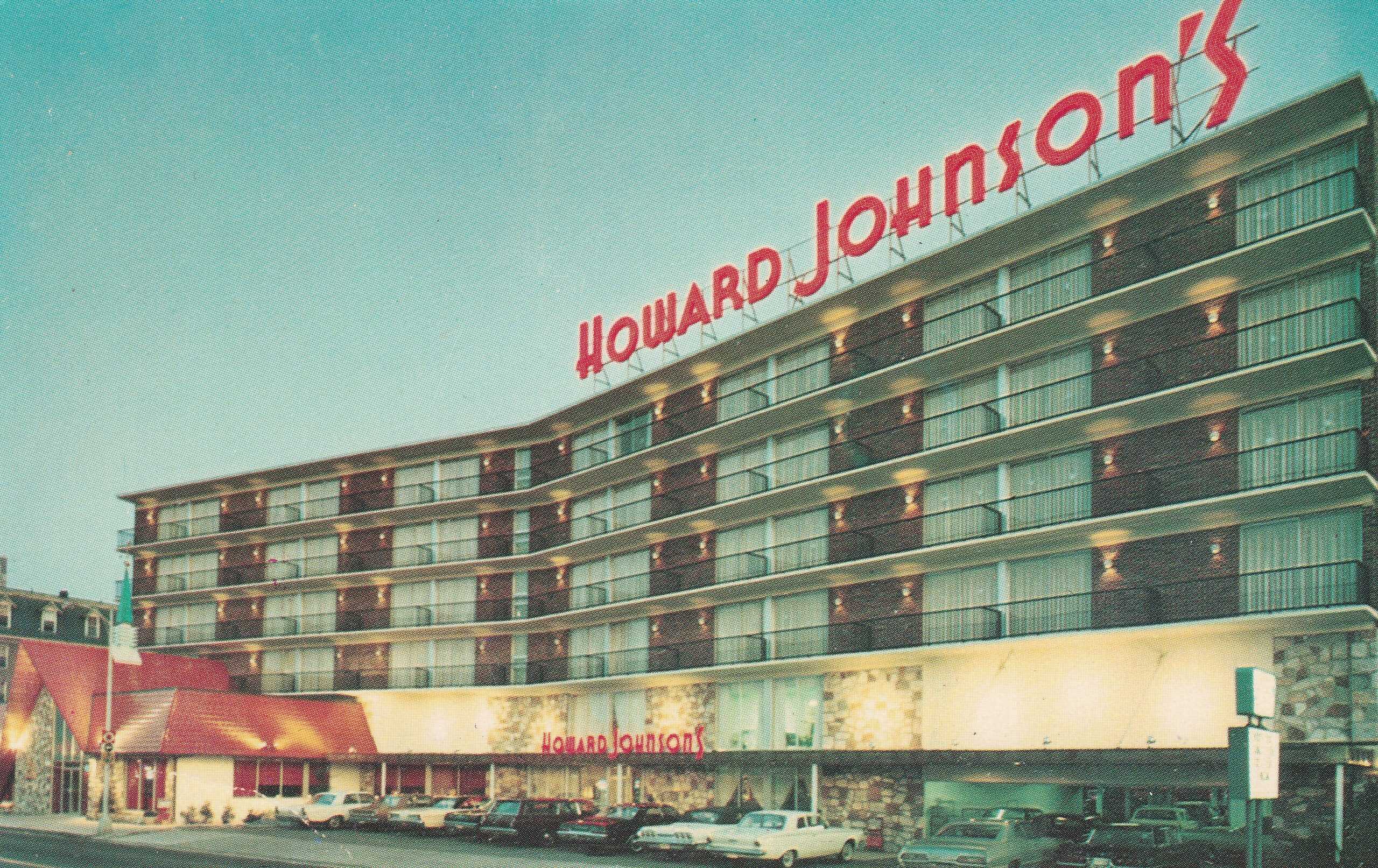
After dominating the hospitality industry in the United States for over thirty years, the handwriting was on the wall. In 1979, Bud Johnson sold Howard Johnson’s to Imperial Group PLC, the British tobacco conglomerate, for $630 million. Imperial Group’s efforts to turn the company around failed due to mismanagement and the decline spiraled out of control. Imperial sold Howard Johnson’s to Marriott for $314 million. Marriott was mainly interested in the company’s real estate holdings and began converting the Howard Johnson’s restaurants to its own brands. It sold off the motels and hotels to Prime Motor Inns.
After Marriott closed all the company owned restaurants, the franchise restaurants struggled to survive. By 1995, only 85 Howard Johnson’s restaurants in the U.S. and Canada remained in operation. Attempts to revamp the menu and reboot the chain failed. One by one the restaurants closed. The last Howard Johnson’s Restaurant in Lake George, New York closed in 2022. A sad end for the “Host of the Highways.”
Today Howard Johnson’s lodging business is all that remains of the once great travel empire. The locations are part of the “economy” segment of Wyndham Hotels portfolio of lodging chains. There are about 140 HoJo’s in the United States and an equal number split between Canada, Latin America, Middle East and Asia, operating as Howard Johnson Express Inns, Howard Johnson Inns, Howard Johnson Hotels, and Howard Johnson Plaza Hotels. Some of the hotels operate restaurants, but none feature Howard Johnson’s iconic menu.
To celebrate Howard Johnson’s 100th anniversary, Wyndham Hotels has rolled out a limited-edition Fried Clam Strip Soup. I’ll pass. Instead, we should raise an ice cream cone to toast the anniversary. Here are Howard Johnson’s original twenty-eight ice cream flavors:
Banana
Black Raspberry
Burgundy Cherry
Butter Pecan
Buttercrunch
Butterscotch
Caramel Fudge
Chocolate
Chocolate Chip
Coconut
Coffee
Frozen Pudding
Fruit Salad
Fudge Ripple
Lemon Stick
Pecan Brittle
Macaroon
Peppermint Stick
Maple Walnut
Pineapple
Mocha Chip
Pistachio
Orange-Pineapple
Strawberry
Peach
Peanut Brittle
Strawberry Ripple
Vanilla
***
What is your favorite?
thank you – oh the memories –
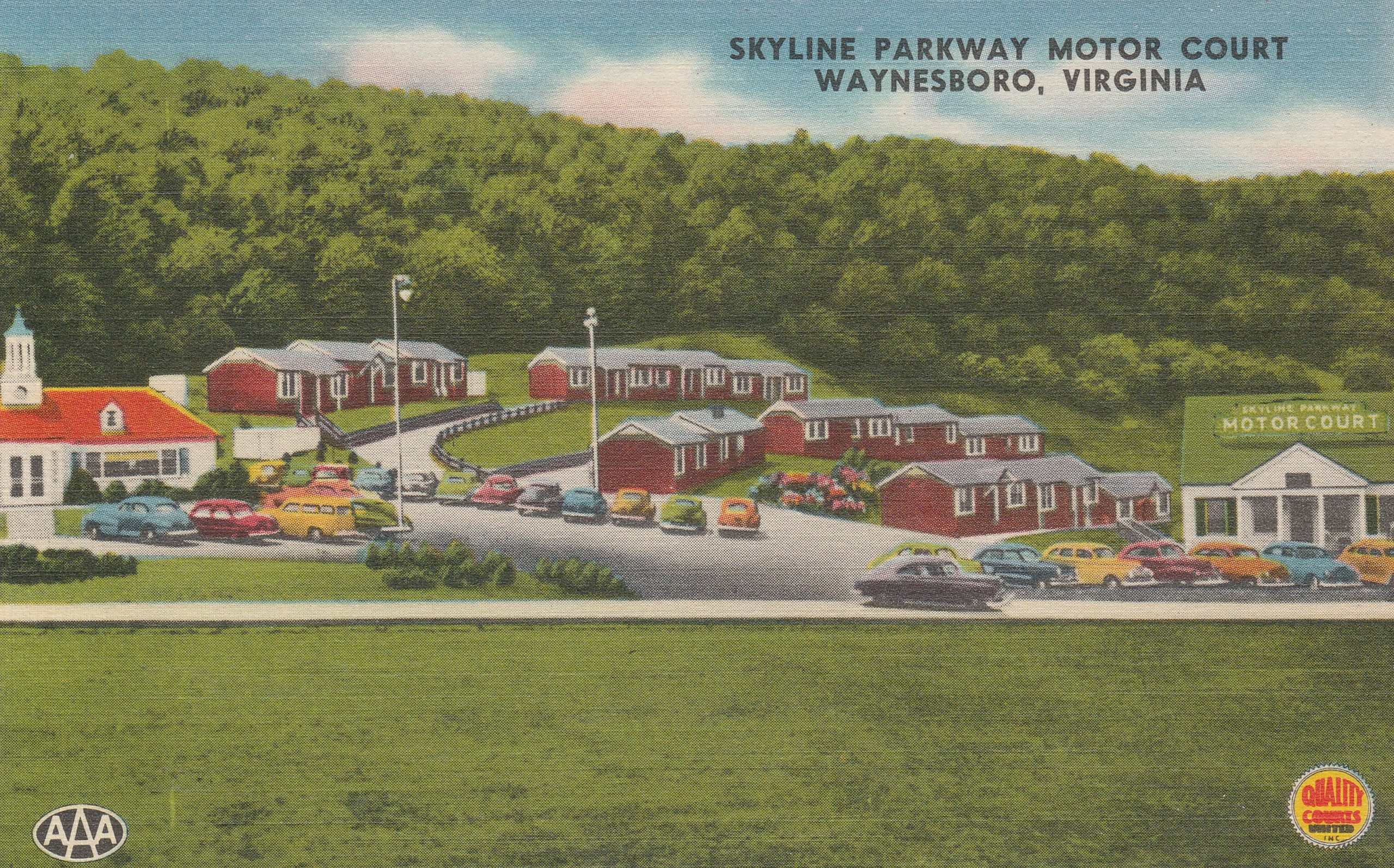
Excellent article, our family has a story about our boy, about 10 or 11, at the Lake Placid HoJOs – after skiing – kept filling his plate from the salad bar – Also on the NYS Thru-way – wish they could return, current green something are a sad experience for a t-way traveler. Always enjoy the postcard stories. Waynesboro VA card – building still exists – rundown, and a vacant crumbling former motel can be seen above it. Was it a HoJo’s? (At entrance to the blue ridge pkwy.
There was a motor court next to the HoJo in Waynesboro, Virginia. It was affiliated with Quality Courts. Later a Holiday Inn was built on the hilltop. All three properties had the same owner, a local oil distributor. He also owned an adjacent gas station. When I-64 moved traffic off Route 250, the properties went into decline. They are still standing but are inhabited by squatters.
Thanks for the interesting read!
What a great article. I loved learning about the history of Howard Johnson’s. It is so fascinating to me. The last time a ate at a Howard Johnson’s was in 2011, Cheyenne, Wyoming I believe.
My favorite flavor of the original ice cream is the Fudge Ripple.