The Walker-Gordon Dairy was once an integral part of Middlesex County, New Jersey. Today, the former location of the world-famous dairy farm, Plainsboro, is a well‑planned suburban community known for its convenient location and balanced growth. It blends rural roots with modern development and offers a high quality of life just fourteen miles east of Princeton.
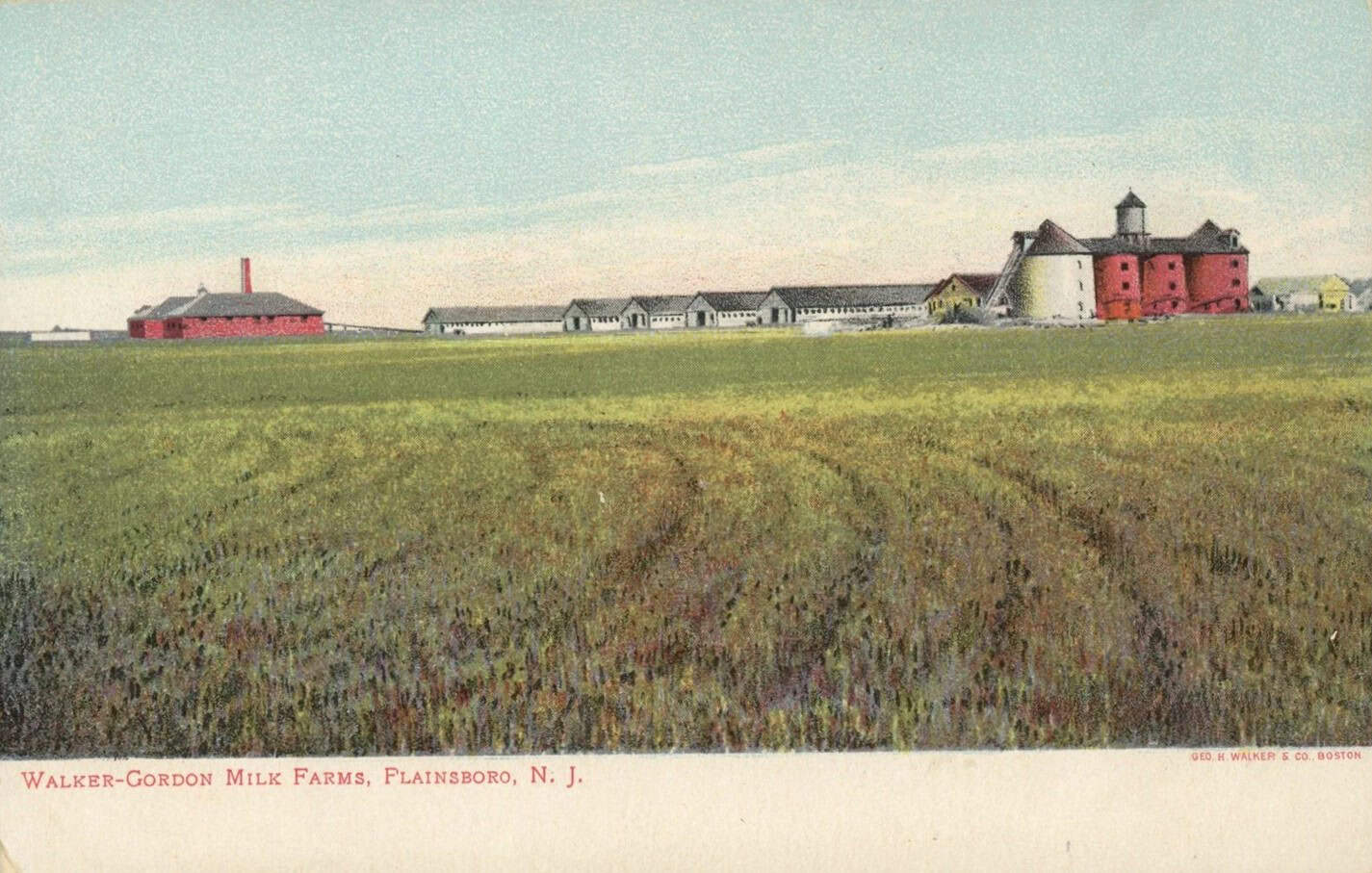
Plainsboro Township, originally a farming enclave, has grown into a thriving suburb with strong economic development and may boast about its fascinating history.
The Walker‑Gordon Dairy was established during a period when concerns about milk safety were widespread, but nine decades ago, when the dairy was still in operation there was no one who dreamed that raw milk would be such a controversial commodity. Like many similar topics the raw milk argument is just another proof of how pervasive politics has become. Raw milk is controversial because advocates claim health and taste benefits, while public health experts warn of significant safety risks, including bacterial infections, and lately, concerns about bird flu contamination. The debate has made raw milk one of the most incredible food issues in America.
Raw milk is milk that has not been pasteurized, meaning it hasn’t been heated to kill harmful bacteria. It can come from cows, goats, or sheep. It is controversial for reasons too numerous to mention, but the argument advances each time an advocate makes a claim that is not supported by scientific evidence. Suffice it to say that when the Walker-Gordon Dairy was in business any concerns over the use of raw milk were handled by using good, old-fashion common sense.
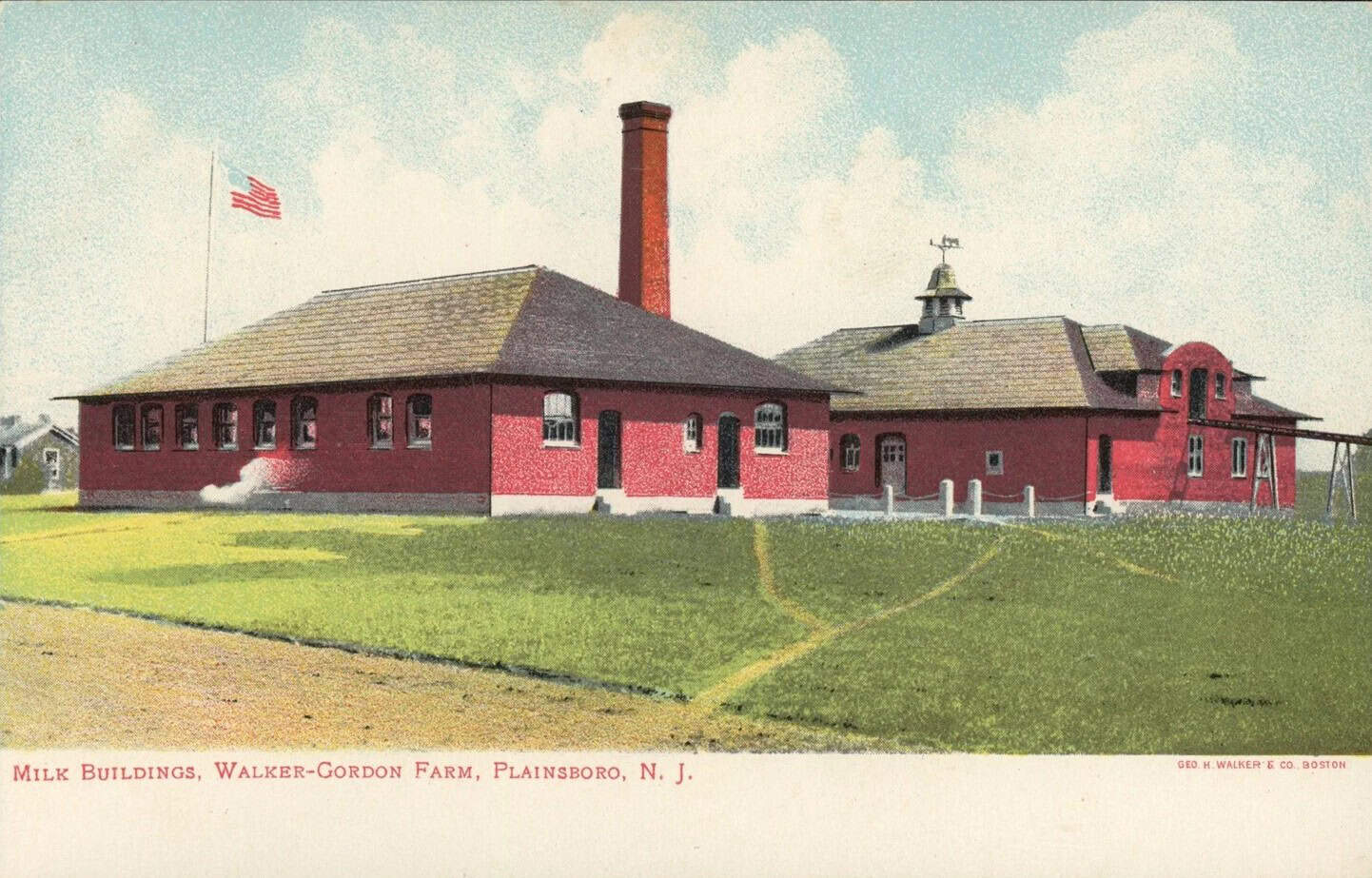
Founded in 1897 on just 40 acres with just 35 cows, the Walker‑Gordon Dairy of New Jersey, quickly became one of the most influential dairy operations in the United States. Its rise from a modest farm to a nationally recognized leader in milk safety and production was driven by a rare combination of scientific rigor, technological innovation, and an unwavering commitment to hygienic excellence. Over its more than 70 years of operation, Walker‑Gordon not only supplied milk but also reshaped public expectations for dairy quality.
Urbanization had increased demand for dairy products, but many farms lacked sanitary practices, leading to contamination and disease. Walker‑Gordon distinguished itself early by embracing a science‑based approach to dairy farming, a philosophy that would define its operations for decades. In those years Walker‑Gordon expanded dramatically, eventually reaching 2,500 acres and a herd of 1,650 cows. Despite this scale, the farm maintained its meticulous standards, largely due to its pioneering use of technology.
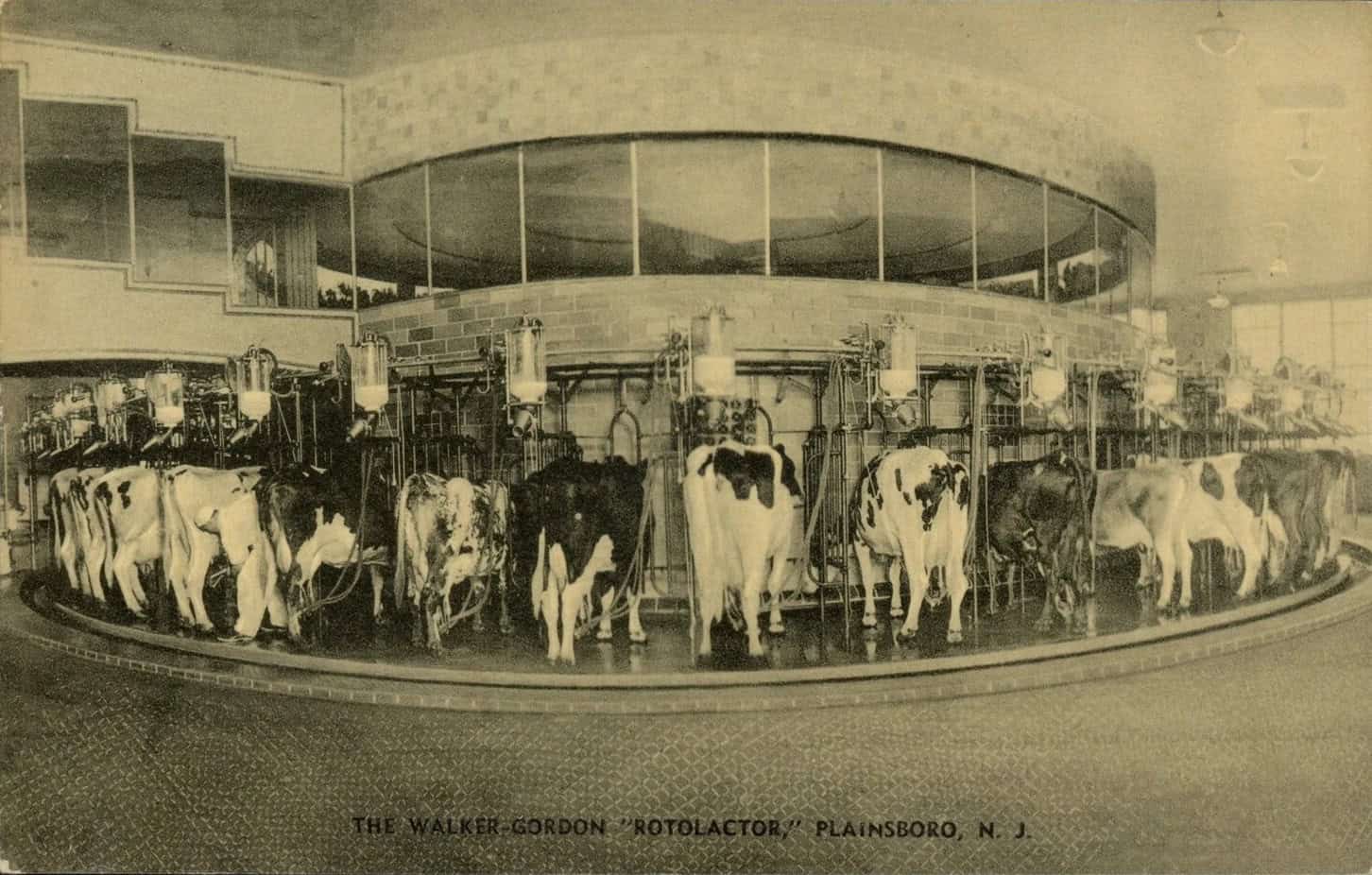
One of its most significant contributions to dairy science was the Rotary Combine Milking System, developed through the research of Henry W. Jeffers. This rotating milking platform—an early version of what modern dairies now call the “rotary parlor”—allowed cows to be milked efficiently while maintaining consistent sanitary conditions. The system minimized human contact, reduced contamination risk, and standardized the milking process, making Walker‑Gordon a model for mechanized dairy operations.
The quality control was routinely maintained with the use of Pyrex glass containers for milk storage and stainless-steel piping that transported the milk to the bottling facility ensuring that milk moved through a closed, contamination‑resistant environment from cow to bottle.
Walker‑Gordon Dairy operated primarily in New Jersey, but it did expand beyond the state—most notably into Michigan—through its famous Rotolactor demonstration farms. While it was never a nationwide chain of full‑scale dairies, it did establish multiple locations to showcase its technology and certified‑milk standards.
When a demonstration farm opened in Mount Clemens, Michigan, primarily as part of its effort to demonstrate and expand the use of the Rotolactor milking system, Detroit Publishing took the opportunity to create a 16-card set of postcards that were added to their “Phostint” series in 1925.
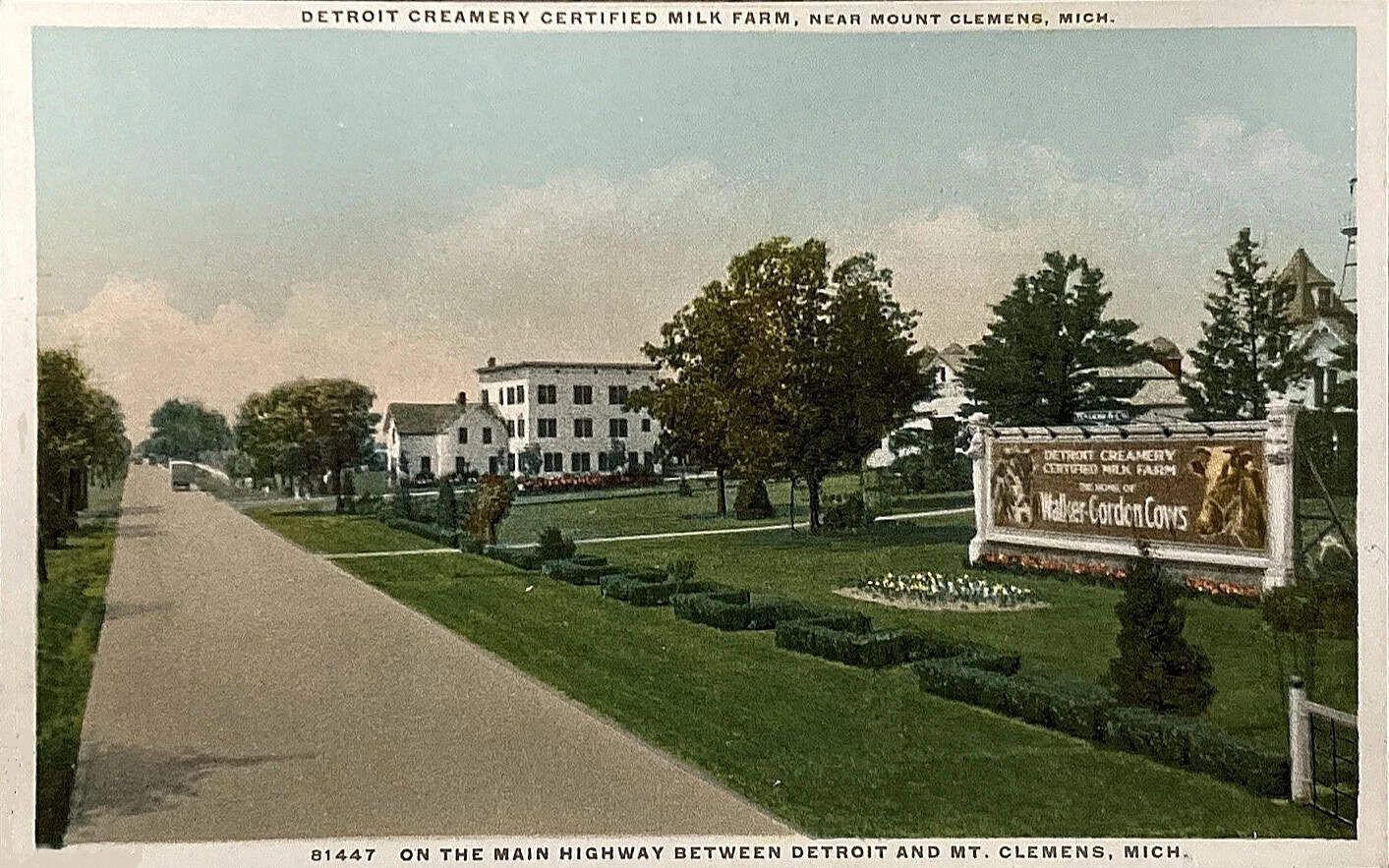
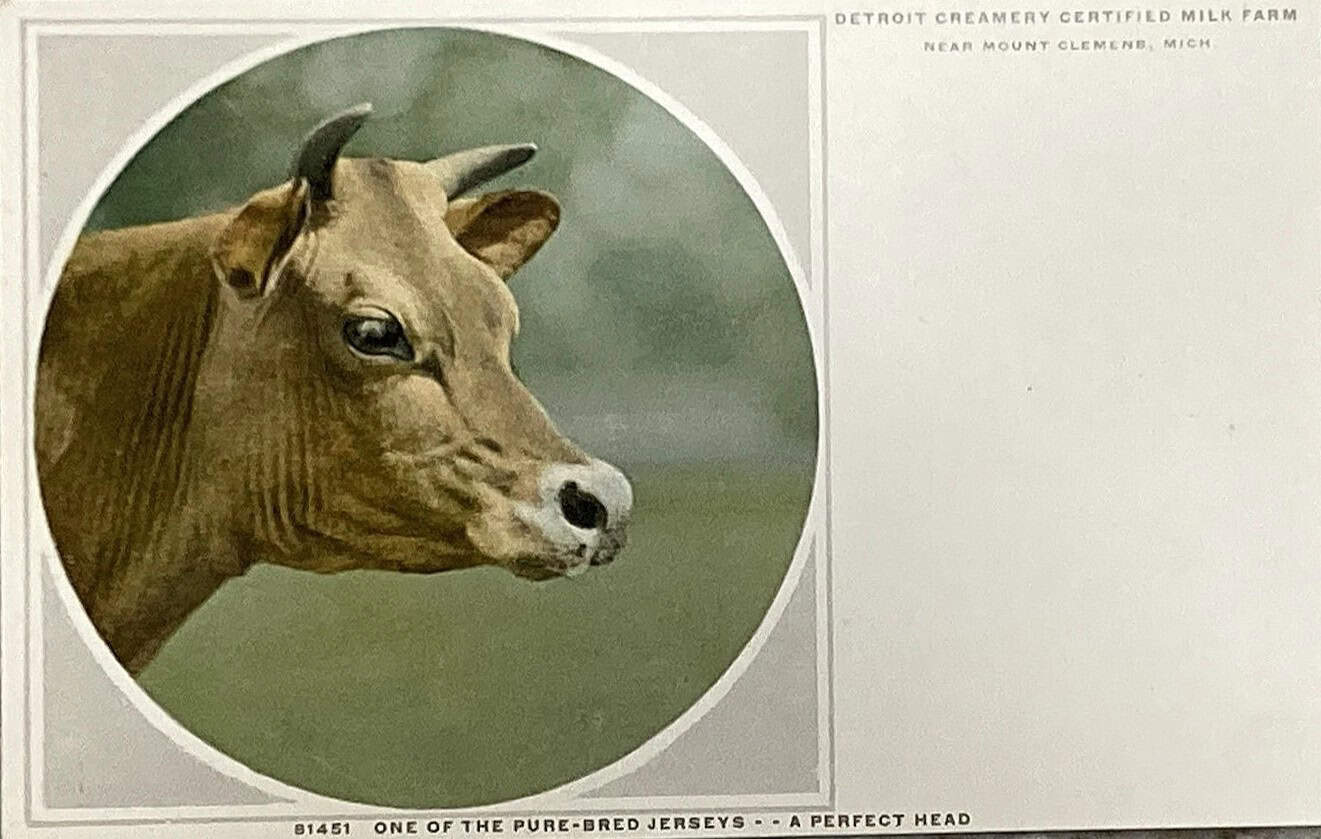
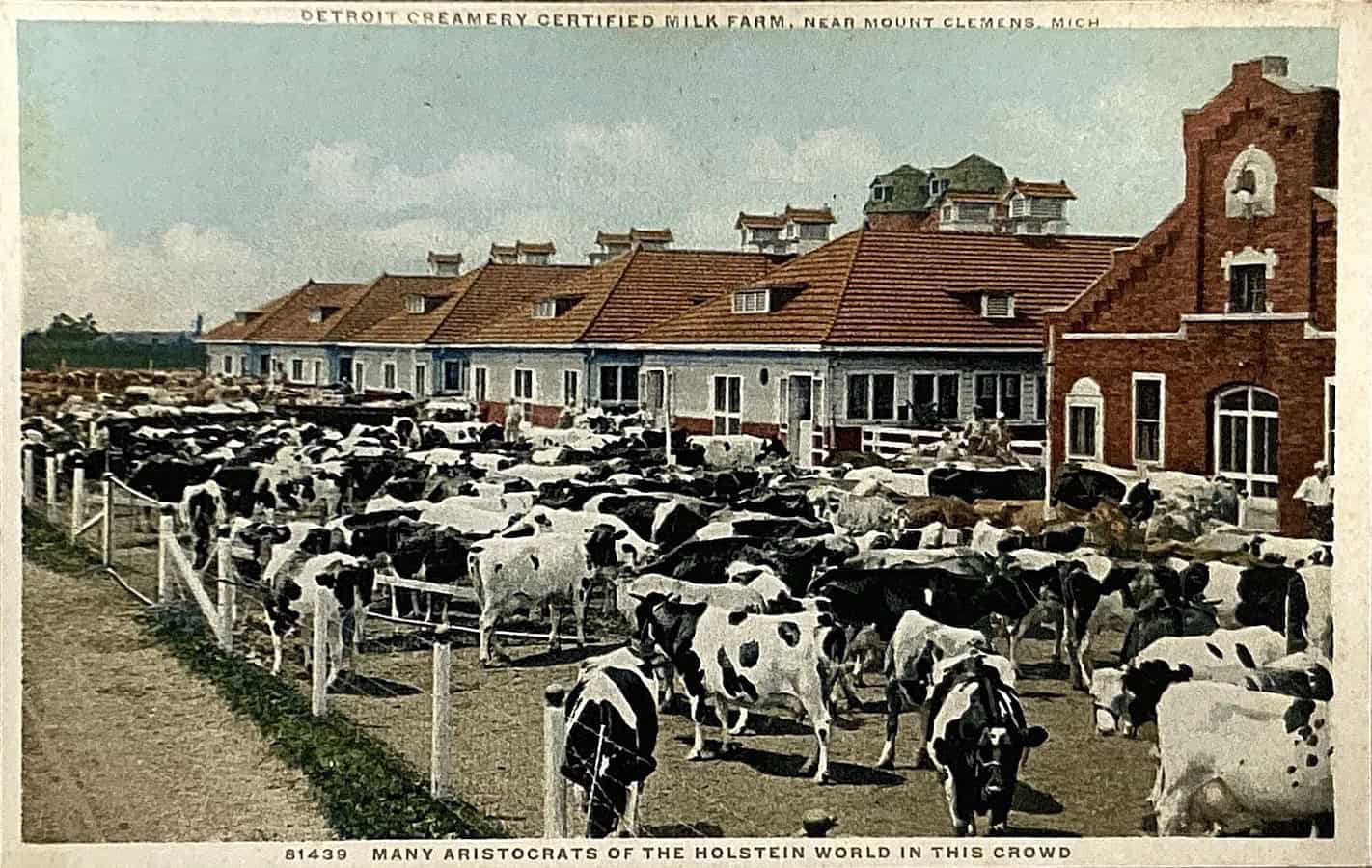
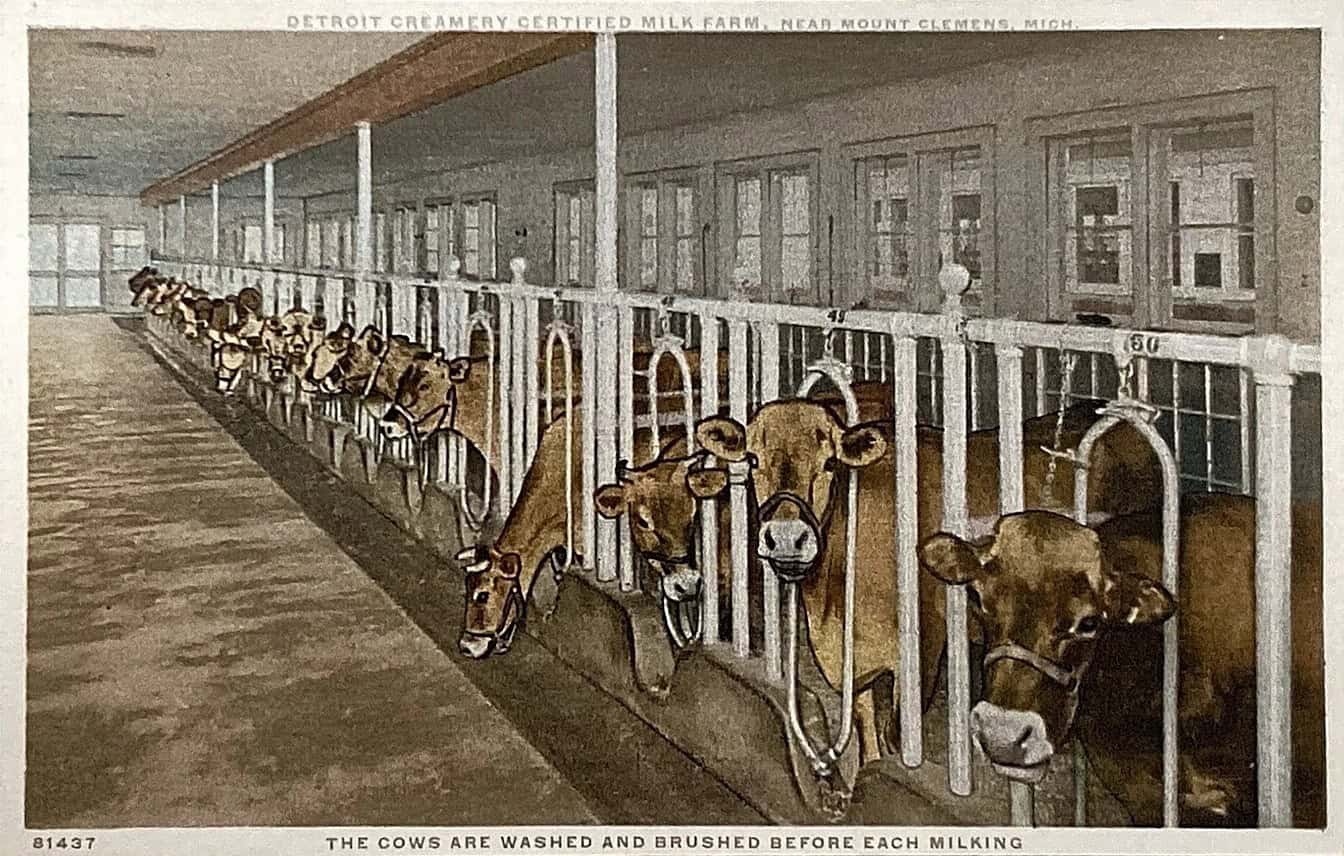
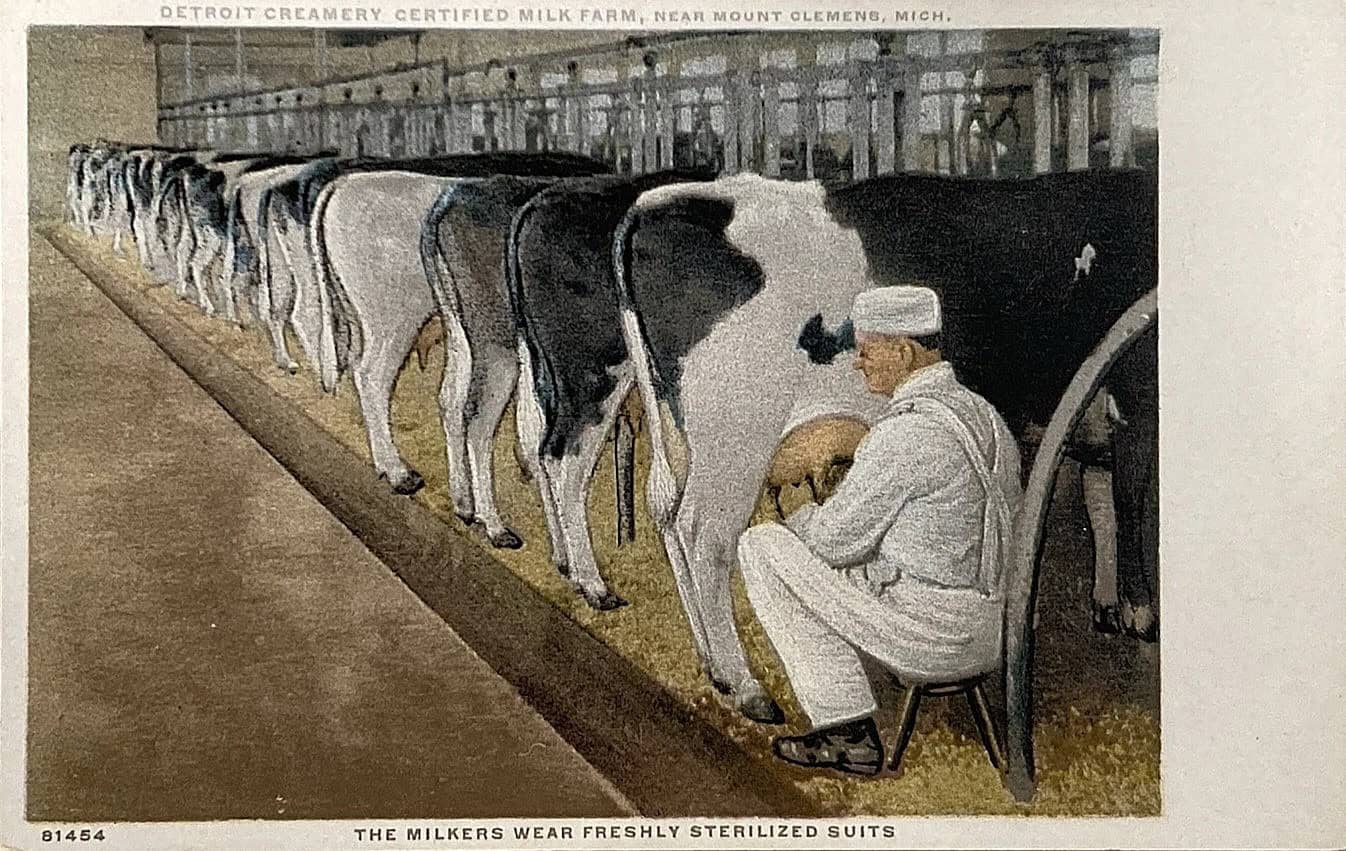
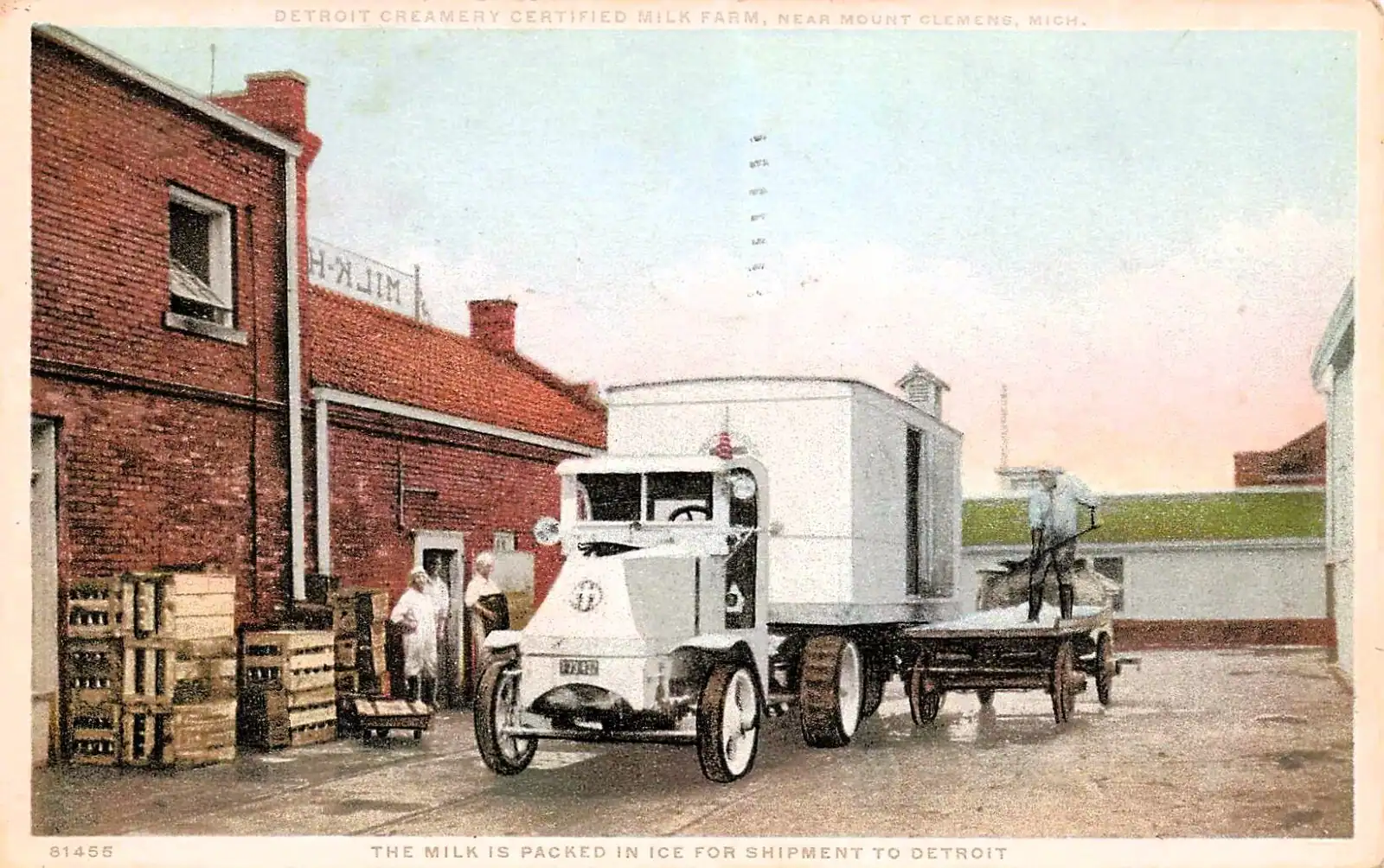
While the New Jersey farm was the main production site, the Michigan location and other satellite farms functioned as dairy operations producing certified milk that was sold in local markets.
Producing certified raw milk required constant veterinary oversight, regular inspections, and strict adherence to cleanliness protocols. Walker‑Gordon’s staff, including experts like professional veterinarians, monitored herd health, milk composition, and environmental conditions to ensure compliance. These practices made the farm a national benchmark for raw milk safety.
The Walker-Gordon legacy did not end when the operations ceased. Beyond its scientific achievements, Walker‑Gordon became a beloved local institution. Its cows and facilities were featured in educational programs, and its innovations were widely studied. The farm operated until 1971, when changing economic conditions and evolving dairy regulations led to its closure.
Another great New Jersey article. Wonderful postcards. Thanks Ray.
As a proud but ancient graduate of Cal Poly, San Luis Obispo, CA, with a Bachelor of Science Degree in Dairy Manufacturing, I enjoyed reading about Walker-Gordon’s contribution to the health of the people of New Jersey. Thank you for offering me a look into what had to be a rare “certified raw milk producer.”
Thanks, Ray, I enjoyed this article — especially about the “rotolactor.” Great innovation! And another very interesting glimpse into a new-to-me corner of the world.