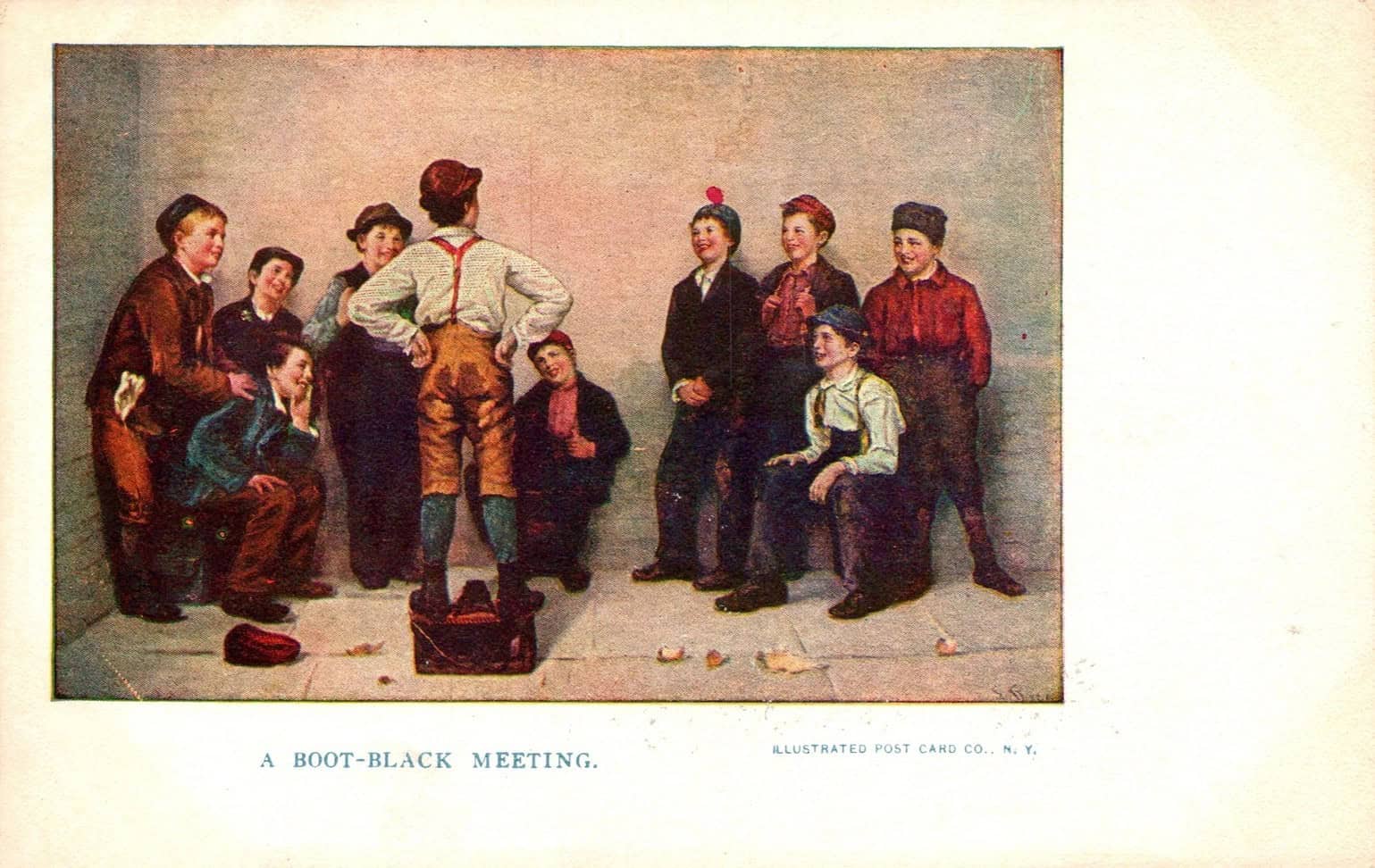
Shoe shining is one of humanity’s oldest and most charming attempts to convince the world we have our lives together. Usually the job is relegated to young boys and very old men, a freshly polished shoe says, “I am a responsible adult,” even if the rest of your outfit screams, “I got dressed in the dark.” Across the globe, this humble craft takes on wildly different forms, most practical, others ceremonial, and some that feel like they belong in a travel documentary narrated by a man with an unnecessarily dramatic voice.

Let’s begin with the United States, where shoe shining is often associated with classic barbershops. Here, the shine is part of a full grooming ritual: haircut, beard trim, and finally, a buff so glossy you may be blinded it you dare to sneak a glance. The American shoe shiner is a conversationalist, philosopher, and therapist rolled into one. You sit down for a shine and stand up with polished shoes and unsolicited life advice about your career, your love life, and your questionable choice of socks.
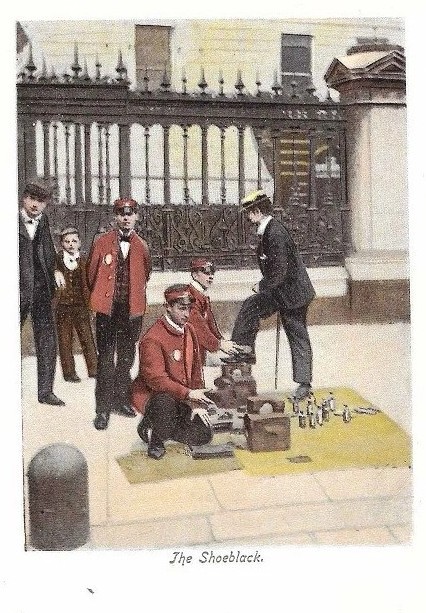
Hop across the Atlantic to the United Kingdom, where shoe shining is treated with the seriousness of a royal ceremony. British polishers approach the task with military precision. There are rules, techniques, and possibly a secret society dedicated to achieving the perfect “mirror shine.” A British shoeshine kit contains more tools than a small hardware store: horsehair brushes, welt brushes, polishing cloths, creams, waxes, and something called “edge dressing,” which sounds like a salad topping but is apparently essential. The result is footwear so immaculate that even the King’s guard would nod with approval.
Meanwhile, in Italy, shoe shining is less a chore and more an art form. Italian cobblers don’t just shine shoes—they resurrect them. A scuffed leather loafer enters the shop looking like it survived a street fight; it leaves looking ready for a runway in Milan. Italians polish with flair, flourish, and possibly a bit of opera in the background. If your shoes don’t sparkle afterward, it’s only because you blinked at the wrong moment.
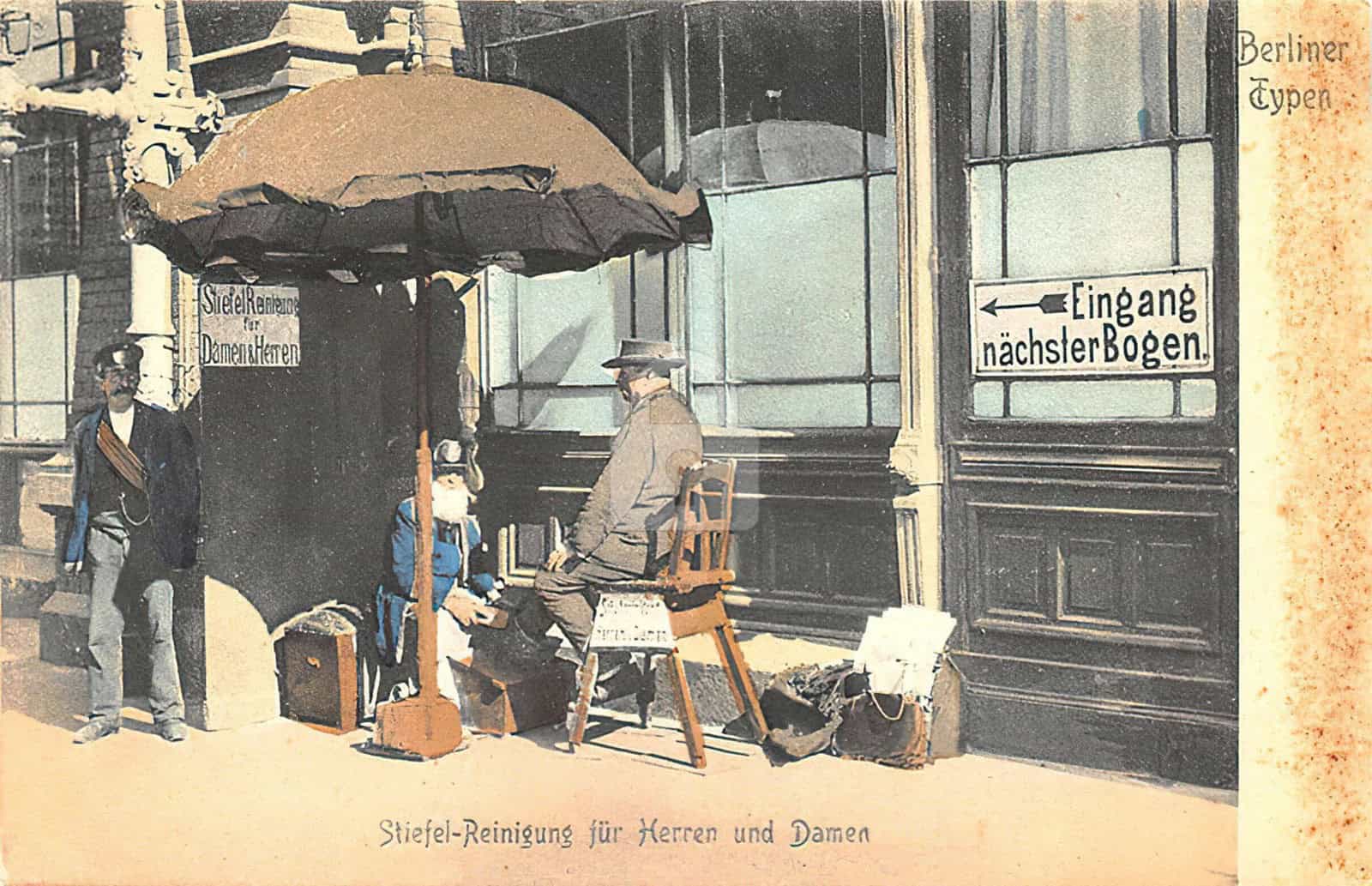
Now let’s swing up to Germany, where shoe shining is approached with the same engineering mindset that brought the world precision automobiles and alarmingly efficient trains. Germans don’t just shine shoes—they optimize them. A German shoeshine station is a temple of order: neatly arranged brushes, perfectly aligned tins of polish, and a cloth folded so crisply it could pass military inspection. The shine itself is methodical, consistent, and built to last. If a German shoe shiner tells you your shoes will stay polished for three weeks, you believe them. They’ve probably run tests.
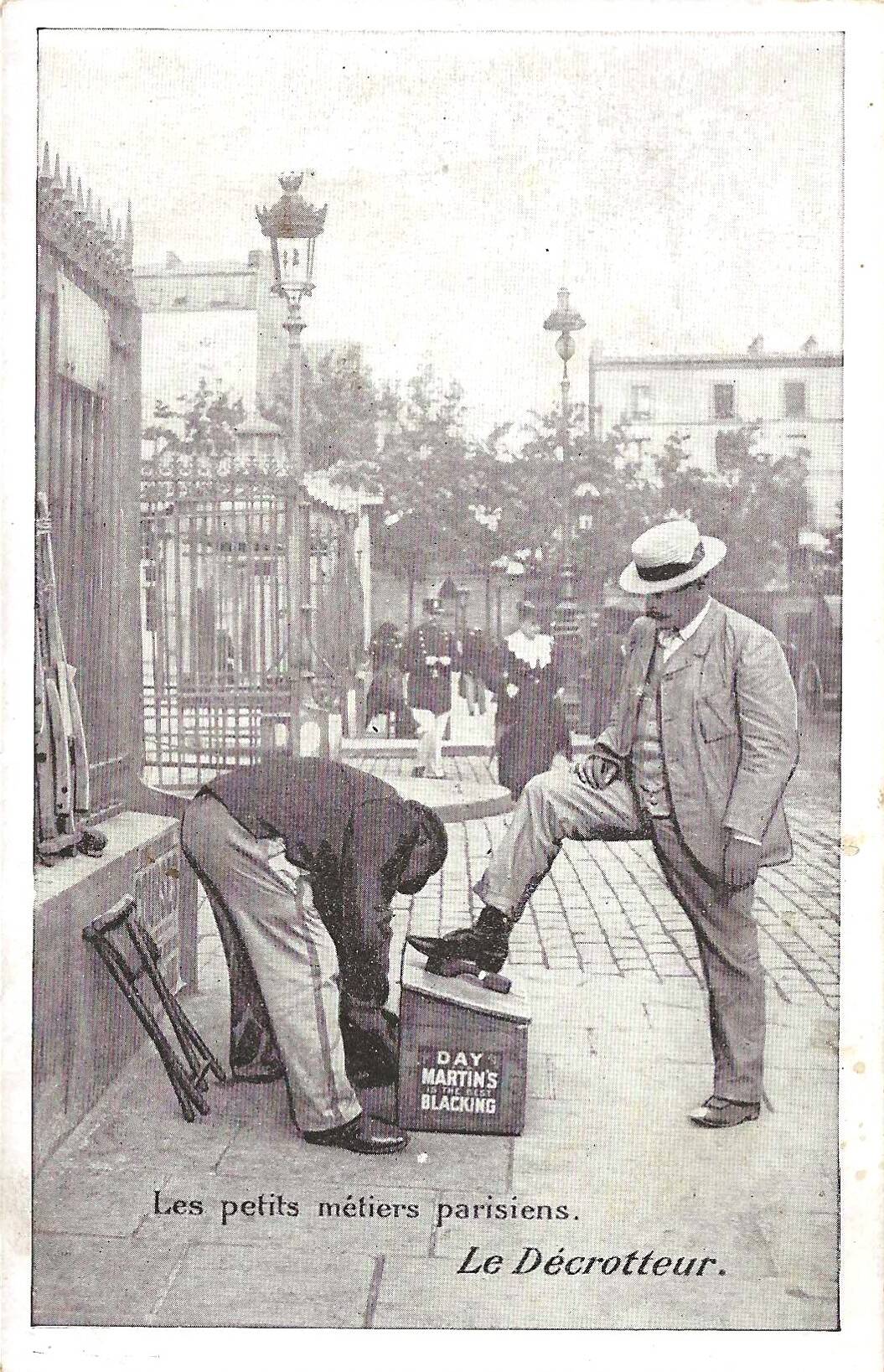
And then there’s France, where shoe shining is infused with a certain effortless elegance. French polishers don’t rush; they coax the shine out of the leather the way a sommelier coaxes flavors out of a wine description. The process is slow, deliberate, and accompanied by a level of style that makes you wonder if you should have worn a nicer outfit just to sit there. When the shine is done, your shoes don’t just look good, they look “cultured.” They look like they can read poetry.

Travel farther east to India, and you’ll find shoe shiners who operate with astonishing efficiency. Armed with a wooden box, a brush, and a can-do attitude, they transform dusty footwear into gleaming masterpieces in under two minutes. It’s like watching a magic trick, except the rabbit is your shoe and the hat is a bustling train station platform. The speed is impressive; the shine is undeniable; the price is so low you feel morally obligated to tip generously.

And finally, Japan, where shoe shining has ascended to a near-spiritual practice. Master shiners spend hours coaxing a perfect glow from leather, using techniques passed down like ancient scrolls. They meditate on the shoe. They commune with the shoe. They achieve a shine so reflective you could use it to hail a Tokyo taxi.
Across cultures, shoe shining varies in style, speed, and philosophy, but the goal is universal: to make the world believe, even for a moment, that the world is a good place to be and be seen. And if that illusion starts at our feet, so be it. After all, a good shine can’t fix your problems, but it can help you walk confidently toward them.



These cards are an insight into their cultures, but the descriptions are poetic. I didn’t think shoe shining could be such fun.
Outstanding article!
A great example of the breadth of topics found on postcards, really, really interesting. I love the many countries represented, lovely postcards and great writing. Thank you for such a terrific article.