I love waterfalls and I have travelled thousands of miles to see them. Here are six of my favorites.
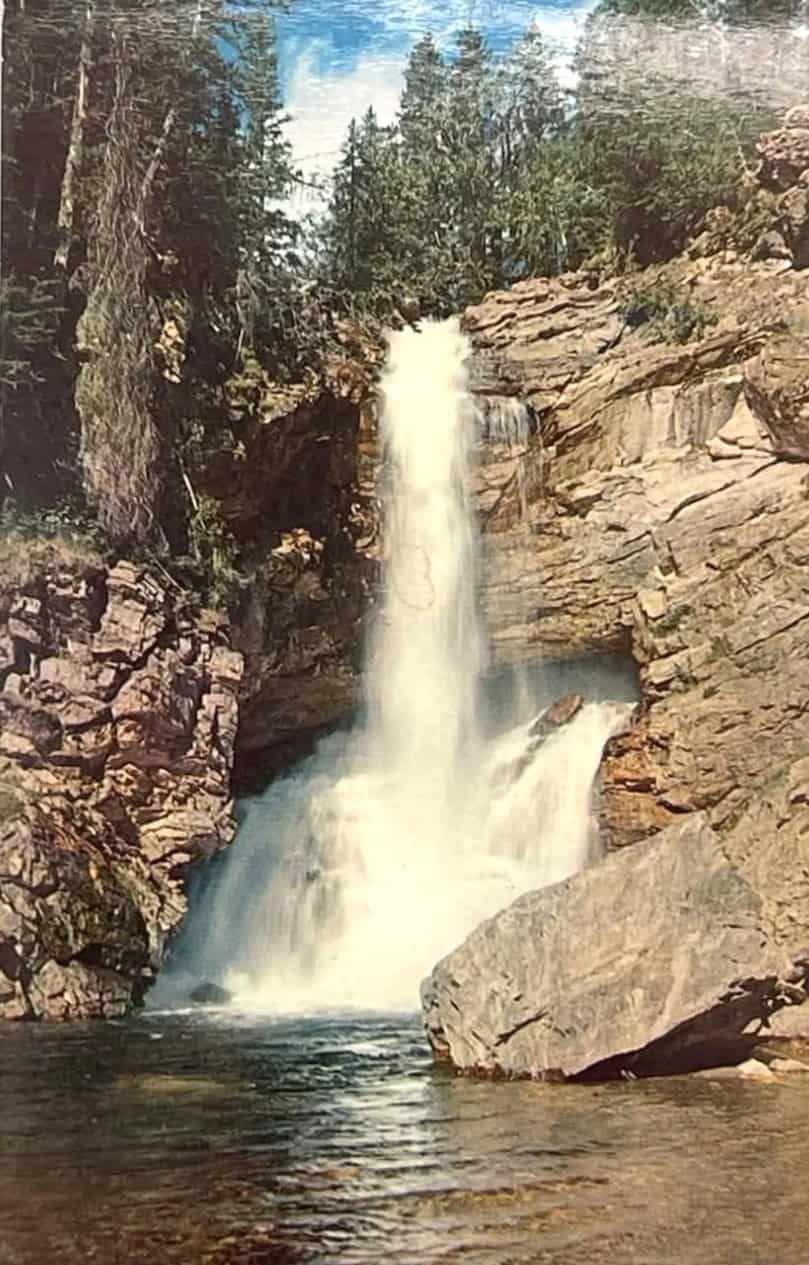
Running Eagle Falls, affectionately known as Trick Falls, is one of Glacier National Park’s most captivating wonders. It is in the Two Medicines region and draws visitors not only for its beauty but for the unusual hydrological phenomenon that gives it its nickname.
Unlike typical waterfalls that follow a single visible path, Trick Falls can appear to flow from two entirely different sources depending on the season, creating an illusion that has fascinated visitors for generations.
In spring and early summer, snowmelt swells the upper stream, sending water cascading over the limestone cliff in a classic waterfall display, but as the season progresses and water levels drop, something remarkable happens: the upper cascade diminishes, revealing a second waterfall emerging directly from a cave-like opening in the cliff face. This lower flow comes from underground channels carved through soluble limestone, a process known as karst erosion. To many visitors, it looks as though the water is pouring straight out of the mountain itself. This seasonal transformation is what earns Running Eagle Falls its “trick” reputation.
Beyond its geological intrigue, the falls carry cultural significance. Named after Running Eagle, a revered Blackfeet woman warrior, the site honors her legacy.
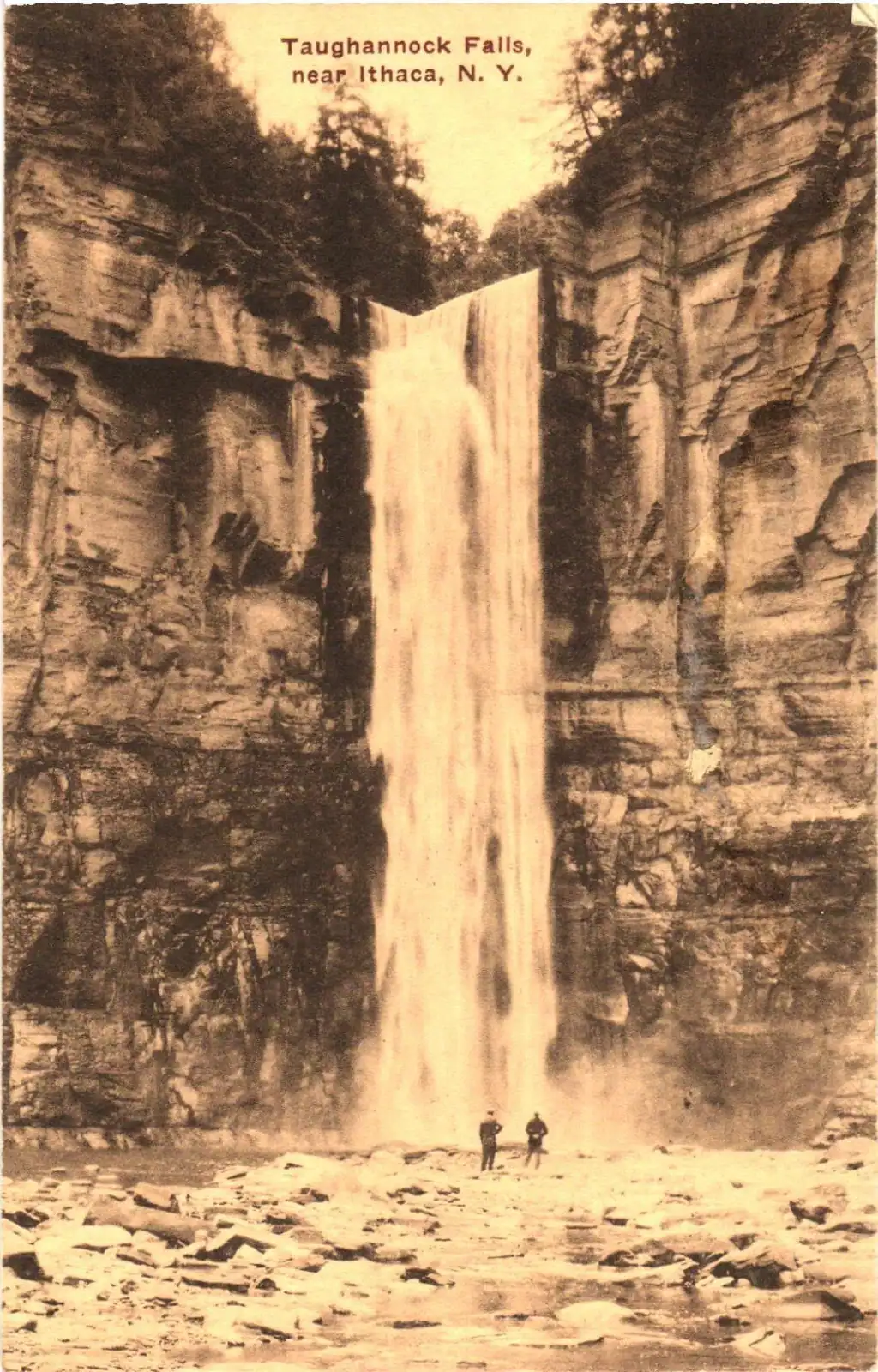
Taughannock Falls, just northwest of Ithaca, New York, is a natural landmark with a breathtaking plunge of 215 feet, it is recognized as the tallest single‑drop waterfall east of the Rocky Mountains. It is even higher than Niagara Falls, which is 165 feet.
This dramatic cascade is the centerpiece of Taughannock Falls State Park, a vacation destination in the Finger Lakes region that draws thousands of visitors every year.
The waterfall is framed by a gorge whose walls soar nearly 400 feet, carved over millennia through layers of sandstone, shale, and limestone. This geological history is visible in the striated cliffs.
The name “Taughannock” is believed to derive from an Algonquian word meaning “in the trees,” a fitting tribute to the dense forests that surround the gorge.
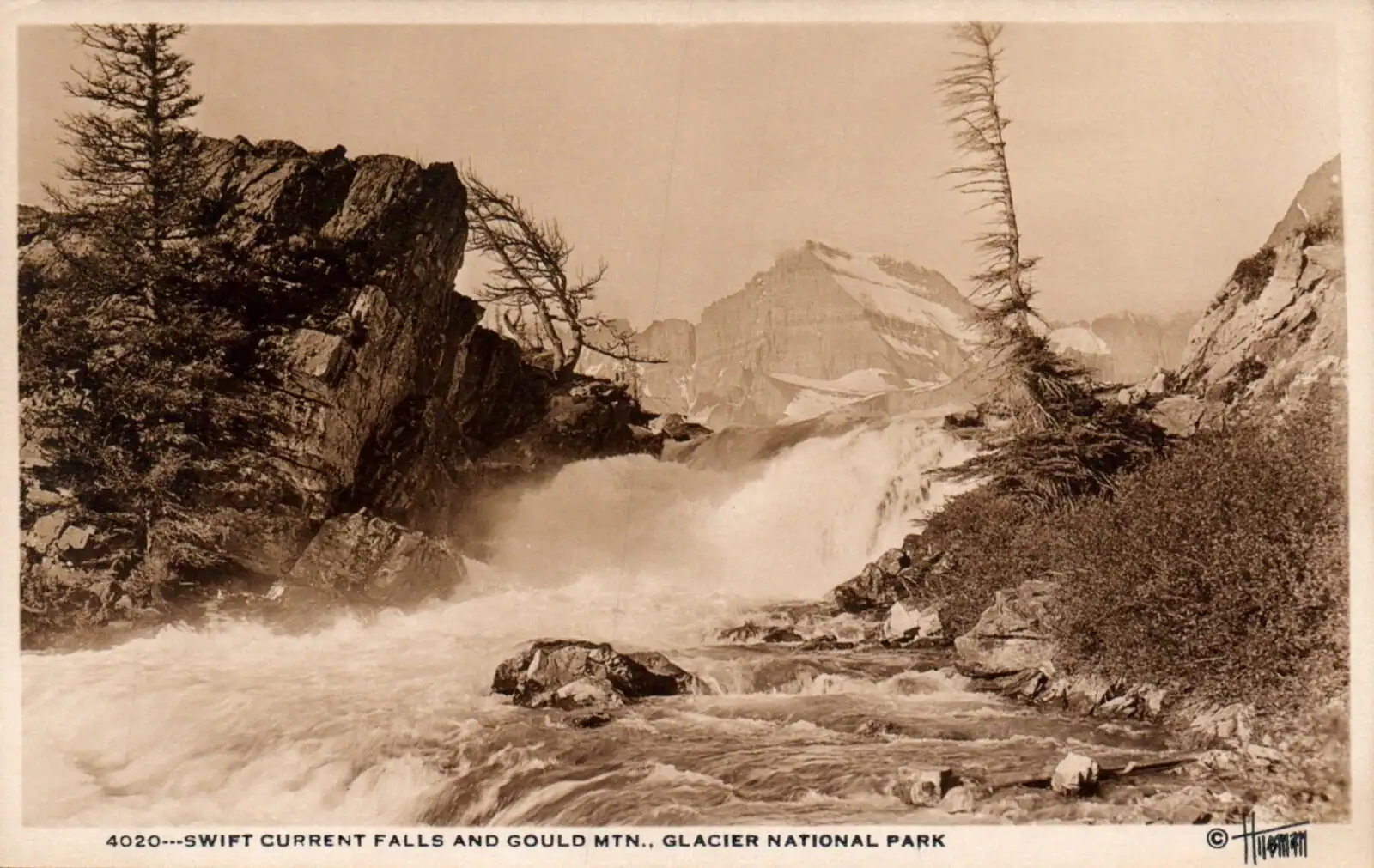
Swift Current Falls is tucked into Glacier Region of Glacier National Park. While it may not boast the towering drop of some other dramatic waterfalls,, its beauty lies in its layered cascades, powerful flow, and the breathtaking alpine scenery that surrounds it.
The outflow of Swift Current Lake, spills over a series of rocky ledges, creating a dynamic, rushing ribbon of water. What makes Swift Current Falls especially memorable is its setting. The triangular peak of Mount Grinnell rises sharply behind the falls, offering one of the most beautiful scenes in the park. The area is often compared to the Swiss Alps, and it’s easy to see why.
Visitors often agree that the best times to experience the falls are at sunrise or sunset, when soft light illuminates the water and mountains in warm golden hues.
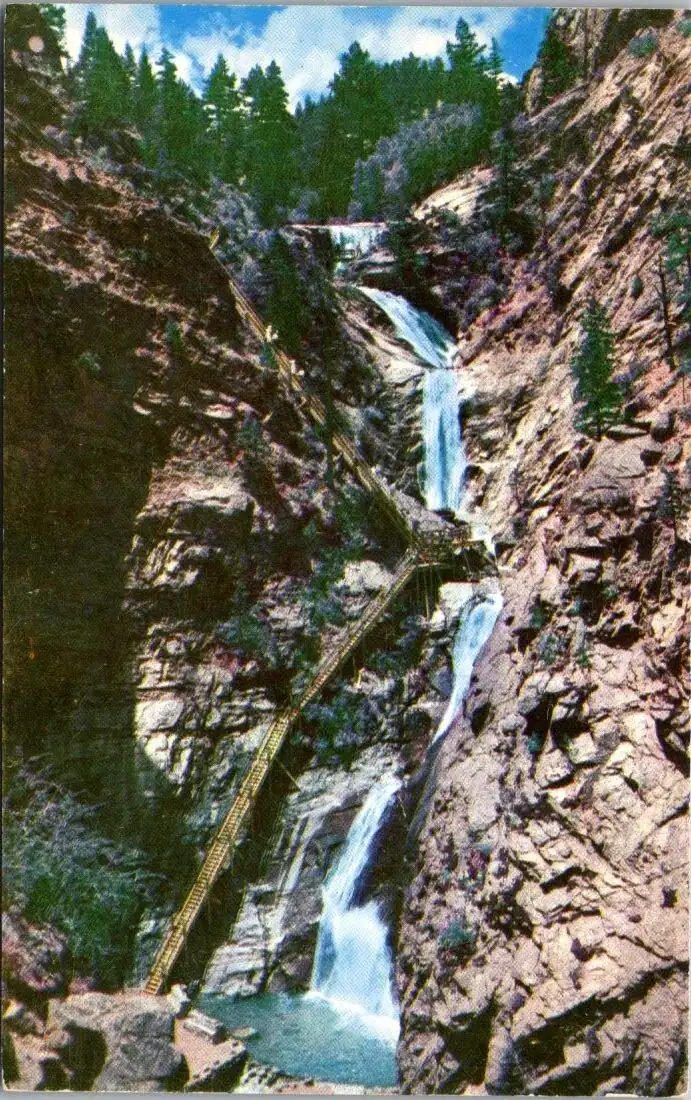
Seven Falls is one of Colorado’s most captivating natural landmarks. It is part of Colorado’s “Most Scenic Mile.” Tucked deep within South Cheyenne Canyon near Colorado Springs, Seven Falls is a dramatic series of cascading falls that has drawn visitors for more than a century.
Rising 181 feet from the canyon floor, the falls descend in seven distinct tiers—Ramona, Feather, Bridal Veil, Shorty, Hull, Weimer, and Hill—each carving its own path through ancient Pikes Peak granite.
The surrounding canyon walls soar hundreds of feet overhead, creating a natural amphitheater that amplifies the roar of rushing water and frames the falls in breathtaking pink‑hued stone.
Long before it became a tourist destination in the late nineteenth century, entrepreneur James Hull recognized the area’s potential. It was Hull’s sons who built the first stairway to the top—an ascent that today requires climbing 224 steps, but rewards visitors with some magnificant views.
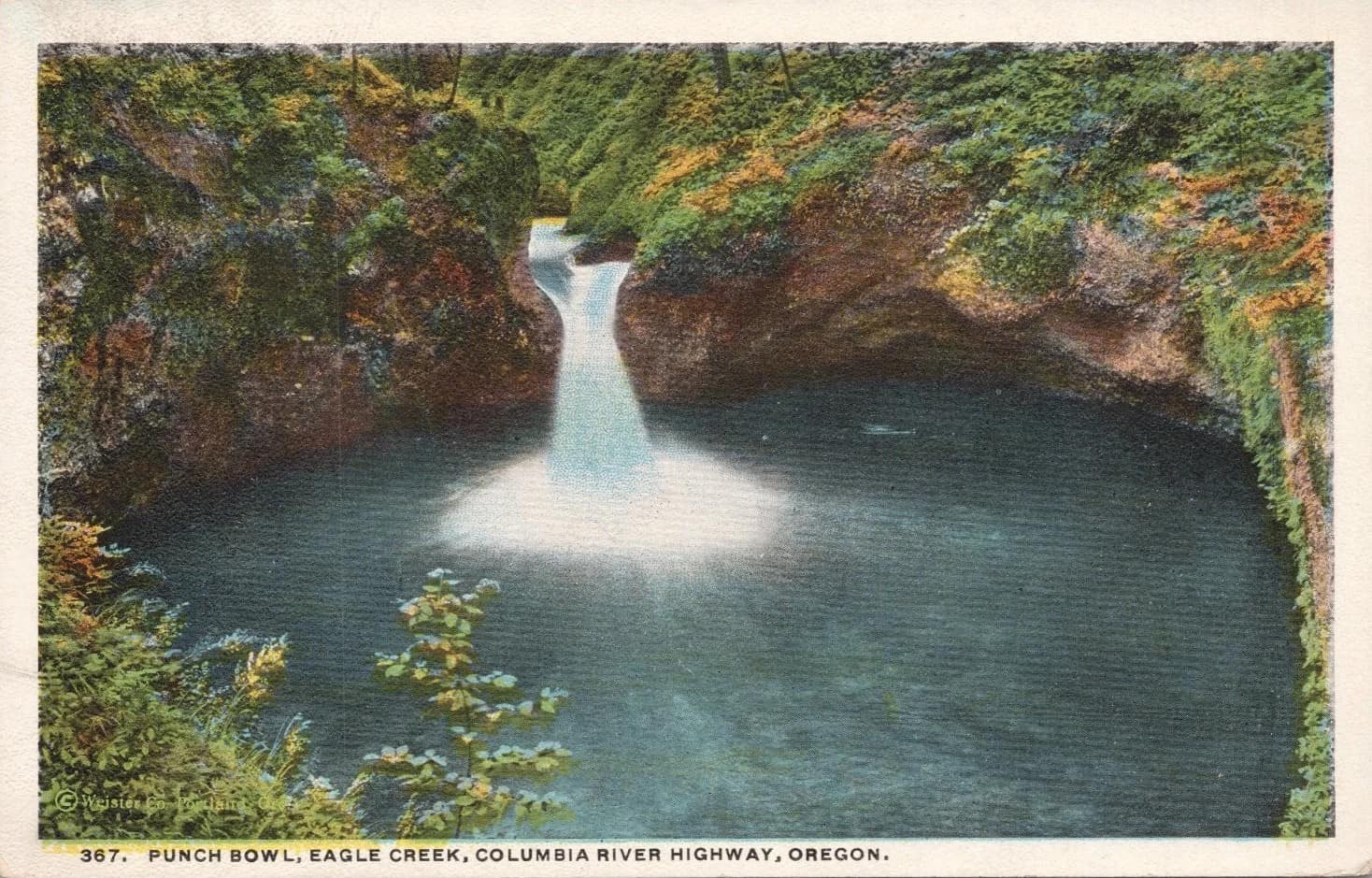
Punch Bowl Falls is deep in the mossy forests of the Columbia River Gorge
Its basalt bowl, emerald pool, and narrow canyon make it both a geological wonder as well as an often visited hiking destination.
Located along Eagle Creek, the falls is a notable example of the Pacific Northwest’s rugged beauty. The waterfall drops 35 feet into a perfectly rounded basin, a natural formation that inspired the term punchbowl waterfall. Fed by Eagle Creek, which carves through a narrow volcanic channel before plunging into the pool below, the falls embody the dynamic geological forces that shaped the Gorge.
Reaching the falls involves hiking the Eagle Creek Trail, a route celebrated for its lush vegetation and sheer cliffs.
Visitors encounter towering walls, find strange mosses, and hear the sound of rushing water long before the falls come into view. The destination has become one of the most photographed spots in the Pacific Northwest.
Beyond its visual appeal, Punch Bowl Falls offers insight into the Gorge’s natural history. What goes without mention is the much bragged about but never written about One Dip Society – an association that never collects dues and does not hold meetings. Becoming a member is easy: swim across the punch bowl. The pool is accessible and draws hikers, swimmers, and photographers alike during Oregon’s warm summer months.
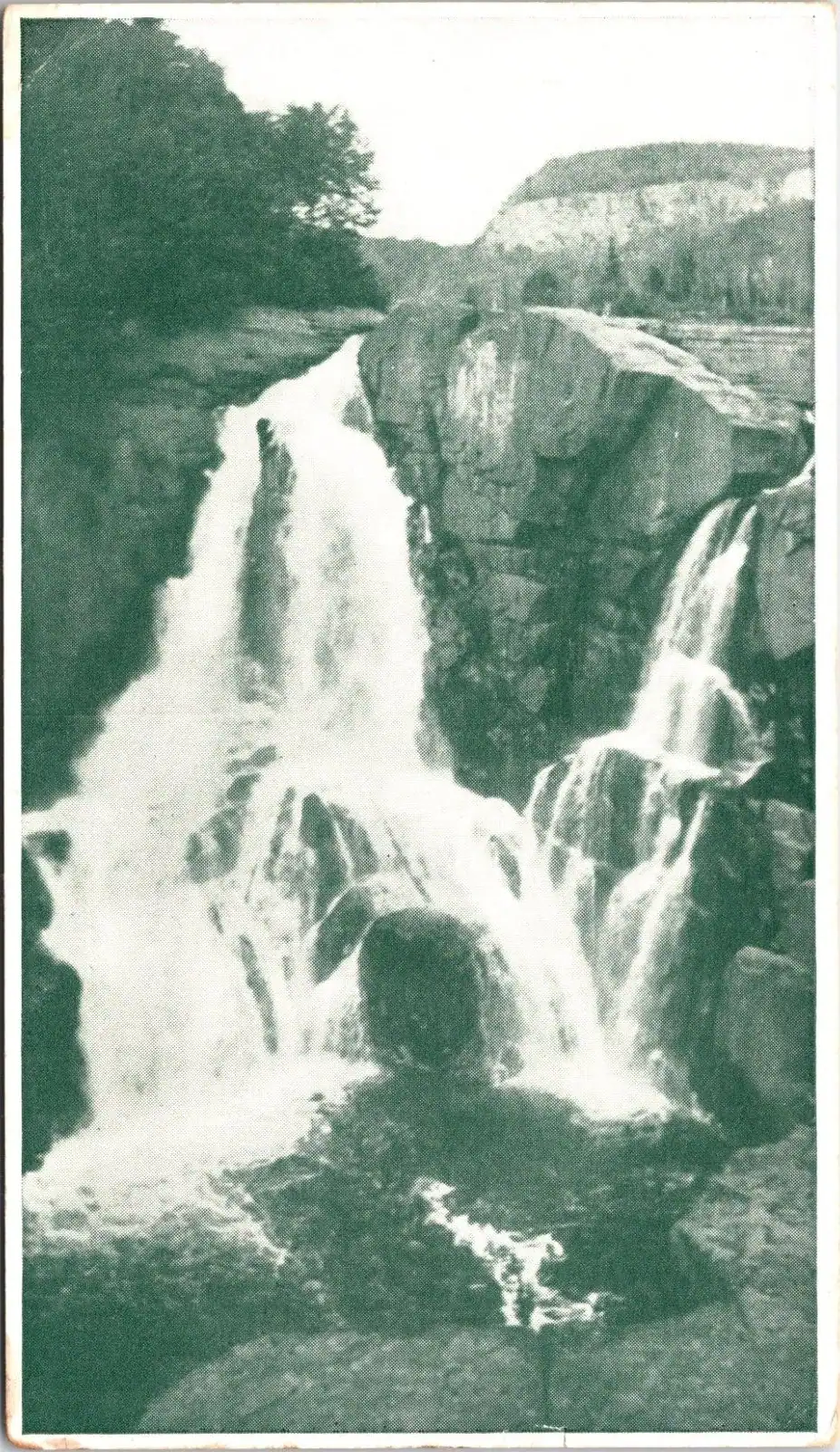
High Falls, along the Pigeon River
The water flowing over High Falls on the Pigeon River plunges an amazing 120 feet through rugged rocks and deep gorges along the international border between Minnesota and Ontario.
For centuries, this waterfall shaped the movement and culture of the region’s Indigenous people. The Anishinaabe who recognized the falls as an impassable barrier to canoe travel, established their own trail, known in English as the nine-mile Grand Portage, that allowed travelers to bypass the turbulent drop.
This route later became essential to the fur trade, linking Lake Superior to the vast interior waterways of North America.
Today, High Falls remains a place where natural wonder and history converge. Visitors can access the waterfall through Grand Portage State Park, where paved trails and viewing platforms make the experience accessible to nearly everyone. The waterfall’s location on the international border adds a unique dimension, offering views into both the United States and Canada.
Waterfalls are one of the many postcard categories I collect. I’m curious to know approximately how many waterfall postcards the author has.
Thank you, Iceland had some fantastic waterfalls.
Getting into 3633betentrar was a breeze! Super simple login process, no hassles. Ready to jump in and play? Check the site: <a href='[Link deleted]