There was a time—not so long ago, although your grandmother’s aching back muscles would disagree—when the humble washboard was the undisputed monarch of laundry day. It stood proudly in basements, on porches, and beside rivers, a corrugated champion of cleanliness. Today, however, the washboard has slipped into near‑mythical obscurity, spotted only in antique shops, bluegrass bands, and the occasional hipster café that thinks “vintage laundry chic” is a viable décor theme.
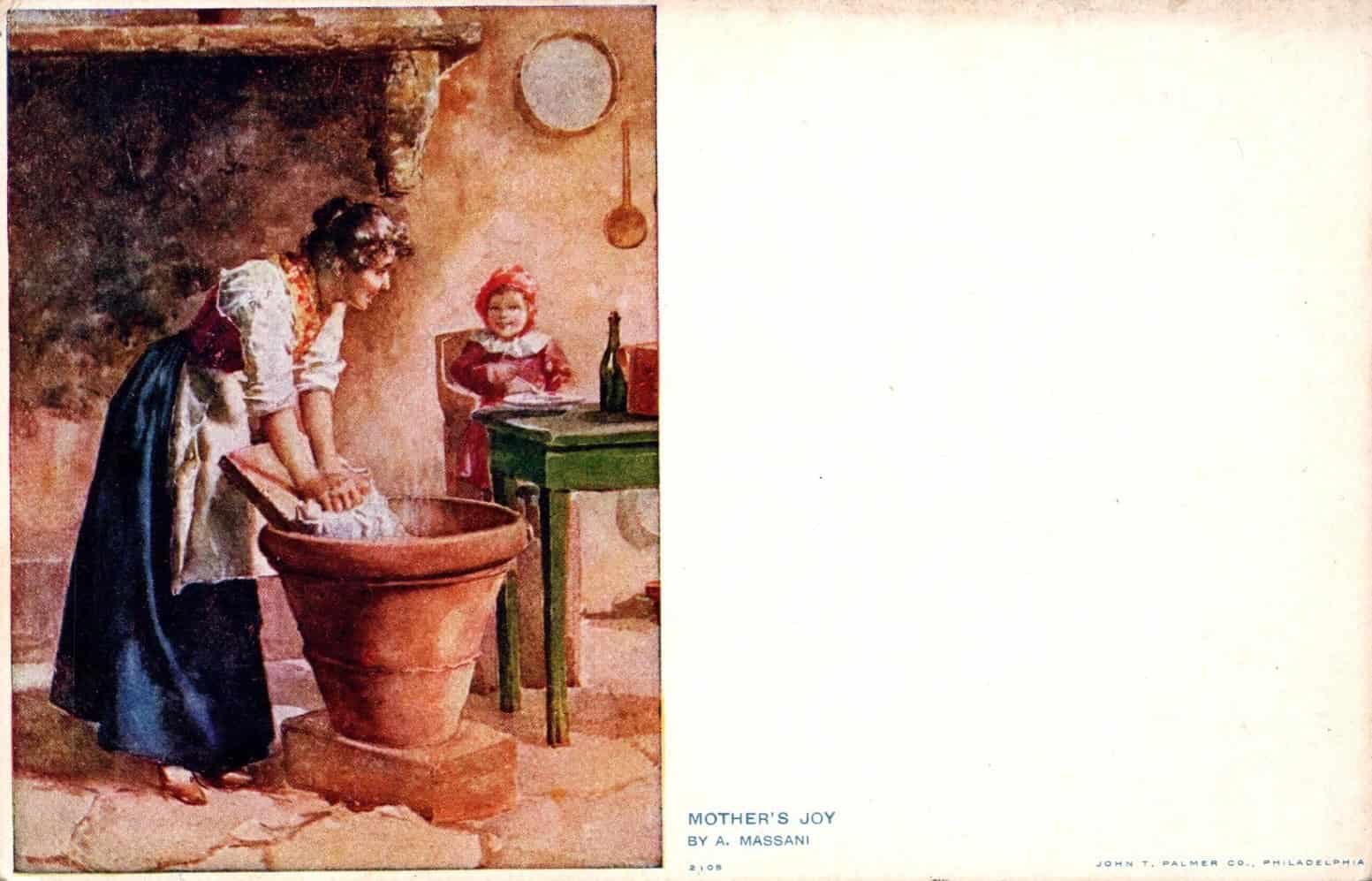
Why don’t washboards ever get invited to fancy parties?
Because they always “aire” their dirty laundry.
So, what happened? How did this once‑essential household tool become rarer than a teenager who folds his own laundry?
A washboard walks into a bar and the bartender asks, “What’s wrong with your face?”
The washboard replies that he was air dried and the iron is broken.
To understand the washboard’s decline, we must first appreciate its original glory. The latest iterations of the washboard took shape in the early nineteenth century, but its roots stretch back much further. The earliest versions were simple wooden boards with carved grooves, used across Scandinavia, medieval Europe, and central Asia. Each region made improvements in the laundry process that started with pounding clothes with sticks on river rocks. The washboard was simple, sturdy, and required nothing but elbow grease and a willingness to splash soapy water everywhere. It was the perfect device for anyone who wanted to combine household chores with the fun of playing in water. Scrubbing socks against a ribbed metal sheet can easily sculpt flexor muscles and triceps and biceps muscles into weapons.
A major turning point came in 1833, when Stephen Rust of New York patented a washboard featuring fluted metal sheets of tin, iron, copper, or zinc, which dramatically improved the scrubbing process.
Rust’s washboard is widely considered the first clear patent for a metal washboard and marks the beginning of the classic design we recognize.
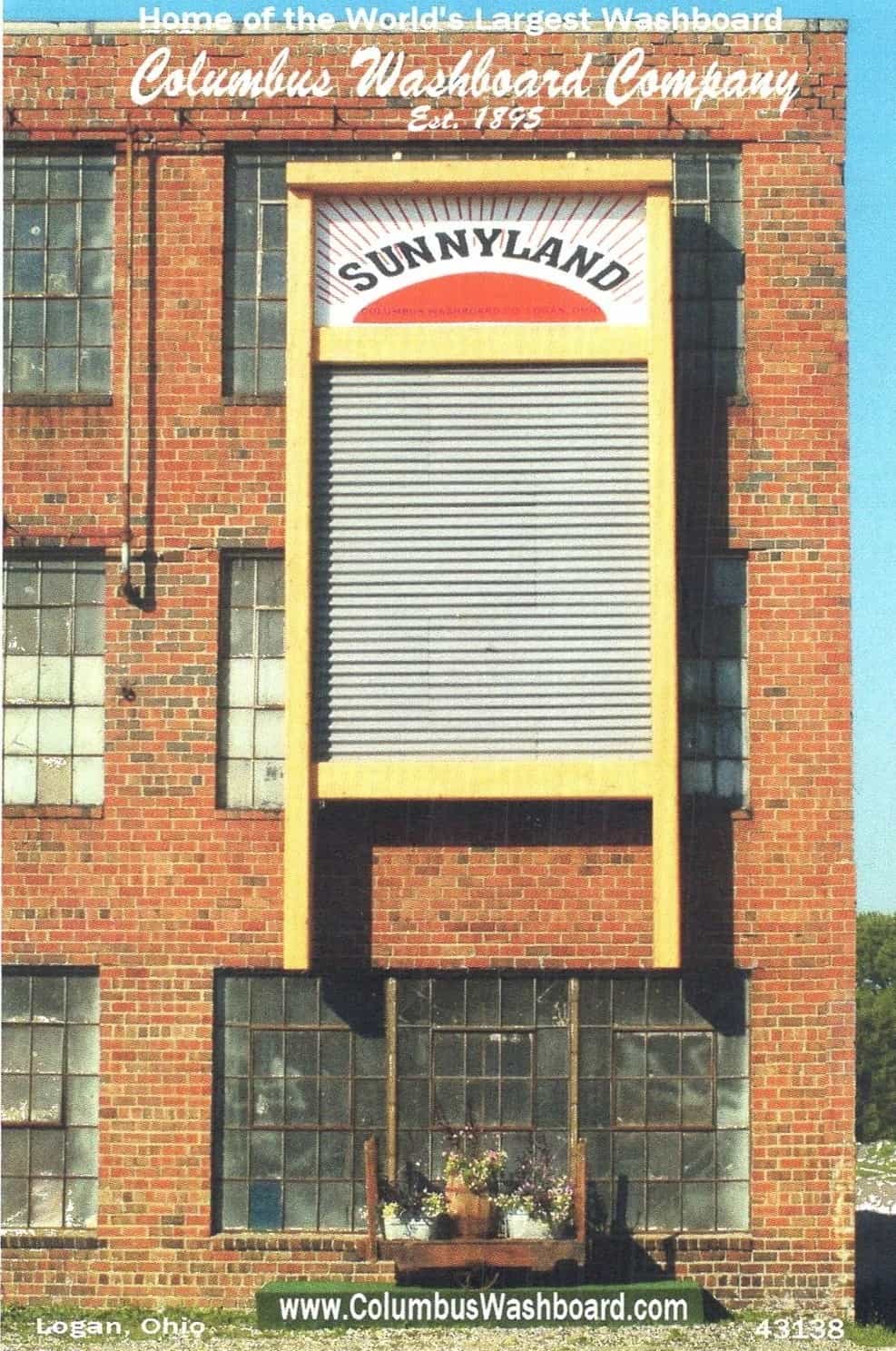
By the mid‑1800s, washboards were mass‑produced in wood, zinc, and later galvanized steel, becoming a staple of household laundry work. They remained common until washing machines took over.
The twentieth century washing machine was a technological marvel that promised to liberate humanity from the tyranny of hand‑scrubbing. And like any invention that offers to do your chores for you, it was welcomed with open arms.
Suddenly, the washboard found itself demoted from “indispensable tool” to “rusting rectangle leaning against the cellar wall behind the water heater.”
Of course, washboards didn’t disappear entirely. They found a second life in music, proving that even laundry equipment can reinvent itself if it tries hard enough.
What’s a washboard’s favorite genre of music?
Anything with a good rub-a-dub dub.
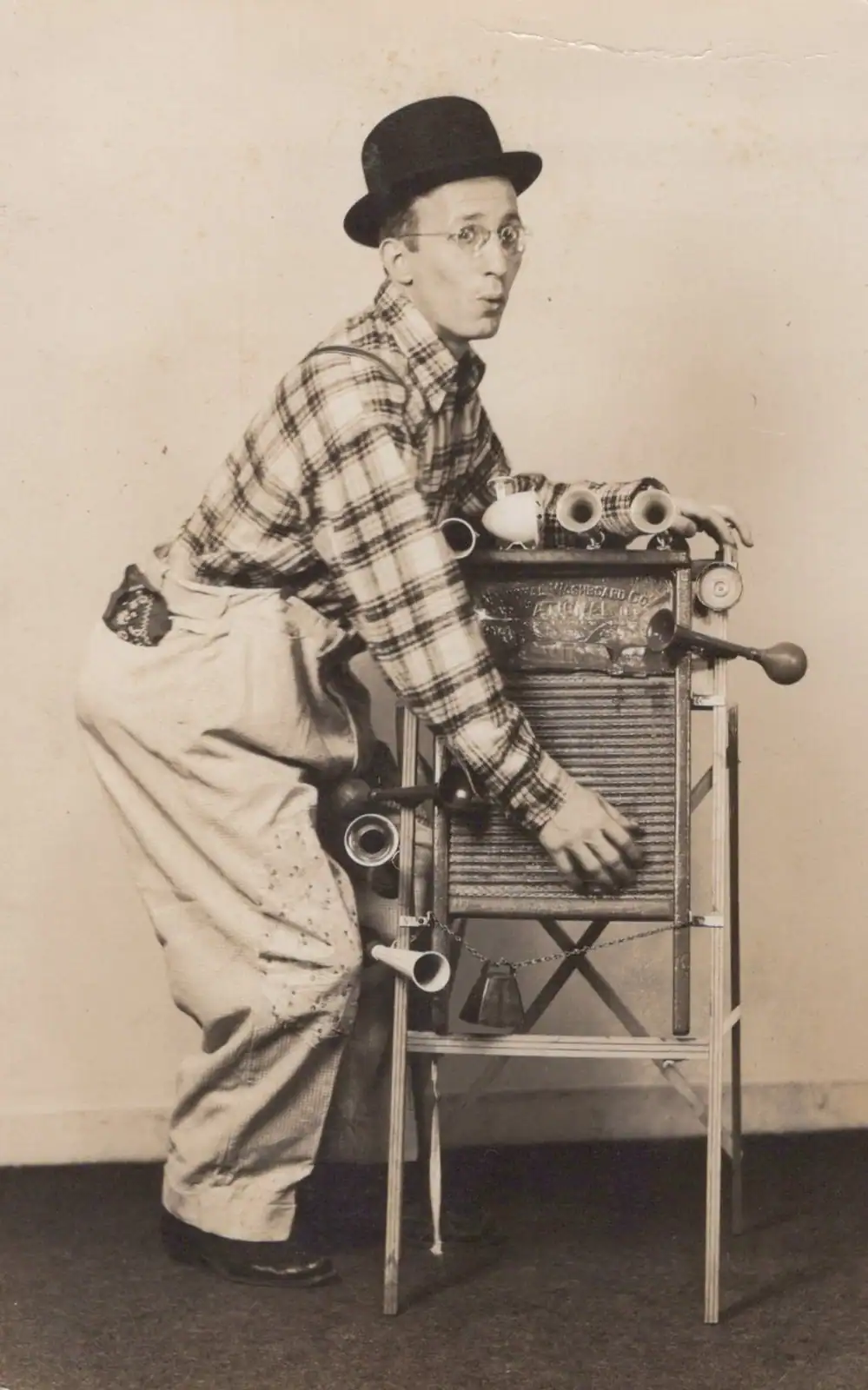
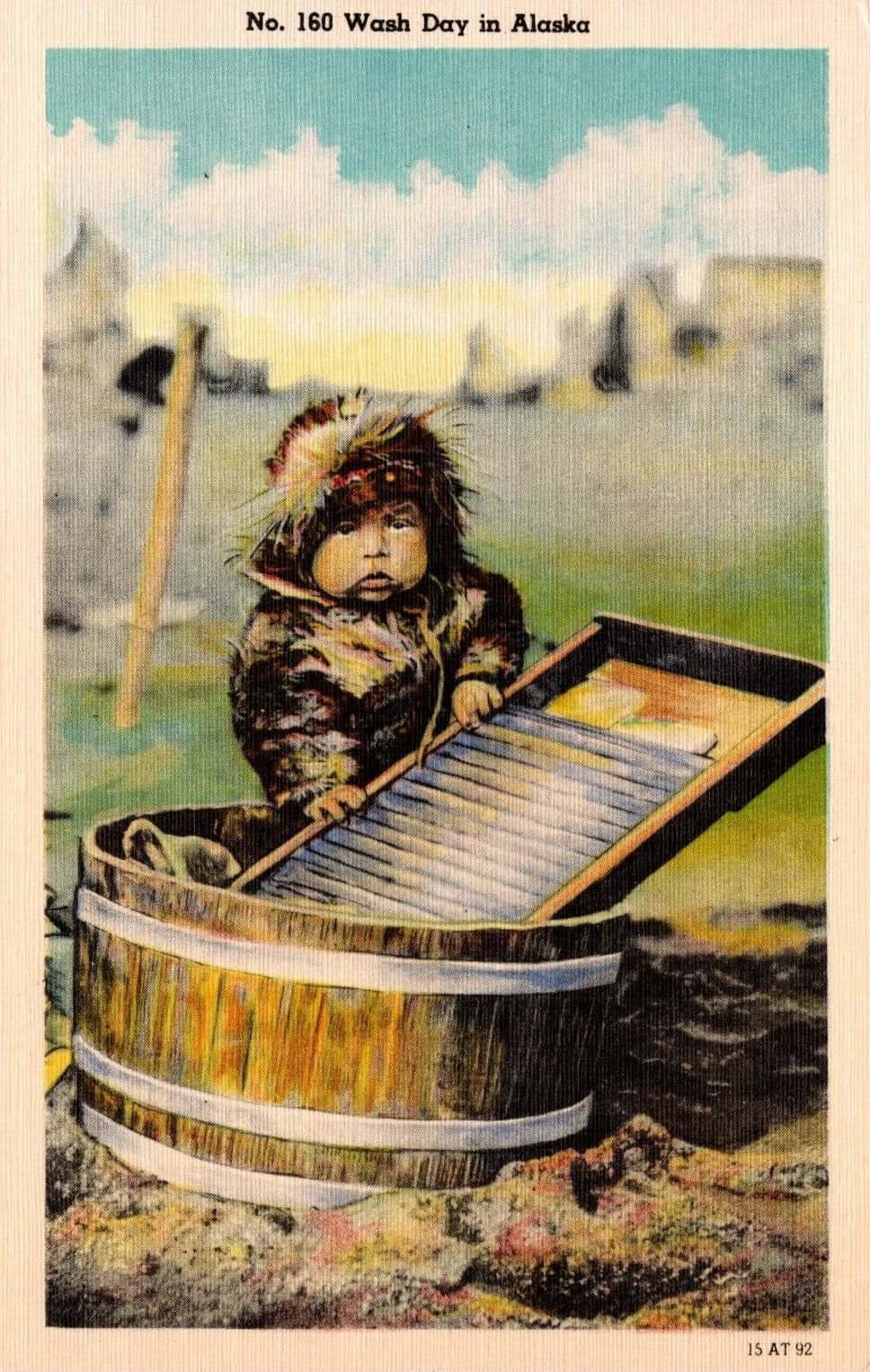
In the hands of a skilled musician, a washboard becomes a percussion instrument capable of producing rhythms that make you want to dance, clap, or at least tap your foot while wondering why your laundry never sounded this exciting.
Still, despite this musical renaissance, the washboard never regained its household prominence. Modern consumers prefer appliances that beep, spin, and occasionally sing cheerful jingles when they’re finished. A washboard, by contrast, offers no buttons, no LED display, and no “delicates” cycle. It is unapologetically analog, which is charming until you realize it expects you to provide all the power.
There’s also the matter of convenience. Today’s laundry detergents promise to remove stains with minimal effort, often while smelling like lavender fields, tropical breezes, or “mountain rain.”
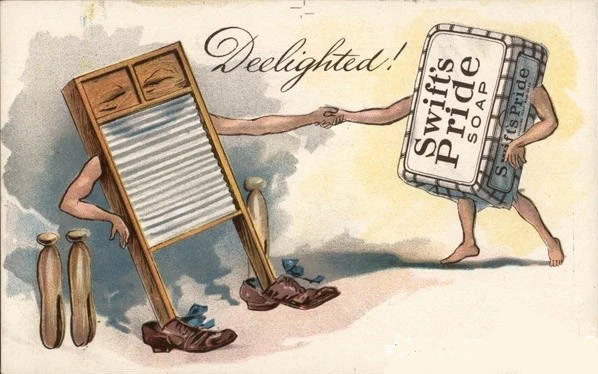
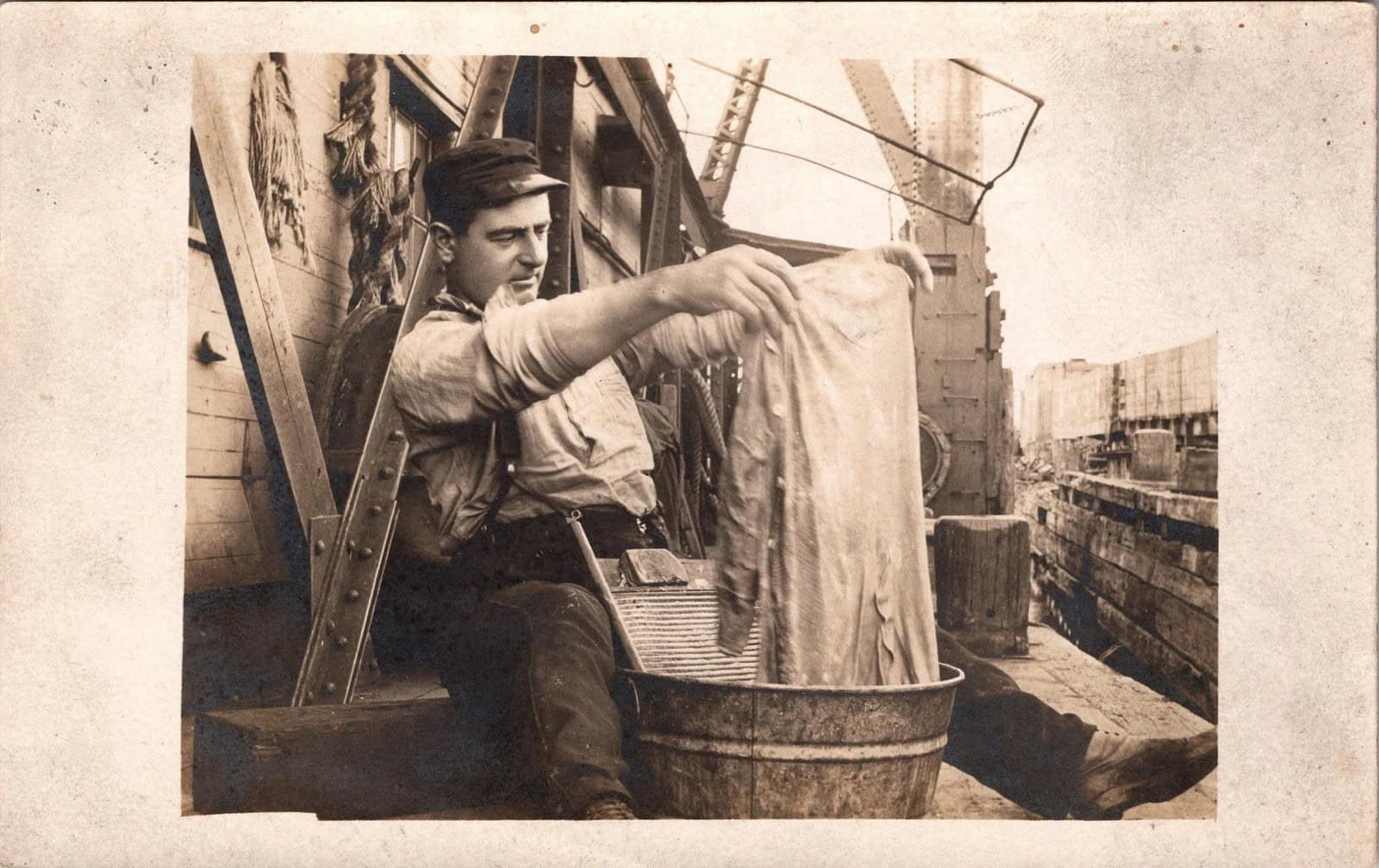
The washboard, meanwhile, offers a scent best described as “wet metal and regret.”
And yet, there’s something undeniably admirable about the washboard. It represents a time when people confronted dirt head‑on, armed with nothing but determination and a willingness to splash water everywhere.
It’s a symbol of resilience, resourcefulness, and the ability to multitask by washing clothes while simultaneously exfoliating your knuckles.
There once was a washboard and laundry tub that were ‘going steady.”
One day the tub told the washboard she was breaking up with him. She said,
“I need more space — you’re too clingy.”
So the next time you see a washboard hanging on a wall or being played in a band, give it a nod of respect. It may no longer rule laundry day, but it had its moment—and it scrubbed that moment clean.
Thanks for the delightful article. Good humor and terrific postcards made a great start to my day.
Delightful!
I certainly enjoyed reading this article and all the jokes added to the fun. In my laundry room, i have an old washboard hung on the wall; an artist painted a scene of a lady hanging up her wash (another, almost gone task).