Bauman Clothing was a short-lived (just over a decade) New York manufacturer that was audacious enough to advertise their Wearpledge line of boy’s clothing as “insured clothes for boys.” The clothing brand was primarily available only in the late 1910s and early 1920s.
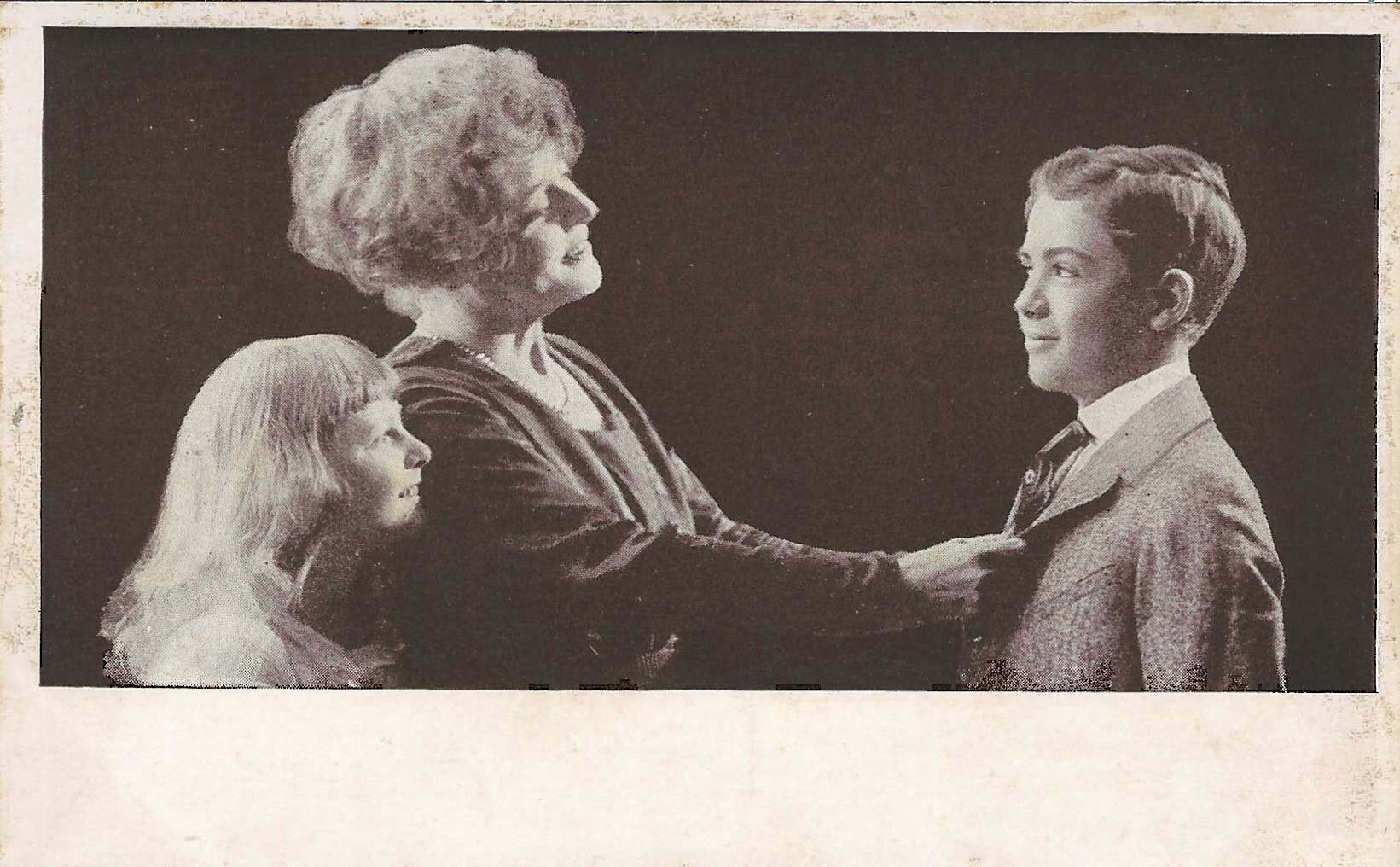
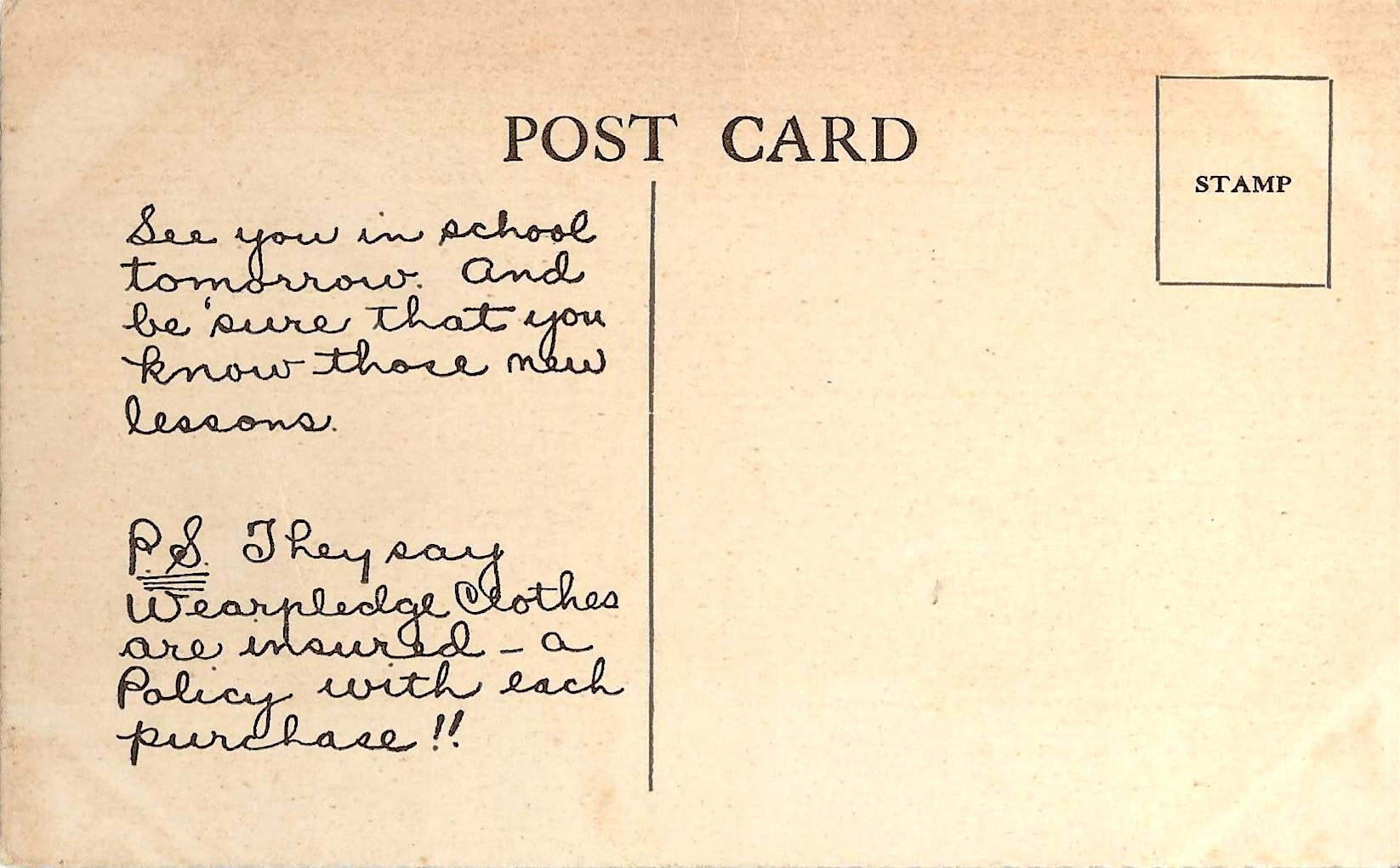
Bauman marketed its garments as being so durable that they could be guaranteed for their reasonable life, which was a bold claim, since those years were when boys’ clothing was expected to endure heavy wear. An easier claim to insure would have been “until the lad our-grows” the garment.
The brand advertised in major publications such as The Ladies’ Home Journal, newspapers like the New York Times and New York Evening World signaled its ambition to reach a national audience. After all it was a time when American families increasingly relied on mail‑order catalogs and national magazines for clothing purchases.
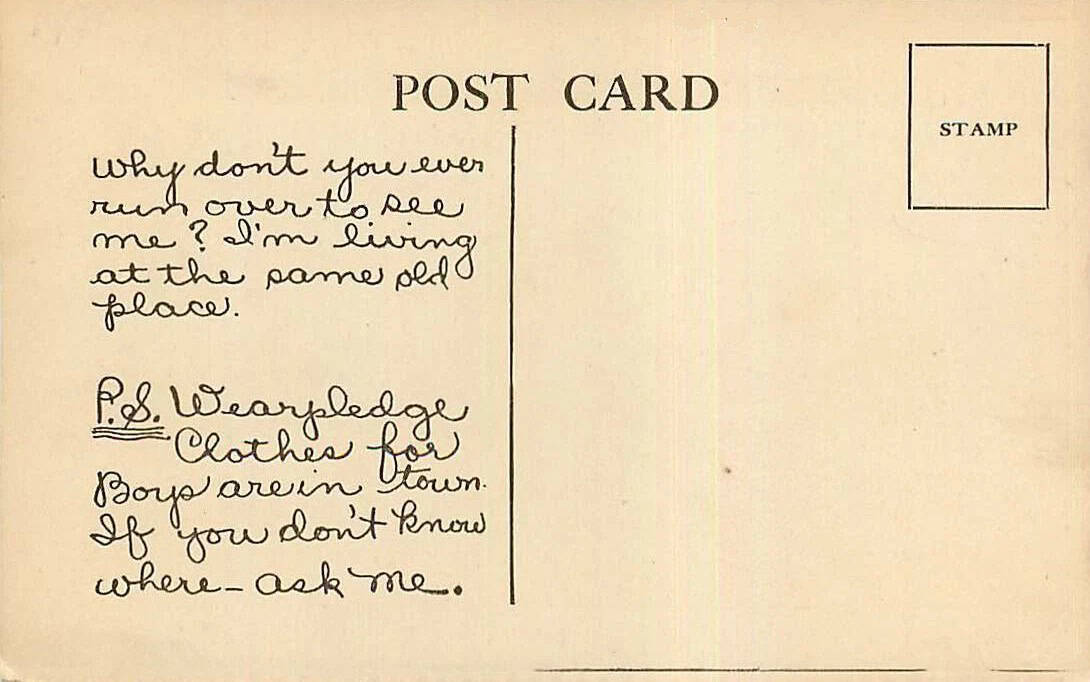
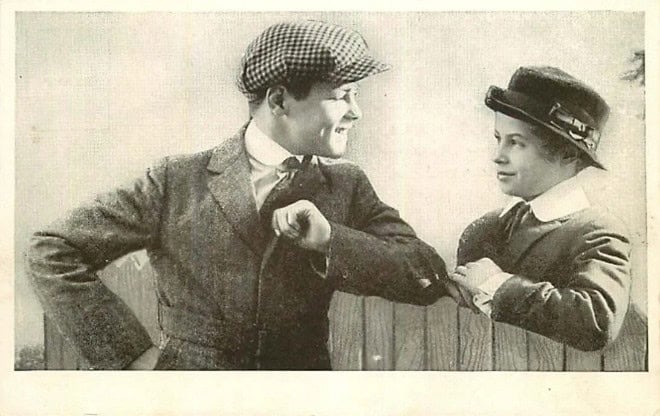
These ads emphasized durability, craftsmanship, and the idea that boys who were active, adventurous, and often rough on their clothes, deserved garments that could keep up with them. And, as advertised in the Sunday New York Times [August 31, 1919] every suit came with a belt of “Real Live Leather” that was strong and good looking.
Bauman Clothing positioned Wearpledge as a premium yet practical line for boys aged roughly 1½ to 18. The offerings included knicker suits, jackets, and overcoats, ranging in price from $12.95 to $19.95, and reflecting mainstream boys’ fashion of the day.
Knickerbocker suits, typically worn with long socks and sturdy shoes, were the standard for school‑age boys. Overcoats were common for middle‑class families, especially in colder climates, and Wearpledge marketed their products as both stylish and resilient.
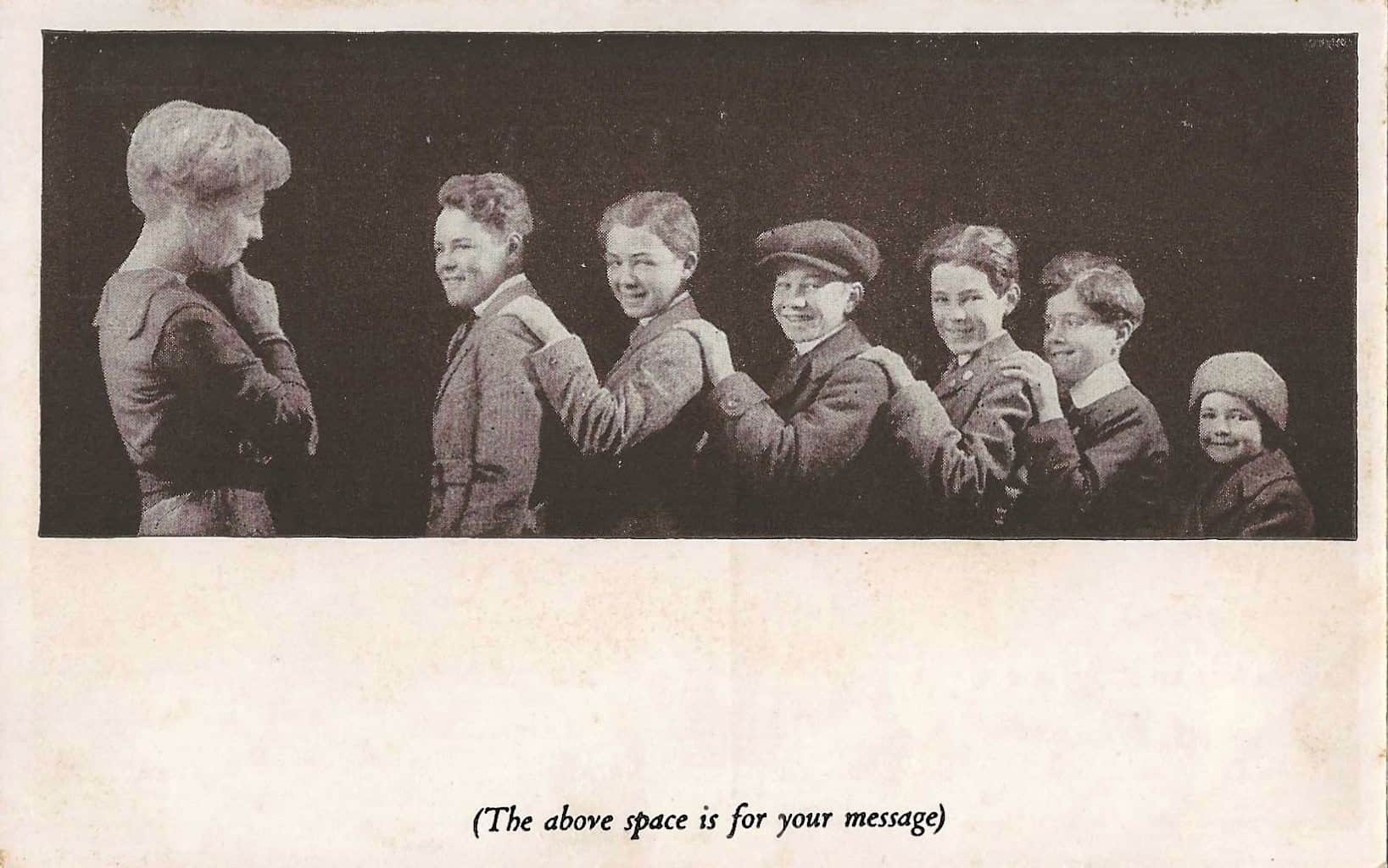
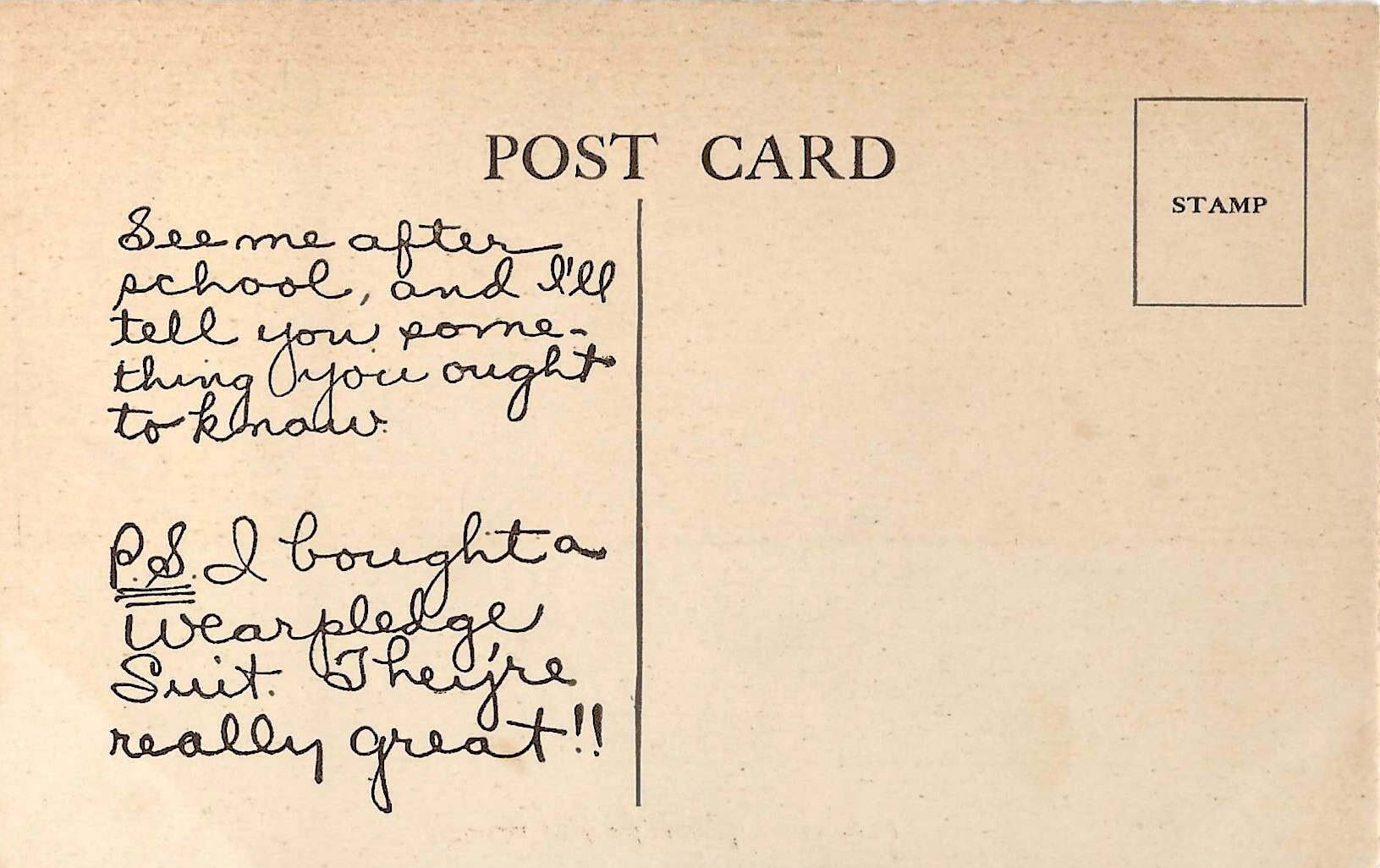
Their defining innovation was the warranty: if a garment failed prematurely, Bauman pledged to replace it. This approach set Wearpledge apart from competitors and reflected growing consumer expectations for quality.
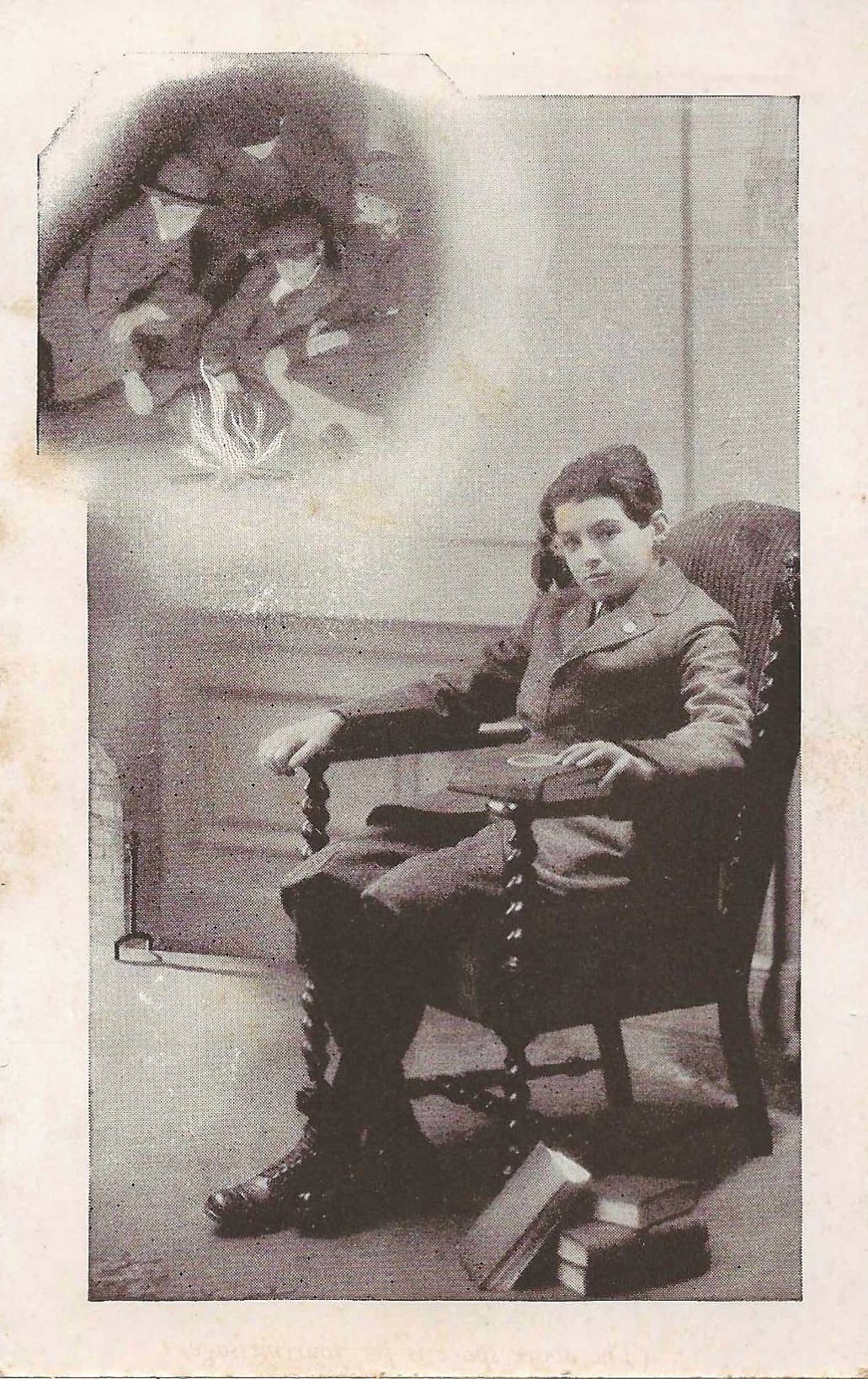
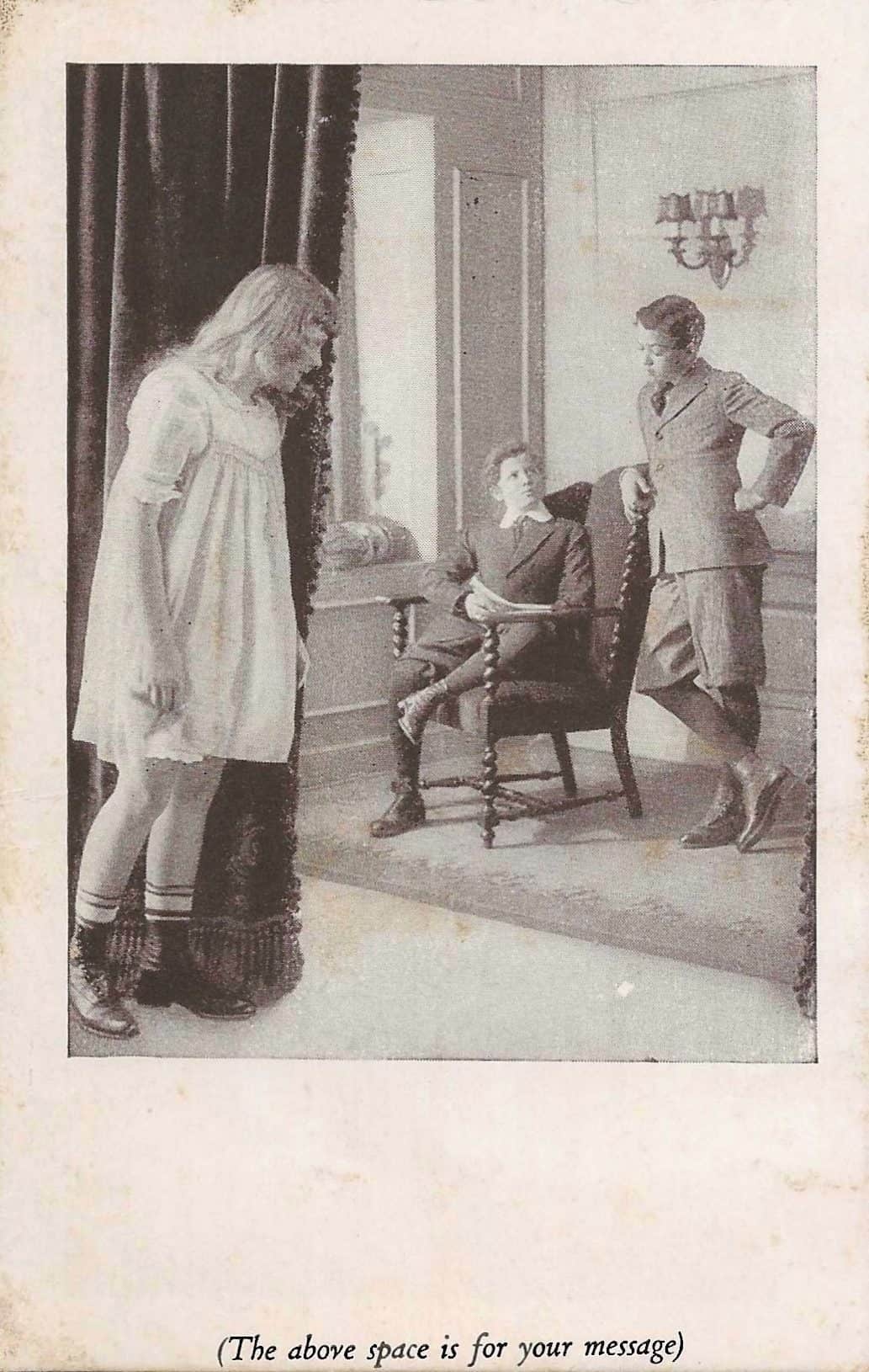
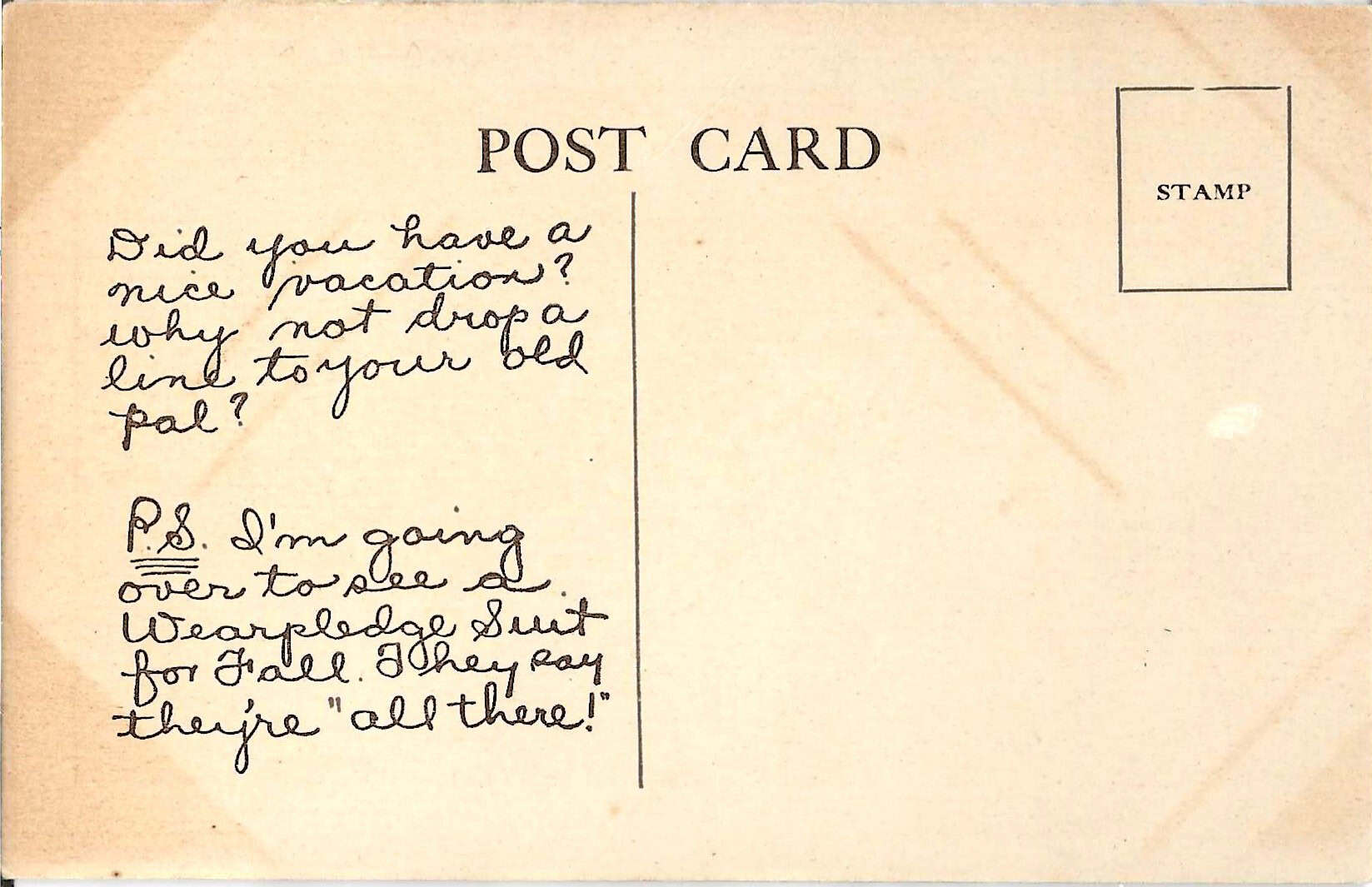
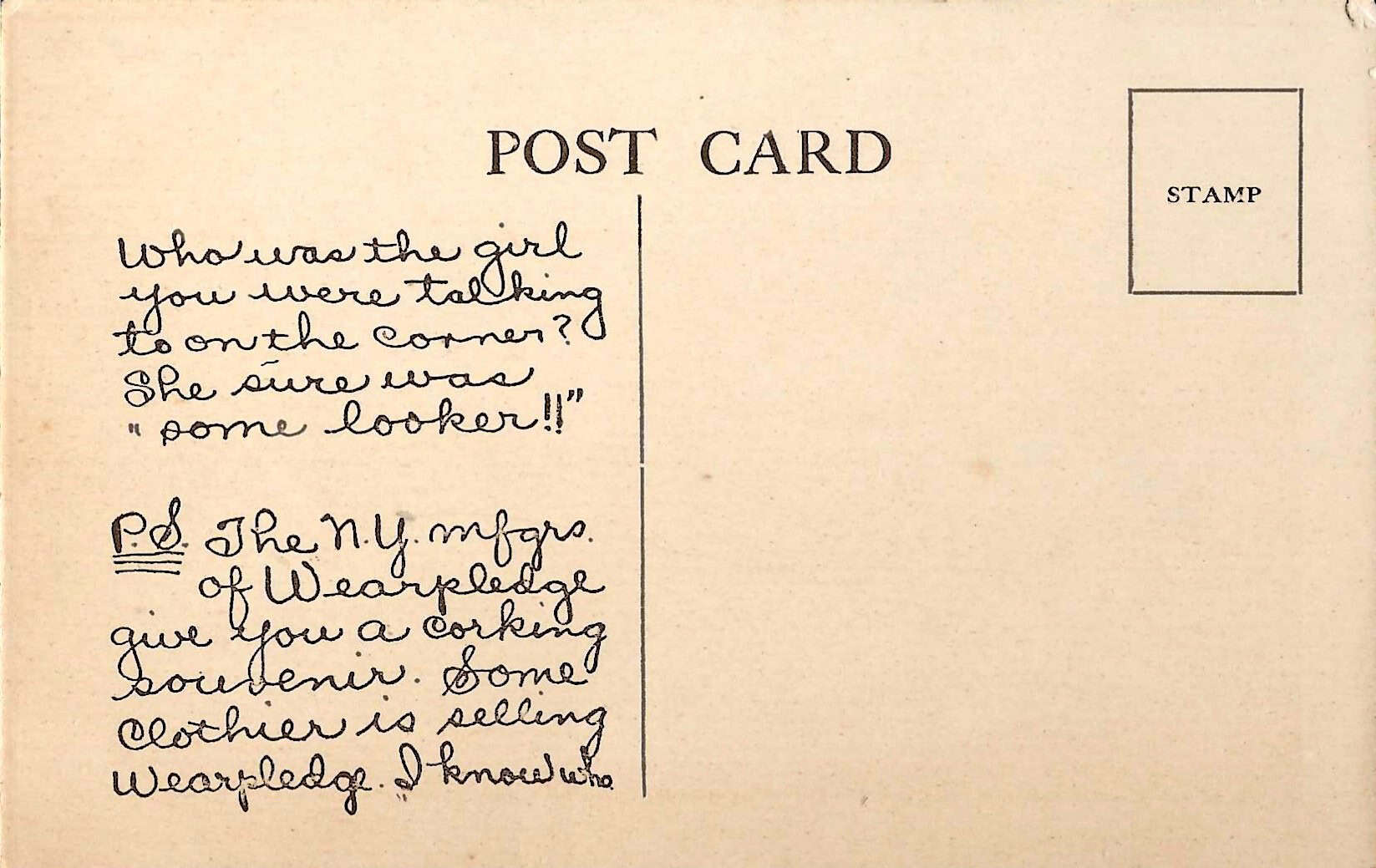
Wearpledge’s advertisements of the time show the brand using lively illustrations that were often humorous, sometimes moralistic, to appeal to boys directly. Postcards were also an advertising media of the Bauman concern. The most common set is the six-card set featured here that assured that Wearpledge clothing would warrant Mother’s admiring approval.
One 1920 ad depicted a boy attempting to steal from a blind man’s cup. It came with an invitation for readers to write a short story inspired by the illustration for a chance to win a watch. This blend of marketing, storytelling, and contest culture was typical of the era.
The company’s guarantee was a significant factor in its identity. A 1920 newspaper advertisement emphasized that Wearpledge was the first American boys’ clothing line confident enough in its construction to pledge its garments against unsatisfactory service. The ad stressed that only exceptionally well‑tailored clothing could withstand the “manifold activities of the ordinary boy,” reinforcing the brand’s durability narrative.
This warranty functioned both as a marketing tool and a statement of quality. At a time when mass‑produced clothing was still earning public trust, Wearpledge’s promise reassured parents that they were making a sound investment.
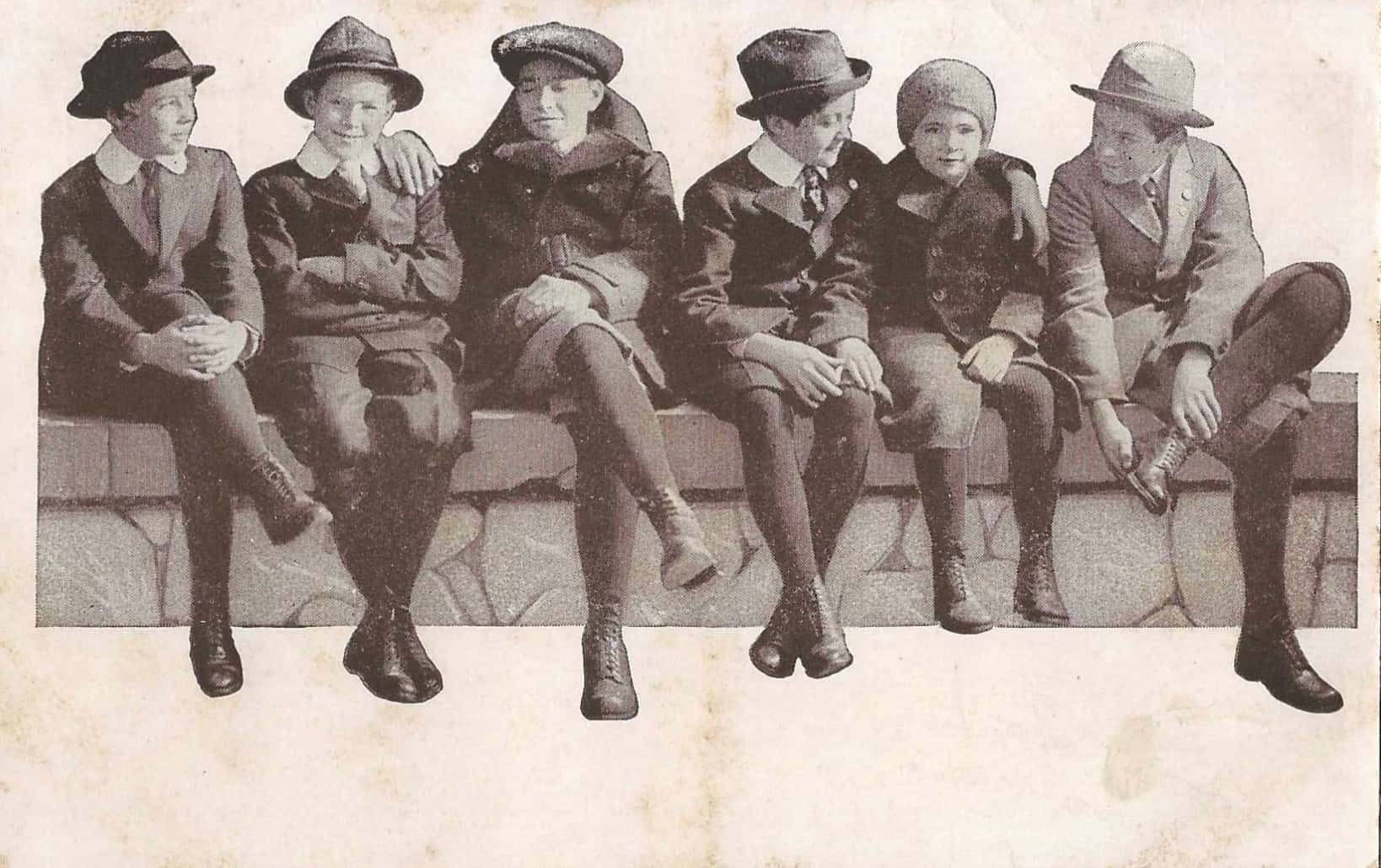
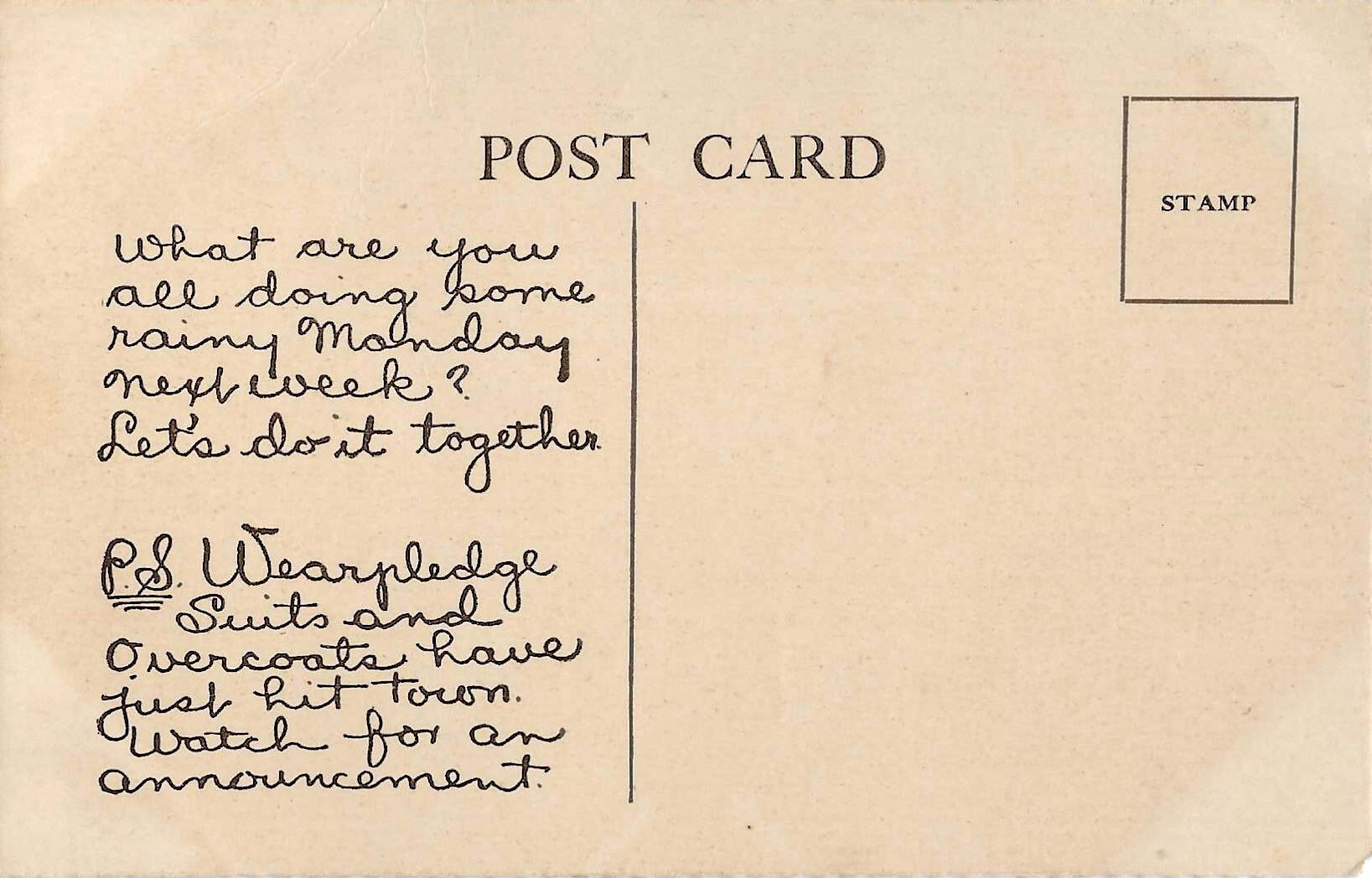
The Legacy of Wearpledge is found in the advertisements of the era; little documentation survives about the Bauman Company or the Wearplege brand in the years after the 1920s. The brand faded quickly after their heyday decade due to competition and changing fashion trends.
Still, Wearpledge occupies a distinctive place in early twentieth century American clothing history. It represents a moment when manufacturers experimented with bold guarantees using national advertising, and direct appeals to both parents and children—strategies that would later become standard.
I never saw these cards before, but they are quite interesting. Love the pictures of the clothes and the ads on the back.
What a great collection. I love advertising postcards. Thanks for introducing me to this brand. I will be on the lookout for these to add to my own postcard collection.
I have been playing around for a while now and finally found a site that actually pays out without making me jump through hoops. The deposit options are so flexible and I appreciate that they support local payment methods. Customer support is super responsive too, which gives me peace of mind when navigating the lobby. It really feels like a community that cares about its players rather than just chasing numbers. Give it a try and let me know what you think after your first deposit. f9999bet