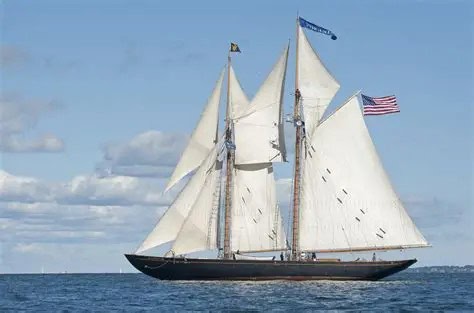
The “Henry P. Simmons” was a three-masted American schooner. The sinking of the Simmons is remembered as the most tragic shipwreck ever off the Outer Banks of North Carolina. The great storm of October 1889 is when the drama unfolded.
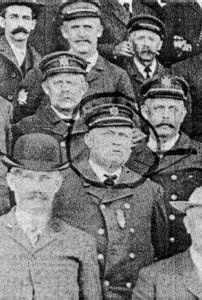
On October 28, 1889, The Baltimore Sun erroneously reported that the Camden, New Jersey, schooner had sunk near False Cape, Virginia, and all souls were lost.
The postcard seen left, published by the Baltimore Sun and postmarked October 29, 1914, shows a rather distinguished gentleman thought to be Robert Lee Grant (circled).
The image is a poorly reproduced newspaper photograph meant for a remembrance article published 25 years after the event from which he was the sole survivor.
Nearly a century later, the sole survivor in question was correctly identified as Robert Lee Garnett, in an anthology of short stories entitled Shipwrecks and Lost Treasures: Outer Banks by Bob Brooke, © 2008.
***
The disaster unfolded near the North Carolina-Virginia border in an area long known as the “Graveyard of the Atlantic.”
On the day of the last sailing, October 17th, the Henry P. Simmons carried a cargo of phosphate rock bound for Baltimore. The 650-ton schooner left Charleston, South Carolina, and headed north. By October 23, she had rounded Cape Hatteras and was approaching the entrance to Chesapeake Bay when a sudden and violent Easterly gale struck. Weather records show that the storm soon reached hurricane-force intensity.
As the storm intensified, the crew attempted to reduce sail, but the wind and seas became too powerful. The vessel was left largely at the mercy of the weather and was driven onto Pebble Shoals, near the Virginia-North Carolina line. After grounding, the schooner quickly filled with water. Massive breakers swept away the cabin, and the hull sank beneath the surf, leaving only the masts above water. The crew climbed into the rigging to survive.
The men endured a nightmare. Throughout the storm they clung to the masts while huge seas broke over them. One crewman was swept away during the first night. When Life-Saving Service crews reached the beach the next morning, they found the wreck more than 1,000 yards offshore, far beyond easy rescue.
The lifesavers repeatedly attempted to reach the schooner. They fired lines toward the wreck and tried launching surfboats, but the weather defeated every effort. As the stranded sailors weakened, more men were washed from the rigging and drowned. A telegraph message was sent requesting a tug from Hampton Roads, but even the tug could not fight its way through the monstrous seas.
The ordeal lasted eighty hours. Again and again, rescuers from multiple Life-Saving Stations attempted launches, only to be hurled back by the surf. One by one, sailors disappeared into the sea. According to contemporary accounts, the men onshore could do little except watch helplessly as exhaustion, exposure, and waves claimed the crew.
The wreck became so infamous that the U.S. Life-Saving Service later described it as “a peculiarly harrowing” case in its annual report. Sadly, the Henry P. Simmons was just one of several vessels wrecked during the same storm, accounting for the deaths of over twenty-five seamen.
The loss of the Henry P. Simmons is remembered not just because a ship was destroyed, but because the case highlights the limits of 19th-century rescue technology. Lifesaving crews were on the scene, risking their own lives, yet the storm was so fierce that they could not reach the sailors.
In the end there was one survivor, he was Robert Lee Garnett. Someone should have notified the Baltimore Sun.