I know it may be a stretch, but do you remember
any of your early grade teachers singing to your class?
Good morning to you!
Good morning to you!
You’re all in your places
With bright shining faces;
Oh, this is the way
To start a new day!
These poetic lines have been used for generations by teachers in nursery schools and classrooms where children gather to be taught skills and to display their talents. The song’s lyrics are often credited to Abbie Farwell Brown that were set to a melody by Ernst Richter.
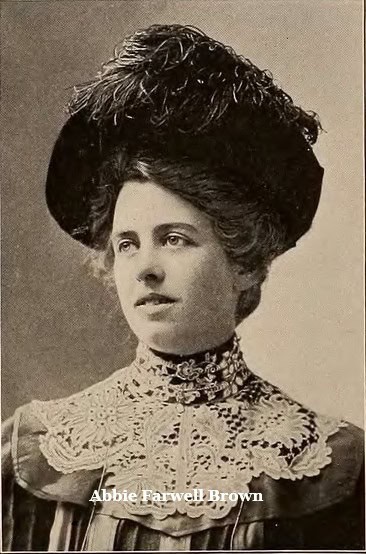
Abbie Farwell Brown was an American author, poet, and lyricist whose work delighted generations of young readers during the late nineteenth and early twentieth centuries.
(Personally, I remember Miss Robinson singing to us Kindergarteners in 1949.)
Although Miss Brown is remembered primarily for her children’s stories and poems, she also wrote song lyrics, some of which are to the song “Good Morning to You.”
Brown’s version of that cheerful morning greeting became popular across the nation when they were paired with a standard melody used in many educational settings.
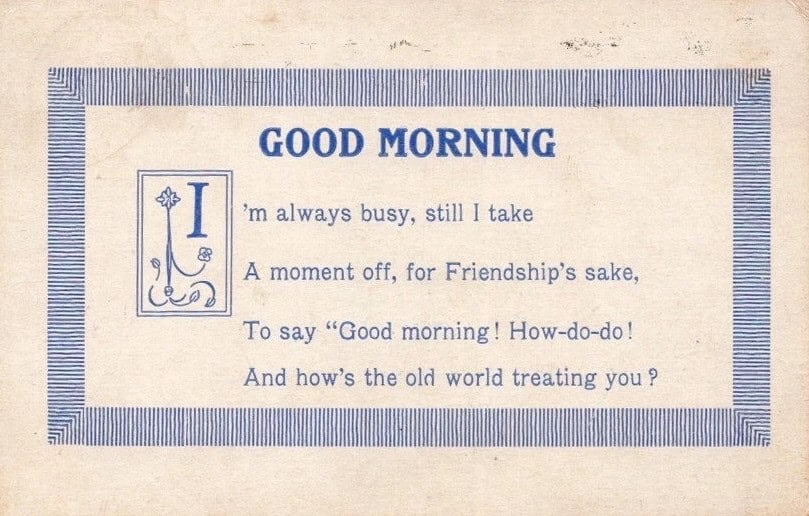
The title “Good Morning to You” sometimes causes confusion because many people associate it with the melody that also became famous as, “Happy Birthday to You.”
A hymn under the title “Good Morning to You” and a few songs credited to Brown appear in several Methodist hymnals and song collections. Her lyrics reflect the optimistic spirit that characterized much of her writing. Each one emphasized friendship, cooperation, and the joy of beginning a new day.
Brown was born in Boston, Massachusetts, on August 21, 1871, and spent her entire life in the city’s historic Beacon Hill neighborhood. She came from a literary family. Her mother, Clara Neal Brown, contributed writing to The Youth’s Companion, and her sister later became an author and illustrator under the pen name Ann Underhill Brown.
Abbie’s literary career flourished after the publication of The Book of Saints and Friendly Beasts in 1900, a collection of stories inspired by medieval legends and the lives of saints.
She went on to write many books for children, including The Lonesomest Doll (1901), In the Days of Giants (1902), The Flower Princess (1904), and John of the Woods (1909). Her retellings of Norse myths and traditional folktales helped introduce young readers to many classic stories.
In addition to fiction, Brown created children’s poetry collections such as A Pocketful of Posies and Fresh Posies. One of her other song lyrics was “On the Trail,” written with composer Mabel Daniels, which became the official song of the Girl Scouts of the United States.
Abbie Brown died in Boston on March 5, 1927.
***
I must confess, I am not really a postcard collector, my main interest is very old children’s literature. I have no good reason for collecting “good morning” postcards other than I think the words simply sound good together, and I like them.
***
Here are a few samples from my collection.
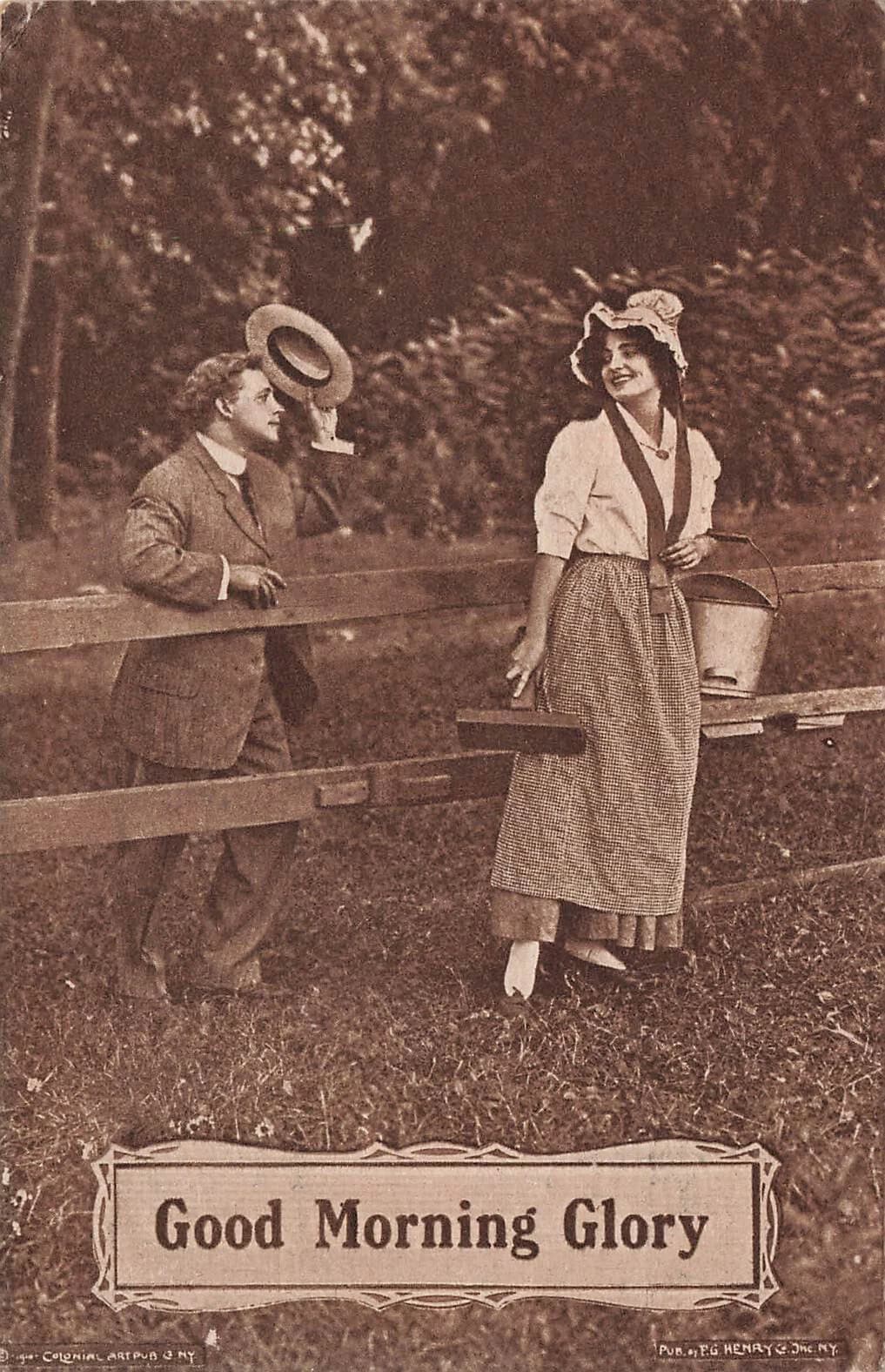
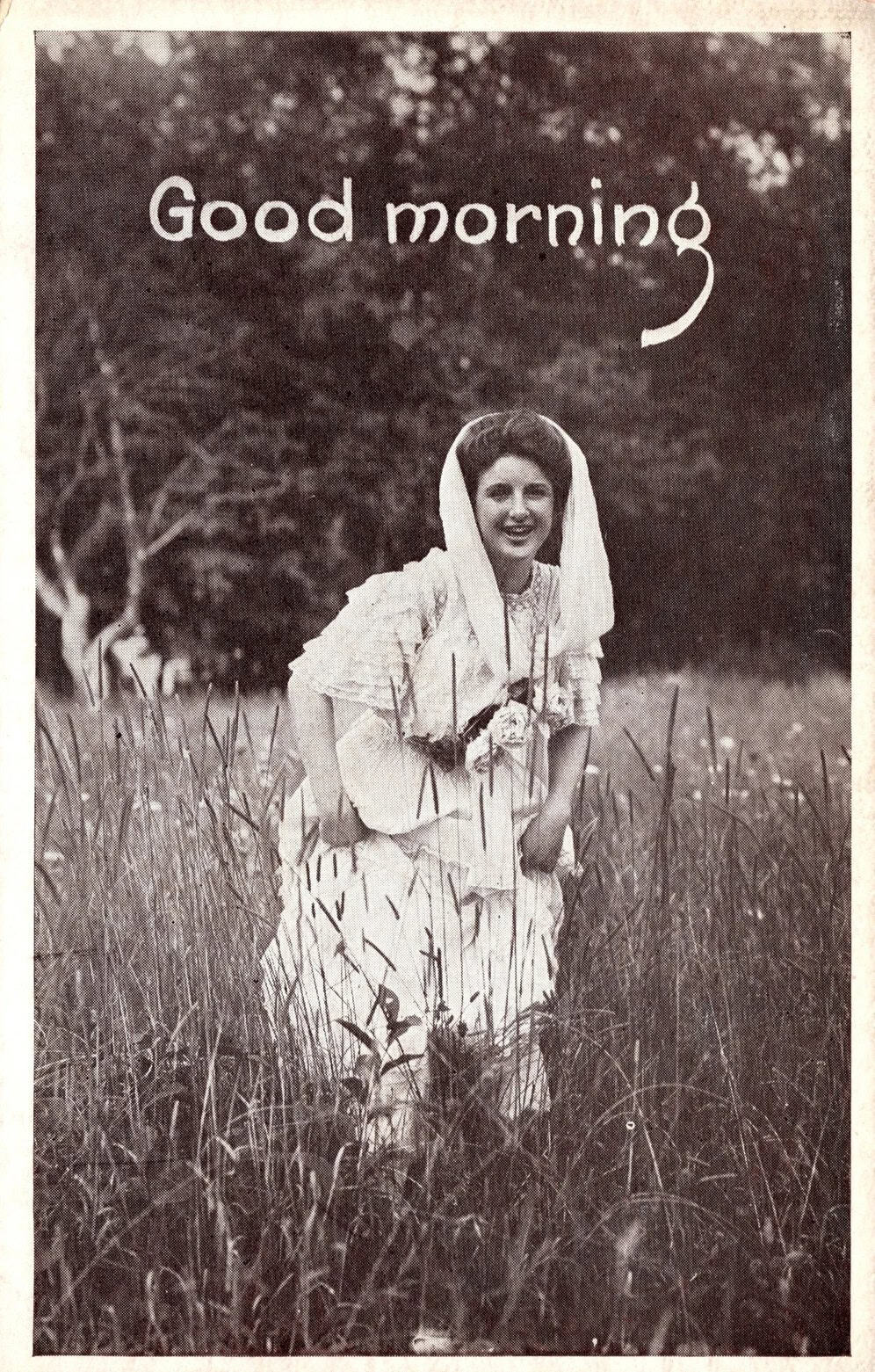
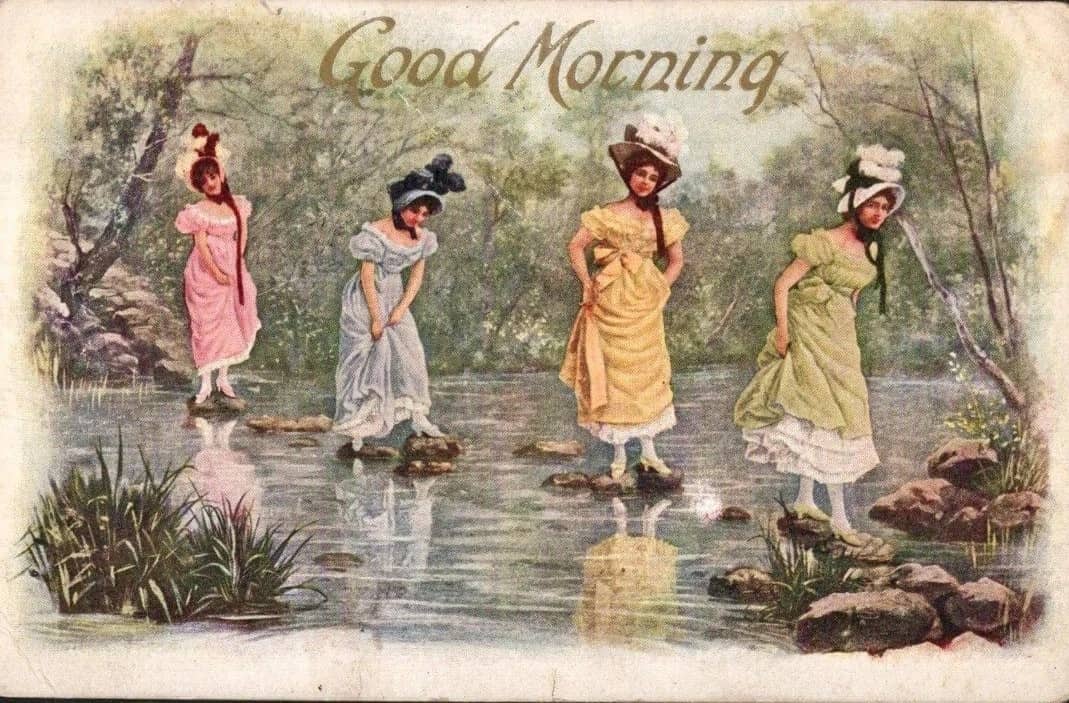
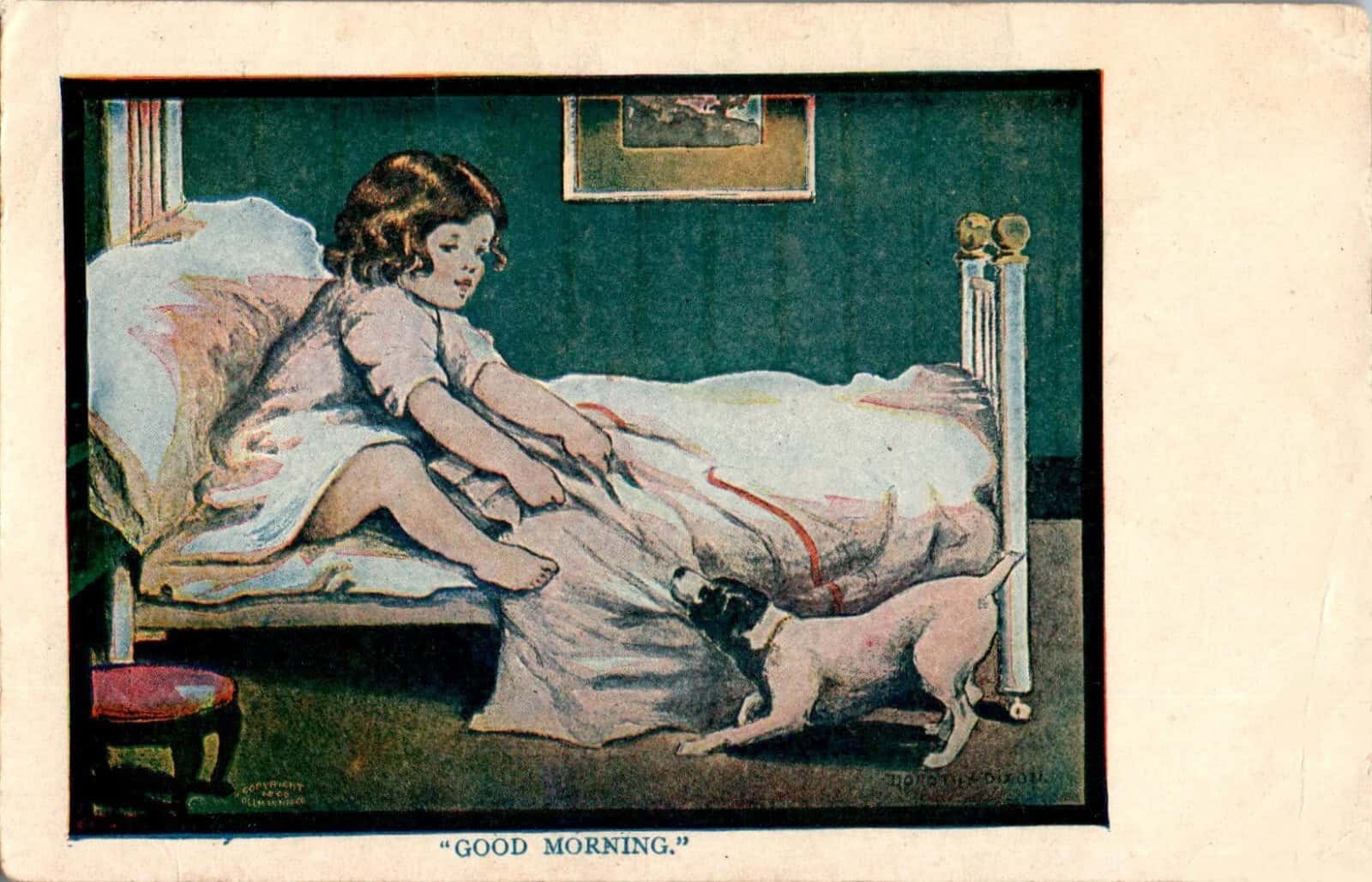
The note read, “My father named his first pet Adam, his second was Barabas, then came Cain. When I turned nine, we welcomed Noah to our household. Noah was an obnoxious spaniel that Mom trained to pull the blankets off her sleeping daughter – me!
When I was a kid, I had chores. One chore I did without complaint was going down our lane every morning to the mailbox. One bright spring morning, I pulled down the flap and found a postcard tucked between two bills and a grocery store advertisement. On the front was a painting of a sunrise over a lake. The message was only three words written in my grandfather’s familiar handwriting, but I’ll never forget them. It read, “Good Morning, Clara!”
That was all. Yet somehow those words carried the warmth of a smile, the smell of stale cigar smoke on his flannel shirts, and memories of mornings spent talking with him on the front porch.
I taped that postcard inside my desk drawer, and every day after that, no matter “what,” it greeted me with the same cheerful wish: Good Morning.
***
PS: the dog I mentioned, Noah. That dog should have been named Lucifer.