During a wonderful, week-long holiday on the Outer Banks of North Carolina last month, I left home with the intent of sitting on the deck of an oceanfront rental property and watching the waves break on the sandy beaches of Currituck Island. But, I was smart enough to know I would need something to do at night, so I took seven, yes seven thumb drives (two ScanDisks, two Lexar Jump Drives, and two with no identified manufacturer, but they had cases made of a hard rubber- one shaped like a penguin, the second, a mouse). My goal was to explore the contents, examine what value they had, and decide if I wanted to delete the worthless files forever.
On Tuesday night I found a folder on the first Lexar Jump Drive named, JNJCMR. I can still hear myself exclaim, “Oh, for Heaven’s sake, I had forgotten all about those days.” Working for JNJCMR was a time in my life that was nearly as much fun as I’m having working for Postcard History Online Magazine.
Not many people know that once upon a time I wrote reviews of classical music performances of many genres. My favorite events were symphony concerts and organ recitals, but music, to me is a gift to hear and the review that follows is from a totally memorable event even though it was not a concert. It is of a memory of a CD played for us by a chauffeur who drove us along a six-lane boulevard in North Africa.
It was the first review I wrote about music that I illustrated with postcards. On this delightful Sunday afternoon in fall, I beg you to read that review written nearly a quarter-century ago.
***
A Ride Along the South Shore of the Med Listening to a CD
In Tunisia for a first visit on the ninth of October 2003, a visit of the North African American Cemetery in Carthage (near Tunis) was a must. Other good reasons were to see for myself a part of the world that had been an unseen bucket-list travel destination for more than three decades and the food. We traveled, privately that trip and it was worth every extra dollar over the cost of a chauffeured and scripted, “country-a-day,” bus tour.
After spending an hour wandering the cemetery – an anomaly of green grass in a sandy desert) we returned to our van, thirsty and tired. Our driver, Tariq had prepared a light, late-morning treat – water and bread. “Bread and water?” I joked as I took the first bite into the bread, but Tariq did not understand the inference.
It was cool that morning (almost cold to the locals); it was 72, but headed for the mid-nineties, so we did not mind finishing our treat in the van. Before setting off for a shopping spree in Marché Municipal, the marketplace in the center of Tunis, Tariq asked if we would like to hear some “nice” music while he drove to the market.
As he eased the van into traffic along Rue de Roosevelt heading for the city, much to our delight, Tariq played a CD of Jacques Ibert’s Escales (Ports of Call).
***
Escales is a three‑movement orchestral suite by Jacques Ibert, a French composer who studied with André Gedalge along with Arthur Honegger and Darius Milhaud. He was inspired to compose the suite, based on native melodies, heard during his Mediterranean travels between 1920 and 1922.
Ibert wrote Escales during his residency at the Villa Medici in Rome, awarded after he won the Prix de Rome in 1919.

That time in his life followed his decorated service in World War I, after which he resumed his musical career.
The suite grew out of impressions gathered during several Mediterranean voyages. Before leaving for Rome, Ibert and his wife Rose‑Marie Veber traveled through the Balearic Islands, and in 1921 they undertook a longer sea journey that took them to various ports including Sicily, Tunisia, and Spain.
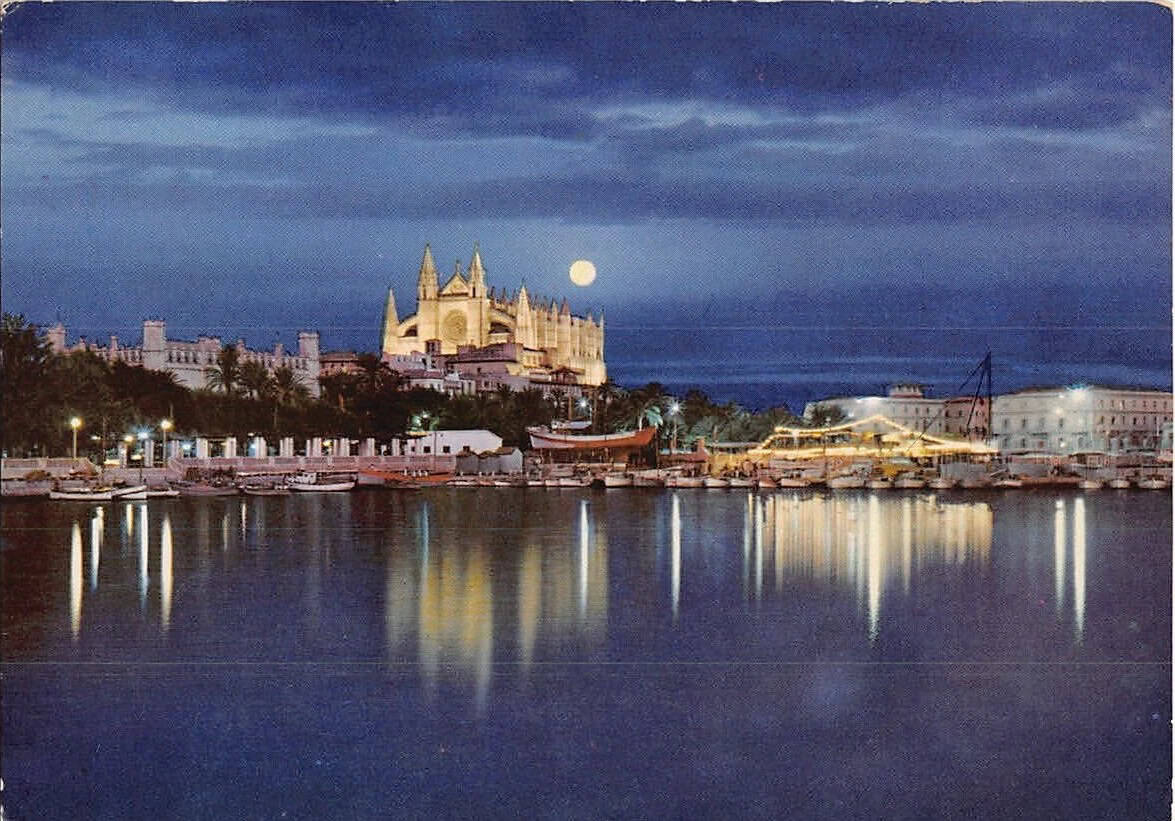
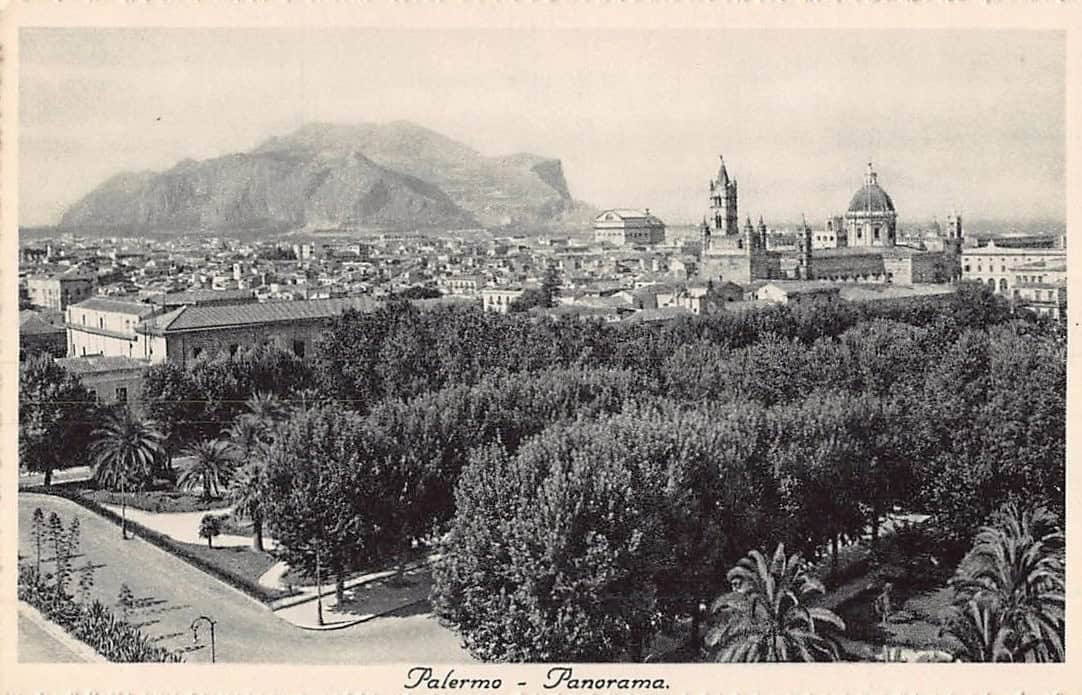
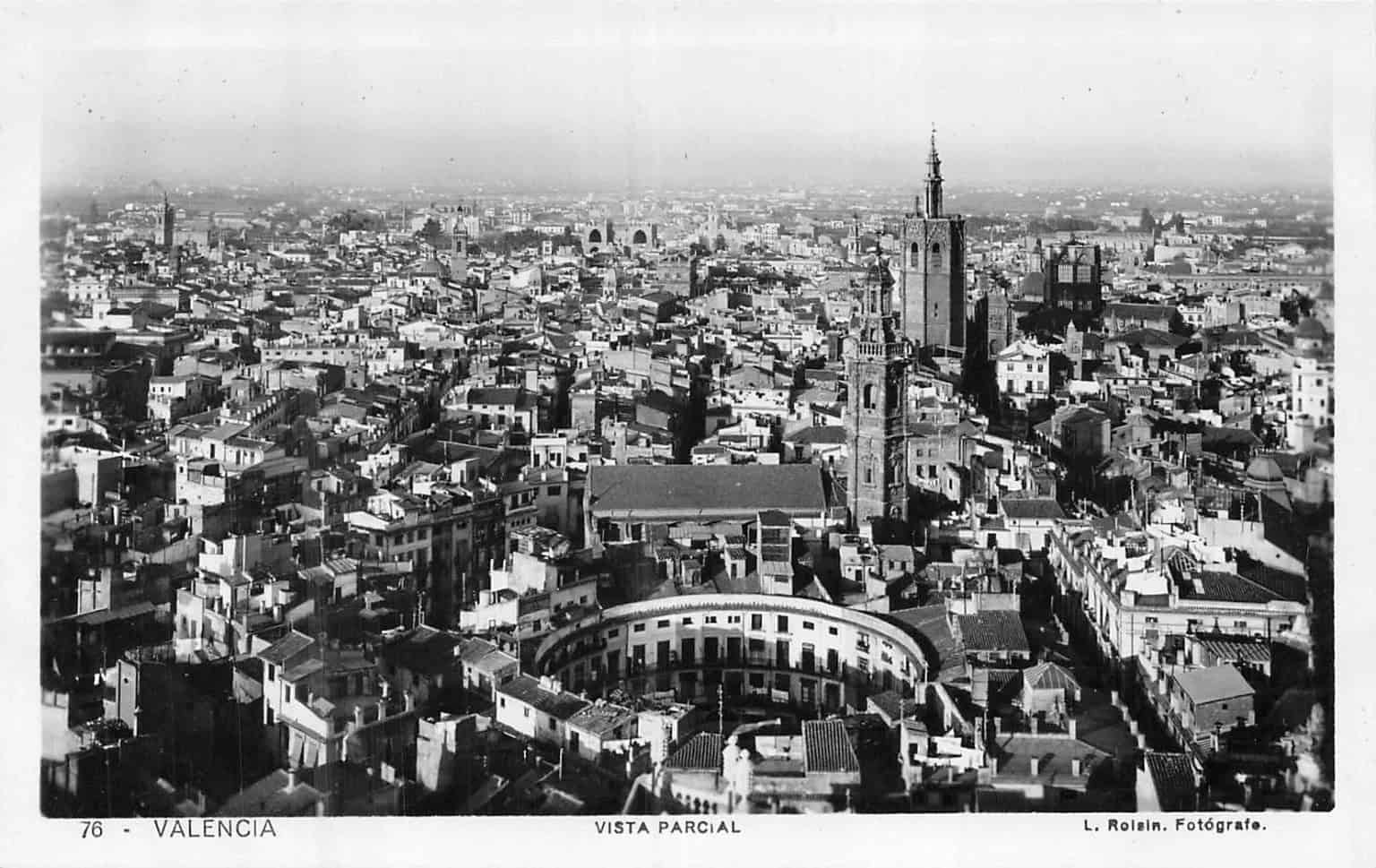
Although the movements did not originally have geographic titles, the program at the premiere used the now common subtitles: I – Rome–Palerme; II – Tunis–Nefta; and III – Valencia. The second movement was the portion that Marie and I listened to during our trip into the Municipal Market. The Tunis-Nefta movement was composed using variations on a melancholy oboe melody heard earlier when Ibert transcribed it from a chant he heard in Sfax, a port city in southeastern Tunisia. This movement uses irregular rhythms and col legno string effects (striking a string with the back of the bow) to evoke North African landscapes.
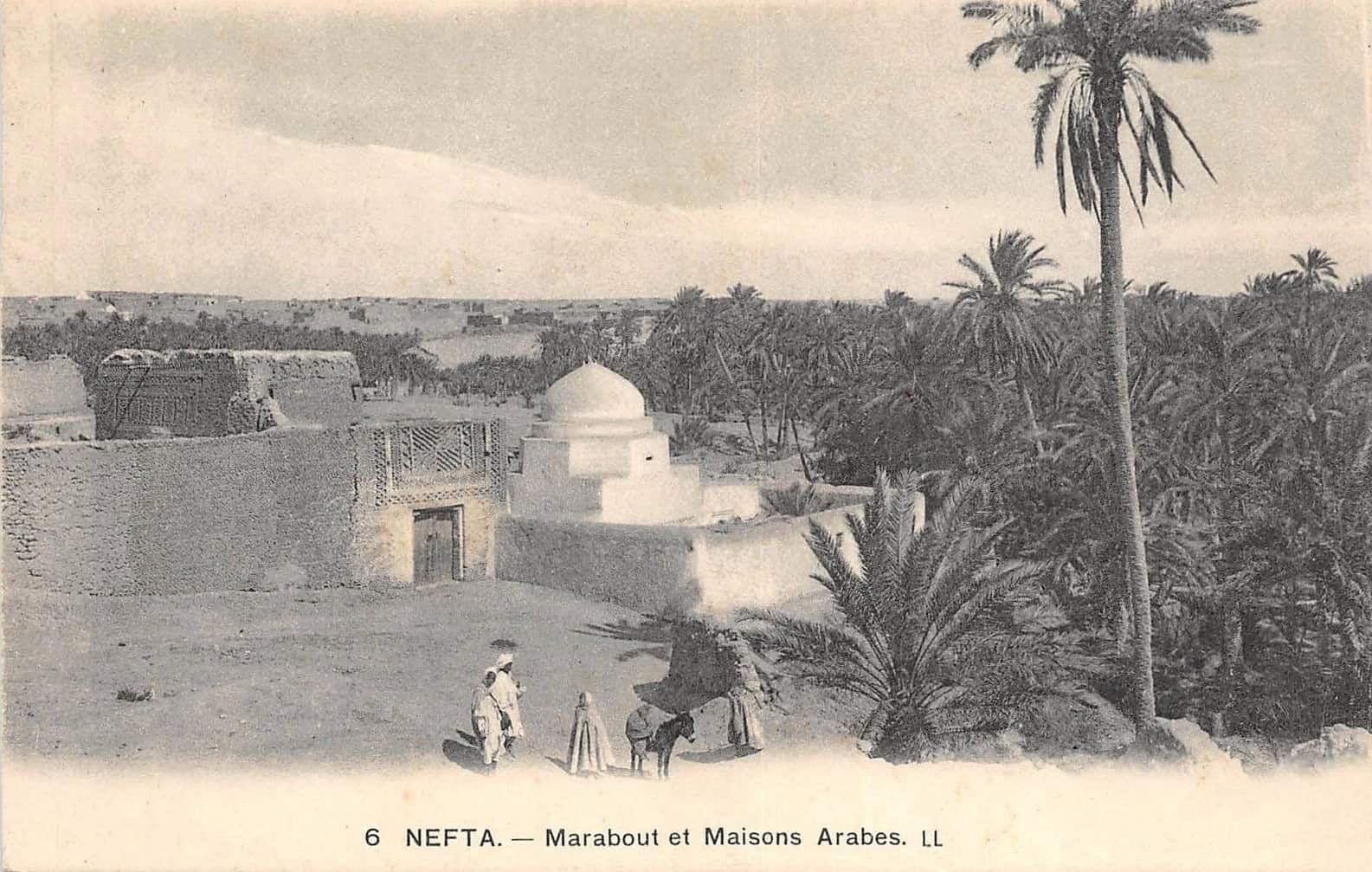
Escales was premiered in Paris on January 6, 1924, at the Salle Pleyel in Paris, with Paul Paray leading the Lamoureux Orchestra. It was an immediate success, and the critics praised its structure and orchestration, comparing its clarity and brilliance to the work of Ravel. It remains one of Ibert’s most frequently performed works.
The first American performance of Ports of Call took place on January 24, 1926, when Serge Koussevitzky, a champion of modern French music, brought it to the Boston Symphony Orchestra during his early tenure.
Soon after the Boston performance, Eugene Ormandy programed the piece in Philadelphia and in 1955 the Philadelphians did a studio recording with Ormandy conducting. Additionally, Ports of Call has appeared on RCA, RCA Red Seal, and Sony Classical labels. (The 1970 recording is preserved in the Internet Archive and the Library of Congress Audio Archives.)
The significance of the “Tunis–Nefta” movement in Jacques Ibert’s Escales lies in its role as the emotional and atmospheric center of the suite — a moment where Ibert turns from glittering travelogue to something more intimate, mysterious, and culturally specific.
What makes it so important: it’s the most “exotic,” it represents Ibert’s fascination with North Africa especially at Nefta, an oasis town near the Algerian border; and it shows Ibert’s mastery of orchestration.